

Soft Science 2025 Annual Report
The year 2025 marked an important milestone in the development of Soft Science (SS; ISSN 2769-5441). Building on the solid foundation established since its launch in 2021, the journal made steady progress in academic visibility, international participation, and community engagement. With achievements such as inclusion in major indexing databases, expansion of the Editorial Board, and growing global collaboration, SS continued to advance as a dynamic international platform for cutting-edge research in flexible and soft science. This annual report summarizes the journal's performance, key metrics, and major activities in 2025.
1. Impact Factor and CiteScore
In June 2025, Clarivate Analytics released the 2024 edition of the Journal Citation Reports (JCR). SS received its first Impact Factor (IF) of 9.0, four years after its launch in 2021. In the category Materials Science, Multidisciplinary, SS ranked 70th out of 460 journals (70/460), placing it in the top 16% (Q1) of the field. As of December 2025, the journal's real-time IF has reached 15.5. Scopus also released the 2024 CiteScore during the same period. SS achieved a CiteScore of 7.4, rising from 3.1 in the previous year. The journal ranked 51st out of 232 journals in the Materials Science (miscellaneous) category, corresponding to Q1 (top 22%). The 2025 CiteScoreTracker reached 15.1 by the end of the year. Together, these indicators reflect the journal's growing visibility and recognition within the materials and soft science research communities.
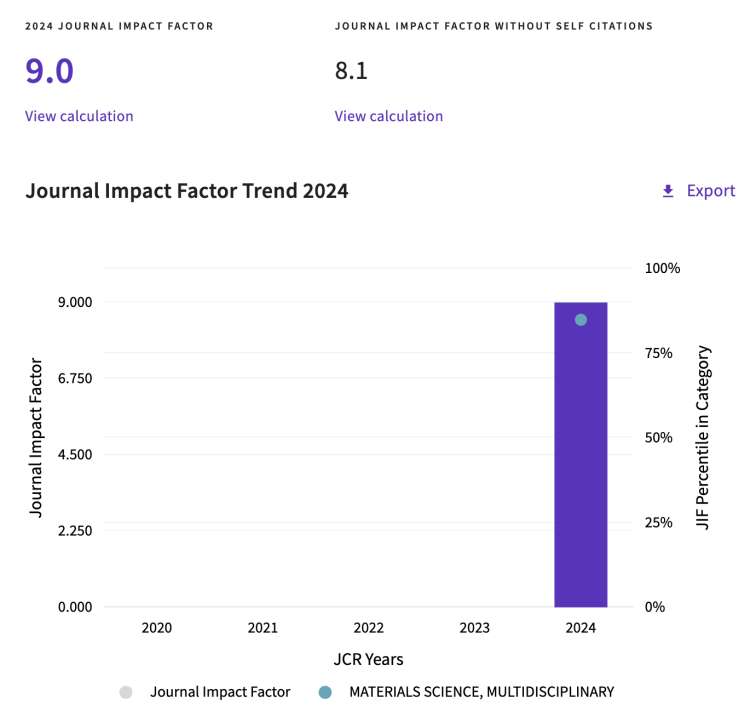
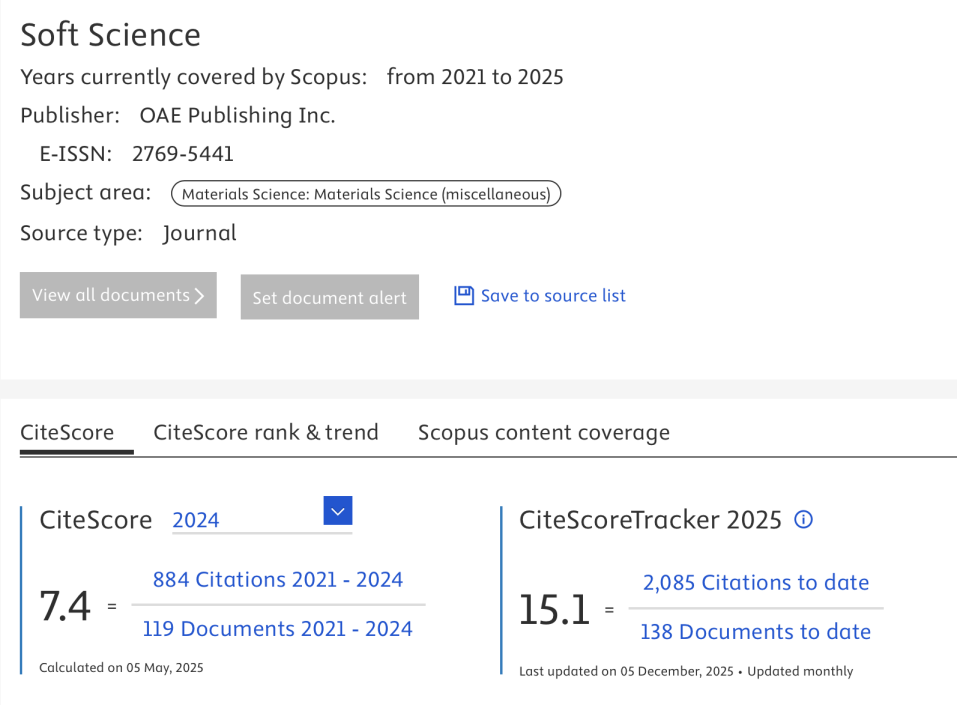
Figure 1. Impact Factor and CiteScoreTracker of Soft Science
2. Submissions and Publications
In 2025, SS published 60 papers across four issues, with 12-19 papers per issue. Each issue featured a dedicated cover image highlighting one selected article from that issue.
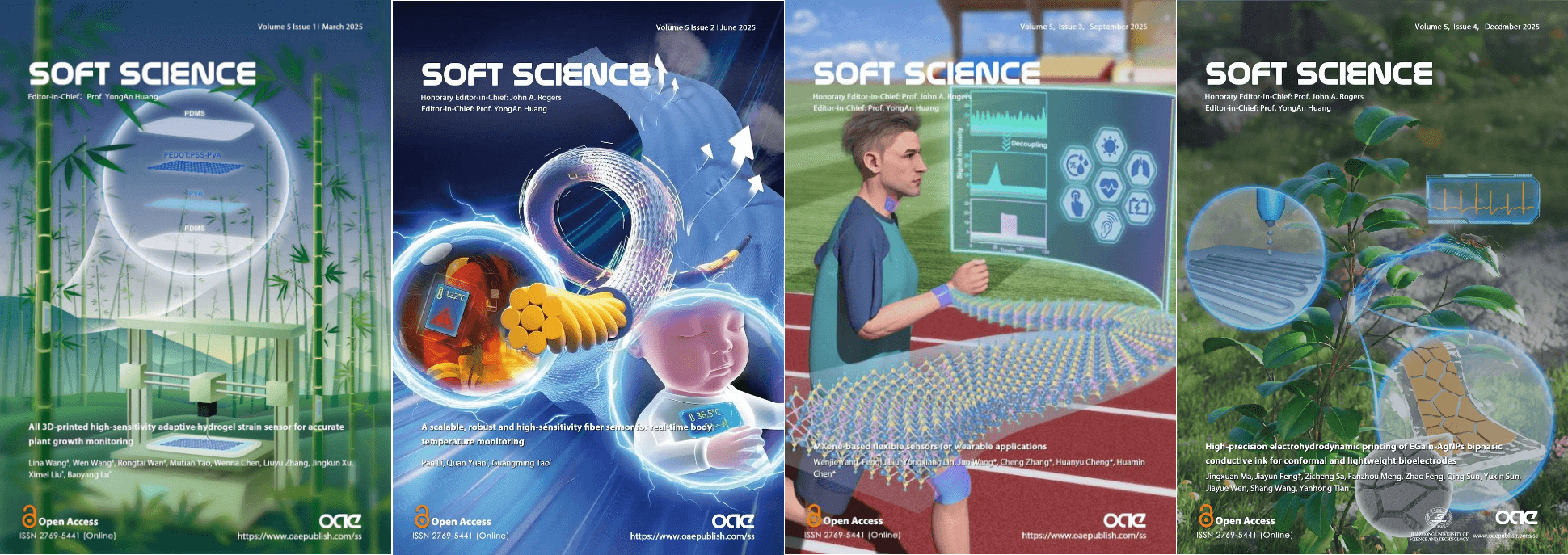
Figure 2. Cover Images of Featured Articles Published in 2025
As illustrated in Figure 3, both manuscript submissions and publication output increased steadily from 2021 to 2025. The year 2025 saw a particularly noticeable rise in submissions, which may be partly associated with the journal's inclusion in the Journal Citation Reports and the release of its first official IF. In terms of article types, nearly 60% of the articles published in 2025 were Research Articles, with the remainder comprising Review Articles and other contribution types.
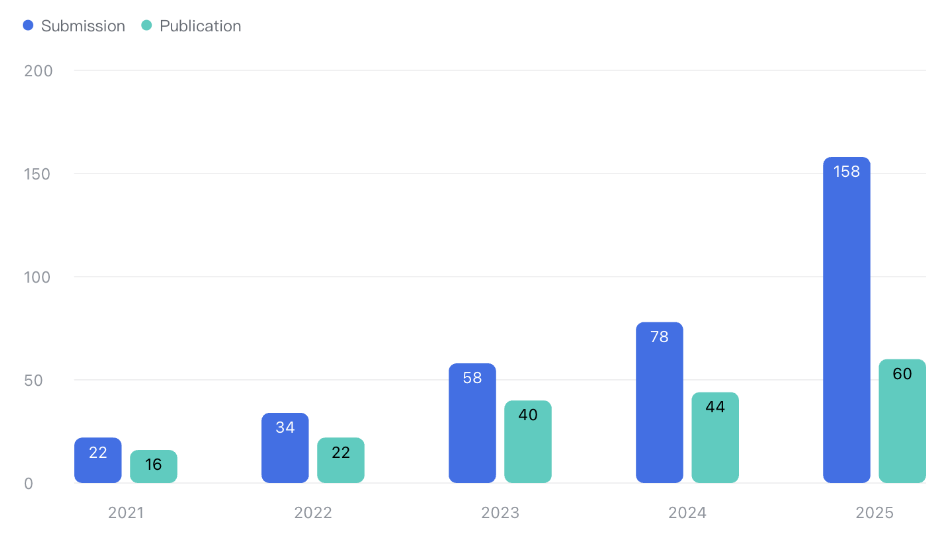
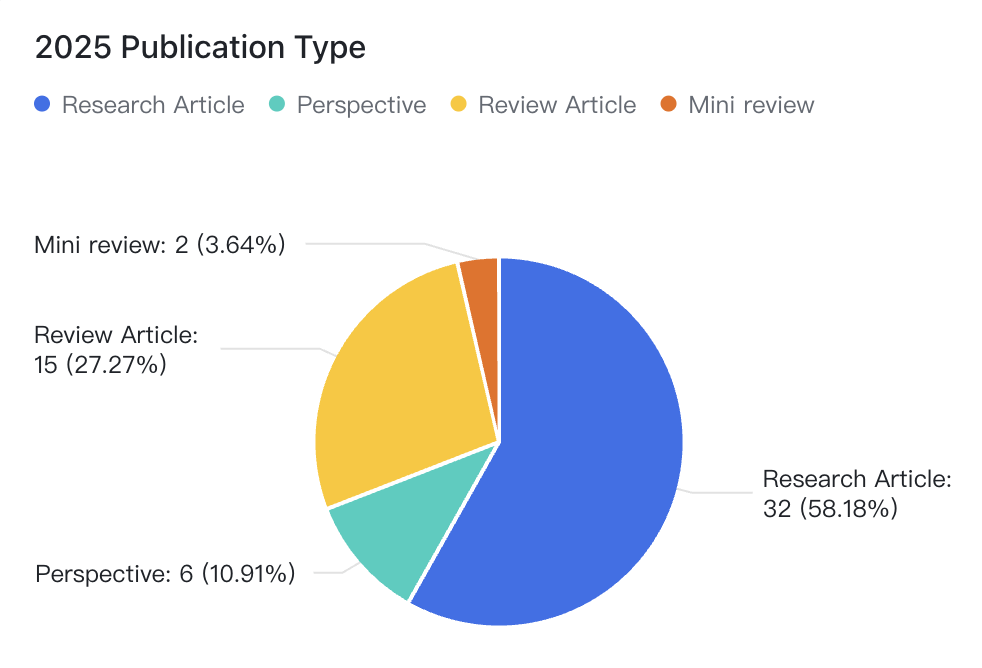
Figure 3. Manuscript Submission and Publication Trends (2021-2025) and Article Type Distribution (2025)
3. Reads, Downloads and Citations
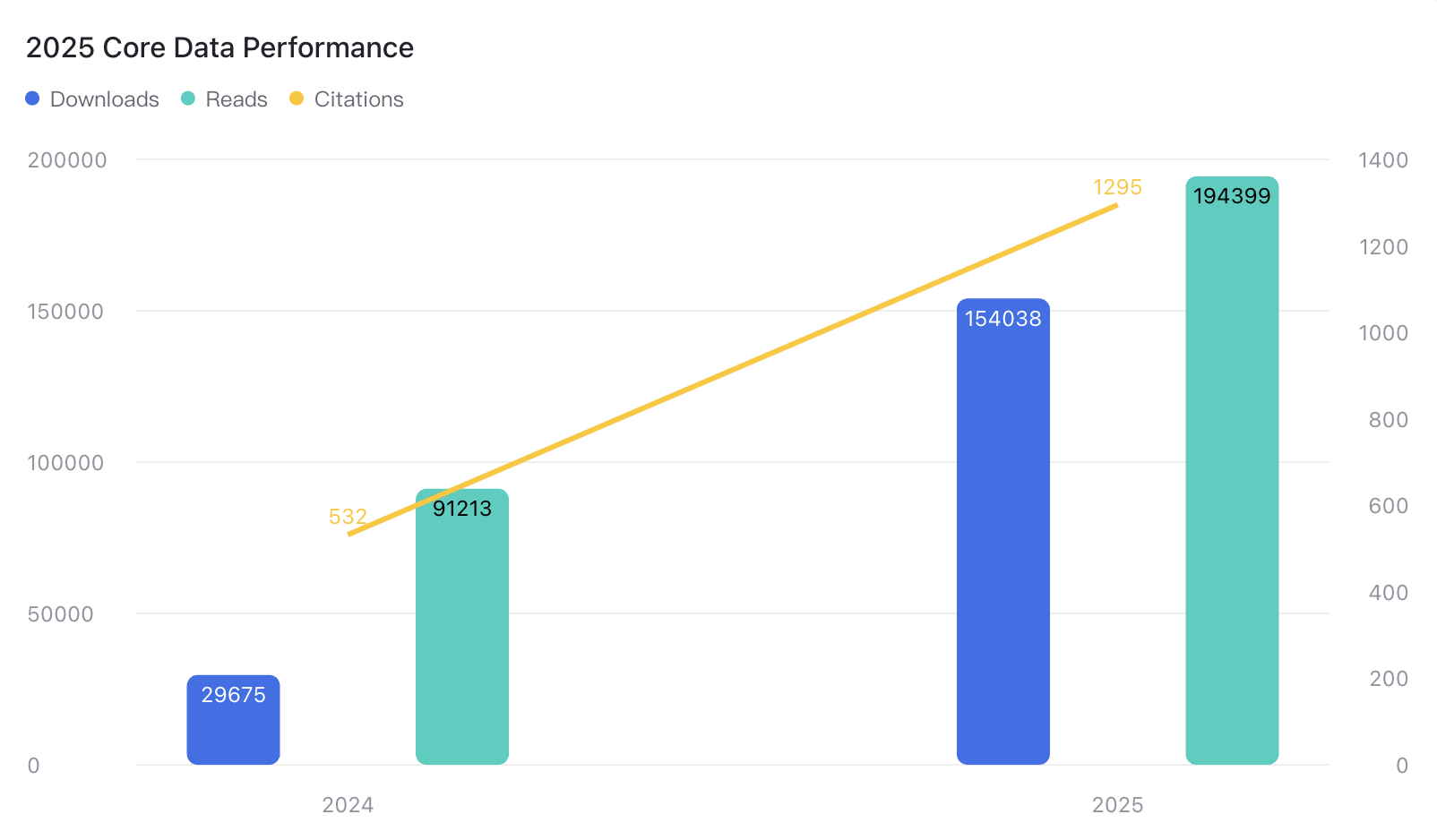
Figure 4. Growth in Article Reads, Downloads, and Citations (2024-2025)
From 2024 to 2025, SS experienced consistent growth in article views, downloads, and citations. All three metrics in 2025 exceeded the corresponding figures from 2024. In parallel, the journal's immediate citation performance continued to improve during 2025, with the real-time IF increasing from 9 to 15.5 over the course of the year.
4. Manuscript Processing Time
Table 1. Average Manuscript Processing Time in Soft Science (2025)
| Stage | Average Time (days) |
|---|---|
| Desk Decision | 8.05 |
| Peer review | 24.5 |
| Peer review (revision) | 20.3 |
| Revision-acceptance | 16 |
| Acceptance-publication | 26 |
| Submission-acceptance | 61.2 |
| Submission-publication | 87 |
Table 1 presents the average manuscript processing timelines for SS in 2025 to date. Initial editorial screening decisions (desk rejection or referral to peer review) were completed within approximately 8 days. The first round of peer review was typically finalized within 25 days. Slight delays were observed at the publication stage for some manuscripts, primarily due to issue scheduling considerations. Overall, the average time from submission to acceptance was approximately 60 days.
5. Special Issues
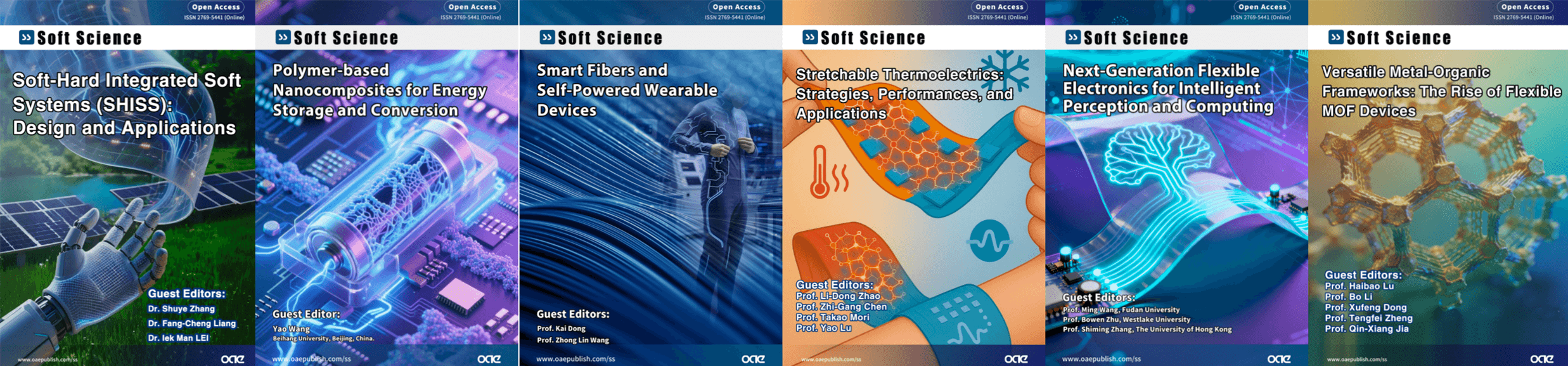
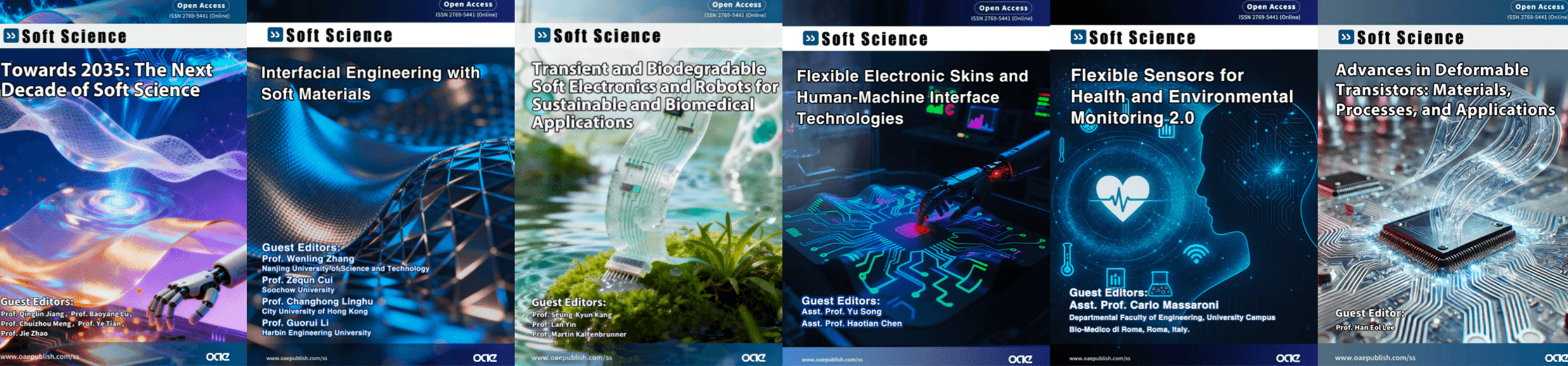
Figure 5. Covers of Special Issues Published in 2025
The Special Issues published in 2025 reflect the broad and interdisciplinary scope of SS. These topics covered soft and soft-hard integrated systems, advanced soft materials, polymer-based and metal-organic framework (MOF)-based functional materials, and emerging applications in flexible and stretchable electronics. The collections addressed areas such as thermoelectrics, transistors, electronic skins, next-generation wearable and self-powered devices, smart fibers, human-machine interfaces, intelligent perception and computing, and flexible sensors for health and environmental monitoring. Emerging themes, including transient, biodegradable, and sustainable soft electronics and robotics, were also represented. Collectively, these Special Issues highlight the journal's focus on both fundamental advances and application-driven innovations.
6. Editorial Board Updates and Editorial Board Meeting
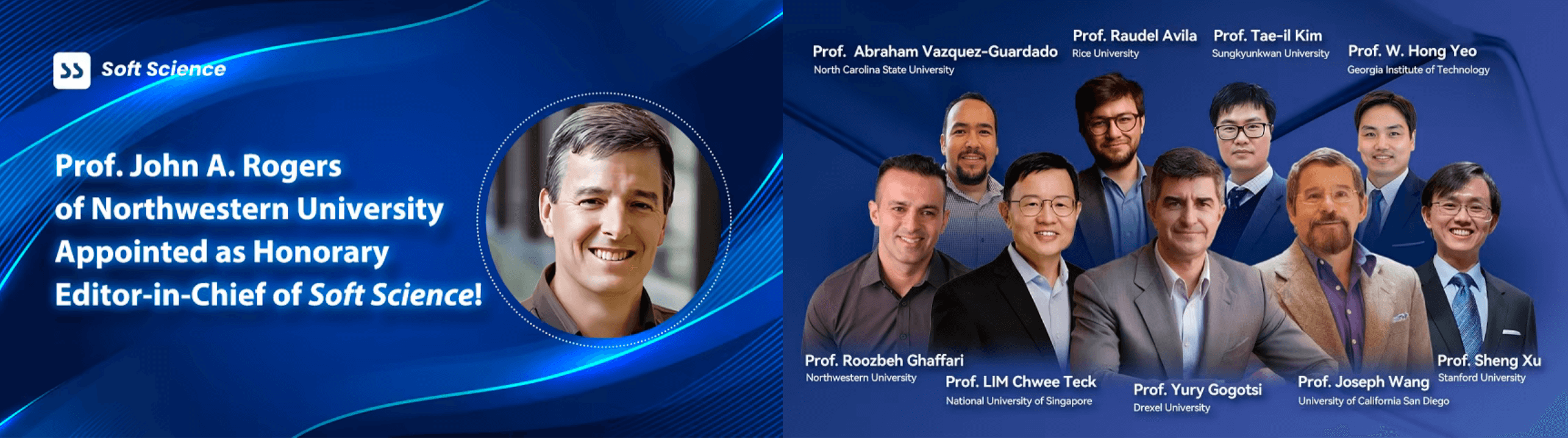
Figure 6. Honorary Editor-in-Chief and Editorial Board Members Appointed in 2025
In April 2025, Prof. John A. Rogers, a pioneer in flexible electronics and a member of both the U.S. National Academy of Sciences and the U.S. National Academy of Engineering, was appointed Honorary Editor-in-Chief of SS. Since September 2025, the journal has welcomed nine internationally renowned scientists to its Editorial Board, including Prof. Yury Gogotsi (Drexel University, Philadelphia, USA), Prof. Joseph Wang (University of California, San Diego, USA), Prof. Lim Chwee Teck (National University of Singapore, Singapore), Prof. Roozbeh Ghaffari (Northwestern University, Evanston, USA), Prof. Sheng Xu (Stanford University, Stanford, USA), Prof. W. Hong Yeo (Georgia Institute of Technology, Atlanta, USA), Prof. Raudel Avila (Rice University, Houston, USA), Prof. Abraham Vázquez-Guardado (North Carolina State University, Raleigh, USA), and Prof. Tae-il Kim (Sungkyunkwan University, Suwon, South Korea).
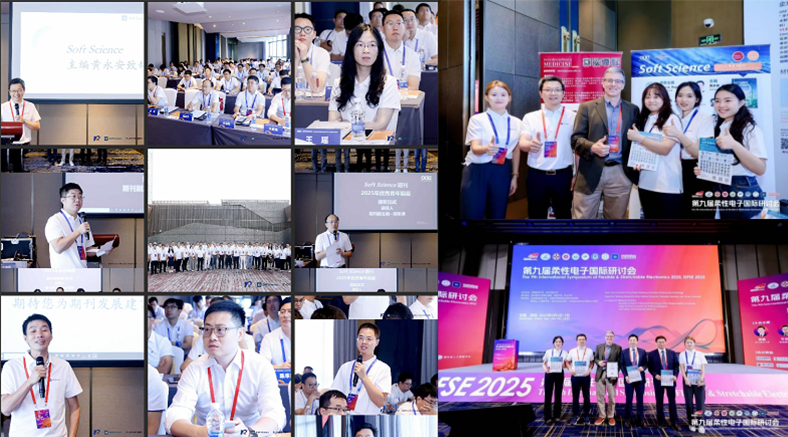
Figure 7. 2025 Face-to-Face Editorial Board Meeting and The 9th International Symposium on Flexible & Stretchable Electronics (ISFSE 2025)
In September 2025, SS convened its second Editorial Board Meeting in Shenzhen, China. Editorial Board members from across China gathered to discuss emerging research directions and the journal's strategic development. The Editorial Office also met with the Editor-in-Chief, Prof. John A. Rogers, during the 9th International Symposium on Flexible & Stretchable Electronics (ISFSE 2025), held in Shenzhen.
7. Online Webinars
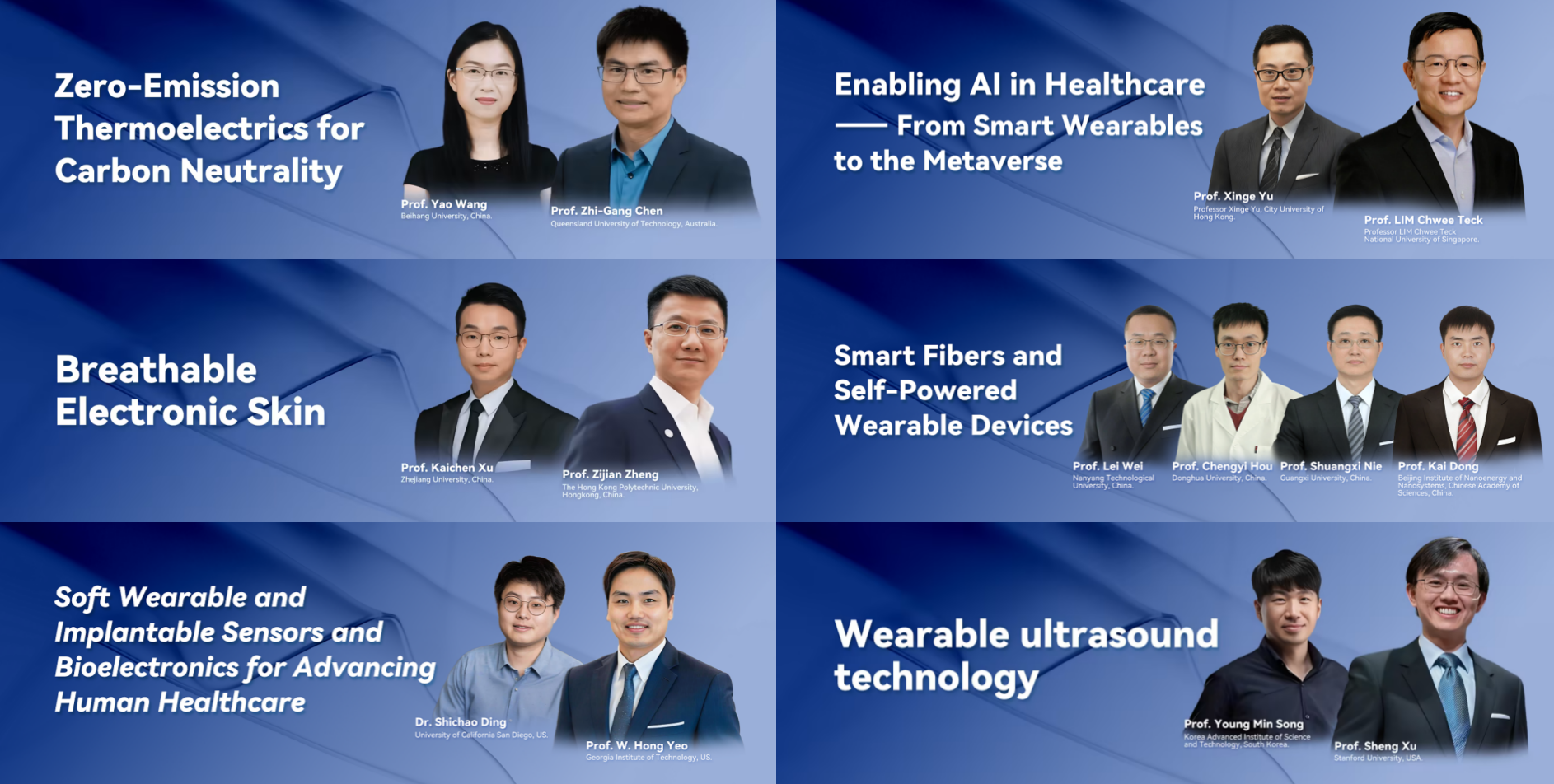
Figure 8. Online Webinars in 2025
From April to December 2025, SS organized a series of online academic webinars focusing on cutting-edge advances in flexible electronics, wearable technologies, and healthcare-oriented soft systems. Topics covered zero-emission thermoelectrics for carbon neutrality, artificial intelligence (AI)-enabled healthcare ranging from smart wearables to the metaverse, breathable electronic skin, smart fibers and self-powered wearables, soft wearable and implantable sensors and bioelectronics for advancing human healthcare, and emerging wearable ultrasound technologies. The webinars were held via Zoom and live-streamed online, attracting a cumulative total of over 86,000 online viewers, reflecting strong interest and engagement from the research community.
8. Special Interview Series
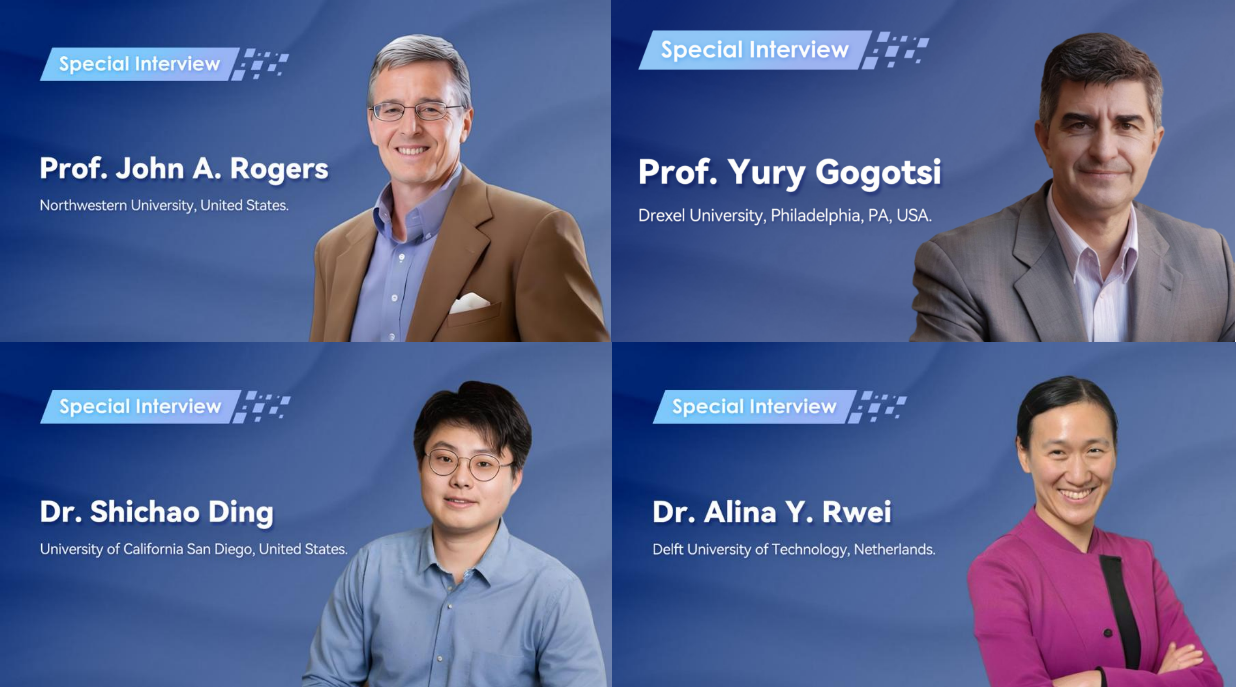
Figure 9. Online Interviews in 2025
In 2025, SS conducted video interviews with four academic peers, including leading experts, outstanding reviewers, and early-career Editorial Board members. These interviews provided diverse perspectives on research trends, academic publishing, and career development within the field of soft science.
9. Social Media Performance
Throughout 2025, SS actively engaged with readers through social media platforms, including the WeChat Official Account (SoftScience), LinkedIn (xxx), and X (OAE_SoftScience). All platforms recorded steady growth in followers, with the WeChat Official Account gaining more than 2,000 new followers during the year.
10. Institutional Cooperation

Figure 10. Strategic Partnership with Huazhong University of Science and Technology
In December 2025, OAE Publishing Inc. and Huazhong University of Science and Technology (HUST), Wuhan, China, established a strategic partnership to support the development of SS. The collaboration aims to promote international academic exchange in flexible and soft science, leveraging HUST's strengths in engineering and materials science and the leadership of the journal's Editor-in-Chief, Prof. YongAn Huang.
Acknowledgments
The year 2025 represented a period of consolidation and steady progress for SS. The journal continued to enhance its academic impact, broaden its international reach, and strengthen connections with the research community. These accomplishments were made possible by the dedication and support of the Editorial Board members, authors, reviewers, readers, and editorial staff, to whom we extend our sincere appreciation.
Looking ahead to 2026, SS will continue to focus on publishing high-quality research and fostering international collaboration, with the goal of further enhancing its role as a professional and globally visible platform for soft science research.
Publishing Manager: Haidi Ding
Language Editor: Catherine Yang
Production Editor: Ting Xu
Respectfully Submitted by the Editorial Office of Soft Science