

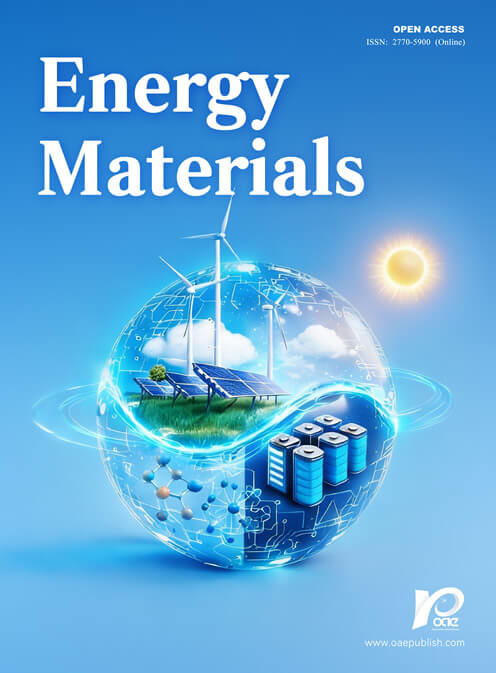
2025 Annual Report of Energy Materials
The year 2025 marked a period of steady and well-structured growth for Energy Materials (EM; ISSN 2770-5900), reflected in increased publication output, expanded editorial capacity, and broader international engagement. As an international, peer-reviewed, open access journal, EM continued to strengthen its editorial standards and provide a professional platform for research on materials science and engineering related to energy conversion and storage.
1. Indexing and Metrics
In November 2025, EM was officially indexed in the Asian Science Citation Index (ASCI). As of the end of 2025, the journal is included in several national and international databases, including the Emerging Sources Citation Index (ESCI), China National Knowledge Infrastructure (CNKI), ASCI, Chemical Abstracts Service (CAS), and The Lens.
On March 20, 2025, according to the Journal Classification Report released by the Documentation and Information Center of the Chinese Academy of Sciences, EM was ranked in Category II (Q2) within the broad discipline of Materials Science, and was also placed in Category II in the sub-disciplines Energy & Fuels and Materials Science, Multidisciplinary. The journal was additionally selected for the China SCI Journal Support Program.
On June 18, 2025, Clarivate Analytics released the 2024 Journal Citation Reports (JCR). EM achieved an Impact Factor (IF) of 11.2, marking the second consecutive year with an IF above 11. The journal ranked 19th out of 182 journals in Energy & Fuels and 49th out of 460 journals in Materials Science, Multidisciplinary, placing it in Q1 (top 11%) in both categories.
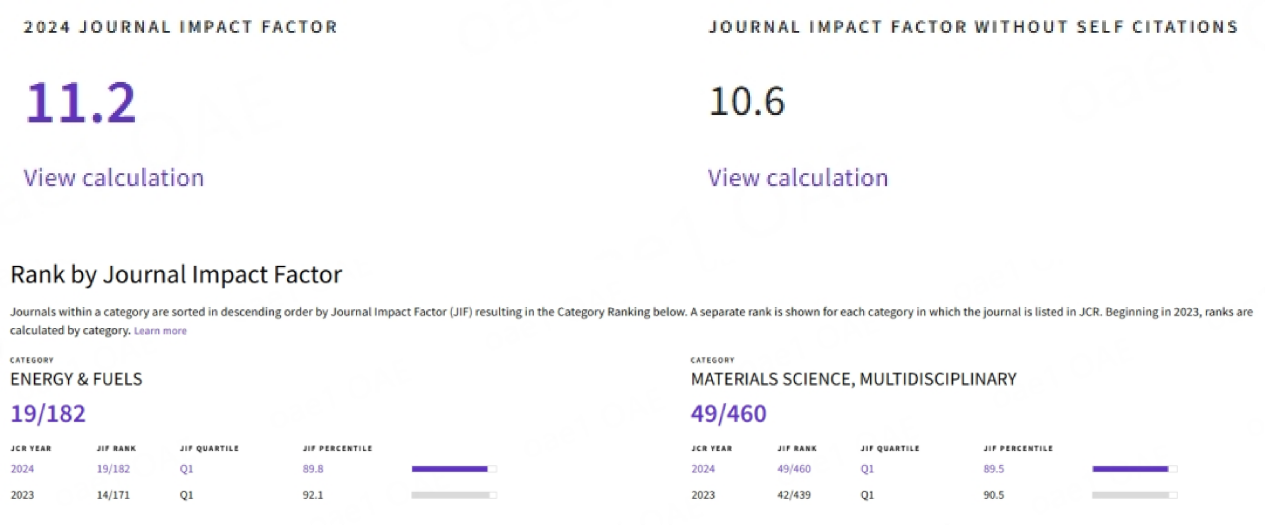
Figure 1. Journal Impact Factor and JCR Rankings of Energy Materials
2. Submissions and Publications
In 2025, EM received submissions involving 1,612 authors from 30 countries, including first-time submissions from 10 countries. Following peer review, 155 articles by 1,174 authors were published across 12 issues. Approximately 45% of the published papers involved authors affiliated with national key laboratories or recognized as internationally highly cited researchers, reflecting a strong author base.
The distribution of article types was as follows:
- 70% Research Articles
- 20% Reviews
- 10% Communications and other article types
Sixteen papers were selected as cover articles based on both scientific quality and visual presentation.
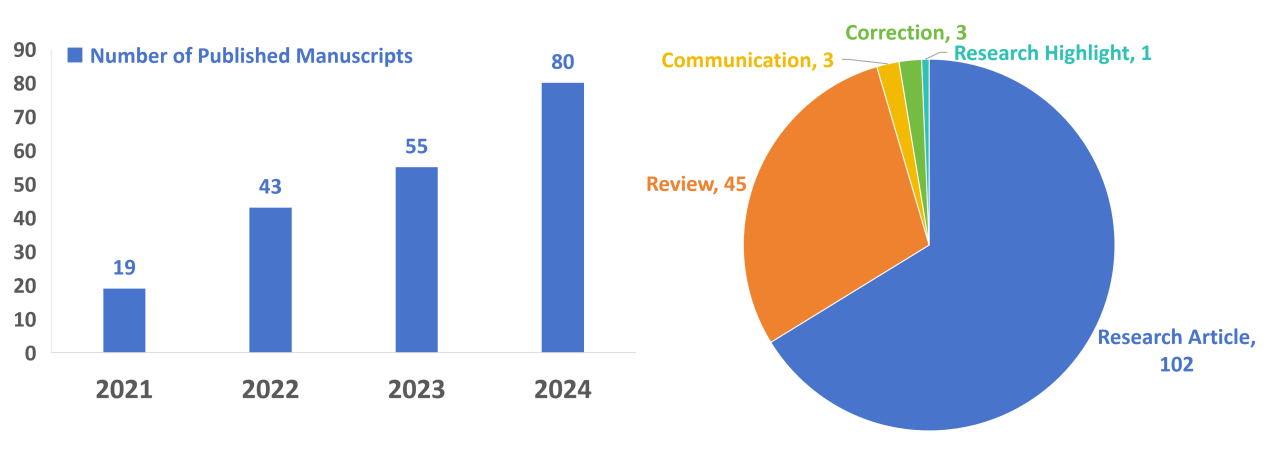
Figure 2. Overview of Annual Publications (2021-2025) and Article Types (2025)
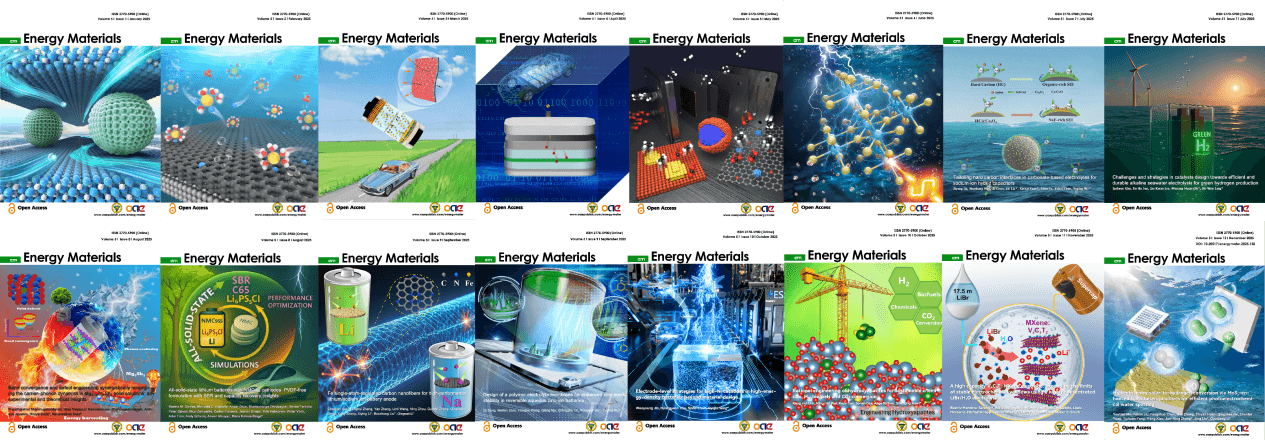
Figure 3. Selected Journal Covers of 2025
3. Peer Review and Editorial Efficiency
EM continued to maintain a structured and timely editorial process in 2025. The overall rejection rate for the year was 61.28%.
Initial editorial screening:
Approximately 48% of submissions were rejected at this stage. The median time to first decision was 7 days, enabling rapid initial feedback to authors.
External peer review stage:
For manuscripts sent for peer review, the rejection rate during review and revision was 13%, with an average processing time of 28.9 days.
These timelines reflect the journal's efforts to balance rigorous peer review with efficient editorial processing.
Table 1. Rejection Rates and Editorial Timelines by Review Stage in 2025
| Stage / Metric | Rejection Rate | Decision Time |
|---|---|---|
| Initial Screening (Submission --> First Decision) | 48% | Median: 7 days |
| Peer Review Stage (Review --> Revision Decision) | 13% | Average: 28.9 days |
4. Special Issues
In 2025, EM launched 16 Special Issues addressing both established and emerging areas in energy materials. Major themes included advanced battery technologies, electrocatalysis, photovoltaics, and energy-related electronic devices. Guest editors represented a broad international community, with strong participation from Asia and contributions from Europe, North America, South America, and other regions.
Table 2. Special Issues and Guest Editor Distribution in 2025
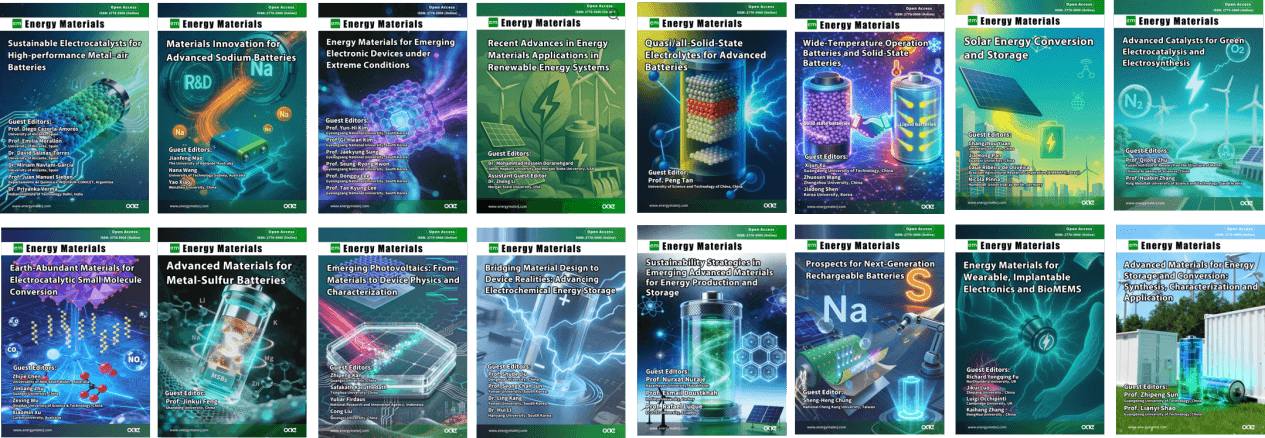
Figure 4. Covers of Special Issues Published in 2025
5. Views, Downloads, and Citations
In 2025, EM recorded 348,032 article views and 312,875 downloads on the journal platform, corresponding to a download-to-view ratio of approximately 90%. Compared with previous years, both visibility and reader engagement continued to increase.
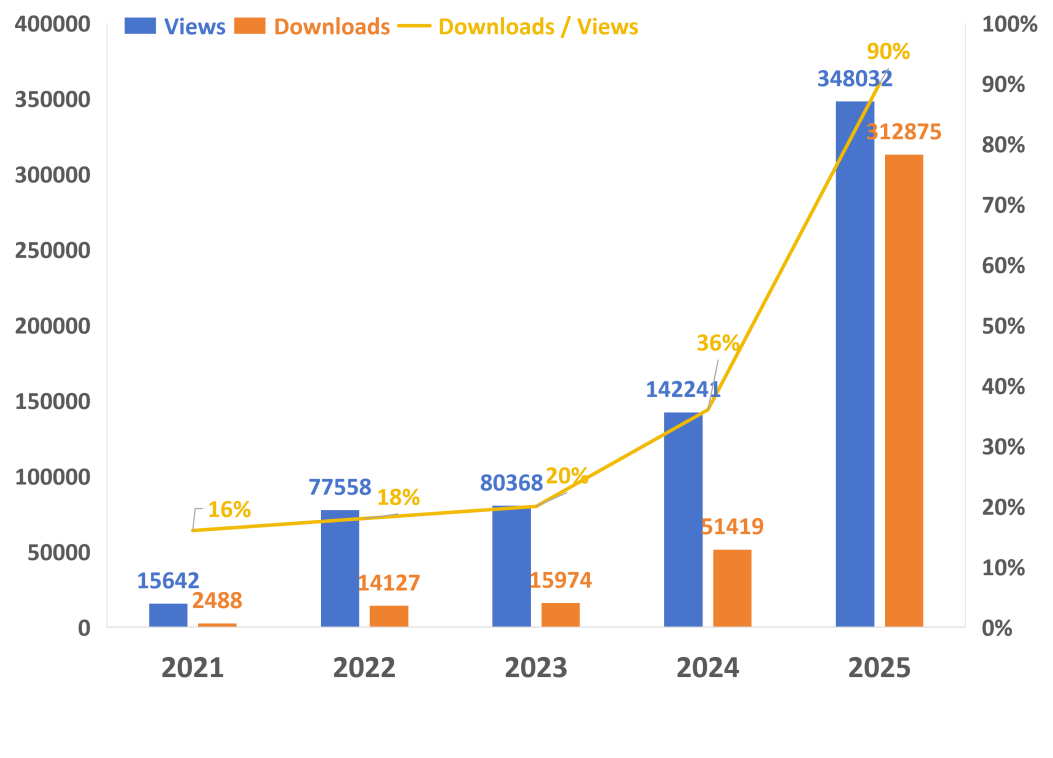
Figure 5. Article Views, Downloads, and Download-to-View Ratio (2021-2025)
According to Web of Science citation data for 2025, EM articles were cited by top-tier journals across materials science and energy research. The top 10 citing journals each contributed between 2.0% and 5.8% of total citations, indicating the journal's growing recognition within the international research community.
Table 3. Top 10 Journals Citing Energy Materials in 2025
| Journal | 2024 IF | Share of Citations |
|---|---|---|
| Chemical Engineering Journal | 13.2 | 5.82% |
| Advanced Functional Materials | 19.0 | 4.36% |
| Small | 12.1 | 3.25% |
| Angewandte Chemie International Edition | 17.0 | 2.48% |
| Advanced Energy Materials | 26.0 | 2.40% |
| Energy Storage Materials | 20.2 | 2.14% |
| Journal of Energy Storage | 9.8 | 2.14% |
| Journal of Materials Chemistry A | 9.5 | 2.14% |
| Journal of Power Sources | 7.9 | 2.14% |
| Journal of Colloid and Interface Science | 9.7 | 2.05% |
6. Editorial Board Updates
As of 2025, EM's Editorial Board comprised 86 members from 19 countries and regions, reflecting broad international representation. The largest proportion of members is based in China, followed by South Korea, Australia, and the United States.
In 2025, Prof. Takao Mori (National Institute for Materials Science, Tsukuba, Japan) was appointed as Associate Editor in recognition of his significant contributions to the journal, including leadership of the Special Issue "Thermoelectric Materials: Current Status and Future Challenges."

Figure 6. Prof. Takao Mori, Newly Appointed Associate Editor of Energy Materials in 2025
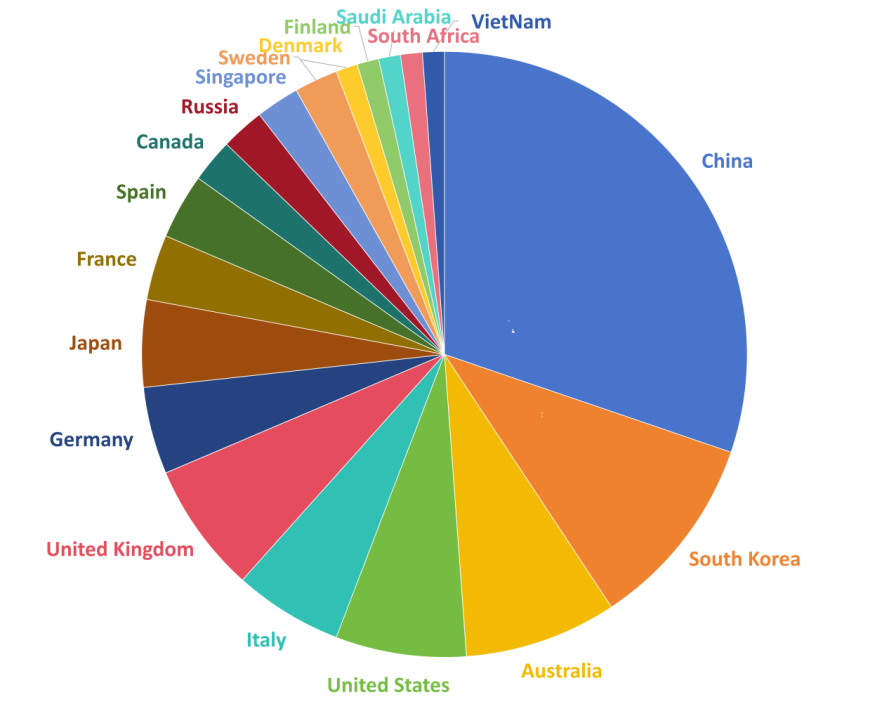
Figure 7. Geographic Distribution of Editorial Board Members in 2025
7. Expert Interviews
EM continued its expert interview series as a channel for academic exchange. In 2025, interviews were conducted with Associate Editors, Guest Editors, cover article authors, and corresponding authors of highly cited papers. Topics included emerging research trends, interdisciplinary collaboration, editorial perspectives, and translation of research into practice.
All interviews were published on the journal website and promoted through EM's communication channels. Further details are available on the journal website under EM Interviews.
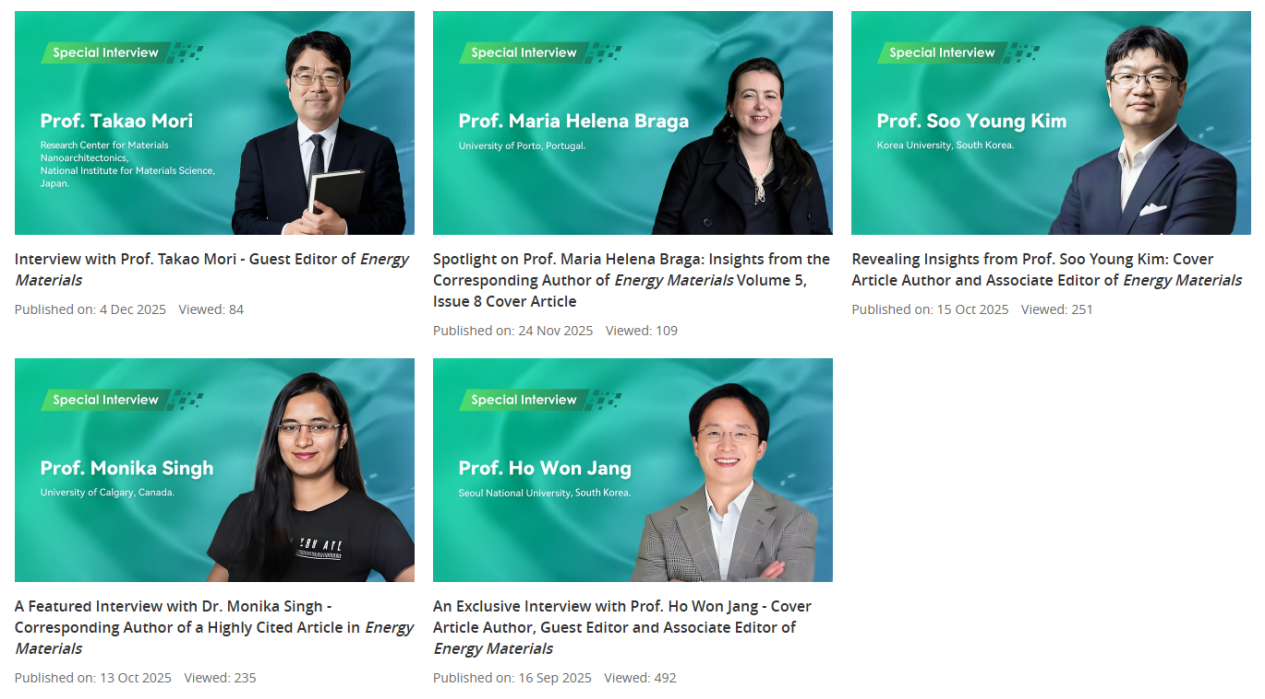
Figure 8. Expert Interviews in 2025
8. Webinars
In 2025, EM organized three international webinars featuring invited speakers:
- Prof. Soo Young Kim, Korea University, Seoul, South Korea
- Prof. Ho Won Jang, Seoul National University, Seoul, South Korea
- Prof. Rafael Luque, ECOTEC University, Samborond, Ecuador
The webinars addressed emerging research directions, methodological advances, and application-oriented developments in energy materials. Recordings of the webinars are available on the journal website under Webinar Recordings.

Figure 9. Energy Materials International Webinar Series in 2025
9. Author Workshops
Two author workshops were held in 2025, offering practical guidance on manuscript preparation, journal scope, and navigation of the peer review process.
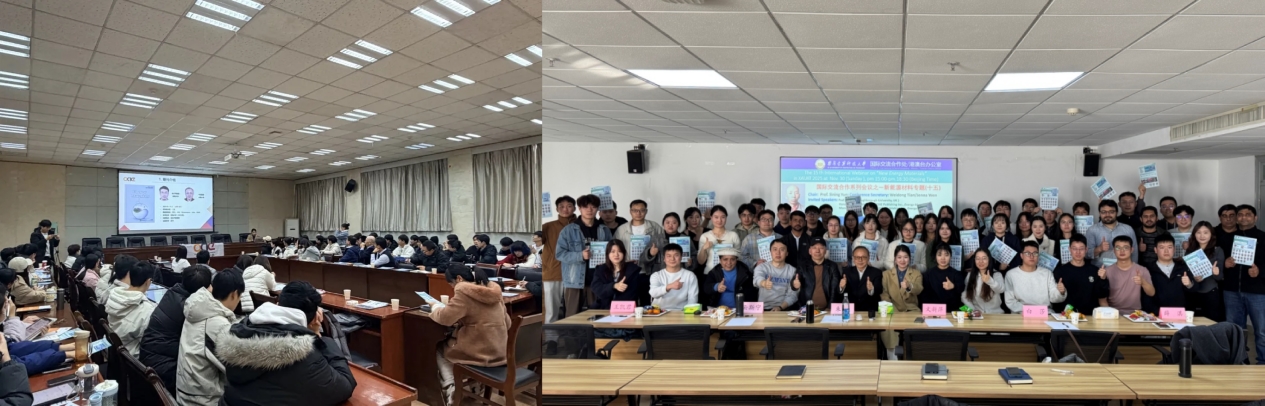
Figure 10. Author Training Workshops in 2025
10. Academic Conferences and Outreach
In 2025, EM participated in three major academic conferences in China:
- The 3rd National Conference on New Solar Cell Materials and Devices (Fuzhou)
- Chinese Materials Conference 2025 (Xiamen)
- The 2nd National Academic Conference on Energy Chemistry (Shanghai)
These activities enhanced the journal's visibility, facilitated direct communication with potential authors and reviewers, and strengthened EM's presence in energy and materials science.
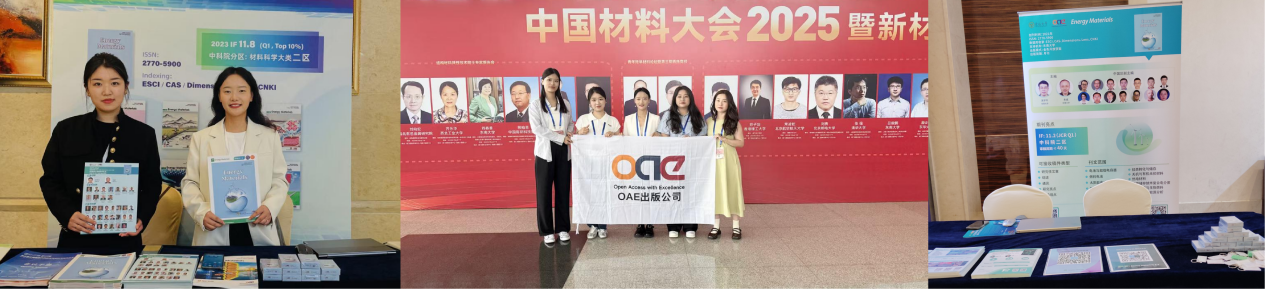
Figure 11. Promotion of Energy Materials at Academic Conferences in 2025
From November 6-8, 2025, EM co-organized the 3rd International Forum on Innovative Development of New Energy Materials with Hunan Normal University (Changsha, China). The forum attracted over 500 participants from academia, industry, and government, providing a high-level venue for exchange and collaboration in energy materials research.
The event featured keynote presentations, invited talks, parallel sessions, poster presentations, and industry exhibitions, covering a broad range of topics including advanced battery technologies, solar cells, energy catalysis, functional polymer materials, and artificial intelligence (AI)-assisted energy materials research.
Discussions throughout the forum highlighted emerging research trends and practical applications, while also enhancing EM's academic visibility and international outreach.
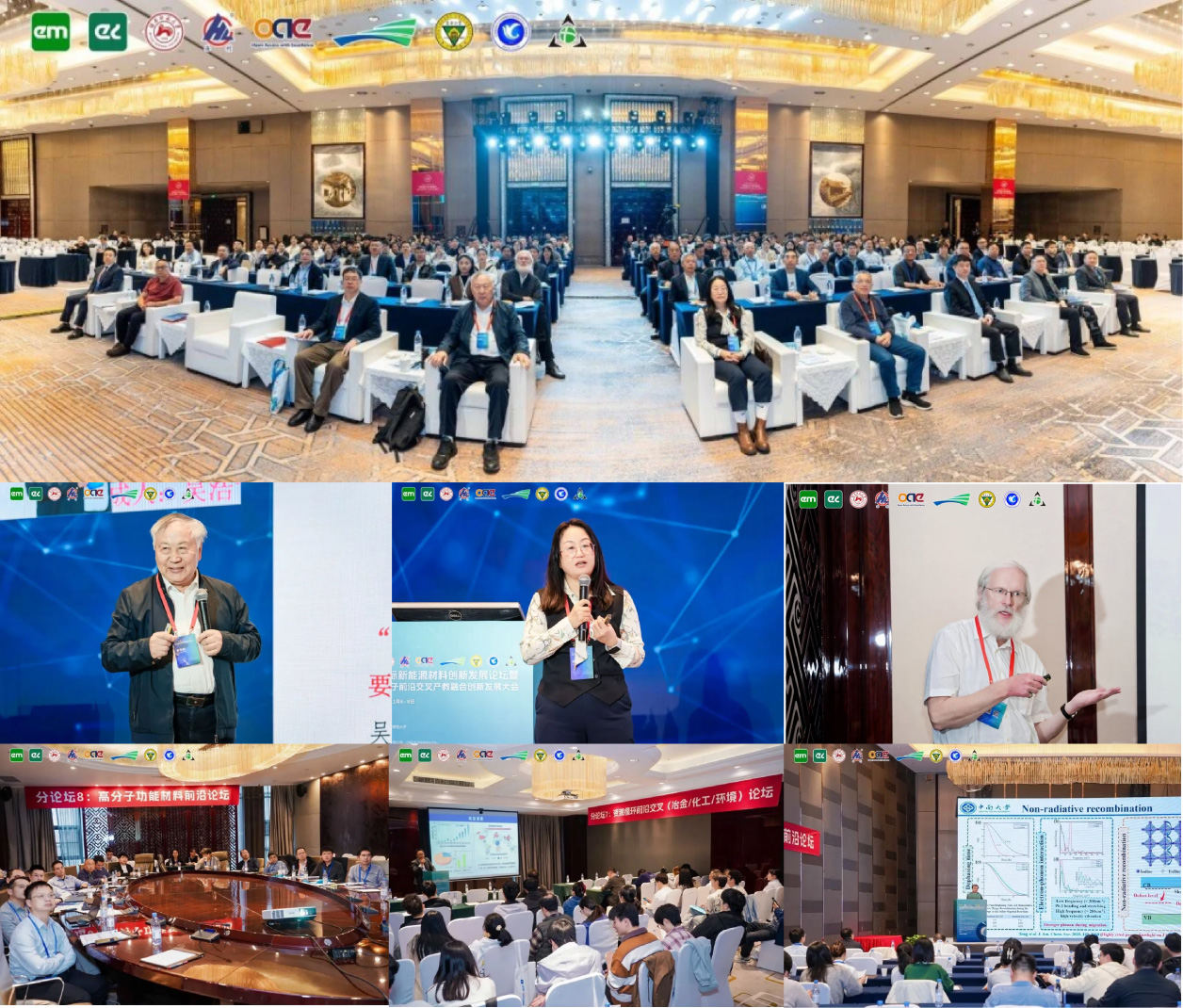
Figure 12. The 3rd International Forum on Innovative Development of New Energy Materials
In addition, EM partnered with five international academic conferences to support research dissemination and community engagement in the field of energy materials. At the 10th International Conference on Sodium Batteries (ICNaB 2025), held in Sydney, Australia (October 6-10, 2025), the journal sponsored awards for three outstanding poster presentations by early-career researchers.
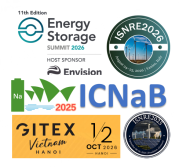
Figure 13. Media Partnership Conferences
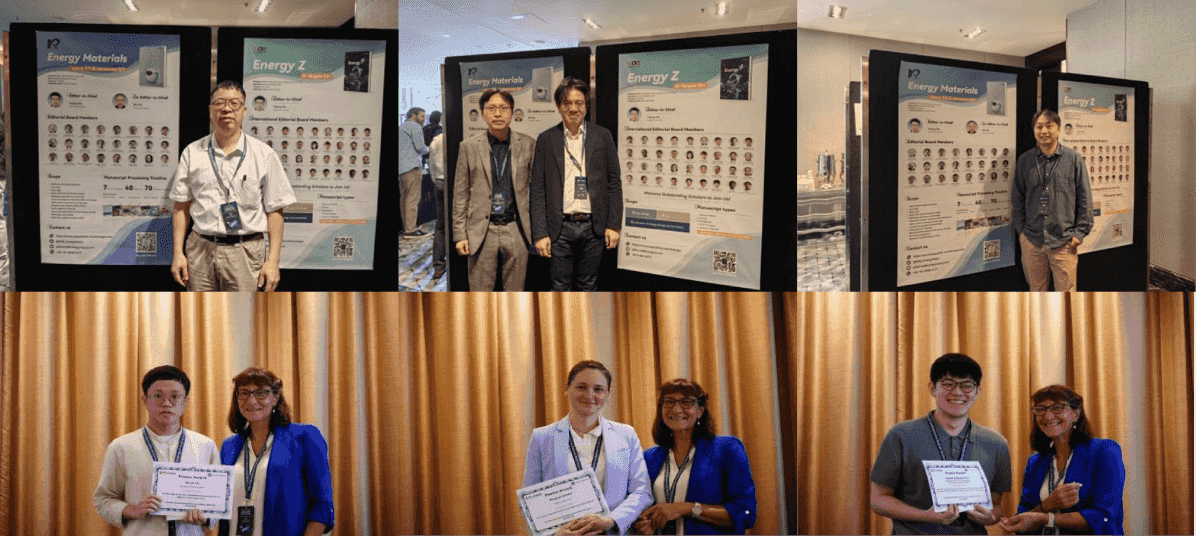
Figure 14. Energy Materials Editorial Board Members (top) and Outstanding Poster Award Recipients (bottom) at ICNaB 2025
In 2025, EM also held its annual on-site editorial meeting, providing an opportunity for authors, editors, and reviewers to discuss journal development, upcoming Special Issues, and emerging research directions. The meeting strengthened connections within the editorial community and supported continued engagement in the field.
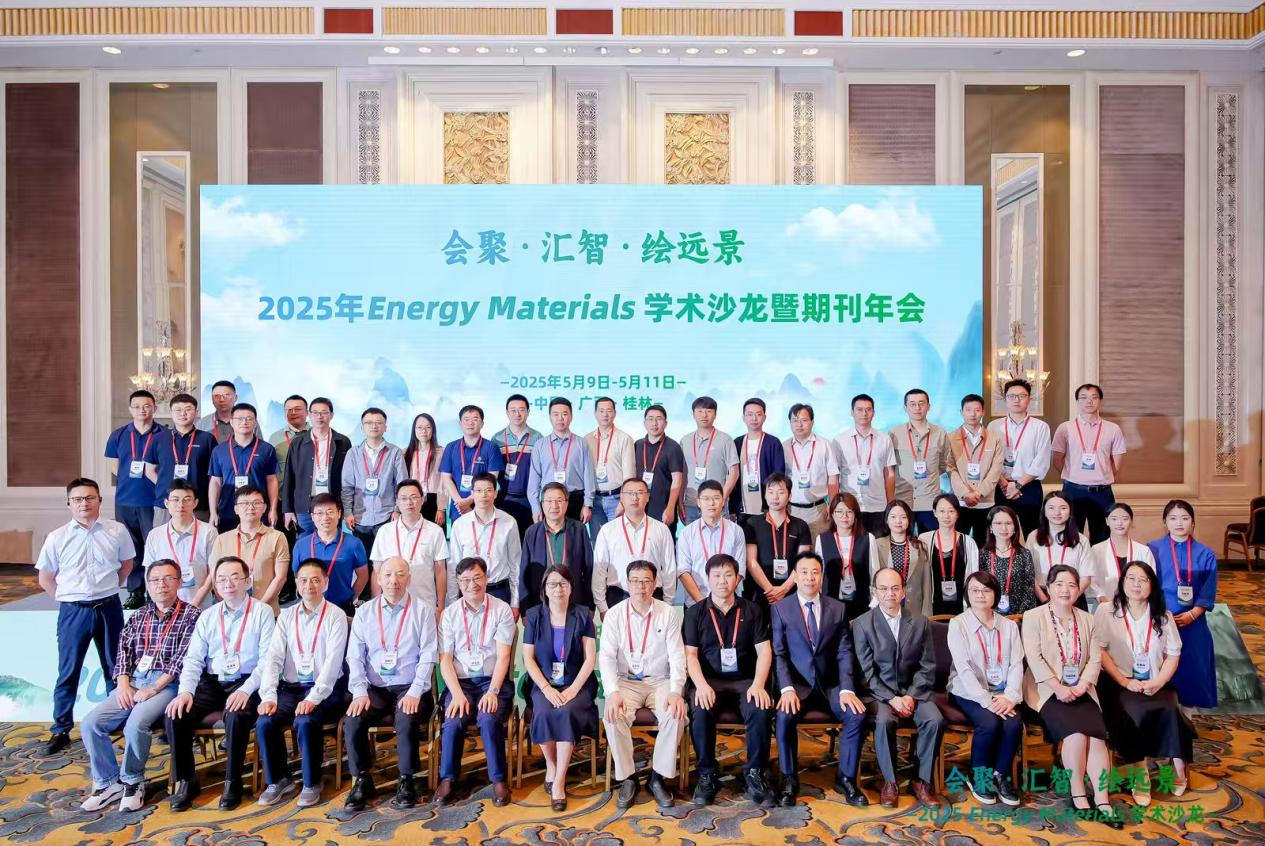
Figure 15. Energy Materials Annual Meeting in 2025
11. Social Media Communication
- X (@OAE_EnergyMater) - 80 posts, over 150 new followers
- WeChat Official Account (EnergyMaterials能源材料) - more than 200 posts, net increase of 2,253 followers
Content included research highlights, editorial updates, and webinar announcements.
12. Author Support
EM continued to support equitable scholarly publishing through article processing charge (APC) waivers and discounts. In 2025, total APC support exceeded USD 60,000, which included a special discount initiative launched in September to celebrate the journal's 10th anniversary and further promote global participation.
Acknowledgments
The Editorial Office of EM extends its sincere gratitude to all Editorial Board members, guest editors, reviewers, authors, readers, and editorial staff who contributed to the journal's development in 2025. Their time, expertise, and continued trust form the cornerstone of the journal's ongoing progress.
Looking ahead, EM will continue to strengthen editorial quality, expand international collaboration, and support high-quality research in energy materials science.
Editor: Rina Wang
Language Editor: Catherine Yang
Production Editor; Ting Xu
Respectfully Submitted by the Editorial Office of Energy Materials