
Carbon Footprints 2025 Annual Report
The year 2025 marked an important milestone in the development of Carbon Footprints (CF; ISSN 2831-932X). Building on the solid foundation laid since its launch in 2022, the journal made steady progress in academic visibility, international participation, and community engagement. With achievements such as inclusion in major indexing databases, expansion of the Editorial Board, and growing global collaboration, CF continued to advance as a dynamic international platform for cutting-edge research on the patterns, drivers, and mitigation pathways of carbon and pollutant footprints across natural, urban, industrial, and economic systems. This annual report highlights the journal's key achievements, performance metrics, and major activities throughout 2025.
1. Indexing and CiteScore
On May 12, 2025, CF was officially accepted for inclusion in Scopus, one of the world's most prestigious and comprehensive abstract and citation databases for peer-reviewed literature. This important milestone marks a new chapter in the journal's development and underscores CF's unwavering commitment to academic excellence, rigorous peer review, and meaningful contributions to carbon footprint research. Inclusion in Scopus has enhanced the journal's visibility, accessibility, and citation potential, offering authors and readers expanded opportunities for global engagement. CF received its CiteScoreTracker in September 2025, with a current value of 4.7.
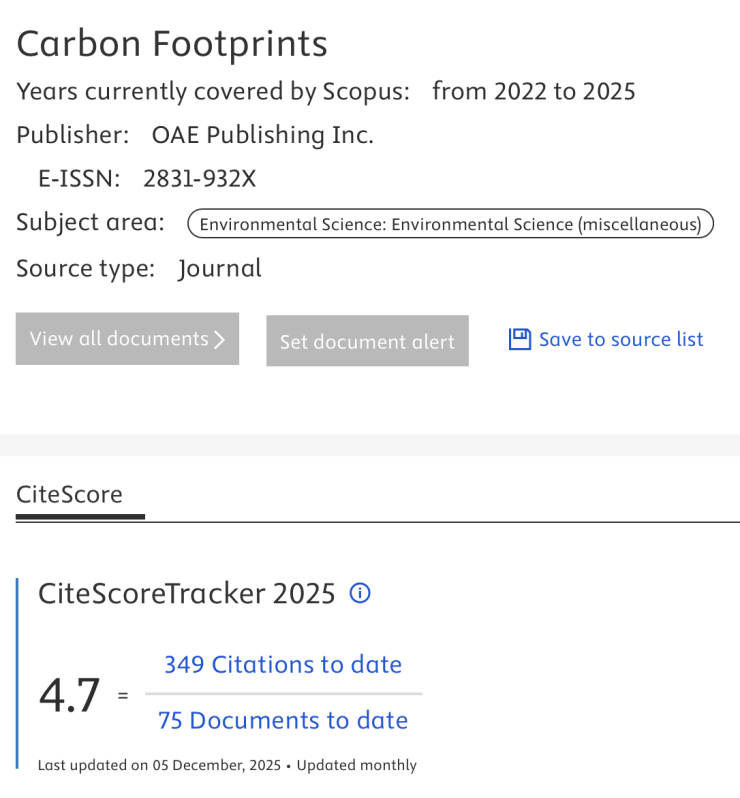
Figure 1. CiteScoreTracker of Carbon Footprints
2. Submissions and Publications
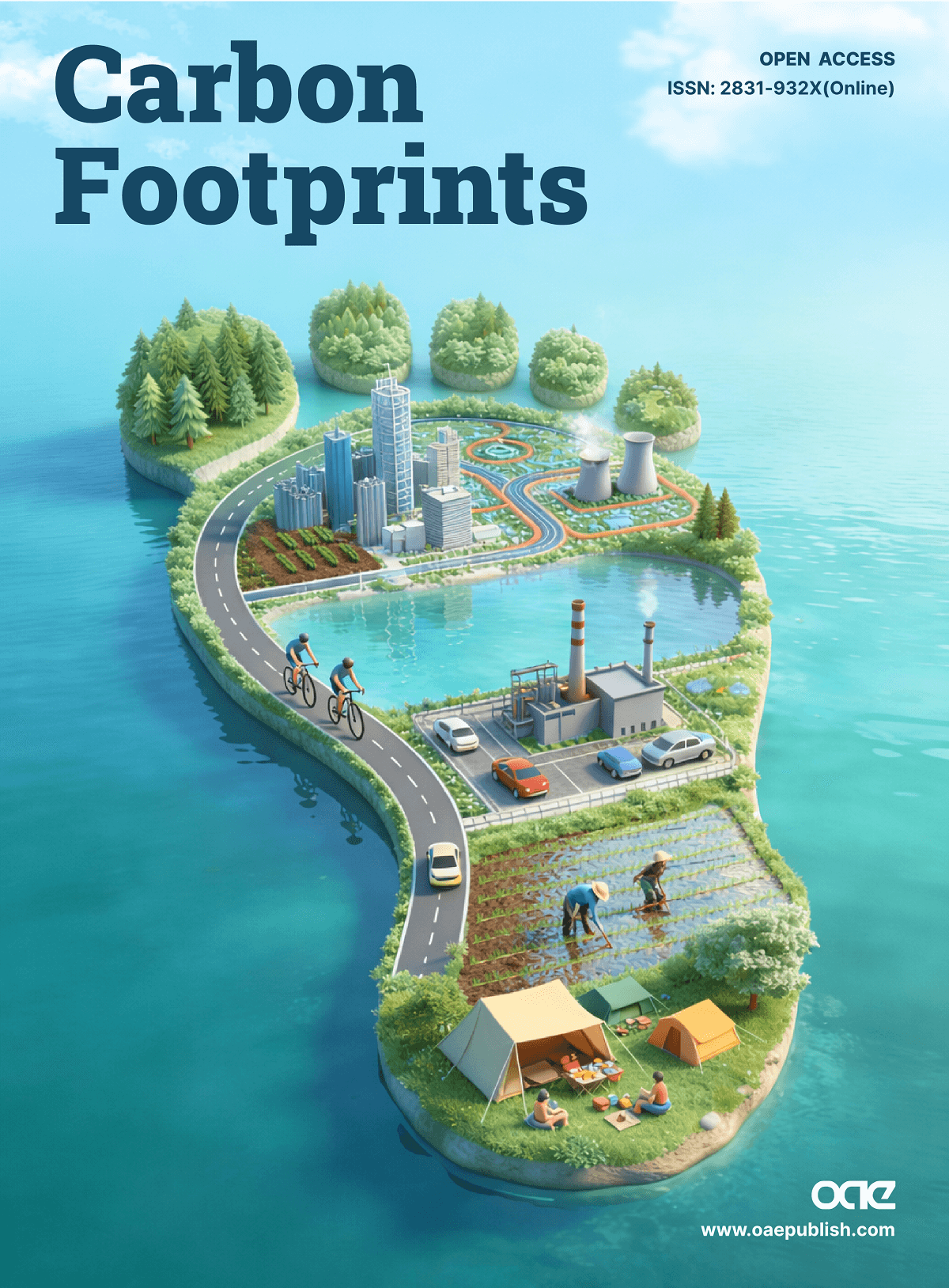
In 2025, CF received 125 submissions and published a total of 35 articles across four issues, with each issue comprising 5-15 papers. Beginning with Issue 4 of 2025, the journal introduced the selection of both a Front Cover and a Back Cover, further enhancing the visual identity of each issue. Readers are invited to look forward to future publications and their associated cover features.
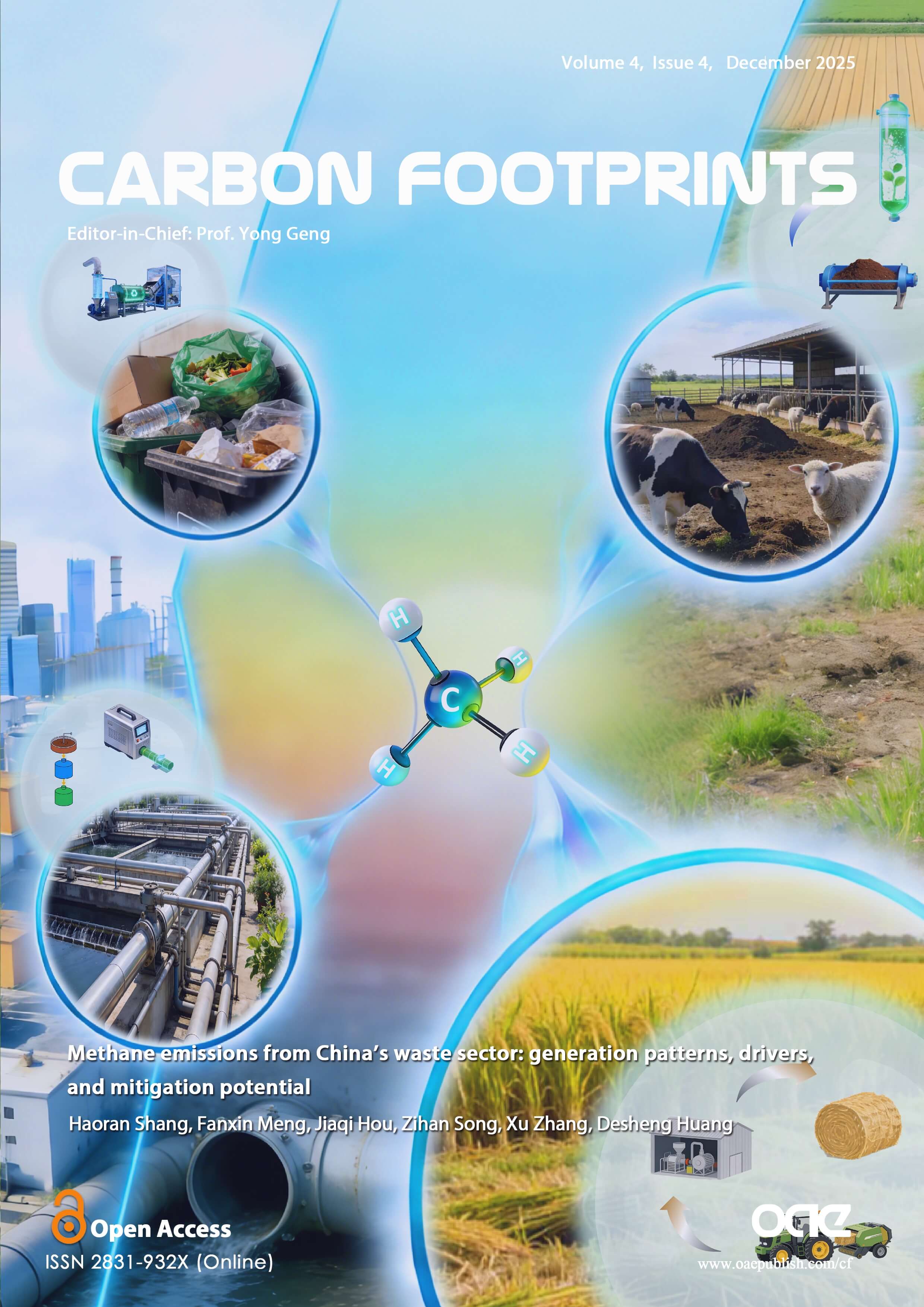
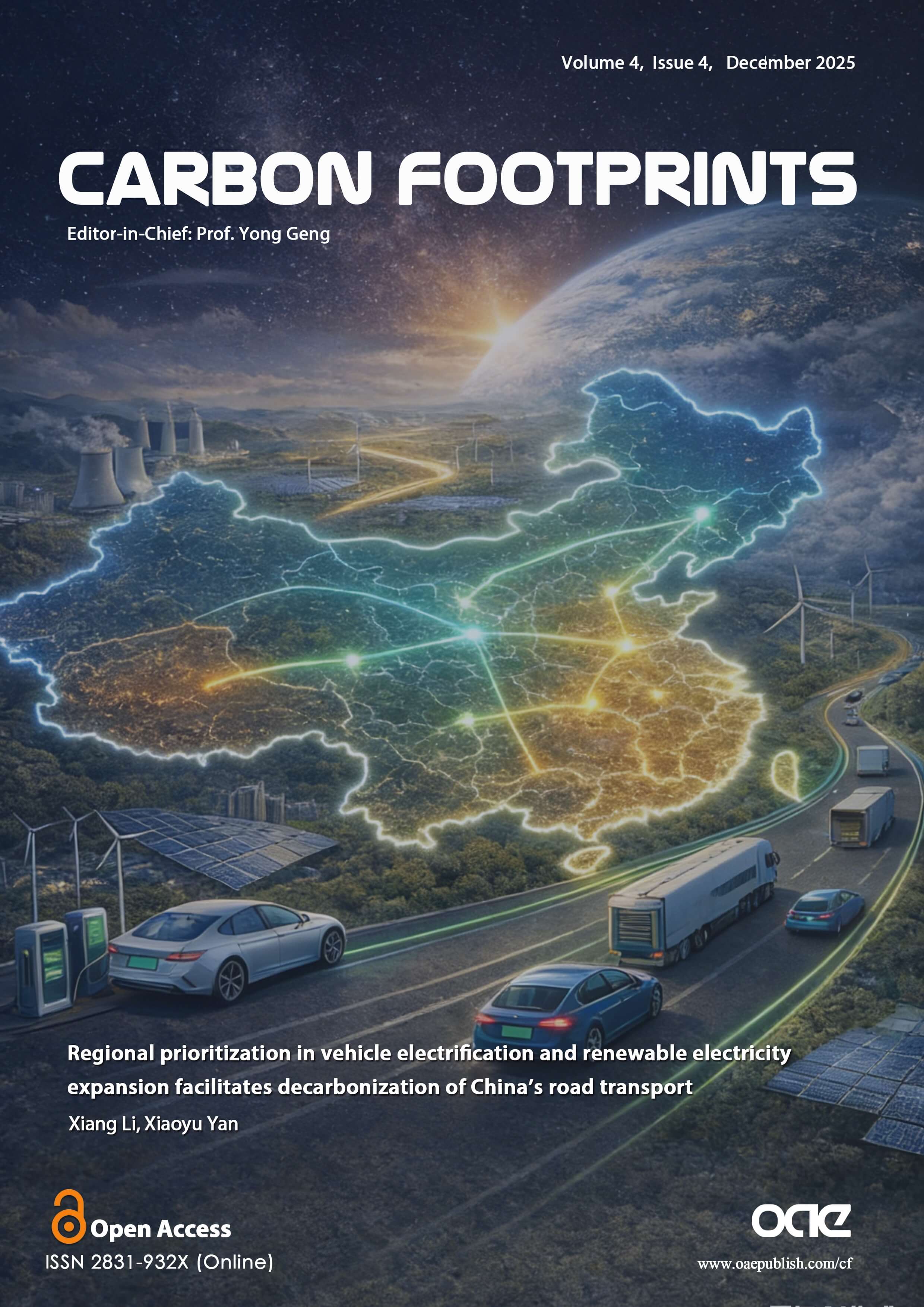
Figure 2. Front and Back Covers of Issue 4 (2025)
As illustrated in Figure 3, both manuscript submissions and publication output showed a steady upward trend from 2023 to 2025. The growth observed in 2025 was particularly evident and closely associated with the journal's inclusion in Scopus. In terms of article types, 80% of the papers published in 2025 were Original Articles, with the remainder consisting of Review Articles and other contribution types.
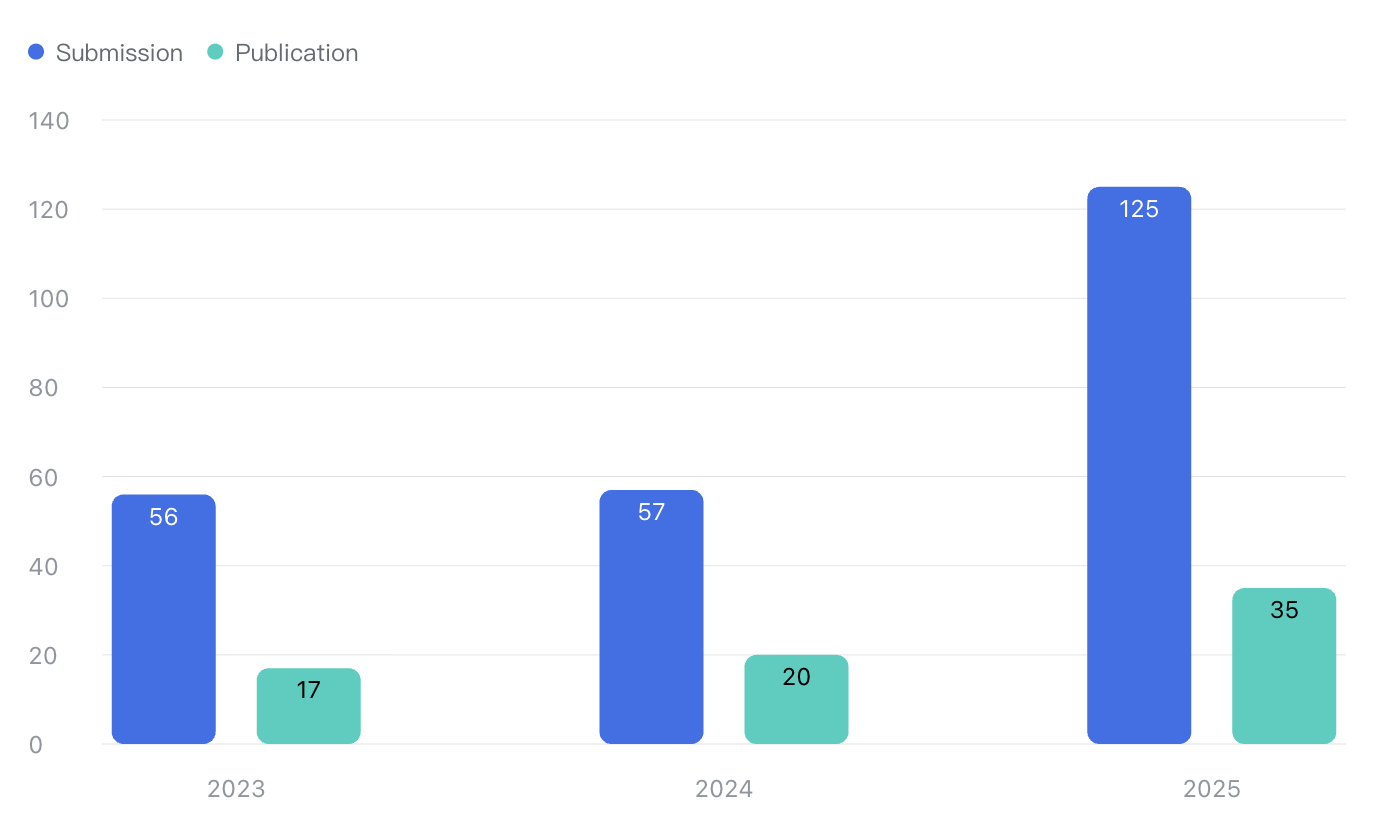
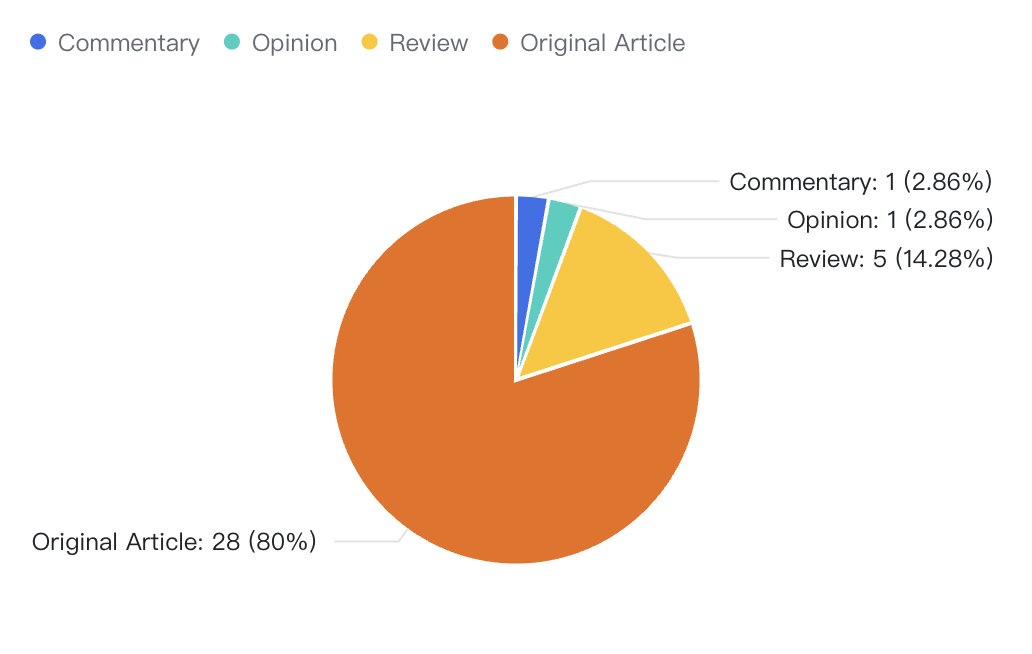
Figure 3. Manuscript Submission and Publication Trends (2023-2025) and Article Type Distribution (2025)
3. Reads, Downloads and Citations
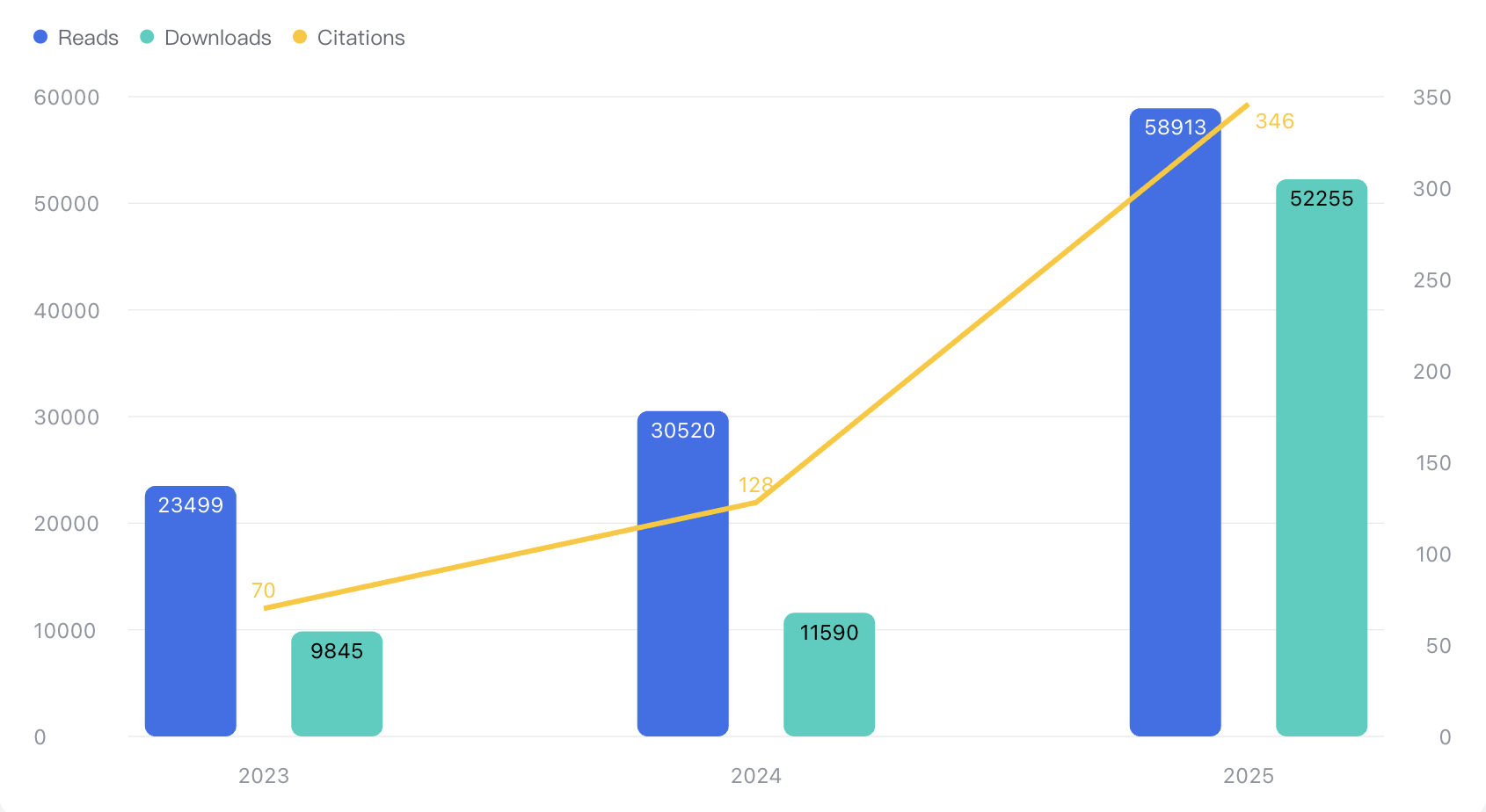
Figure 4. Growth in Article Reads, Downloads, and Citations (2023-2025)
Over the past two years, article views, downloads, and citations have all shown consistent growth, with figures in 2025 significantly exceeding those of previous years. Based on real-time citation data, the journal accumulated 346 citations in 2025 (according to Google Scholar data).
4. Popular Publications in 2025
Table 1. Popular Publications in Carbon Footprints (2025)
| Title | Type | Corresponding Author(s) |
|---|---|---|
| Life cycle carbon footprint of battery electric bus: coupling effects of mileage, energy mix and recycling processes | Original Article | Dr. Yajuan Yu, School of Materials Science & Engineering, Beijing Institute of Technology, Beijing, China |
| A systematic review of urban road traffic CO2 emission models | Review | Prof. Xiaoguang Yang, College of Transportation, Tongji University, Shanghai, China |
| A review of multi-factor footprints: a bibliometric perspective | Review | Dingting Huo, Yuhan Li, School of Economics, Southwestern University of Finance and Economics, Chengdu, China |
| Strengthening the role and exploring the effectiveness of new climate finance target | Original Article | Prof. Yu Liu, College of Urban and Environmental Sciences, Peking University, Beijing, China |
| Integrated carbon responsibility allocation in the electric vehicle battery supply chain: a comprehensive approach to emission reduction | Original Article | Prof. Gengyuan Liu, School of Environment, Beijing Normal University, Beijing, China |
| Environmental footprint in specific industries: intellectual base and research status | Review | Prof. Ru Chen, Bay Area International Business School, Beijing Normal University, Zhuhai, China |
| Evolution of urban green space carbon sinks and their value in the arid region of Northwest China | Original Article | Prof. Weijing Ma, College of Earth and Environmental Sciences, Lanzhou University, Lanzhou, China |
| Zoning for zero: a critical realist analysis of urban planning for carbon-neutral cities | Original Article | Teemu Jama, School of Engineering and Natural Sciences, University of Iceland, Reykjavik, Iceland |
5. Special Issues
In 2025, CF curated a series of focused Special Issues on diverse topics in carbon management: from digital transformation in water treatment and industrial carbon capture, to digital strategies for carbon neutrality, carbon farming, systems engineering for footprint reduction, urban-industrial resource circularity, data-driven mobility, and soil carbon sequestration for food security. Collectively, these issues offer cross-disciplinary perspectives and practical insights relevant to sustainable carbon governance.
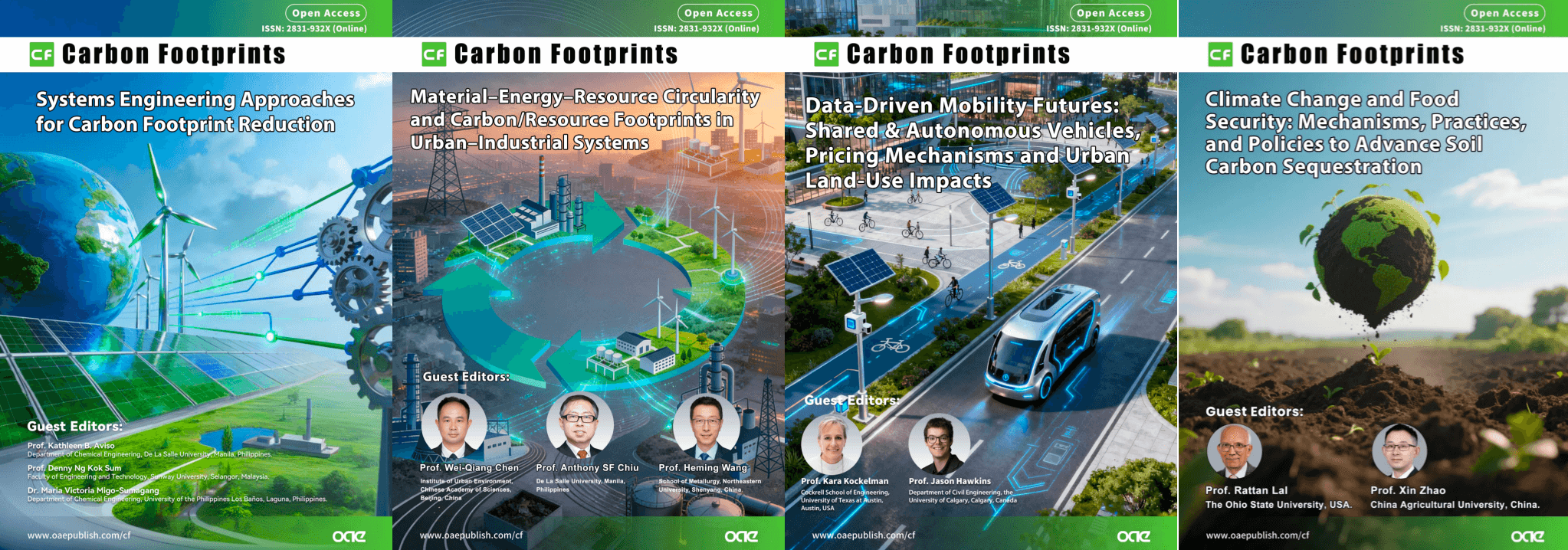
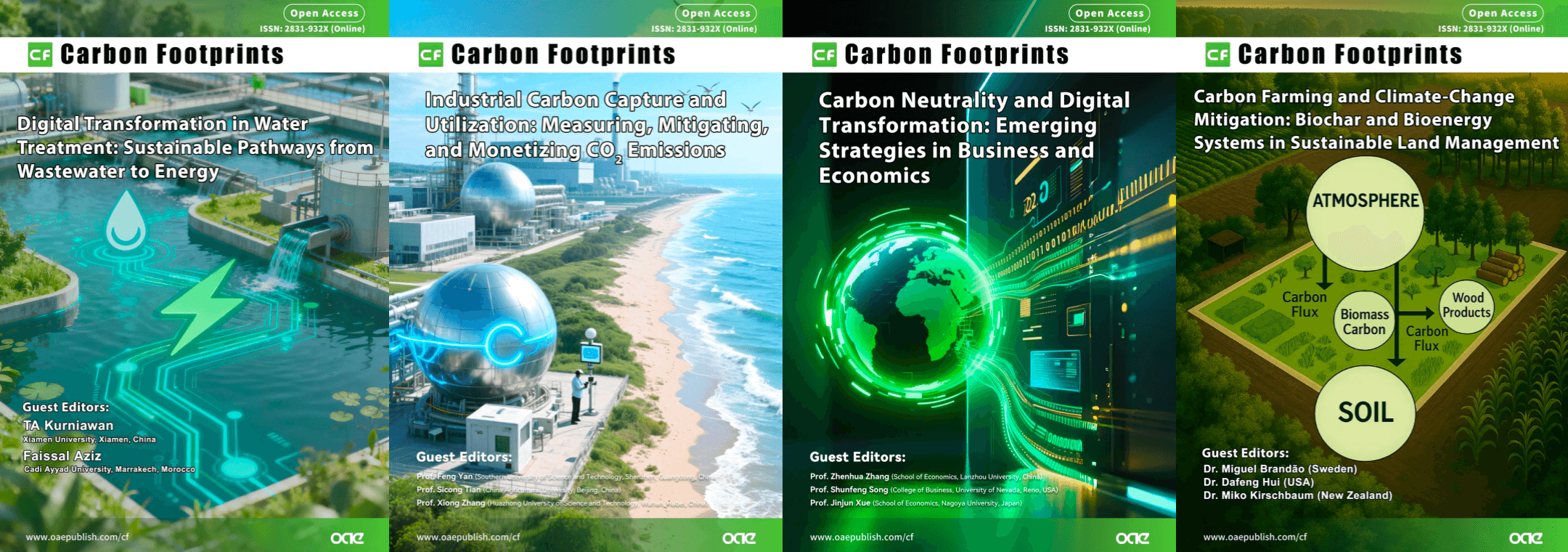
Figure 5. Covers of Special Issues Published in 2025
6. Editorial Board Updates


Figure 6. Associate Editors and Editorial Board Members Appointed in 2025
To further strengthen its academic leadership, CF is pleased to announce the promotion of Prof. Kai Fang (Zhejiang University, Hangzhou, China) and Prof. Yi Yang (Chongqing University, Chongqing, China) to the position of Associate Editor. In addition, the journal expanded its international expertise by welcoming distinguished scientists to the Editorial Board, including Associate Editors Prof. Reinout Heijungs (Vrije Universiteit Amsterdam, Amsterdam, the Netherlands) and Prof. Fengqi You (Cornell University, Ithaca, NY, USA). Newly appointed Editorial Board members include Prof. Jose A. Puppim de Oliveira (São Paulo School of Business Administration, São Paulo, Brazil), Prof. Sara González-García (University of Santiago de Compostela, Santiago de Compostela, Spain), Prof. Kara Maria Kockelman (The University of Texas at Austin, Austin, TX, USA), Prof. Murat Kucukvar (University of Denver, Denver, CO, USA), Prof. Kathleen Aviso (De La Salle University, Manila, the Philippines), and Prof. Adrian Unc (Memorial University of Newfoundland, St. John's, Canada). Representing institutions across the Netherlands, the USA, Brazil, Spain, the Philippines, and Canada, these researchers bring renewed momentum to the journal's international vision and academic depth.
7. Online Webinars and Academic Exchange
In 2025, CF continued its strong tradition of online academic engagement focused on carbon footprint-related research. Centered on key themes such as carbon accounting methodologies, low-carbon transition pathways across sectors, and carbon neutrality policies and practices, the journal successfully organized five themed academic lectures, one online symposium for early-career scholars, and one in-depth expert interview. These events featured leading scientists from China and the UK - including Dr. Xianlai Zeng (Tsinghua University, Beijing, China), Prof. Pete Smith (University of Aberdeen, Aberdeen, UK), Dr. Weiqiang Chen (Institute of Urban Environment, Chinese Academy of Sciences, Xiamen, China), Prof. Hongtao Wang (Sichuan University, Chengdu, China), Prof. Baojing Gu (Zhejiang University, Hangzhou, China), and Prof. Gang Liu (Peking University, Beijing, China). Special emphasis was placed on supporting early-career academic talents, with the inaugural online forum for young researchers organized in August 2025. Broadcast simultaneously across multiple platforms, including Zoom, KouShare, and Research Cloud, the full series of events attracted over 86,000 participants, contributing to an inclusive and cross-border platform for global academic dialogue.
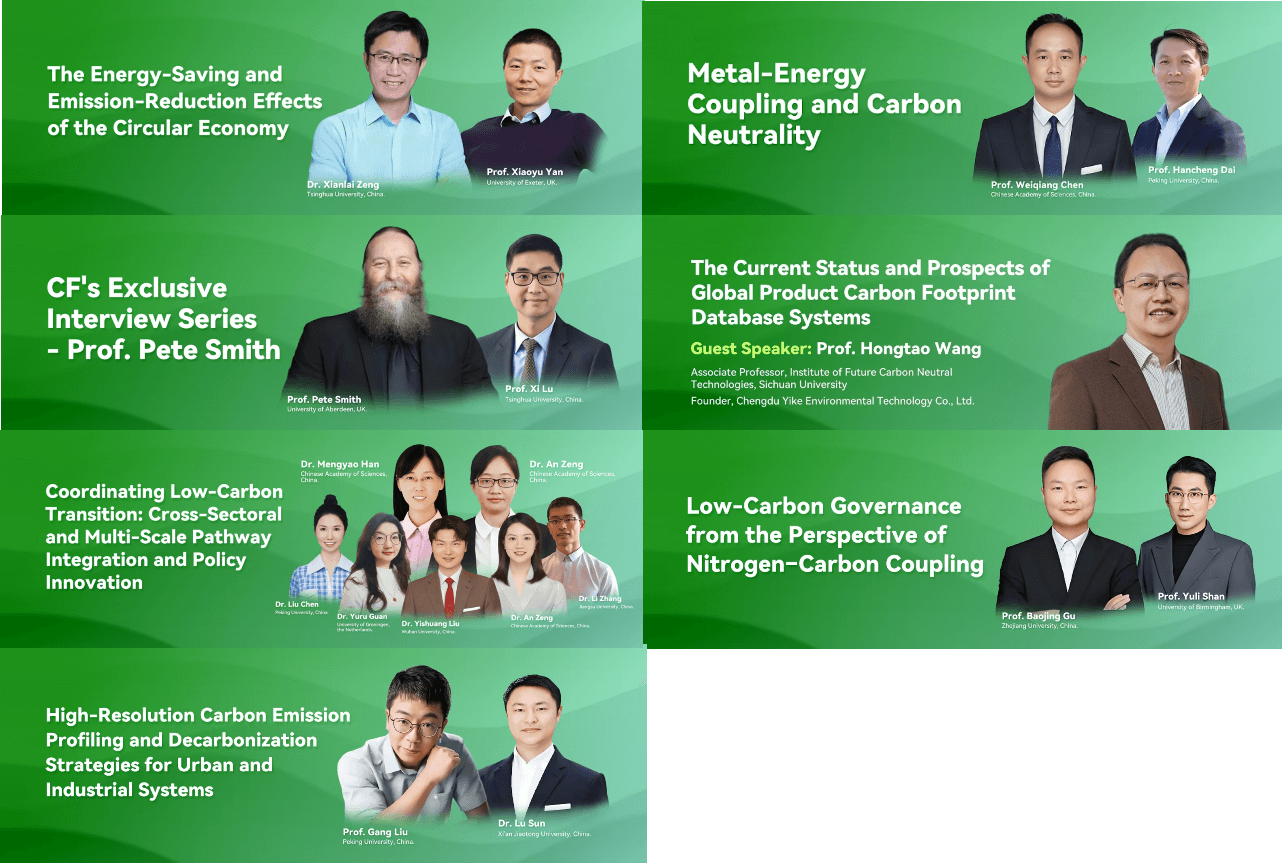
Figure 7. Online Academic Events in 2025
8. Social Media Performance
In 2025, CF continued to actively engage audiences through social media platforms, including its WeChat Official Account (Carbon Footprints碳足迹) and X (CarbonFootpri17). Both platforms recorded steady growth in follower numbers, with the WeChat Official Account gaining more than 1,200 new followers during the year, further strengthening the journal's outreach and community engagement.
Acknowledgments
The year 2025 represented a period of consolidation and steady advancement for CF. The journal continued to enhance its academic impact, broaden its international reach, and strengthen connections with the global research community. These accomplishments were made possible by the invaluable contributions of the Editorial Board members, authors, reviewers, readers, and editorial staff, to whom we extend our sincere appreciation.
Looking ahead to 2026, CF will continue to embrace new opportunities and challenges, remaining dedicated to promoting innovation in sustainability science and to building a trusted and valuable platform for scholarly exchange.
Publishing Manager: Haidi Ding
Language Editor: Catherine Yang
Production Editor: Ting Xu
Respectfully Submitted by the Editorial Office of Carbon Footprints