


Interview with Professor Sir Murray Brennan: Reflections on a Lifetime of Leadership in Surgical Oncology
On June 18, 2026, Journal of Cancer Metastasis and Treatment (JCMT) had the privilege of interviewing Sir Murray Brennan, one of the world's most distinguished surgical oncologists and a pioneer in cancer surgery. During the interview, Sir Murray reflected on his remarkable journey from medical training in New Zealand to leading one of the world's premier surgical oncology programs at Memorial Sloan Kettering Cancer Center. He shared valuable insights into the evolution of surgical oncology, advances in sarcoma and gastrointestinal stromal tumor (GIST) management, the growing importance of molecular oncology, evidence-based surgical decision-making, and the future of global cancer care. He also offered inspiring advice for the next generation of surgeons and cancer researchers dedicated to improving patient outcomes.
Watch the following video for expert insights from Prof. Sir Murray Brennan:
Here are the questions discussed with Sir Murray Brennan:
1. Your remarkable career has taken you from your early education in New Zealand to leading one of the world's most prestigious surgical oncology programs at Memorial Sloan Kettering Cancer Center. Could you begin by introducing yourself and sharing what first inspired you to pursue medicine, and ultimately dedicate your career to cancer surgery?
2. Having worked at the forefront of high-volume cancer centers, what do you see as the greatest barriers to improving global access to high-quality surgical oncology care, and what strategies could help overcome these challenges?
3. Looking back on your distinguished career in surgical oncology and clinical research, what advice would you offer to young surgeons and researchers who aspire to make a lasting contribution to cancer research and patient care?
4. Your pioneering work on soft-tissue sarcomas and gastrointestinal stromal tumors (GIST) has helped shape modern treatment strategies worldwide. What initially attracted you to these relatively rare cancers, and how has the field evolved as our understanding of tumor biology has advanced?
5. Your research has successfully integrated clinical trials with translational pathology, emphasizing tumor heterogeneity and molecular profiling. As precision oncology increasingly relies on genomic and molecular signatures, how important is it for modern surgeons to actively engage in molecular oncology research alongside developing exceptional surgical expertise?
6. Many of your landmark studies have focused on long-term outcomes following complex cancer surgery, including liver metastasis resection. Throughout your career, you have emphasized using robust clinical data to challenge traditional surgical practices. How has your perspective on balancing aggressive surgical intervention with patient quality of life evolved over time, and what has long-term evidence taught us?
7. Having witnessed the highest standards of specialized cancer care at institutions such as Memorial Sloan Kettering Cancer Center, you have also seen the disparities that exist globally. What role should leading academic cancer centers play in improving access to high-quality surgical oncology care worldwide, particularly in low- and middle-income countries?
Sir Murray Brennan's reflections underscore the remarkable progress that surgical oncology has achieved over recent decades. His emphasis on evidence-based decision-making, multidisciplinary collaboration, and the integration of molecular science into surgical practice illustrates how cancer treatment continues to evolve beyond technical excellence alone.
His lifelong commitment to clinical research, patient-centered care, and global surgical education serves as an inspiration for the oncology community. As precision medicine and translational research continue to reshape cancer care, Sir Murray's insights remind us that combining scientific innovation with surgical judgment and compassionate patient care remains essential to advancing outcomes for patients worldwide.
About the Interviewee:
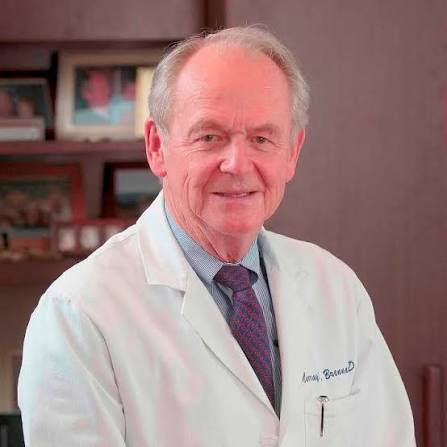
Prof. Sir Murray Brennan is internationally recognized as one of the foremost leaders in surgical oncology. Originally from New Zealand, he built a distinguished career at Memorial Sloan Kettering Cancer Center, where he served in numerous leadership roles and made landmark contributions to the treatment of soft-tissue sarcomas, gastrointestinal stromal tumors (GIST), liver metastases, and complex cancer surgery. His pioneering clinical research has significantly advanced prognostic assessment, multidisciplinary cancer management, and evidence-based surgical practice. Throughout his career, Sir Murray has authored hundreds of influential scientific publications, mentored generations of surgical oncologists, and helped establish many of the standards that continue to guide modern cancer surgery worldwide. His enduring legacy lies not only in his scientific contributions but also in his unwavering commitment to improving cancer care through research, education, and international collaboration.
Editor: Frida Tian
Production Editor: Xingyue Luo
Respectfully Submitted by the Editorial Office of Journal of Cancer Metastasis and Treatment