

Interview with Prof. Peter L. Choyke: Advancing Precision Imaging in Prostate Cancer
On August 8, 2025, Journal of Cancer Metastasis and Treatment (JCMT) had the honor of interviewing Prof. Peter L. Choyke, a world-renowned expert in molecular and precision imaging from the National Cancer Institute (NCI), National Institutes of Health (NIH), in Bethesda, Maryland, USA.
In this exclusive interview, Prof. Choyke shared his insights on how cutting-edge technologies - including artificial intelligence (AI), radiomics, prostate-specific membrane antigen (PSMA) positron emission tomography (PET), and fluorescence imaging - are transforming cancer detection, treatment planning, and surgical precision. He also highlighted his team's recent progress in prostate cancer imaging and underscored the importance of collaboration between radiology and oncology to improve patient outcomes.
Watch the following video for expert insights from Prof. Peter L. Choyke:
Interview Questions:
Q1: Congratulations on your team's recent publication "Comparison of Transatlantic Recommendations for Prostate Gland Evaluation with MRI after Focal Therapy (TARGET) and Prostate Imaging after Focal Ablation (PI-FAB) for Detecting Recurrent Prostate Cancer at Prostate MRI" in Academic Radiology. The work addresses a critical gap in standardizing MRI assessment after focal therapy for prostate cancer. What motivated your team to conduct this comparative analysis of the TARGET and PI-FAB frameworks, and what key challenges did you aim to address?
Q2: This study further demonstrates your team's leadership in advancing precision imaging in prostate cancer. Looking ahead, what directions or technologies - such as AI, PSMA PET, or radiomics - do you believe will be most influential in improving recurrence assessment after focal therapy?
Q3: You have been a pioneer in the field of molecular imaging and image-guided therapy. How has the role of imaging evolved in the diagnosis and management of prostate cancer and other genitourinary malignancies?
Q4: You also explore optical imaging and near-infrared fluorescence for surgical guidance. How do you envision these technologies transforming surgical oncology in the coming years?
Q5: How has your work at the Molecular Imaging Program at the NCI helped bridge the gap between imaging research and clinical oncology?
Q6: What first drew you to the intersection of radiology and oncology, and what continues to inspire your work today?
About the Interviewee:
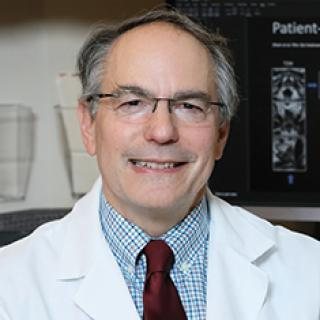
Prof. Peter L. Choyke, Molecular Imaging Program, Center for Cancer Research, National Cancer Institute, National Institutes of Health, Bethesda, Maryland, USA.
Prof. Choyke's research interests include the translation of molecular imaging methods, such as magnetic resonance imaging (MRI), optical and radionuclide/PET into the clinic. His primary clinical focus is on imaging, diagnosis and therapy of prostate cancer. In the lab, Prof. Choyke focuses on understanding the uptake of various PET agents, including PSMA, at the genomic level. In addition, his lab works on the development of new imaging methods for cancer including cell labeling with PET agents, and imaging the tumor microenvironment including immune markers.
Editor: Frida Zhai
Language Editor: Catherine Yang
Production Editor: Ting Xu
Respectfully Submitted by the Editorial Office of Journal of Cancer Metastasis and Treatment