

Special Interview with Prof. Gary J. Whitman - Guest Editor of JCMT
On December 4, 2025, Journal of Cancer Metastasis and Treatment (JCMT) conducted an in-depth interview with Prof. Gary J. Whitman, tenured professor of breast imaging and breast radiation oncology at The University of Texas MD Anderson Cancer Center, Houston, USA. The discussion focused on the newly launched Special Issue, "Triple-Negative Breast Cancer: From Mechanisms to Translational Frontiers".
During the conversation, Prof. Whitman shared valuable insights from his decades of experience in breast imaging and breast radiation oncology. He discussed the potential of radiomics and magnetic resonance imaging (MRI) in predicting treatment response in triple-negative breast cancer (TNBC), and highlighted the promising role of artificial intelligence (AI) in improving risk assessment and treatment planning.
Regarding the Special Issue, Prof. Whitman expressed enthusiasm for its launch and emphasized the importance of exploring the biological, genetic, and imaging characteristics of TNBC. Understanding these aspects, he noted, is crucial for identifying patients at higher risk of recurrence and for developing more effective treatment strategies. He expressed strong confidence that this Special Issue will bring meaningful contributions to the field.
Watch the video below for expert insights from Prof. Gary J. Whitman:
Interview Questions:
Q1. You have spent many years deeply engaged in the field of breast imaging and breast radiation oncology. What originally inspired you to pursue this field?
Q2. You have conducted multiparametric MRI-based radiomic research to predict treatment response in TNBC (combining multimodal MRI and radiomics). In your view, can radiomics become an important tool for precision therapy in TNBC? Which core radiomic features deserve the most attention going forward?
Q3. Given your extensive expertise in breast imaging and axillary evaluation, how would you assess the current accuracy of imaging modalities - such as ultrasound and MRI - in predicting axillary lymph node metastasis in patients with TNBC? In your view, what emerging imaging technologies or biomarkers are still needed to further enhance the precision of nodal status prediction in this high-risk population?
Q4. The application of artificial intelligence and deep learning in image analysis is increasingly prevalent. Are you interested in applying AI or deep learning to imaging analysis in TNBC? Could you share your perspective on the real-world value of these technologies in specific scenarios such as recurrence prediction, guiding neoadjuvant therapy, or risk stratification?
Q5. As Guest Editor, could you share your plans and vision for this Special Issue now that it has officially launched in JCMT?
About the Interviewee:
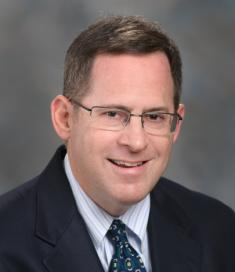
Prof. Gary J. Whitman, The University of Texas MD Anderson Cancer Center (MDACC), Houston, USA.
Prof. Whitman is a tenured professor of breast imaging and breast radiation oncology at MDACC, where he directs breast imaging research and oversees major mammography programs. He is interested in all areas of breast imaging, including mammography, ultrasound, and MRI, with research focusing on mobile mammography, high-risk screening, high-risk breast lesions, inflammatory breast cancer, and axillary lymph node evaluation.
He previously served on the faculty at Harvard Medical School, Boston, USA, and is a fellow of multiple leading radiology societies. He currently serves as Vice President of the Society of Breast Imaging (SBI) and has held numerous leadership roles, including Past President of the American Roentgen Ray Society (ARRS) and the Association of Academic Radiology (AAR). His honors include the Figley Fellowship and the American Institute of Ultrasound in Medicine (AIUM) Presidential Service Award.
Editor: Frida Zhai
Language Editor: Catherine Yang
Production Editor: Ting Xu
Respectfully Submitted by the Editorial Office of Journal of Cancer Metastasis and Treatment