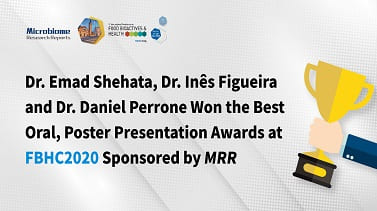


2025 Annual Report of Microbiome Research Reports
The year 2025 marked an important stage in the continued development of Microbiome Research Reports (MRR; ISSN 2771-5965). Throughout the year, the journal remained firmly committed to its mission of publishing rigorous, peer-reviewed research that advances understanding of microbiomes and microbiota. By continuously strengthening editorial standards, expanding international participation, and promoting academic exchange, MRR further consolidated its foundation as a young but steadily growing international open access journal.
A Letter from the Editor-in-Chief
Dear Colleagues,
As we conclude 2025, I would like to extend my sincere gratitude to all Editorial Board members, guest editors, reviewers, authors, readers, and editorial staff for your continued support of Microbiome Research Reports. Thanks to our collective efforts, the past year witnessed substantial progress and meaningful achievements for the journal.
In 2025, the journal achieved several important milestones, including continued growth in submissions, expanded international visibility, and the successful consolidation of our editorial and reviewer communities. These accomplishments are reflected in the annual report below and would not have been possible without your active engagement and commitment.
At the same time, as the journal continues to grow, we are also facing new challenges that require careful consideration and collective discussion within the Editorial Board. Addressing these issues will be essential to ensuring the journal's long-term quality, sustainability, and global impact.
I encourage you to review the annual report in detail and to actively participate in forthcoming discussions. Your insights and perspectives will be invaluable as we work together to shape the next stage of the journal's development.
Thank you once again for your trust, support, and contributions throughout the year. I look forward to our continued collaboration in the year ahead.
Warm regards,
Marco Ventura
Editor-in-Chief
1. Indexing and Metrics
In 2025, MRR was newly indexed in Asian Science Citation Index (ASCI) and OA Journal Index (OAJ). As of the end of the year, the journal was indexed in the following databases: Emerging Sources Citation Index (ESCI), Scopus, PubMed Central (PMC), Chemical Abstracts Service (CAS), The Lens, ASCI, and OAJ. According to the 2024 Journal Citation Reports (JCR), MRR received an Impact Factor (IF) of 3.8, ranking 58th out of 163 journals in the Microbiology category. In the Scopus database, the journal's 2024 CiteScore was 3.3, while the 2025 CiteScoreTracker reached 6.4, representing a notable year-on-year increase.
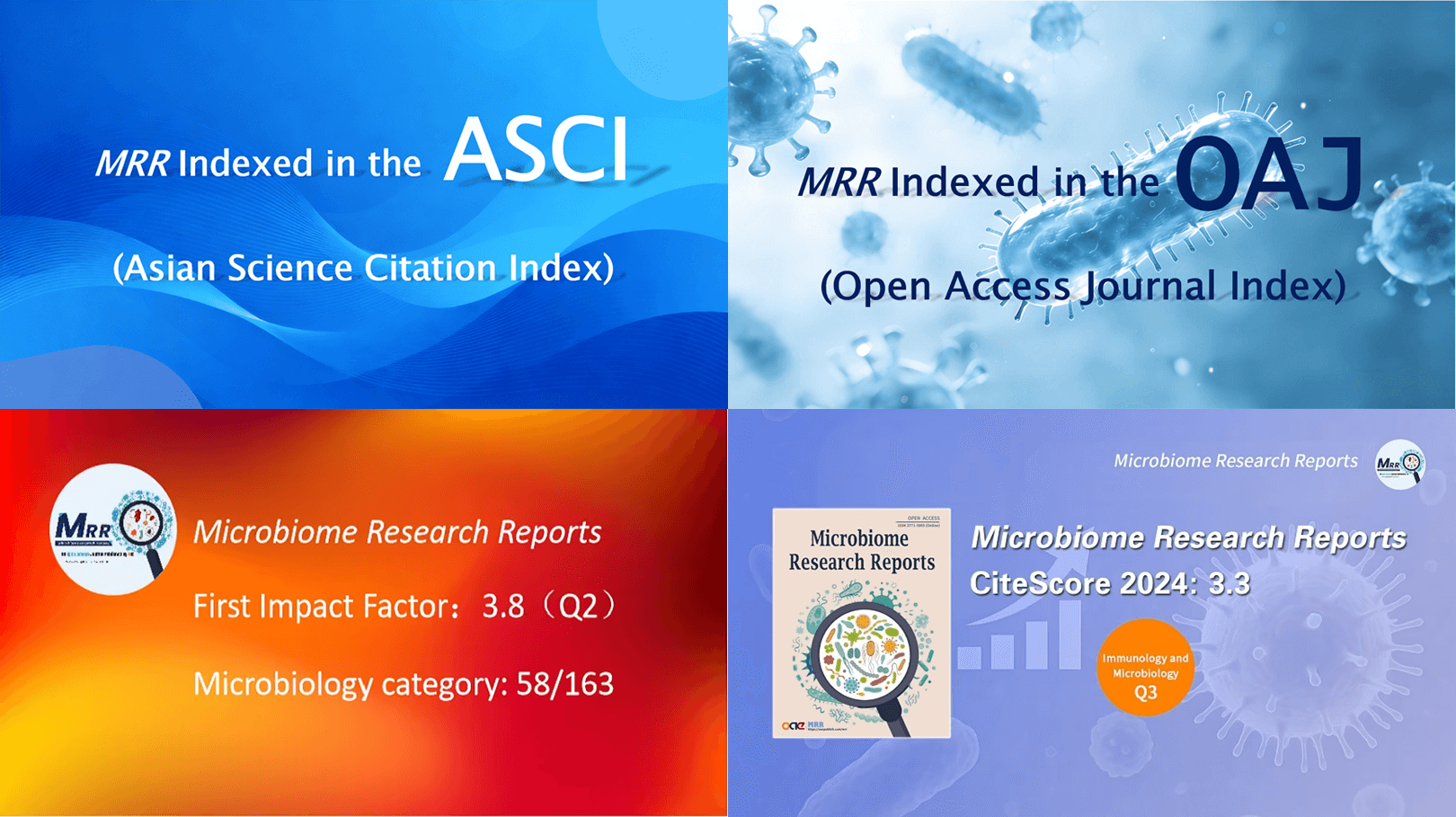
Figure 1. Indexing and Database Coverage of MRR in 2025
2. Submissions and Publications
In 2025, MRR recorded a 28% increase in manuscript submissions compared with 2024. The proportion of non-invited (regular) submissions rose to 24.39%, up from 11.45% in the previous year. Submissions were received from 7 additional countries, further expanding the journal's international reach.
To maintain high publication standards, the overall rejection rate increased to 79.6%, underscoring the journal's continued emphasis on rigorous peer review and editorial evaluation. During the year, MRR published four regular issues.
To support authors and encourage high-quality submissions, MRR implemented a special Article Processing Charge (APC) discount policy, which was part of activities marking the 10th anniversary of OAE Publishing Inc, the journal's publisher. Manuscripts submitted before the end of 2025 were eligible for an APC reduction of USD 1,500. As a result, 90% of published authors benefited from APC waivers or discounts, corresponding to an estimated total cost saving of USD 98,800.
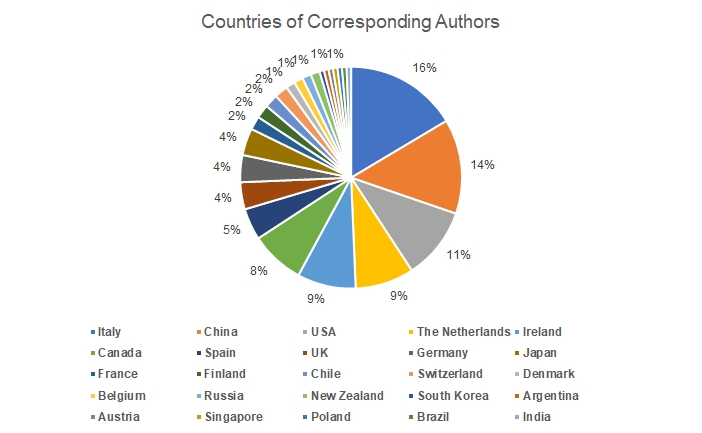
Figure 2. Country Distribution of Published Authors
The distribution of article types remained balanced across seven categories. Original Articles accounted for 45% of publications, followed by Reviews at 33%.
Analysis of corresponding authors' research profiles showed that most authors had an H-index between 20 and 40, followed by those with an H-index between 40 and 60. Authors with an H-index above 100 accounted for 5% of published articles.
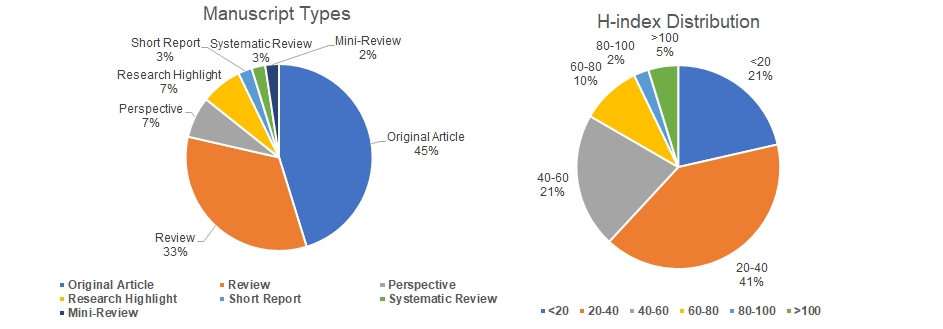
Figure 3. Distribution of Published Article Types and H-Index of Corresponding Authors
3. Views, Downloads, and Citations
By the end of 2025, articles published in MRR had accumulated a total of 264,127 HTML views and 145,664 PDF downloads. The largest share of readership originated from the United States, followed by China.
According to the Web of Science database, MRR articles were cited by researchers from 93 countries. The highest proportion of citations came from China (14%), followed by the United States (12%).
Four articles published in 2025 received particularly high levels of views and downloads, as summarized in Table 1.
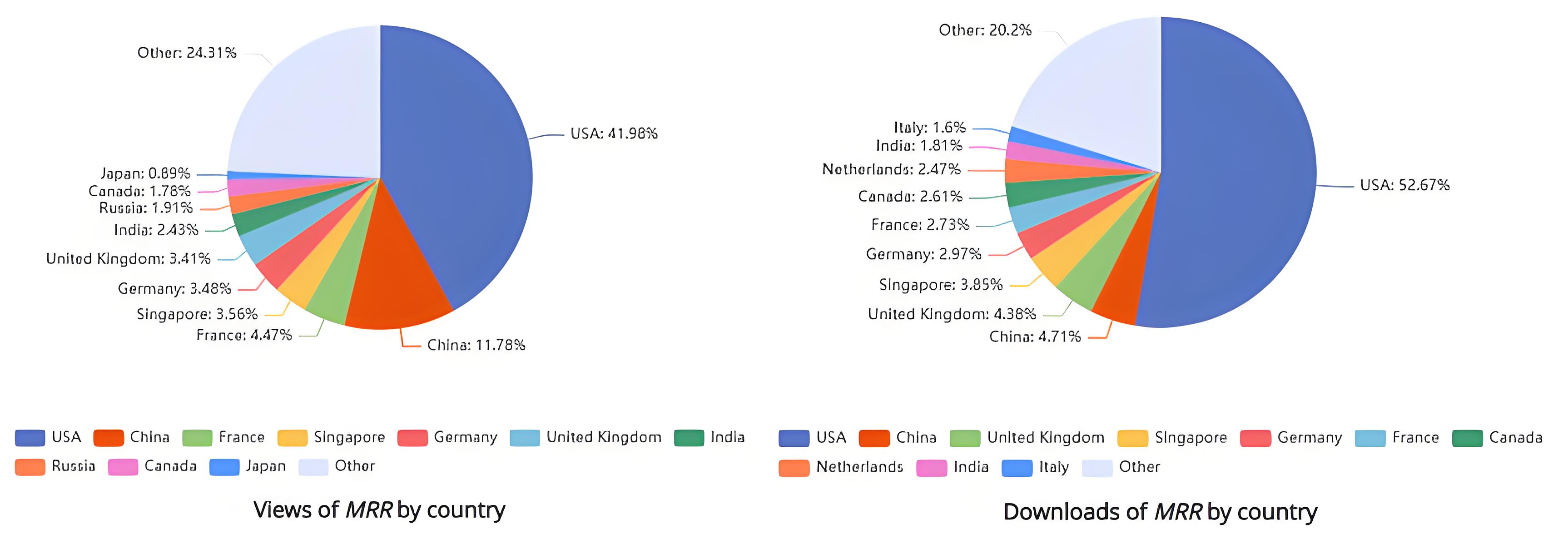
Figure 4. Article Views and Downloads by Country
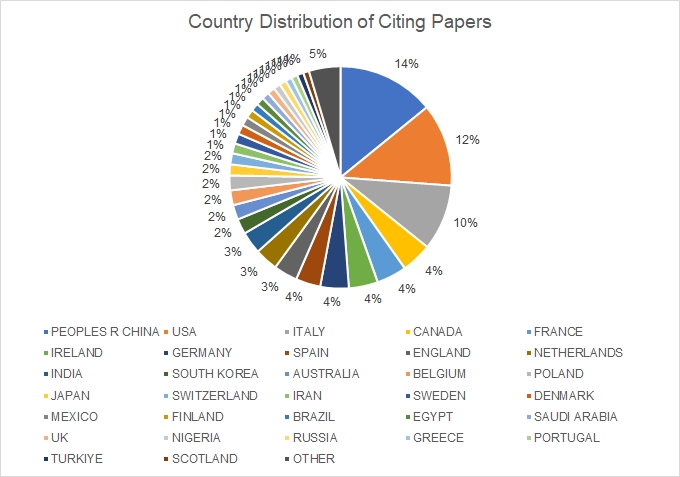
Figure 5. Country Distribution of Citations of MRR Articles
Table 1. Articles with the Highest Views and Downloads in 2025
| Title | Country | Authors |
|---|---|---|
| Early-life gut microbiome development and its potential long-term impact on health outcomes | Spain | Alejandro Borrego-Ruiz, Juan J. Borrego |
| Phage therapy as a revitalized weapon for treating clinical diseases | China | Yingjie Wang*,* Yamei Yu |
| Ex vivo study on prebiotic & choline combination to modulate gut bacteria, enhance choline bioavailability, and reduce TMA production | Singapore; Australia | Ying Qi Goh*,* Guoxiang Cheam*,* Mingyue Yeong*,* Nidhi Bhayana*,* Abigail Thomson*,* Jingtao Zhang*,* Jia Xu*,* Patricia Conway*,* Smeeta Shrestha, Yulan Wang |
| The oncobiome: what, so what, now what? | Ireland | Munawar Abbas*,* Mark Tangney |
4. Special Issues
In 2025, MRR launched 13 Special Issues, with Guest Editors representing 6 countries. These Special Issues covered a wide range of timely topics, including animal microbiomes, probiotics, bacteriophages, tumor-associated microbiota, and other emerging areas in microbiome research.
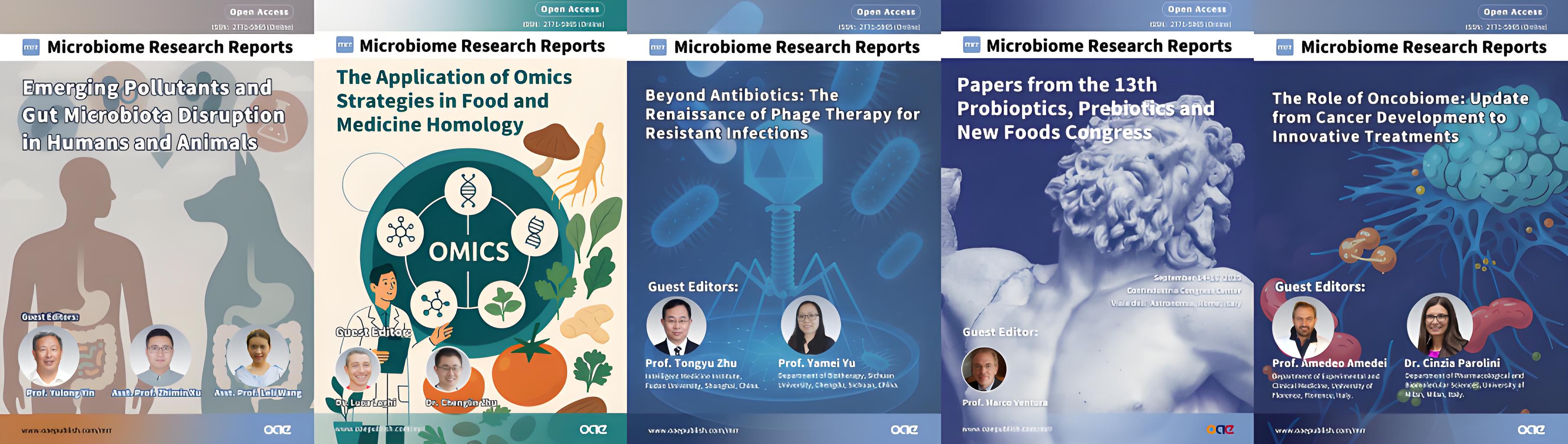
Figure 6. Selected Special Issues Published in 2025
5. Editorial Board Updates
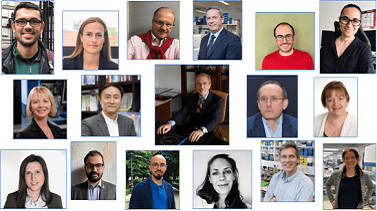
In 2025, MRR welcomed 9 scholars from 5 countries to the editorial team, including 1 Executive Editor, 1 Senior Editor, 2 Editors, and 6 Junior Editors, further strengthening the journal's editorial capacity and international representation.
In addition, 46 Early-Career Editorial Board Members were recruited during the year. Collectively, 24 Editorial Board Members and Early-Career Editorial Board Members participated in 30 outreach activities across 26 academic conferences, contributing to increased visibility and engagement within the global microbiome research community.

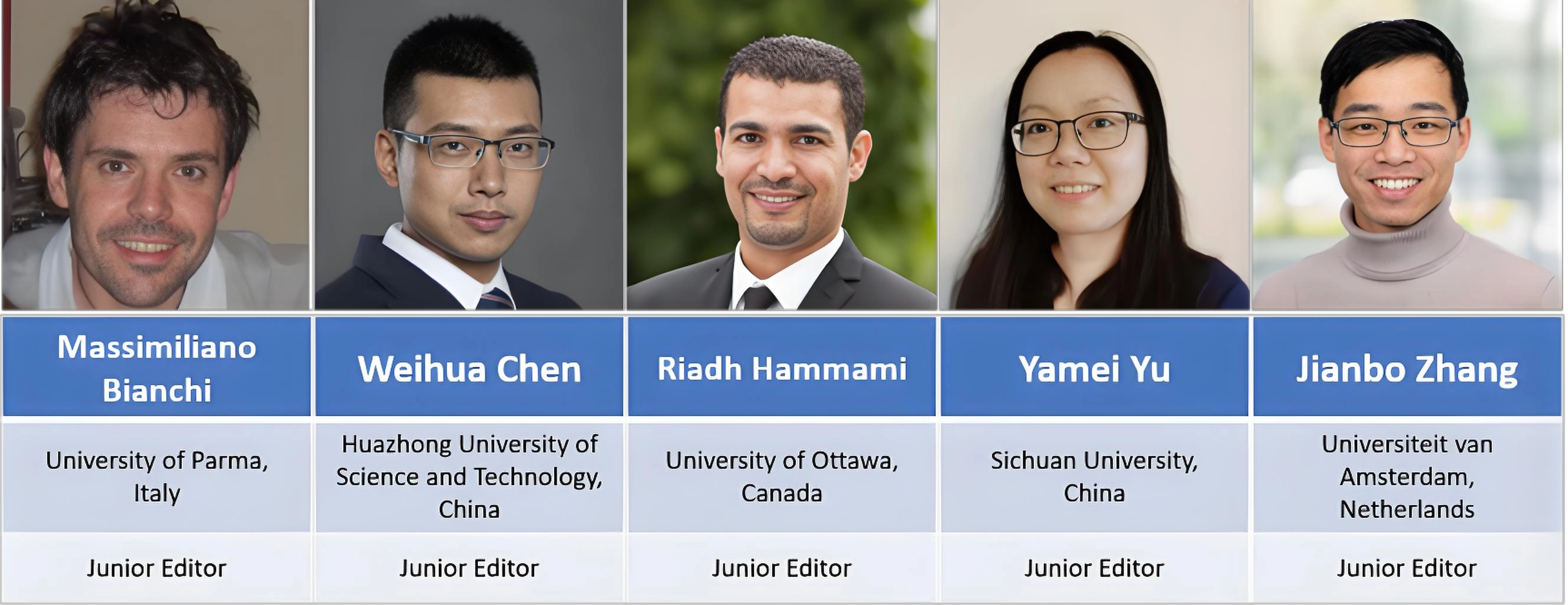
Figure 7. Newly Appointed Editorial Board Members in 2025
6. Reviewers
In 2025, more than 300 reviewers from 18 countries contributed to the peer-review process. Their expertise and constructive feedback played a critical role in ensuring manuscript quality and upholding the journal's academic standards.
7. Expert Interviews
MRR conducted 5 online academic interviews in 2025. Interviewees included newly appointed Editorial Board Members Prof. Liping Zhao, Prof. Sung Woo Kim, and Prof. Ju-Sheng Zheng, as well as 2 distinguished external experts: Prof. Gregor Reid (Fellow of the Royal Society of Canada and the Canadian Academy of Health Sciences, Canada) and Prof. Jingyuan Fu (Fellow of the Royal Netherlands Academy of Arts and Sciences and the Royal Holland Society of Sciences and Humanities, the Netherlands). These interviews collectively received over 2,600 views. Full interviews are available on the journal website under the Interviews section.

Figure 8. Expert Interviews in 2025
8. Webinars
In 2025, MRR organized 2 online academic webinars:
- The first webinar, chaired by Dr. Fatima Pereira (University of Southampton, Southampton, United Kingdom), featured Prof. Ted Dinan (University College Cork, Cork, Ireland) and focused on "Brain-Gut-Microbiota Axis: Implications for Psychiatry."
- The second webinar, chaired by Prof. Ju-Sheng Zheng (Westlake University, Hangzhou, China), featured Prof. Yan Ni (Zhejiang University, Hangzhou, China) and Dr. Zelei Miao (Westlake University), and focused on "Frontiers in Gut Microbiome Research: From Pregnancy Health to Pediatric Metabolic Diseases."
Full details are available on the journal website under the Webinars section.

Figure 9. Online Webinars in 2025
9. Editorial Board Meeting
In June 2025, two members of the Editorial Office visited Editor-in-Chief Prof. Marco Ventura and Executive Editor Prof. Francesca Turroni in Italy. Discussions focused on the journal's development, strategic direction, and current challenges. During the visit, the Editorial Office presented a traditional Chinese "Hundred Blessings" (Baifu Tu) artwork as a gesture of goodwill.
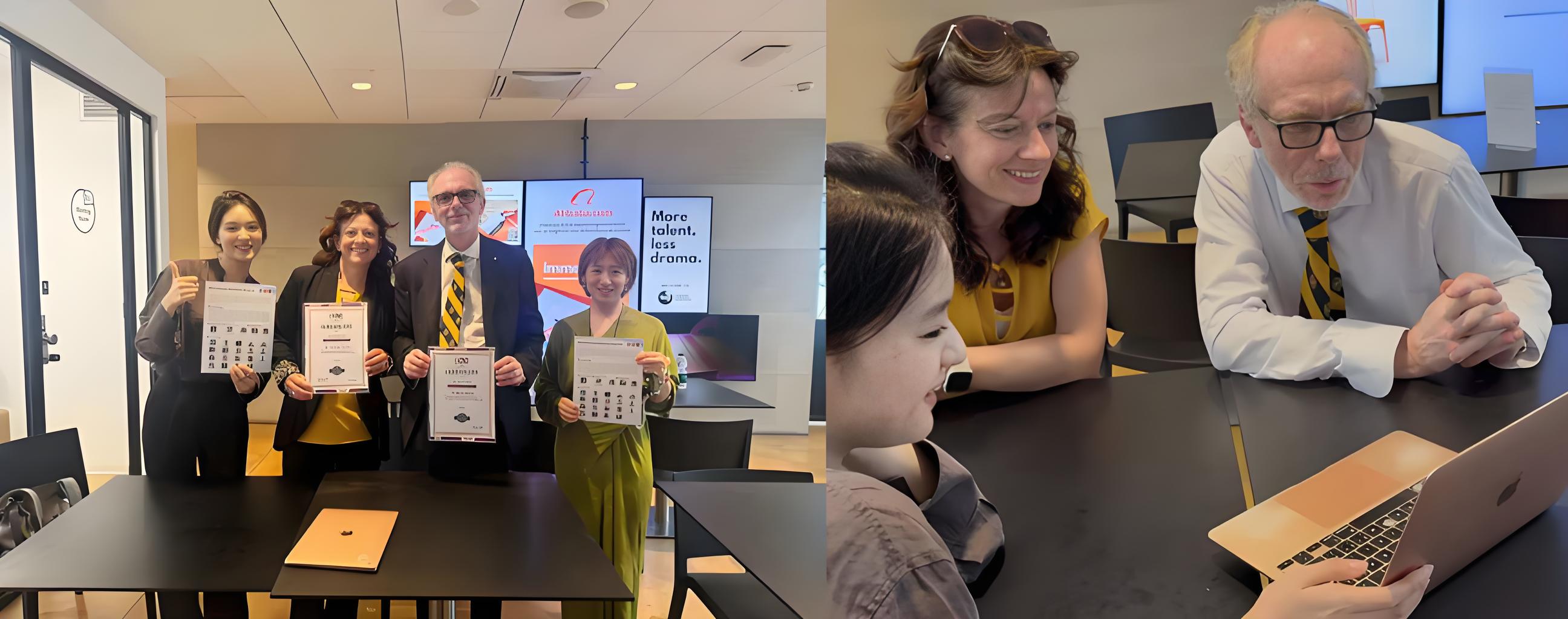
Figure 10. Editorial Visits in 2025
10. Academic Conferences and Outreach
In 2025, MRR participated in 2 major in-person academic conferences.
In June, the Editorial Office attended Gut Conference 2025 in Ningbo, China, during which interviews and discussions were held with Editorial Board Members Prof. Gong Cheng, Prof. Chenhong Zhang, and Prof. Tingtao Chen. The Editorial Office presented appointment certificates to 17 Early-Career Editorial Board Members, and introduced the journal to more than 100 researchers in the gut microbiome field.
In November, the Editorial Office attended the Third Annual Meeting of the Microbiome Professional Committee of the Chinese Society for Microbiology in Wuhan, China, where outreach and academic exchange activities continued.
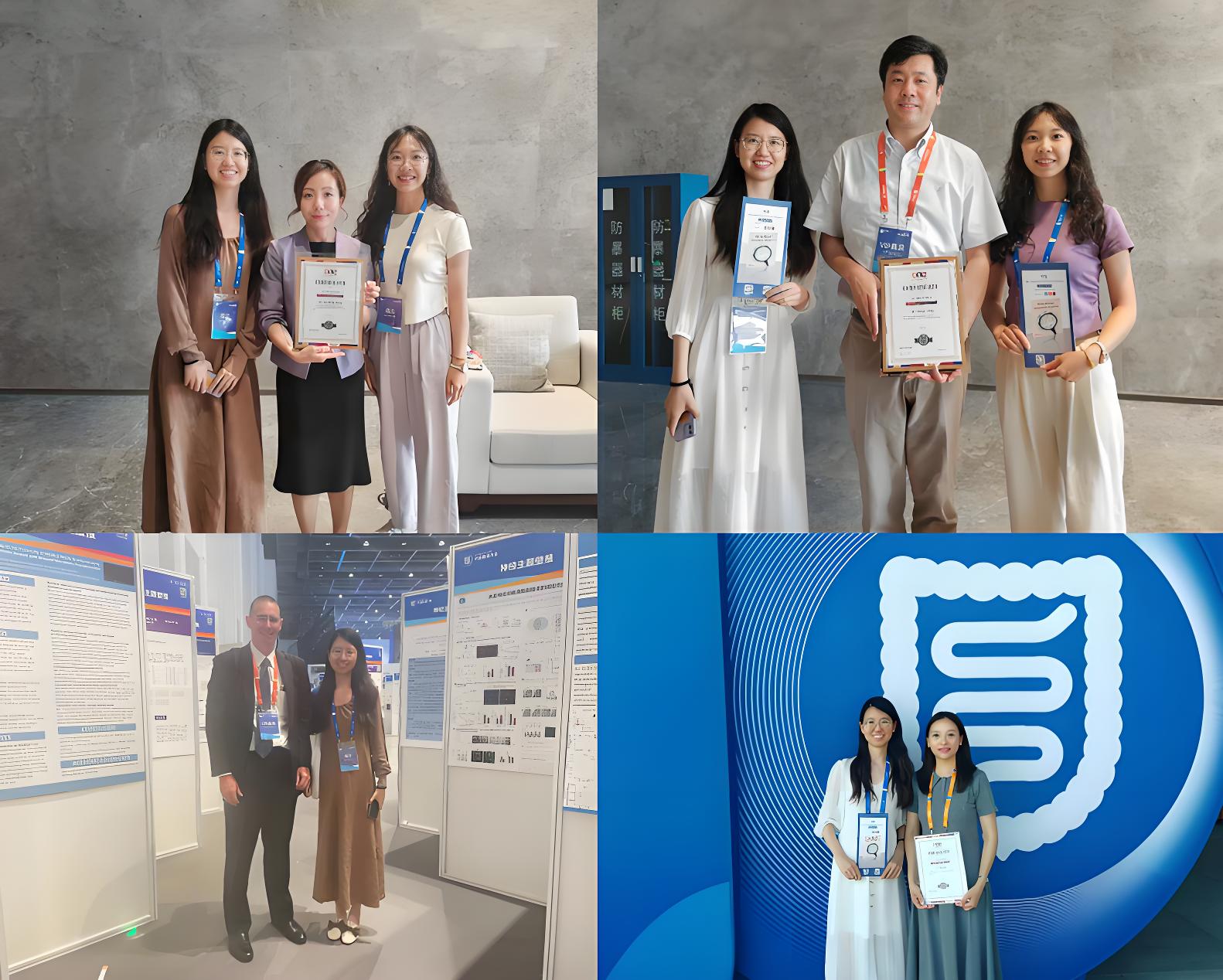
Figure 11. Selected Photos from In-Person Conferences in 2025
In addition, MRR established media partnerships with three international conferences held in France and Greece, and collaborated with a conference in Italy, which organized a dedicated Special Issue in cooperation with the journal.
11. Social Media and Communication Channels
In 2025, the MRR X account (@MicroResRep) gained 64 new followers (a 6% increase), published 63 posts, and received 10,785 total views. The journal's LinkedIn account (@Fiona Yin) gained 1,008 new followers (a 56% increase), with 65 posts published and 87,107 total views.
Acknowledgments
In 2025, MRR achieved steady progress in submission volume, publication quality, citation performance, and international engagement. These accomplishments are the result of the collective efforts of our Editorial Board members, guest editors, authors, reviewers, readers, and editorial staff.
Looking ahead, MRR remains committed to high standards of academic integrity, ethical publishing, and rigorous peer review. Through continued collaboration with the global microbiome research community, MRR aims to further enhance its international presence, support early-career researchers, and contribute to advances in microbiome science and its applications in health and disease.
Editor: Dasia Luo
Language Editor: Catherine Yang
Production Editor: Ting Xu
Respectfully Submitted by the Editorial Office of Microbiome Research Reports