

2025 Annual Report of Mini-invasive Surgery
Messages from the Editors-in-Chief:
Prof. Giulio Belli:
The year 2025 has marked a period of growth and remarkable achievement for Mini-invasive Surgery (MIS). I am proud to announce that the journal's CiteScore has risen from 1.2 to 1.4, reflecting both the quality of the research we publish and the increasing global recognition of MIS as an important platform for innovation in minimally invasive and robotic surgery. Over the past year, MIS has continued to deliver relevant publications that span a wide range of surgical disciplines, including hepatopancreatobiliary and gastrointestinal surgery, bariatrics, urology, and oncology. Among the most significant papers in 2025 in MIS is the retrospective review by Murillo et al., "Comparison of conventional and robotic-assisted minimally invasive esophagectomy for esophageal cancer" (MIS 2025;9:7). This study provides a rigorous comparison between conventional minimally invasive esophagectomy (MIE) and robotic-assisted MIE (RAMIE), showing improved lymphadenectomy and reduced recurrent laryngeal nerve paralysis with RAMIE despite the challenges of learning curves and cost. Another major contribution is the review by Pandolfo et al. "The evolving landscape of renal surgery for complex renal masses (CRM): implications for oncologic and functional outcomes" (MIS 2025;9:1), which addresses the expanding role of robotic surgery in nephron-sparing surgery and the nuanced trade-offs between function preservation and perioperative risk. Another important contribution is the original paper by Maeda et al. (MIS 2025;9:2), "Does minimally invasive anatomical hepatectomy reduce surgical site infections?", which aims to clarify the effectiveness of laparoscopic anatomical liver resections in surgical site infections (SSIs). The authors performed a retrospective comparison between two groups, concluding that minimally invasive anatomical hepatectomy can reduce SSIs. These articles exemplify two dominant themes of the year: first, the consolidation of robotic-assisted approaches as not just experimental, but increasingly evidence-based in complex anatomical domains; second, the emphasis on refined decision-making in minimally invasive surgery - balancing patient-centred outcomes, oncologic safety and technical feasibility. This year also highlighted the expanding role of artificial intelligence (AI) and data-driven decision support in minimally invasive surgery. Reviews such as "The current state of artificial intelligence in robotic esophageal surgery" (MIS 2025;9:6) have shown how machine learning and intraoperative analytics are poised to become integral tools for planning, navigation, and performance assessment in the modern operating room. From robotic-assisted approaches to advanced imaging and navigation systems, the integration of technology continues to push boundaries. Some highlighted papers have demonstrated how AI and machine learning are becoming integral tools for intraoperative decision-making and outcome prediction, setting the stage for data-driven surgery. Beyond individual studies, the journal's special issues have played a pivotal role in advancing focused areas of research. In oncologic surgery, multiple relevant studies provided compelling evidence supporting minimally invasive techniques in complex resections - including hepato-pancreato-biliary, thoracic, and colorectal procedures - without compromising oncological radicality. These findings strengthen the position of minimally invasive surgery as a standard of care in domains once dominated by open approaches. Looking ahead, the convergence of robotics, augmented reality, and digital surgery promises to redefine our operative environment. The translation of these technologies into improved patient outcomes, cost-effectiveness, and accessibility will remain central to future research priorities. These initiatives underscore MIS's mission to provide a forum for multidisciplinary collaboration and to highlight transformative ideas across surgical specialties. As we look ahead, the future of minimally invasive surgery lies in integrating robotics, imaging, and intelligent systems into surgical workflows - always guided by the principles of safety, reproducibility, and patient benefit. The editorial board remains committed to maintaining rigorous peer review and to supporting authors whose work embodies excellence, innovation, and clinical relevance. I extend my sincere gratitude to our authors, reviewers, readers, and editorial collaborators for their invaluable contributions. The continued growth of MIS - and its improved CiteScore in 2025 - is a shared success that reflects the vitality and creativity of our entire community.
The editorial office of MIS takes pride in showcasing the journal's numerous achievements in 2025, emphasizing four key perspectives.
I. Journal Key Metrics
1. Submissions and Publications
The year 2025 saw MIS publishing a total of 42 articles, resulting in a rejection rate of 76.5%. Compared to 2024, publications increased by 13.5%.
Committed to upholding the standards of publishing high-quality papers, MIS covers a range of article types, including Original Articles, Reviews, Meta-Analysis, Technical Notes (Not accepted in 2026), Brief Communications, Video Articles, and Editorials.
These articles cover a wide range of research areas, such as endoscopic mitral valve repair, robotic-assisted surgery in colorectal cancer, robotic pancreaticoduodenectomy, squamous cell carcinoma of the upper urinary tract, robotic gastric bypass, minimally invasive cardiac surgery, partial nephrectomy, laparoscopic liver resection, robotic surgery skills, hernia repair, robotic heller myotomy, sinonasal tract neoplasms, gastroesophageal reflux disease, minimally invasive esophagectomy, endoscopic interventions in bariatric surgery, lung cancer diagnosis and treatment, and more. They have significantly influenced their respective fields, gaining international recognition in academia.
In 2025, a total of 1075 authors submitted manuscripts to MIS, this broad participation reflects the journal's growing visibility and recognition within the international research community. The following analysis illustrates the geographic distribution of these contributing authors, highlighting MIS's expanding global reach. (Figure 1)
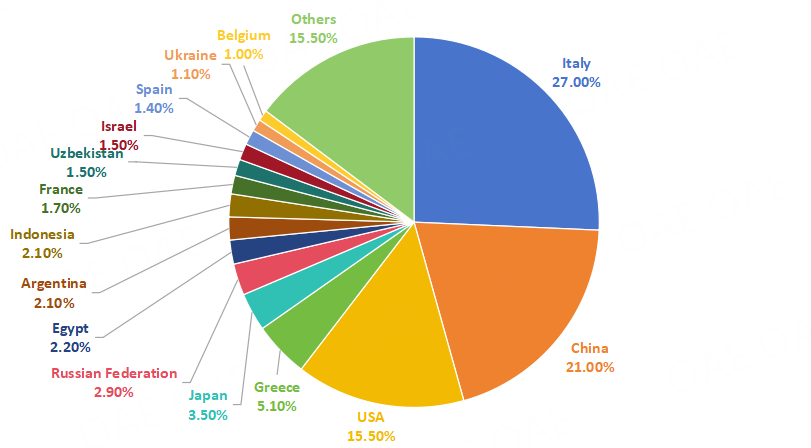
Figure 1. Distribution of Countries/Regions of Authors in 2025.
Among the contributing authors are a number of internationally recognized leaders in the field, including Dimitrios Stefanidis (Indiana University School of Medicine, USA), James Luketich (University of Pittsburgh Medical Center, USA), Brant Todd Heniford (Centre Hospitalier interregional Edith Cavell, Belgium), Hendrik Van Poppel (Katholieke Universiteit Leuven, Belgium), Luigi Bonavina (I.R.C.C.S. Ospedale Galeazzi-Sant'Ambrogio, Italy), Riccardo Autorino (VCU School of Medicine, USA), Ho-Seong Han (Seoul National University College of Medicine, South Korea), among others. Their substantial academic and clinical contributions have significantly advanced the field and underscore the high scholarly caliber of this work.
2. Peer Review Metric
In 2025, a noteworthy total of 275 reviewers hailing from 28 nations or regions made substantial contributions to the paper review process, as depicted in Figure 2. Their meticulous analysis and constructive suggestions played a pivotal role in accelerating the development of MIS, significantly enhancing the value of the reviewed publications. The editors of MIS extend special appreciation to these reviewers for their generous contribution of time and energy.
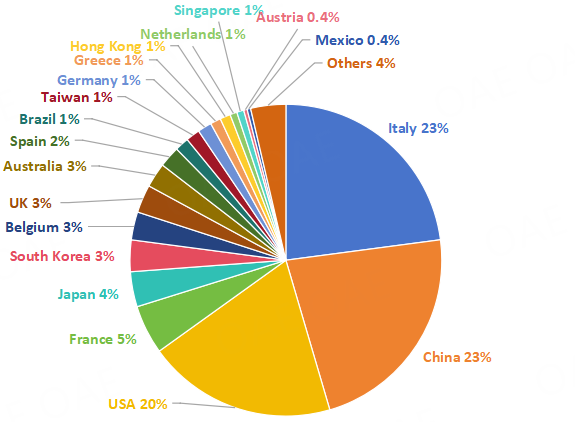
Figure 2. Distribution of Reviewers by Country/Region in 2025.
3. Special Issues
In 2025, MIS collaborated with 28 exceptional scholars to release 16 Special Issues, as illustrated in Figure 3. This initiative fostered a community of authors and readers who not only shared their perspectives but also suggested innovative paths for future research. The topics variously ranges from lung cancer, gastric cancer, upper GI surgery, cardiac surgery, HPB surgery, capsule endoscopy, single-port robotic surgery in urology, AI treatment in surgery, AI guided navigation, etc.
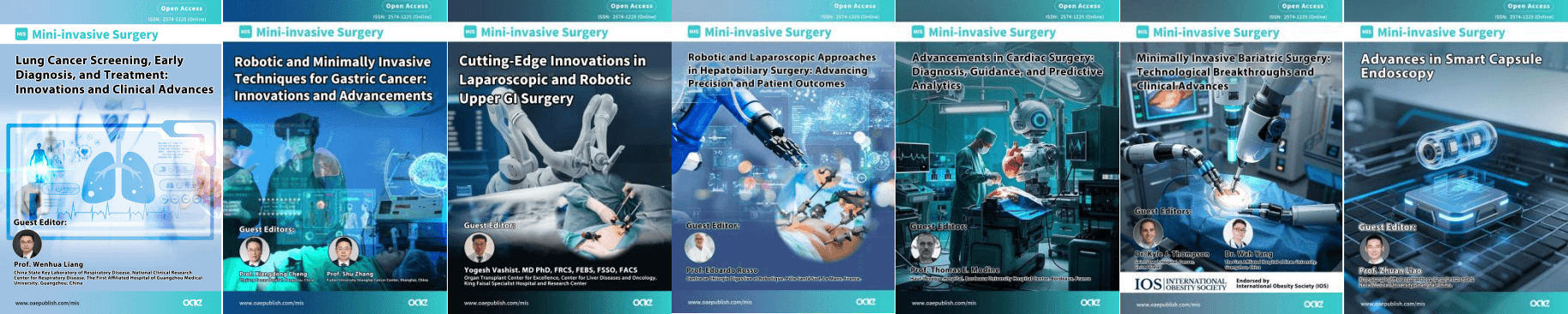
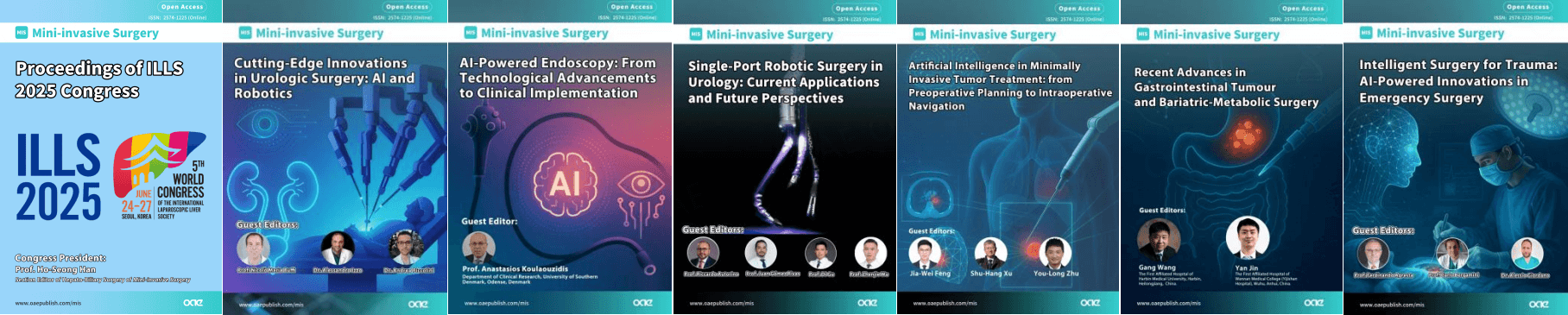
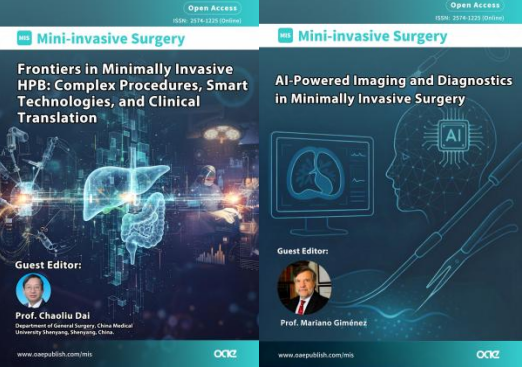
Figure 3. Special Issue Released in 2025.
The guest editors of all special issues are leading experts in their respective fields. Their participation not only ensures a steady stream of high-quality submissions but also significantly enhances the journal's reputation and visibility within the international research community.
- Prof. Wenhua Liang, China State Key Laboratory of Respiratory Disease, National Clinical Research Center for Respiratory Disease, The First Affiliated Hospital of Guangzhou Medical University, Guangzhou, Guangdong, China.
- Prof. Xiangdong Cheng, Zhejiang Cancer Hospital, Hangzhou, Zhejiang, China.
- Prof. Shu Zhang, Fudan University Shanghai Cancer Center, Shanghai, China.
- Prof. Yogesh Vashist, Organ Transplant Center for Excellence, Center for Liver Disease and Oncology, King Faisal Specialist Hospital and Research Center, Saudi Arabia.
- Prof. Edoardo Rosso, Centre se Chiurgie Digestive et Robotique, Pôle Santé Sud, Le Mans, France.
- Prof. Thomas E. Modine, Haut-Lévêque Hospital, Bordeaux University Hospital Center, Bordeaux, France.
- Prof. Kyle Thompson, General Surgery, Saint Joseph Hospital, Denver, CO, USA.
- Prof. Wah Yang, Department of Metabolic and Bariatric Surgery, The First Affiliated Hospital of Jinan University, Guangzhou, Guangdong, China.
- Prof. Zhuan Liao, Department of Gastroenterology, Changhai Hospital, Naval Medical University, Shanghai, China.
- Prof. Ho-Seong Han, Department of Surgery, Seoul National University College of Medicine, Seoul, South Korea.
- Prof. Nicolò Maria Buffi, Department of Biomedical Sciences, Humanitas University, Milan, Italy.
- Prof. Anastasios Koulaouzidis, Department of Clinical Research, University of Southern Denmark, Odense, Denmark.
- Prof. Riccardo Autorino, Rush University Medical Center, Chicago, IL, USA.
- Prof. Zhenjie Wu, Urology Department, Changhai Hospital, Naval Medical University, Shanghai, P.R. China.
- Prof. Juan Gómez Rivas, Hospital Clínico San Carlos, Madrid, Spain.
- Prof. Di Gu, Guangdong Provincial Key Laboratory of Urological Diseases, Department of Urology, The First Affiliated Hospital of Guangzhou Medical University, Guangzhou, China.
- Prof. Shuhang Xu, Department of Endocrinology, Affiliated Hospital of Integrated Traditional Chinese and Western Medicine, Nanjing University of Chinese Medicine, Jiangsu, China.
- Prof. Gang Wang, Department of Oncology and Laparoscopy Surgery, The First Affiliated Hospital of Harbin Medical University, Harbin, Heilongjiang, China.
- Prof. Ferdinando Agresta, UOC Chirurgia Generale, Ospedale di Vittorio Veneto, Treviso, Italy.
- Prof. Carlo Bergamini, Emergency Surgery Unit, Careggi University Hospital, Florence, Italy.
- Prof. Chaoliu Dai, Department of General Surgery, China Medical University Shenyang, Shenyang, Liaoning, China.
- Prof. Mariano Gimenez, Department of Surgery, Institut Hospitalo-Universitaire-Strasbourg, Strasbourg, France.
- Dr. Alessio Giordano, Emergency Surgery Unit, Careggi University Hospital, Florence, Italy.
- Dr. Alessandro Izzo, Department of Uro-genital Oncologic Pathways -- Clinical and Research Unit, National Cancer Institute of Naples IRCCS "Fondazione G. Pascale", Naples, Italy.
- Dr. Andrea Piccolini, Department of Biomedical Sciences, Humanitas University, Milan, Italy.
- Dr. Jiawei Feng, Department of thyroid surgery, The Third Affiliated Hospital of Soochow University, Changzhou First People's Hospital, Changzhou, Jiangsu, China.
- Dr. Youlong Zhu, Department of Gastrointestinal Surgery, Southeast University Affiliated Xuzhou Central Hospital, Xuzhou, Jiangsu, China.
- Dr. Yan Jin, Department of Gastrointestinal Surgery, The First Affiliated Hospital of Wannan Medical College (Yijishan Hospital), Wuhu, Anhui, China.
II. Journal Impact
1. Indexing
On November 5, 2025, MIS was officially indexed in Asian Science Citation Index (ASCI) (Figure 4). To date, the journal has been included in several major databases, including ESCI, Scopus, CAS, Dimensions, CNKI, etc, reflecting its growing visibility and recognition in the international research community.
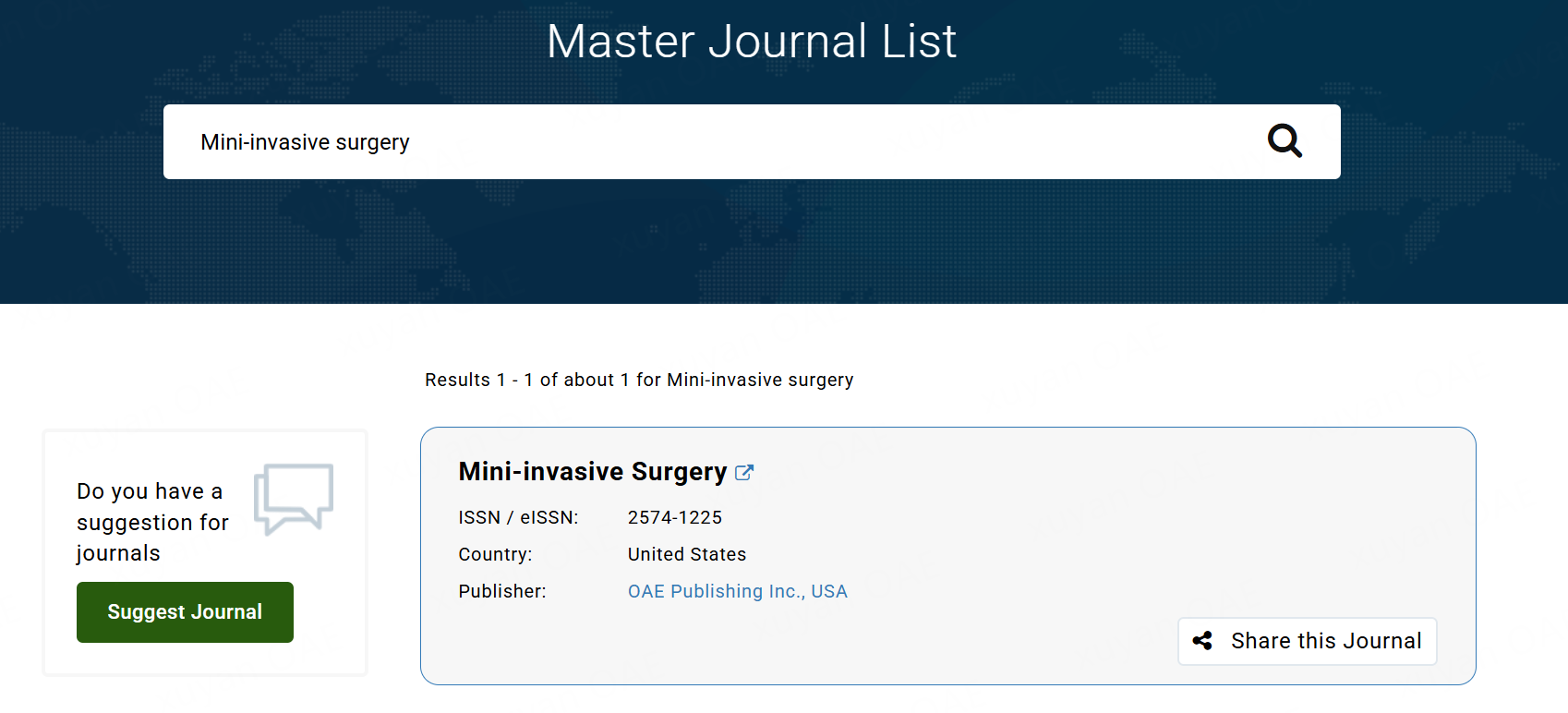
Figure 4. Asian Science Citation Index (ASCI).
Importantly, MIS received its first Impact Factor of 0.7, ranking in the Q4 category of SURGERY (Figure 5). We sincerely thank all editorial board members, reviewers, authors, and guest editors for their invaluable contributions, and we will continue striving to further enhance the journal's quality, impact, and international reputation.
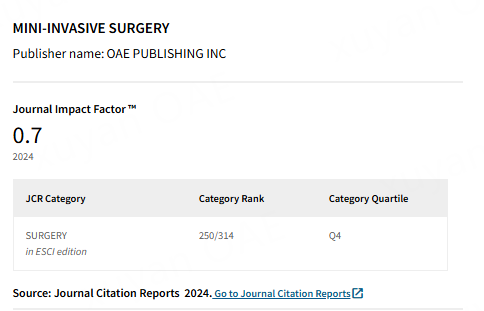
Figure 5. First Impact Factor of MIS in 2025.
MIS's 2024 CiteScore reached 1.2 (Figure 6), with the 2025 CiteScore Tracker rising to 1.4, indicating a positive trajectory in the journal's citation impact.
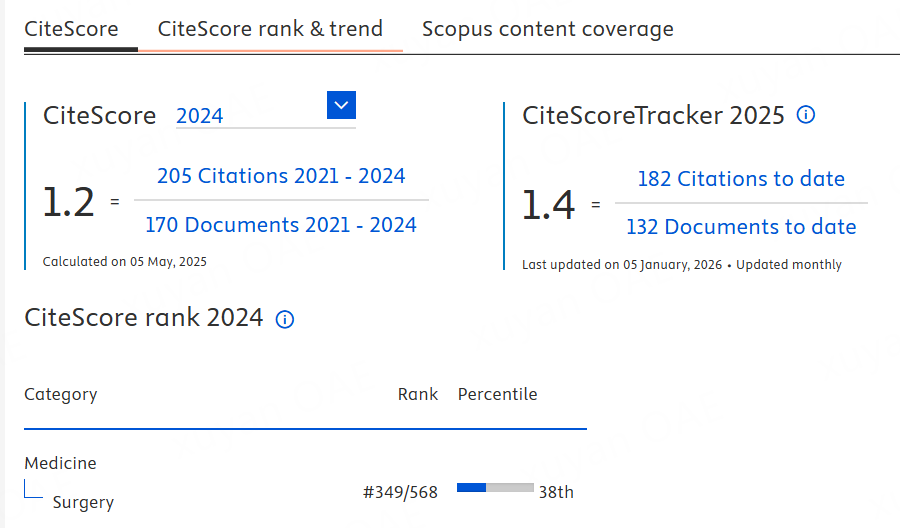
Figure 6. CiteScore Metric of MIS.
2. Citations
In 2025, MIS garnered significant recognition in the global academic community. Figure 7 provides a detailed representation of the distribution of these citations, highlighting the widespread impact and academic value of MIS on a global scale.
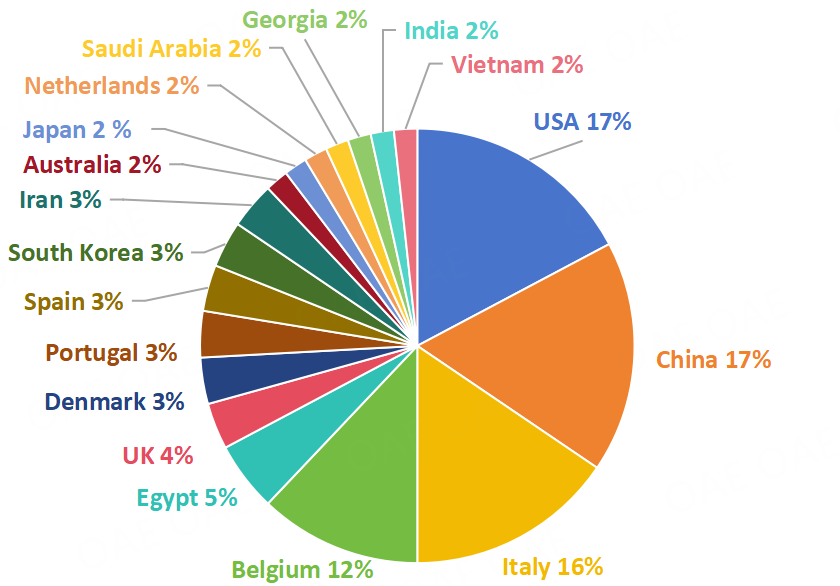
Figure 7. Distribution by Countries/Regions of Citations in 2025.
In 2025, a lot of top journals cited publications from MIS. This not only underscores the prestigious academic standing of MIS in the realm of mini-invasive surgery but also highlights the broad applicability and influence of its research outputs. Significantly, 68% of these journals are positioned within the second quartile or higher in JCR, serving as a testament to the high quality and scholarly standard of articles published in MIS. This substantial proportion of citations from high-quartile JCR journals not only affirms the academic achievements of MIS but also signals its potential for ongoing development and future impact in the field of minimally invasive surgery.
3. Usage Metrics
The journal has been steadily increasing its impact, which can be observed from the continuous growth in article views and downloads (Figure 8). This upward trend reflects the expanding reach and visibility of MIS's content, indicating growing engagement from the global research community and increasing recognition of the journal as a trusted platform for high-quality publications.
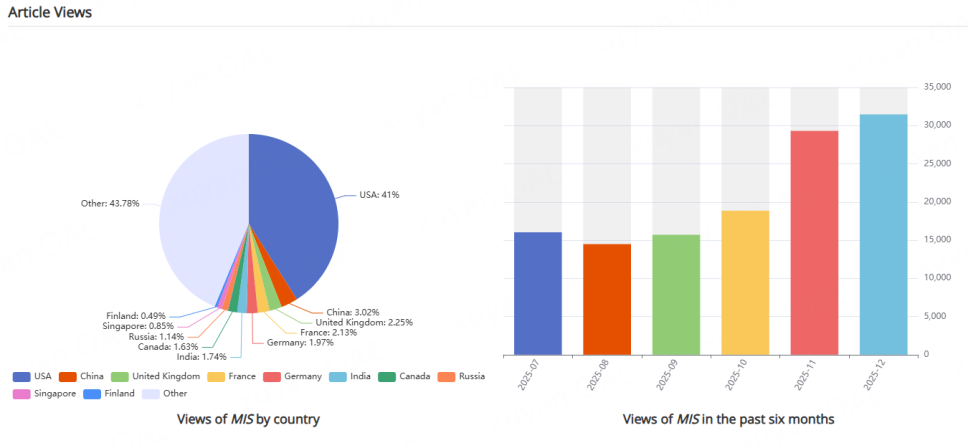
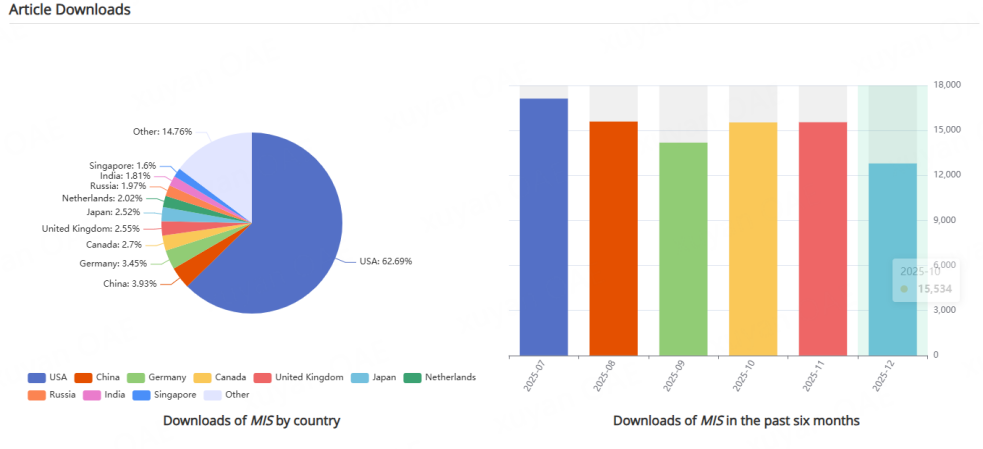
Figure 8. Views and Downloads Metric of MIS.
III. Academic Community Development
1. Editorial Board Composition
On 14 April, 2025, Prof. Lianxin Liu, from The First Affiliated Hospital of University of Science and Technology of China, Hefei, China, was appointed as the Co-Editor-in-Chief of MIS (Figure 9).
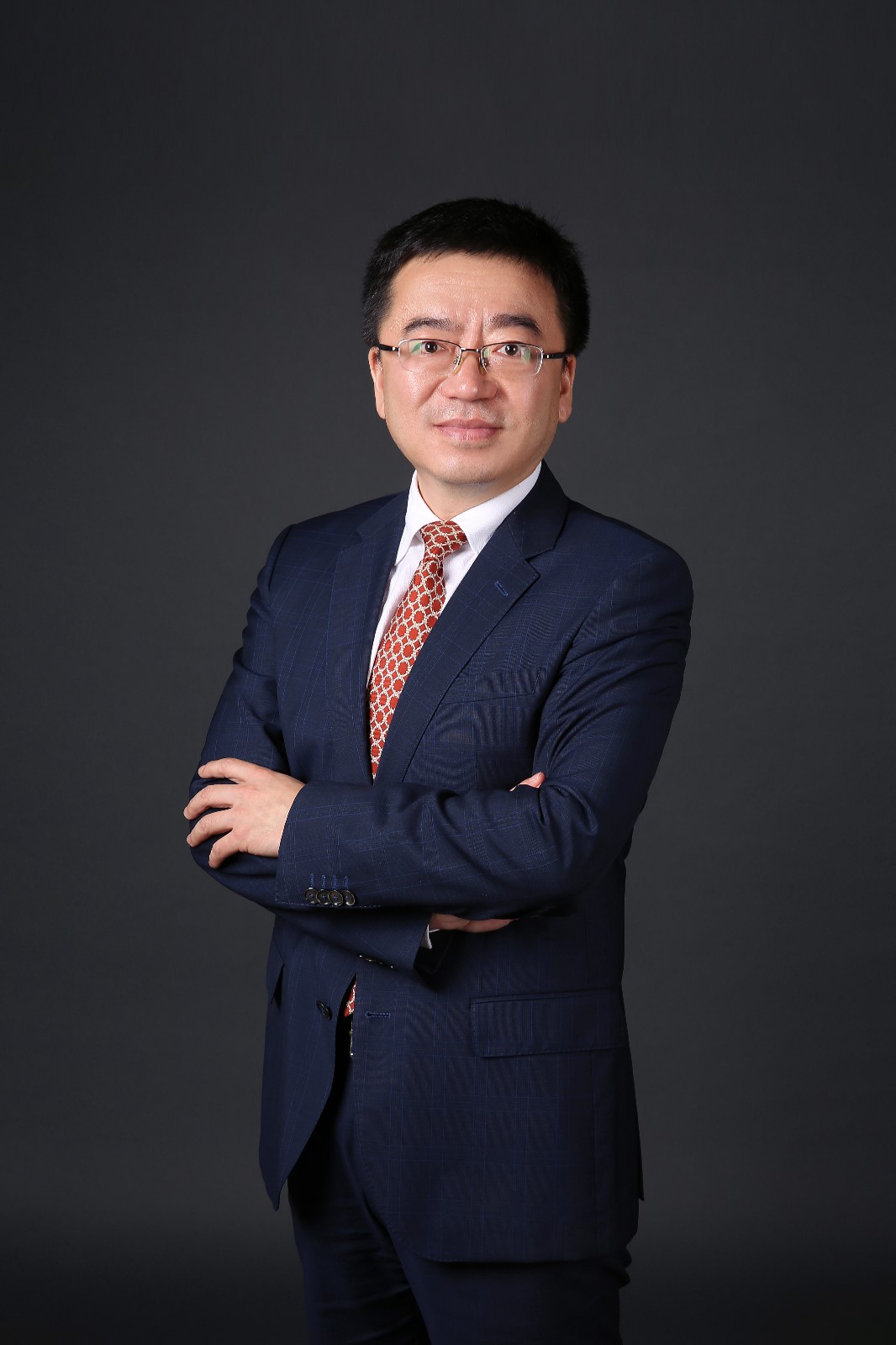
Figure 9. Prof. Lianxin Liu Serves as the Co-Editor-in-Chief of MIS.
On October 1, 2025, Prof. Jizhou Wang, Director of the Department of General Surgery at The First Affiliated Hospital of the University of Science and Technology of China, has officially joined MIS as Junior Chief Editor.
On November 21, 2025, the Chinese Academy of Sciences officially announced its newly elected academicians. Prof. Xiujun Cai, a renowned surgeon and Advisory Editor of Mini-invasive Surgery from Sir Run Run Shaw Hospital, Zhejiang University School of Medicine, Hangzhou, China, was among the newly elected members (Figure 10). As an Advisory Editor of MIS, he has provided invaluable academic guidance, significantly contributing to the journal's development.

Figure 10. Warm Congratulations to Prof. Xiujun Cai on His Election to the Chinese Academy of Sciences.
At the same time, we have been actively engaging with leading experts in various fields, who have joined our editorial board as shown below (Table 1). These new members will actively contribute to reviewing to select high-quality papers, journal promotion to enhance the journal visibility, and academic exchanges among the board members. Their participation strengthens the journal's expertise, enhances editorial quality, and supports MIS's continued growth and international reputation.
Table 1. Newly Appointed Editorial Board Members in 2025.
| Name | Affiliation | Notes |
|---|---|---|
| Maria Altieri | University of Pennsylvania, Philadelphia, USA. | Committee Chair of the Society of American Gastrointestinal and Endoscopic Surgeons (SAGES) and the American Society for Metabolic and Bariatric Surgery (ASMBS) |
| Mehmet Mahir Özmen | MOC, Obesity and Cancer Clinic, Ankara, Turkey. | President of the Asian Endoscopic and Laparoscopic Surgeons Association (ELSA); Founding President of the Turkish Society for Metabolic and Bariatric Surgery; and Congress President of ELSA 2023. |
| Tadahisa Sugiura | Montefiore Medical Center/Albert Einstein College of Medicine, New York, USA. | Cardiac regenerative therapy, induced pluripotent stem cell, Structural heart disease, TAVR/TAVI, the treatment of end-stage heart failure, ECMO |
| Alberto Arezzo | Minimally Invasive Therapy and Innovation Center (MITIC), Department of Surgical Sciences, University of Turin, Turin, Italy. | President of European Association for Endoscopic Surgery and Other Interventional Techniques; Editor-in-Chief of Minimally Invasive Therapy & Allied Technologies (MITAT). |
| Matthew D. Kroh | Cleveland Clinic, Cleveland, OH, USA. Medtronic, Minneapolis, MN, USA. | Committee Chair of the Society of American Gastrointestinal and Endoscopic Surgeons (SAGES) and the American Society for Metabolic and Bariatric Surgery (ASMBS) |
| Catherine Teh | Makati Medical Center, Makati, Philippines. | PEOPLEASIA'S WOMEN OF STYLE & SUBSTANCE 2025 |
In addition, several promising early-career scientists have joined our team (Table 2), including:
Table 2. Newly Appointed Junior Editorial Board Members in 2025.
| Name | Affiliations | Research Interests |
|---|---|---|
| Jizhou Wang | The First Affiliated Hospital of USTC, Hefei, China. | Hepatobiliary tumors, minimally invasive surgery, AI, radiomics, clinical bio-database, translational research |
| Amedeo Anselmi | Centre Hospitalier Universitaire de Rennes, Rennes, France. | Adult acquired heart disease, Minimally invasive and transcatheter cardiac surgery, Mechanical circulatory support, Valvular heart disease, Advanced heart failure, Thoracic aortic aneurysms, Multidisciplinary team approach, Personalized cardiac surgical care |
| Filippo Alberto Ferrari | IRCCS "Sacred Heart - Don Calabria" Hospital, Negrar di Valpolicella, Verona, Italy. | Minimally invasive surgery; laparoscopy; endometriosis; endometrial cancer; cervical cancer; ovarian cancer; fertility sparing |
| Hooman Soleymani Majd | Oxford University Hospitals NHS Foundation Trust, Oxford, United Kingdom. University of Oxford Nuffield Department of Women's and Reproductive Health, United Kingdom. | Pelvic exenteration, Cytoreductive surgery, Gynaecology oncology, Ovarian cancer |
| Alessandro Pasculli | Unit of General Surgery "V. Bonomo", University of Bari "A. Moro", Polyclinic Hospital, Bari, Italy. | Endocrine surgery; abdominal wall surgery; breast surgery; abdominal oncological surgery; minimally invasive surgery; emergency surgery; surgical training |
| Antonio Tufano | Department of Urology, Istituto Nazionale Tumori, IRCCS, "Fondazione G. Pascale", Naples, Italy. | Uro-oncology, robotic surgery, kidney stones, minimally invasive surgical techniques, benign prostatic hyperplasia |
| Eugenia Yiannakopoulou | Department of Biomedical Sciences, Faculty of Health and Care Sciences, University of West Attica, Athens, Greece. | Minimally invasive surgery, robotic assisted surgery, endocrine surgery, breast surgery, surgical stress response, surgical oncology, experimental surgery, surgical training |
| Yu Zhang | Department of Hepatobiliary Surgery, Shaanxi Provincial People's Hospital, Xi'an, China. | Laparoscopic hepatectomy, robotic surgery, minimally invasive technology |
2. Editorial Board Meeting
In 2025, MIS held 4 editorial board meetings. The first meeting in April (Figure 11) involved China Members to welcome Prof. Lianxin Liu's appointment as the Co-Editor-in-Chief.
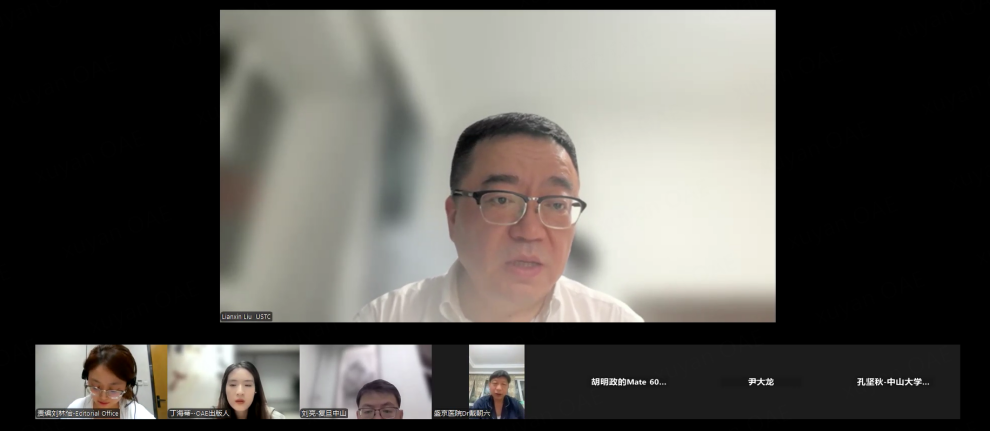
Figure 11. China Editorial Meeting in April 2025.
The second meeting (Figure 12), held on July 18, brought together international Editorial Board members to review the journal's achievement of receiving its first Impact Factor, assess progress during the first half of 2025, and discuss areas for improvement as well as strategic plans for the second half of 2025.
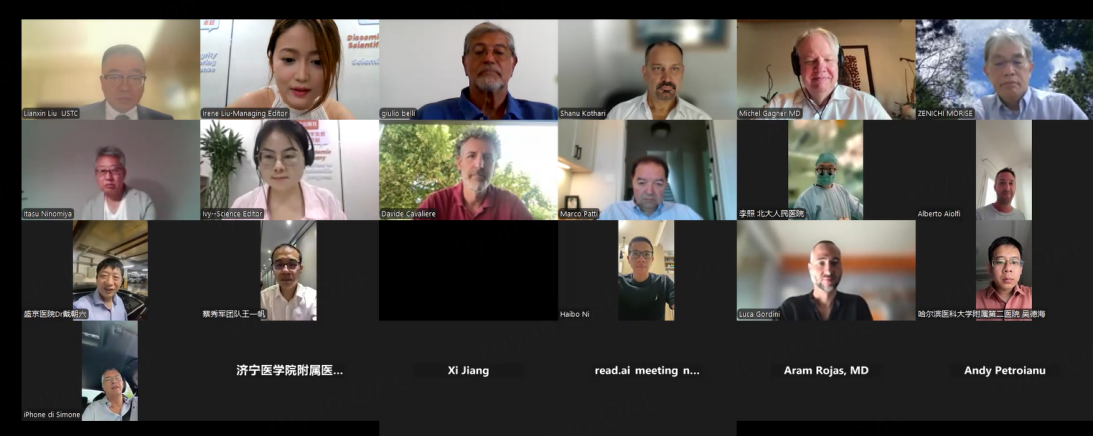
Figure 12. International Editorial Meeting in July 2025.
The third meeting (Figure 13), held on December 16, gathered international members to review the journal's progress throughout the year and to discuss plans for 2026, including publications, special issues, Impact Factor development, webinars, and other related initiatives.
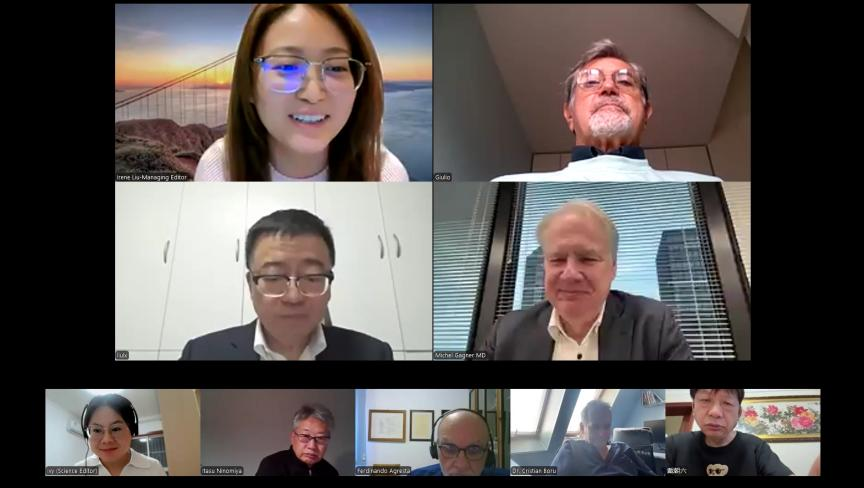
Figure 13. International Editorial Meeting in December 2025.
The fourth meeting (Figure 14) was held offline on December 20 in Hefei, China, and was chaired by Editor-in-Chief Prof. Lianxin Liu and Junior Chief Editor Prof. Jizhou Wang. Several junior members were invited to exchange ideas and provide constructive suggestions for the journal's future development. This meeting marked the first in-person editorial meeting of MIS, representing an important milestone in strengthening editorial engagement, fostering intergenerational collaboration, and enhancing the journal's long-term strategic development.
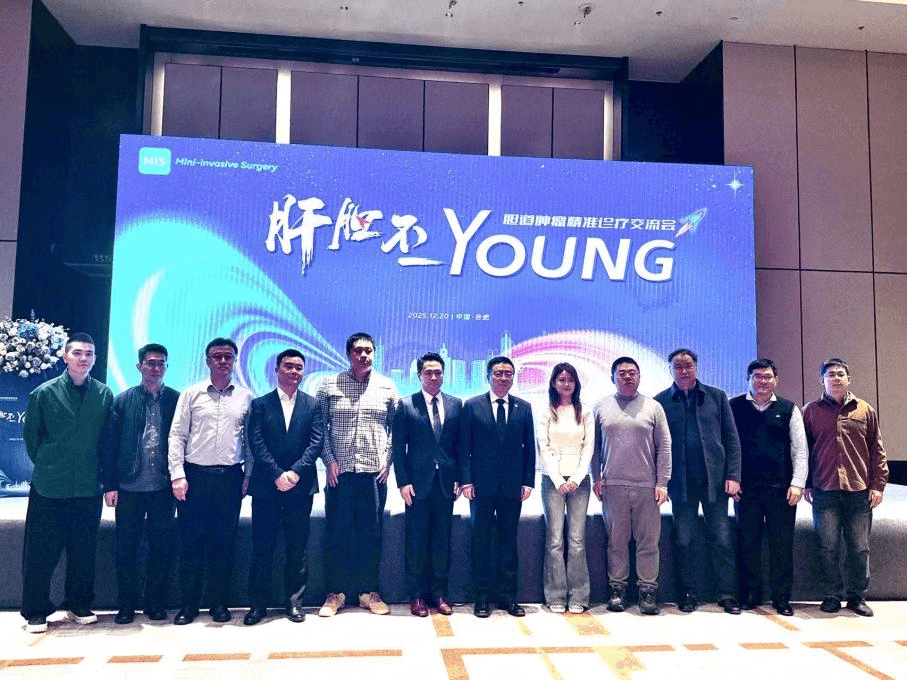
Figure 14. China Junior Editorial Meeting in December 2025.
IV. Academic Activities
1. Webinars
During 2025, MIS successfully hosted six online webinars, including 2 Chinese webinars, which attracted an audience of over 60,000 individuals across various broadcasting platforms, earning acclaim from academics. The editorial office expresses sincere gratitude for the substantial support for these webinars, as depicted in Figure 15.
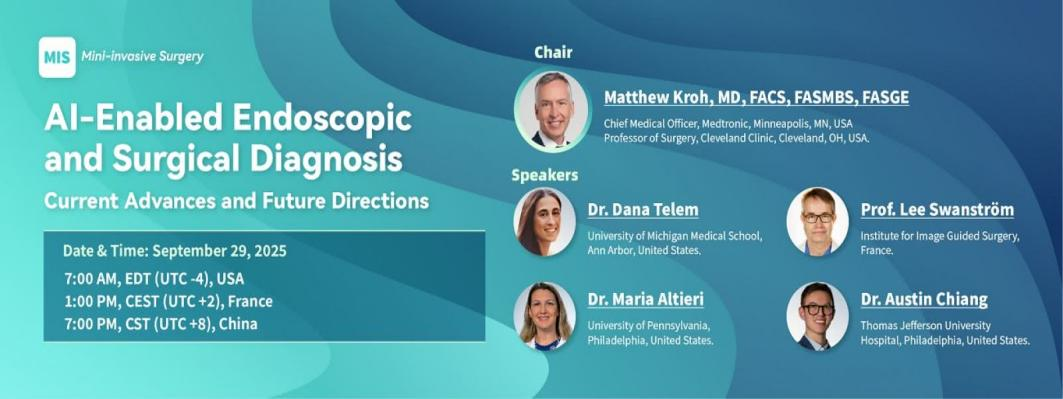

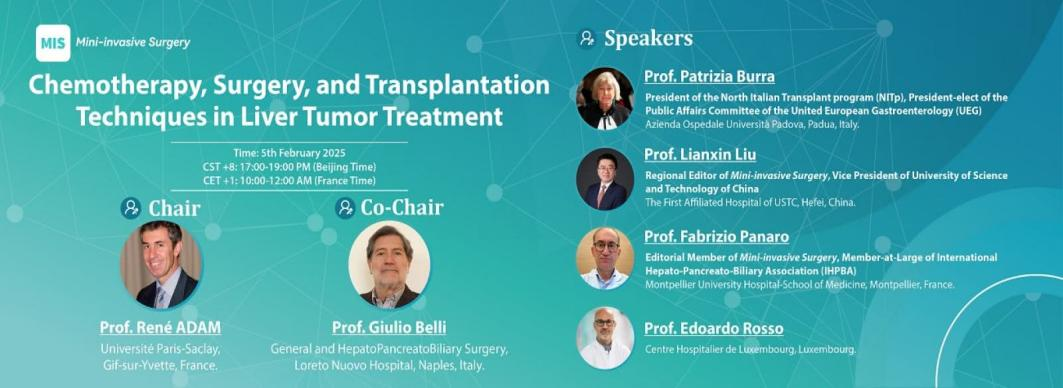
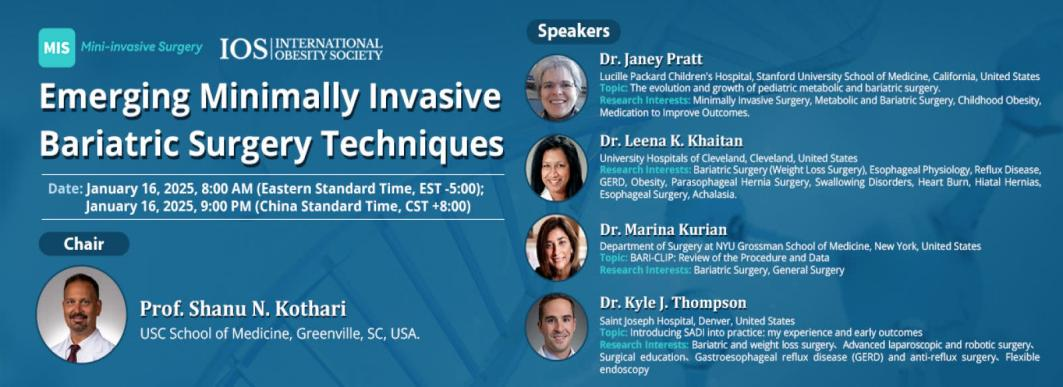


Figure 15. Online Webinars in 2025.
2. Interviews
Over the past year, MIS conducted interviews with 15 prominent experts (Figure 16):


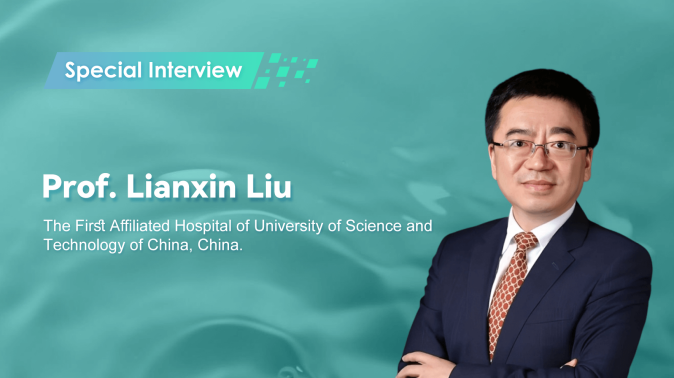








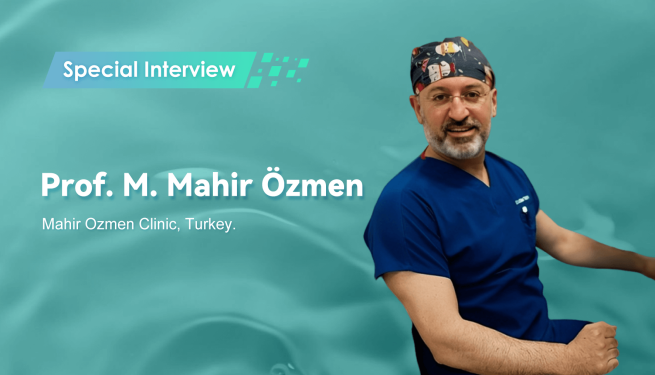
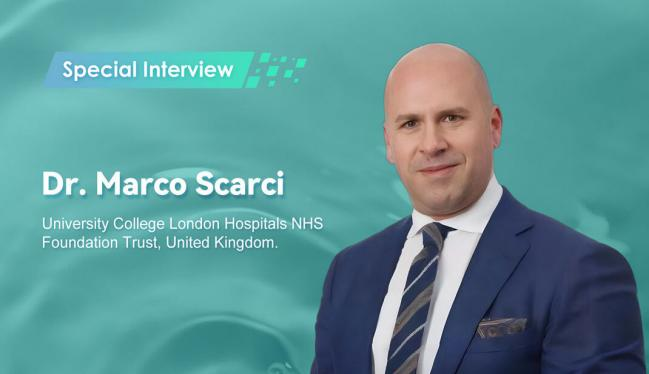


Figure 16. Special Interviews in 2025.
3. Author Workshops
In 2025, MIS hosted three in-person author workshops in June, held at The First Affiliated Hospital of Xi'an Jiaotong University and Shaanxi Provincial People's Hospital twice, respectively (Figure 17). These workshops not only paid tribute to OAE's 10th Anniversary Research Grand Lecture Series, but also provided high-level academic guidance and experience sharing for early-career researchers. Participants gained a deeper understanding of scholarly standards and international publication processes, while acquiring practical strategies and skills to further enhance their research quality and academic impact.
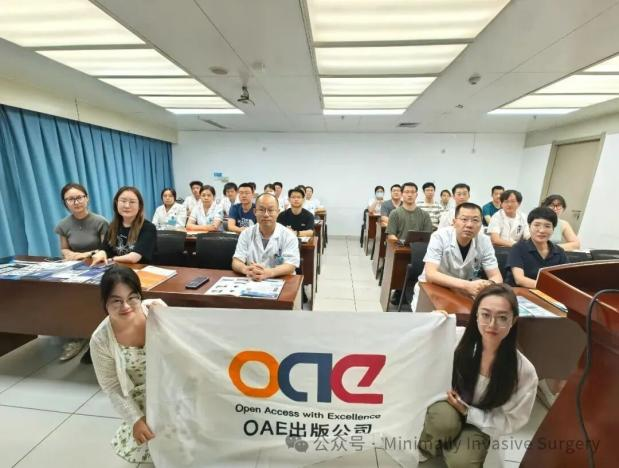
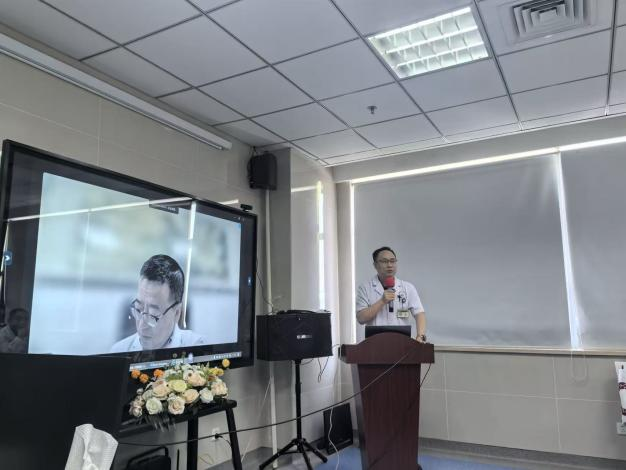
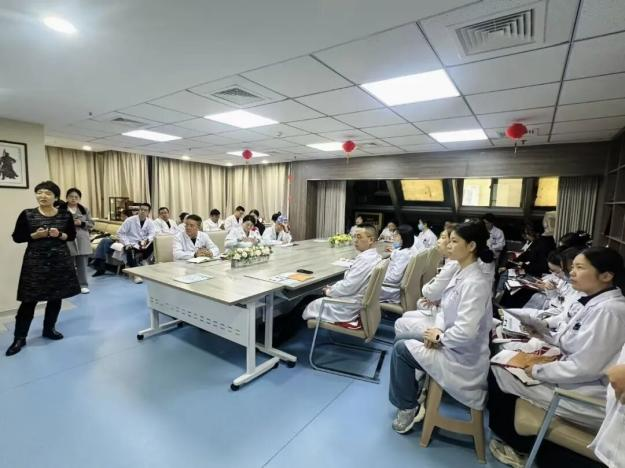
Figure 17. Offline Workshops in 2025.
4. Conference Promotion
In 2025, the MIS editorial team participated in four major academic conferences (Figure 18), including the 2025 Academic Conference of the General Surgery Committee of the Chinese Research Hospital Association and the 17th Xi'an Academic Conference on General Surgery in Xi'an; the 5th World Congress of the International Laparoscopic Liver Society and the 3rd International Consensus Conference on Minimally Invasive Liver Resections (ILLS 2025) in South Korea; the 10th Biennial Congress of the Asian-Pacific Hepato-Pancreato-Biliary Association (A-PHPBA 2025) in Thailand; and the 21st World Congress of Endoscopic Surgeons (WCES) together with the 17th Asia Pacific Endo-Laparoscopic Surgeons (ELSA) Congress in Singapore.
In addition to academic exchange, editorial board members actively promoted the journal throughout these international conferences. Through in-depth, face-to-face discussions with leading experts and researchers, the team gained valuable insights into emerging scientific trends and cutting-edge developments in minimally invasive surgery. These engagements not only enhanced MIS's visibility and influence within the global scientific community, but also created meaningful opportunities for future collaborations and high-quality manuscript submissions.





Figure 18. Academic Conference Promotion of MIS Team.
5. Partnerships
Throughout the year, MIS actively collaborated with leading conferences, societies, and associations worldwide, establishing partnerships with a total of 14 events (Figure 19). These collaborations have significantly expanded the journal's visibility and influence within the global research community, strengthening MIS's position as a recognized platform for high-quality scholarly communication.
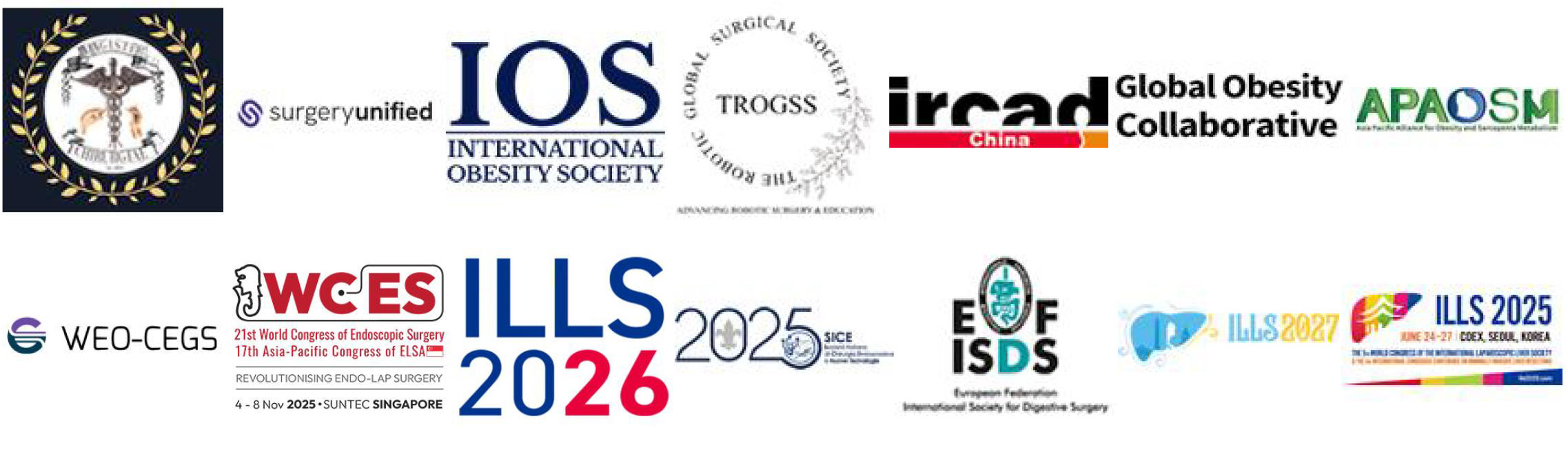
Figure 19. Collaborated Societies, Institutions, Associations, and Conferences in 2025.
6. Social Media Platforms
MIS maintains official social media accounts on Twitter (X), LinkedIn (Irene Liu, Mini-invasive Surgery-Ivy Wang), Facebook, WeChat Official Account (AI&Mini Invas Surg), and the SurgeOn App (Mini-invasive Surgery Journal-MIS). Follow us on these platforms to receive first-hand updates on journal activities, publications, and events.

V. Acknowledgement
As we conclude another successful year, we would like to express our heartfelt gratitude to all those who have supported and contributed to MIS journal. We deeply appreciate the trust placed in us by researchers who have shared their invaluable insights and groundbreaking work. Your commitment to academic excellence continues to be the foundation of our publication.
Looking ahead, the editorial team of MIS is committed to maintaining the journal's tradition of academic excellence while striving to position MIS as a leading authority in the field of minimally invasive surgery. With the continued support of our contributors, readers, and Editorial Board, we are confident in achieving these goals and making significant contributions to the global advancement of MIS research.
Publishing Manager: Irene Liu
Language Editor: Catherine Yang
Production Editor: Ting Xu
Respectfully Submitted by the Editorial Office of Mini-invasive Surgery