


Interview with Dr. Shichao Ding - Recipient of the Soft Science Outstanding Junior Editorial Board Member Award
On September 23, 2025, the Editorial Office of Soft Science interviewed Dr. Shichao Ding, recipient of the 2025 Soft Science Outstanding Junior Editorial Board Member Award. Dr. Ding is affiliated with the Department of NanoEngineering at the University of California, San Diego (UCSD), La Jolla, California, USA.
In the interview, Dr. Ding shared insights into his pioneering research on wearable electronic devices, single-atom catalysts, and bioelectronics, with a particular focus on applications in health monitoring and biosignal sensing. He introduced the advantages of the wearable devices he has developed and their potential for use in both clinical settings and daily life. He also highlighted recent progress in integrating single-atom catalysts with wearable electronics through interdisciplinary research approaches.
Dr. Ding further discussed future directions in wearable bioelectronics, including applications in wearable energy conversion, storage, and healthcare technologies, and outlined key scientific challenges currently facing the field. He also offered advice to young scholars on project selection, experimental design, and scientific publication. Finally, Dr. Ding shared his perspectives on the future development of Soft Science and his role as a Junior Editor of the journal.
Watch the full interview with Dr. Shichao Ding:
Interview Questions:
Q1. Your research on wearable electronic devices is at the forefront of the field. What are the advantages of the devices you have designed for health monitoring or biosignal sensing? Which directions do you see as most promising for clinical or daily applications?
Q2. You are also working on single-atom catalysts and have made significant advances. Could you share the cross-field research experience you have employed to combine single-atom catalysts with wearable electronics?
Q3. As an expert in wearable bioelectronics, what do you see as the future applications of these devices in wearable energy conversion, storage, and healthcare technologies? What are the major scientific challenges currently facing the field?
Q4. For young scholars just starting their research careers, what valuable experiences and advice would you offer regarding project selection, experimental design, and scientific publication? Which aspects do you think are often overlooked but critically important?
Q5. As a Junior Editor of Soft Science, could you share your suggestions for the journal's future development? In addition, how would you personally like to contribute?
About the Interviewee:
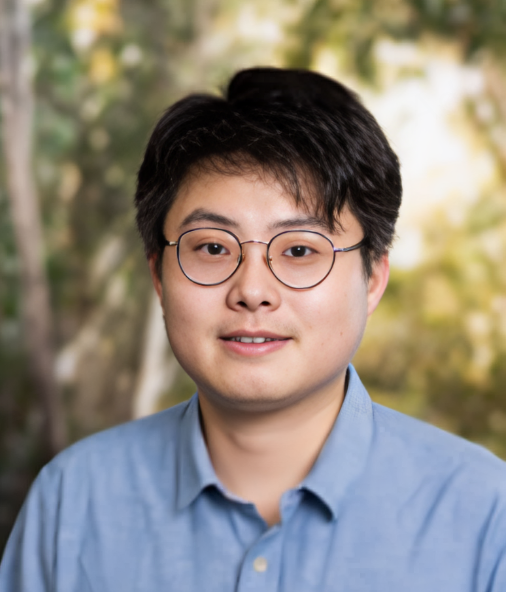
Dr. Shichao Ding
Department of NanoEngineering, University of California, San Diego (UCSD), La Jolla, California, USA
Research Interests
• Functional nanomaterials-based (especially single-atom catalysts/nanozymes) electrocatalysis and enzyme-like catalysis
• Biosensing
• Drug delivery
• Wearable electronics/microgrids
Editor: Mirra Du
Language Editor: Catherine Yang
Production Editor: Ting Xu
Respectfully Submitted by the Editorial Office of Soft Science