Correction: Short-term L-arabinose administration alleviates MASLD by remodeling gut microbiota and activating hepatic ATF5-dependent mitochondrial unfolded protein responseDownload PDF
Correction: Short-term L-arabinose administration alleviates MASLD by remodeling gut microbiota and activating hepatic ATF5-dependent mitochondrial unfolded protein response
Views:19 | Downloads:0 | Cited:0
Heng Zhang1,2,3,4,#
1Endocrine and Metabolic Diseases Hospital of Shandong First Medical University, Shandong First Medical University & Shandong Academy of Medical Sciences, Jinan 250013, Shandong, China.
2Shandong Institute of Endocrine & Metabolic Diseases, Shandong First Medical University & Shandong Academy of Medical Sciences, Jinan 250013, Shandong, China.
3Shandong Provincial Key Medical and Health Laboratory of Translational Medicine in Endocrine and Metabolic Diseases, Jinan 250013, Shandong, China.
4Jinan Key Laboratory of Translational Medicine on Metabolic Diseases, Jinan 250013, Shandong, China.
5Affiliated Hospital of Shandong University of Traditional Chinese Medicine, Jinan 250355, Shandong, China.
6Department of Endocrinology, Shandong Provincial Hospital Affiliated to Shandong First Medical University, Jinan 250021, Shandong, China.
7School of Basic Medicine, Shandong First Medical University and Shandong Academy of Medical Sciences, Jinan 250000, Shandong, China.
8Shandong University of Traditional Chinese Medicine, Jinan 250355, Shandong, China.
Heng Zhang1,2,3,4,#
,
Ruhan Chen1,2,3,4,#
1Endocrine and Metabolic Diseases Hospital of Shandong First Medical University, Shandong First Medical University & Shandong Academy of Medical Sciences, Jinan 250013, Shandong, China.
2Shandong Institute of Endocrine & Metabolic Diseases, Shandong First Medical University & Shandong Academy of Medical Sciences, Jinan 250013, Shandong, China.
3Shandong Provincial Key Medical and Health Laboratory of Translational Medicine in Endocrine and Metabolic Diseases, Jinan 250013, Shandong, China.
4Jinan Key Laboratory of Translational Medicine on Metabolic Diseases, Jinan 250013, Shandong, China.
5Affiliated Hospital of Shandong University of Traditional Chinese Medicine, Jinan 250355, Shandong, China.
6Department of Endocrinology, Shandong Provincial Hospital Affiliated to Shandong First Medical University, Jinan 250021, Shandong, China.
7School of Basic Medicine, Shandong First Medical University and Shandong Academy of Medical Sciences, Jinan 250000, Shandong, China.
8Shandong University of Traditional Chinese Medicine, Jinan 250355, Shandong, China.
Ruhan Chen1,2,3,4,#
, ...
Xiaolei Wang1,2,3,4,8
1Endocrine and Metabolic Diseases Hospital of Shandong First Medical University, Shandong First Medical University & Shandong Academy of Medical Sciences, Jinan 250013, Shandong, China.
2Shandong Institute of Endocrine & Metabolic Diseases, Shandong First Medical University & Shandong Academy of Medical Sciences, Jinan 250013, Shandong, China.
3Shandong Provincial Key Medical and Health Laboratory of Translational Medicine in Endocrine and Metabolic Diseases, Jinan 250013, Shandong, China.
4Jinan Key Laboratory of Translational Medicine on Metabolic Diseases, Jinan 250013, Shandong, China.
5Affiliated Hospital of Shandong University of Traditional Chinese Medicine, Jinan 250355, Shandong, China.
6Department of Endocrinology, Shandong Provincial Hospital Affiliated to Shandong First Medical University, Jinan 250021, Shandong, China.
7School of Basic Medicine, Shandong First Medical University and Shandong Academy of Medical Sciences, Jinan 250000, Shandong, China.
8Shandong University of Traditional Chinese Medicine, Jinan 250355, Shandong, China.
1Endocrine and Metabolic Diseases Hospital of Shandong First Medical University, Shandong First Medical University & Shandong Academy of Medical Sciences, Jinan 250013, Shandong, China.
2Shandong Institute of Endocrine & Metabolic Diseases, Shandong First Medical University & Shandong Academy of Medical Sciences, Jinan 250013, Shandong, China.
3Shandong Provincial Key Medical and Health Laboratory of Translational Medicine in Endocrine and Metabolic Diseases, Jinan 250013, Shandong, China.
4Jinan Key Laboratory of Translational Medicine on Metabolic Diseases, Jinan 250013, Shandong, China.
5Affiliated Hospital of Shandong University of Traditional Chinese Medicine, Jinan 250355, Shandong, China.
6Department of Endocrinology, Shandong Provincial Hospital Affiliated to Shandong First Medical University, Jinan 250021, Shandong, China.
7School of Basic Medicine, Shandong First Medical University and Shandong Academy of Medical Sciences, Jinan 250000, Shandong, China.
8Shandong University of Traditional Chinese Medicine, Jinan 250355, Shandong, China.
#These authors contributed equally to this work.
Correspondence to: Dr. Dong Lin, School of Basic Medicine, Shandong First Medical University and Shandong Academy of Medical Sciences, Jinan 250000, Shandong, China. E-mail: [email protected]; Dr. Xiaolei Wang, Endocrine and Metabolic Diseases Hospital of Shandong First Medical University, Shandong First Medical University & Shandong Academy of Medical Sciences, Jinan 250013, Shandong, China. E-mail: [email protected]
Received: 5 Aug 2026 | Accepted: 11 Aug 2026 | Published: 14 Aug 2026
Academic Editor: Amedeo Lonardo | Copy Editor: Ting-Ting Hu | Production Editor: Ting-Ting Hu
Correction to Metab Target Organ Damage.2025;5:59.
In the original publication[1], the magnification indicated for the representative microscopic image in Figure 7C was incorrect. To ensure consistency with the original experimental records, the authors have replaced the published image with another representative field from the same experiment and the same sample, and corrected the magnification label accordingly.
Figure 7. The effect of ATF5 overexpression or knockdown on AML12 cells. (A) Validation of ATF5 knockdown cell model by qPCR; (B) Validation of ATF5 overexpression cell model by qPCR analysis; (C) Nile Red staining showing PA-induced lipid accumulation in AML12 cells; (D) Measurement of TG content in AML12 cells under different treatments; (E) qPCR analysis of the expression levels of ATF5, HSP60, and LONP1 in the ATF5 overexpression model; (F) TMRE staining relative fluorescence intensity. (****P < 0.0001, ***P < 0.001, **P < 0.01, and *P < 0.05). ATF5: Transcription factor 5; siATF5: small interfering RNA targeting transcription factor 5; OE-ATF5: transcription factor 5 overexpression; CON: control; PA: palmitic acid; AML12: alpha mouse liver 12; qPCR: TG: triglyceride; HSP60: heat shock protein 60; LONP1: Lon protease 1.
This correction is limited to the representative image and its magnification label. It does not affect the experimental design, quantitative analyses, statistical results, or data interpretation. Accordingly, the results and conclusions of the article remain unchanged.
1. Zhang H, Chen R, Zhang W, et al. Short-term L-arabinose administration alleviates MASLD by remodeling gut microbiota and activating hepatic ATF5-dependent mitochondrial unfolded protein response. Metab Target Organ Damage. 2025;5:59.
Cite This Article
Correction
Open Access
Correction: Short-term L-arabinose administration alleviates MASLD by remodeling gut microbiota and activating hepatic ATF5-dependent mitochondrial unfolded protein response
How to Cite
Download Citation
If you have the appropriate software installed,
you can download article citation data to the
citation manager of your choice. Simply select
your manager software from the list below and
click on download.
Export Citation File:
Type of Import
Tips on Downloading Citation
This feature enables you to download the
bibliographic information (also called citation
data, header data, or metadata) for the articles
on our site.
Citation Manager File Format
Use the radio buttons to choose how to format
the bibliographic data you're harvesting.
Several citation manager formats are available,
including EndNote and BibTex.
Type of Import
If you have citation management software
installed on your computer your Web browser
should be able to import metadata directly into
your reference database.
Direct Import: When the Direct Import
option is selected (the default state), a
dialogue box will give you the option to Save or
Open the downloaded citation data. Choosing Open
will either launch your citation manager or give
you a choice of applications with which to use
the metadata. The Save option saves the file
locally for later use.
Indirect Import: When the Indirect Import
option is selected, the metadata is displayed
and may be copied and pasted as needed.
About This Article
Disclaimer/Publisher’s Note: All statements, opinions, and data contained in this
publication
are solely those of the individual author(s) and contributor(s) and do not necessarily reflect
those
of OAE and/or the editor(s). OAE and/or the editor(s) disclaim any responsibility for harm to
persons or property resulting from the use of any ideas, methods, instructions, or products
mentioned in the content.
Comments must be written in English. Spam, offensive
content, impersonation, and private information will not
be permitted. If any comment is reported and identified
as inappropriate content by OAE staff, the comment will
be removed without notice. If you have any queries or
need any help, please contact us at
[email protected].




 0
0 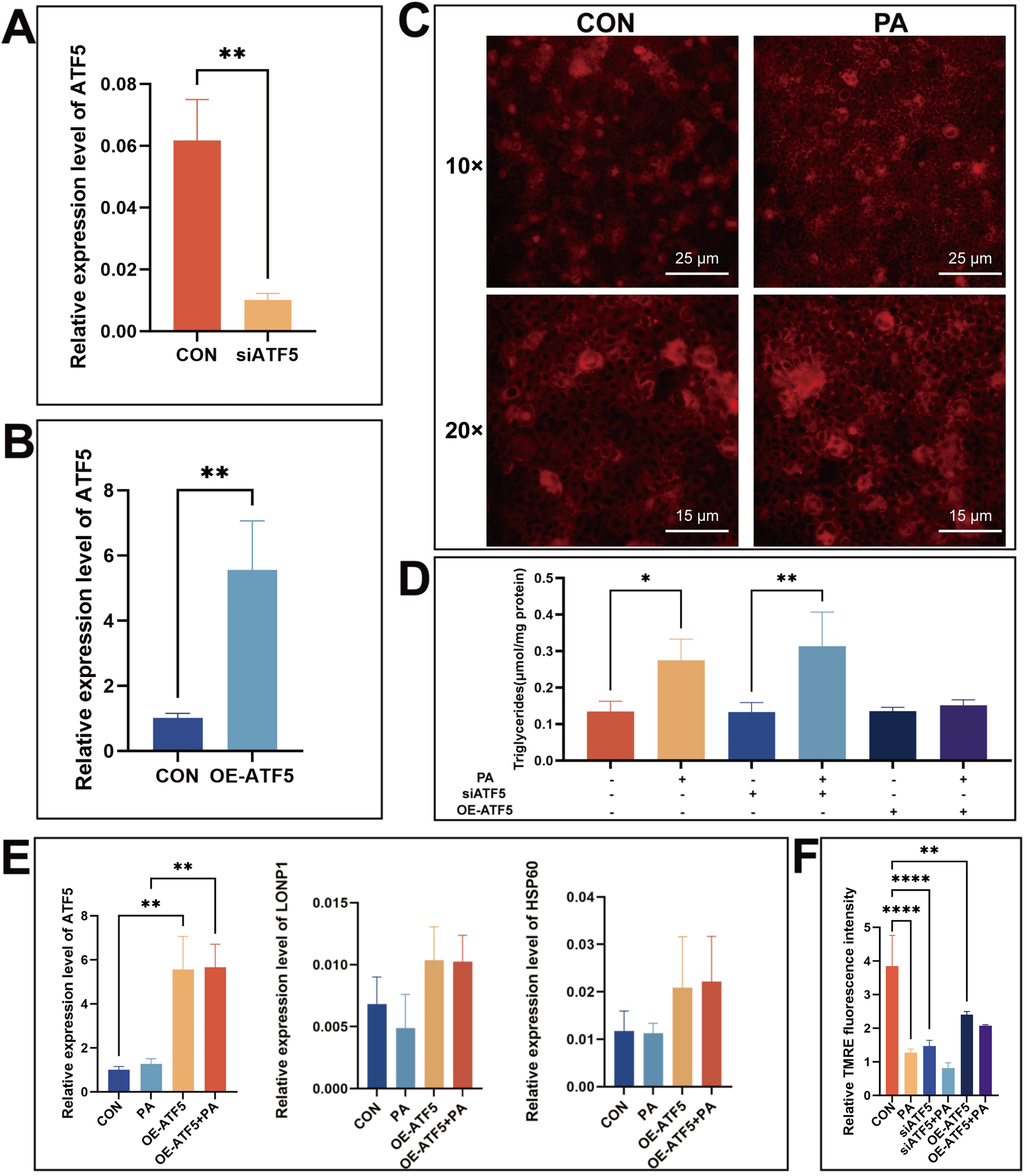
 Open Access












Comments
Comments must be written in English. Spam, offensive content, impersonation, and private information will not be permitted. If any comment is reported and identified as inappropriate content by OAE staff, the comment will be removed without notice. If you have any queries or need any help, please contact us at [email protected].