

Lean MAFLD as a distinct phenotype
 0
Graphical Abstract
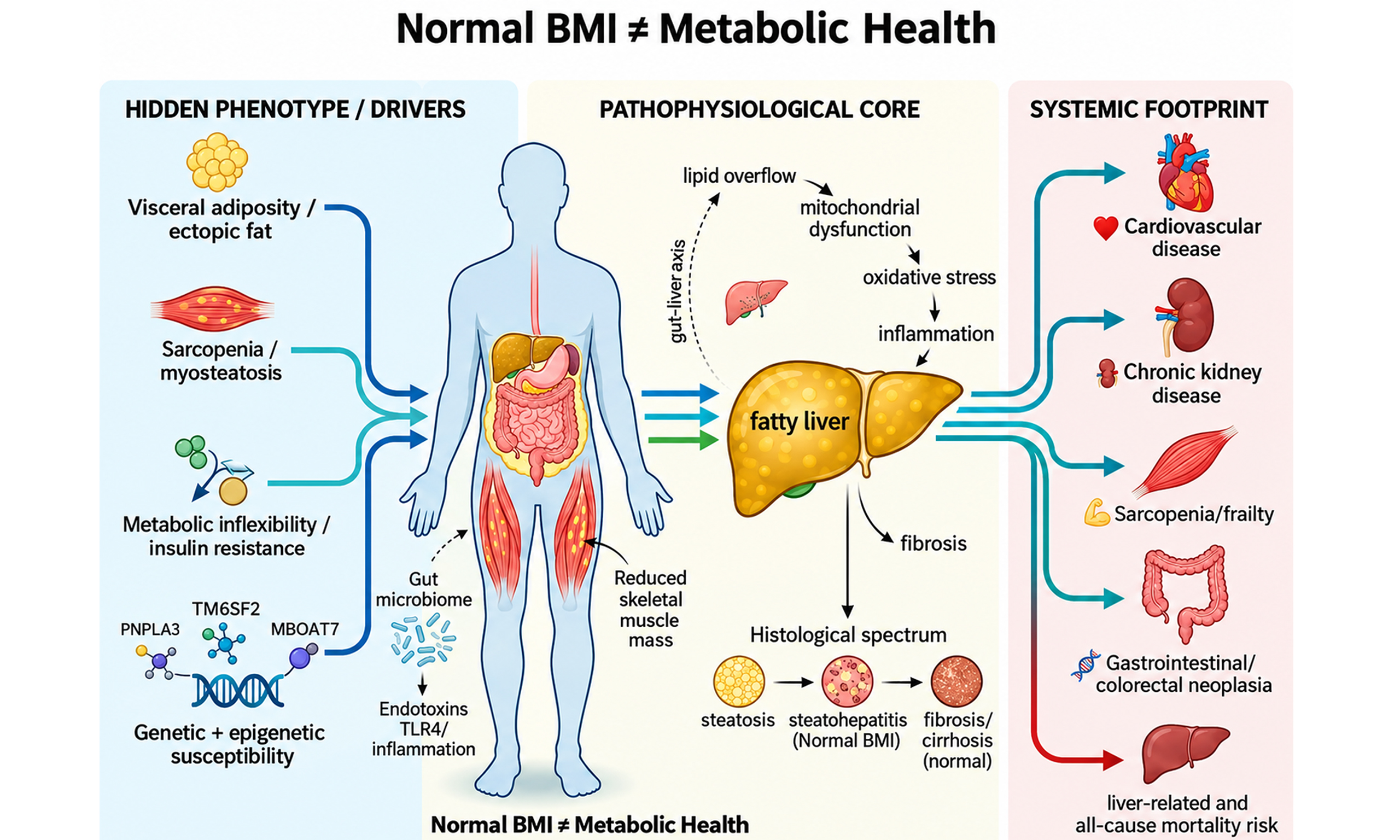
Abstract
Lean metabolic dysfunction-associated fatty liver disease (L-MAFLD) challenges the prevailing view that a normal body mass index (BMI) is an indicator of metabolic health. This phenotype is associated with visceral adiposity, sarcopenia and impaired metabolic flexibility and it is characterized by a striking genetic and epigenetic signature. Despite standard anthropometric measurements, L-MAFLD imposes a systemic burden - manifesting as increased liver-related and all-cause mortality - and is linked to varying prevalences of advanced fibrosis, cardiovascular disease, chronic kidney disease, and gastrointestinal malignancies. Histologically, it resembles metabolic dysfunction-associated steatohepatitis, confirming that metabolic dysregulation is the true driver of disease progression. This review presents an emerging, phenotype-first diagnostic and therapeutic approach, integrating recent evidence regarding the epidemiology, pathophysiology, and systemic outcomes of the condition.
Keywords


 Download PDF
INTRODUCTION
A paradigm shift in the concept of fatty liver disease, from an exclusion-based definition to a positive, metabolism-focused diagnostic framework, is reflected in metabolic dysfunction-associated fatty liver disease (MAFLD)[1-3]. Non-alcoholic fatty liver disease (NAFLD) was the previous exclusionary term in a number of overlapping terminologies. While Metabolic Dysfunction-Associated Steatohepatitis (MASH) refers to the histological entity of steatohepatitis within these frameworks, MAFLD and metabolic dysfunction-associated steatotic liver disease (MASLD) represent a more recent, positive diagnostic framework that emphasizes metabolic risk factors[1,4]. Lean MAFLD (L-MAFLD), which has drawn more attention as a clinically significant and mechanistically unique subgroup, is one of the various phenotypes that may be recognized using this positive paradigm, which more accurately captures the variety of patients found in clinical practice[1,5].
L-MAFLD is prevalent in a number of populations, defying the notion that a normal body mass index (BMI) indicates metabolic wellness. Its incidence in European cohorts is influenced by variations in body composition. Asian cohorts have demonstrated different metabolic thresholds for susceptibility and lower BMI cutoffs, which further suggests geographical diversity in disease manifestation[5,6]. Visceral adeposity, poor adipose tissue growth, sarcopenia, and reduced metabolic flexibility are all distinctive characteristics of people with L-MAFLD. In the context of maintained body weight, these characteristics are prone to insulin resistance and hepatic fat accumulation[6-8]. In addition to these systemic changes, this subgroup is more susceptible to steatosis and progressive liver injury due to genetic and epigenetic factors, most notably the Patatin-like phospholipase domain-containing protein 3 (PNPLA3)[8-10].
L-MAFLD is neither a benign nor an attenuated form of MAFLD, and it should not be regarded simply as “MAFLD without obesity.” Rather, it represents a distinct metabolic phenotype driven by body-composition abnormalities and maladaptive responses. Although shared mechanisms - including insulin resistance, oxidative stress, mitochondrial dysfunction, and dysbiosis - operate across all phenotypes, in lean individuals these processes are disproportionately driven by an elevated visceral-to-subcutaneous fat ratio, sarcopenia, and ectopic lipid deposition despite a normal BMI. Limited expandability of adipose tissue, consistent with the “lipid overflow” paradigm, impairs the capacity of subcutaneous fat to buffer excess energy, resulting in lipid spillover into the liver and skeletal muscle[11-13]. Additionally, myosteatosis, defined as the infiltration of fat into muscle tissue, further impairs insulin sensitivity and accelerates fibrosis progression[14,15]. These processes suggest that, in L-MAFLD, metabolic risk depends not only on body size but also on body composition and ectopic lipid distribution. Mechanistically, endotoxin-induced epigenetic reprogramming, mitochondrial dysfunction, and dysregulation of the gut-liver axis may impair the ability to adapt to fluctuations in nutrient availability, resulting in patterns of liver injury similar to those observed in obese individuals with MAFLD, despite the presence of fewer conventional metabolic risk factors[16,17]. Clinically, these abnormalities may be characterized using imaging-based assessments of visceral adiposity and muscle composition, non-invasive biomarkers of metabolic flexibility, and emerging body composition indices. These findings highlight the need for phenotype-specific strategies for risk stratification, surveillance, and management in L-MAFLD. Unlike previous studies, we conducted a structured literature search of PubMed, Scopus, and Web of Science covering publications from 2000 to 2025 and restricted to English-language articles. The search used relevant free-text keywords, including “lean MAFLD”, “NAFLD”, “metabolic dysfunction”, “fibrosis”, “cardiometabolic outcomes”, and “sarcopenia.” We included original research articles, meta-analyses, and consensus statements relevant to L-MAFLD, while excluding case reports, non-peer-reviewed publications, and studies lacking clearly defined diagnostic criteria. Given the narrative nature of this review, the search aimed to provide broad and comprehensive coverage rather than follow a systematic review protocol. The findings were therefore synthesized qualitatively without quantitative pooling.
In this review, we adopt the MAFLD definition to emphasize metabolic dysfunction as a central driver of disease. We acknowledge the expanding literature using the MASLD terminology and the increasingly recognized differences between populations identified by the two diagnostic frameworks. Recent head-to-head studies suggest that MAFLD criteria may more consistently identify lean individuals at risk of advanced disease progression[18,19], whereas other studies suggest that MASLD criteria may be more effective in identifying such patients[20]. Against this background, we synthesize contemporary evidence on the biological mechanisms, clinical risks, and therapeutic approaches relevant to L-MAFLD, incorporating pertinent studies conducted under the MASLD framework. Our aim is to develop a practical roadmap for clinical care that accounts for the distinctive characteristics of this phenotype.
DEFINITION AND PHENOTYPIC BOUNDARIES
According to the MAFLD framework, the diagnosis of L-MAFLD requires the coexistence of hepatic steatosis (≥ 5% on imaging or histology) and metabolic dysregulation. This includes type 2 diabetes mellitus (T2DM), overweight/obesity, or metabolic dysregulation in individuals who meet ethnicity-specific criteria for normal weight[3,5]. Lean status is defined as a BMI < 25 kg/m2 in Caucasians and < 23 kg/m2 in Asians. Some studies additionally incorporate the normal range of waist circumference (< 102/88 cm in Caucasian men/women and < 90/80 cm in Asian men/women) to exclude overt central obesity[21-23]. L-MAFLD is diagnosed in individuals who exhibit steatosis together with T2DM or at least two metabolic risk abnormalities - such as increased waist circumference, hypertension, dyslipidemia, prediabetes, insulin resistance, or elevated high-sensitivity C-reactive protein (hs-CRP) - irrespective of alcohol intake or other liver disease etiologies[2,21].
Recently, the concept of L-MAFLD has been refined with greater emphasis on body composition rather than simple anthropometric measures. Studies in both Asian and Western cohorts consistently demonstrate a disproportionately high visceral-to-subcutaneous fat ratio and an unfavorable fat distribution despite a normal BMI[24]. Furthermore, patients with L-MAFLD have significantly greater visceral fat, reduced skeletal muscle mass, and increased ectopic fat deposition compared with metabolically healthy lean controls[5].
EPIDEMIOLOGICAL CHARACTERISTICS
L-MAFLD was first recognized in global epidemiological studies showing that fatty liver disease can occur in individuals with a normal BMI[1]. It accounts for 10%-20% of the total global MAFLD burden[25]. A large meta-analysis suggested that L-MAFLD may affect as much as 5% of the general population, underscoring its substantial worldwide burden[26]. Ethnic variation is evident, with Asian cohorts consistently reporting higher prevalence rates. This is attributable to differences in visceral adiposity and lower BMI thresholds for metabolic risk[27].
Further analyses indicate that lean patients have similar or even higher cardiometabolic risks compared with non-lean MAFLD individuals, highlighting the pathogenic roles of visceral fat and sarcopenia rather than total body fat[28]. Long-term data also show that rates of advanced fibrosis, liver-related events, and mortality in L-MAFLD are comparable to those in non-lean MAFLD[29].
HISTOLOGICAL CHARACTERIZATION
L-MAFLD exhibits the same histological continuum as other MAFLD phenotypes - from steatosis to steatohepatitis to centrilobular-predominant fibrosis - despite the absence of excess adiposity. This pattern closely resembles the histological architecture of metabolic steatohepatitis[2,30,31]. Such alignment indicates that L-MAFLD represents a metabolic steatohepatitis phenotype driven by metabolic dysfunction rather than anthropometric measures, and that histological interpretation is most accurately performed within the MAFLD framework rather than BMI-based classifications[32].
Lean patients typically display lower grades of steatosis on biopsy than non-lean counterparts, while still meeting MAFLD criteria for hepatic fat accumulation[29]. Observational and biopsy-validated cohorts consistently demonstrate that macrovesicular steatosis occurs in lean individuals, albeit to a lesser extent. This reinforces the notion that lipid accumulation alone does not fully explain downstream necroinflammation in this phenotype[33,34]. Compositional analyses further suggest that L-MAFLD may harbor distinct metabolic signatures and body-composition profiles that modulate steatosis burden without reducing inflammatory activity[2,6,34].
Once steatohepatitis is established, lobular inflammation and hepatocellular ballooning occur at frequencies comparable to those in non-lean MAFLD, indicating that BMI does not meaningfully alter the necroinflammatory signature of MASH in the lean state[26,34]. Consistent with previous meta-analyses, rates of ballooning and inflammatory activity are equivalent to those observed in obese MAFLD, emphasizing the primacy of metabolic drivers over adiposity in determining liver injury[35].
Regarding fibrosis, centrilobular (zone 3) predominance remains characteristic, paralleling other MAFLD subtypes and reflecting the metabolic steatohepatitis scaffold[2,35]. Lean cohorts exhibit fibrosis rates similar to those of non-lean phenotypes[4,36,37]. Cross-sectional studies have reported comparable or even higher proportions of significant fibrosis in L-MAFLD, particularly in the presence of abnormal liver biochemistry[38-40]. These findings support a phenotype-first approach based on MAFLD criteria for staging and risk assessment, independent of BMI.
Mechanistically, L-MAFLD appears to be shaped by differential metabolic adaptation, in which impaired responses to nutrient flux and endotoxin exposure amplify hepatocellular stress and fibrogenic signaling. This results in histological injury profiles that are comparable to, or indistinguishable from, those of non-lean MAFLD[2,30]. Experimental and translational data indicate that endotoxemia-driven epigenetic reprogramming contributes to necroinflammation and fibrosis in L-MAFLD, providing a biologically coherent explanation for the paradox of severe histology in individuals of normal weight[41,42].
GENETIC CHARACTERIZATION
Genetic predisposition is a major determinant of histological severity in L-MAFLD. The PNPLA3 I148M variant is overrepresented in this phenotype and is associated with increased steatosis and more advanced fibrosis at any given metabolic burden[42,43]. This variant impairs triglyceride hydrolysis, promotes lipid retention, and induces hepatocellular stress[43]. Similarly, the TM6SF2 E167K variant reduces very-low-density lipoprotein (VLDL) secretion, thereby exacerbating intrahepatic fat deposition and promoting fibrogenesis[44]. Other genetic factors also contribute to susceptibility beyond these pathways. Genome-wide association studies (GWAS) have identified novel signals in the human leukocyte antigen (HLA) region in lean cohorts, while exome sequencing studies have linked variants in the PEMT gene to lean phenotypes[45]. In addition, loci such as MBOAT7 rs641738 disrupt hepatic phosphatidylinositol remodeling, further contributing to lipid dysregulation, membrane instability, and progressive liver injury[46].
Beyond single-gene effects, GWAS have identified additional susceptibility loci in L-MAFLD cohorts, reinforcing the role of genetic predisposition[43]. Mechanistic studies further indicate that epigenetic reprogramming driven by activation of innate immune pathways - particularly Toll-like receptor 4 (TLR4)-mediated inflammatory cascades - is an important effector of hepatocellular injury and fibrogenesis in L-MAFLD[47]. Clinical cohort studies and meta-analyses have underscored the severity of this phenotype, demonstrating that lean individuals face a significantly elevated risk of severe liver disease[48], adverse cardiovascular outcomes[49], accelerated cellular aging linked to telomere shortening[50], and poorer outcomes on the liver transplantation waitlist[51].
Epigenetic and immune-metabolic dysfunction further sensitize the liver to metabolic stress and promote fibrotic progression. These mechanisms include aberrant DNA methylation, microbe-derived small RNAs, and altered histone modification profiles[47-51]. Mitochondrial dysfunction has also been associated with adverse outcomes in L-MAFLD. Histone modifications, including histone H4 lysine 16 (H4K16) lactylation, act synergistically with glycolytic flux to promote hepatic lipid accumulation and metabolic stress[52]. Additionally, small RNAs of both microbial and host origin influence disease activity through interactions with the gut microbiome; liver-derived microRNA (miRNA) isomiRs have been linked to the modulation of fibrogenic pathways and the degree of fibrosis in MAFLD cohorts[53].
MENDELIAN RANDOMIZATION (MR)
Analyses of a plasma lipid profile comprising 179 lipid species across 13 subclasses identified genetically predicted increases in phosphatidylcholine and triacylglycerol levels as potential causal risk factors for MAFLD[54].
Beyond lipid metabolism, integrated bioinformatics and genetic approaches have identified potential therapeutic targets. One study combined differential gene expression analysis, protein-protein interaction networks, two-sample MR, and colocalization to identify 10 hub genes[55]. Among these, UHRF1 emerged as a potential causal contributor to MAFLD, with colocalization supporting a shared causal locus. Molecular docking of diosgenin and preclinical experiments further suggested that targeting the UHRF1-related pathway may attenuate hepatic lipid accumulation, inflammation, and fibrosis. These findings provide a basis for further translational investigation.
Another MR study identified bidirectional causal associations between genetically predicted endotoxin biomarker levels and MAFLD risk, supporting a potential self-perpetuating inflammatory cycle involving gut-derived endotoxemia and innate immune activation[56]. This evidence highlights the gut-liver axis as a potential therapeutic target. However, most genetic studies have examined general MAFLD populations rather than L-MAFLD, limiting the direct applicability of their findings to the lean phenotype.
Emerging evidence suggests that chronic exposure to gut-derived endotoxins may contribute to adverse outcomes in L-MAFLD through epigenetic reprogramming of hepatic and skeletal muscle cells[41]. This process may disrupt lipid metabolism, impair mitochondrial function, and promote muscle catabolism. In lean individuals with limited metabolic reserve, these alterations could compromise adaptation to metabolic stress, potentially accelerating fibrosis, sarcopenia, and cardiometabolic complications. Such mechanisms may help explain why adverse outcomes can occur despite a lower prevalence of conventional metabolic risk factors. However, their specific contribution to L-MAFLD remains to be established.
Mechanistically, lipopolysaccharide (LPS) activates TLR4 signaling, triggering nuclear factor-κB (NF-κB)-mediated inflammation and potentially altering DNA methylation and histone modifications, including H4K16 acetylation and lactylation. These changes may impair mitochondrial β-oxidation, disrupt hepatic lipid handling, and accelerate muscle wasting[41]. Together, these processes may contribute to a loss of metabolic adaptation, particularly when genetic susceptibility interacts with dietary and microbial exposures. Nevertheless, direct evidence linking these mechanisms specifically to L-MAFLD remains limited, underscoring the need for phenotype-specific mechanistic studies.
DIETARY PROFILE AND LIFESTYLE
Beyond genetic predisposition, dietary composition and nutrient flux further modulate these maladaptive pathways, thereby increasing vulnerability among patients with L-MAFLD. Patients with L-MAFLD typically consume diets that are high in carbohydrates and low in protein, with inadequate intake of essential micronutrients and antioxidants[57-59]. Such dietary patterns promote hyperinsulinemia, de novo lipogenesis, and oxidative stress, creating a metabolic environment that favors hepatic steatosis, even in individuals with a normal BMI[60]. Cross-sectional studies have demonstrated significant associations between dietary cholesterol and saturated fat intake and the severity of L-MAFLD, suggesting that these factors may contribute to disease progression[61].
Imbalances in macronutrient intake and other qualitative dietary factors, particularly high consumption of saturated fat and cholesterol, have been independently associated with disease severity in L-MAFLD. These findings suggest that, in addition to caloric excess, dietary composition is an important determinant of metabolic injury in this phenotype[62,63]. This is consistent with the MAFLD concept, which emphasizes the role of nutrient-induced metabolic dysregulation in determining disease phenotype across different body-size categories[2].
Metabolic flexibility, defined as the capacity of mitochondrial and whole-body metabolism to adapt fuel oxidation according to nutrient availability, is impaired in L-MAFLD. Under normal conditions, metabolism shifts from carbohydrate utilization in the fed state to lipid oxidation during fasting or energy deficit. The loss of this flexibility represents a major biological derangement in metabolically active individuals with L-MAFLD, as impaired substrate switching promotes hepatic lipid accumulation and systemic metabolic stress[2,36].
Physical inactivity further compounds the risks associated with an unfavorable diet. Global surveillance data indicate that L-MAFLD is frequently associated with low levels of physical activity, which may aggravate muscle wasting and visceral adiposity[64]. Interventional studies have shown that combining resistance training with adequate protein intake can improve muscle mass, reduce hepatic fat, and enhance insulin sensitivity, even in lean phenotypes[65]. In accordance with the MAFLD paradigm, multidimensional strategies should therefore promote adequate protein intake, reduce consumption of refined carbohydrates, incorporate antioxidant-rich foods, and include structured exercise programs to combat sarcopenia and restore metabolic flexibility[57,65].
GUT MICROBIOME
The MAFLD framework recognizes gut microbiota dysregulation as an important contributor to disease pathogenesis, interacting with lipotoxicity, mitochondrial dysfunction, and oxidative stress to drive hepatic injury regardless of adiposity[66]. Emerging evidence suggests that the gut microbiome in L-MAFLD differs from that observed in obese phenotypes, although the reproducibility of these findings remains limited. Desulfovibrionaceae has been reported to be reduced in the lean phenotype, whereas the family Succinivibrionaceae has shown opposite correlations in lean and obese groups[67]. In addition, significant reductions in Faecalibacterium prausnitzii, Ruminococcus, Lactobacillus, Lachnospira, and Subdoligranulum, together with an increase in the pro-inflammatory genus Escherichia-Shigella, have been described in L-MAFLD but not in the obese counterpart[68].
These dysbiotic signatures may impair gut-barrier integrity, induce endotoxemia, and alter bile-acid and short-chain fatty-acid metabolism, thereby promoting hepatic injury independently of BMI. However, substantial variability exists across populations, and some studies have failed to replicate consistent taxonomic shifts. This inconsistency likely reflects the influence of dietary composition, geographic location, and host genetic factors, including PNPLA3 polymorphisms, on the gut microbial differences observed[68,69].
CLINICAL OUTCOMES
L-MAFLD is clinically heterogeneous but exhibits several recurring features across populations. Compared with lean individuals without hepatic steatosis, those with L-MAFLD have a higher prevalence of insulin resistance, impaired fasting glucose or T2DM, hypertension, and atherogenic dyslipidemia [Figure 1][5,27,70]. Although metabolic syndrome components are less prevalent than in non-lean MAFLD, they remain significantly more common than in metabolically healthy lean individuals. Previous studies have linked these abnormalities to increased visceral adiposity, hepatic fat accumulation, and muscle loss[5,6,70]. Together, these factors may contribute to the pronounced insulin resistance and metabolic inflexibility characteristic of this phenotype.
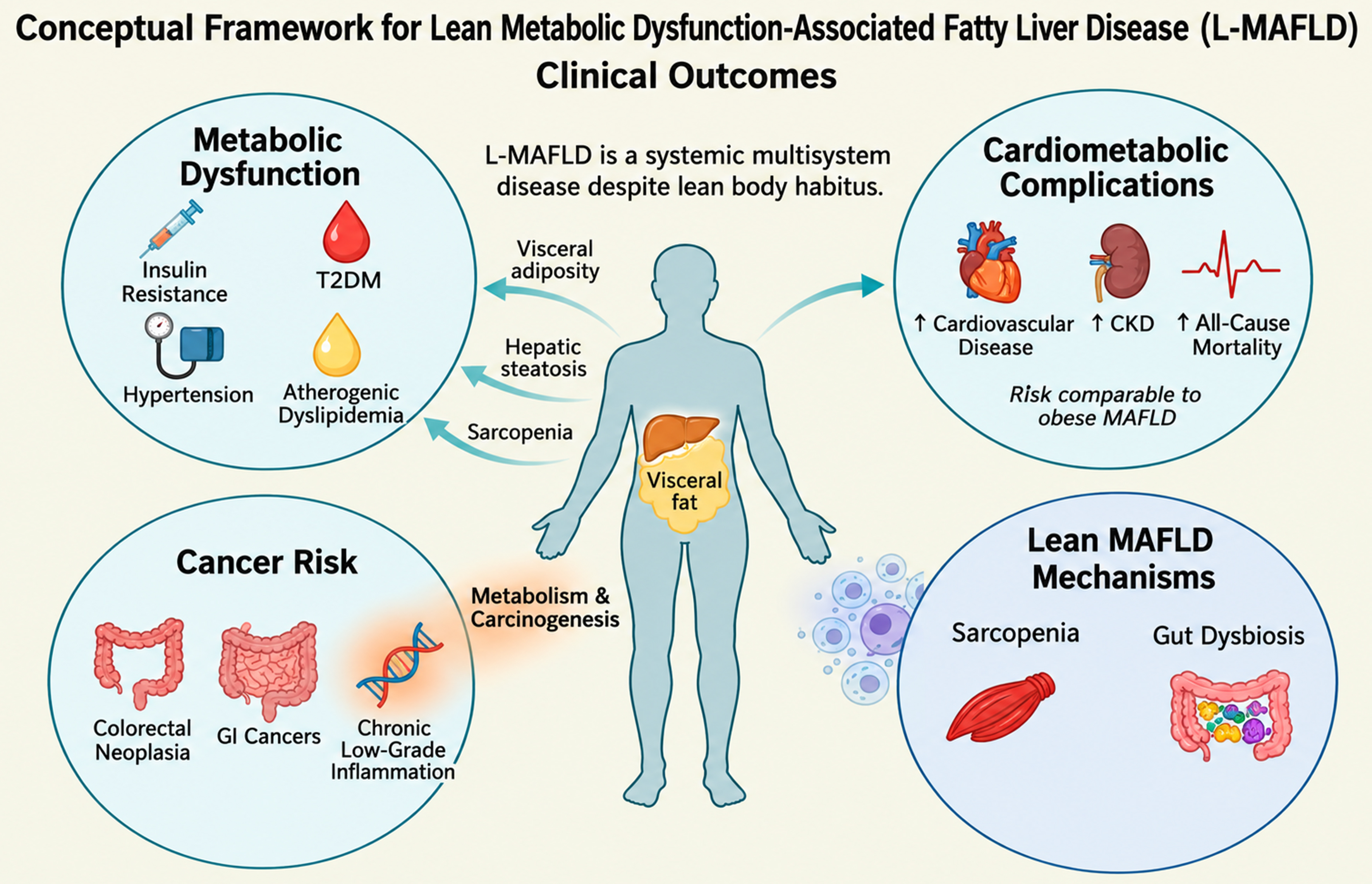
Figure 1. Conceptual framework of L-MAFLD. The central illustration depicts visceral adiposity and hepatic steatosis, emphasizing that L-MAFLD is a systemic multisystem disease associated with insulin resistance, cardiometabolic complications, CKD, GI neoplasia, increased mortality, sarcopenia, and gut dysbiosis, despite a lean body habitus. CKD: Chronic kidney disease; GI: gastrointestinal; L-MAFLD: lean metabolic dysfunction-associated fatty liver disease; MAFLD: metabolic dysfunction-associated fatty liver disease; T2DM: type 2 diabetes mellitus.
Reported prevalence estimates and effect sizes vary across meta-analyses because of differences in diagnostic criteria and study populations. Notably, the apparent discrepancy between liver-related complications and liver-related mortality remains difficult to explain. It may reflect methodological limitations, competing risks, or differences in ethnic and clinical case mix rather than true biological differences[71]. The reported paradox of a lower prevalence of traditional metabolic risk factors but a higher relative risk of liver-related and all-cause mortality warrants cautious interpretation. It also highlights the importance of accounting for diagnostic heterogeneity when evaluating systemic risks in L-MAFLD.
Lean phenotypes have also been associated with an increased risk of gastrointestinal and colorectal neoplasia [Figure 1][70,72]. This association may reflect shared pathways linking metabolic dysfunction, chronic low-grade inflammation, and carcinogenesis.
L-MAFLD has also been hypothesized to be associated with accelerated biological aging. Although L-MAFLD has been linked to adverse clinical outcomes, direct evidence of altered telomere biology or cellular senescence in this specific population remains limited[50]. Shorter telomeres have been associated with more advanced hepatic fibrosis, suggesting a potential link between cellular aging and disease progression[73]. Epigenetic alterations, including changes in DNA methylation and chromatin remodeling, have also been implicated in liver fibrosis and may contribute to premature aging signatures[74]. However, these findings cannot be directly extrapolated to L-MAFLD because lean populations have not been consistently investigated. Moreover, the heterogeneity of L-MAFLD may influence susceptibility to accelerated aging. This phenotype encompasses individuals with substantial cardiometabolic burden as well as those whose disease may be driven predominantly by genetic susceptibility or altered body composition. Further studies are needed to determine whether these subgroups differ in their biological aging trajectories.
SEX DIFFERENCES IN MAFLD
Sex differences in MAFLD remain incompletely characterized, particularly in the lean phenotype, despite their potential influence on disease prevalence and progression. A recent study using the MAFLD definition found that the disease was more prevalent in men, whereas women with MAFLD, particularly after menopause, had a higher risk of cardiovascular events and mortality. These findings suggest sex-specific vulnerability despite a lower overall disease prevalence. Estrogen plays a protective role in hepatic lipid metabolism and insulin sensitivity. Its decline with aging may promote visceral adiposity, insulin resistance, and fibrosis progression[75].
Sex-related differences extend beyond hepatic outcomes. Much of the current evidence, however, comes from NAFLD/MASLD cohorts[76-78]. These studies have identified differences in metabolic risk, muscle loss, and disease severity. Postmenopausal women appear particularly vulnerable to cardiovascular disease, whereas men may be more susceptible to muscle wasting, advanced fibrosis, and hepatocellular carcinoma (HCC)[70,72,76]. Recognizing these differences may help refine risk assessment, surveillance, and management strategies in L-MAFLD.
LIVER-RELATED OUTCOMES
L-MAFLD may carry a distinctive risk profile for liver-related outcomes that is not fully explained by its cardiometabolic burden. This observation has been discussed in the context of the “obesity paradox”, whereby lean patients with fatty liver disease sometimes experience higher mortality than their overweight or obese counterparts[79]. Further analyses suggest that this association may persist after adjustment for potential confounders. Systematic reviews and meta-analyses have also reported increased risks of hepatic decompensation and liver-related mortality in lean individuals, despite a comparatively less pronounced cardiovascular risk profile[49]. These findings highlight the clinical heterogeneity of L-MAFLD.
Recent studies in MASLD have used data-driven clustering and machine-learning approaches to identify phenotypic subgroups with different risks of hepatic and extrahepatic outcomes. Similar approaches may help characterize L-MAFLD, in which conventional risk factors may not adequately capture disease severity[4,5]. Identifying lean-specific clusters based on genetic susceptibility, body composition, and cardiometabolic burden could improve risk stratification and inform individualized surveillance and management.
LIVER CIRRHOSIS
Fibrosis severity is a major prognostic determinant in L-MAFLD and strongly influences the risk of cirrhosis and its complications. Although patients with compensated cirrhosis may remain stable for years, the risk of adverse outcomes increases as portal hypertension and hepatic dysfunction progress[80,81]. Portal hypertension can cause splenomegaly, hypersplenism-related thrombocytopenia, and gastroesophageal varices, which may lead to life-threatening hemorrhage[82]. Decompensated cirrhosis is characterized by complications such as ascites, spontaneous bacterial peritonitis (SBP), hepatic encephalopathy, and variceal bleeding. These events substantially reduce survival and quality of life. Ascites is a common initial manifestation of decompensation, although the clinical presentation varies among patients[82,83].
Cirrhosis is also a major risk factor for HCC, irrespective of BMI or the presence of overt metabolic syndrome. Evidence suggesting adverse outcomes in lean individuals highlights the potential for clinically silent disease progression. Accordingly, HCC surveillance should be based on established risk criteria rather than body size alone. Patients with cirrhosis who meet surveillance criteria should undergo liver ultrasonography, with or without alpha-fetoprotein (AFP), every six months to facilitate early detection and potentially curative treatment[84]. Inadequate surveillance may delay diagnosis, limit treatment options, and worsen outcomes.
CARDIOVASCULAR DISEASE (CVD)
CVD is a major cause of mortality in MAFLD, including its lean phenotype. Insulin resistance, hypertension, atherogenic dyslipidemia, and systemic inflammation may contribute to atherosclerosis and vascular dysfunction[26,83]. Cohort studies have reported increased cardiovascular events and mortality in some L-MAFLD populations, challenging the assumption that a lean phenotype necessarily indicates a benign metabolic profile[5,6]. Cardiovascular risk may also remain substantial in patients with L-MAFLD-related cirrhosis[7]. Potential mechanisms include oxidative stress, endothelial dysfunction, and proinflammatory signaling, although their relative contributions to cardiovascular injury in this specific phenotype require further investigation[81].
Nevertheless, cardiovascular outcomes in L-MAFLD vary across studies. Some report increased cardiovascular mortality, whereas others find comparable or lower event rates. These discrepancies may reflect differences in comparator groups, diagnostic definitions, adjustment for body composition, and study design. One study reported higher cardiovascular mortality without a significant increase in major adverse cardiovascular events, while another found a lower cumulative event risk in an Asian cohort[85,86]. More recent studies have examined the modifying effects of visceral adiposity, sarcopenia, and baseline fibrosis severity on long-term outcomes[87-89].
Overall, cardiovascular risk in L-MAFLD appears heterogeneous but remains clinically important. Assessment should therefore extend beyond BMI and include blood pressure, lipid profiles, glycemic status, and other established cardiovascular risk factors. Management should prioritize appropriate blood pressure control, lipid optimization, and individualized lifestyle interventions, while recognizing the limitations of the current evidence [Table 1].
Hepatic and extrahepatic outcomes in L-MAFLD vs. non-lean
| Outcome | Framework | Effect estimate (OR/HR/rate, 95%CI) | Findings | Reference |
| Metabolic outcomes | ||||
| Hypertension | NAFLD | OR 0.58 (0.42-0.80) | Lower prevalence in lean NAFLD vs. non-lean group | Xu et al., 2025[93] |
| Diabetes | NAFLD | OR 2.47 (1.14-5.35) | Increased risk in Lean NAFLD vs. lean healthy controls | Feng et al., 2014[94] |
| Dyslipidemia | MASLD | OR 0.68 (0.63-0.73) | More favorable lipid profile in lean MASLD vs. non-lean MASLD | Nso et al., 2024[84] |
| Metabolic syndrome | NAFLD | OR 3.19 (1.17-8.65) | Strong association in lean NAFLD vs. lean healthy controls | Feng et al., 2014[94] |
| Central obesity/visceral adiposity | NAFLD | OR 2.17 (1.17-4.05) | Disproportionate visceral adiposity in lean NAFLD vs. lean healthy controls | Feng et al., 2014[94] |
| Cardiovascular mortality | ||||
| Cardiovascular mortality | MASLD | OR 1.5 (1.2-1.8) | Increased mortality in Lean MASLD vs. non-lean MASLD | Nso et al., 2024[84] |
| Hepatic outcomes | ||||
| Fibrosis | MASLD | OR 1.8 (1.2-2.7) | Greater burden in non-lean MASLD vs. lean MASLD | Mapouka et al., 2025[95] |
| Hepatic steatosis | MASLD | OR 2.1 (1.5-2.9) | Greater steatosis burden in non-lean MASLD vs. lean MASLD | Mapouka et al., 2025[95] |
| Cirrhosis | MASLD | OR 0.7 (0.5-0.9) | Lower odds in lean vs. non-lean MASLD | Mapouka et al., 2025[95] |
| MASH | MASLD | OR 1.2 (0.7-2.0) | No significant difference between lean MASLD vs. non-lean MASLD | Mapouka et al., 2025[95] |
| Liver-related mortality | MAFLD | OR 3.56 (3.45-3.67) | Greater liver-specific mortality in lean MAFLD vs. non-lean MAFLD | Cheah et al., 2025[5] |
| Cancer outcomes | ||||
| Cancer-related mortality | MAFLD | OR 1.99 (0.29-13.52) | Similar cancer-related mortality in Lean MAFLD vs. non-lean MAFLD | Cheah et al., 2025[5] |
CHRONIC KIDNEY DISEASE (CKD)
CKD is another important extrahepatic complication of L-MAFLD. Shared mechanisms may include insulin resistance, systemic inflammation, endothelial dysfunction, and alterations in renal hemodynamics, which can contribute to progressive kidney injury. Some cohorts have reported a higher prevalence or progression of CKD in L-MAFLD than in non-lean MAFLD, particularly among patients with advanced fibrosis[5,7]. Recent data also indicated a higher risk of renal decompensation in L-MAFLD than in non-lean MAFLD [adjusted odds ratio (aOR), 1.25; 95% confidence interval (CI): 1.20-1.30][89]. These findings support routine assessment of estimated glomerular filtration rate (eGFR) and urine albumin excretion, irrespective of body size[90].
GASTROINTESTINAL AND COLORECTAL CANCERS
Emerging evidence suggests that L-MAFLD may be associated with an increased risk of gastrointestinal malignancies, including colorectal neoplasia[8]. Proposed mechanisms include chronic low-grade inflammation, insulin resistance, and gut microbiome alterations that may promote carcinogenesis. Some patients without conventional risk factors may present with advanced disease, raising concerns about delayed detection[91,92]. However, further studies are needed to establish the magnitude of these associations and determine whether the lean phenotype independently contributes to cancer risk.
SARCOPENIA AND FRAILTY
Sarcopenia is an important feature of L-MAFLD and may contribute to greater fibrosis severity, hepatic decompensation, and adverse cardiometabolic outcomes[41,63]. Reduced muscle mass and strength may also aggravate metabolic dysfunction, creating a potentially self-reinforcing cycle of metabolic maladaptation and chronic inflammation. Sarcopenia should therefore be considered in prognostic assessment and clinical management.
Because sarcopenia may remain clinically unrecognized, assessment should incorporate validated measures of muscle strength and mass. Handgrip strength provides a practical measure of muscle function, while appropriate imaging methods can quantify muscle mass. Observational studies have linked sarcopenia in L-MAFLD to higher fibrosis scores and poorer cardiometabolic outcomes[41,63]. These findings support the inclusion of muscle health in risk stratification, although further prospective studies are needed to clarify its independent prognostic value and determine whether targeted interventions improve clinical outcomes.
LEAN VS. NON-L-MAFLD: HEPATIC AND EXTRAHEPATIC COMPLICATIONS
Comparative hepatic and extrahepatic outcomes
Studies involving more than 10 million individuals have identified differences in hepatic and extrahepatic outcomes between lean and non-lean MAFLD. Traditional cardiovascular risk factors, including dyslipidemia and hypertension, were generally less prevalent in L-MAFLD. Despite this comparatively favorable cardiometabolic profile, lean individuals had higher liver-related mortality and similar or higher all-cause mortality. Cardiovascular findings were inconsistent. An Asian population-based cohort reported a lower risk of cardiovascular events, whereas a meta-analysis found approximately 50% higher cardiovascular mortality in L-MAFLD. Lean individuals also had lower pooled odds of cirrhosis, while non-lean individuals showed a greater likelihood of hepatic steatosis and fibrosis. Cancer-related and all-cause mortality estimates were similar in some analyses[5,84,93-95] [Table 1].
These findings suggest that BMI alone does not adequately capture the clinical risk associated with L-MAFLD. However, differences in diagnostic criteria, population characteristics, and study design must be considered when interpreting these comparisons.
All-cause mortality
L-MAFLD has been associated with substantial all-cause mortality, sometimes comparable to or higher than that observed in obese MAFLD[84]. In a large National Health and Nutrition Examination Survey (NHANES)-based cohort, lean individuals had higher all-cause mortality than their non-lean counterparts, with a hazard ratio (HR) of 2.50 (95%CI: 1.70-3.66)[96]. Similarly, among hospitalized patients with MASH, the lean phenotype was associated with higher odds of mortality, with an adjusted odds ratio (OR) of 1.40 (95%CI: 1.30-1.50), as well as increased risks of hepatic decompensation, cardiovascular events, and renal complications[90]. These findings highlight the potential vulnerability of lean patients, although residual confounding and differences in disease severity may partly explain the observed associations.
Diagnostic approach
The diagnosis of L-MAFLD requires evidence of hepatic steatosis, established through histology or validated non-invasive imaging, together with the metabolic criteria specified by the MAFLD definition. Liver biopsy provides direct assessment of steatosis, hepatocellular ballooning, inflammation, and fibrosis. However, its invasive nature limits routine use[77,92]. Consequently, non-invasive imaging is central to clinical assessment.
Conventional ultrasonography is widely available but has limited sensitivity for mild steatosis, particularly when hepatic fat accumulation is modest[90]. Transient elastography with the controlled attenuation parameter (CAP) and magnetic resonance imaging-derived proton density fat fraction (MRI-PDFF) provide more accurate assessments of hepatic fat content[97,98]. Liver stiffness measurement can also help assess fibrosis, an important determinant of prognosis in L-MAFLD. The choice of modality should reflect clinical availability, diagnostic objectives, and the patient’s risk profile.
Non-invasive laboratory assessment
The Fibrosis-4 index (FIB-4) and NAFLD Fibrosis Score (NFS) are commonly used first-line tools for excluding advanced fibrosis in appropriate clinical settings[7]. Abnormal liver biochemistry may indicate increased disease activity or advanced fibrosis in lean individuals, supporting careful evaluation even when body weight is normal[38,39]. However, normal or mildly elevated aminotransferase levels do not exclude significant liver disease. Moreover, the performance of serum-based scores may be affected by age and other clinical variables. Indeterminate or high-risk results should prompt further assessment, usually with elastography[5].
FibroScan-based CAP and liver stiffness measurement have demonstrated useful diagnostic performance for steatosis and fibrosis in NAFLD populations[99]. Individual participant data meta-analyses have further supported the role of non-invasive tests (NITs) in identifying advanced fibrosis[100]. Nevertheless, their performance specifically in L-MAFLD requires further validation. Differences in BMI, fat distribution, and underlying metabolic profiles may influence test performance and risk classification[30]. Studies should therefore establish whether conventional thresholds perform adequately in lean populations or require phenotype-specific validation.
Liver biopsy
Liver biopsy remains the reference standard for histological assessment of steatosis, inflammation, and fibrosis but is used selectively in L-MAFLD[1,2]. Biopsy-based studies have shown that lean individuals can develop substantial necroinflammation and advanced fibrosis, sometimes comparable to findings in obese MAFLD[34,35]. Biopsy may be appropriate when NITs are discordant, liver biochemistry remains unexplained, or histological clarification would change clinical management[39,40,101].
However, biopsy is limited by invasiveness, sampling variability, and interobserver variability. It is also unsuitable for routine longitudinal monitoring[35]. Accordingly, non-invasive assessment should generally be prioritized, with biopsy reserved for selected cases in which the result is expected to influence management[2].
Management of L-MAFLD
Management should follow a phenotype-informed approach that addresses hepatic disease, metabolic dysfunction, body composition, and extrahepatic complications rather than relying on body weight alone[1,2]. A multidisciplinary care pathway involving hepatology, endocrinology, nutrition, and physiotherapy may help address these interacting needs[102,103].
Routine assessment should include blood pressure, glycemic status, atherogenic dyslipidemia, cardiovascular risk, kidney function, and muscle health. Additional investigations should be guided by individual risk factors and established screening recommendations rather than by the lean phenotype alone[49,70,98]. Monitoring may include aminotransferases, glucose or glycated hemoglobin (HbA1c), lipid profiles, and fibrosis assessment using FIB-4 or other appropriate NITs. A 6-12-month interval may be reasonable for selected patients, but frequency should be individualized according to fibrosis stage, disease activity, and comorbidity burden. Elastography is appropriate when serum-based scores are indeterminate or elevated, or when clinical risk increases[2,7].
Treatment intensity should be guided by fibrosis severity, metabolic dysfunction, and overall clinical risk rather than BMI alone[1,8,21].
Nutritional and lifestyle modification
Lifestyle modification remains a cornerstone of MAFLD management, but interventions in lean patients require particular attention to body composition and nutritional adequacy. Recommendations derived from obesity-focused populations cannot be transferred directly to L-MAFLD without considering sarcopenia risk, metabolic status, and individual nutritional needs[30,104]. The primary goal should be to improve metabolic health and reduce hepatic fat while preserving muscle mass, rather than routinely prescribing caloric restriction[105].
Nutritional strategies should emphasize dietary quality and composition. Adequate daily protein intake, distributed across meals, may support muscle protein synthesis and help preserve muscle mass[105-108]. Dietary recommendations should include reducing refined carbohydrates and saturated fats, replacing less healthy fats with mono- and polyunsaturated fats, and increasing the intake of vegetables, fruits, and whole grains. These changes may improve metabolic health and reduce exposure to dietary factors associated with oxidative and inflammatory stress[65,87]. Micronutrient deficiencies, including vitamin D deficiency, should be identified and corrected when clinically indicated. Such deficiencies have been associated with sarcopenia, fibrosis progression, and adverse cardiometabolic outcomes, although causal relationships remain uncertain[37,61].
Physical activity should combine aerobic and resistance exercise. A structured program may include resistance training two to three times weekly, targeting major muscle groups, alongside at least 150 min of moderate-intensity aerobic activity per week, as tolerated. These interventions can improve insulin sensitivity, support muscle health, and reduce hepatic steatosis[6,7,101]. Exercise prescriptions should be individualized according to baseline fitness, frailty, comorbidities, and functional capacity[95].
Pharmacotherapy
Pharmacological evidence specific to L-MAFLD remains limited, as most clinical trials have predominantly enrolled broader MAFLD/MASLD populations, often with overweight or obesity. Although several agents have demonstrated benefits in selected populations, their efficacy and safety in lean patients require further investigation. Extrapolation should consider fibrosis stage, metabolic indications, nutritional status, and the potential for treatment-associated weight or muscle loss[109,110].
Metformin
Metformin remains an established treatment for T2DM and may improve glycemic control and insulin sensitivity in patients with L-MAFLD. However, it has not demonstrated consistent histological benefits for steatohepatitis or fibrosis and should not be prescribed solely as a liver-directed treatment[106]. Observational studies have associated metformin use in patients with diabetes and cirrhosis with improved survival and fewer hepatic complications. These findings support its potential systemic benefits when clinically indicated, although confounding limits causal interpretation[103].
Pioglitazone
Pioglitazone has demonstrated histological benefits for steatohepatitis in selected patients with biopsy-confirmed MASH, particularly those with T2DM. Its effects may relate to improved insulin sensitivity and altered adipose tissue lipid handling[106]. However, evidence specifically in L-MAFLD remains limited. In selected patients, its potential benefits should be weighed against adverse effects, including weight gain, fluid retention, heart failure risk, and fractures. These considerations are particularly relevant in older adults and individuals with sarcopenia[2].
Incretin-based therapies
Glucagon-like peptide-1 receptor agonists (GLP-1 RAs) and dual incretin therapies targeting GLP-1 and glucose-dependent insulinotropic polypeptide (GIP) can improve glycemic control and promote weight loss. Some agents have also demonstrated benefits for steatohepatitis and cardiometabolic outcomes in selected populations[106]. In L-MAFLD, their use should be guided by established indications, such as T2DM or obesity-related complications, and individualized assessment of potential liver benefits. Unintended excessive weight loss and loss of lean mass are important concerns, particularly in patients with pre-existing sarcopenia or limited nutritional reserve.
Statins
Statins are generally safe in patients with MAFLD/MASLD and should be prescribed according to established cardiovascular risk-reduction guidelines[89,106]. Their primary role is to reduce atherosclerotic cardiovascular risk rather than to treat steatohepatitis directly. Concerns about fatty liver alone should not lead to withholding indicated lipid-lowering therapy.
Vitamin E
Vitamin E may be considered in selected non-diabetic patients with biopsy-confirmed MASH after an individualized assessment of potential benefits and long-term safety concerns[2,106]. Evidence specifically supporting its use in lean patients is limited, and it should not be considered a routine treatment for all individuals with L-MAFLD.
Resmetirom and emerging therapies
Resmetirom has demonstrated histological benefits in selected patients with non-cirrhotic MASH and moderate-to-advanced fibrosis and has received regulatory approval in the United States for eligible patients[111]. It may be relevant to lean patients who meet the approved treatment criteria, although dedicated evidence in L-MAFLD remains limited. Fibroblast growth factor 21 (FGF21) analogs, including efruxifermin and pegozafermin, have also shown promising results in clinical development[112,113]. Their eventual role in L-MAFLD will depend on confirmatory evidence, regulatory status, and evaluation of efficacy and safety in lean populations.
Overall, pharmacotherapy should target established clinical indications and disease severity rather than body size. A precision-based approach should integrate fibrosis risk, glycemic control, cardiovascular risk, and preservation of muscle mass.
FUTURE PERSPECTIVES
Future research should prioritize phenotype-specific strategies for L-MAFLD. Emerging therapies targeting bile acid signaling, lipid metabolism, inflammation, and fibrogenesis may offer additional treatment options. However, their efficacy and safety in lean populations require dedicated evaluation.
Future management frameworks should integrate fibrosis stage, genetic susceptibility, metabolic dysfunction, body composition, and extrahepatic risk. Preserving muscle mass and reducing cardiometabolic risk should be considered alongside the treatment of steatohepatitis. Prospective studies should also evaluate emerging biomarkers, including microbiome signatures and markers of biological aging, while distinguishing established mechanisms from exploratory hypotheses. Ultimately, precision medicine in L-MAFLD will require validated risk-stratification tools and treatments tailored to the biological and clinical characteristics of individual patients.
LIMITATIONS
This review has several limitations. First, it is a narrative synthesis rather than a systematic review or meta-analysis. The quantitative comparisons presented should therefore be interpreted in light of differences in study design, populations, and analytical methods. Second, many studies were conducted in selected populations, limiting the generalizability of their findings across ethnic and geographic groups. Retrospective cohort studies and cross-sectional analyses are also vulnerable to selection bias, residual confounding, and limitations in causal inference. Publication bias may further influence the apparent strength of reported associations.
Third, diagnostic definitions varied substantially across studies. Differences in BMI thresholds between ethnic groups, inconsistent use of waist circumference, and the application of NAFLD, MAFLD, or MASLD criteria complicate comparisons and limit the integration of findings into a unified framework. These distinctions are particularly important when interpreting evidence concerning lean phenotypes.
Finally, most therapeutic recommendations are extrapolated from broader MAFLD/MASLD populations, often with overweight or obesity. Their applicability to lean patients with different metabolic and body-composition profiles remains uncertain. Long-term prospective studies stratified by metabolic status and fibrosis stage are limited. Addressing these gaps will require harmonized phenotyping, dedicated clinical trials involving lean participants, and longitudinal studies across diverse ethnic and metabolic populations.
CONCLUSION
L-MAFLD should not be assumed to represent a benign form of fatty liver disease simply because BMI is normal. Evidence indicates that lean individuals can develop steatohepatitis, advanced fibrosis, and clinically important hepatic and extrahepatic complications. However, the magnitude and consistency of these risks vary across populations, and several reported associations remain susceptible to confounding and differences in diagnostic definitions.
Clinical assessment should extend beyond BMI to include fibrosis risk, glycemic status, blood pressure, lipid profiles, kidney function, and muscle health. FIB-4 and other appropriate NITs can support initial risk stratification, with elastography and selective liver biopsy used when indicated. Surveillance for cirrhosis-related complications and HCC should follow established risk-based recommendations. Cardiovascular and cancer screening should likewise reflect individual risk and applicable clinical guidelines.
A phenotype-informed approach should prioritize metabolic dysfunction, fibrosis severity, body composition, and extrahepatic risk rather than body weight alone. Future research must establish whether lean patients have distinct disease mechanisms, validate diagnostic and prognostic tools in this population, and determine the efficacy and safety of emerging therapies. Investigating genetic susceptibility, microbiome-related pathways, and biological aging may provide additional insights, but these mechanisms require further confirmation. Ultimately, improving outcomes in L-MAFLD will depend on better risk prediction and evidence-based, individualized management.
DECLARATIONS
Authors’ contributions
Conceptualized the study: Mostafa AM
Performed the literature search: Mostafa AM
Drafted the manuscript: Mostafa AM
Critically revised the manuscript: Mostafa AM
Edited and reviewed hepatology content: Abdalla M, Gomaa AA
Drafted the histological and diagnostic approach sections: Abdelhalim SM, Zaky S
Reviewed the manuscript: Fouad Y
Supervised the study: Fouad Y
Approved the final manuscript: Mostafa AM, Abdalla M, Gomaa AA, Abdelhalim SM, Zaky S, Fouad Y
Availability of data and materials
Not applicable.
AI and AI-assisted tools statement
During the preparation of this manuscript, the AI tool Microsoft Copilot (version 1.0, released 2023-03) was used solely for language editing. In addition, the AI tool OpenArt (Nano Banana 2, released 2026-02-26) was used solely to generate the Graphical Abstract and Figure 1. These tools did not influence the study design, data collection, analysis, interpretation, or the scientific content of the work. All authors take full responsibility for the accuracy, integrity, and final content of the manuscript.
Financial support and sponsorship
None.
Conflicts of interest
All authors declared that there are no conflicts of interest.
Ethical approval and consent to participate
Not applicable.
Consent for publication
Not applicable.
Copyright
© The Author(s) 2026.
REFERENCES
1. Eslam M, Newsome PN, Sarin SK, et al. A new definition for metabolic dysfunction-associated fatty liver disease: an international expert consensus statement. J Hepatol. 2020;73:202-9.
2. Eslam M, El-Serag HB, Francque S, et al. Metabolic (dysfunction)-associated fatty liver disease in individuals of normal weight. Nat Rev Gastroenterol Hepatol. 2022;19:638-51.
3. Ampuero J, Aller R, Gallego-Durán R, et al. ; HEPAmet Registry. The effects of metabolic status on non-alcoholic fatty liver disease-related outcomes, beyond the presence of obesity. Aliment Pharmacol Ther. 2018;48:1260-70.
4. Rinella ME, Lazarus JV, Ratziu V, et al. ; NAFLD Nomenclature consensus group. A multisociety Delphi consensus statement on new fatty liver disease nomenclature. Hepatology. 2023;78:1966-86.
5. Cheah MCC, Crane H, George J. Global prevalence, metabolic characteristics, and outcomes of lean-MAFLD: a systematic review and meta-analysis. Hepatol Int. 2025;19:607-18.
6. Cheng YM, Kao JH, Wang CC. The metabolic profiles and body composition of lean metabolic associated fatty liver disease. Hepatol Int. 2021;15:405-12.
7. Gofton C, Clark-Dickson M, George J. Lean metabolic-associated fatty liver disease. Endocrinol Metab Clin North Am. 2023;52:431-44.
8. Choochuay K, Kunhapan P, Puangpetch A, et al. Associations of PNPLA3 and LEP genetic polymorphisms with metabolic-associated fatty liver disease in Thai people living with human immunodeficiency virus. World J Hepatol. 2024;16:366-78.
9. Souza M, Diaz I, Barchetta I, Mantovani A. Gastrointestinal cancers in lean individuals with non-alcoholic fatty liver disease: a systematic review and meta-analysis. Liver Int. 2024;44:6-14.
10. Moreno-Vedia J, Girona J, Ibarretxe D, Masana L, Rodríguez-Calvo R. Unveiling the role of the fatty acid binding protein 4 in the metabolic-associated fatty liver disease. Biomedicines. 2022;10:197.
11. Sethi JK, Vidal-Puig A. Visfatin: the missing link between intra-abdominal obesity and diabetes? Trends Mol Med 2005;11:344-7.
12. Després JP. Excess visceral adipose tissue/ectopic fat the missing link in the obesity paradox? J Am Coll Cardiol 2011;57:1887-9.
13. Virtue S, Vidal-Puig A. Adipose tissue expandability, lipotoxicity and the metabolic syndrome--an allostatic perspective. Biochim Biophys Acta. 2010;1801:338-49.
14. Kim HS, Lee J, Kim EH, et al. Association of myosteatosis with nonalcoholic fatty liver disease, severity, and liver fibrosis using visual muscular quality map in computed tomography. Diabetes Metab J. 2023;47:104-17.
15. Singh S, Allen AM, Wang Z, Prokop LJ, Murad MH, Loomba R. Fibrosis progression in nonalcoholic fatty liver vs nonalcoholic steatohepatitis: a systematic review and meta-analysis of paired-biopsy studies. Clin Gastroenterol Hepatol. 2015;13:643-54.e1-9.
16. Pezzino S, Sofia M, Faletra G, et al. Gut-liver axis and non-alcoholic fatty liver disease: a vicious circle of dysfunctions orchestrated by the gut microbiome. Biology. 2022;11:1622.
17. Guha S, Sesili S, Mir IH, Thirunavukkarasu C. Epigenetics and mitochondrial dysfunction insights into the impact of the progression of non-alcoholic fatty liver disease. Cell Biochem Funct. 2023;41:4-19.
18. Ramírez-Mejía MM, Jiménez-Gutiérrez C, Eslam M, George J, Méndez-Sánchez N. Breaking new ground: MASLD vs. MAFLD-which holds the key for risk stratification? Hepatol Int 2024;18:168-78.
19. Dallio M, Romeo M, Di Nardo F, et al. From “MAFLD” to “MASLD”: was this revolution worth it? A head-to-head comparison of MAFLD and MASLD criteria in estimating liver disease progression and cardiovascular risk in real life. Livers. 2025;5:58.
20. De A, Bhagat N, Mehta M, Taneja S, Duseja A. Metabolic dysfunction-associated steatotic liver disease (MASLD) definition is better than MAFLD criteria for lean patients with NAFLD. J Hepatol. 2024;80:e61-2.
21. Pan Z, Khatry MA, Yu ML, et al. MAFLD: an ideal framework for understanding disease phenotype in individuals of normal weight. Ther Adv Endocrinol Metab. 2024;15:20420188241252543.
22. Kawaguchi T, Tsutsumi T, Nakano D, Eslam M, George J, Torimura T. MAFLD enhances clinical practice for liver disease in the Asia-Pacific region. Clin Mol Hepatol. 2022;28:150-63.
24. He N, Zhang XY, Lyu BB, Wang ZY, Hao S, Zhang FN. [Research progress on clinical characteristics and pathological mechanisms of lean metabolic-associated fatty liver disease]. Zhonghua Gan Zang Bing Za Zhi. 2025;33:811-6.
25. Chan KE, Koh TJL, Tang ASP, et al. Global prevalence and clinical characteristics of metabolic-associated fatty liver disease: a meta-analysis and systematic review of 10 739 607 individuals. J Clin Endocrinol Metab. 2022;107:2691-700.
26. Ye Q, Zou B, Yeo YH, et al. Global prevalence, incidence, and outcomes of non-obese or lean non-alcoholic fatty liver disease: a systematic review and meta-analysis. Lancet Gastroenterol Hepatol. 2020;5:739-52.
27. Ito T, Ishigami M, Zou B, et al. The epidemiology of NAFLD and lean NAFLD in Japan: a meta-analysis with individual and forecasting analysis, 1995-2040. Hepatol Int. 2021;15:366-79.
28. Tang A, Ng CH, Phang PH, et al. Comparative burden of metabolic dysfunction in lean NAFLD vs non-lean NAFLD - a systematic review and meta-analysis. Clin Gastroenterol Hepatol. 2023;21:1750-60.e12.
29. Younes R, Govaere O, Petta S, et al. Caucasian lean subjects with non-alcoholic fatty liver disease share long-term prognosis of non-lean: time for reappraisal of BMI-driven approach? Gut 2022;71:382-90.
30. Chen F, Esmaili S, Rogers GB, et al. Lean NAFLD: a distinct entity shaped by differential metabolic adaptation. Hepatology. 2020;71:1213-27.
31. Bhattacharya I, Maity DK, Kumar A, et al. Beyond obesity: lean metabolic dysfunction-associated steatohepatitis from unveiling molecular pathogenesis to therapeutic advancement. Naunyn Schmiedebergs Arch Pharmacol. 2025;398:13647-65.
32. Lim TS, Chun HS, Kim SS, et al. Fibrotic burden in the liver differs across metabolic dysfunction-associated fatty liver disease subtypes. Gut Liver. 2023;17:610-9.
33. Denkmayr L, Feldman A, Stechemesser L, et al. Lean patients with non-alcoholic fatty liver disease have a severe histological phenotype similar to obese patients. J Clin Med. 2018;7:562.
34. Rastogi A, Shasthry SM, Agarwal A, et al. Non-alcoholic fatty liver disease - histological scoring systems: a large cohort single-center, evaluation study. APMIS. 2017;125:962-73.
35. Sookoian S, Pirola CJ. Systematic review with meta-analysis: the significance of histological disease severity in lean patients with nonalcoholic fatty liver disease. Aliment Pharmacol Ther. 2018;47:16-25.
36. Bandyopadhyay S, Samajdar SS, Chaudhuri S, Das S. An insight into the updated pharmacotherapy of metabolic-associated fatty liver disease (MAFLD) or metabolic dysfunction-associated steatohepatitis (MASH) in lean individuals: a review. Hosp Pract 2024;52:123-9.
37. Zhu R, Xu C, Jiang S, et al. Risk factor analysis and predictive model construction of lean MAFLD: a cross-sectional study of a health check-up population in China. Eur J Med Res. 2025;30:137.
38. Wang Q, You H, Ou X, et al. Non-obese histologically confirmed NASH patients with abnormal liver biochemistry have more advanced fibrosis. Hepatol Int. 2019;13:766-76.
39. Nabi O, Lapidus N, Boursier J, et al. Lean individuals with NAFLD have more severe liver disease and poorer clinical outcomes (NASH-CO Study). Hepatology. 2023;78:272-83.
40. Ha J, Yim SY, Karagozian R. Mortality and liver-related events in lean versus non-lean nonalcoholic fatty liver disease: a systematic review and meta-analysis. Clin Gastroenterol Hepatol. 2023;21:2496-507.e5.
41. Alharthi J, Pan Z, Gloss BS, et al. Loss of metabolic adaptation in lean MAFLD is driven by endotoxemia leading to epigenetic reprogramming. Metabolism. 2023;144:155583.
42. Chahal D, Sharma D, Keshavarzi S, et al. Distinctive clinical and genetic features of lean vs overweight fatty liver disease using the UK Biobank. Hepatol Int. 2022;16:325-36.
43. Yoshida K, Yokota K, Kutsuwada Y, et al. Genome-wide association study of lean nonalcoholic fatty liver disease suggests human leukocyte antigen as a novel candidate locus. Hepatol Commun. 2020;4:1124-35.
44. Liu YL, Reeves HL, Burt AD, et al. TM6SF2 rs58542926 influences hepatic fibrosis progression in patients with non-alcoholic fatty liver disease. Nat Commun. 2014;5:4309.
45. Bale G, Vishnubhotla RV, Mitnala S, et al. Whole-exome sequencing identifies a variant in phosphatidylethanolamine N-methyltransferase gene to be associated with lean-nonalcoholic fatty liver disease. J Clin Exp Hepatol. 2019;9:561-8.
46. Longo M, Meroni M, Paolini E, et al. TM6SF2/PNPLA3/MBOAT7 loss-of-function genetic variants impact on NAFLD development and progression both in patients and in in vitro models. Cell Mol Gastroenterol Hepatol. 2022;13:759-88.
47. Ren G, Bai C, Yi S, Cong Q, Zhu Y. Mechanisms and therapeutic strategies for MAFLD targeting TLR4 signaling pathways. J Innate Immun. 2024;16:45-55.
48. Hagström H, Nasr P, Ekstedt M, et al. Risk for development of severe liver disease in lean patients with nonalcoholic fatty liver disease: a long-term follow-up study. Hepatol Commun. 2018;2:48-57.
49. Souza M, Diaz I, Al-Sharif L. Liver and cardiovascular outcomes in lean non-alcoholic fatty liver disease: an updated systematic review and meta-analysis of about 1 million individuals. Hepatol Int. 2024;18:1396-415.
50. Alarabi M, Pan Z, Romero-Gómez M, George J, Eslam M. Telomere length and mortality in lean MAFLD: the other face of metabolic adaptation. Hepatol Int. 2024;18:1448-58.
51. Ochoa-Allemant P, Trivedi HD, Saberi B, Bonder A, Fricker ZP. Waitlist and posttransplantation outcomes of lean individuals with nonalcoholic fatty liver disease. Liver Transpl. 2023;29:145-56.
52. Jiao Q, Ren Y, Teng X, et al. Positive feedback between histone H4K16 lactylation and glycolysis promotes MAFLD progression. Hepatol Int. 2026;20:646-63.
53. Brion C, Hoang SA, Wang G, et al. MicroRNA isomiRs reveal novel pathways linked to disease activity and fibrosis in MASLD. Clin Mol Hepatol. 2026;32:706-20.
54. Xie F, Zheng W, Chen J, et al. Revisiting the causal impact of lipid traits on metabolic dysfunction-associated fatty liver disease: insights from a multidimensional plasma lipid profile. J Diabetes Investig. 2025;16:917-28.
55. Ren J, Wu M. Identification of novel therapeutic targets for MAFLD based on bioinformatics analysis combined with mendelian randomization. Int J Mol Sci. 2025;26:3166.
56. Kong J, Han X, Wei C. Causal relationship between metabolic dysfunction-associated fatty liver disease and endotoxin biomarkers: a Mendelian randomization study. Medicine. 2025;104:e42311.
57. Musso G, Gambino R, De Michieli F, et al. Dietary habits and their relations to insulin resistance and postprandial lipemia in nonalcoholic steatohepatitis. Hepatology. 2003;37:909-16.
58. Yasutake K, Nakamuta M, Shima Y, et al. Nutritional investigation of non-obese patients with non-alcoholic fatty liver disease: the significance of dietary cholesterol. Scand J Gastroenterol. 2009;44:471-7.
59. Enjoji M, Yasutake K, Kohjima M, Nakamuta M. Nutrition and nonalcoholic fatty liver disease: the significance of cholesterol. Int J Hepatol. 2012;2012:925807.
60. Kwak JH, Jun DW, Lee SM, et al. Lifestyle predictors of obese and non-obese patients with nonalcoholic fatty liver disease: a cross-sectional study. Clin Nutr. 2018;37:1550-7.
61. Viswanath A, Fouda S, Fernandez CJ, Pappachan JM. Metabolic-associated fatty liver disease and sarcopenia: a double whammy. World J Hepatol. 2024;16:152-63.
62. Cinque F, Cespiati A, Lombardi R, Guaraldi G, Sebastiani G. Nutritional and lifestyle therapy for NAFLD in people with HIV. Nutrients. 2023;15:1990.
63. Zhao Q, Yin Y, Deng Y. Metabolic associated fatty liver disease and sarcopenia additively increase mortality: a real-world study. Nutr Diabetes. 2023;13:21.
64. Keating SE, Chawla Y, De A, George ES. Lifestyle intervention for metabolic dysfunction-associated fatty liver disease: a 24-h integrated behavior perspective. Hepatol Int. 2024;18:959-76.
65. Beygi M, Ahi S, Zolghadri S, Stanek A. Management of metabolic-associated fatty liver disease/metabolic dysfunction-associated steatotic liver disease: from medication therapy to nutritional interventions. Nutrients. 2024;16:2220.
66. Eslam M, Fan JG, Yu ML, et al. The Asian Pacific association for the study of the liver clinical practice guidelines for the diagnosis and management of metabolic dysfunction-associated fatty liver disease. Hepatol Int. 2025;19:261-301.
67. Yun Y, Kim HN, Lee EJ, et al. Fecal and blood microbiota profiles and presence of nonalcoholic fatty liver disease in obese versus lean subjects. PLoS One. 2019;14:e0213692.
68. Dey P. Gut microbial signatures associated with the Indian lean MASLD phenotype. Front Nutr. 2025;12:1673517.
69. Colella M, Notaristefano R, Tragni M, Mandorino M. Gut microbiota in NAFLD/MASLD: functional dysbiosis and the gut-liver axis in disease progression. Livers. 2026;6:93.
70. Semmler G, Wernly S, Bachmayer S, et al. Nonalcoholic fatty liver disease in lean subjects: associations with metabolic dysregulation and cardiovascular risk-a single-center cross-sectional study. Clin Transl Gastroenterol. 2021;12:e00326.
71. Lakhdhir F, Muhammad AS, Qureshi AN, et al. Assessing mortality disparities among non-alcoholic fatty liver disease metabolic dysfunction fatty liver disease and metabolic dysfunction-associated liver disease: a comprehensive meta-analysis. Cureus. 2024;16:e71639.
72. Azimi A, Jolfayi AG, Rezayifar V, et al. The association between metabolic-associated fatty liver diseases and risk of colorectal polyps, neoplasia, and cancer: a systematic review and meta-analysis of over 56 million individuals. Clin Res Hepatol Gastroenterol. 2025;49:102652.
73. Shin HK, Park JH, Yu JH, et al. ; Korean Nonalcoholic Fatty Liver Study Group (KNSG). Association between telomere length and hepatic fibrosis in non-alcoholic fatty liver disease. Sci Rep. 2021;11:18004.
74. Abbaszadeh M, Hosseinpanah F, Tohidi M, Karimpour Reyhan S, Mahdavi M, Valizadeh M. Sex-specific impact of metabolic dysfunction-associated fatty liver disease on incident cardiovascular diseases and mortality. Endocrinol Diabetes Metab. 2025;8:e70035.
75. Moran-Salvador E, Mann J. Epigenetics and liver fibrosis. Cell Mol Gastroenterol Hepatol. 2017;4:125-34.
76. Sergi CM, Kehar M, Jimenez-Rivera C. Liver biopsy handling of metabolic-associated fatty liver disease (MAFLD): the Children’s Hospital of Eastern Ontario grossing protocol. Ther Adv Endocrinol Metab. 2024;15:20420188241227766.
77. Yan T, Zhang X, Wong T, Cheung R, Nguyen MH. Sex differences in adverse liver and nonliver outcomes in steatotic liver disease. JAMA Netw Open. 2024;7:e2448946.
78. Ekstedt M, Hagström H, Nasr P, et al. Fibrosis stage is the strongest predictor for disease-specific mortality in NAFLD after up to 33 years of follow-up. Hepatology. 2015;61:1547-54.
79. Jiang H, Li M, Yu H, et al. Body mass index and waist-to-height ratio effect on mortality in non-alcoholic fatty liver: revisiting the obesity paradox. Front Endocrinol. 2024;15:1419715.
80. Mostafa AM, Fouad Y, Gaber Y, Alem SA, Pan Z, Eslam M. Differential risk factors of fibrosis between lean and obese MAFLD. Clin Exp Med. 2025;25:211.
81. Somnay K, Wadgaonkar P, Sridhar N, Roshni P, Rao N, Wadgaonkar R. Liver fibrosis leading to cirrhosis: basic mechanisms and clinical perspectives. Biomedicines. 2024;12:2229.
82. Nusrat S, Khan MS, Fazili J, Madhoun MF. Cirrhosis and its complications: evidence based treatment. World J Gastroenterol. 2014;20:5442-60.
83. Orci LA, Sanduzzi-Zamparelli M, Caballol B, et al. Incidence of hepatocellular carcinoma in patients with nonalcoholic fatty liver disease: a systematic review, meta-analysis, and meta-regression. Clin Gastroenterol Hepatol. 2022;20:283-92.e10.
84. Nso N, Mergen D, Ikram M, et al. Cardiovascular morbidity and mortality in lean vs. non-lean MASLD: A comprehensive meta-analysis. Curr Probl Cardiol. 2024;49:102569.
85. Wakabayashi SI, Tamaki N, Kimura T, Umemura T, Kurosaki M, Izumi N. Natural history of lean and non-lean metabolic dysfunction-associated steatotic liver disease. J Gastroenterol. 2024;59:494-503.
86. Danpanichkul P, Suparan K, Prasitsumrit V, Ahmed A, Wijarnpreecha K, Kim D. Long-term outcomes and risk modifiers of metabolic dysfunction-associated steatotic liver disease between lean and non-lean populations. Clin Mol Hepatol. 2025;31:74-89.
87. Clayton-Chubb D, Kemp WW, Majeed A, et al. Steatotic liver disease in older adults: clinical implications and unmet needs. Nutrients. 2025;17:2189.
88. Lee H, Lim TS, Kim SU, Kim HC. Long-term cardiovascular outcomes differ across metabolic dysfunction-associated fatty liver disease subtypes among middle-aged population. Hepatol Int. 2022;16:1308-17.
89. Ezeani C, Omaliko C, Al-Ajlouni YA, Njei B. Mortality, hepatic decompensation, and cardiovascular- and renal-related outcomes in lean versus non-lean patients hospitalized with metabolic dysfunction-associated steatohepatitis (MASH). Cureus. 2024;16:e60968.
90. Mantovani A, Lombardi R, Cattazzo F, Zusi C, Cappelli D, Dalbeni A. MAFLD and CKD: an updated narrative review. Int J Mol Sci. 2022;23:7007.
91. Fukunaga S, Nakano D, Kawaguchi T, et al. Non-obese MAFLD is associated with colorectal adenoma in health check examinees: a multicenter retrospective study. Int J Mol Sci. 2021;22:5462.
92. Fukunaga S, Mukasa M, Nakane T, et al. Impact of non-obese metabolic dysfunction-associated fatty liver disease on risk factors for the recurrence of esophageal squamous cell carcinoma treated with endoscopic submucosal dissection: a multicenter study. Hepatol Res. 2024;54:201-12.
93. Xu M, Gong R, Xie J, Xu S, Wang S. Clinical characteristics of lean and non-lean non-alcoholic fatty liver disease: a cross-sectional study. Nutr Metab. 2025;22:40.
94. Feng RN, Du SS, Wang C, et al. Lean-non-alcoholic fatty liver disease increases risk for metabolic disorders in a normal weight Chinese population. World J Gastroenterol. 2014;20:17932-40.
95. Mapouka M, Ndemazie NB, Ikedum I. S2326 outcomes of liver and cardiovascular metabolic diseases among lean vs non-lean individuals with dysfunction-associated steatotic liver disease: a meta-analysis. Am J Gastroenterol. 2025;120:S500.
96. Zhang Z, Lu J, Chen M, et al. Cause-specific mortality in lean individuals with metabolic dysfunction-associated steatotic liver disease. Lipids Health Dis. 2025;25:6.
97. Kechagias S, Ekstedt M, Simonsson C, Nasr P. Non-invasive diagnosis and staging of non-alcoholic fatty liver disease. Hormones. 2022;21:349-68.
98. Shao CX, Ye J, Dong Z, et al. Steatosis grading consistency between controlled attenuation parameter and MRI-PDFF in monitoring metabolic associated fatty liver disease. Ther Adv Chronic Dis. 2021;12:20406223211033119.
99. Eddowes PJ, Sasso M, Allison M, et al. Accuracy of fibroscan controlled attenuation parameter and liver stiffness measurement in assessing steatosis and fibrosis in patients with nonalcoholic fatty liver disease. Gastroenterology. 2019;156:1717-30.
100. Mózes FE, Lee JA, Selvaraj EA, et al. ; LITMUS Investigators. Diagnostic accuracy of non-invasive tests for advanced fibrosis in patients with NAFLD: an individual patient data meta-analysis. Gut. 2022;71:1006-19.
101. Hirose S, Matsumoto K, Tatemichi M, et al. Nineteen-year prognosis in Japanese patients with biopsy-proven nonalcoholic fatty liver disease: lean versus overweight patients. PLoS One. 2020;15:e0241770.
102. Feng Z, Zhao F, Wang Z, Tang X, Xie Y, Qiu L. The relationship between sarcopenia and metabolic dysfunction-associated fatty liver disease among the young and middle-aged populations. BMC Gastroenterol. 2024;24:111.
103. Li AA, Ahmed A, Kim D. Impact of sarcopenia on the progression of nonalcoholic fatty liver disease: a frequently forgotten association. Hepatobiliary Surg Nutr. 2019;8:260-1.
104. Chalasani N, Younossi Z, Lavine JE, et al. The diagnosis and management of nonalcoholic fatty liver disease: practice guidance from the American Association for the Study of Liver Diseases. Hepatology. 2018;67:328-57.
105. Hao X, Song H, Su X, et al. Prophylactic effects of nutrition, dietary strategies, exercise, lifestyle and environment on nonalcoholic fatty liver disease. Ann Med. 2025;57:2464223.
106. Rinella ME, Neuschwander-Tetri BA, Siddiqui MS, et al. AASLD Practice Guidance on the clinical assessment and management of nonalcoholic fatty liver disease. Hepatology. 2023;77:1797-835.
107. Sato-Espinoza K, Chotiprasidhi P, Huaman MR, Díaz-Ferrer J. Update in lean metabolic dysfunction-associated steatotic liver disease. World J Hepatol. 2024;16:452-64.
108. Chai XN, Zhou BQ, Ning N, et al. Effects of lifestyle intervention on adults with metabolic associated fatty liver disease: a systematic review and meta-analysis. Front Endocrinol. 2023;14:1081096.
109. Noureddin M, Rinella M, Taub R, et al. Effects of resmetirom on metabolic-dysfunction associated steatohepatitis in patients with weight loss and/or diabetes taking glucagon-like peptide-1 receptor agonists and other diabetes therapies: a secondary analysis of the MAESTRO-NASH trial. Aliment Pharmacol Ther. 2025;62:1089-99.
110. Fouad Y, Elwakil R, Sanai FM, et al. The African Middle East Association of Gastroenterology (AMAGE) clinical practice guidelines for the diagnosis and management of metabolic dysfunction associated fatty liver disease. Ann Hepatol. 2026;31:102180.
111. Mousa AM, Mahmoud M, AlShuraiaan GM. Resmetirom: the first disease-specific treatment for MASH. Int J Endocrinol. 2025;2025:6430023.
112. Schwabe RF, Tacke F, Sugimoto A, Friedman SL. Antifibrotic therapies for metabolic dysfunction-associated steatotic liver disease. JHEP Rep. 2025;7:101421.
Cite This Article
 Open Access
How to Cite
Mostafa AM, Abdalla M, Gomaa AA, M. Abdelhalim S, Zaky S, Fouad Y. Lean MAFLD as a distinct phenotype. Metab Target Organ Damage. 2026;6:65. https://dx.doi.org/10.20517/mtod.2026.111
Download Citation
If you have the appropriate software installed, you can download article citation data to the citation manager of your choice. Simply select your manager software from the list below and click on download.
Export Citation File
Type of Import
Tips on Downloading Citation
Citation Manager File Format
Type of Import
Direct Import: When the Direct Import option is selected (the default state), a dialogue box will give you the option to Save or Open the downloaded citation data. Choosing Open will either launch your citation manager or give you a choice of applications with which to use the metadata. The Save option saves the file locally for later use.
Indirect Import: When the Indirect Import option is selected, the metadata is displayed and may be copied and pasted as needed.
About This Article
Special Topic
Copyright

Data & Comments
Data
0











Comments
Comments must be written in English. Spam, offensive content, impersonation, and private information will not be permitted. If any comment is reported and identified as inappropriate content by OAE staff, the comment will be removed without notice. If you have any queries or need any help, please contact us at [email protected].