




Noble metal-free zeolitic imidazolate framework-based composite for photocatalytic production of green hydrogen
 0
0 
Abstract
Photocatalytic water splitting could become a major pillar in addressing future demands for carbon-free energy supply. To develop noble-metal-free photocatalyst microstructures, a heterostructure photocatalytic system containing hexagonal Zeolitic Imidazolate Framework-8 (ZIF-8) and oxygen-deficient spherical CuWO4 nanoparticles was designed. In addition to preventing CuWO4 aggregation, ZIF-8 promotes the accessibility of active sites, interfacial charge transfer, and separation in the ZIF-8@CuWO4 composite. In this composite, UV-visible diffuse reflectance spectroscopy reveals substantial light absorption in the UV range, while photoluminescence spectroscopy indicates suppressed electron-hole recombination relative to pristine materials. The as-synthesised ZIF-8@CuWO4 exhibits a photocatalytic H2 evolution rate of 2,531 μmol g-1 h-1 under UV irradiation, higher than that of pristine ZIF-8 and CuWO4. The composite achieves a maximum H2 production rate of 79 μmol g-1 h-1 under visible light irradiation using Na2S/Na2SO3 (0.35/0.25 M) as the sacrificial hole scavenger. These results highlight that integrating ZIF-8 with CuWO4 could offer an effective option for improving photocatalytic green hydrogen production in CuWO4-based heterojunction systems.
Keywords
INTRODUCTION
Hydrogen (H2) presents a promising clean and renewable energy carrier as it produces only water upon combustion, thereby contributing to CO2 emission reduction. However, hydrogen is predominantly produced via steam-methane reforming, which is an environmentally unsustainable method[1,2]. In contrast, “green” hydrogen can be generated through eco-friendly techniques, such as photocatalytic and photoelectrochemical reactions[3,4].
Solar-driven photocatalytic water splitting using semiconducting materials such as titanium dioxide (TiO2) and graphitic carbon nitride (g-C3N4) is well-established, while metal-organic frameworks (MOFs) have recently emerged as promising photocatalysts due to their high surface area and tunable structure[5-7]. Over recent decades, various materials have been developed to enhance the efficiency of the hydrogen evolution reaction (HER). However, commercialisation remains challenging due to issues such as low efficiency, shorter lifetimes, and the high cost of stable plasmonic metal co-catalyst nanoparticles, including platinum (Pt) and gold (Au)[8]. Photocatalysts such as g-C3N4[9], ZnCdS[10,11], and TiO2[12,13] have demonstrated potential for efficient photocatalytic H2 generation. However, they suffer from various limitations, including a low surface area, rapid charge recombination, and reduced efficiency. Strategies to address these challenges include surface sensitisation[14], bandgap engineering[15], metal/non-metal doping[16], heterojunction development[17], spectral conversion[18], co-catalyst coupling[19], and modification with carbon-based materials[20], leading to the development of novel semiconductor-based materials[21].
Among various photocatalysts such as WO3, g-C3N4, and TiO2, the unique features of copper tungstate (CuWO4) are favourable to the application in photocatalytic hydrogen production[22]. CuWO4 is a semiconductor photocatalyst that exhibits favourable bandgap properties due to the hybridised O-2p and Cu-3d orbitals[23], which contribute to its valence band position on the normal hydrogen electrode (NHE) scale[24]. Although TiO2 is stable under photocatalytic reaction conditions, its activity is mainly limited to the UV region due to its wide band gap (~3.2 eV)[25]. Meanwhile, g-C3N4, a visible light photocatalyst, has been extensively explored[26]; however, it possesses limited photocatalytic performance due to rapid charge recombination. Similarly, WO3 also possesses visible light absorption (with a band gap of ~2.4 eV)[27], but the conduction band potential is insufficient for the HER. CuWO4, on the other hand, has a narrow band gap (~2.2 eV) with improved solar light utilisation, a favourable band-edge position for reduction[28], and has the potential for constructing a heterojunction with enhanced charge separation. However, pristine CuWO4 suffers from high carrier recombination rates, limiting its HER performance. To enhance its efficiency, CuWO4 has been combined with other materials to suppress electron-hole recombination[29]. For example, Dinh et al. found that coating CuWO4 nanoparticles with the conductive polypyrrole polymer enhanced the H2 evolution rate to 365 µmol g-1 h-1[30]. Additionally, vanadium doping was found to reduce electron-hole recombination and improve the reduction potential, as reported by
Various MOFs, including ZIF-67[33], MIL-101[34], and MIL-125[35], have demonstrated potential as auxiliary component materials or as photocatalysts by themselves in solar-driven water-splitting, benefiting from their highly porous metal-coordinated architectures with organic linkers. The photocatalytic H2 production efficiency of MOFs can be systematically tuned by modifying properties such as optical absorption, bandgap energy, and charge transfer dynamics[36,37]. Functionalisation of UiO-66 and MIL-101 with amino groups
Similarly, the Zeolitic Imidazolate Framework-8 (ZIF-8) has been combined with other materials to improve the efficiency of photocatalytic water splitting, benefiting from its high surface area and the three-dimensional porous framework comprising zinc ions and organic imidazolates[42]. In addition to structural benefits, ZIF-8 can influence photocatalytic efficiency by various physicochemical mechanisms[43]. Abundant adsorption sites are provided by the porous structure and large surface area of ZIF-8, which facilitate the diffusion of reactants and products during the photocatalytic reaction[44]. Moreover, coupling ZIF-8 with a semiconductor photocatalyst can increase the heterojunction interface contact area and promote interfacial charge transfer, thus enhancing charge separation[45]. Therefore, ZIF-8 represents a promising platform for designing a composite with increased surface reactivity and photocatalytic efficiency. For instance,
To address these challenges, researchers have modified ZIF-8 with wide bandgap semiconductors, such as Co-ZIF-8/TiO2[48], and ZIF-8/ZnO[49], which exhibit improved photocatalytic performance compared to pristine ZIF-8, doped-ZIF-8, TiO2, and ZnO. Despite some advancements, such heterojunctions continue to face issues of low photoconversion efficiency. Therefore, identifying new, more active semiconductors, such as CuWO4, is crucial for enhancing the efficiency of photocatalysts in practical applications[50].
However, the incorporation of ZIF-8 into CuWO4 has been largely unexplored, despite significant progress in MOF-based composites for photocatalytic hydrogen production [51]. Although the photocatalytic activity of ZIF-8-based heterostructures has shown significant improvement, the relationship among the porous structure, interfacial charge transfer, and photocatalytic activity remains mostly unknown. Furthermore, the effect of ZIF-8 on the accessibility of active sites and the charge-carrier dynamics in CuWO4-based heterostructures has not been investigated systematically. To address this gap, a ZIF-8@CuWO4 heterostructure was prepared via an in situ growth strategy and evaluated for photocatalytic hydrogen evolution under UV and visible light irradiation. We investigated the synergistic interaction between ZIF-8 and CuWO4 using detailed structural, textural, optical, and electrochemical characterisation. Our work provides new insight into the role of the MOF-semiconductor interface in enhancing photocatalytic hydrogen production and provides a promising strategy for designing efficient photocatalytic systems.
MATERIALS AND METHODS
Zinc nitrate hexahydrate (Zn(NO3)2·6H2O, ≥ 99%, Sigma Aldrich), copper nitrate hemi pentahydrate (Cu(NO3)2·2.5H2O, ≥ 98%, Thermo Scientific), sodium tungstate dihydrate (Na2WO4·2H2O, ≥ 99%, Sigma Aldrich), polyvinylpyrrolidone (PVP) ((C6H9NO)x, MW ~ 10,000, Thermo Scientific), 2-methyl imidazole (2-MIM, C4H6N2, 99%, Sigma Aldrich), methanol (CH3OH, 99.8%, Central chem), ethanol (C2H5OH, 96%, Central chem) were used as delivered by the suppliers, without further purification.
Synthesis of CuWO4 nanoparticles
CuWO4 nanoparticles were synthesised using the co-precipitation method[52]. First, two aqueous solutions using 20 mL of deionised water were prepared, one containing 1.163 g (5 mmol) of copper nitrate and the other containing 1.649 g (5 mmol) of sodium tungstate. Then, 0.5 g of PVP was added to the copper nitrate solution and sonicated for 30 min. Both solutions were then mixed, and the final solution was sonicated for one h. The resulting green precipitates were collected, washed with deionised water and ethanol, and dried at 65 °C for 24 h. The resulting powder was then calcined at 500 °C for 2 h and denoted as CuWO4.
Synthesis of ZIF-8@CuWO4 heterostructure
The synthesis scheme for the ZIF-8@CuWO4 heterostructure is summarised in Scheme 1. The as-prepared CuWO4 nanoparticles (1 g) were dispersed in methanol (200 mL) for 30 min before 8 g of 2-methylimidazole (2-MIM) was added to form suspension A, which was sonicated for a further 30 min to ensure a homogeneous dispersion of the CuWO4 nanoparticles. Zinc nitrate hexahydrate (3 g) was dissolved in
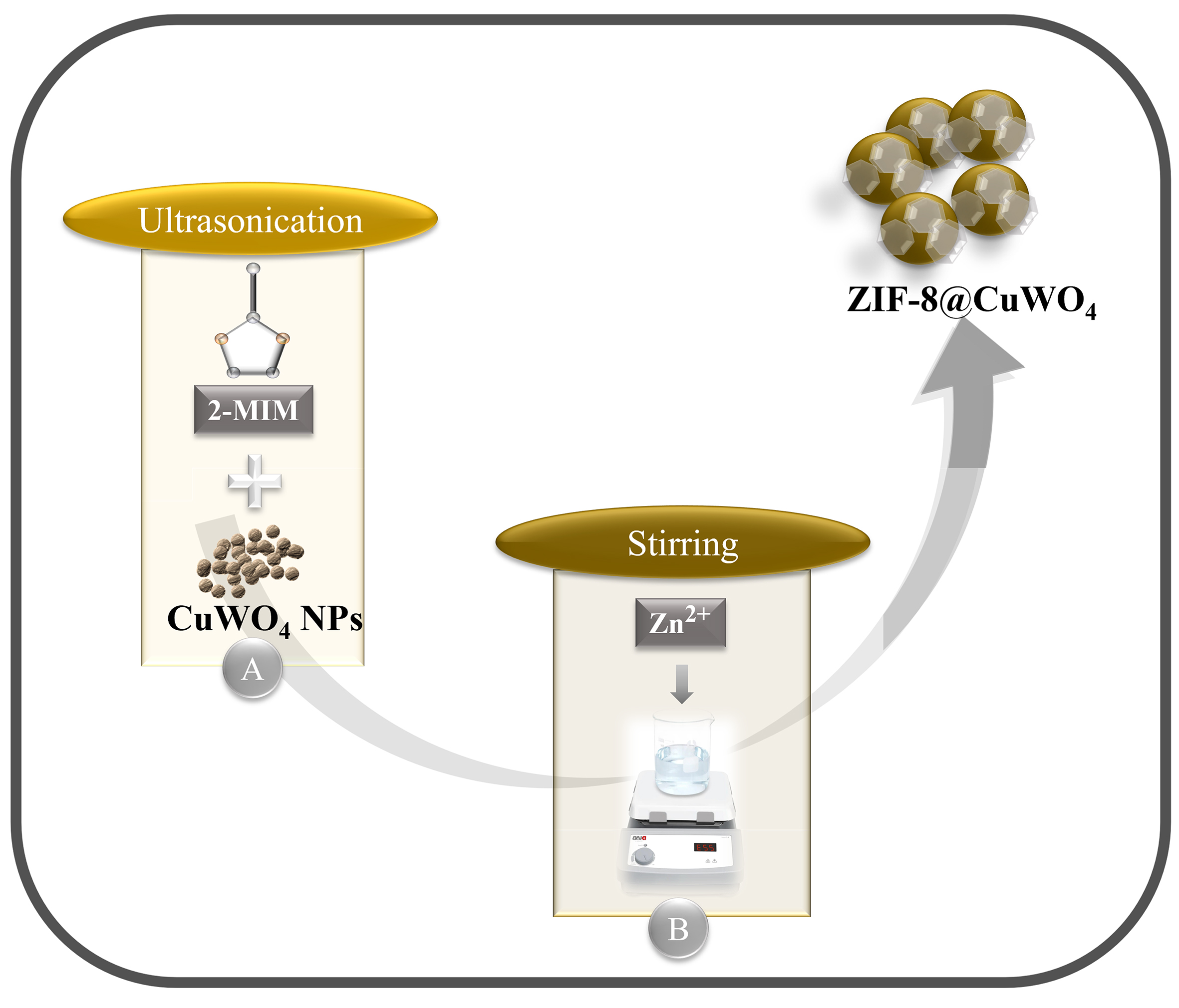
Scheme 1. Schematic representation for the synthesis of ZIF-8@CuWO4 composite.
Dispersion A was then added dropwise to solution B and stirred at 300 rpm for 3 h at 70 °C to prepare the ZIF-8@CuWO4 composite powder. The resulting composite was collected by centrifugation at 6,000 rpm, washed five to six times with methanol, and dried for 24 h at 65 °C. This composite was denoted as ZIF-8@CuWO4.
Characterisation
A range of techniques was employed to characterise the prepared ZIF-8, CuWO4, and ZIF-8@CuWO4 composite. X-ray powder diffraction (XRD, Panalytical Empyrean DY1098, UK) was used with a Cu Kα source to verify their phase purity within a 2θ range of 5°-70°. Scanning electron microscopy (SEM, JEOL JSM-7600F, Japan) was used in secondary electron mode to examine the morphology and shape of synthesised nanoparticles. By using X-ray photoelectron spectroscopy (XPS, Thermo Fisher Scientific, Nexsa G2, USA), constituent elements' surface oxidation and chemical bonding states were determined by selecting a monochromated Al Kα source. XPS analysis was conducted with charge correction, which was validated using the standard C-C bond at 284.8 eV. Voigt peak fitting was employed for all peaks using the instrument’s software package. The surface area and pore size distribution in the ZIF-8@CuWO4 heterostructures were evaluated and compared with pristine materials over an AUTOSORB IQ instrument by using the Brunauer, Emmett, and Teller (BET) and Barrett-Joyner-Halenda (BJH) gas adsorption methods under N2 gas at 77 K, respectively. The optical properties were investigated over the
Photocatalytic H2 evolution
The photocatalytic hydrogen experiments were carried out in a double-walled borosilicate photocatalytic reactor, as represented in Figure 1[53]. A linear halogen lamp (500 W) and an HPA Synergy lamp (300 W) were used as the reaction light sources. The photocatalytic experiments were performed in two aqueous suspensions containing 200 mg of the catalyst dispersed in 200 mL of a solution of 0.1 or 0.35 M Na2S and 0.25 M Na2SO3, which were used as sacrificial reagents. A water-cooled flux was used to maintain the reaction temperature at 20 °C in the jacketed reactor throughout the experiment. Before irradiation, the reactor was purged with a high flow of 15.73 mL·min-1 N2 gas for 30 min to remove the dissolved air that can remain in the reactor. The suspension was then irradiated for 150 min with visible light, followed by a further 150 min with UV light. During the photocatalytic activity measurement, the reactor was continuously stirred to keep the nanoparticles in a suspended state. Instead of the conventional batch method, the produced gases (H2 and O2) were continuously monitored with sequential radiation (visible and UV radiation, respectively) and quantified by an online mass spectrometer (MS, Omnistar Pfeiffer Vacuum Co., Germany), which was connected directly to the reactor gas outlet. A more detailed overview of the photocatalytic system can be found elsewhere[53,54]. At the end of each cycle, the photocatalyst was washed several times with distilled water and absolute ethanol, followed by centrifugation and oven-drying at 60 °C. The recovered solid photocatalyst was weighed again and reinserted into a freshwater solution, which was then irradiated with both Vis and UV light for the first cycle. The solid catalyst was collected again and employed for the second cycle of the photocatalytic water splitting reaction. SEM and XRD measurements were used to characterise the recycled catalyst at each stage.
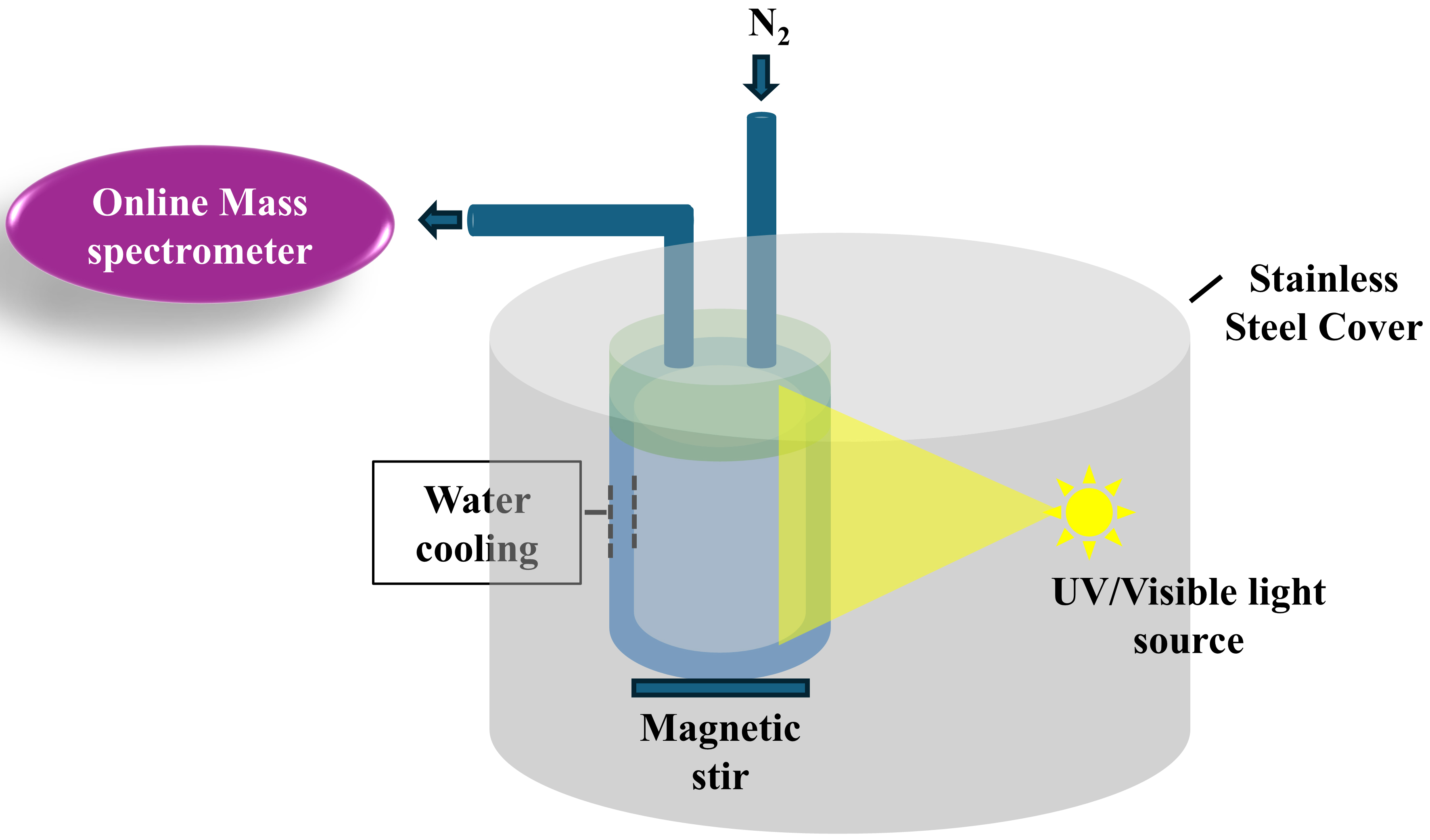
Figure 1. Custom-made photocatalytic reactor setup used in this work for quantifying hydrogen production.
RESULTS & DISCUSSION
Figure 2 illustrates the XRD analysis, which was performed to elucidate the crystalline phases present in CuWO4, ZIF-8, and their heterostructure (ZIF-8@CuWO4). The XRD pattern of pure ZIF-8 exhibits multiple diffraction maxima within the 5-70° 2θ range, with prominent reflections at 2θ ≈ 7.49°, 10.48°, and 12.81°, corresponding to the [110], [200], and [211] crystallographic planes, respectively. By contrast, the diffraction pattern of pure CuWO4 exhibits distinct maxima at 2θ ≈ 18.98°, 26.06°, 28.74°, 31.71°, and 36.94°, assigned to the [100], [
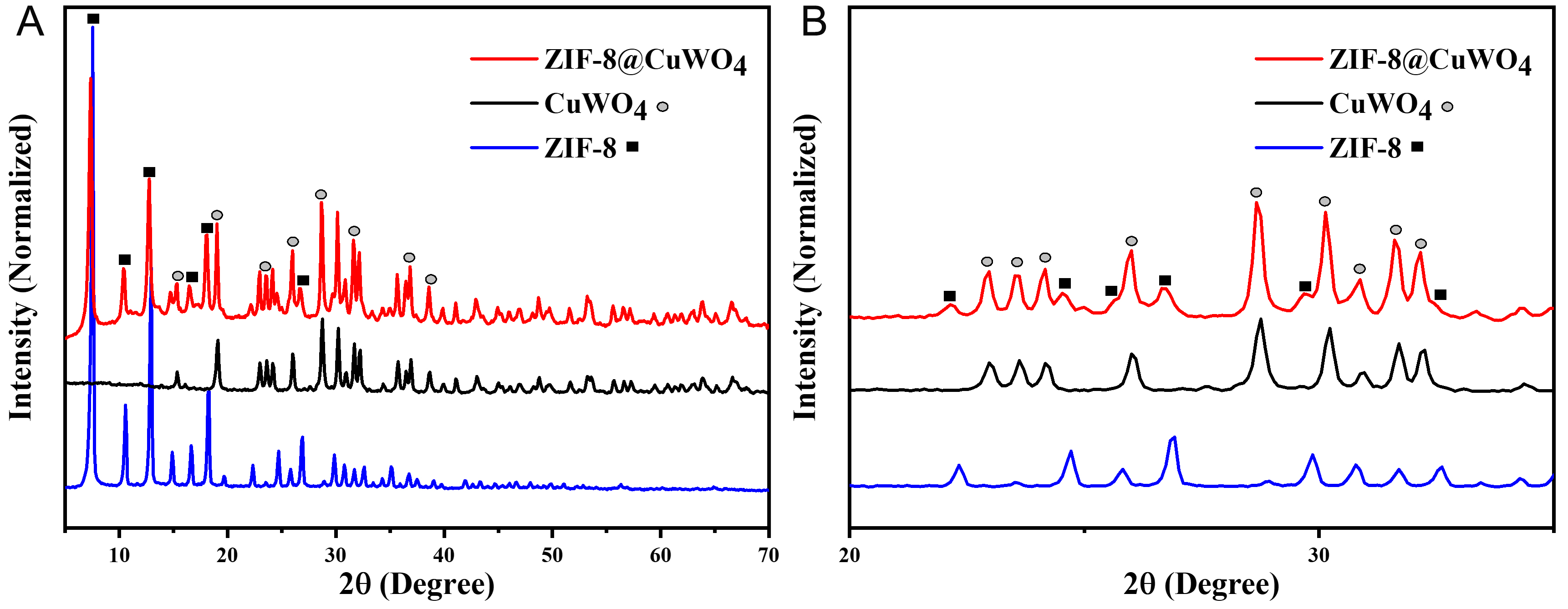
Figure 2. XRD patterns of CuWO4, ZIF-8, and ZIF-8@CuWO4 composite (A) overall diffraction patterns and (B) enlarged view of
The size of CuWO4 crystals in ZIF-8@CuWO4 was estimated using the Scherrer equation
The morphology and microstructures of ZIF-8, CuWO4, and the ZIF-8@CuWO4 composite are shown in Figure 3. ZIF-8 particles exhibit a nanoscale, pseudohexagonal morphology [Figure 3A], which is consistent with that of previously reported structures[57]. The particle size of ZIF-8 could be considerably reduced by replacing the water solvent with methanol (see Supplementary Figure 2). Figure 3C confirms the successful synthesis of spherical CuWO4 nanoparticles with an average diameter of ~64 ± 15 nm, with some degree of agglomeration. The incorporation of PVP and the application of ultrasonication during synthesis proved effective in achieving homogeneous particle size. The ZIF-8@CuWO4 composite has a similar morphology and particle size distribution to pure CuWO4 [Figure 3E and F]. In the heterostructure, the naturally pseudohexagonal ZIF-8 particulates are more rounded, which may be attributed to a greater density of nucleation sites, promoting preferential ZIF-8 growth with minimised surface energy in the presence of spherical CuWO4 nanoparticles in the colloidal solution[58]. Consequently, the coexistence of CuWO4 and ZIF-8 phases at the nanoscale in the composite is expected to enhance photocatalytic efficiency due to the abundance of surface-active sites.
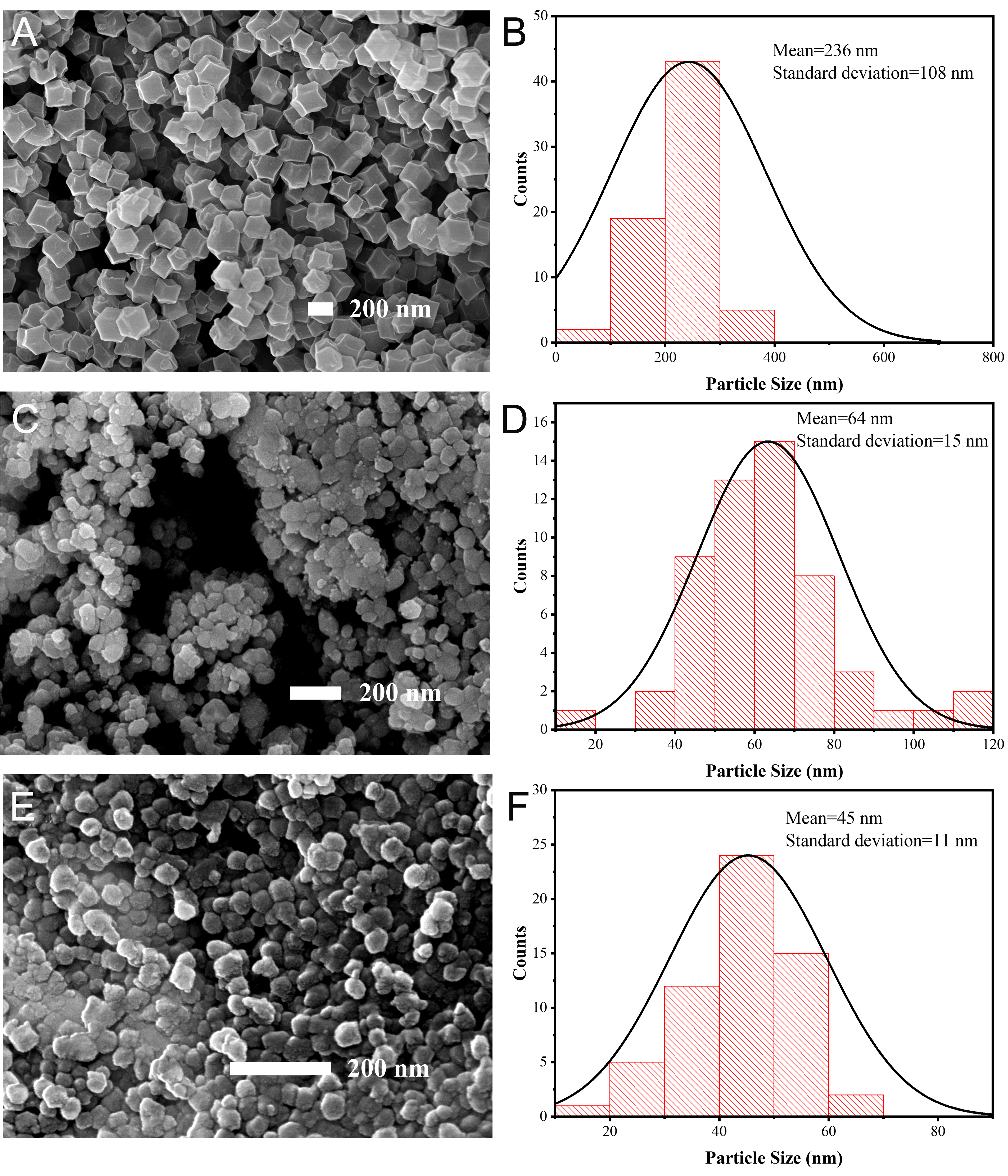
Figure 3. SEM micrographs and the particle size distributions of (A and B) ZIF-8, (C and D) CuWO4, and (E and F) ZIF-8@CuWO4.
The XPS spectra for CuWO4 and the ZIF-8@CuWO4 composite are presented in Figure 4. In the XPS spectrum of pure CuWO4 nanoparticles (see Figure 4A), characteristic peaks corresponding to Cu 2p, W 4f, and O 1s were identified. Consistent with energy-dispersive X-ray spectroscopy (EDS) results (see
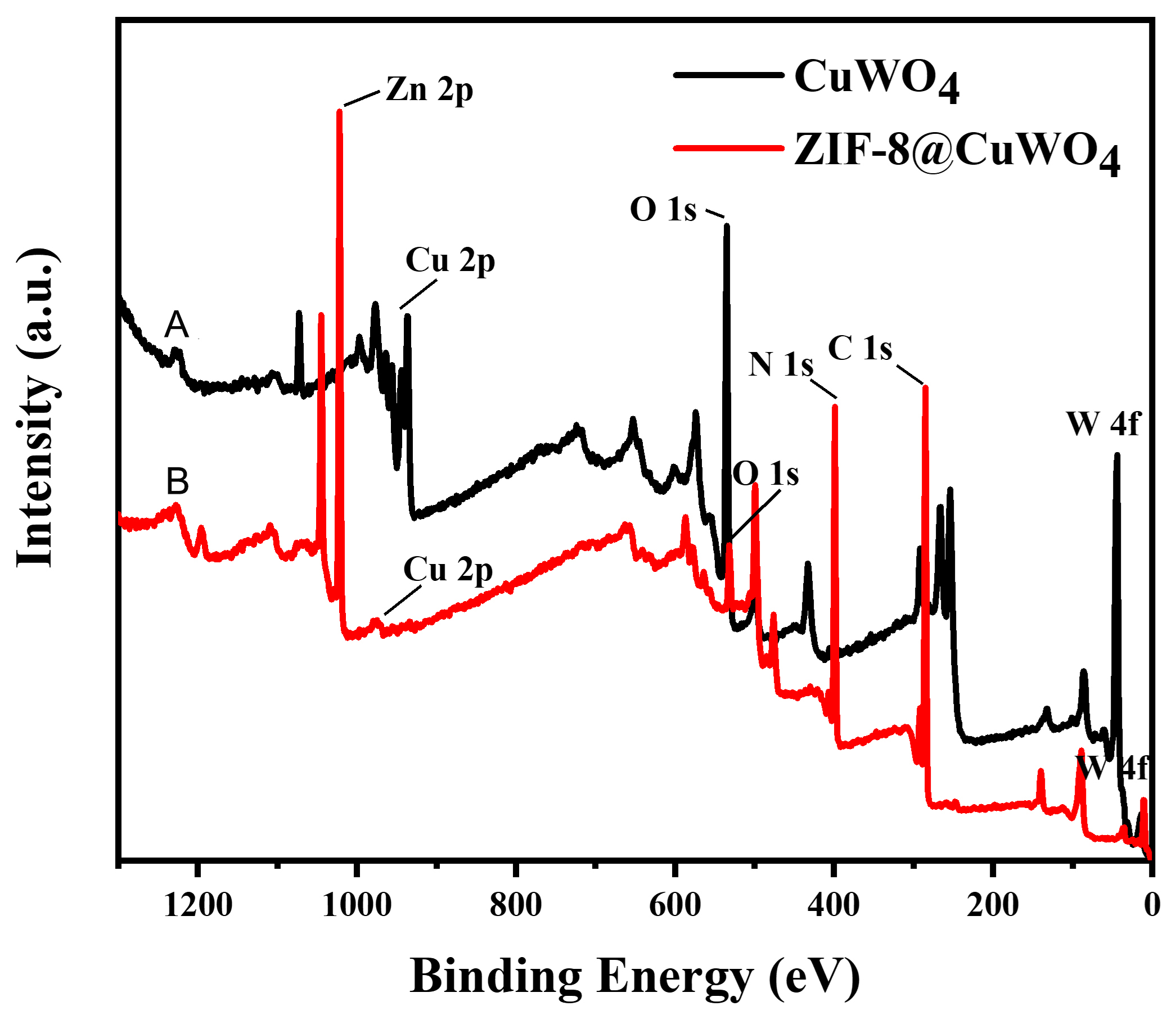
Figure 4. XPS full scan of (A) pure CuWO4 and (B) ZIF-8@CuWO4 composite.
XPS peak deconvolution was performed to elucidate the oxidation states and chemical environments of the elements present in pure CuWO4 and the ZIF-8@CuWO4 composite. Figure 5A shows that the C 1s spectrum of ZIF-8@CuWO4 is deconvoluted into four components: a dominant C-C/C=C peak (pink) at 284.53 eV (42.13%)[59], two more peaks at 285.36 (blue) and 286.29 (greenish) eV corresponding to C-N (34.23%) and N-C=N (13.17%) bonds of the imidazole ring[60], and a peak at 291.78 eV (green) attributed to chemisorbed C=O species. The N 1s spectrum [Figure 5B] exhibits peaks at 398.48 (pink), 399.15 (blue), and 400.24 (greenish) eV, which respectively correspond to pyridinic, pyrrolic, and graphitic nitrogen in the composite[61]. These are associated with enhanced photo-catalytically active sites in ZIF-8@CuWO4[61-63].
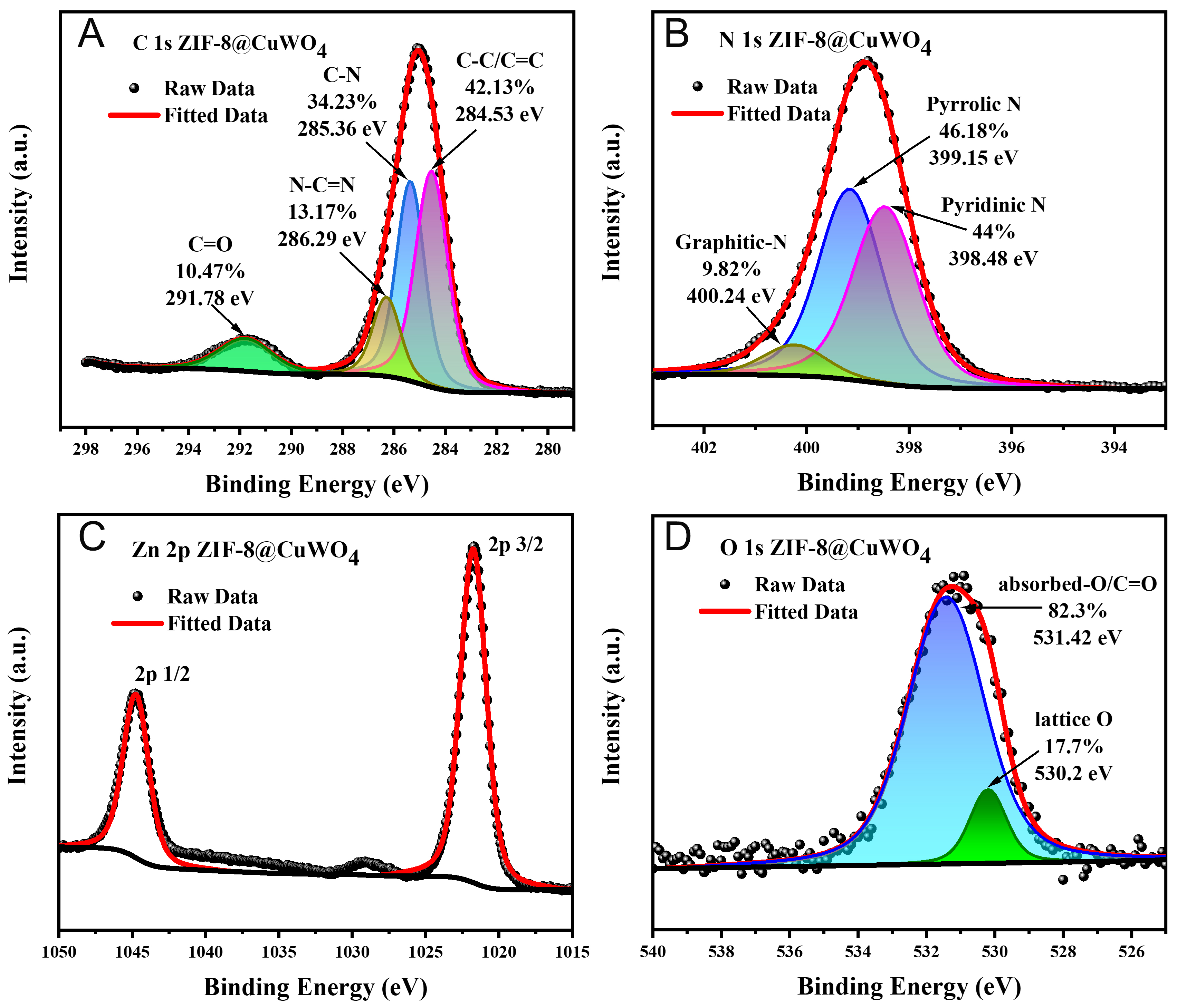
Figure 5. XPS spectra of (A) C 1s, (B) N 1s, (C) Zn 2p, and (D) O 1s of the ZIF-8@CuWO4 composite.
The Zn 2p spectrum [Figure 5C] displays spin-orbital splitting with Zn 2p1/2 and Zn 2p3/2 peaks at 1,044.8 and 1,021.75 eV, respectively. This fact is indicative of Zn2+ in the ZIF-8 lattice[64]. The O 1s spectrum of the ZIF-8@CuWO4 composite [Figure 5D] shows a peak at 530.2 (green) eV, which is assigned to lattice oxygen, as well as a peak at 531.42 (blue) eV, corresponding to adsorbed (or chemisorbed) oxygen[64]. Additionally, Cu 2p spectra [Supplementary Figure 4A] reveal satellite features that are indicative of Cu2+ in the CuWO4 lattice[65]. In the ZIF-8@CuWO4 composite, the binding energies of Cu 2p [Supplementary Figure 4B] and W 4f (Figure 4B, bottom) shift to lower values compared to pure CuWO4, suggesting an increased surface electron density[66]. This shift aligns with observations by Liao et al., who reported similar binding energy reductions for Cu 2p in nickel oxide-modified CuWO4, indicating enhanced electron density and effective carrier transfer between NiO and CuWO4[66]. Comparable trends were observed by Vasilopoulou for WO3 films synthesised under a hydrogen atmosphere, where reduced carrier recombination was noted relative to air-synthesised WO3[67]. Previous studies have also shown that WO3·H2O incorporation with ZIF-8 reduces charge carrier recombination and promotes photocatalytic activity[68]. More importantly, referring to a similar reported ZIF-8@Cu-W18O49 system, where ZIF-8 was grown in the presence of Cu doped W18O49 nanowires, a similar negative shift in binding energy for W 4f XPS spectra indicated the robust electronic interaction between the heterointerface of ZIF-8 and Cu-W18O49[69]. The observed binding energy shifts in ZIF-8@CuWO4 imply the presence of facilitated electron transport pathways, suggesting the formation of a heterojunction within the composite.
The textural properties of the synthesised ZIF-8, CuWO4, and ZIF-8@CuWO4 composite were examined using the BET isotherms and BJH pore size distribution, which are shown in Supplementary Figures 5 and 6, respectively. The specific surface area and porous structure influence the kinetics of reactions by controlling the accessible surface-active sites, reactant adsorption, and mass transport in photocatalysis[70,71]. As shown in Table 1, the compact structure of pure CuWO4 with limited porosity was indicated by its low specific surface area of 3.55 m2 g-1. Compared with CuWO4, ZIF-8 displayed a remarkably high BET surface area of
BET surface area and pore volume of CuWO4, ZIF-8, and ZIF-8@CuWO4 composites
| BET surface area (m2 g-1) | Total pore volume (cm3 g-1) | |
| CuWO4 | 3.55 | 0.026 |
| ZIF-8 | 1150.20 | 0.238 |
| ZIF-8@CuWO4 | 858.86 | 0.645 |
The BJH pore size distribution for ZIF-8@CuWO4 is shown and compared with that of pristine CuWO4 and ZIF-8 in Supplementary Figure 6. An almost featureless pore-size distribution was obtained for CuWO4 with a weak pore volume centred around 180 nm, suggesting the presence of a limited number of interparticle voids. However, ZIF-8 showed a pore size distribution in the 1-4 nm pore size range along with a strong pore volume near 180 nm relative to CuWO4, supporting its porous network and higher number of interparticle voids[73]. In ZIF-8@CuWO4, the pore size distribution from 1-4 nm with a much more pronounced peak around 180 nm was observed, which suggests the retention of intrinsic porosity of ZIF-8 and formation of additional voids and more accessible diffusion pathways in the heterostructure of ZIF-8@CuWO4.
In line with these observations, the total pore volume for CuWO4 and ZIF-8 increased from 0.026 and
The UV-vis diffuse reflectance spectra (DRS) of pure ZIF-8, CuWO4, and the ZIF-8@CuWO4 composite were recorded and transformed using the Kubelka-Munk function to approximate the absorbance behaviour of these materials and are shown in Figure 6A. Pure CuWO4 exhibited a broad absorbance band in both the UV and visible regions, with an absorption edge at 400-500 nm. In contrast, ZIF-8 displayed a sharp absorbance band peak at 220 nm, indicative of a wide band gap corresponding to the π-π* transitions in imidazole rings of the ZIF-8[75]. For the ZIF-8@CuWO4 composite, the absorption edge exhibited a redshift towards longer wavelengths, suggesting modified electronic interactions between the two components. Band gap energies were then estimated from Tauc plots assuming indirect allowed electronic transitions (n = 2), as commonly reported for CuWO4-based systems [Figure 6B], yielding values of 2.22 eV for pure CuWO4 (2.1-2.5 eV)[76,77], and 5.13 eV for ZIF-8 (4.8-5.2 eV)[77,78], consistent with previously reported data. The ZIF-8@CuWO4 composite exhibited two apparent optical transitions at 2.13 and 4.99 eV, which are slightly shifted compared with individual components. Similar optical transitions have been observed by Anu et al. in CuO@ZnO nanocomposites with enhanced carrier density[79]. Furthermore, Makula et al.[80] demonstrated that a multiphase composite may possess multiple optical transitions, with each component contributing to the overall optical absorption while largely preserving its intrinsic electronic structure. Consequently, these transitions were associated with CuWO4 (2.13 eV) and ZIF-8 (4.99 eV), whereas their slight shifts are attributed to interfacial electronic interactions within ZIF-8@CuWO4 heterostructure, which was further supported by shifts in the PL quenching [Figure 6C], Mott-Schottky analysis [Figure 7A-C], estimated band positions [Figure 7D] and XPS valence band maxima [Figure 7E], potentially improving interfacial charge transfer and photocatalytic performance.
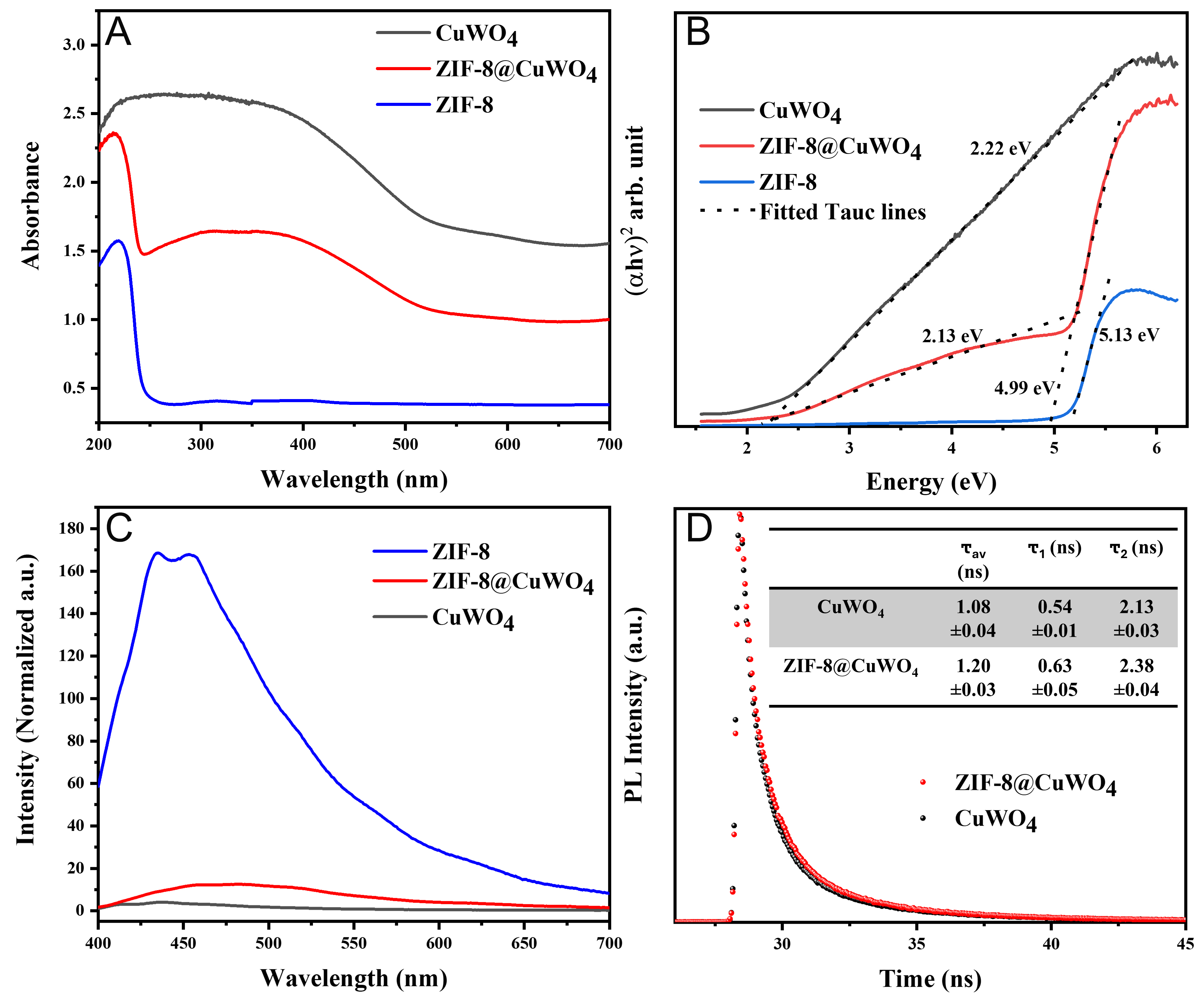
Figure 6. (A) UV-Vis DRS spectra; (B) Tauc plot; (C) Steady-state emission spectra; and (D) Life-time decay for ZIF-8, CuWO4, and ZIF-8@CuWO4 composite (excited and detected at 360 and 440 nm, respectively).
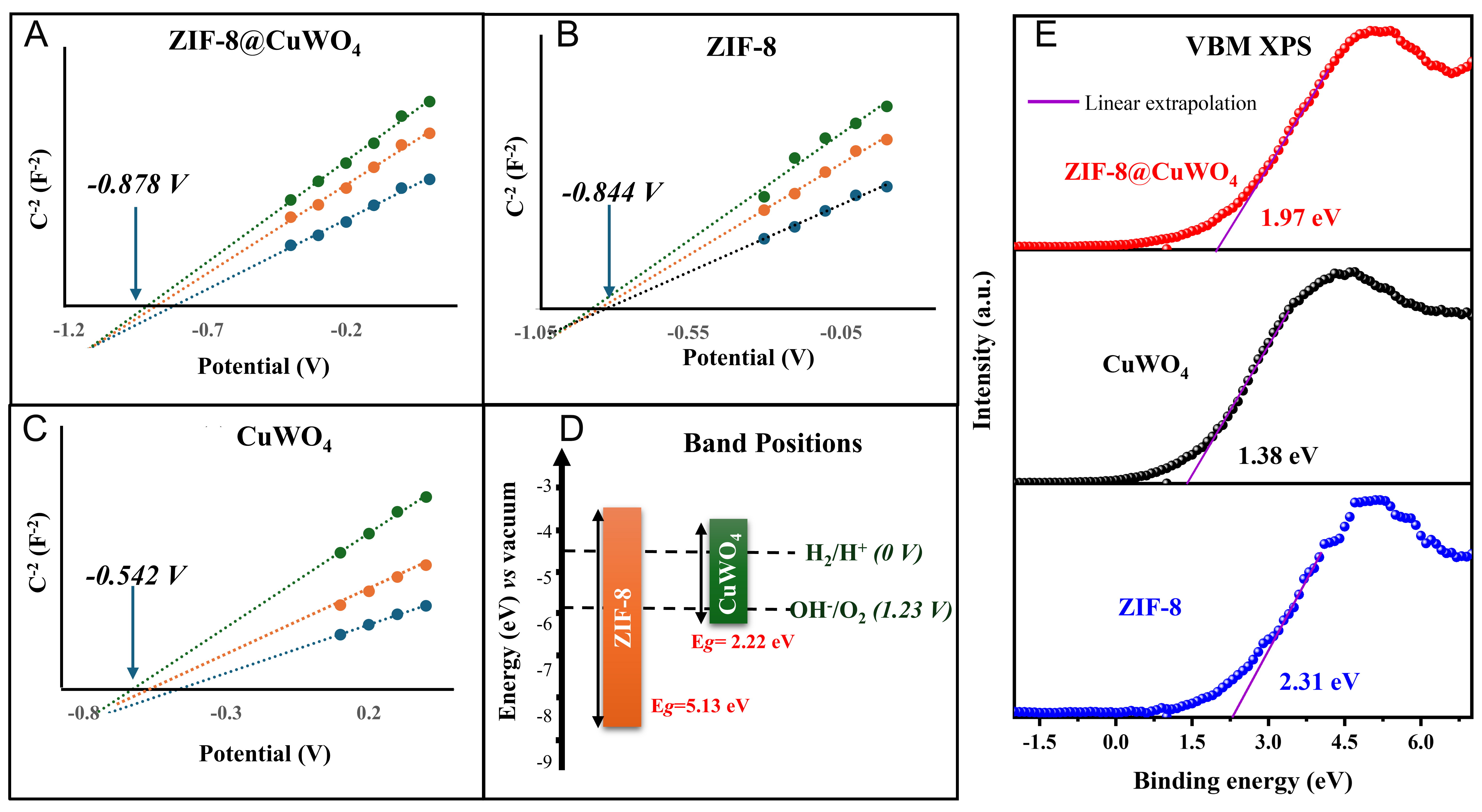
Figure 7. Mott Schottky characteristics at 1,000 Hz (blue fitted lines & dots), 1,500 Hz (orange fitted lines & dots), and 2,000 Hz (green fitted lines & dots), for ZIF-8@CuWO4 (A), ZIF-8 (B), and CuWO4 (C), plotted in Na2SO3 along with respective estimated band positions (D). The valence-band XPS spectra for ZIF-8@CuWO4, compared with the pristine CuWO4, and ZIF-8 (E).
The recombination behaviour of photogenerated charge carriers in the synthesised photocatalysts was evaluated using photoluminescence (PL) spectroscopy, whereby changes in the PL intensity provide qualitative insight into electron-hole recombination[81]. The steady-state PL emission spectra (400-700 nm) of pure ZIF-8, pure CuWO4, and the ZIF-8@CuWO4 composite, excited at 364 nm, are presented in Figure 6C. A pronounced PL quenching effect was observed in CuWO4 and the ZIF-8@CuWO4, in unambiguous contrast to the intense emission peaks of pure ZIF-8 at 435 and 454 nm. Among these, CuWO4 exhibited the lowest PL intensity, establishing the relative recombination trend as ZIF-8 >> ZIF-8@CuWO4 > CuWO4. The suppressed PL intensity in the ZIF-8@CuWO4 composite compared to pristine ZIF-8 signifies a substantial reduction in the electron-hole recombination process, which is attributed to enhanced charge transfer at the heterojunction interface. This is consistent with prior studies on hybrid WO3/ZIF-8 composites[82]. Despite lower radiative recombination of CuWO4, the ZIF-8@CuWO4 composite displays the highest photocatalytic hydrogen evolution (discussed in the latter section), suggesting that PL intensity is not an exclusive determining factor of photocatalytic performance. The activity of the ZIF-8@CuWO4 composite is attributed to the enhanced interfacial charge transfer and favourable band alignment (discussed in Mott-Schottky analysis and Valence band XPS results), resulting from heterojunction formation.
Further investigation of charge-carrier dynamics was conducted by performing time-resolved luminescence (lifetime) measurements on pure CuWO4 nanoparticles and the ZIF-8@CuWO4 composite. The samples were excited at 360 nm, and emission was detected at 440 nm [Figure 6D]. The decay profiles were fitted using two exponential functions, which indicates the presence of distinct migration pathways and enables the determination of the average carrier lifetime (τavg). The extracted lifetimes for CuWO4 and the ZIF-8@CuWO4 were approximately 1.1 and 1.2 ns, respectively. These values are consistent with the previously reported lifetimes (0.4-2.5 ns) for the CuWO4-based system[83,84]. Although this difference is small (0.1 ns), it may indicate a slight improvement in the charge-carrier dynamics, on one hand, improved charge-carrier separation, and on the other hand, enhanced electron-hole transport, resulting in a migration of photogenerated charge carriers to the surface. These findings emphasise the importance of interfacial interactions within the composite and demonstrate the presence of a greater number of photogenerated carriers, further optimising the photocatalytic efficiency of CuWO4 through ZIF-8 encapsulation[85].
Mott-Schottky measurements were performed on ZIF-8, CuWO4, and ZIF-8@CuWO4 to confirm their redox potential by determining their conduction and valence band positions. This confirmed the characteristics of electron/hole transfer in the ZIF-8@CuWO4 heterojunction. The flat-band potential of a semiconductor can be obtained through Mott-Schottky analysis. The positive slopes for ZIF-8@CuWO4
The flat-band potentials vs. RHE, for ZIF-8 and CuWO4, were -0.844 and -0.542 V, respectively. In the previous report on CuWO4/Cu1-xZnxWO4/ZnWO4 hybrid sandwiched heterojunction, Mott-Schottky analysis was consistent with their n-type behaviour, having flat-band potentials (varied from -0.2 to -0.3 V) for various Zn-doped CuWO4[88]. Similarly, Huang et al. obtained consistent n-type Mott-Schottky curves with a flat-band potential of -0.862 V for ZIF-8 in ZIF-8@ZIF-67 core-shell structures[89]. Using the flat band potential data and the band gap estimated through the Tauc plot (see Supplementary Material Equations 1-3, where flat band potential values are converted to Energy vs. vacuum and approximated as conduction band potential), the conduction (CB) and valence bands (VB) positions for ZIF-8 and CuWO4 were also calculated, and the results are shown in Table 2.
Estimated band positions of ZIF-8 and CuWO4 using Mott Schottky analysis and UV-visible spectroscopy
| Flat band (V vs. RHE) | CB (V vs. RHE) | VB (V vs. RHE) | Band gap (eV) | CB (eV vs. vac.) | VB (eV vs. vac.) | |
| ZIF-8 | -0.844 | -0.844 | 4.286 | 5.13 | -3.656 | -8.786 |
| CuWO4 | -0.542 | -0.542 | 1.678 | 2.22 | -3.958 | -6.178 |
A comparison of both ZIF-8 and CuWO4 revealed that ZIF-8 had a more negative reduction potential for H+/H2. Contrarily, CuWO4 requires less energy to excite the electrons for the photocatalytic reaction. In the ZIF-8@CuWO4 heterostructure, a slight negative shift in the flat band potential to -0.878 V was observed [Figure 7A], which indicates the interfacial electronic interaction and equilibration of the Fermi level between ZIF-8 and CuWO4[90]. Together, the ZIF-8@CuWO4 heterojunction offers better redox ability and can result in higher photocatalytic hydrogen production as compared with the pristine materials.
The interfacial interaction between CuWO4 and ZIF-8 in the ZIF-8@CuWO4 composite was further investigated and supported by analysing their valence band XPS spectra. Figure 7E represents the comparison of valence band XPS spectra, where the valence band maximum (VBM) was estimated by linear extrapolation of the leading edge of the valence band spectrum to the background level. The intercept was assigned as the VBM binding energy relative to the Fermi level (Ef = 0 eV). As shown in Figure 7E, the estimated VBM values for ZIF-8 and CuWO4 were 2.31 and 1.38 eV, respectively. However, the VBM value for ZIF-8@CuWO4 was 1.97 eV, which lies between those of pristine materials. Compared with pure ZIF-8, the VBM of the composite was shifted ~0.34 eV closer to the Fermi level, which suggests the redistribution of electrons within the ZIF-8@CuWO4 heterojunction and the equilibration of the Fermi level between the contacting components[91]. This change provides direct evidence of interfacial electronic coupling within ZIF-8@CuWO4, which is favourable for the separation and migration of charge carriers. These VBM results are consistent with the Mott-Schottky measurements, where a similar shift for ZIF-8@CuWO4 in flat band potential (-0.844 to -0.878 V) was observed after heterojunction formation, confirming that the interaction between ZIF-8 and CuWO4 in the composite modified the electronic structure and promoted the interfacial charge transfer.
The photocatalytic performance of the synthesised materials was evaluated through HER under UV and visible light irradiation, using aqueous Na2S and Na2SO3 as sacrificial agents
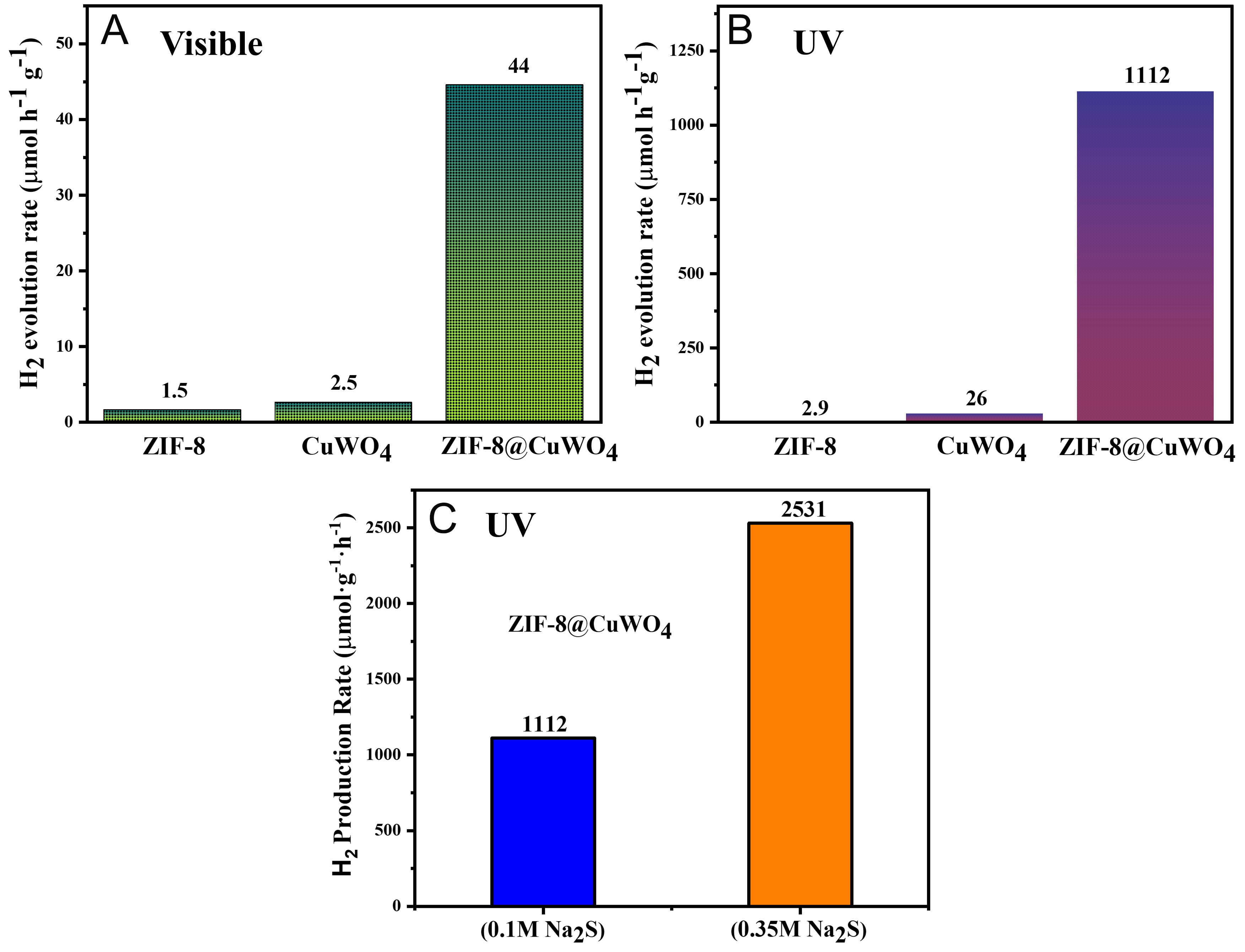
Figure 8. Photocatalytic H2 evolution for ZIF-8, CuWO4, and ZIF-8@CuWO4 composite with maximum H2 evolution rates using 0.1 M Na2S and 0.25 M Na2SO3 as sacrificial agents under (A) visible and (B) UV irradiations, respectively; (C) Impact of molarity of Na2S
The H2 evolution of ZIF-8@CuWO4 is lower than that of some of the state-of-the-art photocatalysts summarised in Table 3, yet remains within the performance range reported for several previously studied heterostructure photocatalyst systems. For instance, the heterostructure of TiO2 with NH2-MIL-125 MOF (TiO2/NH2-MIL-125) exhibited a comparable H2 evolution rate of 44 μmol·g-1·h-1 under visible irradiation[92]. Additionally, the evolution rates of H2 obtained by noble-metal Pt islands in CuBi2O4[93], CDs@BiVO4 quantum dots[94], and ZnO@rGO derived from ZIF-8@rGO over carbon sponge[95] fall within a similar or lower activity range under similar experimental conditions. These comparisons indicate that the ZIF-8@CuWO4 heterojunction demonstrates competitive photocatalytic performance among composite photocatalysts.
H2 evolution performance of ZIF-8@CuWO4 composite compared with other reported photocatalysts
| Sample | H2 evolution rate (UV) (μmol·g-1·h-1) | H2 evolution rate (visible) (μmol·g-1·h-1) | Sacrificial agent | Ref. |
| TiO2@NH2-MIL-125 | - | 44 | Triethanolamine | [92] |
| Pt/CuBi2O4 | - | 8.1 | KOH | [93] |
| 5% CDs/BiVO4 QDs | - | 11.5 | - | [94] |
| ZnOZIF-8/RGO/C | - | 14.6 | Methanol | [95] |
| WS2/CdS | - | 19,200 | Lactic acid | [96] |
| 3%Pt/α-Fe2O3/g-C3N4 | - | 31,400 | Triethanolamine | [97] |
| Hollow Zn0.6Cd0.4S cages | - | 56,800 | 0.75/1.05 M Na2S/Na2SO3 | [98] |
| Bulk, exfoliated g-C3N4 | 58.5, 343.8 | 18.2, 35.9 | Triethanolamine | [99] |
| TiO2, MoS2@TiO2/TiN | 30.8, 128.8 | - | 0.5/0.67 M Na2S/Na2SO3 | [100] |
| TiO2@MoS2 | 171.2 | - | Methanol | [101] |
| 5 wt% WB5-x-WB2/TiO2 | - | 81 | Ethanol | [102] |
| P25 | 68 | - | Methanol (50 vol.%) | [103] |
| P25 | 500 | - | Methanol (20 vol.%) | [104] |
| ZIF-8@CuWO4 | 1,112 | 44 | 0.1/0.25 M Na2S/Na2SO3 | This Work |
| ZIF-8@CuWO4 | 2,531 | 79 | 0.35/0.25 M Na2S/Na2SO3 | This Work |
This enhancement in the photocatalytic activity of ZIF-8@CuWO4 heterostructure, compared with pristine ZIF-8 and CuWO4, is attributed to the increased porosity, more accessible active sites, and optimised optical and interfacial electronic properties as suggested by BET/BJH textural results, PL/TRPL studies, Mott-Schottky analysis, and valence band XPS estimations. Notably, the interaction between the pyrrolic and pyridinic nitrogen functional groups in ZIF-8 and the CuWO4 phase enhances charge separation and electron-hole transfer rates[78]. The high surface area and porosity of ZIF-8 provide a greater number of accessible catalytically active sites compared to pristine CuWO4[105]. In pure ZIF-8, the presence of Zn2+ ions and the 2-methylimidazole ligands in the framework results in intense PL emissions [Figure 6C] due to π-π* transitions[106]. However, within the ZIF-8@CuWO4 composite, the reduced band gap favours n-π* transitions, thereby promoting charge transfer[106,107]. This synergistic effect, coupled with the electronic interactions at the interface, results in an efficient photocatalytic system as compared with as-synthesised pristine materials, where CuWO4 enhances electron density while ZIF-8 provides extensive active surface sites[42,82,85].
The impact of the sacrificial agent concentration on the photocatalytic reaction was also examined [Supplementary Figure 7B and Figure 8C]. During this reaction, the molarity of Na2S increased from 0.1 to 0.35 M while the molarity of Na2SO3 remained constant at 0.25 M. This resulted in a significant improvement in the hydrogen evolution rate under UV irradiation, increasing from 1,112 to 2,531 μmol·g-1·h-1. However, under visible light, the efficiency was negligible (44 to 79 μmol·g-1·h-1) due to limited electron/hole pair production, which becomes the limiting factor as the concentration of Na2S increases. Conversely, UV irradiation increases electron/hole pair generation, enabling Na2S to effectively scavenge holes, and accelerates the hydrogen evolution performance[108].
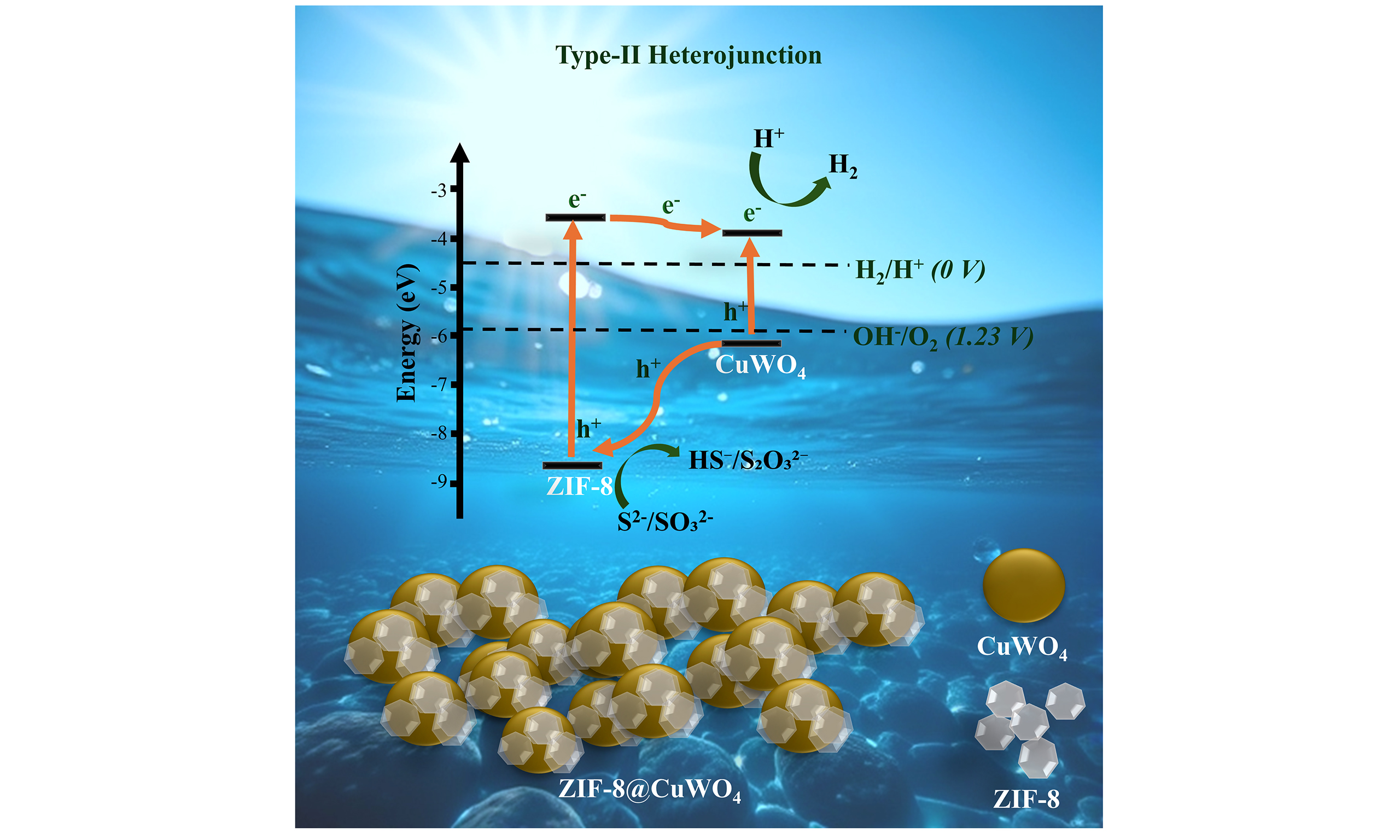
The proposed electron-hole transfer mechanism is illustrated in Scheme 2. Upon irradiation of light on ZIF-8@CuWO4, both ZIF-8 and CuWO4 generated electrons and holes in their CB and VB, respectively. Subsequently, the photogenerated electrons migrate from the CB of ZIF-8 to the CB of CuWO4, facilitating the reduction of protons to generate H2 at the CB of CuWO4. Simultaneously, the photoinduced holes transfer from the VB of CuWO4 to the VB of ZIF-8, thereby facilitating charge separation. The presence of Na2S/Na2SO3 as sacrificial agents further enhances photocatalytic activity by scavenging the holes on the ZIF-8 surface and generating HS- and S2O32- species. These species suppress charge carrier recombination and improve efficiency[109]. This effective electron/hole transfer resulted in the formation of a Type-II heterojunction between ZIF-8 and CuWO4 in the ZIF-8@CuWO4 composite, as suggested by Mott-Schottky, Valence band XPS, and PL/TRPL results.
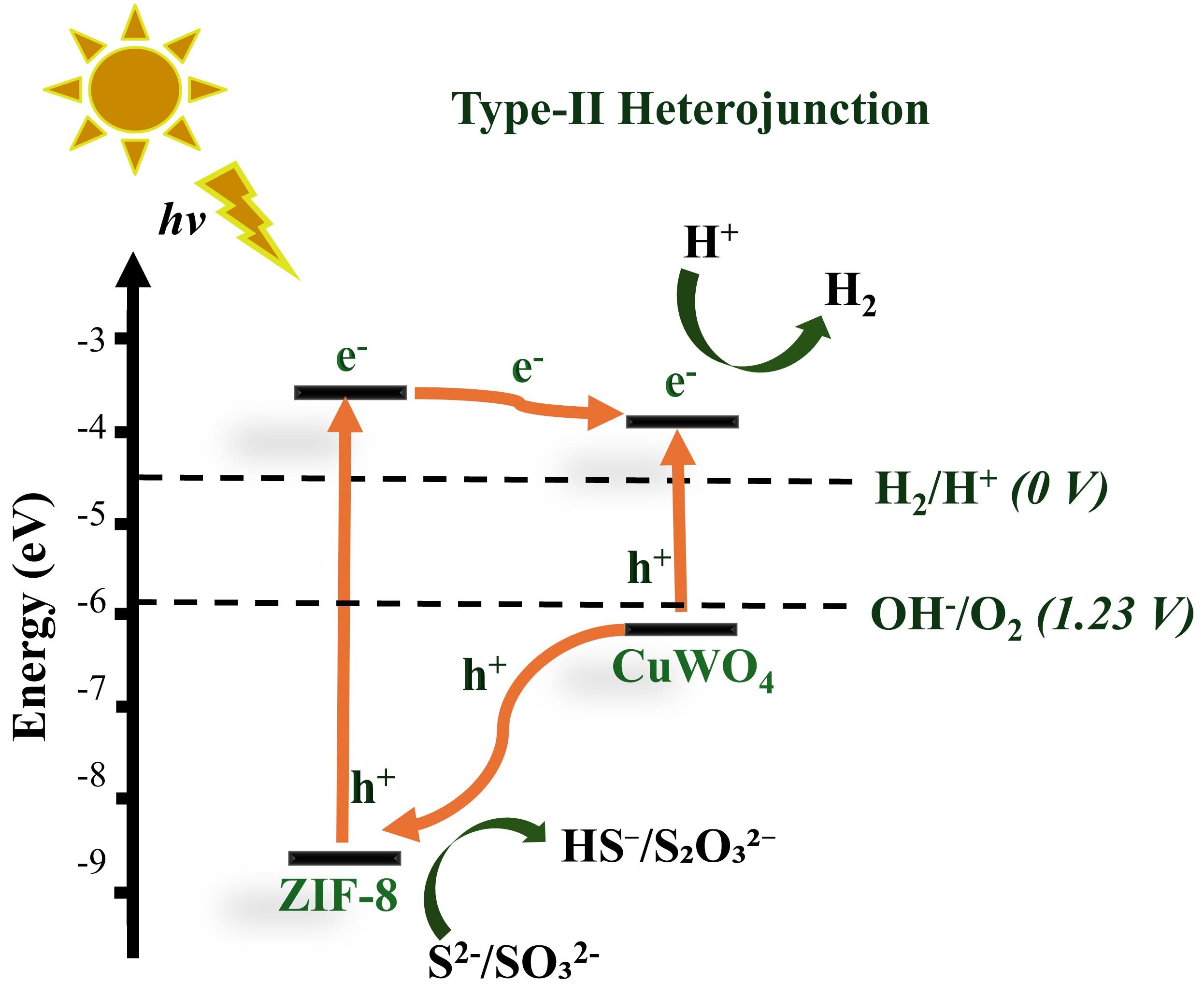
Scheme 2. Schematic illustration of the proposed charge transfer in the Type-II ZIF-8@CuWO4 heterojunction for the photocatalytic hydrogen evolution reaction.
An important feature of the photocatalyst and its performance is the recyclability and reusability. Recyclability of ZIF-8@CuWO4 composite as a photocatalyst is shown in Supplementary Figure 8. The photocatalytic H2 evolution rate decreases from 2,531 to 1,336 μmol·g-1·h-1 after reusing the photocatalyst for a second time in the third cycle [Figure 9], during which the photocatalyst water-splitting experiment was run over ~15 h in the presence of Vis and UV light. The decrease in photocatalytic activities in each cycle may be due to the intrinsic instability of ZIF-8, which undergoes gradual hydrolysis under water and UV irradiation, due to intensified ligand optical absorption and defect formation[110,111]. The morphological changes of the as-synthesised ZIF-8@CuWO4 and recycled ZIF-8@CuWO4 (after 3rd cycle) were compared in the respective SEM images (acquired at the same magnification) and are shown in
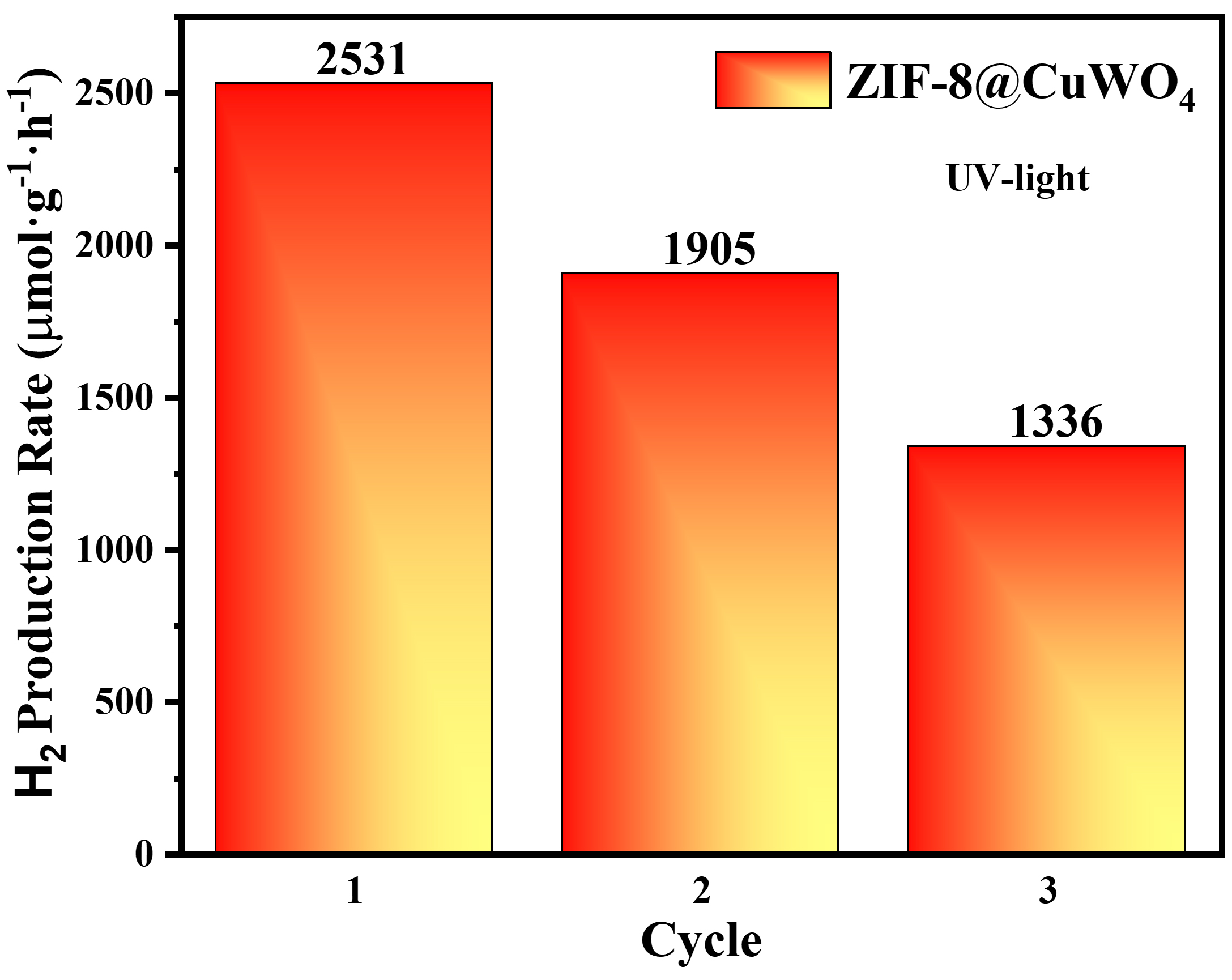
Figure 9. Photocatalytic H2 evolution rates for recycled ZIF-8@CuWO4 in comparison with fresh ZIF-8@CuWO4 under UV-light irradiations.
CONCLUSION
A novel ZIF-8@CuWO4 heterojunction composite was successfully synthesised by growing ZIF-8 around spherical CuWO4 nanoparticles using an easy in situ sonication-assisted approach. This hybrid photocatalyst exhibits significantly improved charge separation and efficient interfacial charge transfer between its constituent phases, directly evidenced by the shifts observed in the Mott-Schottky and valence band XPS analysis. While retaining a high degree of light absorption from CuWO4, the composite also benefits from increased structural porosity and density of surface-active sites primarily contributed by ZIF-8. Consequently, the ZIF-8@CuWO4 composite achieved hydrogen production rates of 44 and 1,112 μmol·g-1·h-1 under visible and UV irradiation, respectively, exceeding the performance of the pristine ZIF-8 and CuWO4. Reducing the overall electron/hole recombination through increasing the molarity of the sacrificial agent further improved this photocatalytic activity to 79 and 2,531 μmol·g-1·h-1 under visible and UV light, respectively. Despite ZIF-8@CuWO4 photocatalytic activity decreasing over time under UV irradiation due to photo-accelerated hydrolysis, the composite remains stable under visible light. It achieves this comparable photocatalytic activity without the need for toxic or expensive noble-metal co-catalysts, highlighting its potential as a cost-effective, scalable platform for sustainable green hydrogen production.
DECLARATIONS
Authors’ contributions
Writing - original draft, writing - review & editing, methodology, formal analysis, data curation, software, conceptualisation: Iqbal, M. U.
Writing - review & editing. writing - original draft, validation, methodology, formal analysis: Rana, S.
Methodology, data curation, software, conceptualisation: Zitnan, M.
Writing - review & editing, methodology, investigation, formal analysis: Ashling, C. W.
Methodology, data curation, formal analysis: Pérez-Ramos, M.; Nadeem, I.
Methodology, investigation, formal analysis: González-Rodríguez, M.
Validation, funding acquisition, resources, project administration: Galusek, D.
Writing - review & editing, validation, investigation, conceptualisation: Núñez, P.
Writing - review & editing, validation, investigation, supervision, conceptualisation: Wondraczek, L.
Writing - review & editing, funding acquisition, validation, investigation, supervision, project administration, methodology, conceptualisation: Velázquez, J. J.
Availability of data and materials
The data supporting the findings of this study are available within this Article and its
AI and AI-assisted tools statement
During the preparation of this manuscript, the AI tool DeepAI was used solely for the graphical abstract background. The tool did not influence the study design, data collection, analysis, interpretation, or the scientific content of the work. All authors take full responsibility for the accuracy, integrity, and final content of the manuscript.
Financial support and sponsorship
This project has received funding from the European Union´s Horizon 2020 research and innovation program under grant agreement No. 739566, FunGlass, and No 101087154, project GlaCerHub. This work also partly received funding from FG_PhD_22_05 Iqbal from FunGlass for supporting doctoral students. It is also supported by the project VEGA 1/0844/21 and VEGA 1/0045/24 of the Grant Agency of the Slovak Republic. The authors gratefully acknowledge the sponsorship of “Fundación Cajacanarias” (grant 2021-ECO05) and Cabildo de Tenerife-Talentum (Exp. 2024/0002355). Ashling, C. W. and Wondraczek, L. acknowledge the Alexander-von-Humboldt Foundation for financial support. Nadeem, I. acknowledges the Slovenian Research and Innovation Agency (ARIS) for partial financial support through core funding No. P2-0231, which supported the XPS valence band spectra measurements.
Conflicts of interest
All authors declared that there are no conflicts of interest.
Ethical approval and consent to participate
Not applicable.
Consent for publication
Not applicable.
Copyright
© The Author(s) 2026.
Supplementary Materials
REFERENCES
1. Cho, H. H.; Strezov, V.; Evans, T. J. Environmental impact assessment of hydrogen production via steam methane reforming based on emissions data. Energy. Rep. 2022, 8, 13585-95.
2. Kadam, R. S.; Sutar, P. R.; Yadav, G. D. Energy and environmental assessment of industrial-scale hydrogen production: comparison of steam methane reforming, electrolysis, and Cu-Cl cycles. Int. J. Hydrogen. Energy. 2025, 106, 994-1005.
3. Lagioia, G.; Spinelli, M. P.; Amicarelli, V. Blue and green hydrogen energy to meet European Union decarbonisation objectives. an overview of perspectives and the current state of affairs. Int. J. Hydrogen. Energy. 2023, 48, 1304-22.
4. Ding, Y.; Wang, C.; Zhao, H. Large-scale, long-term hydrogen generation at a liter level via plastic photoreforming. Matter 2025, 8, 102408.
5. Nishioka, S.; Osterloh, F. E.; Wang, X.; Mallouk, T. E.; Maeda, K. Photocatalytic water splitting. Nat. Rev. Methods. Primers. 2023, 3, 42.
6. Khan, M. A.; Mutahir, S.; Shaheen, I.; Qunhui, Y.; Bououdina, M.; Humayun, M. Recent advances over the doped g-C3N4 in photocatalysis: a review. Coord. Chem. Rev. 2025, 522, 216227.
7. Liu, J.; Gong, Z.; Wu, D.; et al. MOFs as platforms for multiscale structural regulation: new frontiers in photocatalyst design. Microstructures 2025, 5, 2025056.
8. Gong, L.; Chu, Q.; Liu, X.; Tan, Y. Plasmonic platinum nanoparticles-tungsten oxide nanoarchitectures as visible light photocatalysts for highly efficient overall water splitting. J. Mater. Chem. A. 2022, 10, 21161-76.
9. Zhu, B.; Cheng, B.; Fan, J.; Ho, W.; Yu, J. g-C3N4-based 2D/2D composite heterojunction photocatalyst. Small. Struct. 2021, 2, 2100086.
10. Gao, X.; Zeng, D.; Yang, J.; et al. Ultrathin Ni(OH)2 nanosheets decorated with Zn0.5Cd0.5S nanoparticles as 2D/0D heterojunctions for highly enhanced visible light-driven photocatalytic hydrogen evolution. Chin. J. Catal. 2021, 42, 1137-46.
11. González-Rodríguez, M.; Díaz-Coello, S.; Díaz-González, S.; et al. Highly efficient ZnxCdxS catalysts with sphalerite structures synthesizedviaa novel green method for hydrogen production by water splitting. RSC. Adv. 2024, 14, 37763-73.
12. Zhao, C.; Ren, L.; Shi, Y.; Wang, X.; Huang, W.; Xie, H. Advances and recent applications in high-energy {001} facets of anatase TiO2: a review. J. Environ. Chem. Eng. 2025, 13, 115764.
13. Yang, N.; He, T.; Chen, X.; et al. TiO2-based heterojunctions for photocatalytic hydrogen evolution reaction. Microstructures 2024, 4, 2024042.
14. Manisha; Kumar, V.; Kumar Sharma, D. Fabrication of dimensional hydrophilic TiO2 nanostructured surfaces by hydrothermal method. Mater. Today. Proc. 2021, 46, 2171-4.
15. Mo, G.; Jin, Y.; Deng, Y.; et al. Band-gap engineering of isoreticular hydrogen-bonded organic frameworks for boosting photocatalytic hydrogen evolution. Angew. Chem. Int. Ed. 2026, 65, e25987.
16. Mangiri, R.; Reddy, N. P.; Bae, J. Transition-metal-doped ZnIn2S4 photocatalysts for enhanced solar hydrogen production. ChemCatChem 2026, 18, e01670.
17. Shang, Y.; Wang, C.; Yan, C.; et al. An efficient and multifunctional S-scheme heterojunction photocatalyst constructed by tungsten oxide and graphitic carbon nitride: design and mechanism study. J. Colloid. Interface. Sci. 2023, 634, 195-208.
18. Wondraczek, L.; Tyystjärvi, E.; Méndez-Ramos, J.; Müller, F. A.; Zhang, Q. Shifting the sun: solar spectral conversion and extrinsic sensitization in natural and artificial photosynthesis. Adv. Sci. 2015, 2, 1500218.
19. Montes-Monroy, J. M.; Manzorro, R.; Valenzuela, L.; Ivanez, J.; Pérez-Omil, J. A.; Keller, N. H2 production by formic acid decomposition on ceria-modified Ru/TiO2 catalysts under dual photonic/thermal excitation. Catal. Today. 2024, 441, 114852.
20. Wan, Y.; Liu, Q.; Xu, Z.; et al. Interface engineering enhanced g-C3N4/rGO/Pd composites synergetic localized surface plasmon resonance effect for boosting photocatalytic CO2 reduction. Carbon. Lett. 2024, 34, 1143-54.
21. Bahadoran, A.; Liu, Q.; Ramakrishna, S.; Sadeghi, B.; De Castro, M. M.; Cavaliere, P. D. Hydrogen production as a clean energy carrier through heterojunction semiconductors for environmental remediation. Energies 2022, 15, 3222.
22. Sreenivasulu, M.; Rajanna, M. R.; Katakol, S. R.; et al. Synergistic CuWO4/NiS2 binary nanostructures for efficient photocatalytic hydrogen production. ACS. Appl. Nano. Mater. 2026, 9, 8009-22.
23. Liu, Q.; Cai, P.; Li, H.; Ji, X.; Zhang, D.; Pu, X. Visible-light-driven hydrogen evolution over CdS/CuWO4 S-scheme heterojunctions: dual synergistic enhancement via interfacial charge transfer and photothermal activation. Chin. J. Catal. 2026, 81, 299-309.
24. Goswami, J.; Basyach, P.; Purkayastha, S. K.; Guha, A. K.; Hazarika, P.; Saikia, L. Boosting the photodegradation of rhodamine B with the CuWO4/g-C3N4 heterojunction by introducing biomass derived N-CQDs as an electron mediator: mechanism and DFT calculations. New. J. Chem. 2023, 47, 22304-19.
25. Fazil, M.; Ahmed, J.; Ahmad, T. Enhanced photo/electrocatalytic efficiency of Zn-decorated TiO2 nanostructures for sustainable hydrogen evolution. Catal. Today. 2025, 445, 115103.
26. Zhang, X.; Yang, P. Advances in noble metal-modified g-C3N4 heterostructures toward enhanced photocatalytic redox ability. Int. J. Miner. Metall. Mater. 2024, 31, 2368-89.
27. Zhang, J.; Geng, Y.; Sun, C.; et al. Efficient near-infrared photocatalytic hydrogen production based on WO3-x modified Bi2S3 nanoflowers. Appl. Catal. A. Gen. 2026, 724, 121100.
28. Erdem, N. G.; Caglar, B.; İnan, E.; Tuna, Ö.; Ertis, İF.; Bilgin Simsek, E. Incorporation of CuWO4 with hollow tubular g-C3N4: harnessing the potential in photocatalytic degradation, hydrogen production, and supercapacitor applications. Renew. Energy. 2026, 256, 124235.
29. Ling, S.; Qu, P.; Jiang, S.; Feng, Z.; Kong, B.; Wang, W. Investigations of defect physics and quenching effect for optimizing n-type carrier concentration in CuWO4 photocatalyst. Inorg. Chem. 2026, 65, 4592-607.
30. Dinh, P. H.; Pham, T.; Trung, D. Q.; et al. CuWO4 decorated by polypyrrole (PPy) protector/sensitizer for novel photocatalytic and stable water splitting for hydrogen generation. Int. J. Hydrogen. Energy. 2020, 45, 21442-9.
31. Le Minh Tri, N.; Trung, D. Q.; Van Thuan, D.; et al. The advanced photocatalytic performance of V doped CuWO4 for water splitting to produce hydrogen. Int. J. Hydrogen. Energy. 2020, 45, 18186-94.
32. Basyach, P.; Deb, J.; Sk, S.; et al. Controlled Ni doping on a g-C3N4/CuWO4 photocatalyst for improved hydrogen evolution. Phys. Chem. Chem. Phys. 2023, 25, 23033-46.
33. Wu, H.; Ullah, M.; Jiang, L.; et al. Controllable synthesis of porous 3D Pd loaded ZIF-67/g-C3N4 hierarchical nanostructure for efficient detection of NO2 gas at room temperature. Colloids. Surf. A. Physicochem. Eng. Asp. 2023, 666, 131363.
34. Wang, C.; Hou, S.; Ma, M.; et al. Recent development of MIL-101(Cr) for photocatalysis: a mini review. J. Water. Process. Eng. 2024, 66, 106040.
35. He, Y.; Lv, T.; Xiao, B.; et al. Research progress of MIL-125 and its modifications in photocatalytic hydrogen evolution. J. Mater. Chem. C. 2023, 11, 6800-18.
36. Ramollo, K. V.; Ramohlola, K. E.; Maponya, T. C.; Hintsho-Mbita, N. C.; Modibane, K. D. Current developments on MIL-based metal-organic frameworks for photocatalytic hydrogen production. Int. J. Hydrogen. Energy. 2025, 180, 151728.
37. Zou, X.; Shi, Q.; Cheng, M.; et al. Metal-organic framework-based materials for photocatalytic hydrogen peroxide production: insights into mechanism, modification strategies, and environmental applications. Adv. Energy. Mater. 2025, 15, 2501424.
38. Hendrickx, K.; Vanpoucke, D. E. P.; Leus, K.; et al. Understanding intrinsic light absorption properties of UiO-66 frameworks: a combined theoretical and experimental study. Inorg. Chem. 2015, 54, 10701-10.
39. Zhang, M. Y.; Li, J. K.; Wang, R.; Zhao, S. N.; Zang, S. Q.; Mak, T. C. W. Construction of core-shell MOF@COF hybrids with controllable morphology adjustment of COF shell as a novel platform for photocatalytic cascade reactions. Adv. Sci. 2021, 8, 2101884.
40. Zhang, X.; Zhu, Z.; Rao, R.; et al. Highly efficient visible-light-driven photocatalytic degradation of gaseous toluene by rutile-anatase TiO2@MIL-101 composite with two heterojunctions. J. Environ. Sci. 2023, 134, 21-33.
41. Fawzy, A.; Mahanna, H.; Mossad, M. Effective photocatalytic degradation of amoxicillin using MIL-53(Al)/ZnO composite. Environ. Sci. Pollut. Res. 2022, 29, 68532-46.
42. Nazir, M. A.; Najam, T.; Shahzad, K.; et al. Heterointerface engineering of water stable ZIF-8@ZIF-67: adsorption of rhodamine B from water. Surf. Interfaces. 2022, 34, 102324.
43. Varangane, S.; Vennapoosa, C. S.; Tiwari, A.; Nataraj, S. K.; Yendrapati, T. P.; Pal, U. In situ synthesis of Cu-doped ZIF-8 for efficient photocatalytic water splitting. Appl. Organomet. Chem. 2022, 36, e6815.
44. Zheng, H.; Wu, D.; Wang, Y.; et al. One-step synthesis of ZIF-8/ZnO composites based on coordination defect strategy and its derivatives for photocatalysis. J. Alloys. Compd. 2020, 838, 155219.
45. Angela, S.; Bervia Lunardi, V.; Kusuma, K.; et al. Facile synthesis of hierarchical porous ZIF-8@TiO2 for simultaneous adsorption and photocatalytic decomposition of crystal violet. Environ. Nanotechnol. Monit. Manag. 2021, 16, 100598.
46. Qureshi, W. A.; Haider, S. N.; Ali, R. N.; et al. Room temperature preparation of novel g-C3N4/RuNP/ZIF-8 Z-scheme heterojunction for solar-light driven H2 generation. Int. J. Hydrogen. Energy. 2024, 77, 808-16.
47. Kshirsagar, S. D.; Shelake, S. P.; Islam, H.; et al. In situ decoration of Cd0.05Mn0.05Zn0.90 (ZIF-8) photocatalyst for solar-driven hydrogen production. Int. J. Hydrogen. Energy. 2025, 137, 1260-8.
48. Saleh, M. R.; El-Bery, H. M.; Abdelhamid, H. N. Co@ZIF-8/TiO2 heterojunction for green hydrogen generation. Appl. Organomet. Chem. 2022, 37, e6995.
49. Chandrasekaran, K.; Verma, D.; Uyama, H.; Okhawilai, M. Core-shell ZnO@ZIF-8-derived nitrogen-doped carbon nanotubes for the effective removal of methyl orange. Water. Cycle. 2025, 6, 412-27.
50. Cao, F.; Sun, Y.; Duan, X.; et al. Interfacial engineering of CuWO4/WO3 thin films precisely fabricated by ultrasonic spray pyrolysis for improved solar water splitting. Catal. Sci. Technol. 2023, 13, 4550-7.
51. Swain, P.; Priyadarshini, P.; Behera, D.; Parida, K. Rational design of zeolitic imidazolate framework-metal oxide hybrids toward green and sustainable photocatalysis. ACS. Omega. 2026, 11, 21457-84.
52. Almaghamsi, H.; Al-Ghamdi, W.; Basfer, N.; Bayahia, D. S. Effect of copper tungstate nanoparticles on the structural, optical, and dielectric properties of carboxymethyl cellulose/polyvinyl alcohol nanocomposite films. Phys. B. 2025, 701, 416969.
53. Velázquez, J.; Fernández-González, R.; Díaz, L.; Pulido, Melián. E.; Rodríguez, V.; Núñez, P. Effect of reaction temperature and sacrificial agent on the photocatalytic H2-production of Pt-TiO2. J. Alloys. Compd. 2017, 721, 405-10.
54. Díaz, L.; Rodríguez, V. D.; González-Rodríguez, M.; et al. M/TiO2 (M = Fe, Co, Ni, Cu, Zn) catalysts for photocatalytic hydrogen production under UV and visible light irradiation. Inorg. Chem. Front. 2021, 8, 3491-500.
55. Liu, S.; Shi, G.; Cui, N.; Zi, B.; Qi, K. ZnWO4/CuWO4 photocatalysts for the degradation of tetracycline hydrochloride and antibacterial application. J. Water. Process. Eng. 2026, 86, 109812.
56. Wu, L.; Tai, Z.; Wang, Z.; et al. In-situ Cu-doped ZIF-8 for enhanced photocatalytic H2 evolution by regulating hydrogen adsorption. J. Environ. Chem. Eng. 2025, 13, 116526.
57. García-Palacín, M.; Martínez, J. I.; Paseta, L.; et al. Sized-controlled ZIF-8 nanoparticle synthesis from recycled mother liquors: environmental impact assessment. ACS. Sustain. Chem. Eng. 2020, 8, 2973-80.
58. Gu, J.; Huang, J.; Jin, Z.; Wei, T. Multidimensional engineering of ZIF-8-based electrocatalysts for carbon dioxide reduction: a mini review. Chem. Commun. 2025, 61, 13015-34.
59. Abd El Khalk, A. A.; Betiha, M. A.; Mansour, A. S.; Abd El Wahed, M. G.; Al-Sabagh, A. M. High degradation of methylene blue using a new nanocomposite based on zeolitic imidazolate framework-8. ACS. Omega. 2021, 6, 26210-20.
60. Men, J.; Luo, C.; Li, L.; et al. Construction of Cu-doped multilayer ZIF-8 for efficient photocatalytic hydrogen production from water splitting. Int. J. Hydrogen. Energy. 2026, 248, 155797.
61. Sun, S.; Yang, Z.; Cao, J.; Wang, Y.; Xiong, W. Copper-doped ZIF-8 with high adsorption performance for removal of tetracycline from aqueous solution. J. Solid. State. Chem. 2020, 285, 121219.
62. Azuara-Tuexi, G.; Muñoz-Sandoval, E.; Guirado-López, R. A. N 1s core-level binding energies in nitrogen-doped carbon nanotubes: a combined experimental and theoretical study. Phys. Chem. Chem. Phys. 2023, 25, 3718-36.
63. Soliman, A. I. A.; Abdel-Wahab, A. A.; Abdelhamid, H. N. Hierarchical porous zeolitic imidazolate frameworks (ZIF-8) and ZnO@N-doped carbon for selective adsorption and photocatalytic degradation of organic pollutants. RSC. Adv. 2022, 12, 7075-84.
64. Feng, S.; Jia, X.; Yang, J.; Li, Y.; Wang, S.; Song, H. One-pot synthesis of core-shell ZIF-8@ZnO porous nanospheres with improved ethanol gas sensing. J. Mater. Sci. Mater. Electron. 2020, 31, 22534-45.
65. Jovanovski, S.; Popović, M.; Novaković, M.; Jugović, D.; Gloginjić, M.; Ristova, M. Preparation of CuWO4 films by thermal annealing of simultaneously RF/DC magnetron co-sputtered Cu-W films. Ceram. Int. 2025, 51, 43604-12.
66. Liao, J.; Wu, Q.; Ye, X.; et al. Visible-light-induced electron density enrichment of the active sites in the core-satellite structured CuWO4@NiO for fast hydrogen generation from ammonia borane methanolysis. Chem. Eng. J. 2023, 476, 146599.
67. Vasilopoulou, M.; Soultati, A.; Georgiadou, D. G.; et al. Hydrogenated under-stoichiometric tungsten oxide anode interlayers for efficient and stable organic photovoltaics. J. Mater. Chem. A. 2014, 2, 1738-49.
68. Changkija, M.; Dhar Purkayastha, D. Engineered WO3·H2O/ZIF-8 hybrid membrane for synergistic wastewater treatment. Chem. Eng. J. 2026, 532, 174244.
69. Yao, X.; Zhu, C.; Zhou, J.; et al. Boosting urea synthesis in simulated flue gas electroreduction by adjusting W-W electronic properties. Green. Chem. 2024, 26, 8010-9.
70. Zaid, M.; Parveen, A.; Saleem, Z.; Khan, W.; Bahadur, J. Photocatalytic behavior of nickel and silver doped ZnS nanoparticles: reassessing the role of metal dopants. Inorg. Chem. Commun. 2025, 182, 115449.
71. Lianmawii, L.; Mohondas Singh, N. Photocatalytic degradation of tartrazine dye using CoS, NiS, and ZnS: a comprehensive study on isotherms, kinetics, thermodynamics, and photoluminescence analysis. Mater. Chem. Phys. 2025, 346, 131354.
72. Missaoui, N.; Kahri, H.; Demirci, U. B. Rapid room-temperature synthesis and characterizations of high-surface-area nanoparticles of zeolitic imidazolate framework-8 (ZIF-8) for CO2 and CH4 adsorption. J. Mater. Sci. 2022, 57, 16245-57.
73. Bukka, V. V. R.; Sarin, P. Effects of particle size reduction on the pore structure and accessibility in natural porous materials. Energy. Fuels. 2024, 38, 9578-87.
74. Zhao, H.; Liu, J.; Zhong, N.; et al. Biomass photoreforming for hydrogen and value-added chemicals Co-production on hierarchically porous photocatalysts. Adv. Energy. Mater. 2023, 13, 2300257.
75. Mphuthi, L. E.; Erasmus, E.; Langner, E. H. G. Metal exchange of ZIF-8 and ZIF-67 nanoparticles with Fe(II) for enhanced photocatalytic performance. ACS. Omega. 2021, 6, 31632-45.
76. Bharagav, U.; Reddy, N. R.; Rao, V. N.; et al. CuWO4 as a novel Z-scheme partner to construct TiO2 based stable and efficient heterojunction for photocatalytic hydrogen generation. Int. J. Hydrogen. Energy. 2022, 47, 40391-406.
77. Dai, X.; Feng, S.; Zheng, W.; et al. Ag-AgBr/g-C3N4/ZIF-8 prepared with ionic liquid as template for highly efficient photocatalytic hydrogen evolution under visible light. Int. J. Hydrogen. Energy. 2022, 47, 10603-15.
78. Gamal, S.; Kospa, D. A.; Ibrahim, A. A.; Ahmed, A. I.; Ouf, A. M. A. A comparative study of α-Ni(OH)2 and Ni nanoparticle supported ZIF-8@reduced graphene oxide-derived nitrogen doped carbon for electrocatalytic ethanol oxidation. RSC. Adv. 2024, 14, 5524-41.
79. Anu, A.; Abdul, Khadar. M. CuO-ZnO nanocomposite films with efficient interfacial charge transfer characteristics for optoelectronic applications. SN. Appl. Sci. 2019, 1, 1057.
80. Makuła, P.; Pacia, M.; Macyk, W. How to correctly determine the band gap energy of modified semiconductor photocatalysts based on UV-vis spectra. J. Phys. Chem. Lett. 2018, 9, 6814-7.
81. Sun, D.; Liu, J.; Kang, Y.; et al. Architectural engineering of yolk-shell TiO2@g-C3N4 S-scheme heterojunctions via a peroxidation strategy for enhanced photocatalytic hydrogen evolution. Appl. Surf. Sci. 2026, 735, 166680.
82. Jin, Z.; Zhang, Y. Efficient photocatalytic hydrogen production achieved by WO3 coupled with NiP2 over ZIF-8. Catal. Surv. Asia. 2019, 24, 59-69.
83. Zhang, D.; Zhang, D.; Zhao, F.; et al. Synergistic enhancement of photocatalytic hydrogen evolution in ZnIn2S4/CuWO4 via an S-scheme heterojunction and the photothermal effect. J. Mater. Chem. A. 2024, 12, 33546-58.
84. Le, N.; Tran, T. V.; Dang, T. T.; Chung, J. S.; Choi, W. M.; Hur, S. H. Oxygen vacancies promoted W-O-Mo interfacial bonding for stable CuWO4 photoanodes with accelerated charge transfer. Int. J. Hydrogen. Energy. 2026, 204, 153307.
85. Zheng, H.; Chen, Z.; Huang, C.; Gao, L.; Dong, T.; Hu, J. Hollow CdS nanotubes with ZIF-8 as co-catalyst for enhanced photocatalytic activity. J. Colloid. Interface. Sci. 2022, 606, 1882-9.
86. Cheng, C.; Wang, J.; Zhao, Z.; et al. S-scheme SrTiO3/porous ZnO derived by pyrolysis of ZIF-8 composite with efficient photocatalytic activity for pollutant degradation. J. Alloys. Compd. 2022, 896, 163064.
87. Chen, W.; Li, L.; Li, L.; et al. MoS2/ZIF-8 hybrid materials for environmental catalysis: solar-driven antibiotic-degradation engineering. Engineering 2019, 5, 755-67.
88. Ma, L.; Su, J.; Liu, M.; Zhang, L.; Li, Y.; Guo, L. Enhanced photocatalytic activity over a novel CuWO4/Cu1-xZnxWO4/ZnWO4 hybrid material with sandwiched heterojunction. J. Mater. Res. 2016, 31, 1616-21.
89. Huang, Z.; Zhou, J.; Zhao, Y.; et al. Stable core-shell ZIF-8@ZIF-67 MOFs photocatalyst for highly efficient degradation of organic pollutant and hydrogen evolution. J. Mater. Res. 2021, 36, 602-14.
90. Lin, Y.; Feng, Z.; Li, P.; et al. Molten salt in situ reconstruction realizes ultrafast charge transfer at cobalt-doped-CeO2/CeO2 S-scheme interface for photocatalytic H2O2 production. Chem. Eng. J. 2025, 522, 167927.
91. Yang, Y.; Li, Y.; Tao, S.; et al. Interfacial charge transfer in 2D/2D S-scheme Bi2MoO6/MoS2 heterojunction for enhanced photocatalytic antibiotic degradation. Chem. Eng. J. 2025, 522, 167608.
92. Sun, L.; Yuan, Y.; Wang, F.; Zhao, Y.; Zhan, W.; Han, X. Selective wet-chemical etching to create TiO2@MOF frame heterostructure for efficient photocatalytic hydrogen evolution. Nano. Energy. 2020, 74, 104909.
93. Djaballah, A.; Bagtache, R.; Benlembarek, M.; Trari, M. Synthesis and characterization of Pt/CuBi2O4. Application to photocatalytic H2 evolution under visible light. J. Photochem. Photobiol. A. Chem. 2024, 447, 115186.
94. Wu, X.; Zhao, J.; Guo, S.; et al. Carbon dot and BiVO4 quantum dot composites for overall water splitting via a two-electron pathway. Nanoscale 2016, 8, 17314-21.
95. Su, Y.; Li, S.; He, D.; et al. MOF-derived porous ZnO nanocages/rGO/carbon sponge-based photocatalytic microreactor for efficient degradation of water pollutants and hydrogen evolution. ACS. Sustain. Chem. Eng. 2018, 6, 11989-98.
96. Archana, B.; Kottam, N.; Nayak, S.; Chandrasekhar, K. B.; Sreedhara, M. B. Superior photocatalytic hydrogen evolution performances of WS2 over MoS2 integrated with CdS nanorods. J. Phys. Chem. C. 2020, 124, 14485-95.
97. She, X.; Wu, J.; Xu, H.; et al. High efficiency photocatalytic water splitting using 2D α-Fe2O3/g-C3N4 Z-scheme catalysts. Adv. Energy. Mater. 2017, 7, 1700025.
98. Chen, J.; Chen, J.; Li, Y. Hollow ZnCdS dodecahedral cages for highly efficient visible-light-driven hydrogen generation. J. Mater. Chem. A. 2017, 5, 24116-25.
99. Todorova, N.; Papailias, I.; Giannakopoulou, T.; et al. Photocatalytic H2 evolution, CO2 reduction, and NOx oxidation by highly exfoliated g-C3N4. Catalysts 2020, 10, 1147.
100. Wu, C.; Liu, K.; Li, Y.; et al. Dual-modified hollow spherical shell MoS2@TiO2/TiN composites for photocatalytic hydrogen production. Energy. Technol. 2021, 10, 2100265.
101. Li, Y.; Zhang, P.; Wan, D.; Xue, C.; Zhao, J.; Shao, G. Direct evidence of 2D/1D heterojunction enhancement on photocatalytic activity through assembling MoS2 nanosheets onto super-long TiO2 nanofibers. Appl. Surf. Sci. 2020, 504, 144361.
102. Yu Kurenkova, A.; Radina, A. D.; Baidyshev, V. S.; et al. Photocatalytic H2 generation and CO2 reduction by WB5-x cocatalyst of TiO2 catalyst. Appl. Surf. Sci. 2024, 661, 160095.
103. Fan, W.; Lai, Q.; Zhang, Q.; Wang, Y. Nanocomposites of TiO2 and reduced graphene oxide as efficient photocatalysts for hydrogen evolution. J. Phys. Chem. C. 2011, 115, 10694-701.
104. Montoya, A. T.; Gillan, E. G. Enhanced photocatalytic hydrogen evolution from transition-metal surface-modified TiO2. ACS. Omega. 2018, 3, 2947-55.
105. Chafiq, M.; Chaouiki, A.; Suhartono, T.; Ko, Y. G. Albumin protein encapsulation into a ZIF-8 framework with Co-LDH-based hierarchical architectures for robust catalytic reduction. J. Mater. Chem. A. 2023, 11, 23984-98.
106. Song, Y.; Hu, D.; Liu, F.; Chen, S.; Wang, L. Fabrication of fluorescent SiO2@zeolitic imidazolate framework-8 nanosensor for Cu2+ detection. Analyst 2015, 140, 623-9.
107. Xu, F.; Pan, J.; Li, B.; et al. ZIF-8 decorated WO3 nanoplates with robust surface activation for the enhanced performances in photocatalytic N2 fixation. ChemistrySelect 2021, 6, 5411-8.
108. Maaß, M. C.; Tasch, A.; Jooss, C.; Waitz, T. Photocatalytic hydrogen evolution using ZnS particles and LEDs. J. Chem. Educ. 2022, 99, 2086-92.
109. Zhang, M.; Shang, Q.; Wan, Y.; Cheng, Q.; Liao, G.; Pan, Z. Self-template synthesis of double-shell TiO2@ZIF-8 hollow nanospheres via sonocrystallization with enhanced photocatalytic activities in hydrogen generation. Appl. Catal. B. Environ. 2019, 241, 149-58.
110. Taheri, M.; Tsuzuki, T. Photo-accelerated hydrolysis of metal organic framework ZIF-8. ACS. Mater. Lett. 2021, 3, 255-60.
Cite This Article
 Open Access
How to Cite
Download Citation
Export Citation File:
Type of Import
Tips on Downloading Citation
Citation Manager File Format
Type of Import
Direct Import: When the Direct Import option is selected (the default state), a dialogue box will give you the option to Save or Open the downloaded citation data. Choosing Open will either launch your citation manager or give you a choice of applications with which to use the metadata. The Save option saves the file locally for later use.
Indirect Import: When the Indirect Import option is selected, the metadata is displayed and may be copied and pasted as needed.
About This Article
Copyright

Data & Comments
Data
0










Comments
Comments must be written in English. Spam, offensive content, impersonation, and private information will not be permitted. If any comment is reported and identified as inappropriate content by OAE staff, the comment will be removed without notice. If you have any queries or need any help, please contact us at [email protected].