

fig3
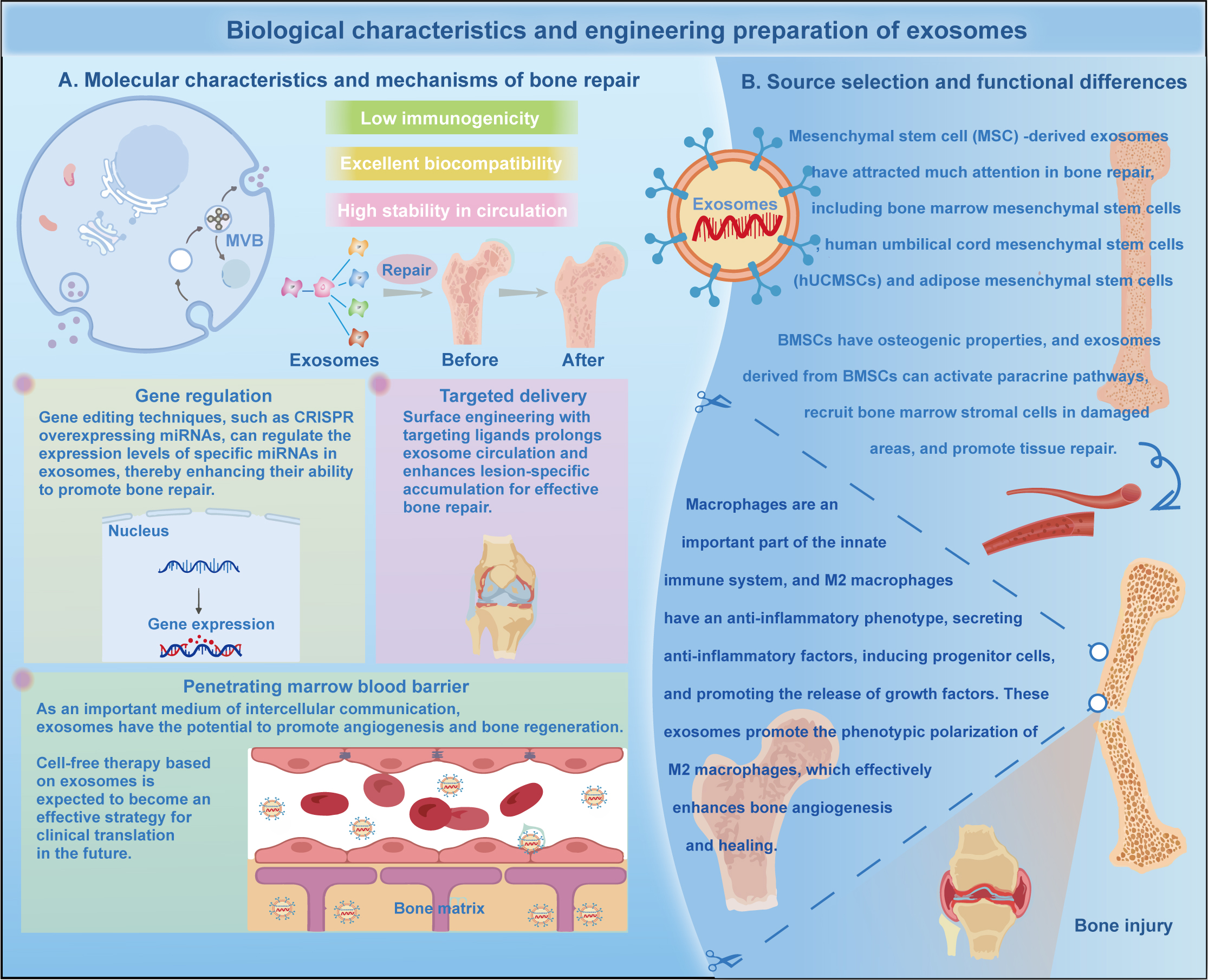
Figure 3. Biological characteristics, source selection, and engineering strategies of exosomes for bone repair. (A) Molecular characteristics and mechanisms: Exosomes exhibit low immunogenicity, excellent biocompatibility, and high stability in circulation. They facilitate intercellular communication to promote bone regeneration and repair. (B) Source selection and functional differences: Mesenchymal stem cell (MSC)-derived exosomes (such as those derived from BMSCs, hUCMSCs, and ADSCs) possess robust osteogenic properties, activating paracrine pathways and recruiting bone marrow stromal cells. Furthermore, these exosomes promote the phenotypic polarization of M2 macrophages, which effectively enhances bone angiogenesis and healing. Advanced engineering strategies, including gene regulation (e.g., CRISPR for overexpressing specific miRNAs), targeted delivery, and utilizing their ability to penetrate the blood-marrow barrier, further augment their therapeutic efficacy in clinical translation.