



Machine learning-enabled design and lifetime prediction of solid oxide fuel cells
 0
0 Abstract
This review covers the latest advancements in the application of machine learning (ML) to the design optimization, failure analysis, and lifetime prediction of solid oxide fuel cells (SOFCs). At the material design level, ML accelerates the screening of perovskite materials and optimizes microstructures, significantly enhancing electrode performance. In stack structural design, ML aids multiphysics-coupled analysis to optimize flow channel layouts and thermal management. For electrode degradation issues such as cathode chromium poisoning and anode carbon deposition, ML models enable precise diagnosis and prediction by analyzing experimental data. Furthermore, ML techniques demonstrate high efficiency and adaptability in stack system fault diagnosis and lifetime prediction, offering a new paradigm for SOFC reliability research. Despite challenges such as data scarcity and model complexity, the integration of ML with physical models and the development of multiscale approaches provide critical support for the commercialization of SOFCs.
Keywords
INTRODUCTION
To mitigate global warming and environmental pollution, there is an urgent need for renewable energy conversion technologies. Solid oxide fuel cells (SOFCs) are energy conversion devices that directly convert chemical energy into electricity through electrochemical reactions and store chemical energy in gaseous or gas fuels[1]. SOFCs offer advantages such as high energy conversion efficiency, no need for precious metal catalysts, and broad fuel applicability, making them widely regarded as the next generation of clean energy devices[2,3]. A typical SOFC features a cathode–electrolyte–anode sandwich structure, as shown in Figure 1[4]. The electrolyte conducts oxygen ions (O2-) or protons (H+) depending on the material type, while the cathode facilitates oxygen reduction reaction (ORR) and the anode enables fuel oxidation. Commonly used electrolyte materials include yttria-stabilized zirconia (YSZ) and gadolinium-doped ceria (GDC)[5]; anode materials are typically Ni-based cermets such as Ni-YSZ[6]; cathode materials are predominantly perovskite-type oxides such as lanthanum strontium manganite (LSM) and lanthanum strontium cobalt ferrite (LSCF)[7]. Based on the type of ions conducted, SOFCs can be categorized into oxygen-ion-conducting SOFCs (O-SOFCs) and proton-conducting SOFCs (H-SOFCs), each offering distinct advantages in operating temperature and fuel flexibility.
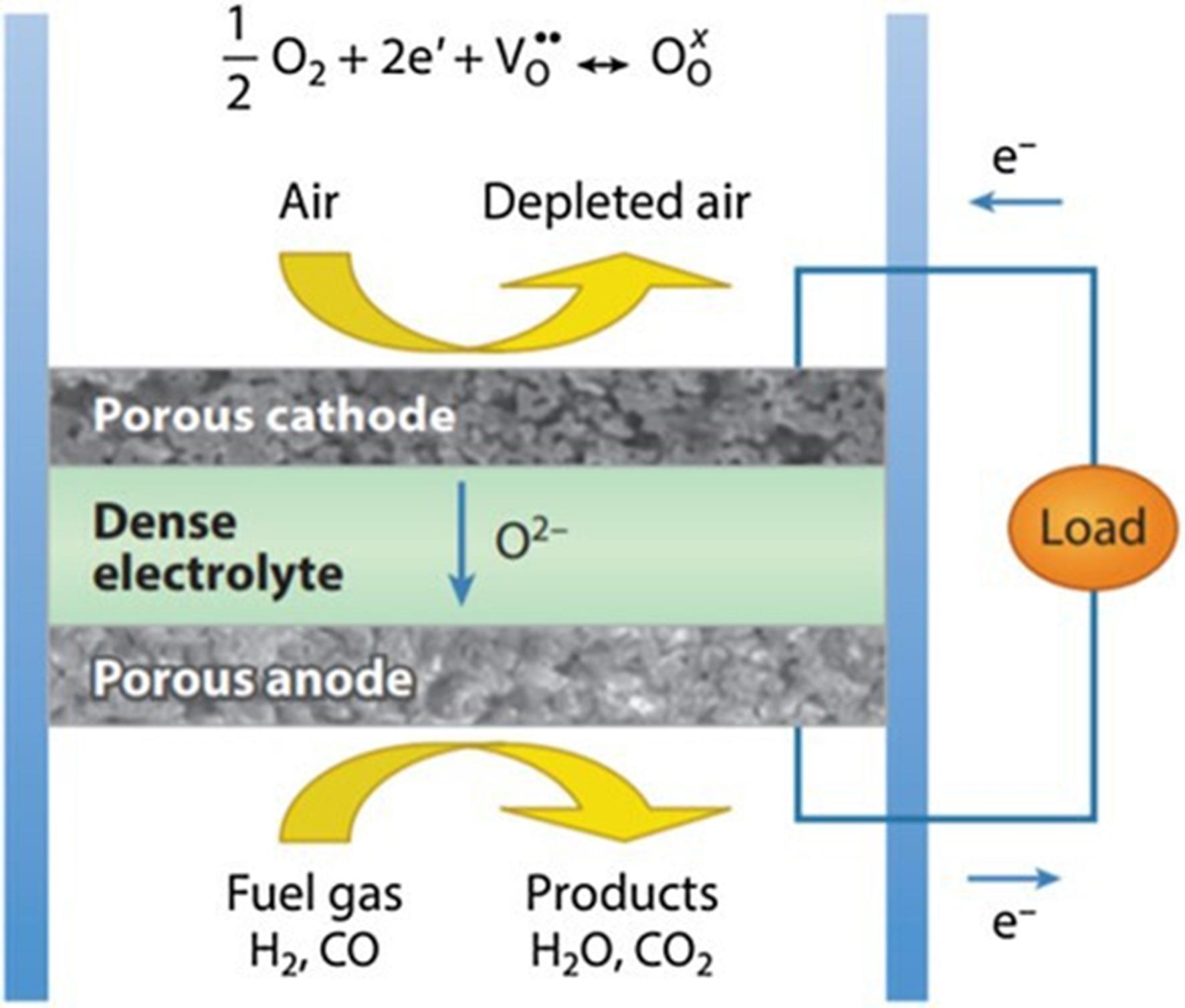
Figure 1. The illustration of operating principle of SOFC application (Reprinted from Ref.[4], Copyright of © 2019 John Wiley & Sons, Ltd). SOFC: Solid oxide fuel cell.
In the design of SOFC systems, researchers face multiple optimization challenges. At the material design level, the composition and microstructure of the electrode materials have a decisive impact on cell performance. In the stack design, it is necessary to balance electrochemical performance with mechanical strength, including optimizing the flow channel layout to improve gas distribution uniformity, designing sealing structures to reduce gas leakage, and designing thermal management to reduce thermal stress[8]. Traditional design methods, which rely heavily on empirical formulas and trial-and-error experiments, are not only inefficient but also fail to achieve global optimization. In recent years, although numerical methods such as computational fluid dynamics (CFD) and finite element analysis have improved design efficiency, they still face limitations such as high computational costs and convergence difficulties when dealing with multi-objective optimization problems.
Durability is a significant factor restricting the commercialization of SOFCs. The complex structure of SOFC systems renders multiple subsystems and components susceptible to performance deterioration. Considerable research efforts have been devoted to understanding the multifaceted degradation mechanisms during prolonged operation[9,10]. At the microscopic level, electrode material degradation phenomena such as Ni-based anode coarsening and cathode chromium poisoning lead to active site reduction[11,12]; mesoscale degradation mechanisms include interfacial delamination at electrode-electrolyte boundaries and seal failure-induced contact resistance augmentation[13]; macroscale degradation encompasses thermal stress-induced structural fracture[14] and current density-mediated fuel starvation[15]. Numerous mitigation strategies have been proposed, including development of novel functional materials[16,17], micro- and macro-scale cell engineering[18,19], optimized stack configurations[20,21], operational temperature reduction[22,23], and advanced fabrication technique[24,25]. However, the inherently complex, multi-scale, multi-physics nature of SOFC degradation necessitates resource-intensive long-term experimental characterization[26,27], presenting a significant bottleneck Simulation-based degradation diagnosis and prediction methodologies offer substantial advantages in cost reduction and preventive maintenance, representing a crucial enabler for SOFC commercialization. Current model-based approaches encompass lumped-parameter semi-empirical correlation[28], equivalent circuit model-derived electrical characteristics[29], physics-informed time-varying kinetics[30,31], and three-dimensional (3D) microstructure reconstruction[32,33]. While demonstrating efficacy for specific degradation modes, these conventional methods face fundamental limitations in addressing the interdependent electrochemical, thermomechanical, and mass transport degradation mechanisms characteristic of SOFCs. High-fidelity multi-physics coupling models incur prohibitive computational costs, while oversimplified representations fail to capture essential nonlinear degradation behaviors.
In recent years, the rapid development of machine learning (ML) technology has provided new opportunities to address the complex issues in SOFC failure analysis and performance prediction[34]. ML methods can automatically extract features from vast amounts of experimental or simulation data and establish non-linear mapping relationships between input parameters and output performance[35,36]. At the material design level, ML can accelerate the discovery and optimization of new functional materials[37]. At the structural design level, ML-assisted (MLA) multi-physics coupling analysis can rapidly evaluate the performance of different design schemes[38]. In terms of performance degradation diagnosis and prediction, ML can analyze vast amounts of experimental and operational data to establish complex mapping relationships between performance parameters and degradation mechanisms[39,40]. Compared with traditional physics-based models[41], data-driven methods have the advantages of high computational efficiency and strong adaptability, especially when dealing with complex systems involving multiple variables and scales. From micro-electrode material degradation to macro-stack system failures, ML technology is demonstrating its unique value in various aspects of SOFC research.
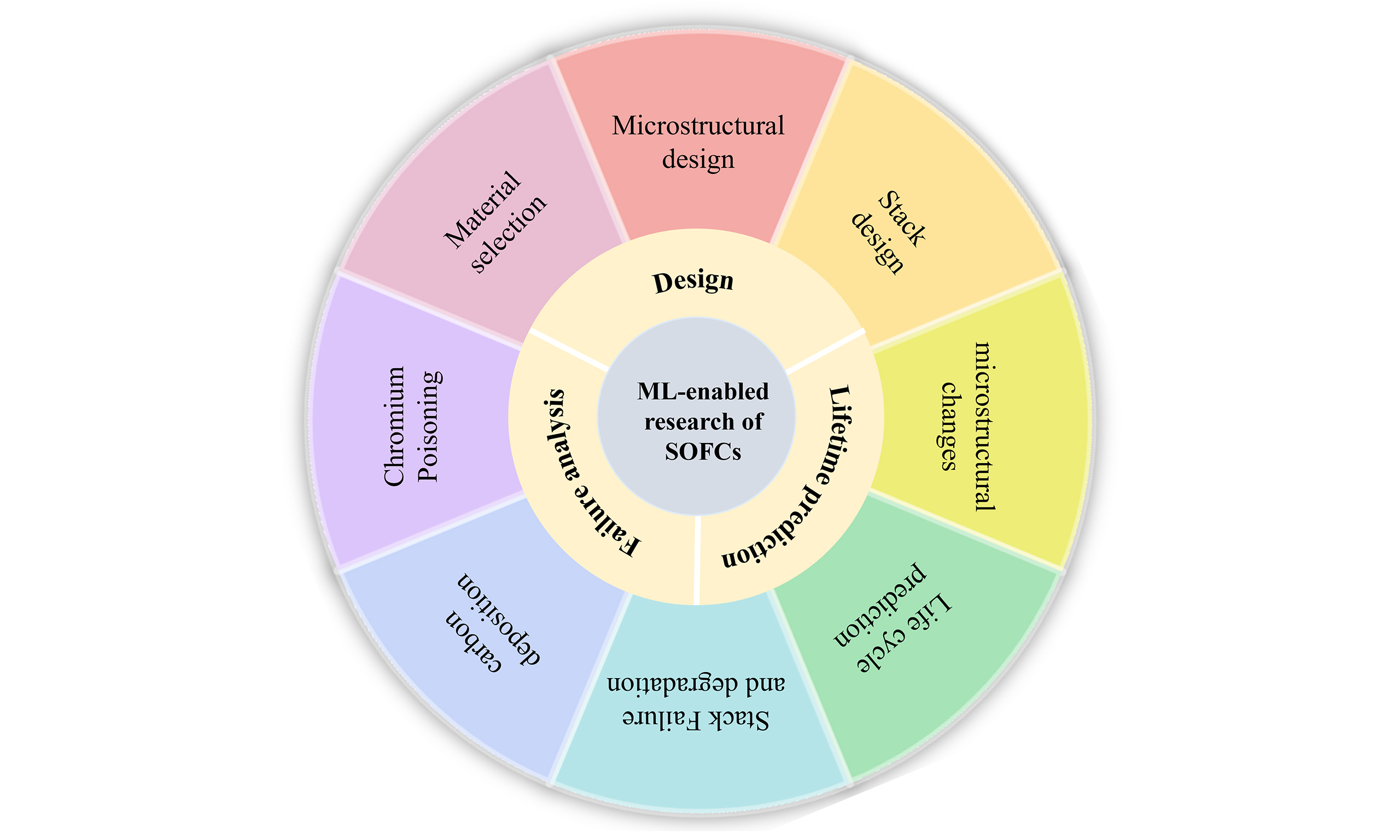
This work reviews the latest applications of ML in SOFC failure analysis and lifetime prediction. As shown in Figure 2, this review encompasses MLA material screening and discovery - ranging from perovskite cathodes to proton-conducting electrolytes - as well as microstructural and stack-level structural design enabled by surrogate modeling and multiphysics integration (Section “Application of ML in SOFC design optimization”). In the domain of electrode degradation, we examine ML-based diagnosis and prediction of cathode chromium poisoning, anode carbon deposition, and microstructural evolution such as Ni coarsening and phase transformation (Section “Electrode material degradation diagnosis and prediction”). At the stack system level, we analyze ML methods for fault diagnosis and degradation prediction addressing fuel starvation, air leakage, and thermal failure, alongside emerging efforts in SOFC lifetime prediction (Sections “Diagnosis and prediction of stack system degradation” and “SOFC lifetime prediction”). By integrating multiple cutting-edge research findings, this review aims to provide a comprehensive perspective on how ML empowers SOFC reliability research and to point out possible directions for future development. Advances in this field will not only promote the commercialization of SOFC technology but also provide valuable references for the lifetime prediction of other energy conversion and storage devices.
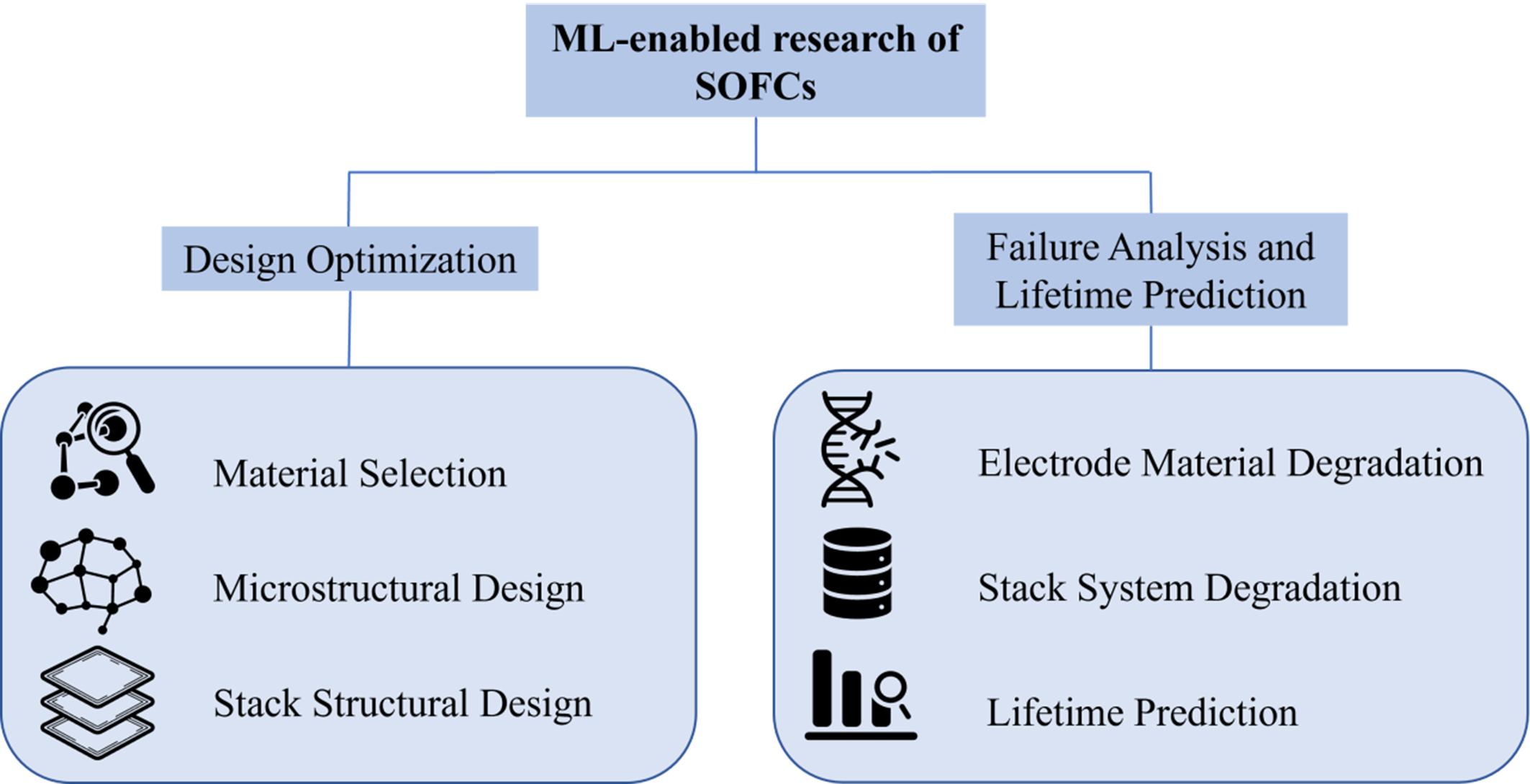
Figure 2. The main content of this review. SOFCs: Solid oxide fuel cells.
APPLICATION OF ML IN SOFC DESIGN OPTIMIZATION
The performance optimization of SOFCs involves complex multi-scale, multi-physics coupling problems, including material selection, microstructural design, and operational parameter control. Traditional experimental and computational methods (such as density functional theory, finite element simulation) are effective but often time-consuming and costly. In recent years, the rapid development ML technology has provided a new paradigm for SOFC design optimization. ML can extract key features from vast amounts of data, establish material performance prediction models, optimize microstructures, and achieve intelligent control of operational parameters. It has shown great potential in material screening, microstructural design, stack performance optimization, and operational control.
It is worth noting that the current MLA material screening efforts in SOFCs are predominantly concentrated on cathode and electrolyte materials, particularly perovskite-type oxides[42]. This imbalance reflects the fundamental differences in material development paradigms across SOFC components. Cathodes and electrolytes face vast compositional spaces (e.g., A/B-site co-doping in perovskites) and stringent multi-objective constraints (e.g., ORR activity, chemical stability, thermal expansion compatibility), making them ideal targets for high-throughput ML screening[7]. In contrast, the anode field has long been dominated by the Ni-YSZ cermet system, where research priorities have shifted from discovering entirely new materials to understanding and mitigating microstructural degradation mechanisms (e.g., Ni coarsening, carbon deposition, sulfur poisoning)[43]. Accordingly, ML applications in anodes are more frequently found in microstructure reconstruction, degradation diagnosis, and lifetime prediction (see Sections “Anode carbon deposition analysis” and “Prediction of anode microstructural evolution”), rather than in compositional screening. This distinction is consistent with broader trends in the SOFC ML literature.
Application of ML in material selection and microstructure design
Application of ML in material selection
Perovskite oxides (ABO3) are among the most widely studied cathode materials for SOFCs due to their high electronic and ionic conductivity. ML methods have been extensively applied to accelerate the screening of perovskite compositions with targeted electrochemical properties.
Jacobs et al. developed a ML model based on simple elemental features using random forest (RF) to predict key catalytic properties of perovskites, such as oxygen surface exchange rates, oxygen diffusion rates, and area-specific resistance (ASR)[42]. The method is shown in Figure 3. The model accurately forecasts ASR with temperature-dependent capabilities and, through temporal validation, demonstrated the ability to identify promising materials like Ba0.5Sr0.5Co0.8Fe0.2O3 (BSCF)[44] years before their experimental discovery. Screening over 19 million compositions revealed several novel, low-cost perovskite candidates containing K, Bi, Y, Ni, and Cu that are predicted to outperform current benchmark materials at reduced temperatures. Zhai et al. proposed a novel method combining the ionic Lewis acid strength (ISA) descriptor with ML to predict efficient ORR electrode materials[45]. Using an artificial neural network trained on ASR data from 85 perovskite oxides, they screened 6,871 compositions and identified four low-ASR candidates, all experimentally confirmed. Among them, Sr0.9Cs0.1Co0.9Nb0.1O3 (SCCN) achieved an ASR of 0.0101 Ω·cm2, closely matching prediction. Density functional theory (DFT) revealed that ISA polarization optimizes electronic structure and reduces oxygen vacancy formation and migration barriers[45].
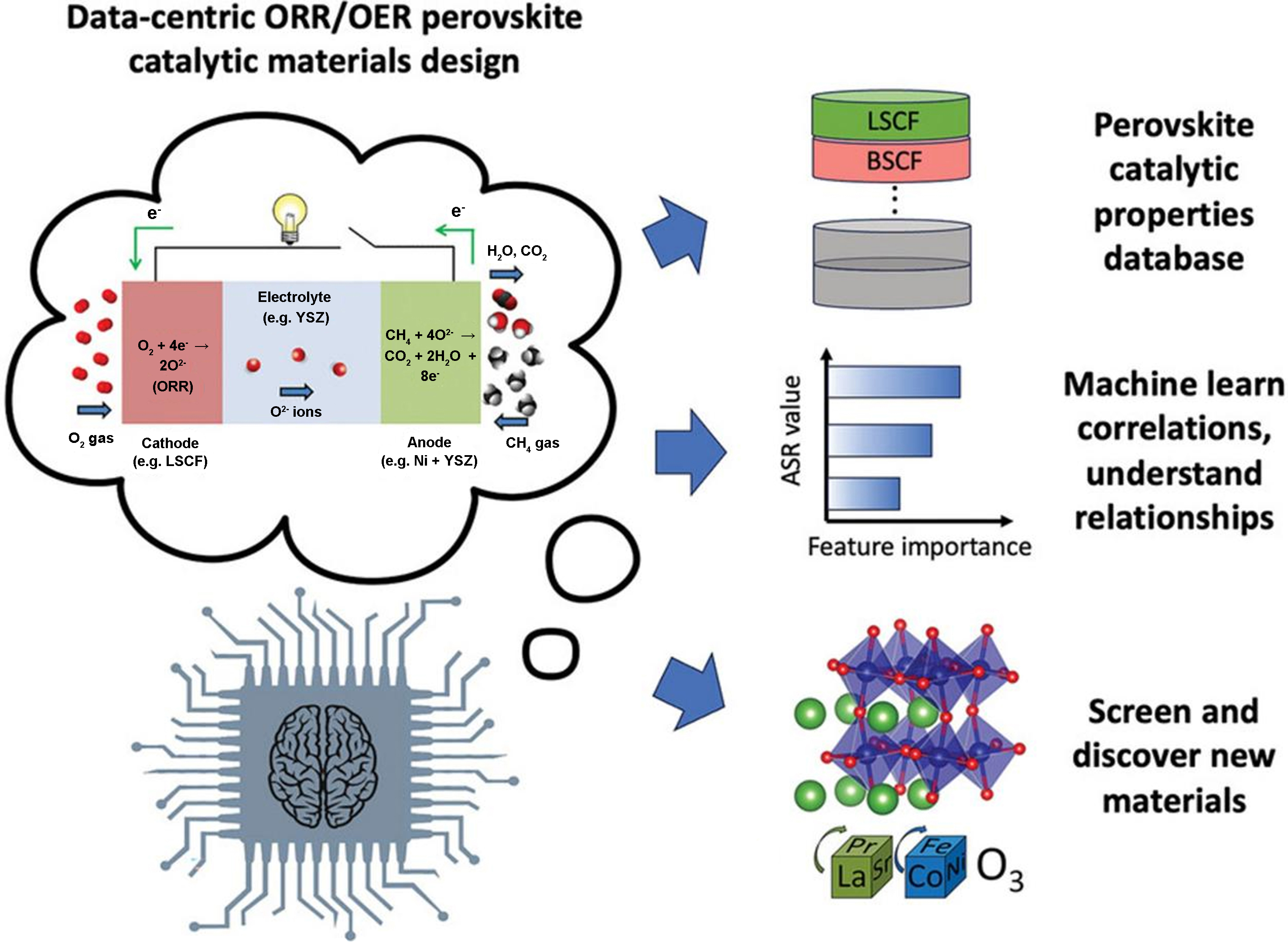
Figure 3. Schematic outline of using data-centric ML approaches for predicting catalytic properties (Reprinted from Ref.[42] under open access license of CC BY 4.0). ML: Machine learning; ORR: oxygen reduction reaction; OER: oxygen evolution reaction; YSZ: yttria-stabilized zirconia; LSCF: lanthanum strontium cobalt ferrite; BSCF: Ba0.5Sr0.5Co0.8Fe0.2O3; ASR: area-specific resistance.
H-SOFC has gained significant attention in recent years due to its ability to operate at lower temperatures. Numerous studies also have employed AI to screen electrolytes and electrodes for H-SOFC applications. Wang et al. employed a RF model to predict the hydrated proton concentration (HPC) of 3,200 perovskite oxides as a descriptor for evaluating their proton conduction capability[46]. By analyzing the prediction results, they identified key factors influencing HPC, such as cation radius, tolerance factor, and melting point[47], and established guidelines for rapidly and accurately designing efficient proton-electron mixed conducting oxides. Based on the prediction results, (La0.7Ca0.3)(Co0.8Ni0.2)O3 (LCCN7382) was selected as a potential high-performance air electrode material. Experimental results showed that LCCN7382’s HPC was highly consistent with the predicted value, with current density in electrolysis mode (1,420 mA·cm-2 at
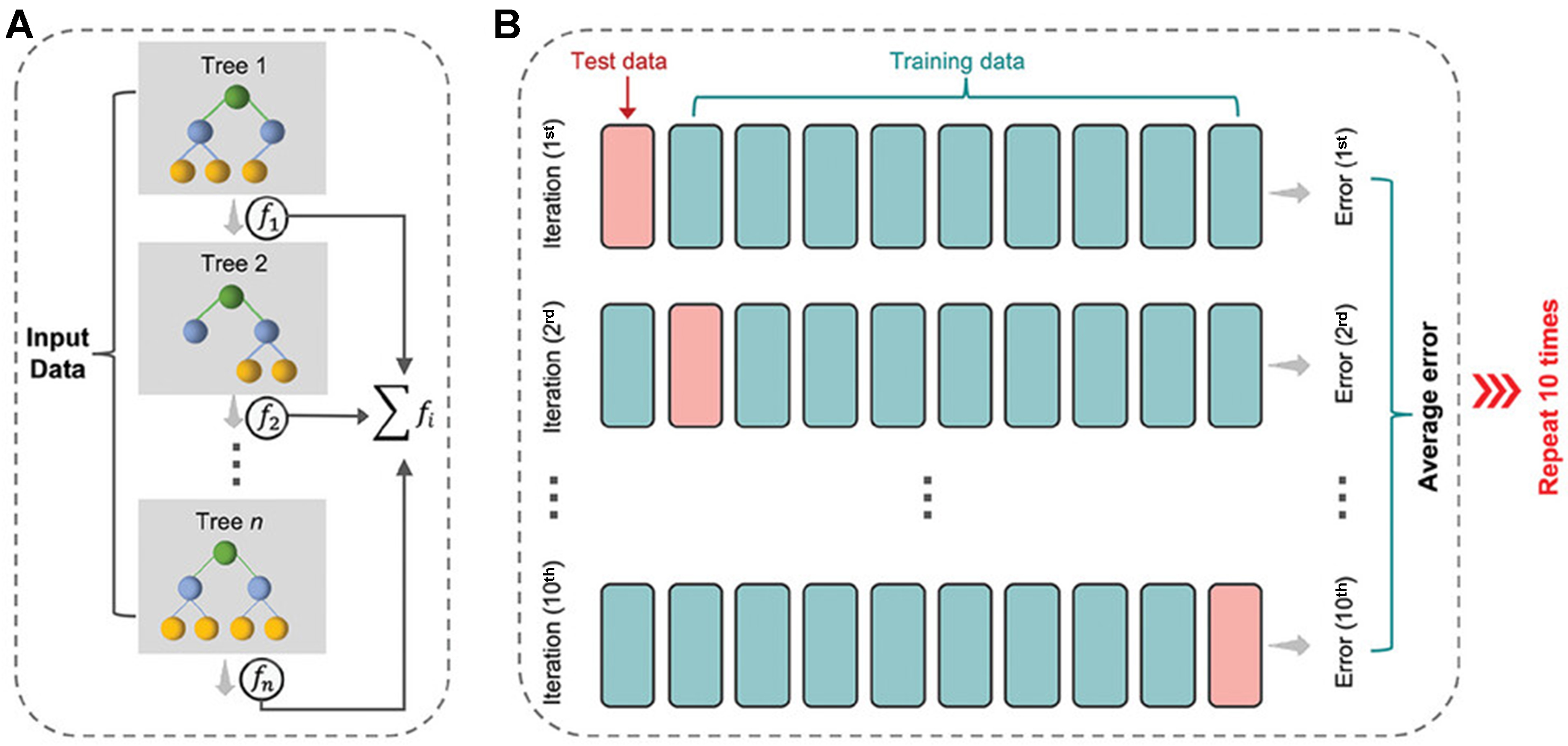
Figure 4. XGBoost algorithm for the ML model. (A) The general architecture of XGBoost algorithm, where fi (i = 1, 2, …, n) is the sub-output corresponding to each decision tree. The latter tree model is a correction of prediction errors of the previous models; (B) The repeated 10-fold cross validation (Reprinted from Ref.[49], Copyright of © 2025 Wiley‐VCH GmbH). XGBoost: Extreme gradient boosting; ML: machine learning.
Microstructural design of SOFC materials
In addition to material composition, the microstructure (such as porosity, grain size, and triphase boundary distribution) significantly impacts SOFC performance. Traditional experimental methods are inefficient in optimizing complex microstructures, whereas ML can combine generative models and multiphysics simulations to achieve intelligent design.
Niu et al. proposed a novel deep learning framework called “π learning” [Figure 5] for the microstructural design of high-performance porous electrodes, aiming to generate and optimize electrode microstructures based on electrochemical performance (e.g., the relationship between current density and overpotential)[50]. The authors combined generative adversarial networks (GANs), convolutional neural networks (CNNs), and multiphysics models to construct the π learning framework. This framework incorporates physical features (such as structural connectivity and active triphase boundary length) during the generation process to guide the creation of microstructures and utilizes experimentally validated multiphysics models to calculate current density as training data labels. The study validated the framework under two strategies: forward design (finding the optimal structure) and inverse design (generating structures with specific performance). Results showed that π learning could successfully generate microstructures close to the target performance and achieve user-specified current density distributions in inverse design. In forward design, combined with the Particle Swarm Optimization algorithm, the framework identified the globally optimal electrode microstructure with the highest current density. Additionally, the study revealed key physical features for optimizing electrodes, such as the impact of porosity and YSZ phase fraction on performance and the importance of the triphase boundary proportion. Peng and Xu employed ML methods to investigate the impact of polycrystalline microstructures on the ionic conductivity of ceramic electrolytes[51]. They first used the finite element homogenization method to numerically simulate polycrystalline microstructure samples with different grain and grain boundary characteristics, systematically analyzing the effects of grain size, orientation, and grain boundary conductivity on macroscopic ionic conductivity. Based on these findings, they constructed and trained a graph neural network (GNN)-based ML model capable of accurately predicting the effective ionic conductivity of given polycrystalline microstructures. The results indicated that increasing grain size or enhancing grain boundary conductivity could effectively improve ionic conductivity. Moreover, optimizing the distribution of grain orientation and grain boundary conductivity to form conductive pathways further enhanced ionic conductivity.
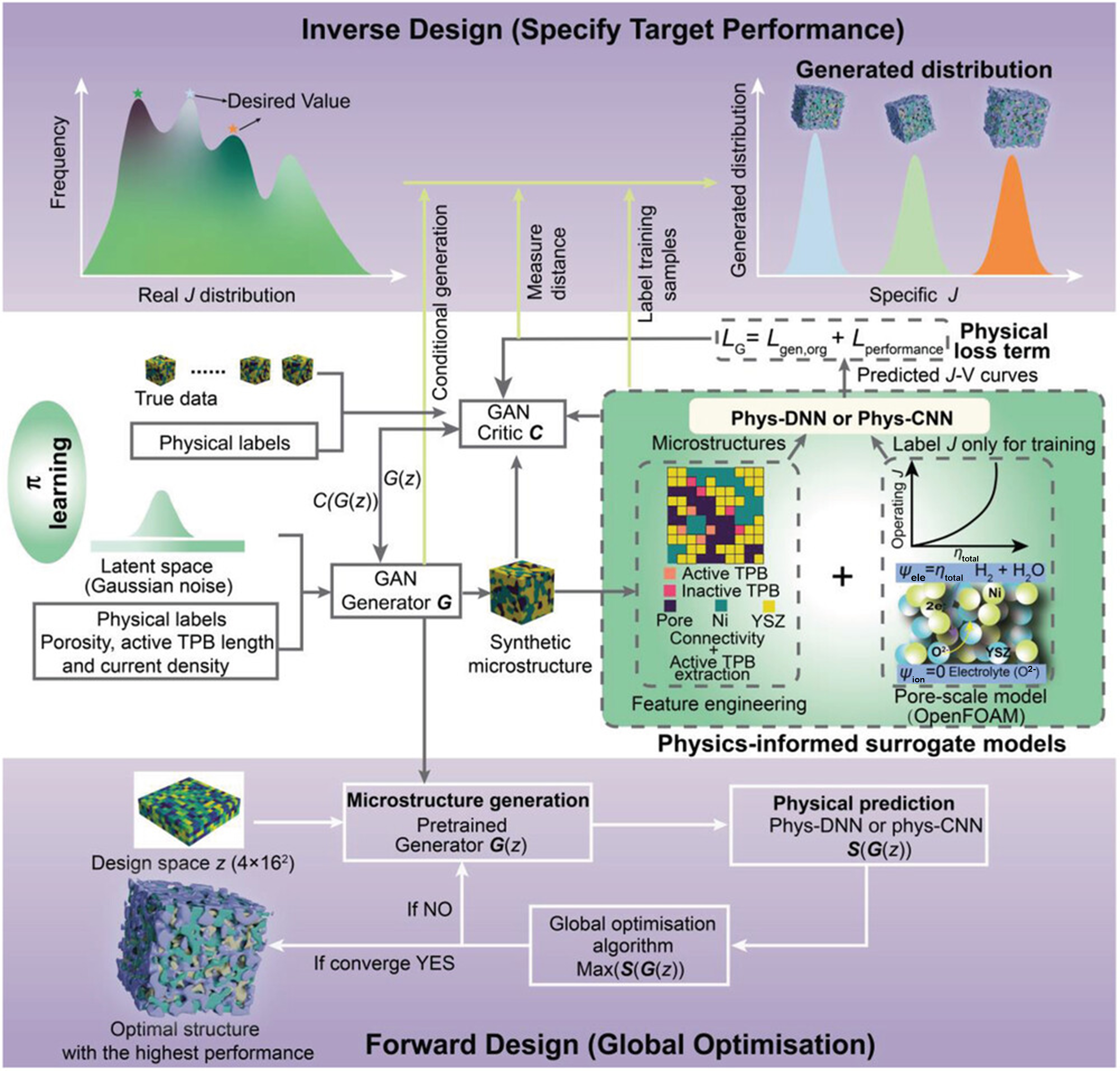
Figure 5. The overall architecture of π learning which consists of three modules (Reprinted from Ref.[50] under open access license of CC BY 4.0). TPB: Triple phase boundary; GAN: generative adversarial network; DNN: deep neural network; CNN: convolutional neural network; YSZ: yttria-stabilized zirconia.
Application of ML in stack structural design
Xiong et al. investigated the 3D multiphysics modeling and structural optimization of large-scale SOFC stacks and stack towers[38]. Their research included the development of a two-step coupled method based on backpropagation (BP) neural networks (surrogate mapping model) to simulate large-scale SOFC stacks and compare its accuracy and computational resource requirements with traditional fully coupled model. During the study, the authors simulated 50-unit and 150-unit planar SOFC stacks and towers, optimizing structural parameters such as flow channels, manifolds, and buffer zones to improve fluid distribution uniformity and reduce temperature gradients. The results showed that compared to the 50-unit stack, the fuel distribution uniformity of the 150-unit stack tower decreased by over 30%, leading to significant deterioration in voltage and temperature distribution. By optimizing the size of the manifolds and buffer zones in the stack tower, better fluid and voltage distribution uniformity was achieved, along with reduced temperature gradients. Additionally, the study compared the performance of co-flow and counter-flow stacks, finding that although the counter-flow stack had slightly higher voltage, its temperature gradient increased significantly, potentially causing thermal stress issues. Ultimately, the optimized stack tower structure maintained good fluid distribution while significantly reducing the maximum temperature difference, enhancing the performance and thermal management capabilities of the SOFC system.
APPLICATION OF ML IN FAILURE ANALYSIS AND LIFETIME PREDICTION
Electrode material degradation diagnosis and prediction
Cathode chromium poisoning diagnosis and prediction
Stainless steel is the most commonly used material for commercial interconnects in SOFCs due to its low cost and moderate durability. During high-temperature and long-term operation, chromium released from interconnect materials can contaminate the SOFC cathode, severely slowing the ORR and leading to performance degradation, a phenomenon known as chromium poisoning. Yang et al. employed a deep distribution of relaxation times (Deep-DRT) method to evaluate and predict the impact of chromium poisoning and the electrochemical performance degradation of SrFe0.75M0.25O3-δ (SFMO) (M = Co, Fe, Mn, Mo, Nb, Ni) SOFC cathode materials[52]. The study used symmetric cells with SFMO electrodes fabricated on both sides of a La0.8Sr0.2Ga0.83Mg0.17O3-δ (LSGM) electrolyte, conducting chromium poisoning experiments at 700, 750, and 800 °C for 96 h. The measured electrochemical impedance spectroscopy (EIS) data were used as input for training and validating the Deep-DRT model. A set of EIS records for SrFe0.75Co0.25O3-δ (SFCO) at 700 °C for 156 h demonstrated the outstanding accuracy of the MLA method in predicting long-term degradation. Furthermore, the degradation mechanism of SFCO material was analyzed using the predicted DRT, with results consistent with X-ray diffraction (XRD) and scanning electron microscopy (SEM) characterizations. This study showed that the Deep-DRT-based ML method can efficiently and accurately predict the long-term degradation performance and even the degradation mechanisms of SOFC cathode materials.
Anode carbon deposition analysis
When using carbon-containing fuels (e.g., natural gas, biogas), Ni-YSZ anodes may experience carbon deposition, known as coking. If the steam-to-carbon ratio falls below a critical value, carbon forms on the Ni catalyst surface, covering active triple-phase boundaries and reducing electrochemical performance[53]. 3D reconstruction of SOFC electrodes is highly valuable for understanding the relationship between electrochemical performance and microstructural degradation. However, traditional focused ion beam-scanning electron microscopy (FIB-SEM) methods struggle with phase separation. Sciazko et al. proposed a ML-based 3D reconstruction method combining patch-based CNNs[43]. This approach eliminates the need for resin infiltration of porous samples and enables quantitative microstructural characterization of carbon-deposited Ni-YSZ anodes. The study first observed significant microstructural changes in Ni-YSZ anodes exposed to methane, achieving precise 3D visualization of formed carbon layers and nickel particles. Post-quantitative analysis revealed that under mild conditions, carbon deposition was uniform along the electrode thickness, reducing porosity without completely blocking pores. Instead, it disrupted connections between individual Ni and YSZ grains, causing electrode volume expansion. Under extreme conditions, significant changes in Ni grain size and roughness were observed, with numerous nano-Ni particles found in the carbon layers, indicating metal dusting in high-carbon-activity environments. Mild carbon deposition did not affect active triple-phase boundaries, aligning with performance recovery after carbon removal via humidified hydrogen. Severe coking, however, damaged solid-phase percolation, reducing active reaction sites and causing severe structural and performance degradation. Lyu et al. also used ML to assist in 3D reconstruction and quantitative analysis of carbon deposition in SOFC anodes[54]. The study employed FIB-SEM to obtain high-resolution images of SOFC anodes after carbon deposition, then used CNNs to segment the images, distinguishing phases such as Ni, YSZ, carbon, and pores, as shown in Figure 6. This process significantly improved segmentation accuracy and efficiency, enabling precise identification of carbon deposition locations and morphologies. Based on the segmented images, 3D reconstruction was performed to analyze the impact of carbon deposition on anode microstructures, including changes in porosity, connectivity, tortuosity, and the microstructures of Ni and YSZ phases. These analyses provided critical microstructural insights into how carbon deposition affects SOFC performance and supported future designs of more carbon-resistant SOFC anodes.
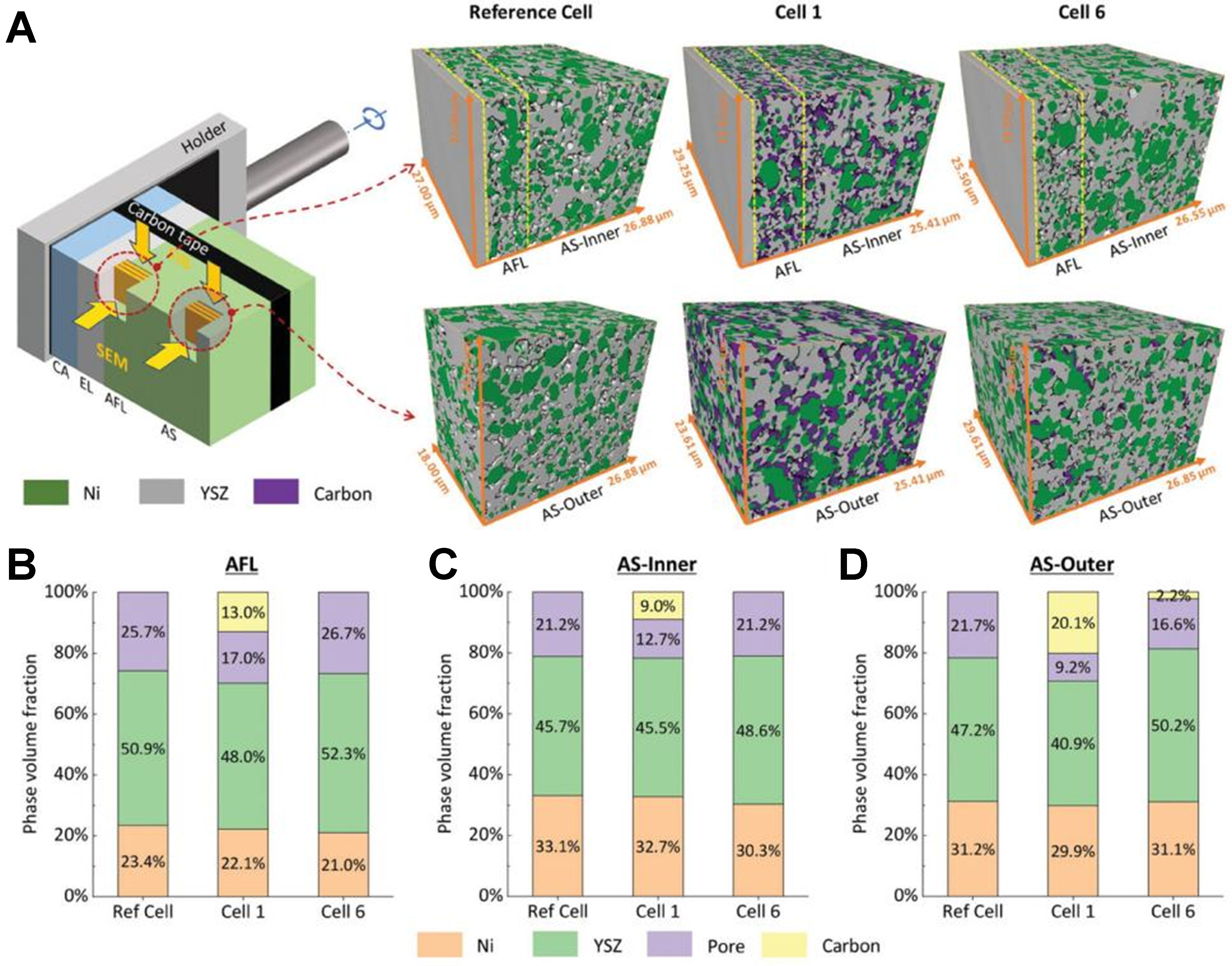
Figure 6. (A) Illustration of continuous slicing and imaging using orthogonal FIB-SEM, along with the 3D reconstructed volumes of the reference cell; Volume fractions of Ni, YSZ, pore, and carbon phases in the three cells are shown for (B) AFL, (C) AS-Inner, and (D) AS-Outer (Reprinted from Ref.[54] under open access license of CC BY-NC 4.0). FIB-SEM: Focused ion beam-scanning electron microscopy; 3D: three-dimensional; YSZ: yttria-stabilized zirconia; AFL: anode functional layer; AS: anode support; CA: cathode; EL: electrode.
Prediction of anode microstructural evolution
Beyond carbon deposition, SOFC operation can also involve nickel agglomeration and migration[55,56], nickel oxidation and reduction[57], ceramic scaffold cracking[58], phase separation[59], and poisoning by impurities like sulfur[60]. Sciazko et al. proposed a ML framework to predict microstructural evolution in SOFC electrodes[61]. The study used a physics-constrained unsupervised image-to-image translation network (UNIT) to predict nickel oxide reduction processes in Ni-based SOFC anodes. By incorporating physical constraints (e.g., fixed YSZ and GDC skeletons during reduction), the network’s predictive capability was enhanced. Results showed that the UNIT network could predict real-sample microstructural changes with high visual and statistical consistency, even with limited and unpaired training data. Additionally, the conditional UNIT (C-UNIT) network could predict microstructural changes based on reduction temperature and time, providing a powerful tool for studying SOFC electrode microstructural evolution. This method is applicable not only to NiO reduction but also to other degradation-related microstructural changes, such as nickel migration and carbon deposition, offering new perspectives for SOFC performance optimization and lifetime prediction.
Pawłowski et al. used electron tomography and topological data analysis (TDA) to study microstructural evolution in SOFC anodes after long-term operation[62]. The study employed FIB-SEM to obtain 3D reconstructions of anodes before and after aging, then used persistent homology (PH) to generate persistence diagrams (PDs) quantifying topological feature changes. The study analyzed degradation mechanisms in Ni, pore, and YSZ phases and validated the method’s sensitivity using synthetic microstructures. Results demonstrated that TDA effectively captured microstructural degradation trends, particularly Ni coarsening and pore connectivity changes, offering new insights into SOFC performance degradation. The study also proposed combining PDs with deep learning to further optimize fuel cell performance prediction.
Diagnosis and prediction of stack system degradation
Stack fault diagnosis
Early fault detection and diagnosis in SOFCs can prevent further damage, extend stack lifespan, reduce unexpected downtime, and improve overall system efficiency.
Zheng et al. proposed a data-driven fault diagnosis method based on principal component analysis (PCA) and support vector machine (SVM) for real-time detection of air leakage and fuel starvation in SOFC systems[63]. The research team targeted two common fault types in SOFC systems: air leakage and fuel starvation. They collected a large amount of data (approximately 70,000 data sets) from an experimental platform, combined with prior knowledge and statistical feature extraction to develop an online fault diagnosis model. The results showed that this method could effectively identify air leakage and fuel starvation faults in real-time, with an overall classification accuracy of 93.04% and an area under curve (AUC) value as high as 0.997. Compared with traditional ML methods (such as artificial neural networks and RFs), this method exhibited superior performance in prediction accuracy and generalization ability. Le et al. developed a simulation-informed ML algorithm for SOFC system fault diagnosis[64]. The study used a physical model to simulate EIS responses of an SOFC short stack under normal conditions and three fault modes (uneven fuel distribution, delamination, and oxidant gas leakage), then trained a SVM model with this data. Results showed that different fault modes affected EIS differently: uneven fuel distribution primarily impacted low-frequency gas conversion impedance; delamination increased ohmic and electrode activation impedance; oxidant gas leakage had a smaller but detectable effect on EIS. The SVM model accurately detected and distinguished these faults, demonstrating the potential of EIS as an SOFC fault diagnosis tool. Wu et al. proposed a novel hybrid modeling method for kilowatt-scale SOFC distributed generation systems, using parameters like stack temperature, burner temperature, system efficiency, and current density to assess multi-fault degradation fusion[65]. The method combined first principles, ML [radial basis function (RBF) neural networks], and multi-modal classification algorithms to build a high-precision dynamic tracking model. The study analyzed the thermal and electrical performance of SOFC stacks and key balance-of-plant components (e.g., burners, heat exchangers, reformers) and validated the model experimentally. Results showed the hybrid model could track system operation trends and identify four typical fault types (heat exchanger rupture, reformer degradation, burner airflow imbalance, and stack degradation), enabling fault severity analysis via multi-modal classification. This provides critical guidance for real-time SOFC system state assessment and efficiency optimization.
In practice, multiple faults often occur simultaneously[66]. Accurately predicting fault types can optimize control measures, mitigate performance degradation, and enhance SOFC system reliability and durability. Zhang et al. proposed a deep learning-based intelligent simultaneous fault diagnosis method for SOFC systems, addressing air leakage, fuel leakage, and burner exhaust leakage[67]. The study used stacked sparse autoencoders (SSAEs) for automatic feature extraction and combined them with K-binary classifiers to build a deep neural network (DNN) for diagnosing concurrent fault. Experimental data validated the SSAE model’s effectiveness, outperforming traditional methods (e.g., SVM and PCA-SVM). The method achieved 79.94% accuracy and an F1-score near 90%, demonstrating its potential for real-time SOFC fault monitoring.
Stack degradation prediction
Fault prediction in stacks can provide early warnings, prevent performance degradation and safety incidents, and integrate with adaptive control systems for intelligent operation[68].
Fuel starvation occurs when fuel consumption outpaces supply[15], leading to nickel oxidation and cell damage[69]. Ghorbani et al. developed a ML-based virtual hydrogen sensor to detect and quantify the severity of hydrogen starvation in SOFCs[70]. The study generated nearly 500,000 operational data points using a pseudo-2D numerical model with nine input parameters. Data were randomly split into training and testing sets to evaluate four binary classifiers [K-nearest neighbors (KNN), artificial neural network (ANN), naive Bayes, and logistic regression] and an ANN regression model. Results showed KNN and ANN outperformed others in classification (F1-scores > 0.97), while ANN regression achieved 97.5% accuracy in estimating fuel shortage severity. Experimental validation confirmed the sensor’s effectiveness, offering a new tool for online SOFC monitoring and fault diagnosis.
Ba et al. introduced an ANN-based multi-physics, multi-dimensional model for predicting thermal failure in SOFC stacks[71]. The study used a unit cell model covering all SOFC physical processes to generate training data for a BP neural network, which replaced complex nonlinear multi-physics equations to rapidly calculate mass and energy source terms in stack model. Comparisons with single-cell tests and 30-layer stack experiments showed high accuracy (~±2% error) and robustness. The model revealed significant temperature distribution differences under various operating conditions, potentially causing thermal stress concentration and failure. It also captured dynamic thermal responses, with electrical, gas composition, and temperature response times of seconds, tens of seconds, and hundreds of seconds, respectively. These findings provide theoretical and practical guidance for real-time thermal failure prediction in SOFC stacks using AI.
Lyu et al. combined long short-term memory (LSTM) networks with dynamic electrochemical impedance spectroscopy (DEIS) to predict SOFC performance degradatio[72]. The study used over 5,000 h of continuous operation data from an industrial-sized SOFC, including 47 current-voltage (IV) curves and 188 EIS spectra. Preprocessing reduced noise and improved model robustness. The LSTM network trained on historical data predicted future IV curves and EIS spectra with > 0.99 accuracy for short-term (hundreds of hours) predictions, showing strong diagnostic potential. For long-term (thousands of hours) predictions, DEIS analysis quantified degradation mechanisms, identifying their relative importance for durability improvement. The method’s effectiveness in both time and frequency domains could reduce EIS testing time by over 50%, offering robust support for SOFC lifetime prediction.
Wu et al. established data-driven models to predict macro-performance degradation[73]. Multiple linear regression (MLR) analyzed linear relationships between parameters (operating time, burner temperature, stack temperature, current, load power) and stack voltage. RBF and BP neural networks modeled nonlinear dynamics, with genetic algorithms optimizing BP initial weights and thresholds (GA-BP model). The study also incorporated abnormal shutdown frequency and duration into the model. Results showed the GA-BP model outperformed others, with the lowest mean absolute error (MAE), root mean square error (RMSE), and highest R2. Including shutdown factors reduced prediction errors by 68.47%, highlighting significant performance improvements.
SOFC lifetime prediction
Compared to performance degradation prediction, SOFC lifetime prediction faces greater challenges. SOFC degradation involves complex multi-physics coupling (electrochemical reactions, gas diffusion, heat transfer, mechanical stress), and microstructural changes (e.g., Ni coarsening and migration) affect performance, but their macro-performance relationships remain unclear. Data acquisition and experimental validation are difficult due to high long-term testing costs and limited data, which often cover specific conditions, restricting model generalization. Additionally, multi-scale modeling and dynamic behavior simulations pose high computational complexity. Padinjarethil et al. used ML to analyze 2,135 SOFC test datasets from the Technical University of Denmark spanning 20 years, covering various modes (fuel cell, electrolysis, reversible operation), materials, and test conditions[39]. The method is shown in Figure 7. Data visualization, correlation analysis, and linear regression techniques assessed parameter impacts on degradation. Results showed weak correlations (e.g., current density and fuel humidity with degradation) were statistically insignificant (correlation coefficients < 0.5). Larger datasets revealed that spurious correlations diminished while physically meaningful ones persisted. The study highlighted complex parameter interactions, such as the inverse correlation between current density and initial voltage. Accurate lifetime prediction and accelerated degradation testing require more data and advanced nonlinear models.
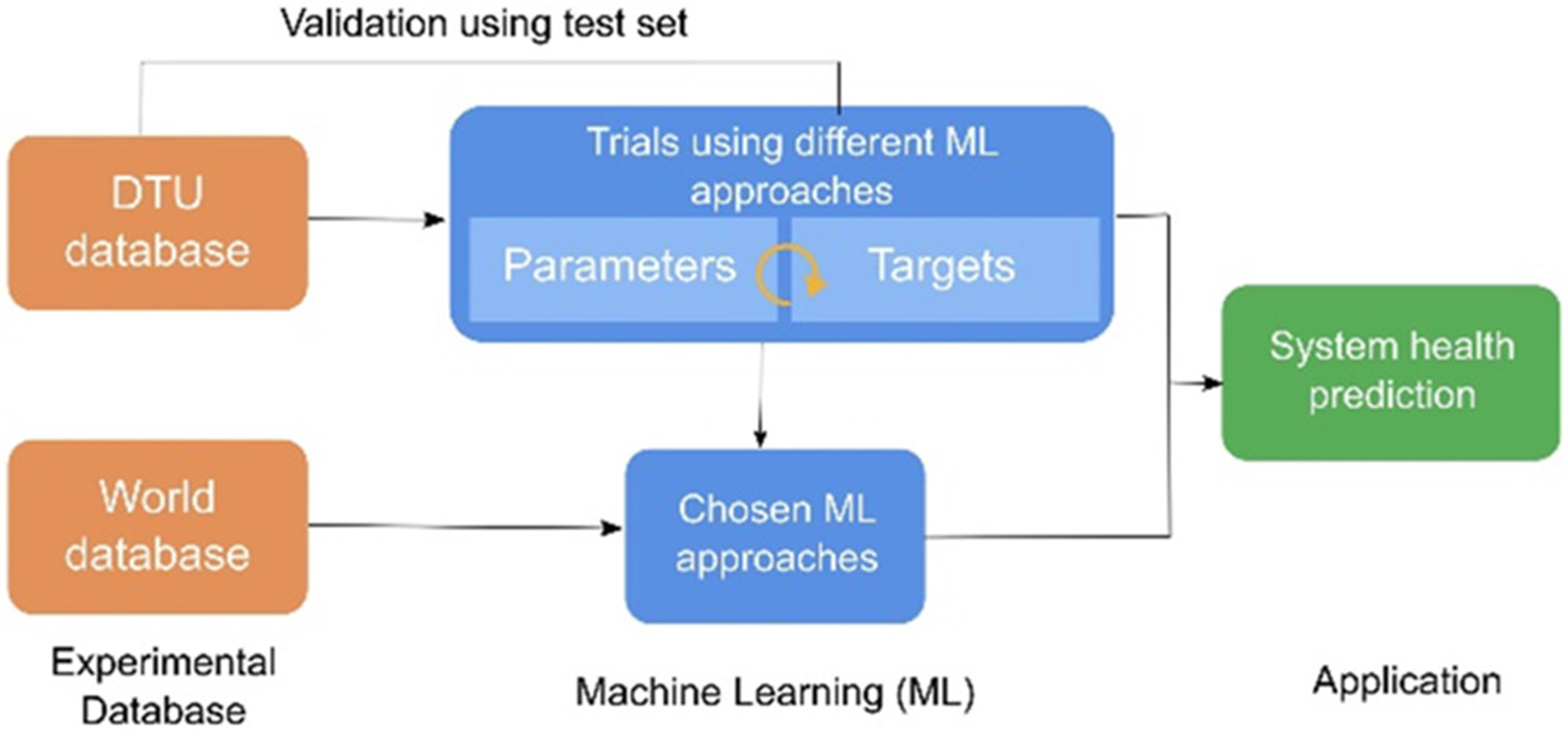
Figure 7. Method for predicting SOFC lifetime (Reprinted from Ref.[39], Copyright of © 2021 Wiley‐VCH GmbH). SOFC: Solid oxide fuel cell; DTU: Technical University of Denmark; ML: machine learning.
CONCLUSION
In summary, this review systematically examines the recent progress in applying ML to the design optimization, failure diagnosis, and lifetime prediction of SOFCs. By highlighting key advancements in material discovery, microstructural engineering, stack design, and degradation analysis, it underscores the transformative potential of ML in addressing longstanding challenges in SOFC development. The purpose of this review is to provide a comprehensive overview of current ML methodologies and their applications, thereby offering a reference for researchers aiming to integrate data-driven approaches into SOFC reliability and performance studies.
In terms of design optimization, ML has shown significant advantages in material selection, microstructural design, and stack structural design. Through ML models, researchers can rapidly screen out promising candidate materials from a vast pool of perovskite materials, significantly enhancing material design efficiency. In microstructural design, ML combined with multiphysics models has successfully optimized key parameters such as electrode porosity and grain size, further improving SOFC performance. Additionally, in stack structural design, ML methods have effectively improved gas distribution uniformity and thermal management capabilities by optimizing flow channel layouts, manifold, and buffer zone sizes, providing strong support for the efficient operation of SOFC systems.
In failure analysis and lifetime prediction, ML technology has also played an important role. Regarding electrode material degradation issues, such as cathode chromium poisoning, anode carbon deposition, and nickel particle coarsening, ML models can establish complex mapping relationships between performance parameters and degradation mechanisms by analyzing experimental or simulation data, enabling accurate diagnosis and prediction of degradation processes. At the stack system level, ML methods can not only monitor and diagnose various fault types in real-time but also predict the timing and severity of faults, providing a scientific basis for system maintenance and optimization. Moreover, ML has been applied to SOFC lifetime prediction research. Although challenges such as data acquisition difficulties and model complexity still exist, existing studies have shown that ML technology can provide valuable references for SOFC lifetime assessment.
However, several systemic challenges must be addressed to fully realize the potential of ML in SOFC research. Data scarcity - especially the lack of standardized, openly accessible datasets on long-term degradation and failure - remains the primary bottleneck. Unlike fields such as pharmaceuticals or image recognition, SOFC research lacks large-scale, community-shared databases, which hinders model reproducibility and benchmarking. In addition, model generalizability is often limited by narrow training domains; models trained on specific materials or operating conditions frequently fail to extrapolate to new chemistries or stack designs. This calls for the development of transfer learning and domain adaptation techniques tailored to materials science. Further, the deployment of ML models in SOFC systems faces practical challenges, including interpretability constraints, real-time inference requirements, and integration with existing control hardware. Addressing these challenges will require closer collaboration between materials scientists, data scientists, and system engineers, as well as a cultural shift toward open science and data sharing within the SOFC community. From a materials informatics standpoint, the future of SOFC reliability research lies not in replacing physical models with black-box predictors, but in building hybrid frameworks that embed domain knowledge into data-driven architectures - thereby achieving both predictive accuracy and physical consistency.
Advances in in-situ/real-time characterization and data accumulation will strengthen ML’s role in SOFC health management. Explainable AI (XAI)[74] methods can improve model transparency and trustworthiness. Digital twin technology[75] may enable full lifecycle optimization of SOFC systems from design to maintenance. Combining these advancements with traditional experimental and theoretical approaches will drive SOFC technology toward higher efficiency, longer lifespan, and broader applications, accelerating commercialization.
DECLARATIONS
Authors’ contributions
Conceptualization, investigation, writing - original draft: Kang, S.
Investigation, writing - review and editing: Cui, Y.
Investigation: Miao, B.
Supervision, project administration, funding acquisition: Deng, Z.
Resources: Zhang, X.; Li, H.; Zhong, H.; Liu, S.
Investigation: Zhou, Y.
Supervision: Chan, S. H.; Zhong, Z.
Supervision, conceptualization, writing - review and editing, funding acquisition: Pan, Z.
All authors read and approved the final manuscript.
Availability of data and materials
Not applicable.
AI and AI-assisted tools statement
During the preparation of this manuscript, the AI tool DeepSeek (DeepSeek-V3.2, released December 1st, 2025) was used solely for language editing. The tool did not influence the study design, data collection, analysis, interpretation, or the scientific content of the work. All authors take full responsibility for the accuracy, integrity, and final content of the manuscript.
Financial support and sponsorship
This work was supported by the National Important Research Program of China (2023YFF061380402), Guangdong Basic and Applied Basic Research Foundation (2025A1515010456), Science, Technology and Innovation Commission of Shenzhen Municipality, China (JCYJ20241202123505008), and the Development and Reform Commission of Shenzhen Municipality (XMHT20220103004, XMHT20230108020).
Conflicts of interest
Zhou, Y. is affiliated with Qingpeng Hydrogen Technology (Shenzhen) Co., Ltd. The other authors declare no conflicts of interest.
Ethical approval and consent to participate
Not applicable.
Consent for publication
Not applicable.
Copyright
© The Author(s) 2026.
REFERENCES
1. Park, S.; Vohs, J. M.; Gorte, R. J. Direct oxidation of hydrocarbons in a solid-oxide fuel cell. Nature 2000, 404, 265-7.
2. Duan, C.; Kee, R.; Zhu, H.; et al. Highly efficient reversible protonic ceramic electrochemical cells for power generation and fuel production. Nat. Energy. 2019, 4, 230-40.
3. Wachsman, E. D.; Lee, K. T. Lowering the temperature of solid oxide fuel cells. Science 2011, 334, 935-9.
4. Zakaria, Z.; Awang Mat, Z.; Abu Hassan, S. H.; Boon Kar, Y. A review of solid oxide fuel cell component fabrication methods toward lowering temperature. Int. J. Energy. Res. 2020, 44, 594-611.
5. Vinchhi, P.; Khandla, M.; Chaudhary, K.; Pati, R. Recent advances on electrolyte materials for SOFC: a review. Inorg. Chem. Commun. 2023, 152, 110724.
6. Rafique, M.; Nawaz, H.; Shahid Rafique, M.; Bilal Tahir, M.; Nabi, G.; Khalid, N. Material and method selection for efficient solid oxide fuel cell anode: recent advancements and reviews. Int. J. Energy. Res. 2019, 43, 2423-46.
7. Ahmad, M. Z.; Ahmad, S. H.; Chen, R. S.; Ismail, A. F.; Hazan, R.; Baharuddin, N. A. Review on recent advancement in cathode material for lower and intermediate temperature solid oxide fuel cells application. Int. J. Hydrogen. Energy. 2022, 47, 1103-20.
8. Dhanasekaran, A.; Subramanian, Y.; Omeiza, L. A.; et al. Computational fluid dynamics for protonic ceramic fuel cell stack modeling: a brief review. Energies 2023, 16, 208.
9. Yokokawa, H.; Suzuki, M.; Yoda, M.; et al. Achievements of NEDO Durability Projects on SOFC stacks in the light of physicochemical mechanisms. Fuel. Cells. 2019, 19, 311-39.
10. Xu, Y.; Cai, S.; Chi, B.; Tu, Z. Technological limitations and recent developments in a solid oxide electrolyzer cell: a review. Int. J. Hydrogen. Energy. 2024, 50, 548-91.
11. Irvine, J. T. S.; Neagu, D.; Verbraeken, M. C.; Chatzichristodoulou, C.; Graves, C.; Mogensen, M. B. Evolution of the electrochemical interface in high-temperature fuel cells and electrolysers. Nat. Energy. 2016, 1, 15014.
12. Chen, K.; Jiang, S. P. Surface segregation in solid oxide cell oxygen electrodes: phenomena, mitigation strategies and electrochemical properties. Electrochem. Energ. Rev. 2020, 3, 730-65.
13. Khan, M.; Xu, X.; Knibbe, R.; Zhu, Z. Air electrodes and related degradation mechanisms in solid oxide electrolysis and reversible solid oxide cells. Renew. Sustaina. Energy. Rev. 2021, 143, 110918.
14. Lin, C.; Chen, T.; Chyou, Y.; Chiang, L. Thermal stress analysis of a planar SOFC stack. J. Power. Sources. 2007, 164, 238-51.
15. Brus, G.; Miyawaki, K.; Iwai, H.; Saito, M.; Yoshida, H. Tortuosity of an SOFC anode estimated from saturation currents and a mass transport model in comparison with a real micro-structure. Solid. State. Ionics. 2014, 265, 13-21.
16. Zhang, Y.; Chen, B.; Guan, D.; et al. Thermal-expansion offset for high-performance fuel cell cathodes. Nature 2021, 591, 246-51.
17. Choi, S.; Kucharczyk, C. J.; Liang, Y.; et al. Exceptional power density and stability at intermediate temperatures in protonic ceramic fuel cells. Nat. Energy. 2018, 3, 202-10.
18. Chen, Y.; deGlee, B.; Tang, Y.; et al. A robust fuel cell operated on nearly dry methane at 500 °C enabled by synergistic thermal catalysis and electrocatalysis. Nat. Energy. 2018, 3, 1042-50.
19. Machado, M.; Baiutti, F.; Bernadet, L.; et al. Functional thin films as cathode/electrolyte interlayers: a strategy to enhance the performance and durability of solid oxide fuel cells. J. Mater. Chem. A. 2022, 10, 17317-25.
20. Pirou, S.; Talic, B.; Brodersen, K.; et al. Production of a monolithic fuel cell stack with high power density. Nat. Commun. 2022, 13, 1263.
21. Jeong, H.; Lee, C.; Son, J.; et al. Advancing towards ready-to-use solid oxide fuel cells: 5 minute cold start-up with high-power performance. J. Mater. Chem. A. 2023, 11, 7415-21.
22. Gao, Z.; Mogni, L. V.; Miller, E. C.; Railsback, J. G.; Barnett, S. A. A perspective on low-temperature solid oxide fuel cells. Energy. Environ. Sci. 2016, 9, 1602-44.
23. Qiu, P.; Li, C.; Liu, B.; Yan, D.; Li, J.; Jia, L. Materials of solid oxide electrolysis cells for H2O and CO2 electrolysis: a review. J. Adv. Ceram. 2023, 12, 1463-510.
24. Yang, Y.; Zhang, Y.; Yan, M. A review on the preparation of thin-film YSZ electrolyte of SOFCs by magnetron sputtering technology. Sep. Purif. Technol. 2022, 298, 121627.
25. Hwang, S.; Lee, J.; Kang, G.; et al. A hydrogel-assisted GDC chemical diffusion barrier for durable solid oxide fuel cells. J. Mater. Chem. A. 2021, 9, 11683-90.
26. Menzler, N. H.; Sebold, D.; Sohn, Y. J.; Zischke, S. Post-test characterization of a solid oxide fuel cell after more than 10 years of stack testing. J. Power. Sources. 2020, 478, 228770.
27. Fang, Q.; Blum, L.; Stolten, D. Electrochemical performance and degradation analysis of an SOFC short stack following operation of more than 100,000 hours. J. Electrochem. Soc. 2019, 166, F1320-5.
28. Khan, M. Z.; Mehran, M. T.; Song, R.; Lee, J.; Lee, S.; Lim, T. A simplified approach to predict performance degradation of a solid oxide fuel cell anode. J. Power. Sources. 2018, 391, 94-105.
29. Gallo, M.; Polverino, P.; Mougin, J.; Morel, B.; Pianese, C. Coupling electrochemical impedance spectroscopy and model-based aging estimation for solid oxide fuel cell stacks lifetime prediction. Appl. Energy. 2020, 279, 115718.
30. Wang, Y.; Chen, T. A bi-objective AHP-MINLP-GA approach for flexible alternative supplier selection amid the COVID-19 pandemic. Soft. Comput. Lett. 2021, 3, 100016.
31. Xue, F.; Lei, Y.; Cheng, T.; et al. Phase-field modeling of crack growth and mitigation in solid oxide cells. Int. J. Hydrogen. Energy. 2023, 48, 9845-60.
32. Su, Y.; Zhong, Z.; Jiao, Z. A novel multi-physics coupled heterogeneous single-cell numerical model for solid oxide fuel cell based on 3D microstructure reconstructions. Energy. Environ. Sci. 2022, 15, 2410-24.
33. Monaco, F.; Hubert, M.; Vulliet, J.; et al. Degradation of Ni-YSZ electrodes in solid oxide cells: impact of polarization and initial microstructure on the Ni evolution. J. Electrochem. Soc. 2019, 166, F1229-42.
34. Yuan, B.; Zhang, X.; Tang, C.; Wang, N.; Ye, S. How AI guided the development of green hydrogen production: in the case of solid oxide electrolysis cell? J. Mater. Inf. 2025, 5, 25.
35. Liu, B.; Ding, M.; Shaham, S.; Rahayu, W.; Farokhi, F.; Lin, Z. When machine learning meets privacy: a survey and outlook. ACM. Comput. Surv. 2022, 54, 1-36.
36. Lu, X.; Luo, S.; Li, J.; et al. FIND: a forward–inverse navigation and discovery platform for hydrogen storage alloys powered by data-driven machine learning. J. Mater. Inf. 2025, 5, 48.
37. Di, H.; Liu, Z.; Xiao, M.; et al. Exploring hydration of air electrodes for protonic ceramic cells: a review. Chem. Eng. J. 2025, 507, 160759.
38. Xiong, X.; Liang, K.; Ma, G.; Ba, L. Three-dimensional multi-physics modelling and structural optimization of SOFC large-scale stack and stack tower. Int. J. Hydrogen. Energy. 2023, 48, 2742-61.
39. AK, Pollok, S, Hagen, A. Degradation studies using machine learning on novel solid oxide cell database. Fuel. Cells. 2021, 21, 566-76.
40. Li, H.; Zhu, J.; Lyu, Z.; Han, M.; Sun, K.; Zhong, H. An agile layer-resolved SOFC stack model using physics-informed neural network. Int. J. Hydrogen. Energy. 2024, 54, 586-600.
41. Gong, W.; Cai, Z.; Yang, J.; Li, X.; Jian, L. Parameter identification of an SOFC model with an efficient, adaptive differential evolution algorithm. Int. J. Hydrogen. Energy. 2014, 39, 5083-96.
42. Jacobs, R.; Liu, J.; Abernathy, H.; Morgan, D. Machine learning design of perovskite catalytic properties. Adv. Energy. Mater. 2024, 14, 2303684.
43. Sciazko, A.; Komatsu, Y.; Nakamura, A.; Ouyang, Z.; Hara, T.; Shikazono, N. 3D microstructures of solid oxide fuel cell Ni-YSZ anodes with carbon deposition. Chem. Eng. J. 2023, 460, 141680.
44. Zhang, G.; Zhao, H.; Lin, L.; Huang, P.; Ke, Z.; Wang, Q. Fast ionic conduction and boosted cathode reaction enabled by BSCF–YSZ for LT-SOFC application. J. Mater. Sci. Mater. Electron. 2023, 34, 11355.
45. Zhai, S.; Xie, H.; Cui, P.; et al. A combined ionic Lewis acid descriptor and machine-learning approach to prediction of efficient oxygen reduction electrodes for ceramic fuel cells. Nat. Energy. 2022, 7, 866-75.
46. Wang, N.; Yuan, B.; Tang, C.; et al. Machine-learning-accelerated development of efficient mixed protonic-electronic conducting oxides as the air electrodes for protonic ceramic cells. Adv. Mater. 2022, 34, e2203446.
47. Zhang, Q.; Guo, Y.; Ding, J.; Xia, S. Hole conductivity in the electrolyte of proton-conducting SOFC: mathematical model and experimental investigation. J. Alloys. Compd. 2019, 801, 343-51.
48. Wang, N.; Yuan, B.; Zheng, F.; et al. Machine‐learning assisted screening proton conducting Co/Fe based oxide for the air electrode of protonic solid oxide cell. Adv. Funct. Mater. 2024, 34, 2309855.
49. Tang, C.; Yuan, B.; Zhang, X.; et al. Rationally designed air electrode boosting electrochemical performance of protonic ceramic cells. Adv. Energy. Mater. 2025, 15, 2402654.
50. Niu, Z.; Zhao, W.; Wu, B.; et al. π Learning: a performance‐informed framework for microstructural electrode design. Adv. Energy. Mater. 2023, 13, 2300244.
51. Peng, X.; Xu, B. Unraveling impacts of polycrystalline microstructures on ionic conductivity of ceramic electrolytes by computational homogenization and machine learning. J. Appl. Phys. 2024, 136, 105101.
52. Yang, K.; Liu, J.; Wang, Y.; et al. Machine-learning-assisted prediction of long-term performance degradation on solid oxide fuel cell cathodes induced by chromium poisoning. J. Mater. Chem. A. 2022, 10, 23683-90.
53. Yu, F.; Xiao, J.; Zhang, Y.; et al. New insights into carbon deposition mechanism of nickel/yttrium-stabilized zirconia cermet from methane by in situ investigation. Appl. Energy. 2019, 256, 113910.
54. Lyu, Z.; Liu, Y.; Sciazko, A.; et al. Co‐generation of electricity and chemicals from methane using direct internal reforming solid oxide fuel cells. Adv. Energy. Mater. 2025, 15, 2403869.
55. Holzer, L.; Münch, B.; Iwanschitz, B.; Cantoni, M.; Hocker, T.; Graule, T. Quantitative relationships between composition, particle size, triple phase boundary length and surface area in nickel-cermet anodes for solid oxide fuel cells. J. Power. Sources. 2011, 196, 7076-89.
56. Mogensen, M. B.; Chen, M.; Frandsen, H. L.; et al. Ni migration in solid oxide cell electrodes: review and revised hypothesis. Fuel. Cells. 2021, 21, 415-29.
57. Shimura, T.; Jiao, Z.; Hara, S.; Shikazono, N. Quantitative analysis of solid oxide fuel cell anode microstructure change during redox cycles. J. Power. Sources. 2014, 267, 58-68.
58. Sciazko, A.; Komatsu, Y.; Yokoi, R.; Shimura, T.; Shikazono, N. Effects of mass fraction of La0.9Sr0.1Cr0.5Mn0.5O3-δ and Gd0.1Ce0.9O2-δ composite anodes for nickel free solid oxide fuel cells. J. Eur. Ceram. Soc. 2022, 42, 1556-67.
59. Jeangros, Q.; Aebersold, A.; Hébert, C.; Van Herle, J.; Hessler-Wyser, A. A TEM study of Ni interfaces formed during activation of SOFC anodes in H2: influence of grain boundary symmetry and segregation of impurities. Acta. Mater. 2016, 103, 442-7.
60. Harris, W. M.; Lombardo, J. J.; Nelson, G. J.; et al. Three-dimensional microstructural imaging of sulfur poisoning-induced degradation in a Ni-YSZ anode of solid oxide fuel cells. Sci. Rep. 2014, 4, 5246.
61. Sciazko, A.; Komatsu, Y.; Shimura, T.; Shikazono, N. Prediction of electrode microstructure evolutions with physically constrained unsupervised image-to-image translation networks. npj. Comput. Mater. 2024, 10, 1228.
62. Pawłowski, P.; Buchaniec, S.; Prokop, T.; Iwai, H.; Brus, G. Microstructure evolution of solid oxide fuel cell anodes characterized by persistent homology. Energy. AI. 2023, 14, 100256.
63. Zheng, Y.; Wu, X.; Zhao, D.; et al. Data-driven fault diagnosis method for the safe and stable operation of solid oxide fuel cells system. J. Power. Sources. 2021, 490, 229561.
64. Le, G. T.; Mastropasqua, L.; Brouwer, J.; Adler, S. B. Simulation-informed machine learning diagnostics of solid oxide fuel cell stack with electrochemical impedance spectroscopy. J. Electrochem. Soc. 2022, 169, 034530.
65. Wu, X.; Xu, Y.; Peng, J.; Xia, Z.; Kupecki, J.; Li, X. Novel hybrid modeling and analysis method for steam reforming solid oxide fuel cell system multifault degradation fusion assessment. ACS. Omega. 2023, 8, 36876-92.
66. He, Y.; Wang, R.; Kwong, S.; Wang, X. Bayesian classifiers based on probability density estimation and their applications to simultaneous fault diagnosis. Inform. Sci. 2014, 259, 252-68.
67. Zhang, Z.; Li, S.; Xiao, Y.; Yang, Y. Intelligent simultaneous fault diagnosis for solid oxide fuel cell system based on deep learning. Appl. Energy. 2019, 233-4, 930-42.
68. Liu, Y.; Qie, T.; Yu, Y.; et al. A novel integral reinforcement learning-based control method assisted by twin delayed deep deterministic policy gradient for solid oxide fuel cell in DC microgrid. IEEE. Trans. Sustain. Energy. 2023, 14, 688-703.
69. Mozdzierz, M.; Chalusiak, M.; Kimijima, S.; Szmyd, J. S.; Brus, G. An afterburner-powered methane/steam reformer for a solid oxide fuel cells application. Heat. Mass. Transfer. 2018, 54, 2331-41.
70. Ghorbani, B.; Vijayaraghavan, K. Developing a virtual hydrogen sensor for detecting fuel starvation in solid oxide fuel cells using different machine learning algorithms. Int. J. Hydrogen. Energy. 2020, 45, 27730-44.
71. Ba, L.; Xiong, X.; Yang, Z.; Lei, Z.; Ge, B.; Peng, S. A novel multi-physics and multi-dimensional model for solid oxide fuel cell stacks based on alternative mapping of BP neural networks. J. Power. Sources. 2021, 500, 229784.
72. Lyu, Z.; Wang, Y.; Sciazko, A.; et al. Prediction of fuel cell performance degradation using a combined approach of machine learning and impedance spectroscopy. J. Energy. Chem. 2023, 87, 32-41.
73. Wu, X.; Li, Y.; Cai, S.; et al. Data-driven approaches for predicting performance degradation of solid oxide fuel cells system considering prolonged operation and shutdown accumulation effect. J. Power. Sources. 2024, 598, 234186.
74. Barredo Arrieta, A.; Díaz-Rodríguez, N.; Del Ser, J.; et al. Explainable artificial intelligence (XAI): concepts, taxonomies, opportunities and challenges toward responsible AI. Inf. Fusion. 2020, 58, 82-115.
Cite This Article
 Open Access
How to Cite
Download Citation
Export Citation File:
Type of Import
Tips on Downloading Citation
Citation Manager File Format
Type of Import
Direct Import: When the Direct Import option is selected (the default state), a dialogue box will give you the option to Save or Open the downloaded citation data. Choosing Open will either launch your citation manager or give you a choice of applications with which to use the metadata. The Save option saves the file locally for later use.
Indirect Import: When the Indirect Import option is selected, the metadata is displayed and may be copied and pasted as needed.
About This Article
Copyright

Data & Comments
Data
0










Comments
Comments must be written in English. Spam, offensive content, impersonation, and private information will not be permitted. If any comment is reported and identified as inappropriate content by OAE staff, the comment will be removed without notice. If you have any queries or need any help, please contact us at [email protected].