

fig1
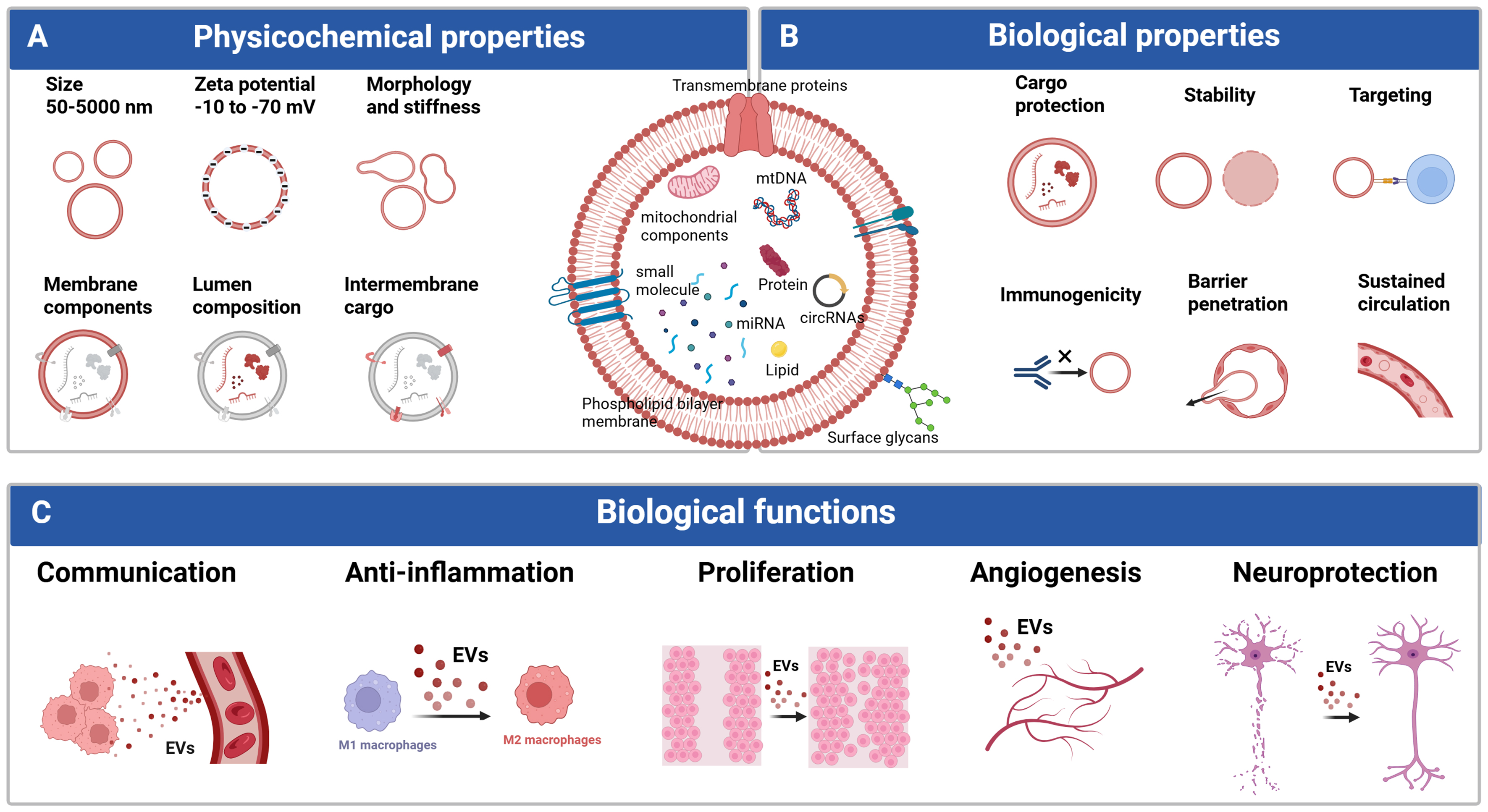
Figure 1. Physicochemical and biological properties of EVs and their functional roles. EVs are nanoscale vesicles enclosed by a phospholipid bilayer that carry diverse cargo molecules, including proteins, lipids, nucleic acids, and mitochondrial components. (A) Physicochemical properties such as size, zeta potential, membrane composition, luminal cargo, and membrane stiffness influence EV stability, circulation, barrier penetration, and cellular uptake; (B) Biological properties include cargo protection, low immunogenicity, sustained circulation, barrier penetration, and targeted delivery. EVs exert multiple biological functions, including mediating intercellular communication, modulating inflammatory responses, promoting cell proliferation, stimulating angiogenesis, and providing neuroprotection; (C) These integrated properties collectively determine EV functionality and therapeutic potential in tissue regeneration, immune regulation, and neurological repair. Figure was created with https://BioRender.com/aadwpvr. circRNAs: Circular RNAs; EVs: extracellular vesicles; miRNA: microRNA; mtDNA: mitochondrial DNA.