



Soil carbon sequestration and its role in reducing global carbon footprints: strategies, challenges and policy implications
 0
0 Abstract
Food systems account for about 30% of anthropogenic emissions, of which agriculture contributes 12%-14%. Agro-ecosystems have large ecological footprints (EFP). Thus, the objective of the review is to examine land-use and management practices that can reduce EFP and sequester carbon (C) in soil. Decomposition of soil organic matter is accelerated by plow tillage and on-farm burning of crop residues. Livestock are also a source of CH4 through enteric fermentation and manure management. Approaches to reducing the global EFP of agroecosystems are discussed with the objective of adaptation and mitigation of anthropogenic climate change. Sequestration of atmospheric carbon dioxide (CO2) in soil, as soil organic carbon and soil inorganic carbon, can offset emissions. Examples of best management practices include conservation agriculture, judicious use of chemicals, drip fertigation, agroforestry, improved livestock grazing and manure management. The rate of C sequestration varies widely depending on soil, climate, and management. Soils of agroecosystems have the potential to sequester 4 to 10 Pg CO2 equivalents (CO2eq) per year (Pg = petagram = 1015g = 1 giga ton or Gt = 1 billion metric ton). However, the gross rate of C sequestration in soil varies among soils, eco-regions and management. The EFP of agro-ecosystems can be reduced by enhancing use efficiency of inputs, decreasing leakage of chemicals into the environment, conserving soil and water, and adopting regenerative agriculture. The importance of C farming and approaches to its adoption are discussed as payments for ecosystem services and the establishment of the Soil Health Act. Reducing EFP of agro-ecosystems is narrated in relation to Sustainable Development Goals of the United Nations.
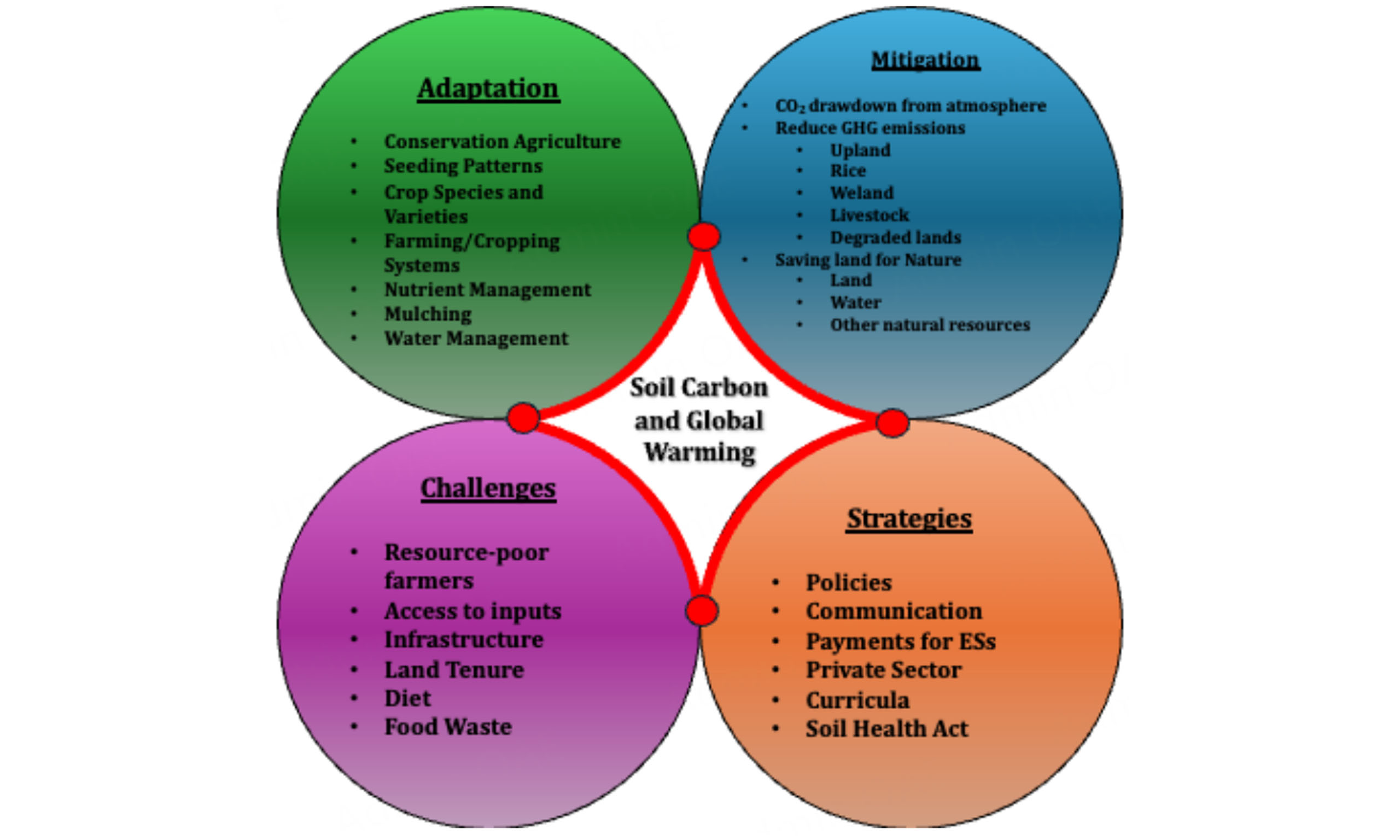
Keywords
INTRODUCTION
Food systems, from production to consumption and disposal of by-products and waste, contribute as much as 30% of gaseous emissions which aggravate anthropogenic climate change (ACC). It is estimated that in 2022, gaseous emissions from agri-food systems were 16.2 Pg of CO2 equivalents (CO2eq; Pg = petagram = 1015g = 1 giga ton or Gt = 1 billion metric ton)[1]. Of this, crop and livestock activities contributed 7.8 Pg of CO2eq, land use change 3.1 Pg CO2eq, and pre- to post-production about 5.3 Pg CO2eq. Furthermore, the agri-food emission intensity was 2.6 kg CO2 per US dollar[1]. Therefore, reducing the carbon footprint (CFP) of agro-ecosystems is a high priority. However, CFP is one of the components of ecological footprint (EFP), which refers to total of all resources used in agroecosystems including production, consumption and waste disposal. In this context, the term sustainability refers to a scenario in which a community or region lives within its natural resources. Thus, a judicious management of natural resources can lead either to ecological surplus when biocapacity exceeds the EFP or ecological deficit when EFP exceeds the biocapacity. In other terms, an ecological deficit implies unsustainable management of natural resources, leading to soil and environmental degradation and attendant consequences of hunger, malnutrition, civil strife, political unrest, or war, and of course, an increase in risks of ACC. Therefore, creating ecological surplus by judicious land use and adoption of best management practices (BMPs) is critical to advancing Sustainable Development Goals (SDGs) or the Agenda 2030 of the United Nations, and also advancing global peace and tranquility.
There are three components of CFP of agro-ecosystems: direct or on-farm emissions, indirect or off-farm operations, and other sources [Figure 1].
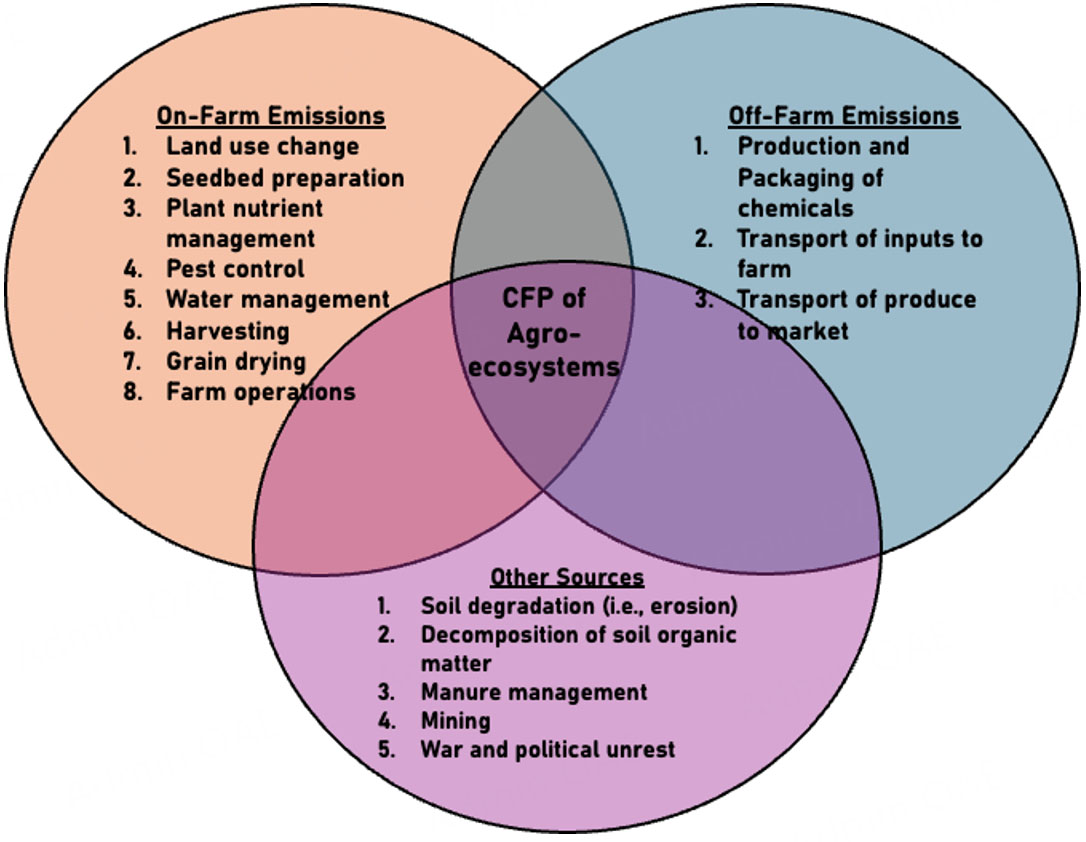
Figure 1. A conceptual outline of factors and practices affecting ecological and carbon footprint by direct and indirect emissions, and other sources.
Agroecosystems that contribute to ACC by emission of greenhouse gases (GHGs) are deforestation or land use conversion from natural to agroecosystems and agricultural operations (i.e., plowing, fertilizer application, pesticide use, supplemental irrigation, grain drying, food processing, and food transport). Agro-ecosystems also contribute to the emission of GHGs through soil degradation by numerous degradative processes such as accelerated erosion, waterlogging or anaerobiosis, drastic soil disturbance (i.e., by war and mining), urbanization, farm operations, sediment transport to aquatic ecosystems, and external inputs. Thus, the objective of this article is to discuss ten issues as follows: (1) conceptual basis of reducing net EFP), (2)dynamics of soil C pool and global warming, (3) soil management practices which sequester C, (4) processes of C sequestration in soil so that agro-ecosystems can be emission negative, (5) co-benefits and tradeoffs of soil C sequestration, (6) national and global potential of soil C sequestration, (7) ecological limits of soil C sequestration (8) implementation of national and international initiatives, (9) policy options to promote soil/terrestrial C sequestration by judicious land use and adoption/upscaling of BMPs, and (10) research priorities. Discussions on these objectives are discussed below in the sequence in which the objectives are listed.
CONCEPTUAL BASIS OF REDUCING ECOSYSTEM AND CARBON FOOTPRINT OF AGRO-ECOSYSTEMS
The CFP of agro-ecosystems refers to total GHG emissions (CO2, CH4, N2O) from all farm operations including on-farm and off-farm activities and those from soil degradation and manure management. Under the overall umbrella of EFP, the CFP must be credibly assessed. There is a need to enhance clarity and transparency of EFP and CFP to understand the impact of human demand for ecosystem services (ESs) on biospheric processes[2]. Assessment of CFP is also needed to identify technologies for minimizing the effects of climate change and those of GHG emissions. In this context, environmental factors, land use, and agronomic practices (tillage, fertilizer, pest management, irrigation) must be considered for evaluation and management of CFP[3]. In addition to assessing CFP of croplands under conservation agriculture (CA) and conventional tillage systems[4], CFP must also be assessed for the use of agro-chemicals such as fertilizer/nutrient management[5] and irrigation systems. Both EFP and CFP must be quantified for other land uses such as urban lands (turfgrass soil systems[6] and urban agriculture[7]), but specifically for greenhouse or screenhouse farming and sky farming practices.
Assessment of EFP and CFP must be based on the hidden C cost of farm operations[8]. In addition, careful consideration must also be given to evaluation of below-ground biomass production. For example,
There are two primary sources of GHG emissions from agro-ecosystems: (1) direct emissions from on-farm operations such as land use change, tillage, seeding, fertilizer and pesticide use, supplemental irrigation, harvesting, grain drying, and (2) indirect emissions, also called hidden C cost, of energy use in manufacturing and transport of inputs to farm and of outputs from farm. These are also called downstream emissions. On-site emissions of GHGs also include those from soil degradative processes along with decomposition of soil organic matter (SOM) content and use of manure/compost. Therefore, reduction in CFP from agro-ecosystems can be achieved by adoption of BMPs which enhance use efficiency of inputs, decrease emission from soil degradation and manure management, and sequester C in soil as a strategy of re-carbonization of the terrestrial biosphere by historic land use and management. Thus, soils of agroecosystems are depleted of their C stocks by historic land use and management, and thus, have a C sink capacity equal to that of prior loss. The soil C sink capacity can be harnessed by adoption of site-specific appropriate land use and BMPs which can reduce both EFP and CFP.
There are two strategies for reducing CFP of agro-ecosystems: (1) reducing emissions, and (2) sequestering emissions [Figure 2]. Reducing emissions is based on the strategy of “producing more from less”. Therefore, effects of inputs on direct emissions can be reduced by practices involving recycling, reusing, substituting and conserving soil and water. In other words, the goal is to reduce the emission of CO2eq per unit of product (1 kg of grain or liter of milk per kg of CO2eq, etc.) or per unit area of land (per hectare). The net CFP of agro-ecosystems can also be reduced by sequestration of atmospheric CO2 in terrestrial ecosystems or land-based C sinks (i.e., soil, trees). Thus, soil C sequestration is one of the pathways of reducing net emissions [Figure 2] and transforming agriculture from being a problem to being a part of the solution via negative emission farming.
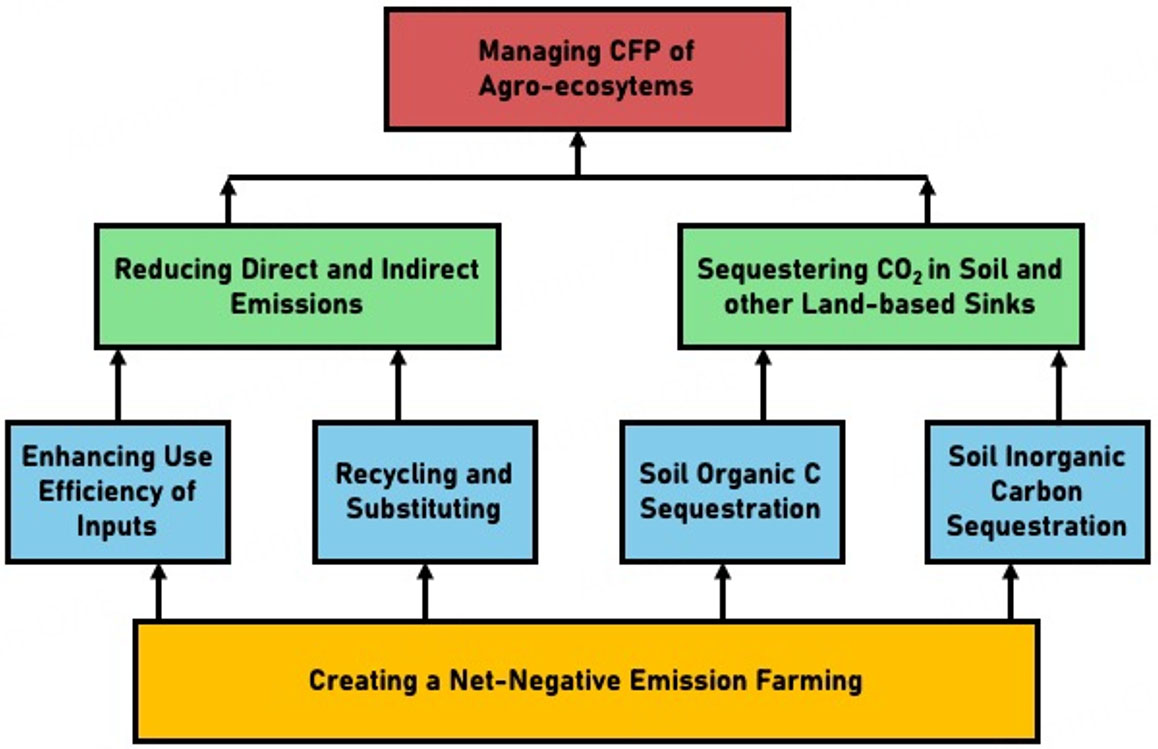
Figure 2. Managing carbon footprint by reducing direct and indirect emissions and increasing soil carbon sequestration as humus or soil organic carbon (SOC) and secondary carbonates or inorganic C (SIC).
Soil C, the sum of SOC and soil inorganic carbon (SIC), is the heart of soil health. In turn, soil health is the source of critical ESs, including food, energy, water, moderation of climate, etc. Thus, the strong interconnectivity that depends on soil C dynamics is also called the Food-Energy-Water-Soil (FEWS) nexus. Indeed, soil health (as moderated by its C content) is the most basic natural resource that is at the center of the FEWS nexus. The FEWS nexus is moderated by the coupled cycling of carbon, water, and nutrients. This coupling is sensitive to land use and management of soil and its disruption by anthropogenic activities. Such disruption can lead to soil degradation, land desertification, and the creation of disservices because of alterations in planetary processes. It is also this disruption that is the cause of the accelerated soil erosion, water eutrophication, emission of GHGs, the drought-flood syndrome, and decline in food production along with reduction in its nutritional quality and safety. Thus, soil C content must be maintained in the root zone at an optimal level (1.5% to 2.5% by weight) for provisioning of ESs for humans and nature.
SOIL CARBON POOL AND GLOBAL WARMING
The terrestrial C pool has two components: (1) soil C and (2) the biomass C. Together, these two pools contain ~2,870 Pg C, comprising 2,250 Pg of soil to 1 m depth and 620 Pg of biomass C. The soil C pool comprises two components: SOC (1,500 Pg) and SIC (750 Pg). The soil C pool is ~78% (2,250 Pg C out of 2,870 Pg C) of the total terrestrial pool. The soil C pool can be a source or sink of atmospheric CO2 depending on land use and management and other natural or anthropogenic factors. Thus, the aim of land use and soil management is not only to decrease the source of GHGs but also to increase the C storage capacity by re-carbonization of the terrestrial biosphere. Indeed, the interaction between soil and biotic pools is affected by land use change, soil degradation, and drastic soil disturbance (deforestation, war and explosives, plowing, irrigation and use of agro-chemicals).
The ACC may create positive feedback by aggravating an increase in the atmospheric C pool, and negative feedback by creating new sinks of atmospheric CO2. The ACC can increase global warming by accelerating decomposition and altering the composition of SOM. However, credible and verifiable assessment of the exact magnitude of increase in global warming is a major challenge. Thus, available information is highly variable. For example, Ofiti et al.[13] observed that 4.5 years of soil warming created divergent responses in sub-soil (> 20 cm depth) compared to those in the surface soil. Melillo et al.[14] reported that soil warming has the potential to alter both pedologic (soil) and biotic (plant) processes which can affect C stock in the terrestrial ecosystems (soil and vegetation). Melillo et al. also observed that soil warming increases losses from soil C pool but increases C stock in woody tissue of trees, probably due to increase in N availability[14]. Global warming also leads to increase in soil respiration through its effect on autotrophic and heterotrophic respiration. Schindlbacher et al.[15] observed similar responses of soil warming to both types of respiration. However, the autotrophic component had a distinct seasonal pattern and was the highest during summer.
SOIL MANAGEMENT PRACTICES WHICH SEQUESTER CARBON
Plow-based methods of seedbed preparation and indiscriminate use of agro-chemicals can aggravate emissions from agro-ecosystems by degradation of soil and environment. Indeed, soil of agroecosystems can be a source or sink of GHGs depending on land use and soil/crop/water management. When prone to accelerated erosion and other degradation processes, soil is a source of GHGs. When the amount of C in sediments is buried, it can be a sink. However, the net effect over the entire pathway (from upper reaches of the watershed to the burial aquatic site) can make the erosion process a major but unknown source of GHGs. Similarly, agro-inputs and farm operations are also a major source, especially plowing, use of nitrogenous fertilizers, input of pesticides, grain drying, etc. Despite their importance in aggravating ACC, the precise or credible magnitude of emissions from farm operations is not known. For example, an excessive use of chemical fertilizers may aggravate soil degradation and increase GHG emissions. Wu et al.[16] observed that 45% substitution (of organic in place of chemical fertilizers) may improve productivity and reduce N20 emission.
Soil can be a sink of atmospheric CO2 when input of biomass C exceeds the losses by erosion, decomposition and leaching. The strategy is to create a positive soil-C budget by choice of land use and soil management, which increases the input of C in soil and reduces its losses. These practices which create a positive soil C budget are called negative emission strategies or technologies[17]. Of course, soil is akin to a bank account and C is similar to money in a bank. The balance of C in soil, similar to money in a bank account, can be increased via adoption of BMPs which cause more input of biomass C into soil than its removal by decomposition and other degradative processes. Contrary to the bank account, however, soil C sequestration may have an upper limit, also referred to as “soil carbon saturation”[18]. Examples of some of these BMPs, which strengthen soil C sink capacity, are discussed below. The data in Table 1 indicate a wide range of site-specific BMPs which, by up-scaling and judicious use, can set in motion the processes that enhance soil C stock and lead to adaptation and mitigation of ACC.
Some examples of soil as sink of atmospheric CO2 through adoption of best management practices
| Region/Practice/Land use | Parameter | Impact | Reference |
| Antarctica | Global warming | Soil C stock increased from 359 to 686 Pg | De Mello et al.[19] |
| Biodegradable Film Mulching | SOC content and GHG emissions | Film mulching and straw incorporation increased SOC content in 0-20 cm layer by 17.6% in 5 years | Qian et al.[20] |
| Brazil (Ferrasol) | SOC sequestration by CA | CA reduced GWP by SOC sequestration | Piva et al.[21] |
| Drylands | Irrigated land | CA with residue retention | Jin et al.[22] |
| Drylands | CA and crop diversification | May improve the sustainability of irrigated systems | Ghimire et al.[23] |
| Global | Silicate weathering | Microorganisms (B subtilis, strain MPI) may promote weathering to sequester | Timmerman et al.[24] |
| Global | Biochar: GHG emissions | Significantly reduced emissions | Fan et al.[25] |
| Global | Biochar | It is a negative emission technology | Smith[26] |
| Global | Biochar: swine-digestate-manure derived biochar | As an amendment to reduce emissions and improve nutrient use | Ayaz et al.[27] Elkhlifi et al.[28] |
| Global | Conversion of conventional till to no-till (CA) | The effect of CA is site-specific as it is in poorly drained soils where N20 emission is increased | Page et al.[29] |
| Global | Irrigated carbonaceous soils | ||
| Global | Annual DIC leaching in irrigated soils | It may represent 2%-5% if the total annual CO2 loss | Schindlbacher et al.[30] |
| Global | Input of C residues | Crop residue return, rather than tillage or no-till practice, is the most important factor influencing SOC sequestration and GHG emissions | Fan et al.[31] |
| Grasslands | Wastewater use | Irrigation with wastewater may reduce use of N fertilizer and water from aquifers but the amount applied should be limited | Fernández et al.[32] |
| India | Dryland soils | Appropriate production systems can sequester soil C | Srinivasarao et al.[33] |
| Pakistan | Soil C sequestration | Adoption of CA with cover crop, residue retention can store C | Nazir et al.[34] |
| Pakistan | Organic farming | Manuring increased SOC and compensated for higher GHG emissions | Mohamad et al.[35] |
Choice of appropriate and site/soil-specific BMPs can sequester C and reduce GWP. Furthermore, the ACC may also create some new sinks of atmospheric CO2. De Mello et al.[19] observed that ACC may change ice-free areas of Antarctica into potential soil C sinks. De Mello et al.[19] estimated that ACC may increase SOC stock in permafrost from 359 ± 146 to 686 ± 197 Mg/ha within 0-15 cm layer and function as a major C sink. The projected increase ranges from 27.7% to 53.34%. However, some practices may lead to C sequestration and yet have a large EFP. For example, use of dairy manure, despite increasing SOC content and nutrient supply to plants, may also increase the GWP. A 7-year study by Ozlu et al.[3] showed that long-term use of dairy manure increased soil quality index (SQI) and produced higher crop yield, but also increased the GWP. Thus, the strategy is to enhance the net C sink so that agro-ecosystems can be transformed into emission-negative entities.
PROCESSES OF SOIL CARBON SEQUESTRATION TO CREATE NEGATIVE EMISSION FARMING
Rather than a problem that has aggravated ACC, agro-ecosystems can be transformed into a part of the solution by processes that lead to an increase in soil-C stock on large areas. Whereas the focus in the Green Revolution of the 1960s was to increase agronomic productivity, the objective now is to adopt regenerative agriculture which can restore soil health and increase C stock in the terrestrial biosphere in general but that of soil in particular. Indeed, there is a strong need to harness the soil C (SOC and SIC) sequestration potential of agroecosystems through adoption of site-specific BMPs. There is a wide range of BMPs that can create a positive soil C budget and C-negative ecosystems (see Table 1). Of these, CA is a promising option, but it must be adopted with due consideration to basic pillars [Figure 3] or components based on a holistic or system-based approach. In comparison with the conventional plow-based tillage, pillars of CA are outlined in Figure 3. Generally, CA is pertinent to sequestration of both SIC and SOC through return of crop residue mulch, soil and water conservation and increase in activity and species diversity of biota [Figure 4].
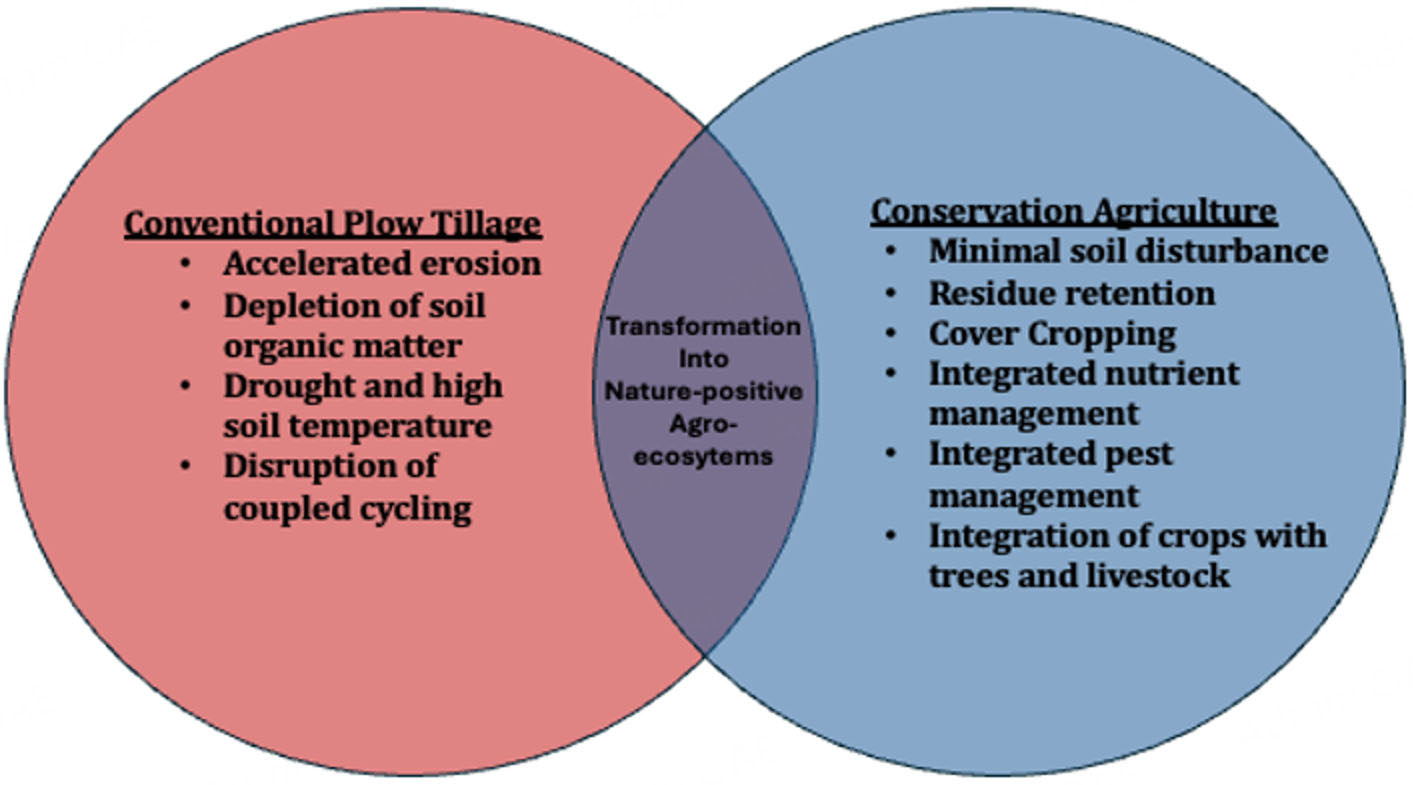
Figure 3. Pillars of conservation agriculture compared with those of the conventional plow tillage system.
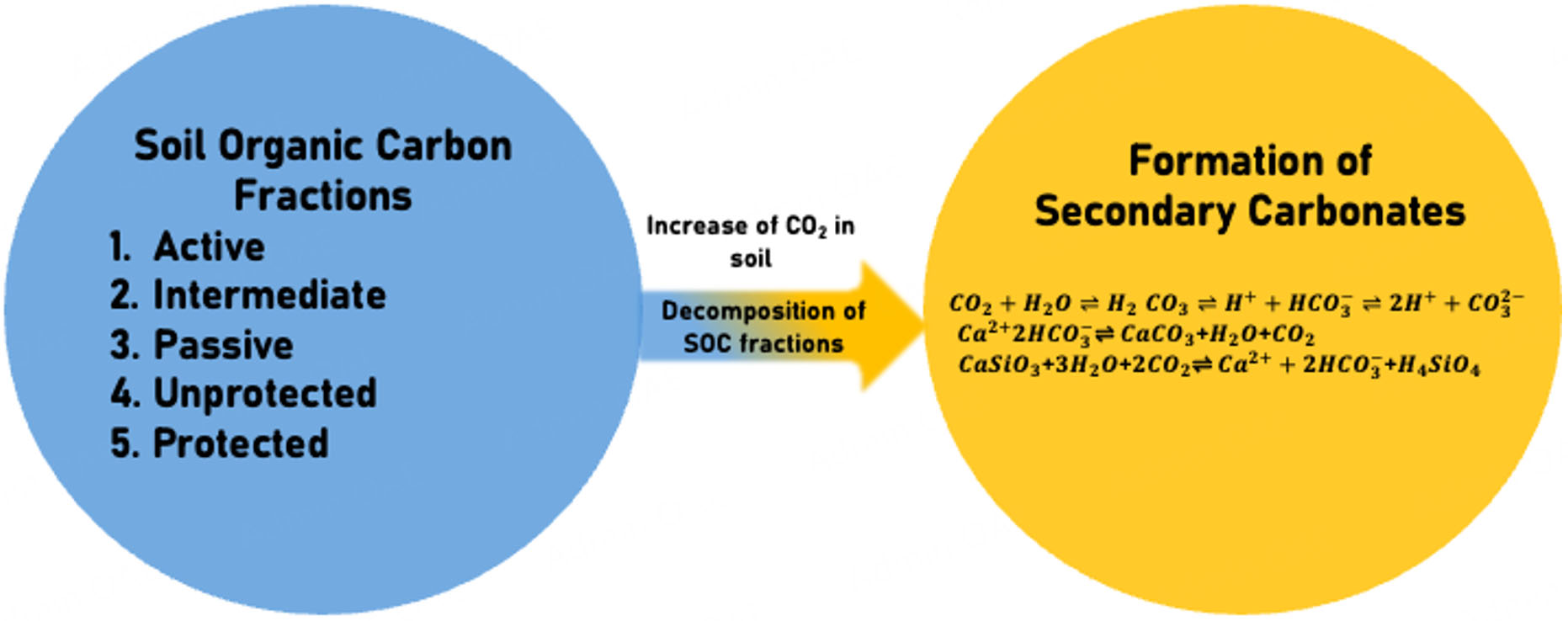
Figure 4. Formation of secondary carbonates through release of CO2 from decomposition of soil organic carbon fractions and weathering of Ca-silicates. Reaction of carbonic acid (H2CO3-) with Ca2+ and silicate minerals is presented by Monger et al.[52].
Therefore, it is important to identify site-specific processes for enhancing soil C sequestration while decreasing GHG fluxes[36], and reducing the GWP of agroecosystems. Important among the processes which need to be addressed are the following and are due to incomplete knowledge and the lack of: (1) information about permanence and lifespan or the mean residence time (MRT) of C in soil[37], (2) strategies of identification of site-specific process and relevant technology for management of saline and sodic soils for C sequestration[38], (3) assessment of the attainable potential of soil C out of the gross C sink capacity[39], (4) sustainable management of forage and grazing lands (~3.7 B ha globally) for soil C sequestration which must be harnessed[40], (5) knowledge about barriers to application of agroforestry systems and the on-site specific identification of tree species for successful agroforestry systems[41], (6) standards of biochar production and use[42], (7) information about the site-specific techniques of producing more crop per drop of water[43], (8) identification and effective implementation of policies which reduce leakage and increase MRT of C in soil[44,45], (9) urgency for launch of programs at continent level such as
Thus far, not much attention has been given to the science and practice of sequestration of SIC in agroecosystems, but it must be considered especially in arid and semiarid ecoregions where it is the dominant pool in soils. Processes of sequestration of SIC [Figure 4] include:
(a) Dissolution of CO2 in soil to form carbonic acid, and reaction of carbonic acid with Ca to form secondary carbonates or CaCO3, as given in Eq. (1)
(b) Weathering of silicate minerals and formation of secondary carbonates (Eq. 2) is called the Urey reaction. Refers to the chemical process of silicate weathering. It is a long-term geological C cycle where CO2 from the atmosphere is removed from the air and reacts with water and silicate minerals (such as calcium silicate called wollastonite).
The reaction
leads to the formation of dissolved bicarbonates which are transported to the ocean and sequestered in carbonate rocks with long MRT[51,52]. In this reaction, some CO2 is released back to the atmosphere. Thus, the Urey reaction regulates Earth’s climate over a long period of millions of years.
(c) Water (H2O) reacts with CO2 in soil, forming weak carbonic acid (H2CO3), which dissolves calcium carbonate (CaCO3) and magnesium carbonate (MgCO) in rocks (limestone/dolomite), releasing calcium, magnesium, and bicarbonate ions. Bicarbonates are soluble and can be leached into the groundwater. Details of these reactions are given in Eqs. 1 and 2.
It is reported that application rate of basalt powder can be as much as 74 Mg/ha which may lead to SIC sequestration of 1.13 Mg CO3/ha over the course of six months[53]. However, Honvault et al. also observed that co-application of biochar (12 Mg/ha) with basalt did not significantly increase C sequestration potential[53]. The lack of increase in C sequestration by biochar may be attributed to the so-called priming effect[54], which must be taken into consideration. Rock weathering in relation to SIC sequestration needs additional research, especially on the co-sequestration of SOC and SIC under enhanced weathering and how to minimize losses of SOC[55,56].
Other methods of reducing emissions and sequestering C in soil include limiting deforestation and striving for net-zero emissions. However, there is some concern about the idea of a net-zero target in agro-ecosystems. It is also argued that the current mechanisms suggested to achieve net zero emissions may be economic disincentives or financial penalties for emitters[57]. Thus, there is a need for identification and implementation of policies that discourage the use of fossil fuels and encourage the adoption of BMPs to harness the C sequestration potential of land-based C sinks.
CO-BENEFITS OF SOIL/TERRESTRIAL CARBON SEQUESTRATION AND TRADEOFFS
Sequestration of C in terrestrial ecosystems (soil and biomass) can generate several co-benefits [Table 2] over and above creating the drawdown of atmospheric CO2. Indeed, C sequestration in soil is a win-win option with numerous co-benefits. Site-specific information about the strategies to harness these benefits (economic, agronomic, ecological, aesthetic) needs to be identified and pertinent program(s) implemented. The economic co-benefits depend on the unit price of C credit, which at present varies widely. For example, Kragt et al. observed that respondents to a survey were willing to pay $1.13 per credit, but as much as
Co-benefits of soil carbon sequestration for mitigation of adaptation to anthropogenic climate change
| Country | Region/Land use | Practice | Co-benefits | References |
| Australia | Queensland | Carbon farming | Creating native habitat, preventing erosion | Kragt et al.[58] |
| Global | - | Cropland management | Drought risk reduction | Iizumi and Wagai[59] |
| Canada | Alberta | Sustainable agriculture | Reduce CH4 and N2Oemissions | Duncan et al.[60] |
| Australia | Oceania | Carbon farming | Conservation of biodiversity, economic and cultural services for indigenous communities | Baumber et al.[61,62] |
| Togo | West Africa | Agroforestry | Rural development, biodiversity, conservation, and reduction in deforestation | Tschora and Cherubini[63] |
| Australia | Coastal Wetlands of Queensland | Restoration of wetlands | Biodiversity, conservation, improvement of water quality, and increase blue carbon storage | Hagger et al.[50] |
| Global | - | Enhanced weathering | Reduced N losses, increased crop yield, and sequestration of SIC | Vienne et al.[64] |
| Global | - | Enhanced weather with biochar | Increase in plant biomass and nutrient uptake | Honvault et al.[53] |
| Australia/USA | Global scalability | Regenerative agriculture/Managed grazing | Ecological, economic, and social benefits | Gosnell et al.[65] |
| Australia | Regenerative agriculture | Economic and environmental stewardship | Bless et al.[66] | |
| Canada | - | Biomass input | Human-nature value relation, adaptation of agriculture, reduced soil erosion, enhanced biodiversity | Angers et al.[54] |
| Global | Biodiverse forests | Biodiverse C-rich forests | C credits, biodiversity conservation, socioeconomic co-benefits | Pichancourt et al.[67] |
| Europe | - | Cropland management | No significant emission reduction | Frank et al.[68] |
Improvement in soil functions and the attendant increase in agronomic yield is another co-benefit. Iizumi and Wagai[59] observed the importance of increasing SOC content in top 30 cm layer to enhance drought resilience, and stated that improvements in soil functions can occur by increase in SOC stock (i.e., pH, cation exchange capacity (CEC), availability of macro and micro-nutrients) and the attendant enhancement of soil fertility. Among other co-benefits are improvements in amount and quality of food produced and increase in above and belowground biodiversity. However, there are tradeoffs, and important among these are that sequestration of C in land-based sinks with adoption of CA may increase emission of N2O, aggravate risks of soil compaction/crusting, increase incidence of pests and pathogens including weeds and thus reduce agronomic productivity. Above all, the magnitude of sequestration of atmospheric CO2 in soil may be finite and offset only a small fraction of GHG emissions from fossil fuel combustion and other Anthropogenic activities.
ECOLOGICAL LIMITS OF SOIL CARBON SEQUESTRATION
With proper implementation, C sequestration in agro-ecosystems can transform agriculture from being a source into a net C-negative industry. However, soils differ widely in their potential of C sequestration because of the C saturation capacity, which may depend on land use history, soil and crop management, etc. Thus, it is pertinent to know the biophysical limits to C sequestration[18] prior to identifying and assessing the magnitude of drawdown that can be expected over a known period (by 2030, 2050, or 2100).
Georgiou et al.[18] expressed the need for assessing whether soils exhibit the maximum capacity for storing SOC within organo-mineral associations (i.e., stable microaggregates). However, Georgiou et al. questioned the utility of the principle of soil C saturation[18].
It is also reported that sequestration of atmospheric CO2 in soil may not happen under all agroecological environments. In European croplands, for example, Frank et al.[68] observed that no significant contribution to emission reduction targets was realized even with good management. The lack of response to C sequestration in some soils indicates the tremendous complexity of the soil C sequestration process, balancing adaptation/mitigation of ACC on the one hand and advancing food production and nutritional security on the other. In western Kenya, Piikki et al.[70] suggested identification of hotspots for Achievable Soil Carbon Sequestration and Soil Fertility Improvement, which indicates the primary benefits of soil C sequestration for managing and enhancing soil fertility and productivity. In this context, Moinet et al.[71] candidly remarked that it is pertinent to focus on “C for soils, not soils for C”, and suggested moving away from global targets for SOC sequestration in agricultural soils.
NATIONAL AND GLOBAL POTENTIAL OF SOIL CARBON SEQUESTRATION
In addition to conducting plot-scale controlled studies for measuring the rate of soil C sequestration and understanding the basic processes, practical aspects of potential of soil C sequestration at regional, national and global scales have also been studied. Izumi and Wagai[59] estimated that increasing drought tolerance of the food production systems in global drylands could enhance sequestration by 4.87 Pg C and reduce decadal mean global warming by 0.011 °C through achievement of multiple development goals by enhancing SOC stock in C-poor or C-depleted soils especially in drier regions of the world. Paustian et al.[17] reported that
The technical potential of the dryland cropping region of the Pacific Northwest part of the U.S. was assessed by Brown and Huggins[74], who reported that 75% of converted native land lost at least 0.14 to
In China, Zuo et al.[79] estimated that cropland soils (0-20 cm depth) store 4.5 to 5 Pg C, and between 1980 and 2010, total SOC stock increased from 29-35 Mg C /ha to 33-36 Mg C/ha with an annual rate of increase of 113 kg C/ha/year. Soil C sequestration potential of Mediterranean region has also been estimated.
Estimates of C sequestration in agricultural soils of Europe made for the period of 2008 to 2012 by
Based on the available experimental data, it is obvious that biological C sequestration alone cannot achieve net zero emissions by 2050[84]. Simply put, C sequestration in agroecosystems may not totally offset (neutralize) agricultural GHG emissions. Thus, there is a need to identify other techniques of C sequestration in land-based sinks. Other measures (i.e., C capture and storage, direct C capture, C capture and utilization, bioenergy with C capture and storage) must also be considered. These data also highlight the need and urgency for finding viable alternatives to fossil fuels, which are the major source of CO2 to the atmosphere.
POLICY IMPLICATIONS OF SOIL CARBON SEQUESTRATION
Soil, being a living entity, and similar to any other living being, must also have rights to be protected, restored and managed judiciously. With better management, some agriculturally marginal land can be returned to nature. The strategy is to protect soil resources against land misuse and soil mismanagement [Figure 5]. Herein lies the justification for a Soil Health Act or Soil Protection Act at local, state, national, continental, and global scales. It is this Act that should have the provision to reward land managers through payment(s) for generating key ESs such as C sequestration in the terrestrial biosphere.
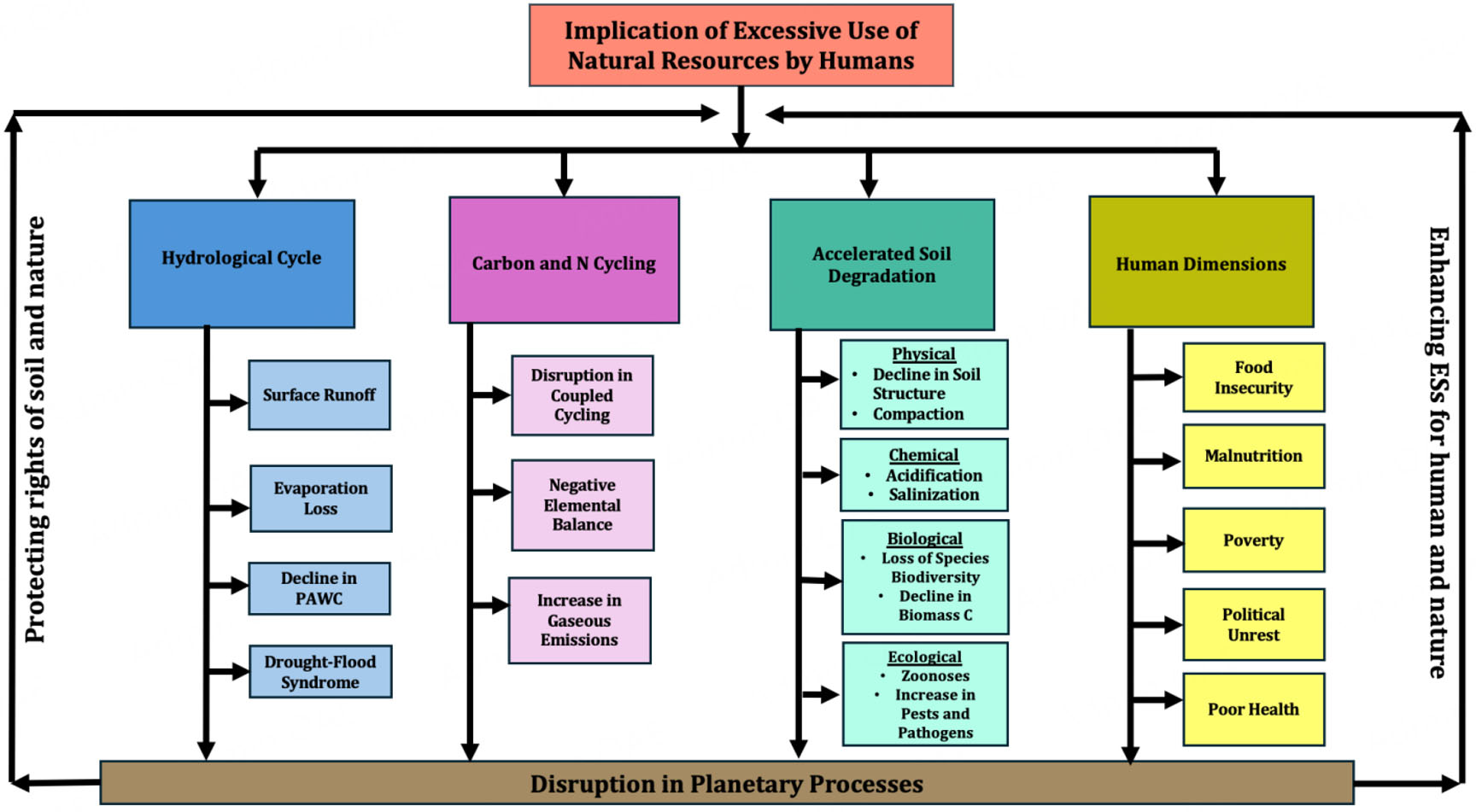
Figure 5. Basic concept of managing the coupled cycling of soil carbon, water, and nutrients for improving the provision of ecosystem services for humans and nature, protecting soil against land misuse and mismanagement, returning some land to nature, and thus protecting the rights of soil and of nature.
With numerous co-benefits of restoring soil C stock of depleted and degraded soils of the world, there is an urgent need for specific policy implementation for all agricultural land uses (i.e., grazing and cropping), and restoration of degraded and drastically disturbed lands. Bamière et al.[85] observed that adoption of SOC sequestration measures in France entails cost to land managers, and highlighted the need for a cost-effective analysis to facilitate development of effective public policy aimed at increasing soil C sequestration (i.e., by adopting BMPs such as CA, in temporary grasslands and hedgerows). Bamière et al.[85] opined that economic incentives are more cost-effective than some control measures. Thus, there is a need for a reshaping of climate policy goals for achieving C neutrality. Berta and Roux[86] illustrated the following historical development: The 1980s witnessed the promise of agricultural sequestration despite concerns about permanence and reversibility. Studies since the 1980s have attempted to translate the physical potential into economic opportunity, indicating its low costs relative to other options, and the international system of C accounting for soil-based offsets in terms of environmental integrity. Policy implications involve implementation of these and other ideas that promote coupled cycling of water with that of C and N, reducing risks of soil degradation by a range of processes, and carefully considering the parameters of human dimensions [Figure 5]. The policy vacuum may also be an important factor in the limited application of several international initiatives.
IMPLEMENTATION OF INTERNATIONAL INITIATIVES
There are numerous adverse implications of the excessive and unwise use of natural resources [Figure 5], some of which are discussed herein. Since the Paris Accord of 2015, several international initiatives have been launched. Yet, there has been little progress in the systematic implementation of these initiatives because of some inherent shortcomings. For example, little, if any, progress has been made in implementing the Paris Agreement, which targeted the U.S. to remove 0.4-1.3 Pg CO2e per year through soil C sequestration, because of shortcomings[87] such as permanence, additionality, leakage, uncertainty, transaction costs, and variable heat trapping capacity of different GHGs, among others. In addition to establishing a protocol to pay farmers, limiting factors must also be addressed for the implementation of an appropriate policy. Despite the availability of some data on the rate and potential of soil C sequestration, there have been uncertainties in implementation because of the effects of: (1) initial SOC content, (2) differences in natural site vs cropland site, and (3) differences among activity and results-based approaches. Thus, Rosinger et al.[88] suggested that C-farming projects must reconsider these and other factors prior to implementation. Indeed, there is a strong need for identification and implementation of policies that are pro-nature, pro-agriculture, and pro-farmer.
RESEARCHABLE PRIORITIES
Whereas significant progress has been made in understanding processes, mechanisms of stabilization, effects on crop yield, and rate of C sequestration, there remain important knowledge gaps in soil C sequestration that must be addressed in a systematic and coordinated manner. The first step is to develop a road map in relation to the baseline and aspiration of sequestration targets. Important among the knowledge gaps are uncertainties in SOC measurement (outlined above) and additional research needed on SIC sequestration (processes, mechanisms and rate). For EU countries, Maenhout et al.[89] emphasized identification and implementation of soil management strategies such as those which: (i) may induce synergistic effects and reduce emission of GHGs and leaching of N, (ii) may reduce emission of CH4, N2O, and (iii) may promote implementation of site-specific BMPs such as CA, cropping systems, water management, fertilizer use, organic amendments (i.e., biochar), cover cropping agroforestry. Reasons for the variation in SOC sequestration rates across cropland ecosystems must be identified and addressed.
Biochar's net effect on SOC sequestration remains a major unknown. There is a lack of understanding of global factors affecting the long-term rate of biochar in soil and the environment[90], especially under on-farm or field conditions. A significant knowledge gap also exists in the scientific understanding of the linkage between historical land use and land cover change on SOC sequestration under the current practices[91]. In comparison with croplands, research on the long-term effects of diverse management practices on pastureland is also scanty[92], and there is a lack of information linking SOC sequestration to agronomic productivity on organic-managed cropland and grazing land using models[93].
The cost of SOC sequestration is also not adequately researched. For example, Uludere et al.[94] estimated the technical potential of 19.4 Tg CO2eq per year for the U.S. cropland, of which 10 Tg CO2eq could be sequestered at the cost of U.S. $100/Mg CO2eq. Credible estimates of the cost of SOC sequestration are needed to implement carbon farming and pay farmers for sequestration of soil C.
Research data are also needed on the soil microbiome and its effects on SOC sequestration. Beattie et al.[95] indicated that critical gaps with regard to microbiome include understanding of the processes influencing the transformation of plant-derived soil C into humus or SOM content and identification of the microbes and microbial activities impacting this transformation, along with potential ecological ramifications and uncertainties. Based on these and other information, research challenges for C sequestration in global soils include socioeconomic and biophysical aspects, as briefly described in Table 3.
Research priorities
| Thematic focus | Description | References |
| A. Processes of soil C sequestration | ||
| I. | SIC: rate of sequestration, acidification, impact on crop growth and soil health, mechanisms and pedologic processes, link between SIC and SOC, weathering of silicates | Raza et al.[96]; Zhao et al.[56]; Timmerman et al.[24] |
| II. | Impact of Global Warming increase in mineralization melting of permafrost | De Mello et al.[19]; Yan et al.[97] |
| III. | C saturation, potential and reality of achieving C sequestration | Geogiou et al.[18] |
| IV. | Stabilization of SOC, priming effect, mean residence time, permanence of SOC | Angers et al.[54]; Dynarski et al.[37]; Duan et al.[98]; Mattila and Vihanto[99] |
| V. | Biologically negative emission strategy | Paustian et al.[17]; Pant et al.[84] |
| B. Practices of Soil C Sequestration | ||
| I. | CA: causes of limited adoption potential and reality of C sequestration | Ogle et al.[100]; Page et al.[29] |
| II. | Agroforestry: for different trees and crops | Nair et al.[101] |
| III. | Biochar: practicability of the high rate of biochar, on-farm studies, net rate by accounting for C in biochar | Wang et al.[102]; Tiefenbacher et al.[103] |
| IV. | Cover cropping: effects on rate of sequestration | Singh et al.[104] |
| V. | On-farm assessment: monitor impact of management under on-farm conditions | Rosinger et al.[88] |
| VI. | Organic Farming: C sequestration in organic vs. converted | Ghimire et al.[23] |
| VII. | Regenerative agriculture: effects on soil health | Bless et al.[66] |
| VIII. | Degradable plastic mulching | Qian et al.[20] |
| C. The Human Dimensions | ||
| I. | Economics and social impacts | Sykes et al.[105]; Colombo et al.[106]; Pinto et al.[107] |
| II. | Policies - Societal value of carbon - Policies for promoting C-farming - Effective soil policy for C sequestration - Implementation of soil health act | Lal[69] Baumber et al.[108]; Arellano Vazquez et al.[109] Thamo and Panell[44] |
| III. | Regional and Crop-Specific Issues - Sub-Saharan Africa and other geographical regions in developing countries - Land use change in diverse agro-ecosystems - Soil C sequestration and gaseous emissions in rice paddy and upland rice - C sequestration in abandoned land, mineland, eroded land, urban land, etc. - Global drylands: processes and rate of SOC/SIC sequestration | Vågen et al.[110] Schulp et al.[111] Xu et al.[112]; Fukuta et al.[113] Stutler et al.[114] |
| D. Methodological Challenges | ||
| - Simple, cost-effective, easy to use in-situ measurement of soil C stock - Establishment of baseline with credible data in support of C accounting and crediting - Critical science-based accounting system - Effects on crop growth, microbial activity, and soil health - Assessment of carbon footprint and ecological footprint of agro-ecosystems | Smith et al.[115]; Potash et al.[116] Randazzo et al.[117] Viscarra Rossel et al.[81] Mattila and Vihanto[99] Lal[118] |
CONCLUSIONS
Research information on soil C sequestration has been improved and strengthened since circa 2000. It is a popular topic and the one that has strong effects on a range of issues including agronomic, climatological, food and nutritional security, carbon farming, and policy. Whereas notable progress has been made during the first quarter of the 21st Century, a lot needs to be done because of emerging issues that need to be addressed. Despite its potential for C sequestration of as much as 2.5 Pg to 3 Pg C/year, this biophysical and natural process of land-based solution to climate change by itself cannot offset the fossil fuel emissions estimated at 10 Pg C/year in the 2020s. However, with identification and implementation of renewable energy sources (bio, hydro, wind, geothermal, solar and nuclear), sequestration of C in land-based sinks can lead to C neutrality by 2050 and beyond. Realization of the C sequestration potential of land-based sinks necessitates the development of policies that are pro-nature, pro-agriculture, and pro-farmers. Rewarding farmers for payments of ESs, at a societal value of US $50 per credit (1 metric ton of CO2eq), requires the establishment of the Soil Health Act at the local, national, and international levels, which has provisions for incentivizing land managers. There is also a need for education of students (from primary school to college), the general public, and policy makers to enhance awareness of the role of soil health in general and that of C sequestration in particular, so that C farming can be upscaled globally. In addition to adaptation and mitigation of climate change, soil C sequestration has numerous co-benefits: food and nutritional security, water quality and renewability, strengthening biodiversity, and restoring degraded soils and ecosystems. Land managers (i.e., farmers, ranchers, foresters, urban developers), the biggest stewards of soil resources, must be respected and rewarded financially for their role in transforming agriculture from being a problem to an integral part of the solution to restoring the environment and advancing the SDGs of Agenda 2030 of the United Nations.
DECLARATIONS
Authors' contribution
The author contributed solely to the article.
Availability of data and materials
Not applicable.
Financial support and sponsorship
None.
Conflicts of interest
The author declared that there are no conflicts of interest.
Ethical approval and consent to participate
Not applicable.
Consent for publication
Not applicable.
Copyright
© The Author(s) 2026.
REFERENCES
1. Food and Agriculture Organization of the United Nations. Greenhouse gas emissions from agrifood systems - Global, regional and country trends, 2000-2022. FAOSTAT Analytical Brief Series, No. 94. Rome. 2024. Available from: https://openknowledge.fao.org/server/api/core/bitstreams/111b7ee8-282b-42ff-ad95-cccecd90f8ea/content [Last accessed on 5 Mar 2026].
2. Mancini, M. S.; Galli, A.; Niccolucci, V.; et al. Ecological footprint: refining the carbon footprint calculation. Ecol. Ind. 2016, 61, 390-403.
3. Ozlu, E.; Arriaga, F. J.; Bilen, S.; Gozukara, G.; Babur, E. Carbon footprint management by agricultural practices. Biology 2022, 11, 1453.
4. Clay, D. E.; Chang, J.; Clay, S. A.; et al. Corn yields and no‐tillage affects carbon sequestration and carbon footprints. Agron. J. 2012, 104, 763-70.
5. Ranjan, S.; Kumar, S.; Dutta, S. K.; et al. Influence of 36 years of integrated nutrient management on soil carbon sequestration, environmental footprint and agronomic productivity of wheat under rice-wheat cropping system. Front. Environ. Sci. 2023, 11, 1222909.
6. Wang, R.; Mattox, C. M.; Phillips, C. L.; Kowalewski, A. R. Carbon sequestration in turfgrass-soil systems. Plants 2022, 11, 2478.
7. Horst, M.; McClintock, N.; Hoey, L. The intersection of planning, urban agriculture, and food justice: a review of the literature. In: Planning for equitable urban agriculture in the United States: future directions for a new ethic in city building. 2024, pp. 89-120.
8. Lal, R. Agricultural activities and the global carbon cycle. Nutr. Cycl. Agroecosyst. 2004, 70, 103-16.
9. Forfora, N.; Azuaje, I.; Vivas, K. A.; et al. Evaluating biomass sustainability: why below-ground carbon sequestration matters. J. Clean. Prod. 2024, 439, 140677.
10. Fagodiya, R. K.; Verma, K.; Sharma, G.; et al. Assessing the soil organic carbon stability and greenhouse gases mitigation in rice-wheat system: seventeen-years assessment of tillage and residue management. Soil. Till. Res. 2025, 254, 106697.
11. Vieira, F. C. B.; Bayer, C.; Zanatta, J. A.; Dieckow, J.; Mielniczuk, J.; He, Z. L. Carbon management index based on physical fractionation of soil organic matter in an Acrisol under long-term no-till cropping systems. Soil. Till. Res. 2007, 96, 195-204.
12. Mir, Y. H.; Ganie, M. A.; Shah, T. I.; et al. Soil microbial and enzyme activities in different land use systems of the Northwestern Himalayas. PeerJ 2023, 11, e15993.
13. Ofiti, N. O.; Zosso, C. U.; Soong, J. L.; et al. Warming promotes loss of subsoil carbon through accelerated degradation of plant-derived organic matter. Soil. Biol. Biochem. 2021, 156, 108185.
14. Melillo, J. M.; Butler, S.; Johnson, J.; et al. Soil warming, carbon-nitrogen interactions, and forest carbon budgets. Proc. Natl. Acad. Sci. USA. 2011, 108, 9508-12.
15. Schindlbacher, A.; Zechmeister‐Boltenstern, S. O. P. H. I. E.; Jandl, R. Carbon losses due to soil warming: do autotrophic and heterotrophic soil respiration respond equally? Global. Chang. Biol. 2009, 15, 901-13.
16. Wu, G.; Huang, H.; Jia, B.; et al. Partial organic substitution increases soil quality and crop yields but promotes global warming potential in a wheat-maize rotation system in China. Soil. Till. Res. 2024, 244, 106274.
17. Paustian, K.; Larson, E.; Kent, J.; Marx, E.; Swan, A. Soil C sequestration as a biological negative emission strategy. Front. Clim. 2019, 1, 8.
18. Georgiou, K.; Angers, D.; Champiny, R. E.; et al. Soil carbon saturation: what do we really know? Glob. Chang. Biol. 2025, 31, e70197.
19. De, Mello. D. C.; Francelino, M. R.; Moquedace, C. M.; et al. Global warming may turn ice-free areas of Maritime and Peninsular Antarctica into potential soil organic carbon sinks. Commun. Earth. Environ. 2025, 6, 1937.
20. Qian, R.; Guo, R.; Liu, Y.; et al. Biodegradable film mulching combined with straw incorporation can significantly reduce global warming potential with higher spring maize yield. Agr. Ecosyst. Environ. 2022, 340, 108181.
21. Piva, J. T.; Dieckow, J.; Bayer, C.; et al. No-till reduces global warming potential in a subtropical Ferralsol. Plant. Soil. 2012, 361, 359-73.
22. Jin, V. L.; Schmer, M. R.; Stewart, C. E.; Sindelar, A. J.; Varvel, G. E.; Wienhold, B. J. Long-term no-till and stover retention each decrease the global warming potential of irrigated continuous corn. Glob. Chang. Biol. 2017, 23, 2848-62.
23. Ghimire, R.; Norton, U.; Bista, P.; Obour, A. K.; Norton, J. B. Soil organic matter, greenhouse gases and net global warming potential of irrigated conventional, reduced-tillage and organic cropping systems. Nutr. Cycl. Agroecosyst. 2017, 107, 49-62.
24. Timmermann, T.; Yip, C.; Yang, Y. Y.; et al. Harnessing microbes to weather native silicates in agricultural soils for scalable carbon dioxide removal. Glob. Chang. Biol. 2025, 31, e70216.
25. Leng, C.; Zhang, Y.; Zhao, Q.; et al. Synergistically mitigating nitric oxide emission by co-applications of biochar and nitrification inhibitor in a tropical agricultural soil. Environ. Res. 2022, 214, 113989.
26. Smith, P. Soil carbon sequestration and biochar as negative emission technologies. Glob. Chang. Biol. 2016, 22, 1315-24.
27. Ayaz, M.; Feizienė, D.; Tilvikienė, V.; Feiza, V.; Baltrėnaitė-Gedienė, E.; Ullah, S. Biochar with inorganic nitrogen fertilizer reduces direct greenhouse gas emission flux from soil. Plants 2023, 12, 1002.
28. Elkhlifi, Z.; Iftikhar, J.; Sarraf, M.; et al. Potential role of biochar on capturing soil nutrients, carbon sequestration and managing environmental challenges: a review. Sustainability 2023, 15, 2527.
29. Page, K. L.; Dang, Y. P.; Menzies, N. W.; Dalal, R. C. No-till systems to sequester soil carbon: potential and reality. In: Dang YP, Dalal RC, Menzies NW, editors. No-till farming systems for sustainable agriculture. Cham: Springer International Publishing; 2020. pp. 301-17.
30. Schindlbacher, A.; Beck, K.; Holzheu, S.; Borken, W. Inorganic carbon leaching from a warmed and irrigated carbonate forest soil. Front. For. Glob. Change. 2019, 2, 40.
31. Fan, J.; Luo, R.; Liu, D.; et al. Stover retention rather than no-till decreases the global warming potential of rainfed continuous maize cropland. Field. Crops. Res. 2018, 219, 14-23.
32. Fernández, F. J.; Sanchez-Arias, V.; Rodriguez, L.; Villasenor, J. Feasibility of composting combinations of sewage sludge, olive mill waste and winery waste in a rotary drum reactor. Waste. Manag. 2010, 30, 1948-56.
33. Srinivasarao, C.; Vittal, K. P. R.; Venkateswarlu, B.; et al. Carbon stocks in different soil types under diverse rainfed production systems in tropical India. Commun. Soil. Sci. Plant. Anal. 2009, 40, 2338-56.
34. Nazir, M. J.; Li, G.; Nazir, M. M.; et al. Harnessing soil carbon sequestration to address climate change challenges in agriculture. Soil. Till. Res. 2024, 237, 105959.
35. Mohamad, R. S.; Verrastro, V.; Al, Bitar. L.; Roma, R.; Moretti, M.; Al, Chami. Z. Effect of different agricultural practices on carbon emission and carbon stock in organic and conventional olive systems. Soil. Res. 2016, 54, 173-81.
36. Stockmann, U.; Adams, M. A.; Crawford, J. W.; et al. The knowns, known unknowns and unknowns of sequestration of soil organic carbon. Agr. Ecosyst. Environ. 2013, 164, 80-99.
37. Dynarski, K. A.; Bossio, D. A.; Scow, K. M. Dynamic stability of soil carbon: reassessing the “permanence” of soil carbon sequestration. Front. Environ. Sci. 2020, 8, 514701.
38. Singh, P.; Dheri, G. S.; Nazir, G. Management of saline and sodic soils for carbon sequestration. Commun. Soil. Sci. Plant. Anal. 2025, 56, 2618-39.
39. Zheng, J.; Cheng, K.; Pan, G.; et al. Perspectives on studies on soil carbon stocks and the carbon sequestration potential of China. Chin. Sci. Bull. 2011, 56, 3748-58.
40. Sarkar, R.; Corriher-olson, V.; Long, C.; Somenahally, A. Challenges and potentials for soil organic carbon sequestration in forage and grazing systems. Rangeland. Ecol. Manag. 2020, 73, 786-95.
41. Lorenz, K.; Lal, R. Soil organic carbon sequestration in agroforestry systems. A review. Agron. Sustain. Dev. 2014, 34, 443-54.
42. Luo, L.; Wang, J.; Lv, J.; et al. Carbon sequestration strategies in soil using biochar: advances, challenges, and opportunities. Environ. Sci. Technol. 2023, 57, 11357-72.
43. Ghimire, R.; Clay, D. E.; Thapa, S.; Hurd, B. More carbon per drop to enhance soil carbon sequestration in water-limited environments. Carbon. Manag. 2022, 13, 450-62.
44. Thamo, T.; Pannell, D. J. Challenges in developing effective policy for soil carbon sequestration: perspectives on additionality, leakage, and permanence. Climate. Policy. 2016, 16, 973-92.
45. Darwish, T.; Atallah, T.; Fadel, A. Challenges of soil carbon sequestration in the NENA region. SOIL 2018, 4, 225-35.
46. Minasny, B.; Malone, B. P.; Mcbratney, A. B.; et al. Soil carbon 4 per mille. Geoderma 2017, 292, 59-86.
47. Mattila, T. J.; Hagelberg, E.; Söderlund, S.; Joona, J. How farmers approach soil carbon sequestration? Soil. Till. Res. 2022, 215, 105204.
48. Cole, A. P.; Loeb, S. Dietary and lifestyle recommendations that align patient and planetary health. Eur. Urol. Focus. 2023, 9, 869-72.
49. Lutz, M. Healthy sustainable food patterns and systems: a planetary urgency. Medwave 2021, 21, e8436.
50. Hagger, V.; Waltham, N. J.; Lovelock, C. E. Opportunities for coastal wetland restoration for blue carbon with co-benefits for biodiversity, coastal fisheries, and water quality. Ecosyst. Serv. 2022, 55, 101423.
51. Kellogg, L.; Turcotle, D.; Harsha, N. On the role of Urey reaction in extracting carbon dioxide from the atmosphere and adding it to the continental crust. Front. Astron. Space. Sci. 2019, 6, 62.
52. Monger, H. C.; Kraimer, R. A.; Khresat, S.; Cole, D. R.; Wang, X. J.; Wang, J. P. Sequestration of inorganic carbon in soil and groundwater. Geology 2015, 43, 375-8.
53. Honvault, N.; Tiouchichine, M.; Sauze, J.; et al. Additive effects of basalt enhanced weathering and biochar co-application on carbon sequestration, soil nutrient status and plant performance in a mesocosm experiment. Appl. Geochem. 2024, 169, 106054.
54. Angers, D.; Arrouays, D.; Cardinael, R.; et al. A well‐established fact: rapid mineralization of organic inputs is an important factor for soil carbon sequestration. Eur. J. Soil. Sci. 2022, 73, e13242.
55. Lei, K.; Bucka, F. B.; Teixeira, P. P. C.; Buegger, F.; Just, C.; Kögel-Knabner, I. Balancing organic and inorganic carbon dynamics in enhanced rock weathering: implications for carbon sequestration. Glob. Chang. Biol. 2025, 31, e70186.
56. Zhao, H.; Tian, X.; Chen, Y.; Dong, J.; Shi, J. Effect of exogenous substances on soil organic and inorganic carbon sequestration under maize stover addition. Soil. Sci. Plant. Nutr. 2017, 63, 591-8.
57. Keenor, S. G.; Rodrigues, A. F.; Mao, L.; Latawiec, A. E.; Harwood, A. R.; Reid, B. J. Capturing a soil carbon economy. R. Soc. Open. Sci. 2021, 8, 202305.
58. Kragt, M.; Gibson, F.; Maseyk, F.; Wilson, K. Public willingness to pay for carbon farming and its co-benefits. Ecol. Econ. 2016, 126, 125-31.
59. Iizumi, T.; Wagai, R. Leveraging drought risk reduction for sustainable food, soil and climate via soil organic carbon sequestration. Sci. Rep. 2019, 9, 19744.
60. Duncan, D. H.; Dorrough, J.; White, M.; Moxham, C. Blowing in the wind? Landsc. Ecol. 2008, 23, 107-19.
61. Baumber, A.; Metternicht, G.; Cross, R.; Ruoso, L.; Cowie, A. L.; Waters, C. Promoting co-benefits of carbon farming in Oceania: applying and adapting approaches and metrics from existing market-based schemes. Ecosyst. Serv. 2019, 39, 100982.
62. Baumber, A.; Waters, C.; Cross, R.; Metternicht, G.; Simpson, M. Carbon farming for resilient rangelands: people, paddocks and policy. Rangeland. J. 2020, 42, 293-307.
63. Tschora, H.; Cherubini, F. Co-benefits and trade-offs of agroforestry for climate change mitigation and other sustainability goals in West Africa. Global. Ecol. Conserv. 2020, 22, e00919.
64. Vienne, A.; Poblador, S.; Portillo-Estrada, M.; et al. Enhanced weathering using basalt rock powder: carbon sequestration, co-benefits and risks in a mesocosm study with solanum tuberosum. Front. Clim. 2022, 4, 869456.
65. Gosnell, H.; Charnley, S.; Stanley, P. Climate change mitigation as a co-benefit of regenerative ranching: insights from Australia and the United States. Interface. Focus. 2020, 10, 20200027.
66. Bless, A.; Davila, F.; Plant, R. Commodification and co-benefits: neoliberalism and the growth of regenerative agriculture in Australia. J. Rural. Stud. 2025, 118, 103692.
67. Pichancourt, J. B.; Firn, J.; Chadès, I.; Martin, T. G. Growing biodiverse carbon-rich forests. Glob. Chang. Biol. 2014, 20, 382-93.
68. Frank, S.; Schmid, E.; Havlík, P.; et al. The dynamic soil organic carbon mitigation potential of European cropland. Global. Environ. Chang. 2015, 35, 269-78.
70. Piikki, K.; Söderström, M.; Sommer, R.; Da, Silva. M.; Munialo, S.; Abera, W. A boundary plane approach to map hotspots for achievable soil carbon sequestration and soil fertility improvement. Sustainability 2019, 11, 4038.
71. Moinet, G. Y. K.; Hijbeek, R.; van, Vuuren. D. P.; Giller, K. E. Carbon for soils, not soils for carbon. Glob. Chang. Biol. 2023, 29, 2384-98.
72. Lessmann, M.; Ros, G. H.; Young, M. D.; de, Vries. W. Global variation in soil carbon sequestration potential through improved cropland management. Glob. Chang. Biol. 2022, 28, 1162-77.
73. Bangroo, S. A.; Ali, T.; Mahdi, S. S.; Najar, G. R.; Sofi, J. A. Carbon and greenhouse gas mitigation through soil carbon sequestration potential of adaptive agriculture and agroforestry systems. Range. Manag. Agrofor. 2013, 34, 1-11.
74. Brown, T.; Huggins, D. Soil carbon sequestration in the dryland cropping region of the Pacific Northwest. J. Soil. Water. Conserv. 2012, 67, 406-15.
75. Follett, R. F.; Reed, D. A. Soil carbon sequestration in grazing lands: societal benefits and policy implications. Range. Ecol. Manag. 2010, 63, 4-15.
76. Follett, R. Soil management concepts and carbon sequestration in cropland soils. Soil. Till. Res. 2001, 61, 77-92.
77. Li, C.; Fultz, L. M.; Moore-Kucera, J.; et al. Soil carbon sequestration potential in semi-arid grasslands in the Conservation Reserve Program. Geoderma 2017, 294, 80-90.
78. Shrestha, R. K.; Lal, R. Ecosystem carbon budgeting and soil carbon sequestration in reclaimed mine soil. Environ. Int. 2006, 32, 781-96.
79. Zuo, W.; Gu, B.; Zou, X.; et al. Soil organic carbon sequestration in croplands can make remarkable contributions to China's carbon neutrality. J. Clean. Prod. 2023, 382, 135268.
80. Vicente, J. L.; García-Ruiz, R.; Francaviglia, R.; Aguilera, E.; Smith, P. Soil carbon sequestration rates under Mediterranean woody crops using recommended management practices: a meta-analysis. Agr. Ecosyst. Environ. 2016, 235, 204-14.
81. Rossel RA, Webster R, Bui EN, Baldock JA. Baseline map of organic carbon in Australian soil to support national carbon accounting and monitoring under climate change. Glob. Chang. Biol. 2014, 20, 2953-70.
82. Freibauer, A.; Rounsevell, M. D.; Smith, P.; Verhagen, J. Carbon sequestration in the agricultural soils of Europe. Geoderma 2004, 122, 1-23.
83. Smith, P. Carbon sequestration in croplands: the potential in Europe and the global context. Eur. J. Agron. 2004, 20, 229-36.
84. Pant, D.; Shah, K. K.; Sharma, S.; et al. Soil and ocean carbon sequestration, carbon capture, utilization, and storage as negative emission strategies for global climate change. J. Soil. Sci. Plant. Nutr. 2023, 23, 1421-37.
85. Bamière, L.; Jayet, P.; Kahindo, S.; Martin, E. Carbon sequestration in French agricultural soils: a spatial economic evaluation. Agr. Econ. 2021, 52, 301-16.
86. Berta, N.; Roux, A. The endless expansion of carbon offsetting: sequestration by agricultural soils in historical perspective. Camb. J. Econ. 2024, 48, 451-70.
87. Zhang, K.; Liu, Z.; Mccarl, B. A.; Fei, C. J. Enhancing agricultural soil carbon sequestration: a review with some research needs. Climate 2024, 12, 151.
88. Rosinger, C.; Keiblinger, K.; Bieber, M.; et al. On-farm soil organic carbon sequestration potentials are dominated by site effects, not by management practices. Geoderma 2023, 433, 116466.
89. Maenhout, P.; Di, Bene. C.; Cayuela, M. L.; et al. Trade‐offs and synergies of soil carbon sequestration: addressing knowledge gaps related to soil management strategies. Eur. J. Soil. Sci. 2024, 75, e13515.
90. Gross, A.; Bromm, T.; Glaser, B. Soil organic carbon sequestration after biochar application: a global meta-analysis. Agronomy 2021, 11, 2474.
91. Hunter, R.; Sluyter, A. Sixteenth-century soil carbon sequestration rates based on Mexican land-grant documents. Holocene 2015, 25, 880-5.
92. Eyles, A.; Coghlan, G.; Hardie, M.; Hovenden, M.; Bridle, K. Soil carbon sequestration in cool-temperate dryland pastures: mechanisms and management options. Soil. Res. 2015, 53, 349-65.
93. Das, S. K. Assessing soil carbon sequestration capacity of cropland’s with cool farm tool under organic agriculture. Int. J. Environ. Sci. Technol. 2025, 22, 14993-5002.
94. Aragon N, Xie Y, Bigelow D, Lark TJ, Eagle AJ. The realistic potential of soil carbon sequestration in U.S. croplands for climate mitigation. Earths. Future. 2024, 12, e2023EF003866.
95. Beattie, G. A.; Edlund, A.; Esiobu, N.; et al. Soil microbiome interventions for carbon sequestration and climate mitigation. mSystems 2025, 10, e01129-24.
96. Raza, S.; Zamanian, K.; Ullah, S.; Kuzyakov, Y.; Virto, I.; Zhou, J. Inorganic carbon losses by soil acidification jeopardize global efforts on carbon sequestration and climate change mitigation. J. Clean. Prod. 2021, 315, 128036.
97. Yan, C.; Yuan, Z.; Shi, X.; Lock, T. R.; Kallenbach, R. L. A global synthesis reveals more response sensitivity of soil carbon flux than pool to warming. J. Soils. Sediments. 2020, 20, 1208-21.
98. Duan, X.; Li, Z.; Wang, S.; et al. Stability of iron-carbon complexes determines carbon sequestration efficiency in iron-rich soils. Soil. Biol. Biochem. 2025, 203, 109718.
99. Mattila, T. J.; Vihanto, N. Agricultural limitations to soil carbon sequestration: plant growth, microbial activity, and carbon stabilization. Agr. Ecosyst. Environ. 2024, 367, 108986.
100. Ogle, S. M.; Swan, A.; Paustian, K. No-till management impacts on crop productivity, carbon input and soil carbon sequestration. Agr. Ecosyst. Environ. 2012, 149, 37-49.
101. Nair, P. K. R.; Mohan, Kumar. B.; Nair, V. D. Agroforestry as a strategy for carbon sequestration. Z. Pflanzenernähr. Bodenk. 2009, 172, 10-23.
102. Wang, L.; Chen, D.; Zhu, L. Biochar carbon sequestration potential rectification in soils: synthesis effects of biochar on soil CO2, CH4 and N2O emissions. Sci. Total. Environ. 2023, 904, 167047.
103. Tiefenbacher, A.; Sandén, T.; Haslmayr, H.; Miloczki, J.; Wenzel, W.; Spiegel, H. Optimizing carbon sequestration in croplands: a synthesis. Agronomy 2021, 11, 882.
104. Singh, A.; Ghimire, R.; Acharya, P. Soil profile carbon sequestration and nutrient responses varied with cover crops in irrigated forage rotations. Soil. Till. Res. 2024, 238, 106020.
105. Sykes, A. J.; Macleod, M.; Eory, V.; et al. Characterising the biophysical, economic and social impacts of soil carbon sequestration as a greenhouse gas removal technology. Glob. Chang. Biol. 2020, 26, 1085-108.
106. Colombo, S.; Castro-Rodriguez, J.; Perez-Perez, D.; Almagro, M. Analysis of the environmental and economic performance of common agricultural policy eco-schemes in soil organic carbon sequestration. Ecol. Econ. 2024, 220, 108183.
107. Pinto, A. S. S.; Mcdonald, L. J.; Galvan, J. L. H.; Mcmanus, M. Improving life cycle assessment for carbon capture and circular product systems. Int. J. Life. Cycle. Assess. 2024, 29, 394-415.
108. Baumber, A.; Cross, R.; Ampt, P.; et al. Soil-based carbon farming: opportunities for collaboration. J. Rural. Stud. 2024, 108, 103268.
109. Vazquez DA, Gagliano E, Del Borghi A, Tacchino V, Spotorno S, Gallo M. Carbon farming of main staple crops: a systematic review of carbon sequestration potential. Sustainability 2024, 16, 7907.
110. Vågen, T.; Lal, R.; Singh, B. R. Soil carbon sequestration in sub-Saharan Africa: a review: soil carbon sequestration. Land. Degrad. Dev. 2005, 16, 53-71.
111. Schulp, C. J.; Nabuurs, G.; Verburg, P. H. Future carbon sequestration in Europe - effects of land use change. Agr. Ecosyst. Environ. 2008, 127, 251-64.
112. Xu, S.; Shi, X.; Zhao, Y.; et al. Carbon sequestration potential of recommended management practices for paddy soils of China, 1980-2050. Geoderma 2011, 166, 206-13.
113. Fukuta, Y.; Konisho, K.; Senoo-Namai, S.; et al. Genetic characterization of rainfed upland new rice for Africa (NERICA) varieties. Breed. Sci. 2012, 62, 27-37.
114. Stutler, K.; Pena-Yewtukhiw, E.; Skousen, J. Mine soil health on surface mined lands reclaimed to grassland. Geoderma 2022, 413, 115764.
115. Smith, P.; Soussana, J. F.; Angers, D.; et al. How to measure, report and verify soil carbon change to realize the potential of soil carbon sequestration for atmospheric greenhouse gas removal. Global. Chang. Biol. 2020, 26, 219-41.
116. Potash, E.; Guan, K.; Margenot, A.; et al. How to estimate soil organic carbon stocks of agricultural fields? Geoderma 2022, 411, 115693.
117. Randazzo, N. A.; Gordon, D. R.; Hamburg, S. P. Improved assessment of baseline and additionality for forest carbon crediting. Ecol. Appl. 2023, 33, e2817.
Cite This Article
 Open Access
How to Cite
Download Citation
Export Citation File:
Type of Import
Tips on Downloading Citation
Citation Manager File Format
Type of Import
Direct Import: When the Direct Import option is selected (the default state), a dialogue box will give you the option to Save or Open the downloaded citation data. Choosing Open will either launch your citation manager or give you a choice of applications with which to use the metadata. The Save option saves the file locally for later use.
Indirect Import: When the Indirect Import option is selected, the metadata is displayed and may be copied and pasted as needed.
About This Article
Special Topic
Copyright

Data & Comments
Data
0











Comments
Comments must be written in English. Spam, offensive content, impersonation, and private information will not be permitted. If any comment is reported and identified as inappropriate content by OAE staff, the comment will be removed without notice. If you have any queries or need any help, please contact us at [email protected].