fig1
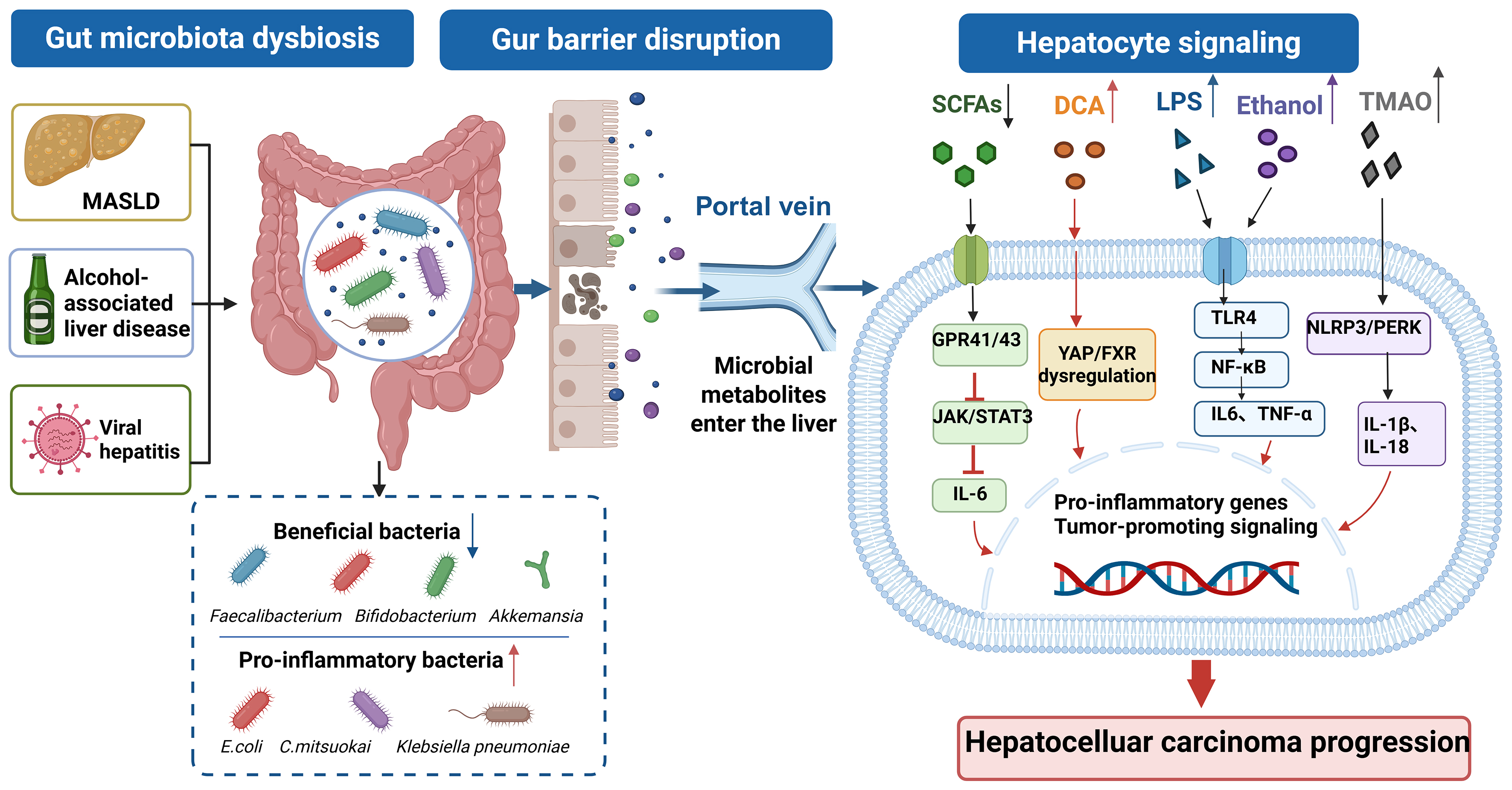
Figure 1. Mechanisms by which gut microbiota-derived metabolites may promote hepatocarcinogenesis. Underlying liver diseases such as MASLD, ALD, and viral hepatitis are associated with gut microbiota dysbiosis, characterized by depletion of butyrate-producing bacteria and enrichment of pro-inflammatory taxa. Reduced SCFA availability weakens epithelial barrier integrity and antitumor immune support; conversely, acetate, propionate, and butyrate can activate GPR41/43-related pathways, restrain excessive inflammation, and support NK/CD8+ T-cell activity. In contrast, these factors act through partly distinct pathways, including DCA-YAP/FXR dysregulation, LPS-TLR4/NF-κB signaling and TMAO-associated inflammatory and metabolic pathways, thereby promoting HCC development. Created in BioRender. Zhang, K. (2026) https://BioRender.com/rc7m51p. The upward arrow indicates an increase; The downward arrow indicates an decrease. ALD: Alcohol-associated liver disease; CD8: cluster of differentiation 8; DCA: deoxycholic acid; FXR: farnesoid X receptor; GPR41/43: G protein-coupled receptor 41/43; HCC: hepatocellular carcinoma; IL-6: interleukin-6; JAK/STAT3: Janus kinase/signal transducer and activator of transcription 3; LPS: lipopolysaccharide; MASLD: metabolic dysfunction-associated steatotic liver disease; NF-κB: nuclear factor kappa-light-chain-enhancer of activated B cells; NK: natural killer; NLRP3: NOD-like receptor protein 3; PERK: protein kinase R-like endoplasmic reticulum kinase; SCFA: short-chain fatty acid; TLR4: Toll-like receptor 4; TMAO: trimethylamine N-oxide; TNF-α: tumor necrosis factor-α; YAP: Yes-associated protein.