





Extracellular Vesicles and SECmeres: Different packages carrying different messages
Contents
Moderator
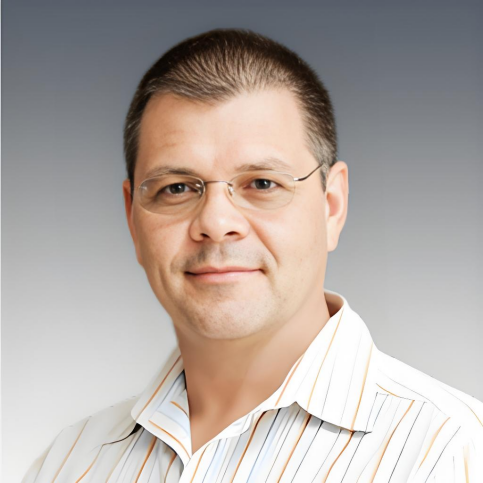
Michael W. Pfaffl
Professor, Division of Animal Physiology and Immunology, School of Life Sciences Weihenstephan, Technical University of Munich, Freising, Germany
Prof. Pfaffl's field of research is the molecular physiology of animals and humans. Using modern biochemical and molecular biology techniques, experimental research focuses on foundations and innovations in the endocrine and paracrine regulation of human health and animal health & welfare. Besides the traditional signal transmission, the extracellular vesicle biology represents a key aspect of his research. The focus is on the development of nucleic acid-based signatures as biomarkers for non-physiological or pathological conditions.
Prof. Pfaffl started in 1986 to study 'Agriculture & Animal Science' and 'Biotechnology' at the Technical University of Munich (TUM). In 1997, he obtained his PhD in the field of molecular muscle and growth physiology at the Chair of Physiology. In June 2003 he completed his Venia Legendi (Dr. habil.) in 'Physiology' at the Center of Life and Food Sciences Weihenstephan. Early 2010 he became Professor of 'Molecular Physiology' at the TUM School of Life Sciences in Freising Weihenstephan.
Prof. Pfaffl started in 1986 to study 'Agriculture & Animal Science' and 'Biotechnology' at the Technical University of Munich (TUM). In 1997, he obtained his PhD in the field of molecular muscle and growth physiology at the Chair of Physiology. In June 2003 he completed his Venia Legendi (Dr. habil.) in 'Physiology' at the Center of Life and Food Sciences Weihenstephan. Early 2010 he became Professor of 'Molecular Physiology' at the TUM School of Life Sciences in Freising Weihenstephan.
Speaker
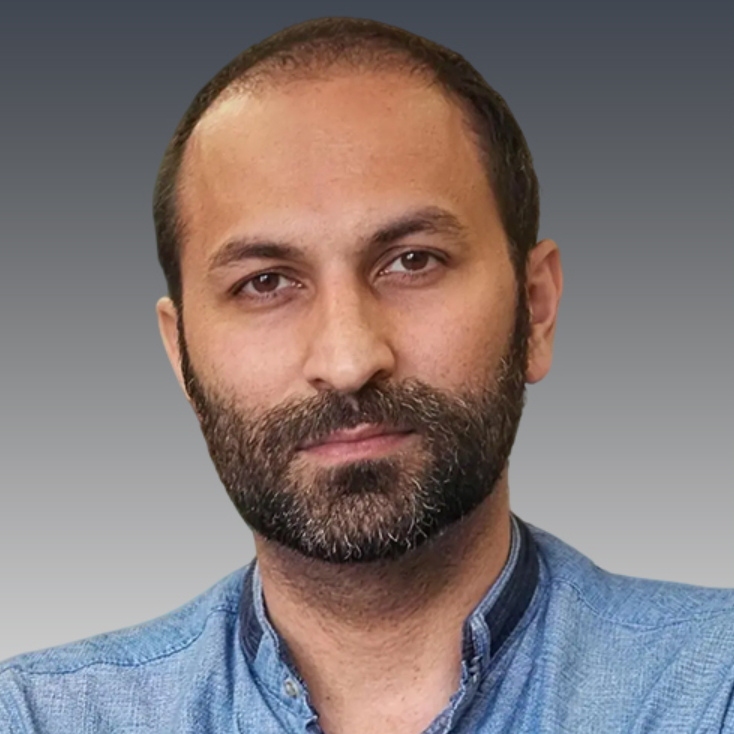
Dr. Navneet Dogra
Assistant Professor, Icahn Genomics Institute, Icahn School of Medicine at Mount Sinai, New York, USA
Prior to joining Mount Sinai, Navneet Dogra led translational research efforts at IBM research and Yale University to drive translational research in “liquid biopsy in cancer” and “drug delivery” by bridging together clinical and experimental oncology and develop novel tools for biosensing of genetic markers.
Dr. Dogra has recently filed for two US patents relating to “exosomes nanoparticles assisted drug delivery” and “tumor heterogeneity”. He has published in a diverse array of journals including Cell (research featured on the cover), Lab-on-a-chip, ACS Applied Materials and Interfaces (cover feature), ACS Bioconjugate Chemistry, Langmuir (cover feature), and Scientific Reports.
Dr. Dogra has recently filed for two US patents relating to “exosomes nanoparticles assisted drug delivery” and “tumor heterogeneity”. He has published in a diverse array of journals including Cell (research featured on the cover), Lab-on-a-chip, ACS Applied Materials and Interfaces (cover feature), ACS Bioconjugate Chemistry, Langmuir (cover feature), and Scientific Reports.
Introduction
Cells release heterogeneous extracellular vesicles and particles (EVPs) into circulation, carrying RNA and proteins that reflect their origin.
SECmeres are tiny sub-50nm extracellular nanoparticles found in the human brain and blood that carry brain-specific RNA markers. In this talk, we will discuss the exciting world of EVPs and their potential applications in therapy and liquid-biopsy.
SECmeres are tiny sub-50nm extracellular nanoparticles found in the human brain and blood that carry brain-specific RNA markers. In this talk, we will discuss the exciting world of EVPs and their potential applications in therapy and liquid-biopsy.