


Standardization of Extracellular Vesicle Flow Cytometry - Enabling Reproducible Measurements and Biological Interpretation
Contents
Moderator
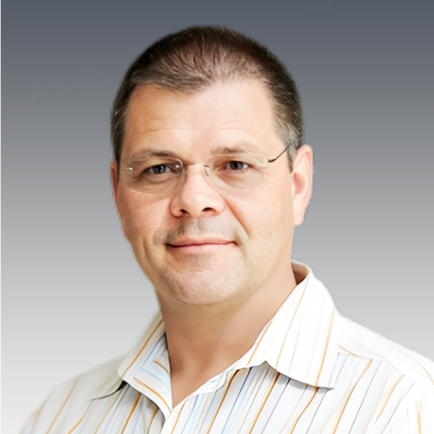
Michael W. Pfaffl
Professor, Division of Animal Physiology and Immunology, School of Life Sciences Weihenstephan, Technical University of Munich, Freising, Germany
Prof. Pfaffl's field of research is the molecular physiology of animals and humans. Using modern biochemical and molecular biology techniques, experimental research focuses on foundations and innovations in the endocrine and paracrine regulation of human health and animal health & welfare. Besides the traditional signal transmission, the extracellular vesicle biology represents a key aspect of his research. The focus is on the development of nucleic acid-based signatures as biomarkers for non-physiological or pathological conditions.
Prof. Pfaffl started 1986 to study 'Agriculture & Animal Science' and 'Biotechnology' at the Technical University of Munich (TUM). In 1997 he obtained his PhD in the field of molecular muscle and growth physiology at the Chair of Physiology. In June 2003 he completed his Venia Legendi (Dr. habil.) in 'Physiology' at the Center of Life and Food Sciences Weihenstephan. Early 2010 he became Professor of 'Molecular Physiology' at the TUM School of Life Sciences in Freising Weihenstephan.
Prof. Pfaffl started 1986 to study 'Agriculture & Animal Science' and 'Biotechnology' at the Technical University of Munich (TUM). In 1997 he obtained his PhD in the field of molecular muscle and growth physiology at the Chair of Physiology. In June 2003 he completed his Venia Legendi (Dr. habil.) in 'Physiology' at the Center of Life and Food Sciences Weihenstephan. Early 2010 he became Professor of 'Molecular Physiology' at the TUM School of Life Sciences in Freising Weihenstephan.
Speaker
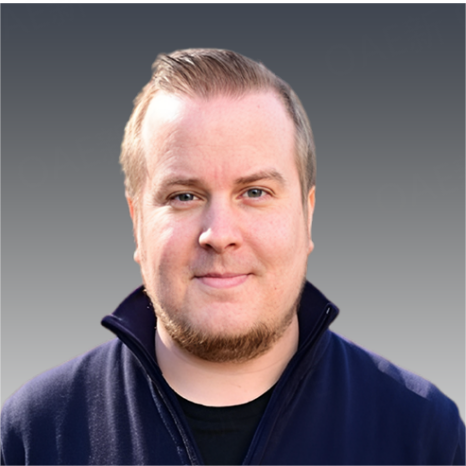
Tobias Tertel
Postdoctoral Researcher, Institute of Transfusion Medicine, University Hospital Essen, University of Duisburg-Essen, Essen, Germany
Tobias Tertel, PhD, is a postdoctoral researcher at the Institute of Transfusion Medicine, University Hospital Essen. His research focuses on extracellular vesicles (EVs), with particular emphasis on single-vesicle analysis, assay development, and translational applications.
With a strong foundation in biochemistry, he specializes in the standardized production, characterization, and critical evaluation of EVs using advanced technologies such as Imaging Flow Cytometry. His contributions to standardization guidelines (e.g., MISEV, MIFlowCyt-EV) aim to improve the robustness, reproducibility, and clinical relevance of EV-based approaches.
Scientifically, his research bridges diagnostic and therapeutic applications. He investigates EV-based biomarkers in infectious and inflammatory diseases, such as COVID-19 and Sepsis. In the therapeutic field, he focuses on mesenchymal stromal cell-derived EVs (MSC-EVs), specifically analyzing their neuroprotective and immunomodulatory potential in conditions like ischemic stroke and Graft-versus-Host Disease (GvHD).
Tobias is an Executive Board member of the German Society for Extracellular Vesicles (GSEV) and a member of the Exosome Committee of the International Society for Cell and Gene Therapy (ISCT). He is actively involved in the international EV community and contributes to European initiatives such as the MOVE network.
In addition to his research activities, he is engaged in mentoring early-career researchers and fostering collaboration across disciplines to advance translational EV research.
With a strong foundation in biochemistry, he specializes in the standardized production, characterization, and critical evaluation of EVs using advanced technologies such as Imaging Flow Cytometry. His contributions to standardization guidelines (e.g., MISEV, MIFlowCyt-EV) aim to improve the robustness, reproducibility, and clinical relevance of EV-based approaches.
Scientifically, his research bridges diagnostic and therapeutic applications. He investigates EV-based biomarkers in infectious and inflammatory diseases, such as COVID-19 and Sepsis. In the therapeutic field, he focuses on mesenchymal stromal cell-derived EVs (MSC-EVs), specifically analyzing their neuroprotective and immunomodulatory potential in conditions like ischemic stroke and Graft-versus-Host Disease (GvHD).
Tobias is an Executive Board member of the German Society for Extracellular Vesicles (GSEV) and a member of the Exosome Committee of the International Society for Cell and Gene Therapy (ISCT). He is actively involved in the international EV community and contributes to European initiatives such as the MOVE network.
In addition to his research activities, he is engaged in mentoring early-career researchers and fostering collaboration across disciplines to advance translational EV research.