Element Science Exploration: Gut microbiome and metabolites in MASLD and HCC via Gut-Liver Axis
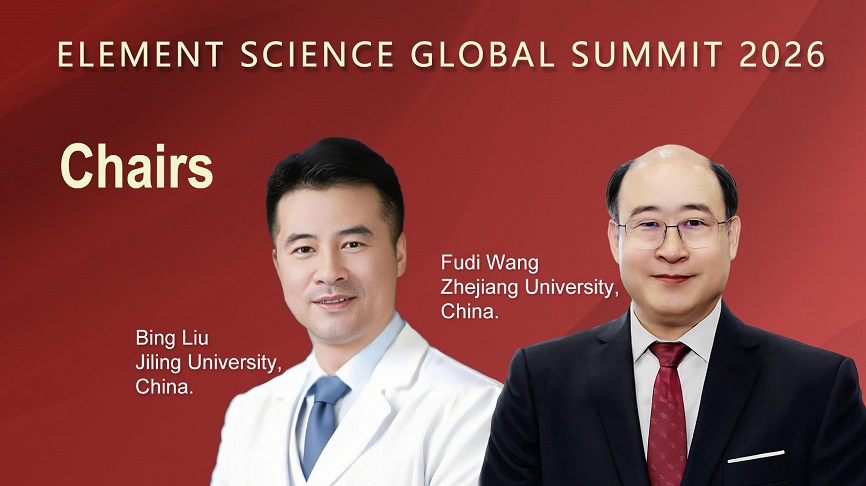
This academic seminar, organized by Element, focused on the associations between the gut microbiota, metabolism, fatty liver disease, and hepatocellular carcinoma in July 28, 2026.
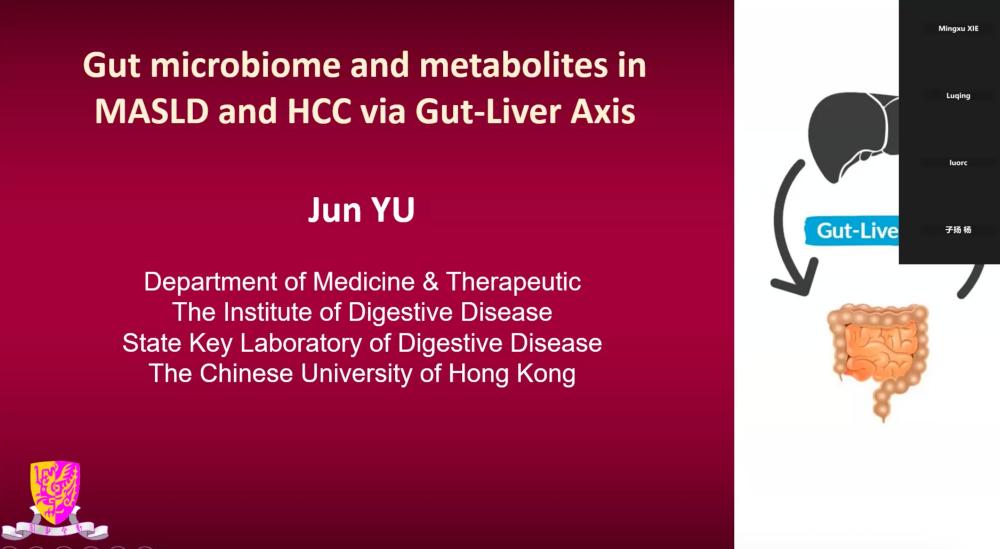
Professor Jun Yu provided an in-depth overview of how a high-fat, high-cholesterol diet can induce models of fatty liver-associated hepatocellular carcinoma and discussed the effects of dietary factors, particularly cholesterol and fiber, on the gut microbiota. The research revealed that specific bacteria, such as Bifidobacterium, can utilize inulin to produce beneficial prebiotic-derived acids, thereby exerting protective effects, whereas certain gut bacteria, such as Klebsiella pneumoniae, can disrupt the gut - liver barrier and directly translocate to the liver, promoting hepatocarcinogenesis. The study also identified an association between TMC2 genetic diversity and fatty liver disease, suggesting that it may influence disease progression by modulating the gut microbiota and metabolites that reach the liver through the portal circulation.
The seminar concluded with a discussion of the microbiological characteristics of multifocal hepatocellular carcinoma, revealing a strong association between bacterial signatures in the central regions of tumors and the activation of cancer-related signaling pathways. By bringing together cutting-edge discoveries and interdisciplinary perspectives, the event highlighted the importance of exploring the fundamental biological principles that connect the microbiome, metabolism, and human health.

Element looks forward to continuing to foster meaningful scientific exchange and advancing interdisciplinary collaboration to inspire new discoveries and innovative solutions in biomedical research.
Managing Editor: Victoria Lee
Scientific Editor: Toni Zhang
Language Editor: AMIR KHAN
Production Editor: Xingyue Luo
Respectfully Submitted by the Editorial Office of Element