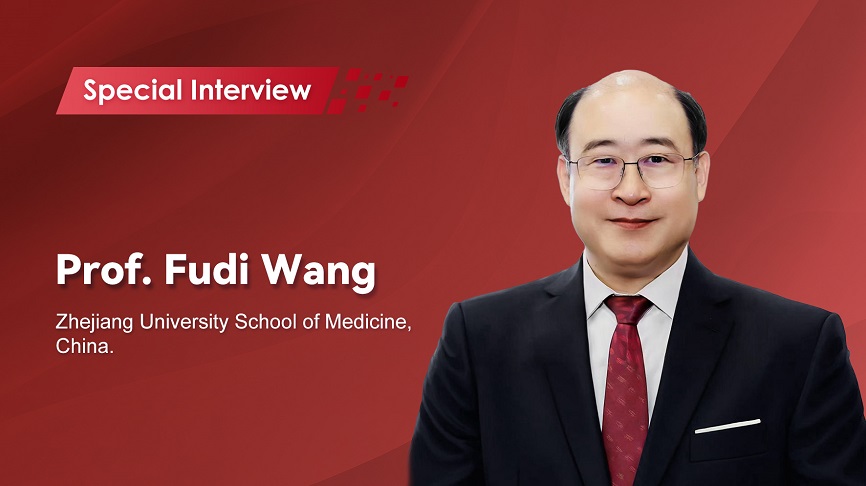
Special Interview with Editor-in-Chief Prof. Fudi Wang - Element: Exploring the Foundations of Science
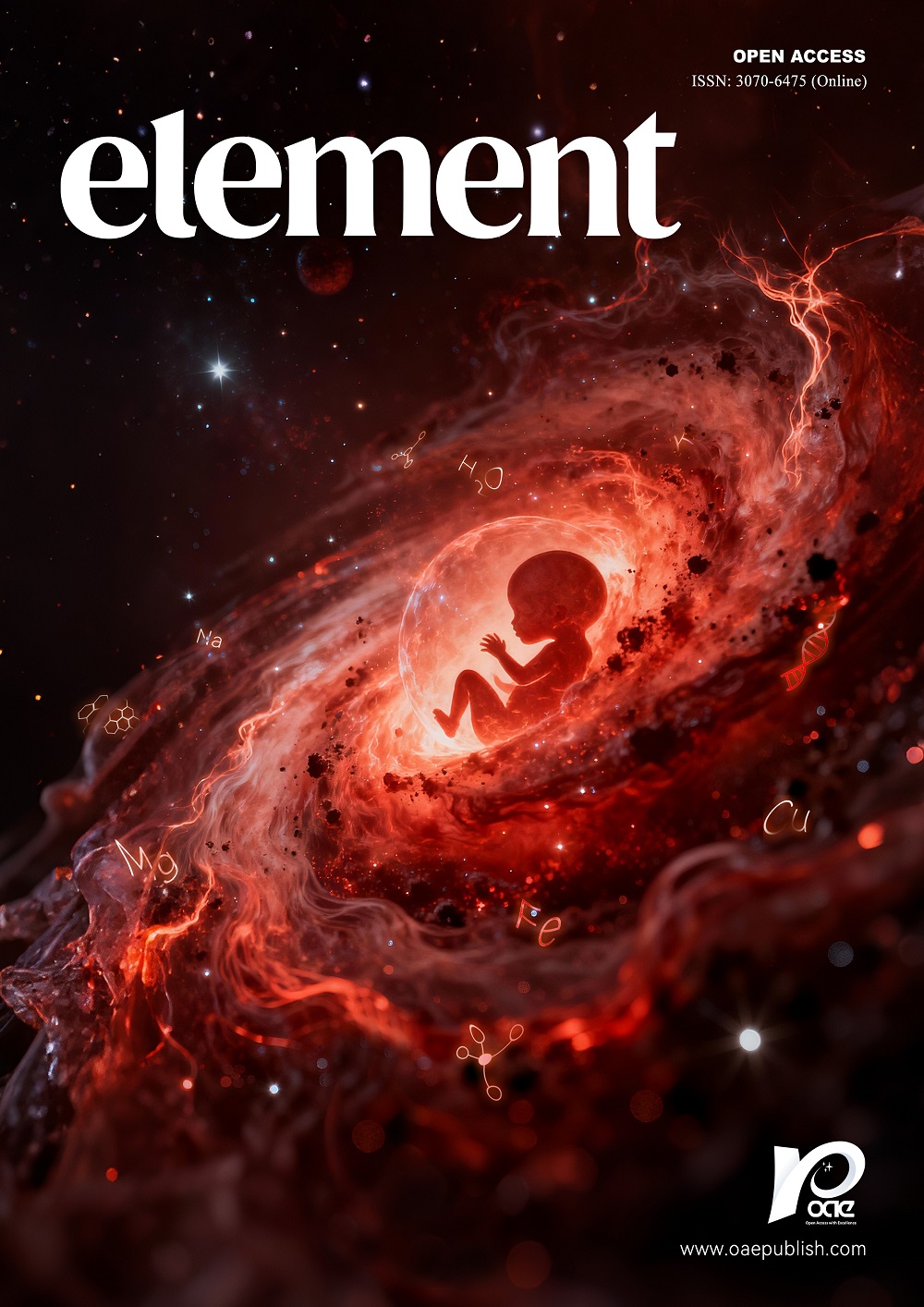
On September 30, 2025, the journal Element officially launched, establishing an international, gold open-access, peer-reviewed platform dedicated to advancing research across life sciences, medicine, chemistry, engineering, materials science and agronomy. Rooted in the dual meaning of "element" - as both the material building blocks of the world and the fundamental essence of scientific inquiry - the journal seeks to bridge disciplines and uncover the underlying logic of complex systems.
In an exclusive interview, Editor-in-Chief Prof. Fudi Wang reflects on the vision behind Element, highlighting emerging frontiers in trace element research and their implications for human health, while outlining the journal's commitment to publishing work that not only reports discoveries but also deepens our understanding of the principles that govern science. The interview offers insight into how Element positions itself as a platform for integrating knowledge, fostering interdisciplinary dialogue, and shaping future directions in scientific exploration.
Editor-in-Chief: Prof. Wang Fudi Wang
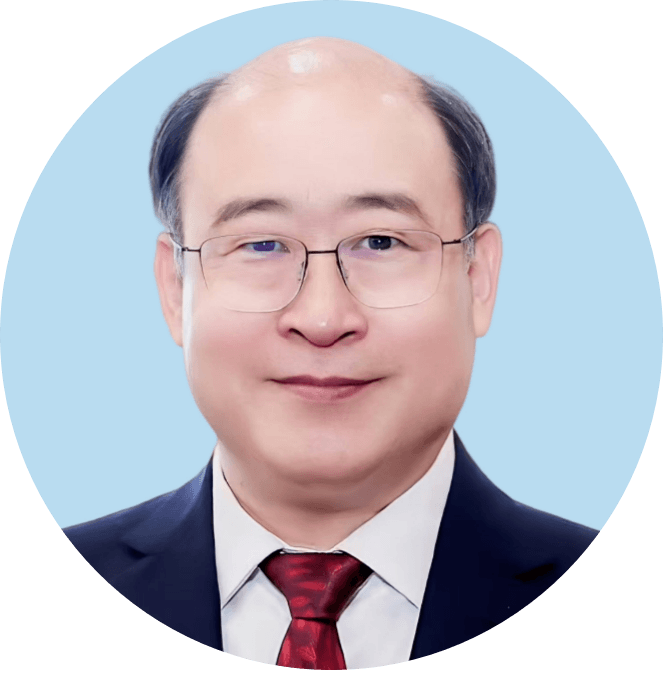
Fudi Wang, MD, PhD, is a globally recognized authority in metal metabolism and ferroptosis, serving as Qiushi Distinguished Professor at Zhejiang University School of Medicine, Editor-in-Chief of Element, and Advisory Board Member for Cell Metabolism. He has published over 260 papers in top-tier journals, including Nature and Cell Metabolism, with 31 cover articles, a total impact factor over 3000, over 27,000 citations, and an H-index of 80. Consistently recognized as a Clarivate Highly Cited Researcher, an Elsevier Highly Cited Researcher, and among the top 2% of scientists worldwide, he has received numerous national and international academic honors. Prof. Wang has devoted his career to advancing human health through basic and translational research in biometal homeostasis, ferroptosis, and nutrient metabolism, while contributing to academic education as a former university president and vice president. A global leader in ferroptosis and metal ion metabolism, he has discovered multiple new genes, mechanisms, and innovative therapeutics, first proposed the "ferroptosis signaling" theory, and pioneered the new discipline of "Ferrology."
Interview Highlights
Q1: As Chair of the Sixth International Trace Element Conference & Element Science Forum (April 11-13, 2026, Changchun, China), what do you see as the most exciting breakthroughs in trace element research, and which directions hold the greatest potential for clinical or applied impact in the next few years?
Prof. Wang: The most exciting breakthroughs lie in our deepening understanding of the multifunctional roles of elements in living systems. Traditionally, we focused on the deficiency or excess of individual elements. Now, we see that interactions among elements, as well as their connections with metabolism, immunity, and signaling pathways, are key determinants of health and disease.
Current frontier areas include:
- Elemental homeostasis and regulation of cell fate
- Interactions between trace elements, immunometabolism, and gut microbiota
- Single-cell and spatial omics studies of elemental distribution and function
- Biomarker development and early disease detection related to elemental dysregulation
In the next five years, precision nutrition interventions and trace element applications in chronic disease prevention and management hold the greatest translational potential, linking fundamental research to individualized intervention, risk stratification, and precision monitoring. Element will continue to focus on these cross-disciplinary areas, highlighting the journal's distinctive role in bridging elemental science, health, metabolism, and disease prevention.
Q2: The name Element carries philosophical meaning. How do you define the scientific "element," and is its definition evolving in today's research landscape?
Prof. Wang: Scientific "elements" are not only the smallest units of matter but also the core variables that determine system behavior and function. In life sciences, slight fluctuations of trace metal elements can influence cell fate, metabolic networks, and organ function. In materials science, adjusting microstructures or key components can transform performance and applications. In environmental and public health studies, critical factors in exposures can shape population health trends. These examples show that scientific "elements" are both concrete and abstract - they are measurable substances and crucial nodes or variables in system function.
Today, "elements" are being redefined: they extend beyond traditional atoms or chemicals to fundamental building blocks across disciplines - regulatory nodes in biological networks, key features in AI algorithms, or functional modules in material systems. Element reflects this philosophy, emphasizing not only material elements but also the core units of scientific understanding, mechanisms, and cross-disciplinary innovation.
Q3: Which types of interdisciplinary research are most likely to generate disruptive scientific breakthroughs?
Prof. Wang: Disruptive breakthroughs often emerge at the intersection of disciplines, requiring integration of diverse knowledge. Examples include:
- Designing MOF-based drug carriers and exploring their effects on tumor metabolism and cell death, bridging chemistry, materials science, and biomedicine
- Combining elemental science with AI or computational simulations to uncover new patterns or predict properties
- Merging analytical chemistry with precision diagnostics to advance early disease detection
- Linking environmental exposure science with population health research to reveal systemic effects of long-term environmental factors
- Translating materials science into biomedical applications with functional materials
True disruption lies not only in technical combination but also in re-defining mechanisms, principles, or application pathways. Element especially welcomes studies addressing key scientific questions across chemistry, life sciences, medicine, materials, and environmental sciences, reflecting the journal's interdisciplinary, open, and leading-edge mission.
Q4: What kinds of "innovative" research does Element seek, and what are the journal's main features and competitive advantages?
Prof. Wang: True innovation is not merely technical improvement, but substantive contributions that advance scientific understanding. Element emphasizes:
- Studies proposing new concepts, mechanisms, or theoretical frameworks
- Research addressing critical scientific questions with novel methods, not just methodology demonstration
- Interdisciplinary studies with the potential to guide field development
- Work with lasting academic value beyond short-term trends
The journal's competitive advantages include:
- An international editorial and peer-review system ensuring forward-looking, diverse perspectives
- Open-access model for rapid global dissemination
- Selection criteria centered on intellectual depth and systemic significance
- Active organization of thematic, review, and opinion articles to guide discussion on cross-disciplinary key questions
Thus, Element serves as a platform for original research and frontiers discussion, prioritizing contributions that advance understanding of core scientific problems.
Q5: What is the journal's future vision?
Prof. Wang: I hope Element becomes more than a record of research outputs; it should help define frontiers. The journal will connect life sciences, medicine, materials, and environmental research, focusing on cross-disciplinary, foundational, and systemically significant scientific questions.
Key strategies include:
- Identifying emerging but underexplored research directions
- Guiding structured, systematic academic discussions through thematic and opinion articles
- Leveraging rigorous peer review and international networks to maximize discovery, dissemination, and impact
Element aims to be an international platform that organizes frontier discussions, advances disciplinary evolution, and shapes scientific directions.
Q6: How does Element support the development of early-career researchers?
Prof. Wang: Early-career researchers are vital for scientific progress. Since its founding, Element has been committed to "supporting youth, fostering originality" through:
- Constructive peer review and publication support: Emphasizing originality and potential, helping researchers refine study design and academic expression
- Youth-focused thematic contributions and editorial participation: Encouraging young PIs and scholars to contribute to reviews, opinions, and thematic planning
- Training in writing and reviewing skills: Workshops, online lectures, and seminars on academic writing and peer review to enhance international communication
- Conference linkage and excellence recognition: Partnering with domestic and international conferences to highlight outstanding early-career research
- International visibility and impact building: Promoting rapid recognition, citation, and discussion of youth research globally
Supporting early-career researchers is both crucial for talent cultivation and foundational for a sustainable academic ecosystem. Element aims to accompany young scholars from publishing their first high-quality paper to developing independent academic influence and thought leadership.
Editor: Victoria Lee
Language Editor: Catherine Yang
Production Editor: Ting Xu
Respectfully Submitted by the Editorial Office of Element