Special Interview with Prof. Yajing Wang
On November 17, 2026, Prof. Yang Cao of the University of Science and Technology of China, China, interviewed Prof. Yajing Wang of the University of Alabama at Birmingham, USA. Prof. Wang discussed her team's research on heart failure as a disorder of interorgan and intercellular communication, focusing on adipose–heart crosstalk, diabetic myocardial ischemic injury, and the role of cardiac microvascular dysfunction in heart failure. She highlighted how adipose-derived extracellular vesicles (EVs) mediate metabolic communication between tissues and contribute to diabetic cardiomyopathy and ischemic injury. She also introduced the concept of mitochondrial age as a potential means of understanding individual differences in mitochondrial function and cardiovascular resilience.
Her team is also exploring protein engineering and engineered EV-based strategies to enhance cardioprotective signaling and promote cardiac repair, with an emphasis on improving protein stability, bioactivity, and receptor specificity. Looking ahead, she highlighted the importance of translating mechanistic discoveries into more precise therapeutic approaches. For early-career researchers, she offered three key pieces of advice: addressing genuine clinical problems while maintaining mechanistic rigor, embracing interdisciplinary collaboration, and remaining patient throughout the translational research process.
Watch the full interview with Prof. Yajing Wang:
Interview Questions:
Q1. Could you briefly introduce the main research questions your team is currently exploring in cardiovascular research?
Q2. Despite advances in the treatment of myocardial infarction, patients with type 2 diabetes remain particularly vulnerable to adverse cardiac outcomes following ischemic injury. How does diabetes compromise the heart's intrinsic protective mechanisms in this setting, and which molecular pathways are particularly important?
Q3. Interorgan communication plays an important role in cardiometabolic health. How do adipose tissue-derived signals, particularly small extracellular vesicles and adipokines, regulate cardiomyocyte function, and what are the major challenges in understanding this complex communication network?
Q4. In your JCA review, “Understanding Cardiovascular Aging as a Disorder of Mitochondrial Network,”you introduced the concept of “mitochondrial age” as a potential tool for assessing cardiovascular aging. What do you see as the main value of this concept, and how might it advance our understanding of the aging cardiovascular system?
Q5. Your laboratory explores protein engineering and novel strategies to promote cardiac repair. How do you see these approaches contributing to the development of more precise and effective therapies for heart failure?
Q6. Finally, what advice would you offer to early-career researchers who aspire to pursue a career in cardiovascular research, particularly those working at the interface of basic and translational science?
About Prof. Yajing Wang:
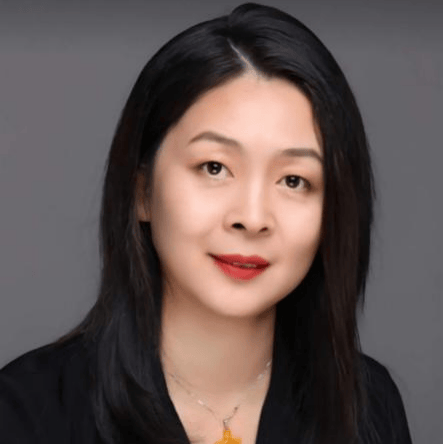
Prof. Yajing Wang, M.D., Ph.D., is a Professor, Vice Chair of Research, and Director of Basic and Translational Research in the Department of Biomedical Engineering at the University of Alabama at Birmingham (UAB). She earned both her medical degree and master of science from Shanxi Medical University before completing her Ph.D. at Shanghai Jiao Tong University School of Medicine in 2006 and postdoctoral training at Thomas Jefferson University, where she later served as Director of Basic Research in the Department of Emergency Medicine prior to joining UAB. As the leader of the iCardio-X Laboratory, her research centers on the molecular mechanisms of heart failure, diabetic cardiomyopathy, and inter-organ communication between adipose tissue and the cardiovascular system, alongside peptide protein engineering to develop targeted therapeutic strategies. Recognized as a world-leading expert in adipokines, she has published extensively in top cardiovascular and biomedical journals and actively contributes to the international cardiology community through leadership roles, such as serving on the Organization Committee for the Great-Wall International Cardiology Congress (GW-ICC).
About Prof. Yang Cao:
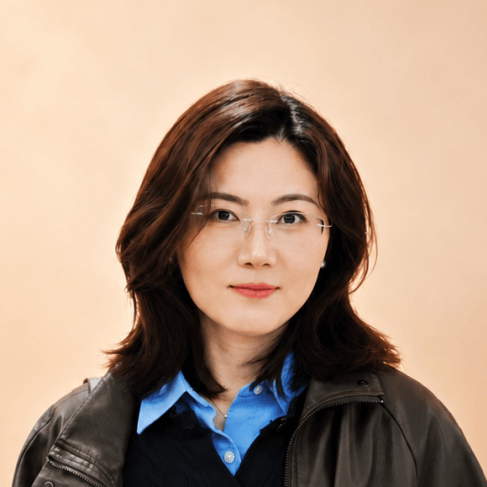
Prof. Yang Cao is a Professor in the Department of Medicine at the University of Science and Technology of China (USTC), where she leads the Cardiovascular Metabolism Laboratory. She is a recipient of the National Natural Science Fund for Excellent Young Scientists (Overseas) and the Youth Talent Program of the Chinese Academy of Sciences. She received her Ph.D. from USTC in 2015 and subsequently pursued postdoctoral training and held research positions at the University of Washington, Yale University, and the University of California, Los Angeles (UCLA). In April 2023, she joined USTC as a professor and established her independent research laboratory. Her research focuses on the molecular and genetic mechanisms of cardiometabolic diseases, particularly heart failure with preserved ejection fraction (HFpEF), with an emphasis on interorgan communication and mitochondrial metabolism. By integrating systems genetics, multi-omics approaches, and experimental models, her laboratory aims to uncover novel disease mechanisms and identify potential therapeutic targets. Her work has been published in leading journals, including Science, Nature Aging, European Heart Journal, Circulation, Cell Metabolism, Circulation Research, and The EMBO Journal.
Editor: Celia Li
Production Editor: Xingyue Luo
Respectfully Submitted by the Editorial Office of The Journal of Cardiovascular Aging