
Special Interview with Prof. Joseph A. Hill
On November 3, 2026, Prof. Moshi Song from the Chinese Academy of Sciences, China, conducted an interview on behalf of The Journal of Cardiovascular Aging (JCA) with Prof. Joseph A. Hill from UT Southwestern Medical Center, USA. The conversation explored recent advances in heart failure research, particularly heart failure with preserved ejection fraction (HFpEF), as well as emerging perspectives on cardiovascular aging and advice for early-career researchers.
Prof. Hill highlighted his laboratory's development and application of the widely adopted "two-hit" model of HFpEF, along with ongoing investigations into myocardial fibrosis, cardiac remodeling, and TFEB-mediated cardiomyocyte stress responses. He also discussed emerging directions in cardiovascular aging research, emphasizing cellular senescence and the integration of complementary experimental models, including animal models, induced pluripotent stem cells (iPSCs), and organoids. In addition, he offered valuable advice to early-career researchers on rigorous experimental design, scientific writing, and professional development.
Watch the full interview with Prof. Joseph A. Hill:
Interview Questions:
Q1. Your group has been consistently producing important work on the molecular mechanisms of cardiac remodeling. Could you briefly introduce the lab's core lines of research at present, and the finding from the past year or two that surprised you most?
Q2. Your recent research has highlighted the role of TFEB in regulating lysosomal function and mitochondrial metabolism in cardiac remodeling. What are the key implications of these findings for heart failure?
Q3. Following the heart failure thread, specifically for HFpEF, you have described the therapeutic toolbox as nearly empty. In this area, what do you consider the scientific question most deserving of priority investment?
Q4. Having identified the priority scientific questions for HFpEF, let's return to translation. Which pathways and interventions do you think are more clinically feasible and accessible for this area?
Q5. As Editor-in-Chief of Circulation, you have extensive experience supporting young scholars. From a journal's perspective, what is the one thing a cardiovascular aging journal should get right to attract submissions from early-career researchers?
Q6. Conversely, from the early-career researchers' own side, what judgment error are they most prone to when submitting to journals like this? Among topic importance, story completeness, and fit with the journal's positioning, which is most often overlooked and most damaging to young scholars, and why?
Q7. As an experienced mentor, what capability do you think a young scholar should most deliberately train during doctoral or postdoctoral training in a field as interdisciplinary as cardiovascular research? Among experimental technique, the judgment to pose questions, and the ability to write and speak, which is most often overlooked and has the greatest impact on long-term development, and why?
About Prof. Joseph A. Hill:
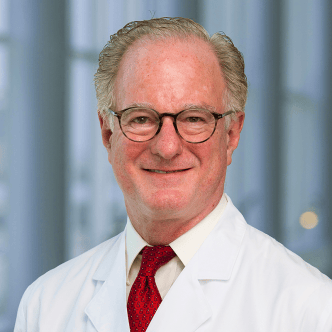
Prof. Joseph A. Hill, is a Professor of Internal Medicine and Molecular Biology at UT Southwestern Medical Center in Dallas, Texas, USA, where he serves as Director of the Harry S. Moss Heart Center. He holds the James T. Willerson, MD, Distinguished Chair in Cardiovascular Diseases and the Frank M. Ryburn Jr. Chair in Heart Research.
Prof. Hill is an internationally recognized cardiovascular physician-scientist whose research focuses on the molecular mechanisms underlying cardiac remodeling, hypertrophy, and heart failure. His work investigates how structural, functional, metabolic, and electrophysiological changes contribute to cardiovascular disease, with the goal of identifying novel therapeutic targets. His research has also advanced understanding of heart failure with preserved ejection fraction (HFpEF) and cardiometabolic stress. He has authored or co-authored hundreds of scientific publications and has played a prominent role in cardiovascular research leadership, including serving as Editor-in-Chief of Circulation from 2016 to 2026. His contributions have been recognized through numerous honors, including the American Heart Association's Gold Heart Award in 2026.
About Prof. Moshi Song:

Prof. Moshi Song is a Principal Investigator and Ph.D. Supervisor at the State Key Laboratory of Organ Regeneration and Reconstruction, Institute of Zoology, Chinese Academy of Sciences (CAS), in Beijing, China. She received her Ph.D. from Washington University in St. Louis in 2015, completed postdoctoral training at Stanford University from 2016 to 2018, and joined CAS later that year. Her research centers on the molecular mechanisms underlying cardiac aging and associated diseases, as well as the development of therapeutic intervention strategies. She has published extensively as corresponding or co-corresponding author in leading journals, including Cell, Nature Aging, Circulation Research, and Nature Communications; her work has garnered over 11,500 citations, with an H-index of 54. She also serves as Secretary General of the Chinese Society for Aging Cell Research at the Chinese Society for Cell Biology, Secretary General of the Committee of Antiaging at the China Association of Gerontology and Geriatrics, and a council member of both societies.
Editor: Smart Zhang
Production Editor: Xingyue Luo
Respectfully Submitted by the Editorial Office of The Journal of Cardiovascular Aging