
Special Interview with Prof. Haibo Jia
On October 29, 2026, the Journal of Cardiovascular Aging (JCA) conducted a special interview with Prof. Haibo Jia from the Second Affiliated Hospital of Harbin Medical University, China, hosted by Dr. Feng Xiao from Wuxi People's Hospital Affiliated to Nanjing Medical University, China.
During the interview, Prof. Jia shared his perspectives on coronary intracoronary imaging, vulnerable plaque features and vascular aging. He discussed the distinct mechanisms of acute coronary syndrome driven by plaque erosion and rupture, the genetic basis underlying these processes, and how vascular aging promotes plaque destabilization, while highlighting the value of combining imaging, multi‑omics and artificial intelligence for precision cardiovascular medicine.
Looking ahead, Prof. Jia outlined three major directions for his research group: deciphering immune cell interactions within plaques, integrating multi‑omics with intravascular imaging to identify high‑risk plaques, and exploring novel therapeutic strategies targeting vascular aging. He believes that these approaches, paired with advances in imaging biomarkers, gut microbiome and genetic profiling, may open new avenues for more accurate risk stratification and personalized prevention and treatment of atherosclerotic cardiovascular disease.
Watch the full interview between Dr. Feng Xiao and Prof. Haibo Jia:
Interview Questions:
Q1. Could you briefly introduce your research group's main research areas and recent advances?
Q2. Your research has focused on coronary atherosclerosis and plaque vulnerability. What are the key unanswered questions in this field?
Q3. Your recent research has explored the roles of JAK2 V617F mutations and biomechanical factors in plaque erosion. How do these findings advance our understanding of coronary artery disease?
Q4. How does vascular aging influence atherosclerosis and plaque vulnerability, and what are the potential therapeutic implications?
Q5. Looking ahead, what research directions do you think will shape the future of atherosclerosis research and cardiovascular aging over the next five years? Which areas are you most interested in?
About Prof. Haibo Jia:
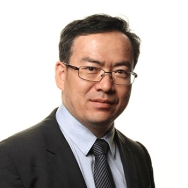
Prof. Haibo Jia is a Chief Physician and Doctoral Supervisor at the Second Affiliated Hospital of Harbin Medical University, China. His research focuses on intravascular imaging, coronary atherosclerosis, plaque vulnerability, acute coronary syndromes, and vascular aging. By integrating optical coherence tomography (OCT), intravascular ultrasound (IVUS), and molecular and genetic approaches, his work investigates the mechanisms underlying coronary plaque erosion and rupture. His recent research on the JAK2 V617F mutation has provided new insights into the role of clonal hematopoiesis in coronary plaque pathology and myocardial infarction. He has also explored the contributions of immune mechanisms, including neutrophil extracellular traps and T-cell-mediated cytotoxicity, to atherosclerotic disease. Prof. Jia has led multiple national research projects and received prestigious honors, including the Excellent Young Scientists Fund and the Newton Advanced Fellowship.
About Dr. Feng Xiao:
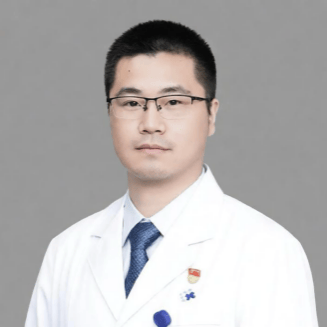
Dr. Feng Xiao, MD, PhD, is a postdoctoral researcher and a candidate for future academic leadership in the Department of Cardiology at Wuxi People's Hospital, China. He is a recipient of the first and second "Double Hundred" Young and Mid-Career Medical Talent Programs of Wuxi and serves as a Young Editorial Board Member for several SCI-indexed journals, including Reviews in Cardiovascular Medicine and The Journal of Cardiovascular Aging. His research focuses on the clinical and basic investigation of common cardiovascular diseases, including tachyarrhythmias, bradyarrhythmias, coronary artery disease, and valvular heart disease. He has led eight research projects at various levels, including a Youth Program of the National Natural Science Foundation of China (NSFC), and has published more than 20 articles in SCI-indexed and Chinese core journals.
Editor: Smart Zhang
Production Editor: Xingyue Luo
Respectfully Submitted by the Editorial Office of The Journal of Cardiovascular Aging