Special Interview with Prof. Saumya Das
On September 17, 2026, Dr. Iokfai Cheang from Jiangsu Province Hospital, China, conducted an interview on behalf of The Journal of Cardiovascular Aging (JCA) with Prof. Saumya Das from Harvard Medical School, USA. Prof. Das discussed his research on extracellular vesicles (EVs) and extracellular RNAs (exRNAs) in cardiovascular disease, focusing on their potential roles in intercellular and inter-organ communication, biomarker development, and the identification of disease-associated molecular pathways. He highlighted his team’s work investigating EV-mediated communication between metabolic tissues and the heart, particularly in the context of obesity, atrial fibrillation, and heart failure.
Prof. Das also discussed the potential of EV-based molecular profiling to capture molecular differences among heart failure phenotypes beyond conventional biomarkers and to support disease sub-segmentation. Regarding EV-based therapeutics, he emphasized the need for further research into their biological mechanisms, including the contributions of EV cargo, target engagement, dosing, distribution, and elimination. For early-career researchers, he stressed the importance of rigorous experimental design, persistence, strong mentorship, and pursuing scientifically meaningful questions, particularly in emerging fields where established understanding remains limited.
Watch the full interview with Prof. Saumya Das:
Interview Questions:
Q1. Your research has brought together cardiovascular medicine, extracellular vesicles, and RNA biology. What initially drew you to studying extracellular vesicle-associated RNAs in cardiovascular disease?
Q2. Extracellular vesicles can carry molecular information from their cells of origin. How can we better define the tissue and cellular sources of circulating EV-RNAs to improve their value as disease biomarkers?
Q3. Your recent work has examined plasma extracellular vesicle transcriptomes in acute decompensated heart failure. How could EV-based molecular profiling help us better capture the heterogeneity of heart failure beyond conventional biomarkers?
Q4. Beyond their value as biomarkers, extracellular vesicles may actively mediate communication between organs. What have you learned about their role in the crosstalk between metabolic tissues and the heart?
Q5. What do you see as the main challenges in translating extracellular vesicle-based therapies into precise clinical applications for heart failure and arrhythmias?
Q6. What advice would you give to early-career researchers seeking to build an independent and impactful research program in cardiovascular research?
About Prof. Saumya Das:
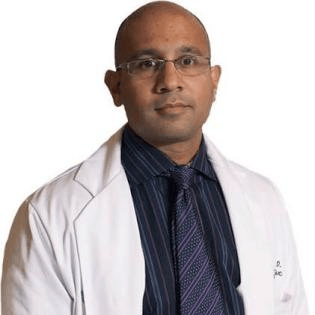
Saumya Das, MD, PhD Is A Professor Of Medicine At Harvard Medical School, A Faculty Member Of The Cardiac Arrhythmia Service And The Co-Director Of The Inherited Arrhythmia Service At Massachusetts General Hospital. Dr. Das completed his undergraduate training at Harvard College, graduating summa cum laude in Biology. He completed his MD-PhD training at Harvard Medical School (in the Health Sciences and Technology pathway) with his PhD in neurobiology. Following that, Dr. Das completed his residency in internal medicine at MGH, and fellowship training in cardiovascular disease and clinical cardiac electrophysiology also at MGH. He completed a research post-doctoral fellowship with Dr. Rosenzweig, studying signaling pathways in cardiac electrical remodeling and started his own laboratory at Beth Israel Deaconess Medical Center in 2011. He was recruited to MGH in 2016. His research has focused on signaling pathways in electrical and structural remodeling in models of heart failure and cardiometabolic disease with a focus on extracellular vesicles and their cargo RNAs as biomarkers and mediators of intercellular signaling.
About Dr. Iokfai Cheang:
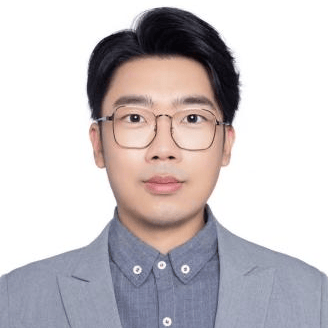
Iokfai Cheang is an Associate Professor and Attending Cardiologist in the Department of Cardiology at the First Affiliated Hospital of Nanjing Medical University (Jiangsu Province Hospital). His research interests include heart failure, cardiomyopathy, and coronary artery disease. He has published more than 40 papers as a first or co-first author in journals including Nature Medicine, European Journal of Heart Failure, BMC Medicine, and JAHA, with over 100 additional publications as a co-author. He is a recipient of the First-Class Science and Technology Award from the Chinese Association of Integrative Medicine and has participated in multiple national-level research projects. He currently serves on several academic committees and as a Youth Editorial Board Member of The Journal of Cardiovascular Aging (JCA) and Cardiovascular Innovations and Applications (CVIA).
Editor: Celia Li
Production Editor: Xingyue Luo
Respectfully Submitted by the Editorial Office of The Journal of Cardiovascular Aging