

Special Interview with Prof. Toren Finkel
On June 17, 2026, the Editorial Office of the Journal of Cardiovascular Aging (JCA) conducted a special interview with Prof. Toren Finkel from Aging Institute, University of Pittsburgh School of Medicine, (USA), a distinguished expert in cardiovascular aging and mitochondrial biology.
Prof. Finkel's research focuses on the fundamental mechanisms of aging, oxidative stress signaling, mitochondrial function, and age-related cardiovascular diseases. His pioneering work has advanced our understanding of how reactive oxygen species function not only as mediators of cellular damage but also as important signaling molecules involved in aging and cardiovascular health.
During the interview, Prof. Finkel discussed the opportunities and challenges of targeting fundamental aging mechanisms to improve cardiovascular health. He emphasized that, compared with traditional disease-centered therapies, aging-targeted interventions have the potential to simultaneously address multiple age-related conditions, but their clinical translation requires careful consideration of safety and physiological balance.
Prof. Finkel also shared his perspectives on the growing role of artificial intelligence in cardiovascular aging research. He highlighted the potential of integrating multi-omics and physiological data to enable more precise assessment of cardiovascular aging and personalized intervention strategies, while noting that data quality remains an important challenge.
Looking ahead, Prof. Finkel expressed enthusiasm for the development of a unified theoretical framework for aging research that could help explain the relationships among diverse aging pathways. He also suggested that future studies should place greater emphasis on the connections between vascular aging and other age-related diseases.
Watch the full interview between Prof. Toren Finkel and Prof. Moshi Song:
Interview Questions:
1. Could you please briefly introduce the research work of your research group?
2. Aging is the strongest risk factor for most cardiovascular diseases. How do you view the potential of targeting fundamental mechanisms of aging to improve cardiovascular health, compared with traditional disease-centered therapeutic approaches? What do you see as the key opportunities and limitations of this strategy?
3. Artificial intelligence is rapidly transforming biomedical research. How do you envision AI and related computational approaches advancing our understanding of cardiovascular aging over the next five years?
4. Cardiovascular aging research is becoming increasingly dynamic. From your perspective, which areas are currently underexplored or most in need of greater attention, and what do you anticipate as the most transformative or paradigm-shifting breakthroughs over the next decade?
5. What advice would you give to early-career researchers aiming to build impactful careers in cardiovascular aging research?
6. Journals are essential to promote each field. In your opinion, which priority research topics should JCA focus on? What practical suggestions do you have for attracting high-quality submissions in these areas?
About Prof. Toren Finkel:
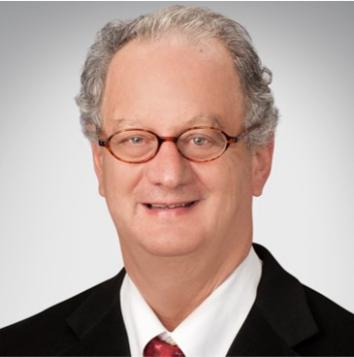
Prof. Toren Finkel, a Professor University of Pittsburgh and University of Pittsburgh Medical Center, USA. He was included in Stanford University's 2025 list of the World's Top 2% Scientists. His research focused on a range of issues involved in mitochondrial function, cellular metabolism, oxidative stress, and mitochondrial dynamics, oxidative stress signaling, and the molecular basis of cardiovascular aging and metabolic disease. He has published over 200 peer-reviewed papers, with work appearing in leading journals including Science, Nature, and several top-tier journals and his research has garnered more than citations with an H-index of 106. He is also a member of the American Society for Clinical Investigation and the Association of American Physicians.
About Prof. Moshi Song:

Prof. Moshi Song is a Principal Investigator and Ph.D. Supervisor at the State Key Laboratory of Organ Regeneration and Reconstruction, Institute of Zoology, Chinese Academy of Sciences (CAS), in Beijing, China. She received her Ph.D. from Washington University in St. Louis in 2015, completed postdoctoral training at Stanford University from 2016 to 2018, and joined CAS later that year. Her research centers on the molecular mechanisms underlying cardiac aging and associated diseases, as well as the development of therapeutic intervention strategies. She has published extensively as corresponding or co‑corresponding author in leading journals, including Cell, Nature Aging, Circulation Research, and Nature Communications; her work has garnered over 11,500 citations, with an H‑index of 54. She also serves as Secretary General of the Chinese Society for Aging Cell Research at the Chinese Society for Cell Biology, Secretary General of the Committee of Antiaging at the China Association of Gerontology and Geriatrics, and a council member of both societies.
Editor: Smart Zhang
Production Editor: Ting Xu
Respectfully Submitted by the Editorial Office of The Journal of Cardiovascular Aging