


Special Interview with Prof. Gregory Marcus
On June 25, 2026, the Editorial Office of The Journal of Cardiovascular Aging conducted an interview with Prof. Gregory Marcus from Division of Cardiology, University of California, San Francisco, United States. The interview was hosted by Dr. Michael Zhang from Department of Medicine, University of Minnesota Medical School, United States.
In this interview, Prof. Marcus discussed atrial fibrillation as a complex and heterogeneous disease, emphasizing the need to move beyond a one-size-fits-all approach toward more precise, mechanism-based prevention and treatment. He highlighted his major research interests in the relationship between alcohol consumption and atrial fibrillation, as well as the use of wearable devices and mobile health technologies to study cardiac arrhythmias. Prof. Marcus also noted the opportunities and challenges of wearable-based atrial fibrillation detection, particularly the risk of overdiagnosis in low-risk populations, and emphasized the importance of identifying which patients are most likely to benefit from specific interventions.
Watch the full interview between Prof. Gregory Marcus and Dr. Michael Zhang:
Interview Questions:
Q1. You have dedicated your career to the study of cardiac arrhythmias and atrial fibrillation. What initially inspired you to pursue research in this field?
Q2. What do you think is the most common misconception in atrial fibrillation research and clinical practice today?
Q3. As wearable technologies identify increasing numbers of asymptomatic atrial fibrillation cases, do you believe that detecting more disease will necessarily translate into better patient outcomes?
Q4. Your research has extensively examined lifestyle factors such as alcohol consumption, caffeine intake, physical activity, and sleep. Which lifestyle interventions do you believe hold the greatest potential for promoting healthy aging and reducing cardiovascular risk?
Q5. Over the past two decades, has there been a scientific belief or assumption that you once strongly held but later changed your mind about because of evidence from your own research?
Q6. Over the next decade, which research areas do you believe are most likely to fundamentally improve outcomes for patients with atrial fibrillation?
About Prof. Gregory Marcus:
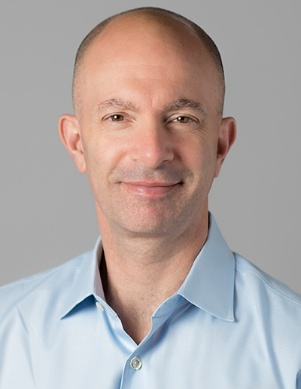
Gregory Marcus is a Professor of Medicine at the University of California, San Francisco, and serves as Associate Chief of Cardiology for Research at UCSF Health. He is also the inaugural Endowed Professor of Atrial Fibrillation Research and an Associate Editor of JAMA (Journal of the American Medical Association). Prof. Marcus is an internationally recognized cardiologist and clinical scientist whose research focuses on atrial fibrillation, cardiac electrophysiology, and digital health. His work integrates large-scale epidemiological studies, mobile health technologies, wearable sensors, and digital platforms to investigate the mechanisms, prevention, and management of cardiac arrhythmias, as well as the cardiovascular effects of modifiable lifestyle factors, including alcohol, caffeine, and tobacco use. Prof. Marcus has published extensively in leading journals, including The New England Journal of Medicine, JAMA, Circulation, et al, making significant contributions to advancing precision prevention and digital health approaches in cardiovascular disease.
About Dr. Michael Zhang:
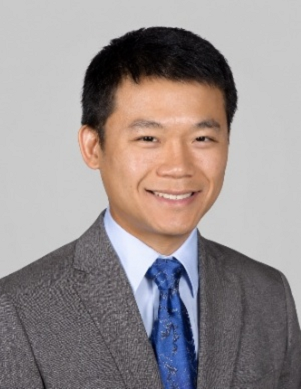
Michael Zhang, MD, PhD is an Assistant Professor (tenure track) in the Cardiovascular Division, Department of Medicine at the University of Minnesota Medical School, USA. His research focuses on the mechanisms linking atrial myopathy and atrial fibrillation, using an integrated approach that spans epidemiology, advanced cardiac imaging, translational animal models, and molecular signaling. He has authored numerous peer‑reviewed publications in journals such as Circulation, JAMA, JACC, and PNAS, and is the recipient of multiple NIH and American Heart Association research awards.
Editor: Alex Wang
Language Editor: Amir Khan
Production Editor: Ting Xu
Respectfully Submitted by the Editorial Office of The Journal of Cardiovascular Aging