


Special Interview with Prof. Xuejun Wang
On April 22, 2025, we invited Dr. Erik Blackwood from University of Utah to interview Prof. Xuejun Wang from University of South Dakota. Prof. Wang focused on the role of protein quality control in the heart, highlighting the ubiquitin-proteasome system (UPS) as a central regulator of cardiac proteostasis. He emphasized that proteasome functional insufficiency contributes to proteotoxic stress and cardiac disease progression, supported by in vivo models enabling dynamic assessment of UPS activity. He further discussed the interplay between UPS and autophagy, noting that while they generally function in a complementary manner - targeting soluble misfolded proteins and protein aggregates, respectively - their crosstalk is highly context-dependent and may become maladaptive under certain conditions.
Prof. Wang also highlighted regulatory mechanisms governing proteasome activity, particularly phosphorylation-mediated activation via PKA and PKG pathways. In the context of aging, he noted that accumulation of ubiquitinated proteins is consistently observed, while proteasome functional decline is widely suggested but remains under active investigation. These insights underscore the therapeutic potential of targeting proteasome regulation, including the possibility of repurposing existing drugs to restore proteostasis in cardiovascular and age-related diseases.
Watch the full interview with Prof. Xuejun Wang:
Interview Questions:
Q1. Your research has long focused on protein quality control in the heart. What initially drew you to proteostasis in cardiovascular research?
Q2. How did your mentorship under Dr. Robbins shape your scientific thinking and research approach, and how has this experience influenced your own mentoring philosophy?
Q3. How do you view the interplay between autophagy and the proteasome system - are they compensatory, or do they serve distinct roles in cardiac stress responses?
Q4. How important is proteasome trafficking in regulating its activity in cardiomyocytes, particularly under conditions such as hypertrophy or aging? Do you think proteasomes are actively redistributed to regions with protein aggregates, or does degradation primarily depend on local proteasome availability?
Q5. What is your perspective on the relationship between aging and ubiquitin-proteasome system (UPS) function? Do you consider the observed decline to reflect intrinsic impairment of the system, or an increased proteostatic burden that exceeds its capacity?
Q6. For early-career researchers entering the field of cardiovascular proteostasis, what advice would you give to help them get started?
About Prof. Xuejun Wang:
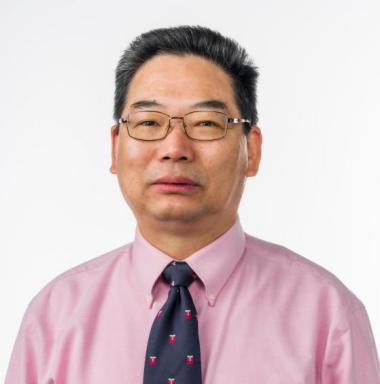
Xuejun Wang is Professor and Director of the MD/PhD Program at the University of South Dakota. His research focuses on the (dys)regulation of proteolytic pathways, with particular emphasis on protein quality control and degradation mechanisms in the cardiovascular system. His work aims to elucidate the molecular and cellular mechanisms by which primary heart diseases progress to heart failure, especially those driven by misfolded proteins and proteotoxic stress. His research program, supported by NIH and American Heart Association funding, has contributed to understanding the roles of the ubiquitin-proteasome system and autophagy in cardiovascular physiology and pathophysiology. He is the recipient of the Carl J. Wiggers Award from the American Physiological Society and an Established Investigator Award from the American Heart Association.
About Dr. Erik Blackwood:
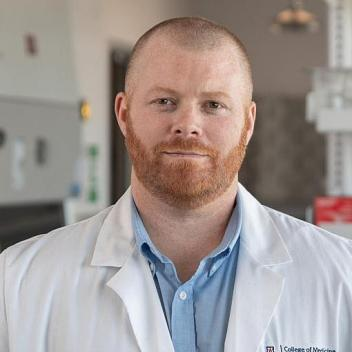
Dr. Blackwood is an Assistant Professor in the Department of Nutrition & Integrative Physiology and an Investigator at the University of Utah CVRTI and Diabetes & Metabolism Research Center. He received his BS from the University of Notre Dame and his PhD in Cell & Molecular Biology from San Diego State University under Dr. Chris Glembotski, focusing on molecular cardiology, ATF6 signaling, and the unfolded protein response in heart failure and ischemia-reperfusion injury. Prior to joining the University of Utah in 2024, he helped establish the Translational Cardiovascular Research Center at the University of Arizona. His research focuses on proteostasis and cellular quality control in heart failure, particularly HFpEF, integrating mechanistic discovery with therapeutic development.
Editor: Celia Li
Production Editor: Ting Xu
Respectfully Submitted by the Editorial Office of The Journal of Cardiovascular Aging