


Special Interview with Prof. Robert S. Rosenson
On January 26, 2026, the Editorial Office of The Journal of Cardiovascular Aging (JCA) interviewed Prof. Robert S. Rosenson, Professor of Cardiovascular Medicine at the Icahn School of Medicine at Mount Sinai and Director of Metabolism and Lipids for the Mount Sinai Health System, New York, USA.
Prof. Rosenson discussed the evolving landscape of lipid management, highlighting that despite low-density lipoprotein (LDL)-cholesterol-lowering therapy, a substantial residual cardiovascular risk remains. He emphasized the role of triglyceride-rich lipoproteins, including chylomicron remnants and very low-density lipoprotein (VLDL)-associated apolipoprotein B (ApoB), in atherogenesis, as well as the potential of targeted therapies such as apolipoprotein C-III (ApoC-III) and angiopoietin-like protein 3 (ANGPTL3) inhibitors. Prof. Rosenson also shared mechanistic insights into lipoprotein(a) [Lp(a)], noting its prothrombotic and inflammatory properties, perturbations in eicosanoid metabolism, enhanced platelet aggregation, and increased tissue factor activity, all of which may contribute to early-onset cardiovascular events. Regarding Lp(a)-lowering therapies, he highlighted the challenges of identifying appropriate high-risk individuals and incorporating mechanistic knowledge into clinical trial design.
For early-career researchers, Prof. Rosenson emphasized the importance of scientific curiosity, identifying knowledge gaps, and exploring the biological pathways linking lipids, inflammation, and thrombosis.
Watch the full interview with Prof. Robert S. Rosenson:
Interview Questions:
Q1. Over the past decade, lipid management has moved beyond a singular focus on LDL-cholesterol. From your perspective, what has been the most important shift in how the field now conceptualizes lipid-related cardiovascular risk?
Q2. Your work bridges lipid biology and cardiovascular prevention. What are the main challenges in translating detailed lipid biology into clinically actionable prevention strategies?
Q3. What key mechanistic insights has your research revealed about how lipoprotein(a) promotes atherosclerosis and vascular inflammation?
Q4. With emerging Lp(a)-lowering therapies such as antisense oligonucleotides, what are the key challenges and opportunities in translating these therapies into clinical practice?
Q5. Based on your experience in lipid biology, clinical trials, and preventive cardiology, what advice would you offer to early-career researchers aiming to build impactful careers in cardiovascular medicine?
About the Interviewee:
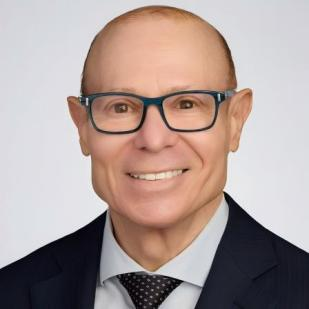
Prof. Robert S. Rosenson, Professor of Cardiovascular Medicine at the Icahn School of Medicine at Mount Sinai and Director of Metabolism and Lipids for the Mount Sinai Health System, New York, USA
Prof. Rosenson's research centers on lipoprotein metabolism and cardiovascular disease prevention. He served as the global lead enroller for a Phase 2 clinical study evaluating the efficacy, safety, and tolerability of the small interfering RNA inhibitor olpasiran in subjects with elevated Lp(a) and atherosclerotic vascular disease. He has published more than 500 peer-reviewed journal articles and over 1,000 other scientific works. In 2024, he was recognized by Clarivate as a Highly Cited Researcher.
Editor: Celia Li
Language Editor: Catherine Yang
Production Editor: Ting Xu
Respectfully Submitted by the Editorial Office of The Journal of Cardiovascular Aging