


Special Interview with Prof. Junnan Tang
On January 7, 2026, Dr. Ling Lin, a Youth Editorial Board Member of The Journal of Cardiovascular Aging (JCA) and a researcher at Zhongshan Hospital, Fudan University, Shanghai, China, conducted an interview with Prof. Junnan Tang, an Editorial Board Member of JCA and Deputy Director of the Department of Cardiovascular Medicine at the First Affiliated Hospital of Zhengzhou University, Zhengzhou, Henan, China.
Prof. Tang introduced her team's clinically driven research on myocardial injury and heart failure, which integrates early risk screening strategies, including extracellular vesicle-based and molecular biomarkers, with mechanistic studies of pathological ventricular remodeling encompassing genetic, epigenetic, metabolic, and inflammatory pathways. She emphasized the close pathophysiological relationship between atherosclerosis and myocardial injury, identifying ischemic injury as a major contributor to the progression of heart failure.
Prof. Tang further discussed the application of emerging experimental platforms, such as cardiac organoids and extracellular vesicles, in modeling human cardiac disease and supporting drug screening and therapeutic development, while also noting the key challenges that currently limit their clinical translation. In addition, she addressed the growing role of artificial intelligence (AI) in cardiovascular research and clinical management, highlighting its strengths in multimodal data analysis and prognostic assessment, while stressing that AI should complement, rather than replace, clinical expertise and physician judgment.
Overall, the interview provides concise insights into translational research strategies, enabling technologies, and clinical perspectives in the study of myocardial injury and heart failure.
Watch the full interview between Prof. Junnan Tang and Dr. Ling Lin:
Interview Questions
Q1. Could you briefly introduce the research focus and main work of your research group?
Q2. Your research addresses both myocardial injury and atherosclerotic disease. Do you see these as distinct pathological processes, or as interconnected components of a broader cardiovascular disease spectrum?
Q3. You have been involved in work using emerging experimental platforms such as cardiac organoids and extracellular vesicles. How do these approaches change the way we study cardiac injury, and what key gaps remain before they can meaningfully inform clinical practice?
Q4. In your experience, where does artificial intelligence add the most value in cardiovascular research or clinical management, and where should its role be approached with caution?
Q5. Based on your experiences, what advice would you give to early-career clinician-scientists aiming to bridge clinical practice and research in cardiology?
About Prof. Junnan Tang:
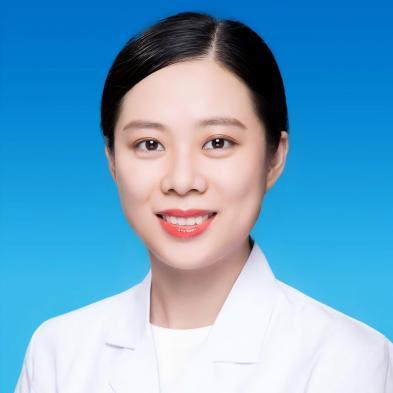
Prof. Junnan Tang is Deputy Director of the Department of Cardiovascular Medicine and Director of the Heart Failure and Cardiomyopathy Unit at the First Affiliated Hospital of Zhengzhou University, Zhengzhou, Henan, China. She has been recognized as a National Young Talent, an Advanced Worker of the National Health System of China, a Research-oriented Talent in Chinese Research Hospitals, an Expert with Special Government Allowance of Henan Province, a Leading Talent in Central China Healthcare, and an Academic and Technical Leader appointed by the Henan Provincial Department of Education. Prof. Tang leads a team focusing on cardiac injury repair and clinical applications of AI, dedicated to precision diagnosis and treatment for cardiovascular diseases such as heart failure and cardiomyopathy. Her team has achieved notable success in the diagnosis and management of rare and complex cardiomyopathies, and has treated numerous patients with severe heart failure and other life-threatening cardiovascular conditions.
About Dr. Ling Lin:
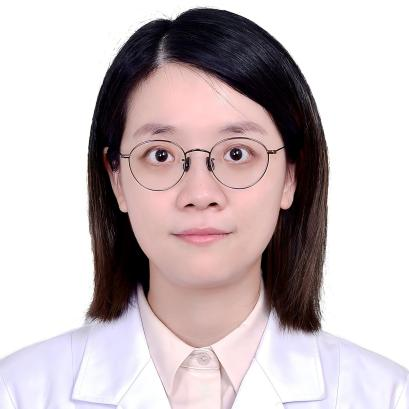
Dr. Lin Ling is a researcher at Zhongshan Hospital, Fudan University, Shanghai, China. She has a strong background in mass spectrometry, high-throughput subcellular protein localization, and other multi-omics technologies. Her research interests include organ-on-chip models for cardiovascular diseases, spatiotemporally resolved single-cell metabolic analysis, and organelle interactions in cardiovascular pathophysiology.
Editor: Celia Li
Language Editor: Catherine Yang
Production Editor: Ting Xu
Respectfully Submitted by the Editorial Office of The Journal of Cardiovascular Aging