Special Interview with Prof. Renumathy Dhanasekaran, Stanford University
Hepatoma Research is delighted to congratulate Prof. Renumathy Dhanasekaran, Assistant Professor of Medicine (Gastroenterology) at Stanford University School of Medicine, USA, and a member of the Editorial Board of Hepatoma Research, on her inclusion in this year's Elsevier World's Top 2% Scientists list.
On this occasion, the Editorial Office of Hepatoma Research conducted an exclusive interview with Prof. Dhanasekaran, discussing her recent academic work, ongoing research initiatives, perspectives on the challenges and emerging opportunities in hepatocellular carcinoma (HCC) research, and insights into the development of academic publishing. Through this conversation, she shared valuable perspectives on advancing the understanding of HCC biology, improving therapeutic decision-making, and promoting international collaboration in liver cancer research.
The interview explored the molecular and immune landscape of HCC, with Prof. Dhanasekaran sharing insights from her involvement in the TCGA liver cancer project, which analyzed 373 human HCC samples. She discussed the molecular heterogeneity of HCC, the importance of molecular classification in clinical practice, and its potential to guide biomarker identification, treatment selection, and patient stratification for immunotherapy. She also highlighted her laboratory's research on tumor dormancy and recurrence, the tumor immune microenvironment, and immunotherapy response, including the use of patient-derived organoids, humanized mouse models, and spatial and single-cell technologies to investigate HCC biology.
The discussion further addressed major challenges and emerging opportunities in HCC research, particularly tumor heterogeneity, the lack of reliable biomarkers, biomarker-stratified clinical trials, ctDNA, DNA methylation, and novel immunotherapeutic approaches. Prof. Dhanasekaran emphasized the importance of fundamental mechanistic research in identifying new therapeutic targets. Finally, she shared her perspectives on academic publishing and the development of Hepatoma Research, highlighting the importance of timely, high-quality peer review, effective article promotion, international academic engagement, and the potential of artificial intelligence to enhance scientific communication and research dissemination.
Interview video goes here.
Interview Question
Q1. Your recent article, “Molecular and immune landscape of hepatocellular carcinoma to guide therapeutic decision-making,” explores the molecular and immune characteristics of HCC. Could you share the key insights from this work and discuss how it advances our understanding of HCC biology and therapeutic decision-making?
Q2. Your laboratory has explored several important aspects of HCC, including tumor dormancy, the tumor immune microenvironment, and the molecular mechanisms underlying metastasis. What are the main research priorities for your team over the next few years? Are there any ongoing or upcoming projects that you are particularly excited about?
Q3. With the rapid development of immunotherapy and combination treatment strategies, how can we better understand which patients are most likely to benefit from specific treatments, and to what extent? What do you consider the most important challenges in assessing individual patient benefit, and which research directions do you believe will have the greatest impact on HCC treatment over the next five years?
Q4. As an Editorial Board Member of Hepatoma Research, what advice would you offer as the journal seeks to strengthen its academic influence and attract high-quality international submissions? In your view, which research areas, editorial strategies, or initiatives should the journal prioritize to enhance its visibility and better serve the international liver cancer research community?
About the Interviewee:
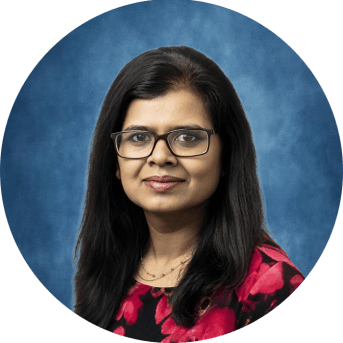
Prof. Renumathy Dhanasekaran, MD, PhD, is a physician–scientist whose work integrates clinical care, molecular biology, and translational research to advance the understanding and treatment of liver cancer. She completed Gastroenterology fellowship at the Mayo Clinic, Rochester, followed by Transplant Hepatology fellowship and a PhD in Cancer Biology at Stanford University.
At Stanford, her independent research program centered on the immunobiology of HCC. Her laboratory uses spatial and single-cell technologies, patient-derived tissues, and immunocompetent mouse models to identify biomarkers of progression and response, dissect mechanisms of resistance to therapies, and develop molecularly informed therapeutic strategies. Dr. Dhanasekaran's work has been published widely and supported by the NIH/NCI, AASLD, ACG, ALF, Cancer League, Doris Duke Foundation, and others. She is the recipient of multiple honors including the NCI R37 MERIT Award, the Laure Aurelian Research Endowment, and the McCormick Faculty Award.
Clinically, Dr. Dhanasekaran focuses on liver tumors, where she leads a dedicated liver cancer clinic that cares for patients with hepatocellular carcinoma (HCC) and related liver masses. Her clinical program strives to bring cutting-edge diagnostics and emerging therapeutic innovations to the bedside, expand access to curative options such as liver resection and transplantation, and provide timely entry into clinical trials for eligible patients. She is committed to delivering rapid, coordinated, multidisciplinary care while maintaining a deeply compassionate, patient-centered approach.
Editor: Vivienne Yan
Production Editor: Xingyue Luo
Respectfully Submitted by the Editorial Office of Hepatoma Research