
Special Interview with Prof. Jose J. G. Marin, University of Salamanca
Hepatoma Research recently had the pleasure of interviewing Prof. Jose J. G. Marin from the Department of Physiology and Pharmacology, University of Salamanca, Spain. An internationally recognized expert in hepatobiliary pharmacology and liver cancer research, Prof. Marin shared his perspectives on therapeutic resistance, tumor microenvironment, molecular biomarkers, and metabolism in hepatobiliary malignancies, highlighting future directions for precision medicine in hepatocellular carcinoma (HCC) and cholangiocarcinoma.
Prof. Marin's research has made important contributions to understanding how alterations in drug transport, bile acid metabolism, and molecular signaling influence the development of therapeutic resistance in hepatobiliary cancers. During the interview, he emphasized that treatment resistance in cholangiocarcinoma is not driven by a single mechanism but results from the combined effects of altered drug transport, enhanced DNA repair, metabolic adaptation, resistance to apoptosis, and activation of pro-survival pathways. Given the remarkable molecular heterogeneity of cholangiocarcinoma, he believes that future therapeutic strategies should focus on identifying tumor-specific vulnerabilities and integrating genomic, transcriptomic, and pharmacological information to develop personalized treatment approaches.
Discussing the role of the tumor microenvironment, Prof. Marin explained that cholangiocarcinoma should be regarded as a dynamic ecosystem rather than merely a collection of malignant cells. Continuous interactions among tumor cells, cancer-associated fibroblasts, immune cells, endothelial cells, and extracellular matrix components profoundly influence tumor progression, metastasis, and therapeutic response. Instead of indiscriminately targeting stromal tissues, he suggested selectively disrupting critical signaling pathways and cellular interactions that support tumor growth, while combining these strategies with immunotherapy or treatments directed against tumor-cell vulnerabilities.
Turning to hepatocellular carcinoma, Prof. Marin highlighted the complexity of predicting patient responses to systemic therapies. Because HCC develops in diverse molecular backgrounds and frequently coexists with chronic liver disease and cirrhosis, treatment outcomes are influenced not only by tumor biology but also by liver function, immune status, and patient-specific clinical characteristics. While transcriptomic signatures and gene-expression profiles have shown considerable promise, he emphasized that clinically useful biomarkers must undergo rigorous prospective validation. Looking ahead, he believes that integrating genomic and transcriptomic data with circulating biomarkers, imaging, immune profiling, and clinical variables will enable more precise treatment selection and personalized therapeutic strategies.
Prof. Marin also discussed the growing importance of metabolism in hepatobiliary cancers. He noted that metabolic alterations and the tumor microenvironment are closely interconnected, particularly in the liver, where bile acids function not only as digestive molecules but also as critical signaling mediators regulating inflammation, immunity, and metabolism. He highlighted the gut-liver axis, bile acid signaling pathways such as FXR and TGR5, and metabolic interactions between tumor and stromal cells as emerging research priorities. Integrating metabolic profiling with spatial biology and single-cell technologies, he suggested, may reveal novel therapeutic targets and improve future treatment strategies for both HCC and cholangiocarcinoma.
We sincerely thank Prof. Marin for sharing his valuable insights. His perspectives on therapeutic resistance, molecular pharmacology, tumor metabolism, and precision medicine provide valuable guidance for advancing translational research and improving individualized treatment for patients with hepatobiliary cancers.
Interview Questions & Answers
Q1. Your recent research has extensively explored therapeutic resistance in cholangiocarcinoma, including studies on drug-resistant models and novel platinum derivatives for cisplatin-resistant tumors. From your perspective, what are the key mechanisms driving treatment resistance in cholangiocarcinoma, and where do you see the most promising opportunities for overcoming it?
Prof. Jose J. G. Marin: Treatment resistance remains one of the major challenges in cholangiocarcinoma and is clearly a multifactorial phenomenon. From our perspective, it results from a combination of intrinsic tumor cell characteristics and treatment-induced adaptive responses. These include altered drug uptake and efflux, enhanced detoxification and DNA repair, resistance to apoptosis, metabolic adaptation, and activation of pro-survival signaling pathways. Importantly, the considerable molecular and cellular heterogeneity of cholangiocarcinoma means that different resistance mechanisms can coexist within the same tumor and evolve during treatment.
Our work has emphasized the importance of pharmacological mechanisms that affect the intracellular availability and activity of anticancer drugs. For platinum-based chemotherapy, for example, reduced drug accumulation, increased detoxification, more efficient repair or tolerance of DNA damage, and impaired activation of cell death pathways can all contribute to resistance. This helps explain why simply increasing drug exposure is unlikely to provide a satisfactory solution and why compounds capable of circumventing specific mechanisms of drug resistance are particularly interesting.
I believe the most promising strategy is therefore not to search for a single mechanism responsible for resistance, but to identify the vulnerabilities that arise in resistant tumors. A more detailed molecular characterization of individual tumors, together with appropriate biomarkers, should enable us to select rational drug combinations and develop compounds that remain active when conventional treatments fail. In this context, integrating tumor genomics and transcriptomics with functional pharmacological information will be especially important. Ultimately, overcoming resistance will require a more personalized approach in which treatment is adapted not only to the characteristics of the original tumor but also to the mechanisms the tumor acquires during therapy.
Q2. Some of your recent work has also investigated tumor-stroma crosstalk and molecular mechanisms involved in cholangiocarcinoma progression. How do you think interactions between tumor cells and the surrounding microenvironment influence disease progression and therapeutic response, and could targeting these interactions provide new opportunities for cholangiocarcinoma treatment?
Prof. Jose J. G. Marin: Cholangiocarcinoma is an excellent example of a tumor in which cancer cells cannot be considered in isolation. These tumors typically develop within a very prominent desmoplastic microenvironment containing cancer-associated fibroblasts, immune cells, endothelial cells, and extracellular matrix components. Continuous communication between these elements and tumor cells can profoundly influence proliferation, invasion, metastatic potential, and, importantly, the response to treatment.
The microenvironment can provide tumor cells with survival signals and create a physical and biochemical context that reduces the effectiveness of anticancer drugs. At the same time, tumor cells actively modify their surroundings through cytokines, growth factors, extracellular vesicles, and other mediators. This bidirectional communication generates a dynamic ecosystem in which stromal cells may support tumor progression and facilitate the emergence of resistant phenotypes. It may also contribute to the immunosuppressive environment characteristic of many cholangiocarcinomas.
For this reason, I think that targeting tumor-stroma interactions represents an important therapeutic opportunity. However, the objective should probably not be the indiscriminate elimination of the stroma, because some stromal components may also exert protective or tumor-restraining functions. A more attractive strategy is to identify specific signals or cellular interactions that the tumor depends on and selectively disrupt them. Combining this approach with therapies directed against tumor-cell vulnerabilities or with immunotherapy could be particularly valuable. Viewing cholangiocarcinoma as an evolving ecosystem, rather than simply a population of malignant cells, should help us identify therapeutic strategies that produce more durable responses.
Q3. In your recent research on hepatocellular carcinoma, you have explored molecular signatures associated with drug resistance and treatment response. What do you think are currently the biggest challenges in predicting how individual HCC patients will respond to systemic therapies, and what types of biomarkers could help move the field toward more precise treatment strategies?
Prof. Jose J. G. Marin: One major challenge in treating hepatocellular carcinoma is its remarkable heterogeneity. Hepatocellular carcinoma arises in diverse etiological and molecular contexts and, importantly, in a liver that is usually affected by chronic disease and cirrhosis. Therefore, treatment response depends not only on the tumor's molecular characteristics but also on liver function, the immune microenvironment, and the patient's overall condition. In addition, intratumoral heterogeneity and tumor evolution under therapeutic pressure make prediction from a single pretreatment sample particularly difficult.
Transcriptomic signatures are promising tools for identifying patients more likely to respond to specific treatments. In our recent work, we have focused on gene signatures associated with response or resistance to sorafenib. These approaches illustrate the potential of combining molecular information with clinical variables, but they also highlight an important limitation: a statistically robust signature is not necessarily a clinically useful biomarker. Independent prospective validation, standardized methodologies, and demonstration that the biomarker actually predicts treatment benefit, rather than simply reflecting prognosis, are essential before these signatures can influence clinical decisions.
Looking ahead, I believe the most informative biomarkers will likely be multidimensional rather than based on a single molecule. Integrating genomic and transcriptomic profiles with circulating biomarkers, immune characteristics, imaging, and conventional clinical parameters could provide a much more accurate picture of each patient. Liquid biopsy approaches are particularly attractive because they may allow repeated assessment during treatment and capture tumor evolution. The ultimate objective should be to move from biomarkers that describe hepatocellular carcinoma biology to biomarkers that can genuinely help us select the most appropriate systemic therapy for an individual patient.
Q4. Beyond tumor-intrinsic mechanisms, increasing evidence suggests that metabolism, including bile acid signaling and metabolic interactions within the tumor microenvironment, may influence both tumor progression and therapeutic response. Based on your research in hepatobiliary cancers, which emerging connections between metabolism and the tumor microenvironment do you think deserve greater attention in the coming years?
Prof. Jose J. G. Marin: I think this is a particularly exciting area because metabolism and the tumor microenvironment should not be viewed as separate aspects of cancer biology. Metabolic alterations in tumor cells modify their surroundings, while stromal and immune cells can, in turn, profoundly influence tumor metabolism. In hepatobiliary cancers, this relationship is especially relevant because the liver is the central organ of metabolic homeostasis and because bile acids are not simply detergents involved in digestion but also signaling molecules that can regulate metabolic, inflammatory, and immune pathways.
One area that warrants greater attention is how changes in bile acid composition and signaling shape the tumor microenvironment. Alterations in bile acid synthesis, transport, and enterohepatic circulation can modulate signaling through receptors such as FXR and TGR5, potentially affecting inflammatory and immune responses. Moreover, the gut microbiota shapes the bile acid pool, providing an additional link among intestinal metabolism, the liver, and tumor biology. Understanding this gut-liver-tumor axis may reveal mechanisms that influence both carcinogenesis and therapeutic response.
Another important question concerns metabolic cooperation between tumor cells and stromal or immune cells. Competition for nutrients, alterations in lipid and glucose metabolism, oxidative stress, and metabolite exchange can create microenvironments that favor tumor survival and suppress effective antitumor immunity. I believe that combining metabolic profiling with spatial and single-cell approaches will be particularly informative in this context. Rather than treating metabolism as an intrinsic property of cancer cells, we need to understand the tumor's metabolic ecosystem. Identifying metabolic dependencies that affect both tumor cells and their supportive microenvironment could provide new therapeutic opportunities in both hepatocellular carcinoma and cholangiocarcinoma.
About the Interviewee:
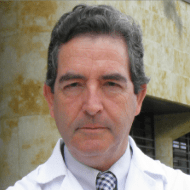
Prof. Jose J. G. Marin is Professor of Physiology and Pharmacology at the University of Salamanca, Spain. He is internationally recognized for his research on hepatobiliary pharmacology, drug transporters, bile acid biology, therapeutic resistance, hepatocellular carcinoma (HCC), and cholangiocarcinoma. His work focuses on the molecular mechanisms underlying drug resistance and the development of precision therapeutic strategies for hepatobiliary cancers.
Editor: Vivienne Yan
Production Editor: Xingyue Luo
Respectfully Submitted by the Editorial Office of Hepatoma Research