
Special Interview with Prof. Jeong Won Jang, The Catholic University of Korea
On August 2026, Hepatoma Research had the pleasure of interviewing Prof. Jeong Won Jang from The Catholic University of Korea, College of Medicine, South Korea. As an internationally recognized hepatologist, Prof. Jang has devoted his career to the management of hepatocellular carcinoma (HCC), chronic hepatitis B virus (HBV) infection, liver cirrhosis, liver transplantation, and systemic therapies for advanced liver cancer. During the interview, he shared his perspectives on the evolving role of artificial intelligence (AI), predictive biomarkers, precision medicine, and multidisciplinary collaboration in improving the management of liver diseases and HCC.
Prof. Jang introduced the major research priorities of his team, which span the entire spectrum of liver disease management. His research focuses particularly on HBV-associated hepatocellular carcinoma, investigating the direct oncogenic mechanisms of hepatitis B virus, including HBV DNA integration into the host genome and the oncogenic effects of HBV-derived viral proteins. These molecular mechanisms provide important insights into virus-driven hepatocarcinogenesis and may contribute to the development of novel therapeutic strategies.
Beyond basic research, Prof. Jang's team is actively engaged in improving clinical outcomes for patients with advanced HCC. Their work explores systemic therapies, immunotherapy, and predictive models to optimize treatment selection for individual patients. At the same time, his collaborators are investigating immune responses associated with viral hepatitis and their relationship with treatment response, particularly in patients receiving immune checkpoint inhibitors.
Another important area of his research involves advanced liver cirrhosis and liver transplantation. Prof. Jang emphasized that patients with decompensated cirrhosis should ideally receive liver transplantation before developing hepatocellular carcinoma whenever possible. However, because of the severe shortage of donor organs in Korea and many East Asian countries, determining the optimal timing of transplantation remains one of the major clinical challenges facing hepatologists today.
During the discussion on artificial intelligence, Prof. Jang highlighted the growing importance of AI-assisted clinical decision support. His institution has established close collaborations between hepatologists, pathologists, and AI specialists to develop predictive models covering multiple aspects of liver disease management. He believes AI has tremendous potential to support diagnosis, treatment selection, and prognosis prediction, particularly for advanced HCC, where clinicians must choose among multiple systemic treatment options that extend beyond current guideline recommendations.
Nevertheless, Prof. Jang also stressed that the translation of AI into routine clinical practice remains challenging. While AI has demonstrated impressive performance in research settings, practical implementation is constrained by limited consultation time, healthcare policies, reimbursement systems, and differences in national medical insurance coverage. He noted that many advanced biomarkers and high-throughput molecular technologies remain expensive and difficult to integrate into daily clinical workflows despite their scientific value.
Discussing the future of precision medicine, Prof. Jang explained that biomarkers alone are not sufficient to transform patient care unless they become accessible and clinically applicable. In his view, AI provides an effective bridge by integrating diverse clinical information to support individualized treatment decisions, especially when randomized clinical trials are difficult to conduct. His multidisciplinary team regularly holds weekly case discussions for complex patients, where AI-generated information complements expert clinical judgment and facilitates more informed decision-making.
Reflecting on the future of hepatology, Prof. Jang believes that artificial intelligence should not replace physicians but rather serve as an intelligent assistant that enhances multidisciplinary care. As AI technologies continue to mature and become more accessible, he anticipates that they will play an increasingly important role in precision medicine, particularly in helping clinicians manage difficult-to-treat liver diseases and optimize treatment strategies for patients with hepatocellular carcinoma.
We sincerely thank Prof. Jeong Won Jang for sharing his valuable expertise and thoughtful perspectives. His insights into HBV-associated hepatocarcinogenesis, precision medicine, artificial intelligence, and multidisciplinary management provide valuable guidance for future research and clinical practice. We look forward to continuing our collaboration with Prof. Jang to advance high-quality research and international academic exchange in hepatology.
Interview Question
Q1. Could you briefly walk us through your academic journey and introduce the core research directions that your team is currently focusing on in hepatocellular carcinoma and chronic liver diseases?
Q2. Your recent work has explored predictive models to support clinical decision-making. As biomarkers, artificial intelligence, and real-world data continue to evolve, how do you see these approaches working together to improve personalized treatment decisions for patients with hepatocellular carcinoma, particularly those who are underrepresented in clinical trials?
Q3. In your daily clinical practice, how do you balance traditional clinical judgment with emerging AI-based predictive tools when selecting personalized treatment strategies for patients with liver diseases?
Q4. Artificial intelligence and predictive models are becoming increasingly powerful. In your opinion, what aspects of clinical decision-making in hepatology can never be replaced by AI?
Q5. As precision medicine continues to advance through systemic therapies, predictive biomarkers, and artificial intelligence, how do you see these developments reshaping multidisciplinary management of hepatocellular carcinoma? What types of evidence or research are still urgently needed to translate risk stratification and predictive biomarkers into individualized clinical practice?
About the Interviewee:
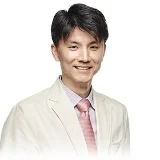
Prof. Jeong Won Jang is Professor of Internal Medicine at The Catholic University of Korea, College of Medicine, South Korea. He is an internationally recognized hepatologist whose clinical and research interests include hepatocellular carcinoma (HCC), chronic hepatitis B virus (HBV) infection, HBV-associated hepatocarcinogenesis, liver cirrhosis, liver transplantation, and systemic therapies for liver cancer.
His research focuses on the molecular mechanisms underlying HBV-induced hepatocarcinogenesis, particularly HBV DNA integration, viral oncogenic proteins, and inflammatory pathways involved in liver cancer development. More recently, his work has also explored predictive biomarkers, artificial intelligence, and multidisciplinary strategies to support precision medicine and individualized management of advanced HCC.
Editor: Vivienne Yan
Production Editor: Xingyue Luo
Respectfully Submitted by the Editorial Office of Hepatoma Research