

Special Interview with Prof. Georgios Tsoulfas, Aristotle University of Thessaloniki
On July 8, 2026, Hepatoma Research had the pleasure of interviewing Prof. Georgios Tsoulfas from Aristotle University of Thessaloniki, Greece, an Associate Editor of the journal and an internationally recognized expert in hepatobiliary surgery and liver transplantation. During the interview, Prof. Tsoulfas shared his insights into liver transplantation, hepatocellular carcinoma (HCC), precision medicine, and emerging advances that are shaping the future of transplant oncology.
Prof. Tsoulfas is a Professor of Surgery whose clinical and research interests focus on hepatobiliary surgery, liver transplantation, hepatocellular carcinoma, cholangiocarcinoma, and transplant oncology. Throughout his career, he has made important contributions to the surgical management of liver cancer and organ transplantation while actively participating in several leading international societies, including the International Liver Transplantation Society (ILTS), the European Society for Organ Transplantation (ESOT), and the International Hepato-Pancreato-Biliary Association (IHPBA). His research continues to advance multidisciplinary approaches to liver cancer treatment and transplantation.
During the interview, Prof. Tsoulfas discussed the rapidly evolving landscape of liver transplantation in the era of precision medicine. He highlighted the expanding role of transplant oncology, noting that liver transplantation is increasingly being considered not only for hepatocellular carcinoma but also for carefully selected patients with cholangiocarcinoma, colorectal liver metastases, and neuroendocrine liver metastases. He also emphasized that the continued refinement of patient selection beyond the traditional Milan criteria remains one of the most important directions for future research.
Prof. Tsoulfas further explained that advances in machine perfusion technology are transforming liver transplantation by improving graft preservation and expanding the utilization of marginal donor organs. At the same time, he highlighted the growing impact of artificial intelligence and molecular biomarkers in transplant medicine, suggesting that future clinical decision-making will increasingly rely on biological characteristics rather than surgical factors alone. He noted that AI has the potential to support patient selection, disease prediction, treatment planning, and assessment of tumor biology, making it an important area for future investigation.
Reflecting on the multidisciplinary management of hepatocellular carcinoma, Prof. Tsoulfas emphasized that improving long-term outcomes will depend on better patient selection as well as closer integration of liver transplantation with other treatment modalities. He discussed the expanding role of bridging and downstaging therapies, including transarterial chemoembolization (TACE), radioembolization, radiation therapy, and immunotherapy, highlighting their potential to reduce recurrence and optimize transplant outcomes. He also pointed to immunotherapy as one of the most rapidly evolving areas in liver cancer research, with significant opportunities to improve patient survival while raising important questions regarding optimal treatment strategies and timing.
Looking ahead, Prof. Tsoulfas identified several emerging research priorities for the global transplant community. In addition to artificial intelligence, machine perfusion, and transplant oncology, he emphasized the importance of international collaboration in sharing clinical experience across different healthcare systems. Comparing transplantation practices among countries - including organ allocation strategies, living versus deceased donor programs, and immunosuppression protocols - could generate valuable insights and accelerate improvements in patient care worldwide. He also highlighted xenotransplantation as another rapidly developing field with growing clinical potential, reflecting recent advances in genetically modified donor organs and early clinical applications.
We sincerely thank Prof. Tsoulfas for sharing his valuable expertise and perspectives. His insights into liver transplantation, transplant oncology, precision medicine, and multidisciplinary management of hepatocellular carcinoma provide valuable guidance for future research and clinical practice. We look forward to continuing our collaboration with Prof. Tsoulfas to advance high-quality research and academic exchange in liver transplantation and hepatobiliary surgery.
Interview Questions and Answers
Q1: Liver transplantation has become one of the most effective curative treatments for selected patients with hepatocellular carcinoma. As transplant eligibility continues to expand beyond the traditional Milan criteria, what factors do you believe should guide patient selection in the era of precision medicine?
Prof. Georgios Tsoulfas:
I believe there are three major areas that are currently shaping the future of liver transplantation.
The first is transplant oncology. Liver transplantation has always played an important role in hepatocellular carcinoma, but today its role is expanding beyond HCC. It is increasingly being considered for selected patients with cholangiocarcinoma, colorectal liver metastases, and neuroendocrine liver metastases. This broadening of indications makes transplant oncology one of the most exciting developments in our field.
For hepatocellular carcinoma specifically, one of the most important research directions is the continued refinement and expansion of the traditional Milan criteria. Improving patient selection remains essential to achieving better long-term outcomes.
The second major area is machine perfusion technology. The development of organ perfusion systems has significantly changed the way liver transplantation is performed. These technologies improve graft preservation and make it possible to utilize more marginal donor organs, thereby expanding the donor pool and increasing transplant opportunities.
The third area is the growing application of artificial intelligence in liver transplantation. Like many other areas of medicine, transplantation is beginning to benefit from AI in patient selection, diagnostic evaluation, treatment planning, and assessment of tumor biology. I believe AI will become an increasingly important tool for supporting clinical decision-making throughout the transplant process.
Q2: Do you think artificial intelligence and molecular biomarkers will eventually become part of routine decision-making in liver transplantation?
Prof. Georgios Tsoulfas:
Yes, I certainly believe they will.
Artificial intelligence and molecular biomarkers are already beginning to play an important role, and I expect their importance to continue growing over the coming years. AI can help identify the most informative biomarkers and improve how we interpret biological data when selecting patients for transplantation.
The field is gradually shifting its focus away from purely technical or surgical considerations toward a much deeper understanding of tumor biology and biological behavior. Rather than asking only whether a transplant can technically be performed, we are increasingly asking which patients are most likely to benefit biologically from transplantation.
This represents one of the most active areas of current research, and I believe it will become an essential component of future transplant medicine.
Q3: Although significant advances have been made in the multidisciplinary management of hepatocellular carcinoma, recurrence after curative treatment remains a major clinical challenge. What emerging strategies or research directions do you believe will have the greatest impact on improving long-term patient outcomes?
Prof. Georgios Tsoulfas:
I think the most important priority is improving patient selection.
One of the greatest challenges after liver transplantation for hepatocellular carcinoma is tumor recurrence. Better selection criteria, supported by artificial intelligence and molecular biomarkers, will help identify those patients who are most likely to achieve durable long-term outcomes.
At the same time, transplantation should no longer be considered in isolation. Increasing attention is being paid to how transplantation can be integrated with other treatment modalities, including locoregional therapies such as transarterial chemoembolization (TACE), radioembolization, and radiation therapy.
These treatments can serve both as bridging therapies before transplantation and as downstaging strategies that enable patients with more advanced disease to become eligible for transplantation. They may also play an important role in reducing recurrence after transplantation.
Another rapidly developing area is immunotherapy. Over the past several years, immunotherapy has dramatically increased the interest of oncologists in hepatocellular carcinoma because highly effective systemic treatments are now available. These therapies can be used to downstage tumors before transplantation and may also provide benefits after surgery.
Although the results have been very encouraging, many important questions remain unanswered. We still need to determine the optimal treatment regimens, timing, duration of therapy, and how different immunotherapeutic agents should be incorporated into transplant strategies. These unanswered questions make immunotherapy one of the most promising research fields in hepatocellular carcinoma today.
Q4: Having been actively involved in several international societies, what research topics are currently generating the greatest interest within the hepatobiliary surgery and liver transplantation communities?
Prof. Georgios Tsoulfas:
Several topics are attracting considerable international attention.
Artificial intelligence continues to be one of the most discussed research areas across medicine, including liver transplantation.
Another major focus is machine perfusion. Beyond improving organ preservation, machine perfusion platforms create new opportunities for research by allowing investigators to test different preservation protocols and optimize the use of marginal donor grafts. This is an area where many research groups around the world are currently very active.
Transplant oncology also remains one of the fastest-growing disciplines, as indications for transplantation continue to expand for different malignancies.
Beyond specific technologies, I believe there is tremendous value in comparing transplantation practices across different countries. Organ allocation systems, the balance between living-donor and deceased-donor transplantation, and immunosuppression strategies vary considerably around the world. International collaboration allows clinicians to learn from one another and may ultimately improve patient care globally.
For example, Asian countries have accumulated extensive experience with living-donor liver transplantation, while European countries often have different allocation systems and clinical practices. Sharing these experiences through international collaborations or special issues would be highly valuable for the global transplant community.
Finally, xenotransplantation is another rapidly emerging field. Although transplantation itself is not new, the past few years have witnessed encouraging clinical progress, particularly with genetically modified pig organs. Successful kidney xenotransplantation has already been reported in the United States, and there have also been important advances related to liver xenotransplantation in China. As clinical applications continue to develop, xenotransplantation is likely to become an increasingly important topic for future research and international discussion.
About the Interviewee:
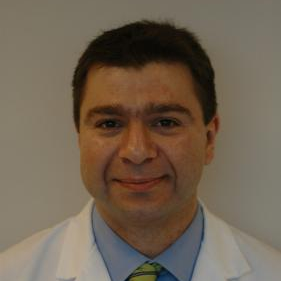
Prof. Georgios Tsoulfas is Professor of Surgery at Aristotle University of Thessaloniki, Greece, and an internationally recognized expert in hepatobiliary surgery and liver transplantation. His clinical and research interests include hepatocellular carcinoma (HCC), cholangiocarcinoma, colorectal liver metastases, transplant oncology, and liver transplantation. He has published more than 240 peer-reviewed papers and actively contributes to several major international societies, including the International Liver Transplantation Society (ILTS), the European Society for Organ Transplantation (ESOT), and the International Hepato-Pancreato-Biliary Association (IHPBA). As an Associate Editor of Hepatoma Research, he is committed to advancing international collaboration and high-quality research in hepatobiliary surgery and liver transplantation.
Editor: Vivienne Yan
Production Editor: Xingyue Luo
Respectfully Submitted by the Editorial Office of Hepatoma Research