Special Interview with Prof. Vishalkumar G. Shelat, Tan Tock Seng Hospital
On June 30, 2026, Hepatoma Research had the pleasure of interviewing Prof. Vishalkumar G. Shelat from Tan Tock Seng Hospital, Singapore, an internationally recognized hepatopancreatobiliary (HPB) surgeon and member of the journal's Editorial Board. During the interview, Prof. Shelat shared his perspectives on clinical innovation in HPB surgery, artificial intelligence, precision surgery, and emerging research directions that are shaping the future of hepatocellular carcinoma (HCC).
Prof. Shelat is a Senior Consultant HPB Surgeon whose clinical and research interests encompass hepatobiliary and pancreatic surgery, hepatocellular carcinoma, minimally invasive and robotic surgery, enhanced recovery after surgery (ERAS), surgical quality improvement, and medical ethics. His current research focuses on clinically driven innovation, including robotic liver surgery, perioperative optimization for elderly patients through prehabilitation programs, enhanced recovery pathways, and randomized clinical trials evaluating pain management following major liver and pancreatic surgery. His team also collaborates with the Lee Kong Chian School of Medicine, Nanyang Technological University, on translational research in liver regeneration and the microbiome in hepatocellular carcinoma.
During the interview, Prof. Shelat emphasized that the future of hepatobiliary surgery will increasingly depend on the successful integration of emerging technologies into routine clinical practice. While artificial intelligence is rapidly expanding into surgical planning, intraoperative navigation, and postoperative risk prediction, he noted that the greatest challenge is no longer technological innovation itself, but rather the rigorous clinical validation, implementation, and cost-effectiveness of these tools. He stressed that before AI can become part of the standard of care, robust evidence from diverse patient populations and real-world clinical settings will be required to demonstrate meaningful improvements in patient outcomes.
Prof. Shelat also discussed several rapidly evolving directions in liver cancer research. He highlighted immunotherapy, tumor microenvironment research, precision oncology, personalized medicine, and microbiome studies as major areas driving progress in hepatocellular carcinoma. At the same time, he pointed out that important gaps remain in population-based screening and early diagnosis, as many patients continue to present with advanced disease despite established surveillance programs. Looking ahead, he suggested that growing interest in the interactions between circadian rhythm, sleep biology, and carcinogenesis may open new avenues for understanding liver cancer development and prevention.
Reflecting on advances in surgical oncology, Prof. Shelat identified conversion therapy as one of the most promising emerging concepts in HCC management. Improvements in systemic therapies, particularly immunotherapy and chemotherapy, are enabling some patients with initially unresectable tumors to become candidates for curative surgery, creating new opportunities for personalized treatment strategies. He also highlighted the expanding role of three-dimensional imaging, virtual surgical planning, and image-guided navigation technologies in precision liver surgery. Although these technologies have already demonstrated considerable potential in several leading centers worldwide, he noted that broader international dissemination and standardized implementation remain important challenges for the future.
We sincerely thank Prof. Shelat for sharing his valuable expertise and thoughtful perspectives. His insights into clinical innovation, artificial intelligence, precision surgery, and multidisciplinary management of hepatocellular carcinoma provide valuable guidance for both research and clinical practice. We look forward to continuing our collaboration with Prof. Shelat to advance high-quality research and international academic exchange in hepatobiliary surgery and liver cancer.
Interview Questions
Q1: Could you share the major research priorities of your team, as well as any innovative technologies, multidisciplinary collaborations, or cutting-edge initiatives you are currently pursuing to advance hepatobiliary surgery?
Q2: What opportunities and challenges do you see for artificial intelligence in hepatobiliary surgery, particularly in improving patient outcomes?
Q3: Are there any emerging topics that you believe are currently underrepresented in the publishing landscape? What do you consider to be the most exciting and rapidly developing research directions in liver disease and hepatocellular carcinoma?
About the Interviewee:
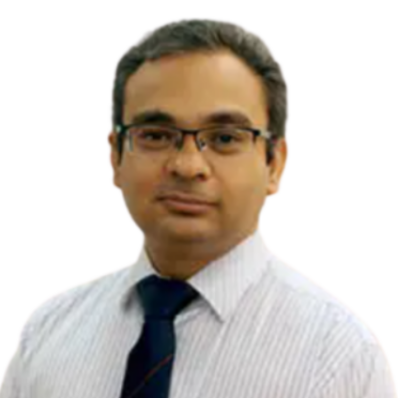
Prof. Vishalkumar G. Shelat is Senior Consultant and Chairman of the Division of General Surgery at Tan Tock Seng Hospital, Singapore, and Clinical Associate Professor at the Lee Kong Chian School of Medicine, Nanyang Technological University (NTU Singapore). His clinical and research interests include hepatopancreatobiliary (HPB) surgery, hepatocellular carcinoma, minimally invasive and robotic surgery, enhanced recovery after surgery (ERAS), surgical quality improvement, and medical ethics. He is a Founding Member of the Singapore HPB Association, serves on the Board of the Chapter of Surgeons, College of Surgeons Singapore, and holds leadership roles in the Singapore Medical Association Centre of Medical Ethics and Professionalism, the National Organ Transplant Ethics Committee, and the Institutional Research Ethics Committee. Through his work in clinical research, surgical education, healthcare quality, and medical ethics, Prof. Shelat has become one of the leading voices in HPB surgery in Singapore and the Asia-Pacific region.
Editor: Vivienne Yan
Production Editor: Xingyue Luo
Respectfully Submitted by the Editorial Office of Hepatoma Research