

Special Interview with Prof. David K. Imagawa, University of California, Irvine
On July 10, 2026, Hepatoma Research had the pleasure of interviewing Prof. David K. Imagawa from the University of California, Irvine, USA, a Professor of Surgery and a member of the journal's Editorial Board. During the interview, Prof. Imagawa shared his perspectives on liver transplantation, hepatocellular carcinoma (HCC), pancreatic surgery, and the future of multidisciplinary cancer care.
Prof. Imagawa is a Professor of Surgery whose clinical and research expertise spans hepatobiliary surgery, liver transplantation, pancreatic surgery, and surgical oncology. After earning both his MD and PhD in Immunology from Johns Hopkins University, he completed advanced surgical training in liver transplantation and hepatobiliary surgery. Throughout his career, he has made significant contributions to the surgical management of liver and pancreatic diseases, with particular expertise in pancreatic cancer, transplantation, and multidisciplinary treatment strategies. His current research focuses primarily on pancreatic cancer while continuing to investigate novel therapeutic strategies for liver malignancies, including experimental drug-delivery approaches for hepatocellular carcinoma.
During the interview, Prof. Imagawa reflected on the increasing integration of surgery, transplantation, molecular medicine, and multidisciplinary oncology in the management of liver cancer. He highlighted how advances in molecular profiling, targeted therapies, and immunotherapy are reshaping treatment strategies while emphasizing the need to balance the promise of precision medicine with the practical realities of clinical decision-making. He also discussed the challenges of implementing personalized medicine in routine practice, noting that delays in molecular profiling and limitations in current clinical trial design remain important barriers to individualized treatment selection.
Prof. Imagawa also shared his insights into liver transplantation for patients with hepatocellular carcinoma, discussing the evolving role of the six-month waiting policy under the MELD exception system. Based on recent clinical evidence, he suggested that longer waiting periods may better reflect tumor biology in the era of effective immunotherapy and combination therapies. He noted that advances in immunotherapy and liver-directed treatments are extending patient survival, making longer observation periods increasingly feasible when evaluating transplant eligibility. He further explained that these developments may influence future patient selection strategies and contribute to revisions of liver transplantation guidelines as additional evidence becomes available.
Looking ahead, Prof. Imagawa predicted that advances in immunotherapy, combination therapies, minimally invasive techniques, and AI-assisted robotic surgery will continue to transform the surgical management of liver cancer. He also identified several research directions that he believes will be particularly important for the liver cancer community, including clinical trials evaluating immunotherapy in combination with liver-directed therapies such as surgical resection, transarterial chemoembolization (TACE), and radioembolization, as well as international multicenter collaborations capable of generating high-quality clinical evidence. In addition, he emphasized the value of well-designed regional clinical studies with large patient cohorts in accelerating translational research and supporting future international collaborations.
We sincerely thank Prof. Imagawa for sharing his valuable expertise and thoughtful perspectives. His insights into precision oncology, liver transplantation, multidisciplinary management of hepatocellular carcinoma, and the future of surgical innovation provide valuable guidance for both research and clinical practice. We look forward to continuing our collaboration with Prof. Imagawa to promote high-quality research and academic exchange in hepatobiliary surgery, liver transplantation, and liver cancer.
Interview Questions and Answers
Q1: Could you briefly share your academic journey and introduce the research areas you and your team are currently focusing on?
Prof. David K. Imagawa:
I earned both my MD and PhD in Immunology from Johns Hopkins University before completing surgical training in liver transplantation and hepatobiliary surgery. My original goal, however, was to become a pancreatic surgeon, so I chose liver surgery because it provided the best opportunity to develop expertise in complex vascular procedures, particularly those involving the portal vein.
Although I began my career as a liver transplant surgeon and initially focused my research on liver disease, my work has gradually evolved toward pancreatic surgery and pancreatic cancer, which now represent the primary focus of my research program. In liver cancer, our current project involves evaluating an experimental drug-delivery system in a canine model. If the ongoing studies progress successfully, we hope the results will eventually be suitable for publication. Nevertheless, most of my current research and publications are centered on pancreatic diseases.
Q2: Do you see the fields of surgery, transplantation, and multidisciplinary oncology becoming increasingly integrated in the future?
Prof. David K. Imagawa:
Absolutely. The field has already changed dramatically with advances in molecular profiling, targeted therapies, and particularly immunotherapy for hepatocellular carcinoma. These developments are transforming the way we approach treatment and are encouraging much closer collaboration between surgeons, transplant physicians, medical oncologists, and basic scientists.
The large number of ongoing clinical trials also reflects this trend. I believe multidisciplinary management will continue to become increasingly important as we move toward more personalized treatment strategies.
Q3: From a surgeon's perspective, what key factors should guide treatment selection for hepatocellular carcinoma in today's clinical practice?
Prof. David K. Imagawa:
The biggest challenge is balancing what is theoretically possible with what is practical in everyday clinical care. In an ideal world, every patient would undergo comprehensive molecular profiling so that treatment could be fully personalized.
However, outside clinical trials, this remains difficult in routine practice, particularly in the United States. Molecular profiling often requires four to six weeks unless it can be performed in-house, and clinicians frequently need to begin treatment before those results become available.
Another important issue is clinical trial design. Some previous large studies evaluating neoadjuvant and adjuvant therapies were, in my opinion, not optimally designed, making it difficult to demonstrate the true clinical benefits of these approaches. As study designs improve, I believe we will gain stronger evidence to support more personalized treatment decisions.
Q4: Your recent study evaluated the impact of the six-month waiting policy for liver transplantation in patients with hepatocellular carcinoma. How should these findings influence future clinical decision-making?
Prof. David K. Imagawa:
The key consideration is always the biological behavior of the disease. Historically, patients with hepatocellular carcinoma received MELD exception scores that often gave them higher priority for transplantation, but those scores did not always accurately reflect tumor biology.
Our findings suggest that the current six-month waiting period may eventually need to be extended, particularly now that immunotherapy and other systemic treatments are significantly improving patient survival. With median survival approaching 19 months in some studies, longer waiting periods may better reflect disease biology while allowing clinicians to evaluate treatment response more accurately before transplantation.
Q5: Do you think these findings could eventually influence future liver transplantation guidelines?
Prof. David K. Imagawa:
I believe so. At least in the United States, I expect the current policy will be revisited as more evidence becomes available.
As data continue to accumulate regarding transplantation, immunotherapy, and combination approaches such as transarterial chemoembolization (TACE) plus immunotherapy or radiotherapy plus immunotherapy, the current six-month waiting period may no longer be sufficient. Future guidelines will likely evolve alongside these advances.
Q6: What webinar or symposium topics would you recommend to researchers working in liver cancer?
Prof. David K. Imagawa:
One important topic would be ongoing clinical trials investigating combinations of immunotherapy with liver-directed therapies, including surgical resection, radioembolization, and transarterial chemoembolization.
Another valuable topic would be comprehensive updates on major international multicenter clinical trials. At the same time, I believe regional and single-center studies - particularly those conducted in countries such as China with large patient populations - can rapidly generate important clinical evidence. These studies often provide the foundation for future international collaborative research and can make meaningful contributions to the field.
About the Interviewee:
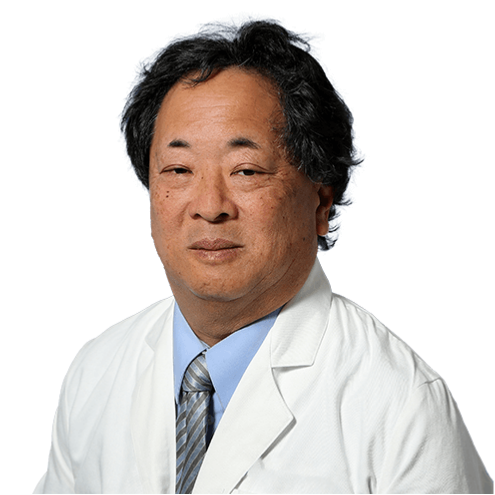
Prof. David K. Imagawa is Professor of Surgery, Chief of the Division of Hepatobiliary and Pancreas Surgery/Islet Cell Transplantation, Vice Chair for Academic Affairs, and the Suzanne Dykema Endowed Chair in Pancreatic Cancer at the University of California, Irvine, USA. His clinical and research expertise spans hepatobiliary surgery, liver transplantation, pancreatic surgery, surgical oncology, and islet cell transplantation.
Prof. Imagawa earned both his MD and PhD in Immunology from Johns Hopkins University before completing advanced training in liver transplantation and hepatobiliary surgery. Throughout his career, he has made significant contributions to the surgical management of liver, pancreatic, and biliary diseases, with particular expertise in hepatocellular carcinoma, pancreatic cancer, bile duct tumors, and organ transplantation. His research has advanced the development of multidisciplinary treatment strategies, minimally invasive therapies, transplantation science, and innovative therapeutic approaches for hepatobiliary malignancies.
Prof. Imagawa has authored more than 200 peer-reviewed publications and has led or participated in numerous clinical trials focusing on liver cancer, pancreatic malignancies, and transplantation. He is internationally recognized for his contributions to hepatobiliary and pancreatic surgery, liver transplantation, and multidisciplinary cancer care.
Editor: Vivienne Yan
Production Editor: Xingyue Luo
Respectfully Submitted by the Editorial Office of Hepatoma Research