


Special Interview with Prof. Vincent Wai Sun Wong, The Chinese University of Hong Kong
On April 3, 2026, Hepatoma Research conducted a special interview with Prof. Vincent Wai Sun Wong from The Chinese University of Hong Kong, China. Prof. Wong serves as a Guest Editor for the Special Issue "Novel Molecular Mechanisms and Therapeutic Targets in Metabolic Dysfunction-Associated Steatotic Liver Disease (MASLD): From Bench to Bedside." The interview aimed to explore recent progress in MASLD research and highlight the key themes of the Special Issue, including clinical translation, precision medicine, and emerging therapeutic strategies.
During the interview, Prof. Wong discussed several key topics, including current limitations in noninvasive biomarkers and treatment response, differences among international MASLD guidelines, and the growing role of precision medicine driven by genetic stratification and disease subtyping. He emphasized that population-level prevention, risk-based screening using stepwise algorithms, and multidisciplinary metabolic management remain essential in real-world practice. Looking ahead, Prof. Wong highlighted emerging therapies such as fibroblast growth factor 21 (FGF21) analogs, the validation of treatment-response biomarkers, and multi-omics-guided precision medicine as potential breakthroughs, while also supporting artificial intelligence (AI)-assisted risk stratification and its clinical translation as promising future directions.
Interview Questions:
Q1: With MASLD research increasingly moving from mechanistic exploration toward clinical translation, this Special Issue focuses on "bench to bedside". As a Guest Editor, could you briefly share your vision for this issue? Which areas do you consider most critical to bridge basic research and clinical practice?
Q2: You have been actively involved in the development of international MASLD guidelines, including the EASL–EASD–EASO Clinical Practice Guidelines. However, variations across guidelines and their real-world implementation remain challenging. From your perspective, what are the key differences or gaps among current international guidelines? How can global consensus and clinical applicability be further improved?
Q3: Given the heterogeneity of MASLD, there is increasing interest in precision medicine approaches to guide treatment. How do you see the role of precision medicine in MASLD? What are the most promising strategies for improving patient stratification and individualized therapy?
Q4: In real-world practice, MASLD management often relies on long-term follow-up and multidisciplinary care, yet implementation remains inconsistent across regions. From your perspective, how should MASLD be managed in the long term in real-world settings?
Q5: With rapid advances in this field, MASLD research is evolving across multiple domains, including mechanisms, therapeutics, and clinical management. From a global perspective, which research directions are currently gaining the most attention among clinicians and researchers? Where do you see the next major breakthroughs?
About the Interviewee:
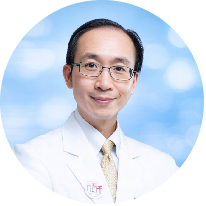
Prof. Vincent Wai Sun Wong, MD, PhD, is Mok Hing Yiu Professor of Medicine and Head of the Division of Gastroenterology and Hepatology in the Department of Medicine and Therapeutics, The Chinese University of Hong Kong, China. He has contributed to the development of international clinical guidelines, including those from the Asian Pacific Association for the Study of the Liver (APASL), the American Gastroenterological Association (AGA), and the European Association for the Study of the Liver (EASL).
His research focuses on MASLD and MASH, with particular emphasis on noninvasive biomarkers, risk stratification, precision medicine, and therapeutic development. His work also explores genetic determinants such as patatin-like phospholipase domain-containing protein 3 (PNPLA3), disease subtyping, treatment response biomarkers, and emerging therapies including FGF21 analogs, with the aim of translating mechanistic discoveries into clinical practice.
Stay tuned to Hepatoma Research for more exclusive interviews with global leaders advancing liver cancer research and precision hepatology.
Editor: Vivienne Yan
Language Editor: Catherine Yang
Production Editor: Ting Xu
Respectfully Submitted by the Editorial Office of Hepatoma Research