


From ebola to feline infectious peritonitis: the cross-species journey of GS-441524 and the future of antiviral translation
 0
0 
Abstract
The feline coronavirus treatment GS-441524 represents a unique case of translational medicine in reverse: a compound developed for a rare human disease, abandoned in human clinical use, but successfully repurposed to treat a fatal veterinary condition affecting cats. Initially designed as a nucleoside analog for the Ebola virus, GS-441524 underwent preclinical safety testing in animals before being discovered to have unexpected clinical applications in feline infectious peritonitis (FIP), a historically untreatable disease in cats caused by a virulent systemic feline coronavirus (FCoV). This review traces the scientific and regulatory journey of GS-441524 from human antiviral candidate to life-saving feline treatment. We also expand the discussion to include the emerging use of other human antivirals, such as molnupiravir, in veterinary medicine. Ethical and public health tensions created by unregulated, community-driven drug access are examined, alongside the broader One Health implications, including antiviral resistance and the lack of surveillance in non-human hosts. Finally, we explore how lessons from FIP treatment may inform human medicine, particularly in the context of long COVID and future coronavirus pandemics. This translational scenario exemplifies both the potential and the pitfalls of cross-species drug translation, underscoring the need for integrated regulatory and ethical frameworks to support responsible innovation.
Keywords
INTRODUCTION
As she sat in the exam room of the veterinarian’s office, she was digesting the news. Her beloved kitten was showing all the hallmark signs of feline infectious peritonitis (FIP). The words fatal and euthanasia, hang in the air. The veterinarian mentioned searching social media for help, but said they couldn’t be involved beyond what they have already said for “legal reasons”. Pulling out her phone, she frantically searched and soon found the help her kitten desperately needed. Later that night, she pulled into the gas station parking lot, scanning for the car she’d been told to look for. A few messages on social media had led to this meeting. A quiet handoff of unlabeled glass vials in exchange for cash. This injectable drug would turn out to be her kitten’s salvation. There were no official channels, no pharmacy counters, just determination and trust between strangers to save cats from a previously unbeatable disease. This reality has been experienced by thousands of feline caregivers worldwide[1].
From a shelved antiviral candidate for a rare human disease, to the most significant breakthrough in feline medicine in decades; the journey of GS-441524 illustrates the unexpected power that can come from cross-species drug-centric translational medicine. Originally synthesized as a nucleoside analog for the treatment of Ebola virus, GS-441524 was later overshadowed by its prodrug, remdesivir (RDV), which gained global attention during the SARS-CoV-2 pandemic. Despite its initial development for human use, GS-441524 has since found its most impactful application in feline medicine, where it has revolutionized the treatment of FIP, a previously uniformly fatal coronaviral disease of cats.
Nucleosides and nucleotides are fundamental to genetic replication and transcription, and have long served as the basis for therapeutic targets in oncology and infectious disease, particularly antiviral drug targets[2,3]. GS-441524 is a nucleoside analog that targets viral RNA replication. Following initial hydrolysis, it is phosphorylated intracellularly to the active triphosphate form (GS-443902). Here, it mimics adenosine, out-competing natural nucleotides for incorporation into the growing RNA chain, mediated by RNA-dependent RNA-polymerase (RdRp)[4]. Following incorporation into the viral RNA, it leads to delayed chain termination, effectively halting viral replication a few nucleotides downstream[5] [Figure 1].
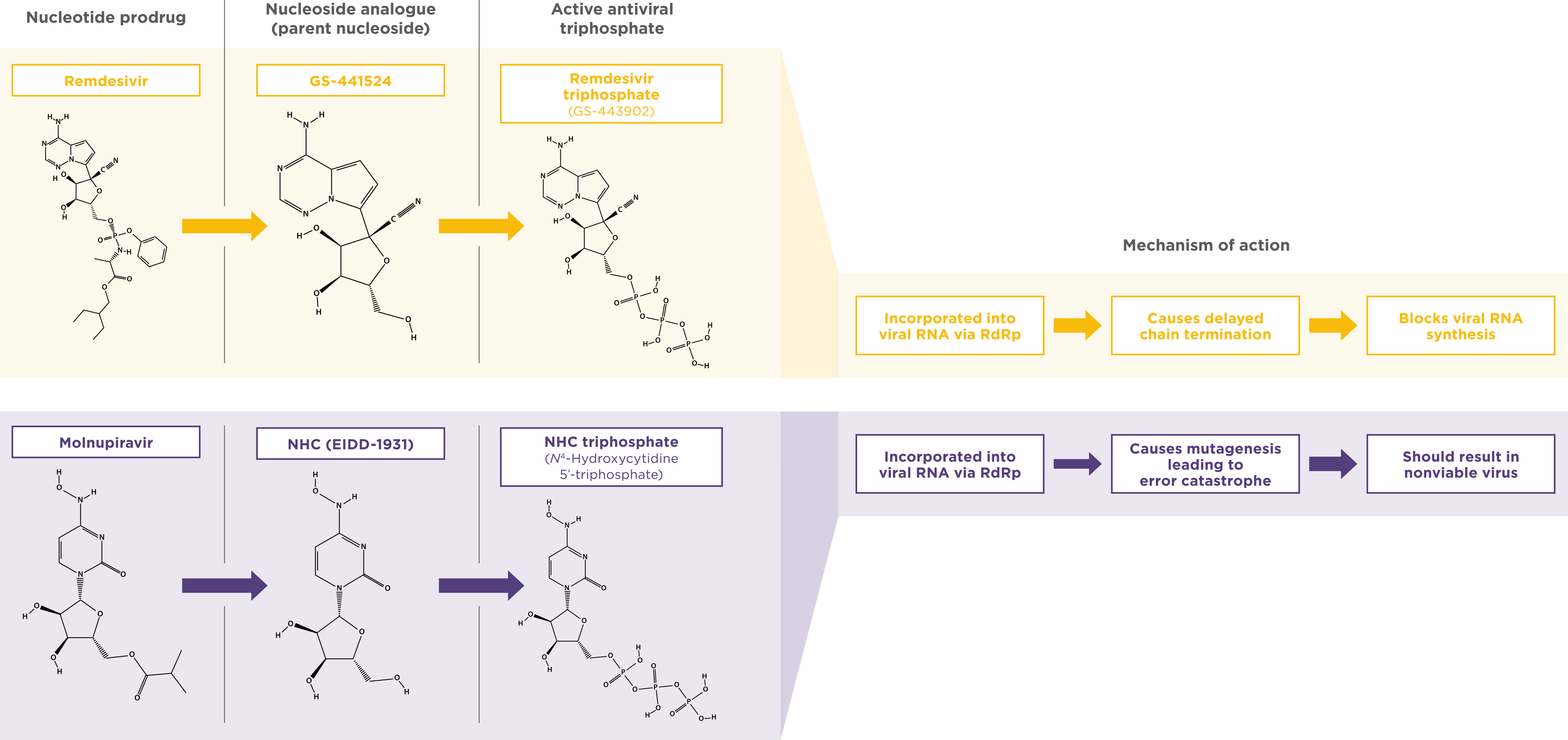
Figure 1. Metabolism and mechanism of action of antivirals used to treat feline infectious peritonitis. Reprinted with permission from Coggins et al. © 2025 Today’s Veterinary Practice[6]. NHC: N-hydroxycytidine.
Simplified biosynthesis pathway and viral mechanism of action of RDV and molnupiravir. Remdesivir and molnupiravir are nucleotide prodrugs that are hydrolyzed after administration to yield their respective parent nucleoside analogs. GS-441524 and EIDD-1931. These nucleosides are then phosphorylated intracellularly to form the active triphosphates, which mediate antiviral activity. The mechanisms of action diverge at this point. Remdesivir triphosphate is incorporated into viral RNA by RdRp in place of adenosine, halting RNA synthesis after the addition of 3 more nucleotides. This process is known as “delayed chain termination”. In contrast, N-hydroxycytidine (NHC) triphosphate mimics both cytidine and uridine, leading to widespread mutations in the viral genome over successive rounds of replication. This accumulation of errors, referred to as “error catastrophe”, should render the virus nonviable.
Remdesivir (GS-5734) is a low-molecular-weight, monophosphoramidate nucleotide prodrug that is hydrolyzed to GS-441524 and shares the same metabolic endpoint, GS-443902[7]. This prodrug was developed to enhance cellular uptake in tissues. GS-441524 is hydrophilic, thus transmembrane diffusion is limited relative to lipophilic drugs. Intracellular uptake depends on specialized membrane transporters such as concentrative and equilibrative nucleoside transporters. This transporter dependency represents a potential rate-limiting step[8]. In contrast, RDV’s ProTide configuration effectively shields the charged phosphate group, increasing lipophilicity and enabling efficient passive diffusion across cell membranes. By by-passing the initial transporter-dependent step, RDV achieves improved intracellular delivery[9]. However, the presence of serum enzymes in vivo, may result in RDV undergoing premature hydrolysis into GS-441524, ameliorating the proposed benefits[10].
RNA viruses exhibit a conserved replication strategy that depending on RdRp for the synthesis of viral genomes and transcripts, reinforcing the appeal of nucleoside and nucleotide analogs as antiviral drug candidates[11]. This includes several pandemic- and epidemic-causing viruses, including Ebola virus, the arenaviruses such as Junín and Lassa virus, and Betacoronaviruses, notably Severe Acute Respiratory Syndrome coronavirus (SARS-CoV-1) and Middle Eastern Respiratory Syndrome coronavirus (MERS-CoV)[12,13].
While human drug discovery was focused on finding solutions for viruses with pandemic potential, the veterinary community continued to grapple with the long-standing challenge of FIP, a fatal disease in cats that has persisted for decades without effective treatment. The causative agent was determined to be virulent variants of an Alphacoronavirus endemic to cats, feline coronavirus (FCoV). The clinical syndrome was first described in the 1960s, and the name FIP reflected its initial characterization, including ascites, fever, icterus, and hyperglobulinemia[14]. The disease is now recognized as a systemic condition with diverse clinical phenotypes [Figure 2]. For decades, FIP has been noted as a leading infectious cause of death in cats, especially in group-housed cats in shelters and catteries[15,16]. The number of cases of FIP diagnosed per year is difficult to ascertain, but some estimate an incidence of 1 in 5,000 cats in multicat households[17]. FIP disproportionately affects cats under two years of age and occurs globally in both domestic and wild felids[18]. Central to its pathology is pyogranulomatous perivascular phlebitis with formation of micro- or macro- pyogranulomata, which can impact any organ system[19]. FIP was considered uniformly fatal, and historic therapeutic interventions, including numerous antiviral compounds and immunomodulatory agents, have consistently failed to yield positive results[20-22]. It has long been one of the most devastating infectious diseases in feline medicine, causing immense suffering for affected cats and placing a heavy emotional burden on caregivers and veterinary teams, who have historically lost every cat diagnosed with this condition. However, this all changed with the advent of GS-441524.
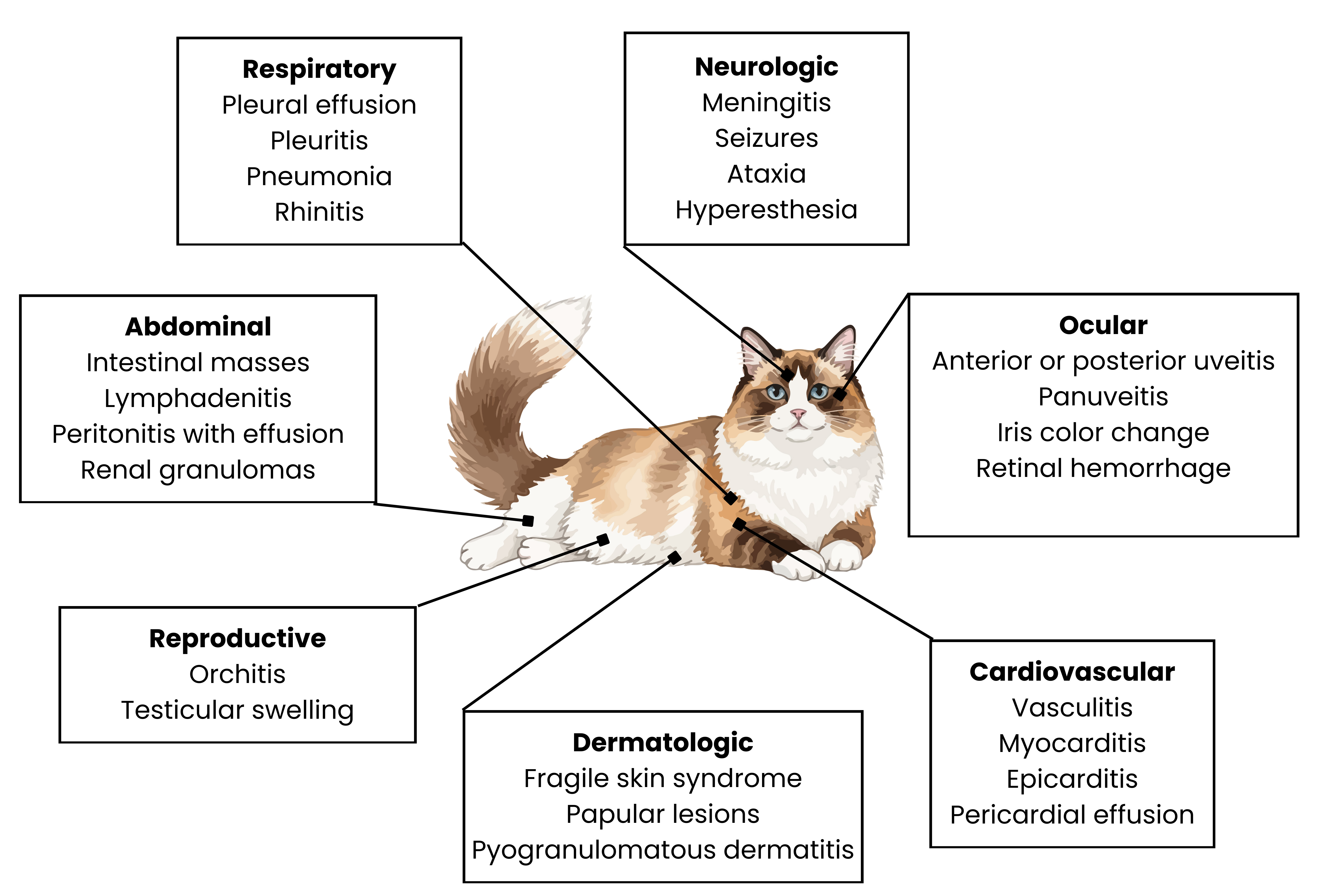
Figure 2. Feline infectious peritonitis (FIP) can manifest clinically with a variety of presentations. This figure describes the array of clinical syndromes that may be present alone or in combination in a cat with FIP. Created with Canva.
EARLY HUMAN CLINICAL APPLICATIONS
Remdesivir was developed by Gilead Sciences in collaboration with the United States Centers for Disease Control and Prevention and the U.S. Army Medical Research Institute of Infectious Diseases with a goal to develop broad-spectrum antiviral compounds effective against RNA viruses[23]. The initial impetus for the development of these novel antivirals was spurred by the Ebola outbreak that was recognized in 2014 and resulted in a two-year epidemic that spread to 10 countries with 28,600 people infected and 11,325 dying of the disease[24]. With this epidemic waging, priority was paid to identifying compounds with potent anti-Ebola properties. GS-5734, later renamed to RDV, was demonstrated to have potent activity in cell culture against several filoviruses with low cytotoxicity[12]. The drug was then utilized to rescue Ebola virus infected rhesus monkeys, with all treated animals surviving the highly fatal viral infection[12]. This non-human primate study laid the groundwork for future clinical applications, showing that this class of drugs was a potent and selective inhibitor of Ebola virus, resulting in a strong survival benefit, which had never been previously demonstrated.
The newly discovered antiviral, RDV, was incorporated into clinical trials, enrolling patients diagnosed with Ebola virus in the Democratic Republic of Congo during an outbreak that began in August 2018[25]. This randomized, four arm trial, evaluated three different human monoclonal antibody therapeutics or RDV, with a primary endpoint of survival at 28 days after enrollment. An interim analysis was conducted after 499 people were enrolled, and number of deaths per treatment group were evaluated, and 53.1% of people treated with RDV died while the best performing monoclonal antibody products had lower death rates of 33.5%-35.1%[25]. Given these findings, RDV was found to be inferior, and it was considered unethical to continue enrolling patients to receive that therapy.
While the 2018 Congo clinical trial did not lead to further development of RDV as an Ebola antiviral, it did serve to generate early safety data in a human field trial setting. One serious adverse event was noted in the 174 patients treated with RDV[25]. This patient experienced severe hypotension during the RDV loading dose, followed by cardiac arrest. To date, RDV has not been licensed for the treatment of Ebola virus anywhere in the world. Still, it continues to be used for emergency and compassionate use during filovirus outbreaks in Sub-Saharan Africa[26].
ACTIVITY AGAINST CORONAVIRUSES
The coronaviruses encompass a variety of human and animal pathogens of significance, including SARS-CoV and MERS-CoV in the human health space and porcine epidemic diarrhea virus (PEDV) to name a few [Figure 3]. In 2019, there were no highly effective, approved antiviral treatments for people affected by coronaviral disease. An unmet need was recognized, and broad-spectrum antivirals were evaluated for their activity against coronaviruses. The activity of RDV was evaluated in vitro and found to have potent activity against a diverse group of coronaviruses of human and veterinary importance[27].
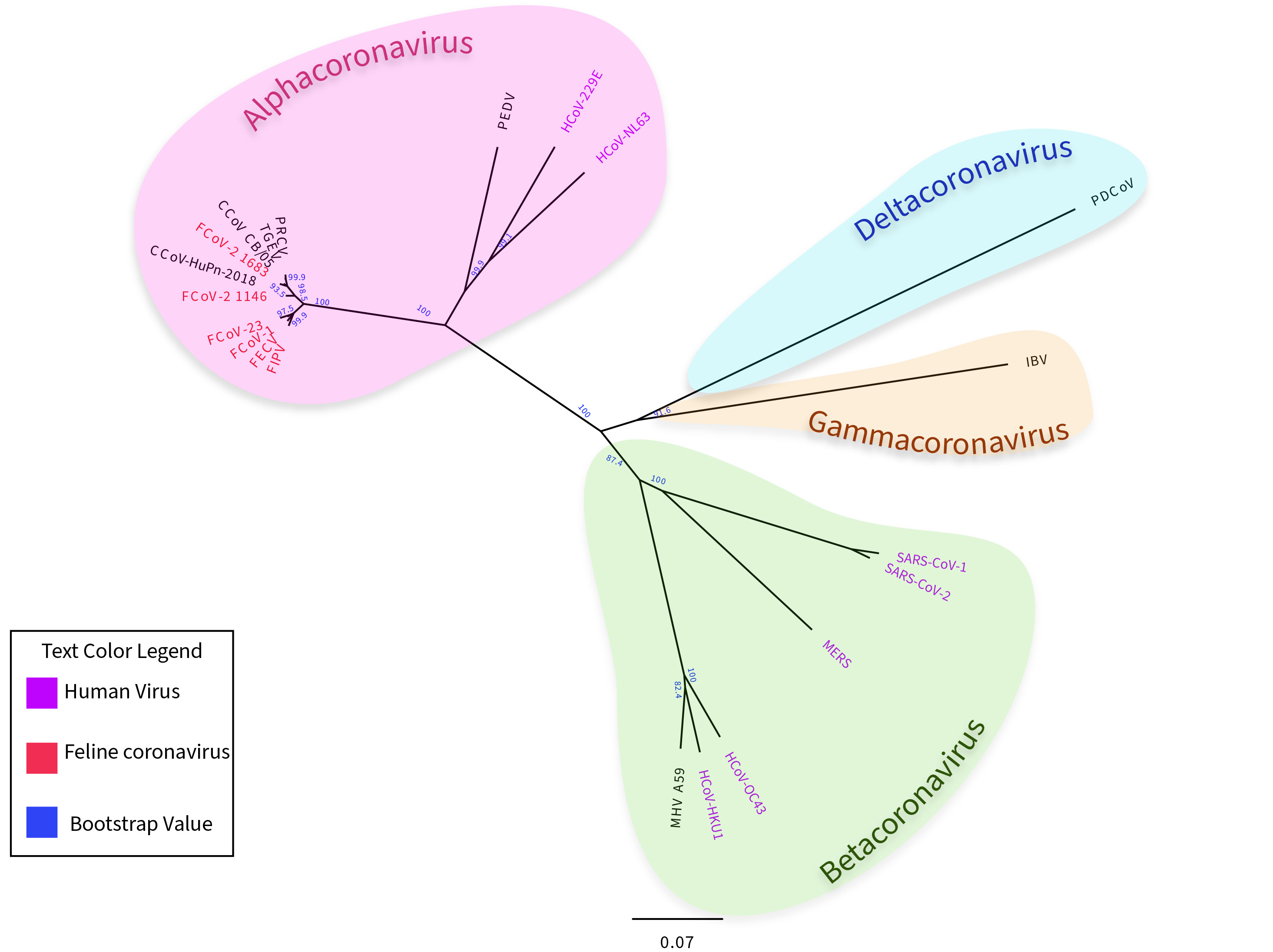
Figure 3. Phylogeny of coronaviruses. Phylogenetic tree based on partial nucleotide sequences of the RNA-dependent RNA-polymerase (RdRp) gene from 21 coronaviruses. Multiple sequence alignment was performed using Clustal Omega v1.2.2 (10 iterations), and the phylogenetic tree was constructed using the neighbor-joining method with the Jukes-Cantor model and 1,000 bootstrap replicates in Geneious Prime v2026.0.2.
The first indication that GS-441524 had potent antiviral activity against FCoV was demonstrated in 2018, when Gilead Sciences donated the compound for use in vitro and in vivo studies assessing FCoV. This landmark study demonstrated that GS-441524 was not cytotoxic to feline cell lines (CRFK) and inhibited the normally observed cytopathic effects after FCoV infection[28]. This same study also effectively demonstrated that GS-441524 is taken up by feline cells and phosphorylated into its active form, and that the active drug is sustained within the cellular structures. The first pharmacokinetic study in healthy cats was performed, and the group concluded that subcutaneously and intravenously administered GS-441524 was tolerated by cats and the active triphosphate could be identified in peripheral blood mononuclear cells at levels higher than the in vitro determined EC50 for FCoV[28].
EARLY VETERINARY CLINICAL TRIALS
To evaluate GS-441524’s ability to reverse the clinical syndrome of FIP, purpose-bred cats were infected with FCoV to induce FIP. Once the cats exhibited clinical signs of FIP, they were then treated with low (2 mg/kg) or high (5 mg/kg) doses of GS-441524 for 2 weeks, resulting in remission of the clinical disease in the experimentally infected cats[28]. This was among the first demonstrations that this previously fatal disease could be readily reversed with antiviral treatment.
Cats with naturally occurring FIP were then evaluated by the same group, using drug provided by Gilead Sciences. The results of their clinical trial, published in February 2019, showed that GS-441524 treatment led to 80% (25/31) survival[29]. An early safety profile was also established, with this study noting that the major adverse events were injection-site reactions and immediate post-injection pain. No other major systemic side effects were noted in this cohort of cats, except for 1 cat with mild azotemia that resolved after medication discontinuation. This study has laid the groundwork for many subsequent evaluations of GS-441524, and subsequently RDV to treat FIP, with studies demonstrating these medications can be successfully interchanged during the treatment period and RDV is non-inferior to GS-441524 [Figure 4][30-34].
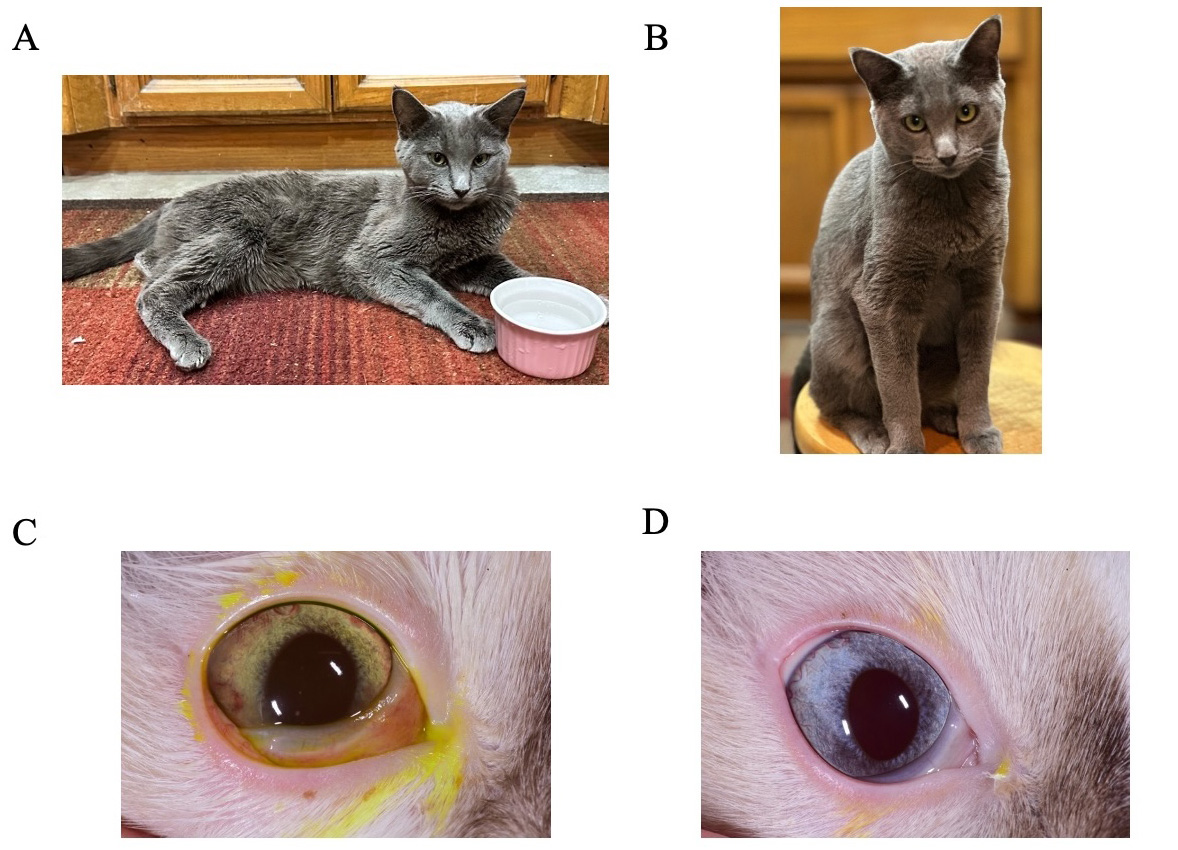
Figure 4. Cats with feline infectious peritonitis. This figure depicts the physical features of cats diagnosed with feline infectious peritonitis at the time of diagnosis (A and C) and after successful antiviral treatment (B and D). The first cat (A) presented with poor body condition, mesenteric lymphadenomegaly on abdominal palpation, and fever. Upon completion of treatment with 84 days of GS-441524 (B), the cat gained weight, had an improved hair coat, and mesenteric lymph nodes decreased in size. The right eye of the second cat is shown (C) at presentation and diagnosis of FIP with panuveitis. The same cat is imaged again (D) after treatment with antivirals, showing complete resolution of clinical signs and return of normal iris color. Photos courtesy of Dr. Reagan KL (A and B) and Dr. Cerna P and the Colorado State University Ophthalmology Service (C and D). Photos used with client permission. FIP: Feline infectious peritonitis.
ORPHAN DRUG DESIGNATION AND COVID-19 PANDEMIC
In late 2019, quiet reports of a highly fatal respiratory infection started to emerge from China. By mid-2020, it was determined that a highly transmissible coronavirus, now known as SARS-CoV-2, was the causative agent of COVID-19. With the global impacts and severe associated morbidity and mortality, there was an immediate demand to identify potential treatments. Leveraging earlier work that indicated RDV was active against SARS-CoV, it was pursued as a potential therapeutic for COVID-19[35-37].
On March 23, 2020, the United States Food and Drug Administration (FDA) classified RDV as an orphan drug designation for the treatment of COVID-19. The Orphan Drug Act was enacted in 1983 to develop therapeutics for rare diseases, defined as those that affect fewer than 200,000 people per year in the United States. There was controversy surrounding the decision to grant Orphan Drug status, as it was seen as contravening the spirit of the law. COVID-19 was technically a “rare” disease at the time of this decision, likely due to limited testing and early reporting during the global pandemic. Indeed, the number of confirmed COVID-19 cases surpassed the 200,000 mark just 11 days after this designation was granted. Furthermore, companies receive federal support to complete clinical trials once the drug is designated an Orphan Drug. Given this controversy, Gilead withdrew the request and asked the FDA to revoke the listing on March 25, 2020[38].
Wide-scale clinical trials were launched to evaluate RDV as a therapeutic for COVID-19[39,40]. People who were treated with RDV had faster times to clinical improvement; however, these early trials did not clearly demonstrate a survival benefit in people receiving the medication[39,40]. Based on these early clinical reports, the FDA granted Emergency Use Authorization for RDV on May 1, 2020, to be used for the treatment of people hospitalized with COVID-19[41].
While the development of oral medications such as nirmatrelvir with ritonavir, known by the trade name Paxlovid, has decreased the ubiquity of RDV in the treatment of COVID-19, it remains a mainstay of treatment for patients who are hospitalized with COVID-19 or have contraindications for other treatments[42]. It is also used in both in- and outpatient settings to decrease the chance of progression to more severe disease in at-risk populations. However, the need to administer intravenously has limited its use.
FUNDING OF CONTINUED VETERINARY TRIALS
Among the global COVID-19 pandemic, the focus of antiviral research pivoted away from veterinary diseases and towards halting the devastating effects of SARS-CoV-2. This change in priority is also evident in the source and funding of FIP clinical trials completed since the pandemic. Before the COVID-19 pandemic, the GS-441524 utilized in FIP studies was sourced from Gilead[29,33]. However, clinical trials published after 2019 used alternative sources of medications, including antivirals sourced from bulk chemical manufacturers[31], compounding pharmacies[30,32], or unlicensed or black-market sources[34,43]. Without support from drug manufacturers, the burden of financing these studies shifted to philanthropic and foundation sources (SOCK FIP) or, in the absence of funding, to pet caregivers who bore the costs associated with trials. While the causes of this shift in support are likely multifactorial, one cannot ignore that the major pharmaceutical companies developing COVID-19 therapeutics had substantial financial stakes in ensuring that the focus remained on bringing drugs to the human market.
FROM BLACK MARKET TO OFFICE STOCK
After the initial demonstrations that GS-441524 was safe and effective in treating FIP, the path of a promising antiviral to a widely available veterinary medication was anything but direct. Instead, its development in veterinary practice represents one of the most unusual and decentralized drug-adoption narratives in modern animal health care. Despite the major scientific breakthrough and mounting evidence, this drug was highly effective in treating FIP, GS-441524 faced a regulatory bottleneck. GS-441524 was not pursued as a licensed veterinary drug by Gilead Sciences, and intellectual property restrictions prevented other companies from bringing this product to market. A counterpart to the Orphan Drug Act that applies to veterinary medicine, the Minor Use/Minor Species (MUMS) designation was intended to make medications legally available to veterinarians by providing pathways to bring products to market with fewer financial barriers. Despite GS-441524 for the treatment of FIP likely meeting the criteria of “being used infrequently and in only a small number of animals”, defined as less than 120,000 cats, approval under MUMS was not pursued[44]. Consequently, veterinarians were left with strong evidence but no legal pathway to access the drug.
Since formal channels for veterinarians to prescribe this life-saving drug were not available, the cat-caregiver community mobilized starting in 2019, developing networks online, primarily through social media groups on Facebook. These channels connected desperate cat caregivers with sources of unlicensed GS-441524 through administrators who acted as distributors of typically Chinese-manufactured and smuggled medications. This black market distribution became highly successful because there were no alternative, licensed treatments for this otherwise 100% fatal disease. Between 2019 and 2021, tens of thousands of cats worldwide were treated with black-market GS-441524[43,45]. With estimates of over 1 million doses of medications being illegally imported into the United States, federal law enforcement began taking notice. Prosecutions linked to the smuggling and distribution of GS-441524 have occurred in the US and Europe. In one case, undercover federal agents joined Facebook groups to infiltrate their administrators. The convicted perpetrator was found to have 58,460 glass vials and 236,836 pills of suspected GS-441524 and $4 million worth of proceeds from the sale of this smuggling and distribution scheme[46].
Veterinarians were largely absent from the complex treatment of cats with FIP in this time period. One survey of cat caregivers treating their cats with unlicensed antivirals reported that one-fourth of caretakers diagnosed and treated their cats without the help or knowledge of their primary veterinarian[43]. Additionally, 29% of caregivers of cats with FIP in one study reported that their primary veterinarian was hesitant or refused service associated with the treatment of FIP[1]. Veterinarians reported they were unfamiliar with treatment protocols and they were concerned about violating their licensure requirements[1].
Despite its unofficial origins, the treatment success rate shown through community tracking both informed and then mirrored published clinical outcomes[1,43,45]. This success is despite findings that unlicensed antiviral products varied in actual drug content, with approximately 60% of the oral formulations containing less active drug than the expected or labeled content[47]. This is in contrast to the injectable formulations, where the authors determined that nearly all parenteral formulations contained more GS-441524 than the label suggested[47].
This unique caregiver-driven treatment movement ultimately led to major changes in the regulatory positions. The landscape began to shift as countries permitted compounded RDV and GS-441524 for veterinary use. Australia and the UK were among the first regions where RDV became available through compounding pharmacies obtaining bulk drugs in 2020 and 2021, respectively. New Zealand, Sweden, and several other countries in the European Union gradually gained access through compounded routes between 2021 and 2023. In contrast, the USA lacked such options for several more years. In May 2024, the FDA announced its position on the use of compounded GS-441524 for the treatment of FIP[48]. Currently, no FDA-approved drug exists for treating FIP in cats, but the FDA permits compounding pharmacies operating under section 503A to prepare GS-441524 from bulk drug substances. Under Guidance for Industry (GFI) #256, veterinarians in the USA can prescribe GS-441524 for veterinary patients[49]. GS-441524 has also been nominated for office stock and can be kept without a patient-specific prescription in most states in the USA. Despite many countries now having access to compounded GS-441524, many countries still lack access to the medications or veterinarians aware that they can prescribe them, and caregivers are forced or choose to resort to the black market to obtain treatment for their cats from unlicensed and unregulated sources.
BARRIERS TO LICENSING VETERINARY DRUGS: EXPENSIVE PROCESSES WITH LIMITED PROFITABILITY
The development and licensing of veterinary pharmaceuticals are crucial to safeguarding and improving animal health, yet bringing a new veterinary product to market is very challenging. Compared with medicines developed for the human market, veterinary drugs are often less profitable and have smaller markets. These factors combine to create barriers that may discourage investment and slow innovation within the veterinary pharmaceutical industry. Drug companies are driven by the need to generate profits, and they are often unwilling to make such investments if a market large enough to justify the expenditures does not exist. This contributes to why many drugs in veterinary medicine are used as “off-label”[50].
However, learning from animal safety data often benefits humans. For decades, animal studies have played a central role in generating safety data that informs the development of drugs, chemicals, medical devices, and consumer products. Animal-derived safety data has been vital in safeguarding human health and guiding the development of medicines and technologies that have saved millions of lives, as illustrated by the use of RDV during the COVID-19 pandemic[51,52]. Ironically, although human medicine is reliant on animal models for drug development, streamlined pathways to share data from veterinary studies into human medicine and vice versa are lacking, and there is a great opportunity for improvement and further collaboration in this area.
WHAT HAS VETERINARY MEDICINE GAINED FROM HUMAN MEDICINE
The most apparent gain that human medicine has bestowed on veterinary medicine in this field is the expedited access to antivirals, including RDV and other anti-coronaviral drugs. The major influx of government research funds and the alignment of resources from commercial entities enabled the rapid development and production of these medications and therapies, making them available to veterinarians likely far earlier than they would have been without the context of the COVID-19 pandemic.
Translational lessons are continuing to be shared. With widespread monitoring of SARS-CoV-2 genomic sequences, veterinary researchers are aware that antiviral drugs that induce viral genome mutations may drive viral evolution[53]. This raises concerns about the potential for antiviral resistance to develop, and is being considered when treatment recommendations are made. Further, clinical reports of pharmakokinetics (PK) data from people with COVID-19 illustrate the cascade of metabolism from RDV to GS-441524 and the impacts of co-morbidities such as renal insufficiency that may be able to be translated into veterinary patients[54].
The post-acute sequelae of SARS-CoV-2 infection in people is known as Long COVID Syndrome. Studies aimed at understanding the pathologic mechanisms underlying this syndrome have revealed persistent infections, dysregulated immune responses, exhausted T cells, endothelial inflammation, prothrombotic states, and evidence of autoimmunity, among other findings[55]. This syndrome raises the question of whether cats can develop a long-FIP like syndrome after treatment, and recent work demonstrates that some degree of immune dysregulation persists in cats that have clinically recovered from FIP after GS-441524 treatment[56].
WHAT HAS HUMAN MEDICINE GAINED FROM VETERINARY MEDICINE
When the COVID-19 pandemic began, Gilead researchers benefited from being closely involved in the FIP research led by Dr. Neils Pederson[57]. Scientists from the company were co-authors of the early studies demonstrating the effectiveness of GS-441524 in reversing the effects of FCoV infection[29]. These studies were the first clinical trials published with a natural coronavirus induced disease, and provided early efficacy and safety data that likely catalyzed the future use of these compounds to treat human coronavirus infection.
Continued research on the pathogenesis, treatment, and post-acute sequelae of FIP in cats will likely continue to inform us about disease pathogenesis in people and other species[56]. Knowing that FIP may serve as a natural disease model, especially in the severe inflammatory states such as the rare disease multisystem inflammatory syndrome in children caused by COVID-19, allows for continued translational research that leverages the benefits of natural disease progression in a heterogeneous population rather than small animal induced disease models[58]. Additionally, funding agencies such as the National Institutes of Health are seeking to reduce reliance on laboratory animal models of disease, thereby opening the door for FCoV and resulting FIP to serve as a rich resource for continued research[59].
The veterinary community is also in the early stages of investigating an outbreak of a novel coronavirus, FCoV23, that struck the island nation of Cyprus in 2023, causing widespread disease that was clinically indistinguishable from other forms of FIP[60]. This event was precipitated by a recombination event between the highly pathogenic canine coronavirus and FCoV1. This event highlights the potential of animal reservoirs, including companion animals, to drive spillover events that could expand the host range of pathogens, with potentially catastrophic consequences[61]. In this case, an estimated 10,000 cats on Cyprus succumbed to disease caused by this novel virus[60]. This outbreak has led to the formation of an international working group, the FCoV23 Consortium, that is addressing unanswered questions regarding coronavirus pathogenesis, epidemiology, and treatment, which may inform understanding of the disease potential of coronaviruses in other species, including humans.
THE FUTURE OF TRANSLATIONAL ANTIVIRAL DEVELOPMENT
The story of GS-441524 and the revolution in the treatment of cats with FIP is unique, but it doesn’t need to be. The emerging infectious disease landscape is characterized by an overrepresentation of zoonotic pathogens, resulting in significant overlap in the pathogenesis, diagnosis, epidemiology, and treatment of infections in humans and animals.
Due to restrictions in drug availability in some geographic regions, the cost associated with treatment, and the development of apparent resistance in some cats, alternatives to GS-441524 have been investigated for the treatment of FIP. This includes the investigation of antivirals that were brought to market for the treatment of COVID-19, including molnupiravir and nirmatrelvir[62-66]. The dosing and safety profiles that were elucidated in human clinical trials continued to inform the veterinary application of these drugs. However, significant barriers to their investigation have been encountered, including the high price associated with commercial products or governments restricting access to human drugs. These factors together have led to the use of drugs that are not considered first-line medications in the human medical field, like molnupiravir, due to the low cost of compounded medications without a clear understanding of the potential risks with widespread application.
Further, the incentives for a truly translational development of antivirals are lacking. Robust safety data are essential for understanding how best to apply antivirals in veterinary settings, as there are stark differences in safety profiles across species in some instances. However, the discovery of unanticipated safety issues, such as uroliths composed of GS-441524 in cats undergoing FIP treatment, poses a dilemma[67]. Should there be aggressive pursuit of veterinary efficacy and safety data for drugs that have entered the FDA drug development pipeline if a discovery, such as the uroliths, may impact the approval of a potentially important human drug?
There is an opportunity for the translational application of antivirals in the context of other veterinary diseases, including the feline retroviruses, feline leukemia virus and feline immunodeficiency virus, and influenza. People with HIV are a vulnerable population, and co-infections and other pathogens, such as SARS-CoV-2, are common[68]. Cats with FIV have a similar disease progression to people with HIV, and co-infections with FCoV and subsequent clinical FIP may provide a unique opportunity to study a natural disease model and optimize antiviral treatment strategies that could inform human medicine.
CONCLUSIONS
The risks associated with emerging infectious diseases are numerous. Novel zoonotic pathogens are on the rise, recombination and spillover events, rising antimicrobial resistance rates, climate change, and ever-changing sociopolitical environments make predicting the details of the next pandemic a challenging task. The best approach to combating the next SARS-CoV-2 is to leverage the resources at our disposal now. Research that has blossomed out of a veterinarian’s drive to cure the incurable FIP has resulted in impactful findings that likely changed the trajectory of antiviral therapy for COVID-19. Collaborative research efforts between basic scientists, medical doctors, and veterinarians can help strengthen the understanding of pathogen dynamics, improve diagnostic tools, hone prevention and treatment options, and characterize post-infection sequelae. The circuitous path of GS-441524 and RDV, from a discarded Ebola medication to a black market cat drug exchanged in parking lots to a COVID-19 therapeutic to the standard of care for treating FIP, should be held up as the ultimate case study in translational drug discovery. There were great strides achieved in the advancement of human and animal health. Still, significant roadblocks were discovered that deserve reflection by the veterinarians, physicians, scientists, and officials who touch this drug discovery pipeline.
DECLARATIONS
Acknowledgments
We thank Carolina Menchaca and Gary Whittaker for their contribution in creating Figure 3.
Authors’ contributions
Contributed to conceptualizing, writing, and revising the manuscript: Cerna P, Coggins S, Blythe M, Reagan KL
Availability of data and materials
Not applicable.
AI and AI-assisted tools statement
Not applicable.
Financial support and sponsorship
None.
Conflicts of interest
The author Coggins S has received honoraria for the delivery of educational webinars and sponsored conference lectures on diagnosis and treatment of feline infectious peritonitis (FIP), including pharmaceutical companies: Stokes, BOVA Group, Clearpoint Pharmacy, and Compound Labs. No commercial entity has influenced the author’s research or the content of these lectures. Current research support is provided by: EveryCat Foundation, Australian Companion Animal Health Foundation, Cat Protection Society, Feline Health Research Fund, June Rose Bullock Bequest, and the Ronald Bruce Anstee Bequest. The author Cerna P has received honoraria for the delivery of educational webinars and sponsored conference lectures on diagnosis and treatment of FIP, including pharmaceutical companies: Stokes and Create Compounding Pharmacy. No commercial entity has influenced the author’s research or the content of these lectures or this article. Current research support is provided by: EveryCat Foundation and Morris Animal Health Foundation. The author Reagan KL has received research support from EveryCat Foundation, Best Friends Animal Society, SOCK FIP, and Morris Animal Health Foundation to investigate FIP diagnosis and treatment. Blythe M has no conflicts of interest.
Ethical approval and consent to participate
Not applicable.
Consent for publication
Not applicable.
Copyright
© The Author(s) 2026.
REFERENCES
1. Negash R, Li E, Jacque N, Novicoff W, Evans SJM. Owner experience and veterinary involvement with unlicensed GS-441524 treatment of feline infectious peritonitis: a prospective cohort study. Front Vet Sci. 2024;11:1377207.
2. Yates MK, Seley-radtke KL. The evolution of antiviral nucleoside analogues: A review for chemists and non-chemists. Part II: complex modifications to the nucleoside scaffold. Antiviral Res. 2019;162:5-21.
3. Jordheim LP, Durantel D, Zoulim F, Dumontet C. Advances in the development of nucleoside and nucleotide analogues for cancer and viral diseases. Nat Rev Drug Discov. 2013;12:447-64.
4. Rasmussen HB, Thomsen R, Hansen PR. Nucleoside analog GS‐441524: pharmacokinetics in different species, safety, and potential effectiveness against Covid‐19. Pharmacol Res Perspect. 2022;10:e00945.
5. Gordon CJ, Walker SM, Tchesnokov EP, et al. Mechanism and spectrum of inhibition of a 4’-cyano modified nucleotide analog against diverse RNA polymerases of prototypic respiratory RNA viruses. J Biol Chem. 2024;300:107514.
6. Coggins S, Cerna P. Pharmacologic approaches to feline infectious peritonitis. Today’s Veterinary Practice. 2025. Available from: https://todaysveterinarypractice.com/pharmacology/pharmacologic-approaches-to-feline-infectious-peritonitis/ [Last accessed on 8 Jun 2026].
7. Agostini ML, Andres EL, Sims AC, et al. Coronavirus susceptibility to the antiviral remdesivir (GS-5734) Is mediated by the viral polymerase and the proofreading exoribonuclease. mBio. 2018;9:e00221-18.
8. Rasmussen HB, Jürgens G, Thomsen R, et al. Cellular uptake and intracellular phosphorylation of GS-441524: implications for its effectiveness against COVID-19. Viruses. 2021;13:1369.
9. Siegel D, Hui HC, Doerffler E, et al. Discovery and synthesis of a phosphoramidate prodrug of a pyrrolo[2,1-f][triazin-4-amino] adenine C-nucleoside (GS-5734) for the treatment of Ebola and emerging viruses. J Med Chem. 2017;60:1648-61.
10. Yan VC, Muller FL. Advantages of the Parent Nucleoside GS-441524 over Remdesivir for Covid-19 Treatment. ACS Med Chem Lett. 2020;11:1361-6.
12. Warren TK, Jordan R, Lo MK, et al. Therapeutic efficacy of the small molecule GS-5734 against Ebola virus in rhesus monkeys. Nature. 2016;531:381-5.
13. Sheahan TP, Sims AC, Graham RL, et al. Broad-spectrum antiviral GS-5734 inhibits both epidemic and zoonotic coronaviruses. Sci Transl Med. 2017;9:eaal3653.
15. Pedersen NC. A review of feline infectious peritonitis virus infection: 1963-2008. J Feline Med Surg. 2009;11:225-58.
16. Kent MS, Karchemskiy S, Culp WTN, et al. Longevity and mortality in cats: a single institution necropsy study of 3108 cases (1989-2019). PLoS ONE. 2022;17:e0278199.
17. Pedersen NC. Serologic studies of naturally occurring feline infectious peritonitis. Am J Vet Res. 1976;37:1449-54.
18. Tasker S, Addie DD, Egberink H, et al. Feline infectious peritonitis: european advisory board on cat diseases guidelines. Viruses. 2023;15:1847.
19. Kipar A, May H, Menger S, Weber M, Leukert W, Reinacher M. Morphologic features and development of granulomatous vasculitis in feline infectious peritonitis. Vet Pathol. 2005;42:321-30.
20. Legendre AM, Kuritz T, Galyon G, Baylor VM, Heidel RE. Polyprenyl immunostimulant treatment of cats with presumptive non-effusive feline infectious peritonitis in a field study. Front. Vet. Sci. 2017;4.
21. Fischer Y, Ritz S, Weber K, Sauter-louis C, Hartmann K. Randomized, placebo controlled study of the effect of propentofylline on survival time and quality of life of cats with feline infectious peritonitis. J Vet Intern Med. 2011;25:1270-6.
22. Ritz S, Egberink H, Hartmann K. Effect of feline interferon-omega on the survival time and quality of life of cats with feline infectious peritonitis. J Vet Intern Med. 2007;21:1193-7.
23. Santoro MG, Carafoli E. Remdesivir: from ebola to COVID-19. Biochem Biophys Res Commun. 2021;538:145-50.
24. World Health Organization. Ebola Outbreak 2014-2016 - West Africa. Ebola Virus Disease: Situation Report. Available from: https://www.who.int/emergencies/situations/ebola-outbreak-2014-2016-West-Africa [Last accessed on 8 Jun 2026].
25. Mulangu S, Dodd LE, Davey RT, et al. A randomized, controlled trial of ebola virus disease therapeutics. N Engl J Med. 2019;381:2293-303.
26. GILEAD. Gilead donates remdesivir for Ebola Clinical Trial in the Democratic Republic of the Congo. 2025. Available from: https://www.gilead.com/company/company-statements/2025/gilead-donates-remdesivir-for-ebola-clinical-trial-in-the-democratic-republic-of-the-congo [Last accessed on 8 Jun 2026].
27. Brown AJ, Won JJ, Graham RL, et al. Broad spectrum antiviral remdesivir inhibits human endemic and zoonotic deltacoronaviruses with a highly divergent RNA dependent RNA polymerase. Antiviral Res. 2019;169:104541.
28. Murphy BG, Perron M, Murakami E. The nucleoside analog GS-441524 strongly inhibits feline infectious peritonitis (FIP) virus in tissue culture and experimental cat infection studies. Vet Microbiol. 2018;219:226-33.
29. Pedersen NC, Perron M, Bannasch M, et al. Efficacy and safety of the nucleoside analog GS-441524 for treatment of cats with naturally occurring feline infectious peritonitis. J Feline Med Surg. 2019;21:271-81.
30. Coggins SJ, Norris JM, Malik R, et al. Outcomes of treatment of cats with feline infectious peritonitis using parenterally administered remdesivir, with or without transition to orally administered GS-441524. J Vet Intern Med. 2023;37:1772-83.
31. Cosaro E, Pires J, Castillo D, Murphy BG, Reagan KL. Efficacy of oral remdesivir compared to GS-441524 for treatment of cats with naturally occurring effusive feline infectious peritonitis: a blinded, non-inferiority study. Viruses. 2023;15:1680.
32. Green J, Syme H, Tayler S. Thirty-two cats with effusive or non-effusive feline infectious peritonitis treated with a combination of remdesivir and GS-441524. J Vet Intern Med. 2023;37:1784-93.
33. Dickinson PJ, Bannasch M, Thomasy SM, et al. Antiviral treatment using the adenosine nucleoside analogue GS-441524 in cats with clinically diagnosed neurological feline infectious peritonitis. J Vet Intern Med. 2020;34:1587-93.
34. Krentz D, Zenger K, Alberer M, et al. Curing cats with feline infectious peritonitis with an oral multi-component drug containing GS-441524. Viruses. 2021;13:2228.
35. Gordon CJ, Tchesnokov EP, Woolner E, et al. Remdesivir is a direct-acting antiviral that inhibits RNA-dependent RNA polymerase from severe acute respiratory syndrome coronavirus 2 with high potency. J Biol Chem. 2020;295:6785-97.
36. Choy K, Wong AY, Kaewpreedee P, et al. Remdesivir, lopinavir, emetine, and homoharringtonine inhibit SARS-CoV-2 replication in vitro. Antiviral Res. 2020;178:104786.
37. Eastman RT, Roth JS, Brimacombe KR, et al. Remdesivir: a review of its discovery and development leading to emergency use authorization for treatment of COVID-19. ACS Cent. Sci. 2020;6:672-83.
38. Chua K, Conti RM. Policy implications of the orphan drug designation for remdesivir to treat COVID-19. JAMA Intern Med. 2020;180:1273.
39. Spinner CD, Gottlieb RL, Criner GJ, et al. Effect of remdesivir vs standard care on clinical status at 11 days in patients with moderate COVID-19: a randomized clinical trial. JAMA. 2020;324:1048-57.
40. Wang Y, Zhang D, Du G, et al. Remdesivir in adults with severe COVID-19: a randomised, double-blind, placebo-controlled, multicentre trial. Lancet. 2020;395:1569-78.
41. Sarpatwari A, Kaltenboeck A, Kesselheim AS. Missed opportunities on emergency remdesivir use. JAMA. 2020;324:331.
42. Bhimraj A, Morgan RL, Shumaker AH, et al. Infectious diseases society of america guidelines on the treatment and management of patients with COVID-19 (September 2022). Clin Infect Dis. 2024;78:e250-349.
43. Jones S, Novicoff W, Nadeau J, Evans S. Unlicensed GS-441524-like antiviral therapy can be effective for at-home treatment of feline infectious peritonitis. Animals. 2021;11:2257.
44. Guidance for industry - small entities compliance guide - designation of new animal drugs for minor uses or minor species. Available from: https://www.fda.gov/media/79363/download [Last accessed on 8 Jun 2026].
45. Roy M, Jacque N, Novicoff W, Li E, Negash R, Evans SJM. Unlicensed molnupiravir is an effective rescue treatment following failure of unlicensed GS-441524-like therapy for cats with suspected feline infectious peritonitis. Pathogens. 2022;11:1209.
46. Office UA, Oregon D of. January 27, 2025. 2025. Federal law enforcement seizes $4 million in property and proceeds from Texas Woman for smuggling and distributing unapproved animal drugs. Available from: https://www.justice.gov/usao-or/pr/federal-law-enforcement-seizes-4-million-property-and-proceeds-texas-woman-smuggling-and [Last accessed on 8 Jun 2026].
47. Kent AM, Guan S, Jacque N, Novicoff W, Evans SJM. Unlicensed antiviral products used for the at-home treatment of feline infectious peritonitis contain GS-441524 at significantly different amounts than advertised. J Am Vet Med Assoc. 2024;262:489-97.
48. FDA Announces position on use of compounded GS-441524 to treat FIP. 2024. Available from: https://www.fda.gov/animal-veterinary/cvm-updates/fda-announces-position-use-compounded-gs-441524-treat-fip [Last accessed on 8 Jun 2026].
49. Compounding animal drugs from bulk drug substances: guidance for industry. 2022. Available from: https://www.fda.gov/media/132567/download?attachment [Last accessed on 8 Jun 2026].
51. Wong CKH, Lau KTK, Au ICH, Xiong X, Lau EHY, Cowling BJ. Clinical improvement, outcomes, antiviral activity, and costs associated with early treatment with remdesivir for patients with coronavirus disease 2019 (COVID-19). Clin Infect Dis. 2022;74:1450-8.
52. Finn A, Jindal A, Andrea SB, Selvaraj V, Dapaah-afriyie K. Association of treatment with remdesivir and 30-day hospital readmissions in patients hospitalized with COVID-19. Am J Med Sci. 2022;363:403-10.
53. Sanderson T, Hisner R, Donovan-banfield I, et al. A molnupiravir-associated mutational signature in global SARS-CoV-2 genomes. Nature. 2023;623:594-600.
54. Tempestilli M, Caputi P, Avataneo V, et al. Pharmacokinetics of remdesivir and GS-441524 in two critically ill patients who recovered from COVID-19. J Antimicrob Chemother. 2020;75:2977-80.
55. Greenhalgh T, Sivan M, Perlowski A, Nikolich JŽ. Long COVID: a clinical update. Lancet. 2024;404:707-24.
56. Wanakumjorn P, Kimura K, Castillo D, et al. Mesenchymal stem/stromal cell therapy improves immune recovery in a feline model of severe coronavirus infection. Stem Cells Transl Med. 2025;14:szaf025.
57. Zhang S. A much-hyped COVID-19 drug is almost identical to a black-market cat cure. The Atlantic. 2020. Available from: https://www.theatlantic.com/science/archive/2020/05/remdesivir-cats/611341/ [Last accessed on 8 Jun 2026].
58. Ciortea D, Matei MN, Debita M, et al. Cardiac manifestations and emerging biomarkers in multisystem inflammatory syndrome in children (MIS-C): a systematic review and meta-analysis. Life. 2025;15:805.
59. Reardon S. New NIH office to reduce use of animals in research. Science. 2025. Available from: https://www.science.org/content/article/new-nih-office-reduce-use-animals-research [Last accessed on 8 Jun 2026].
60. Attipa C, Warr AS, Epaminondas D, et al. Emergence and spread of feline infectious peritonitis due to a highly pathogenic canine/feline recombinant coronavirus. bioRxiv. 2024;2023.11.08.566182.
61. Olarte-Castillo XA, Choi A, Frazier LE, Whittaker G. Rethinking the drivers of coronavirus virulence and pathogenesis: toward an understanding of the dynamic world of mutations, indels, and recombination within the species alphacoronavirus-1. 2024.
62. Cook S, Wittenburg L, Yan VC, et al. An optimized bioassay for screening combined anticoronaviral compounds for efficacy against feline infectious peritonitis virus with pharmacokinetic analyses of GS-441524, remdesivir, and molnupiravir in cats. Viruses. 2022;14:2429.
63. Sase O. Molnupiravir treatment of 18 cats with feline infectious peritonitis: a case series. J Vet Intern Med. 2023;37:1876-80.
64. Reagan KL, Brostoff T, Pires J, Rose A, Castillo D, Murphy BG. Open label clinical trial of orally administered molnupiravir as a first-line treatment for naturally occurring effusive feline infectious peritonitis. J Vet Intern Med. 2024;38:3087-94.
65. Černá P, Wittenburg L, Hawley J, Willis M, Siegenthaler B, Lappin MR. Pharmacokinetics of molnupiravir in cats with naturally occurring feline infectious peritonitis. Pathogens. 2025;14:666.
66. Clark T, Coggins S, Korman R, King J, Malik R. Treatment of feline infectious peritonitis in cats with molnupiravir: clinical observations and outcomes for 54 cases. Aust Vet J. 2025;103:339-53.
67. Allinder M, Tynan B, Martin C, et al. Uroliths composed of antiviral compound GS-441524 in 2 cats undergoing treatment for feline infectious peritonitis. J Vet Intern Med. 2024;38:370-4.
Cite This Article
 Open Access
How to Cite
Download Citation
Export Citation File:
Type of Import
Tips on Downloading Citation
Citation Manager File Format
Type of Import
Direct Import: When the Direct Import option is selected (the default state), a dialogue box will give you the option to Save or Open the downloaded citation data. Choosing Open will either launch your citation manager or give you a choice of applications with which to use the metadata. The Save option saves the file locally for later use.
Indirect Import: When the Indirect Import option is selected, the metadata is displayed and may be copied and pasted as needed.
About This Article
Special Topic
Copyright

Data & Comments
Data
0










Comments
Comments must be written in English. Spam, offensive content, impersonation, and private information will not be permitted. If any comment is reported and identified as inappropriate content by OAE staff, the comment will be removed without notice. If you have any queries or need any help, please contact us at [email protected].