
fig1
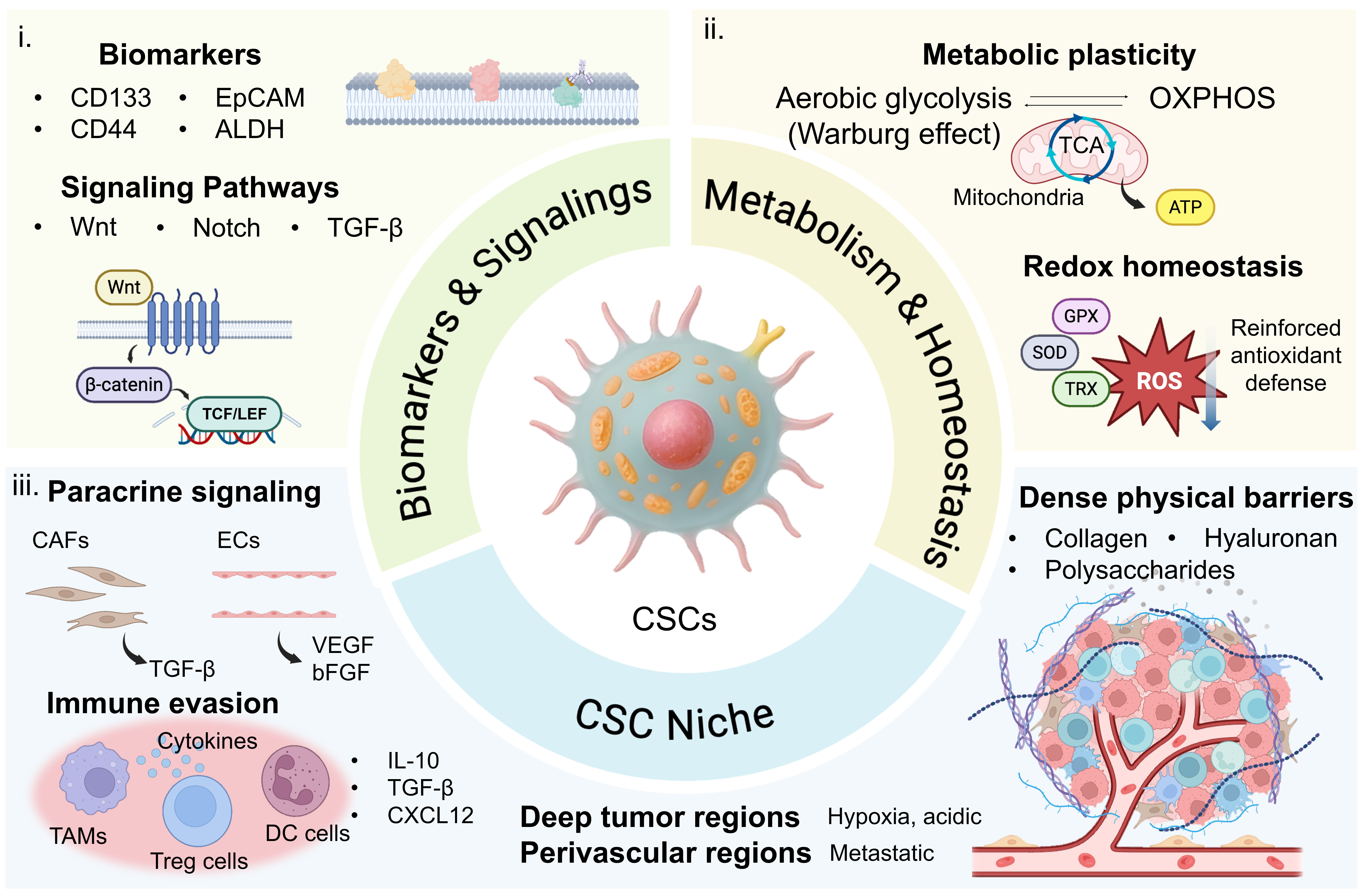
Figure 1. Schematic illustration of the specialized biological traits of CSCs. The diagram is composed of three interconnected pillars: (i) CSC-specific biomarkers and aberrant signaling pathways (e.g., CD44, CD133, ALDH, Wnt/β-catenin, and Notch), which provide molecular targets for active recognition and ligand-functionalized nanocarriers; (ii) intracellular metabolic reprogramming and redox homeostasis, characterized by enhanced glycolysis, elevated glutathione levels, and upregulated antioxidant enzymes, which offer exploitable vulnerabilities for redox responsive and metabolic-interfering nanosystems; and (iii) the CSC niche, encompassing hypoxic gradients, extracellular matrix remodeling, and stromal crosstalk, which guide the design of microenvironment-modulating nanomaterials (e.g., oxygen-replenishing, pH-sensitive, or matrix-modulating nanoplatforms). CSC: Cancer stem cell; CD133: Prominin-1; CD44: cluster of differentiation 44; EpCAM: epithelial cell adhesion molecule; ALDH: aldehyde dehydrogenase; Wnt: wingless-related integration site; TGF-β: transforming growth factor-β; TCF: T-cell factor; LEF: lymphoid enhancer-binding factor; OXPHOS: oxidative phosphorylation; TCA: tricarboxylic acid; GPX: glutathione peroxidase; SOD: superoxide dismutase; TRX: thioredoxin; ROS: reactive oxygen species; CAF: cancer-associated fibroblast cell; EC: endothelial cell; VEGF: vascular endothelial growth factor; bFGF: basic fibroblast growth factor; IL-10: Interleukin-10; CXCL12: C-X-C motif chemokine ligand 12; DC: dendritic cell; TAM: tumor-associated macrophage.

