




Polyimide-silica composite aerogel microspheres for thermal insulation and flame retardancy
 0
0 Abstract
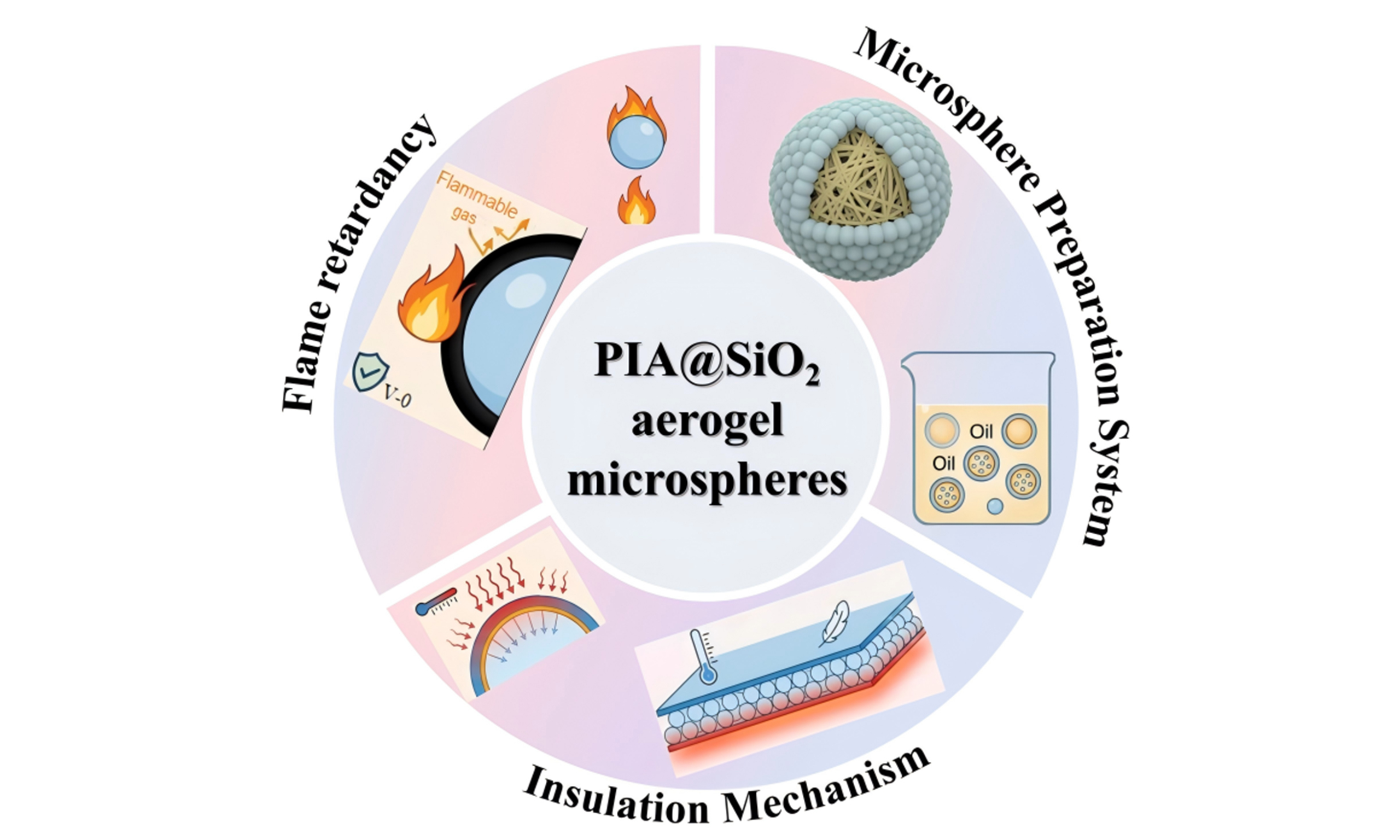
This study develops polyimide-silica composite aerogel microspheres (PIA@SiO2) reinforced with phytic acid (PA) to address the synergistic requirements for lightweight, low thermal conductivity, and high flame retardancy in thermal insulation and flame-retardant materials across industries such as aerospace and advanced building materials. Using the reverse emulsion method combined with the sol-gel process, tetraethyl orthosilicate was used as the silica source and polyamic acid as the precursor to prepare silica-coated polyimide (PI) microspheres, while PA was introduced to achieve phosphorus-based flame-retardant functionality. The effects of PA and PI on the microsphere properties were thoroughly investigated by adjusting their concentrations. Experimental results showed that the incorporation of PA optimizes the pore structure of the aerogel microspheres to inhibit gas-phase heat transfer and the carbon layer formed after combustion prevents the penetration of flammable gases, thereby slowing down the degradation of the microspheres. PI crosslinking forms a PI-SiO2 crosslinked network with SiO2 and the strong organic-inorganic interface interaction promotes uniform heat dispersion, thereby ensuring the thermal insulation performance of the aerogel microspheres; simultaneously, the results clearly demonstrate that microspheres containing 10% PA and 10% PI exhibit excellent thermal stability, It is predicted that the material can reach the V0 rating, and long-term thermal insulation capability.
Keywords
INTRODUCTION
With the rapid development of modern industrial technology, the demand for high-performance thermal insulation and flame-retardant materials is increasing in fields such as aerospace[1], building insulation[2], and new energy batteries[3]. International safety standards for thermal insulation and flame-retardant materials are also becoming increasingly stringent. Despite possessing certain thermal insulation properties, conventional thermal insulation materials such as asbestos[4], glass wool[5], and polyurethane foam[6] are prone to thermal degradation or combustion under high-temperature conditions and have inherent drawbacks such as high material density and strong environmental hazards. In particular, in systems that require protection in extreme operating conditions, such as lithium-ion battery thermal runaway protection and spacecraft thermal protection systems, materials should simultaneously fulfill multiple performance requirements, including ultralow thermal conductivity, excellent flame retardancy, and lightweight properties. This has driven research into new nanoporous materials, among which aerogel materials have demonstrated revolutionary application potential owing to their distinctive nanoporous structure. Silica aerogel, a conventional aerogel, has a three-dimensional (3D) network structure that effectively suppresses gas-phase heat transfer and exhibits extremely low thermal conductivity at room temperature[7-11]. However, its inherent brittleness and high-temperature shrinkage severely limit its engineering applications. Alternatively, polyimide (PI) aerogels possess aromatic heterocyclic structures in their molecular chains, enabling them to maintain low thermal conductivity while exhibiting excellent flexibility and thermal stability[12-16]. Nevertheless, their flame-retardant properties still fail to fulfill the stringent safety requirements of high-safety scenarios. Therefore, the development of organic-inorganic composite aerogel systems, achieved through molecular design to complement performance characteristics, has become a key research direction in the field of thermal insulation materials[17,18].
In recent years, significant progress has been made in the field of organic-inorganic composite aerogels[19-24]. Tian et al.[25] investigated an organic-inorganic composite aerogel with an integrated dual-network structure, in which the integrated binary network endows the PI-silica composite aerogel with excellent flexibility and flame-retardant properties that remain intact even at 1,200 °C. Xue et al.[26] prepared PI-silica aerogel fibers using co-gelation and freeze-spinning techniques. Their thermal stability and hydrophobicity make them suitable for thermal insulation in hot and humid environments. Ni et al.[27] used polyamide-silica aerogel as a precursor and employed microwave-assisted foaming and thermal imidization treatment to prepare PI-silica aerogel foam with excellent thermal stability, flame retardancy, and thermal insulation properties. Experimental results showed that its limiting oxygen index growth rate reached as high as 58.2%. Xi et al.[28] incorporated inorganic silica aerogel powders and polyvinylpolymethylsiloxane aerogel powders into a PI matrix, simultaneously enhancing the fire resistance and moisture resistance of the resulting aerogel.
Although the aforementioned studies have achieved significant results in optimizing the thermal insulation and flame-retardant properties of bulk composite aerogels, relatively little attention has been paid to microbead-shaped aerogel systems with poor performance. Further research is needed to explore surface functionalization modifications and the synergistic mechanisms between flame retardancy and thermal insulation. To this end, this study proposes the development of a PI-silica composite aerogel microsphere system. The main innovations of this study are reflected in the following two aspects. First, compared with bulk, fibrous or foamed aerogels, the microsphere structure of the microsphere-shaped, PA-reinforced composite aerogel possesses a higher SSA, more controllable interfacial properties, and more uniform filler dispersion, facilitating the realization of synergistic interfacial design involving multiple components. Second, considering the synergistic mechanism between thermal insulation and flame retardancy. By introducing PA-based flame-retardant reinforcing phases and utilizing a structural design where SiO2 (silica) encapsulates PI microspheres, the aim is to synergistically enhance the flame-retardant properties and thermal stability of the material. The study systematically investigates the mechanisms by which different PA and PI concentrations influence the microsphere structure, thermal insulation performance, and flame-retardant behavior. This study provides a novel microsphere-based solution for high-performance flame-retardant materials and aims to further enrich and refine the theoretical framework of composite aerogel thermal insulation and flame-retardant materials, reduce environmental pollution, and promote sustainable social development.
MATERIALS AND METHODS
Materials
The reagents used in this experiment and their main properties are presented in Table 1.
Reagents used in the experiment
| Reagent name | Density (g/cm3) | Purity | Properties | Provider |
| ODA (4,4′-diaminodiphenyl ether) | 1.216 | 98% | Diamine for the preparation of polyamic acid | Shanghai Macklin Biochemical Technology Co., Ltd. |
| BPDA (3,3′,4,4′-biphenyltetracarboxylic dianhydride) | 1.626 | 97% | Dianhydride for the preparation of polyamic acid | |
| TAB (1,3,5-tris(4-aminophenoxy)benzene) | 1.296 | 98% | Crosslinking agent | |
| Phytic acid | 1.432 | 50% | Enhanced phase | |
| Tetraethyl orthosilicate | 0.936 | 99% | Silicon source | |
| Triethylamine | 0.728 | 98% | Catalyzer | Tianjin Hengxing Chemical Reagent Manufacturing Co., Ltd. |
| DMAc (N,N′-dimethylacetamide) | 0.937 | Analytical reagent | Organic solvents for the preparation of polyamide acids | |
| Ethanol (95%) | 0.789 | Analytical reagent | Solvent replacement | |
| paraffin | 0.827 | Chemical reagent | Oil phase | |
| Span-80 | 0.986 | Chemical reagent | Emulsifier | |
| Ammonia solution (25%) | 0.91 | Guaranteed reagent | Accelerated polycondensation reaction | Tianjin Fuchen Chemical Reagent Factory |
Methods
The methodology and steps used in this experiment are as follows:
(1) Preparation of Polyamic acid salts (PAAs) solution
ODA (2.4 g) was added to 50 mL DMAc solution and stirred continuously at room temperature (25 °C) for 30 min until the diamine monomer was completely dissolved. Subsequently, BPDA (3.64 g) was added to the solution and stirred continuously at room temperature until the solution became viscous and turned into a clear yellow color. Thereafter, TAB (0.1 g) was added as a crosslinking agent to the solution and stirred for
(2) Preparation of PAAs@SiO2 microspheres
tetraethyl orthosilicate (TEOS) (10 mL) and HCl (1 mL) were added to the PAA solution and stirred magnetically at
(3) Preparation of PIA@SiO2 microspheres
The PAAs@SiO2 microspheres were placed in 100 mL ethanol and allowed to sit for 24 h three times until the oil-phase solvent inside the PAAs-SiO2 microspheres was completely washed away. The washed PAAs@SiO2 microspheres were frozen in liquid nitrogen for 5 min, then the frozen PAAs@SiO2 microspheres were placed in a freeze dryer for the first freeze-drying step, with a drying time of 24 h; the freeze-drying steps were repeated for the second freeze-drying step with a drying time of 36 h. Finally, the freeze-dried PAAs@SiO2 microspheres were placed in a vacuum-drying oven for high-temperature thermoimidization, with drying at 80 °C for 1 h, 100 °C for 1 h, 150 °C for 2 h, and 200 °C for 2 h, ultimately yielding PI@SiO2 microspheres. The concentration ratios of different components in this experiment are listed in Table 2.
Material ratio table for the preparation of PIA@SiO2 aerogel microspheres
| Sample | PA content | PAA content | Distilled water | PAAs concentration | TEOS |
| PIA@SiO2 5-10 | 10 mL 5% | 3 mL | 30 mL | 10% | 10 mL |
| PIA@SiO2 5-15 | 10 mL 5% | 4.5 mL | 30 mL | 15% | 10 mL |
| PIA@SiO2 5-20 | 10 mL 5% | 6 mL | 30 mL | 20% | 10 mL |
| PIA@SiO2 5-25 | 10 mL 5% | 7.5 mL | 30 mL | 25% | 10 mL |
| PIA@SiO2 5-30 | 10 mL 5% | 9 mL | 30 mL | 30% | 10 mL |
| PIA@SiO2 10-10 | 10 mL 10% | 3 mL | 30 mL | 10% | 10 mL |
| PIA@SiO2 10-15 | 10 mL 10% | 4.5 mL | 30 mL | 15% | 10 mL |
| PIA@SiO2 10-20 | 10 mL 10% | 6 mL | 30 mL | 20% | 10 mL |
| PIA@SiO2 10-25 | 10 mL 10% | 7.5 mL | 30 mL | 25% | 10 mL |
| PIA@SiO2 10-30 | 10 mL 10% | 9 mL | 30 mL | 30% | 10 mL |
| PIA@SiO2 15-10 | 10 mL 15% | 3 mL | 30 mL | 10% | 10 mL |
| PIA@SiO2 15-15 | 10 mL 15% | 4.5 mL | 30 mL | 15% | 10 mL |
| PIA@SiO2 15-20 | 10 mL 15% | 6 mL | 30 mL | 20% | 10 mL |
| PIA@SiO2 15-25 | 10 mL 15% | 7.5 mL | 30 mL | 25% | 10 mL |
| PIA@SiO2 15-30 | 10 mL 15% | 9 mL | 30 mL | 30% | 10 mL |
The preparation steps for the SiO2 microsphere control group are as follows:
TEOS (10 mL) and HCl (1 mL) were added to 30 mL distilled water and stirred magnetically at 55 °C,
Preparation mechanism of PIA@SiO2 aerogel microspheres
A schematic of the preparation mechanism is shown in Figure 1. Based on the mechanism shown in the figure, the preparation process of PIA@SiO2 aerogel microspheres can be summarized as the following synergistic reaction pathways:
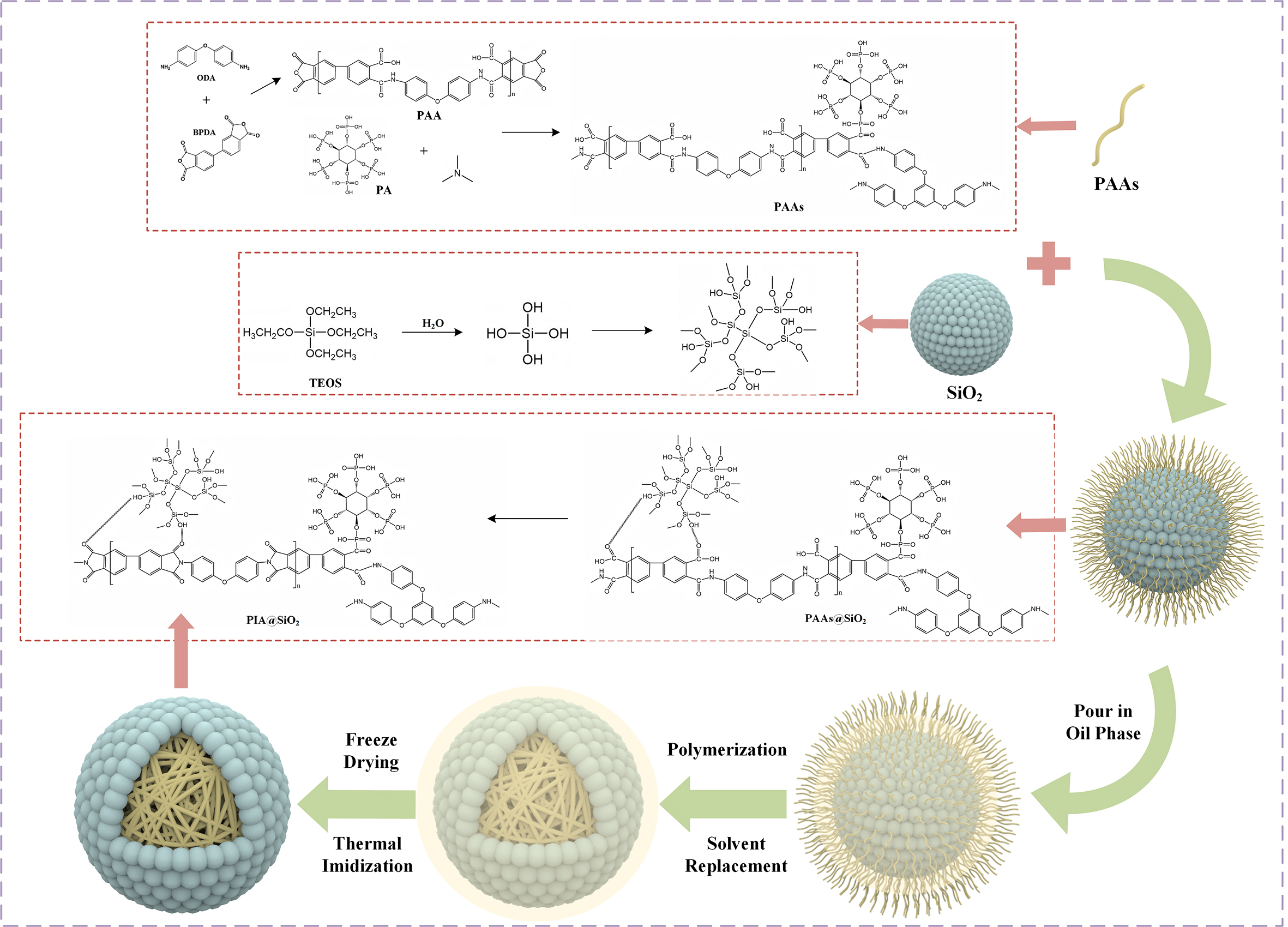
Figure 1. Schematic of the preparation mechanism of PIA@SiO2 aerogel microspheres.
(1) Linear prepolymerization of polyamic acid was conducted using ODA and BPDA in a nonequivalent ratio, and TAB was introduced to initially construct a crosslinked network through the reaction of its triamine group with the carboxyl group of PAA. Subsequently, a mixture of PA and TEA was injected to form ionic crosslinks between the phosphate groups of PA and the PAA segments, while TEA neutralized the acid byproducts of the reaction, thereby synergistically enhancing the stability of the crosslinked network.
(2) PAAs were mixed with TEOS and HCl to trigger the hydrolysis of TEOS, generating active silanol (Si-OH); simultaneously, the Span-80 emulsifier was predispersed in liquid paraffin (oil phase), then the hydrolysis solution was slowly added, followed by high-speed shear to form a “water-in-oil (W/O)” emulsion. At this point, the PAA droplets act as microreactors, where two critical reactions occur at the interface: silanol undergoes condensation polymerization at the droplet interface, forming a dense SiO2 shell layer; simultaneously, the phosphate groups of PA bond with the amine groups of PAAs and silanol groups, promoting the fusion of the PI-SiO2 heterogeneous interface. Subsequently, ammonia water was injected to accelerate TEOS condensation, instantly locking the core-shell structure, resulting in monodisperse PAAs@SiO2 wet gel microspheres.
(3) Ethanol was used to remove the oil phase and prevent pore structure collapse; liquid nitrogen freezing and double freeze drying inhibited ice crystal growth and prevented large pore defects; finally, stepwise thermal imidization dehydrated and cyclized PAA into PI, ultimately yielding PI-SiO2 crosslinked network aerogel microspheres.
Experimental apparatus and characterization process
Characterization was conducted using standard equipment; the specific results are presented in Supplementary Figure 1. The instrument specifications are summarized in Supplementary Table 1.
A Nicolet iS20 Fourier transform infrared (FTIR) spectrometer was used to perform infrared spectral analysis on the prepared aerogel microspheres. During testing, the wavenumber range was set to
X-ray diffraction (XRD) analysis was performed on the collected aerogel microspheres using a SmartLab X-ray diffractometer. Prior to testing, the sample was evenly filled in the sample chamber and properly compacted to prevent scattering during testing. The test parameters were set to a scanning angle range of 10°-50° and a scanning speed of 10°/min.
An LFA-457 laser thermal conductivity analyzer was used for analysis to determine the thermal conductivity of PIA@SiO2 aerogel microspheres. Prior to testing, the samples should be compressed into tablets to ensure the accuracy of the test. During testing, four test temperatures were set: room temperature, 50, 75, and
The microstructure of the prepared aerogel microspheres was observed using a Thermo Fisher Apereo 2 C electron microscope. The samples were sputter-coated with gold before the experiment. The magnification started at × 500 and was gradually increased to × 2,000, × 8,000, × 10,000, × 15,000, × 35,000, and × 50,000.
The JW-BK112 SSA tester was used to measure the SSA and pore size of all prepared aerogel microspheres. The Brunauer-Emmett-Teller (BET) method was used to calculate the SSA and pore parameters of the aerogel. The test preheating temperature was 30 °C, and the time was 5 min.
Thermogravimetric analysis (TGA) was performed on all prepared aerogel samples using a Setline STA analyzer under nitrogen atmosphere. The measurements were performed from room temperature to
Experiments were conducted using a custom-built thermal insulation performance test platform. The platform comprised a heating unit, a specimen holder, and a temperature data acquisition system. The heating unit comprised a Q235 carbon-steel plate measuring 20 cm × 20 cm × 1 cm, the center of the underside of which was continuously heated using an alcohol burner. The specimen stage (a piece of dry plasterboard measuring 5 cm × 5 cm × 1 cm) was placed at the center of the steel plate’s upper surface. Once the surface temperature of the steel plate had stabilized at 238.9 °C, the aerogel microsphere sample was spread evenly across the upper surface of the plasterboard, with the layer thickness controlled at
A DEATAK MODEL-MCC-3 microcalorimeter was used to conduct a detailed analysis of the prepared samples by accurately evaluating the flame-retardant properties of the composite aerogels. The test parameters were set to a maximum temperature of 750 °C at a heating rate of 1 °C/s.
RESULTS AND DISCUSSION
FTIR spectral analysis
FTIR spectroscopy was performed on the samples to determine their chemical structure. As illustrated in Figure 2, all aerogels exhibited distinct Si-OH bending vibration peaks at 950 cm-1 and Si-O-Si bending vibration peaks at 460 cm-1, indicating that SiO2 was successfully coated on the surface of the aerogel microspheres. In addition, the FTIR spectra exhibited characteristic peaks at 1,780 cm-1 (asymmetric stretching vibration of C=O) and 1,500 cm-1 (stretching vibration of C=C), indicating that the PIA@SiO2 aerogel microspheres were fully imidized. Furthermore, it could be observed that the peak at 950 cm-1 was broader for the PIA@SiO2 aerogel microspheres, which may be due to the overlap with the P-O symmetric stretching vibration at 950 cm-1. This confirms the successful crosslinking of PA in the PIA@SiO2 aerogel microspheres. The crosslinking of PA may provide a skeletal support for the aerogel microspheres, and the abundant phosphorus content may also confer inherent flame retardancy to the aerogel.
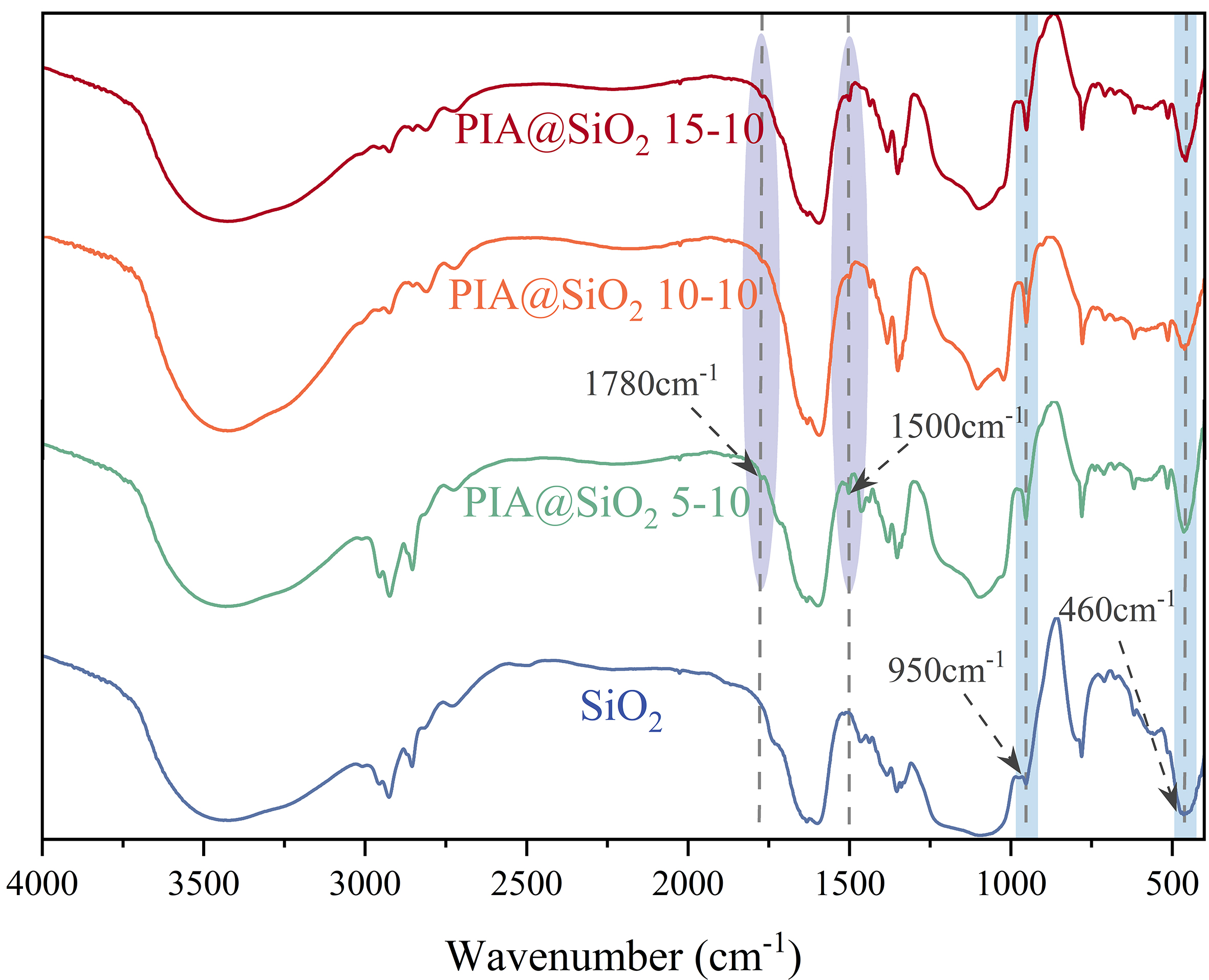
Figure 2. FTIR spectra of the SiO2 control group PIA@SiO2 aerogel microspheres.
XRD analysis
XRD analyses were carried out on all the aerogel microspheres prepared to further characterize their phase structure. As shown in Figure 3, all samples exhibited broad, “steamed bun” diffraction peaks in the 2θ range of 15°-30°, with no sharp crystalline diffraction peaks observed. This indicates that all samples predominantly comprised an amorphous structure and that high-temperature treatment did not induce any significant crystallization. SiO2 aerogel microspheres exhibited a characteristic amorphous diffraction peak at ~22°, whereas the diffraction peak positions and half-widths of PIA@SiO2 composite aerogel microspheres exhibited systematic variations with changes in composition, indicating structural coupling between the PI and SiO2 organic-inorganic phases. It can also be observed that as the PA concentration increases, the half-width of the diffraction peak gradually increases; this reflects a more dispersed distribution of atoms and molecules within the sample, which is related to the regulatory effect of PA on the gel network structure. As the PI concentration increases, the diffraction peak positions shift slightly and the half-width decreases, indicating that the increased PI concentration increases the concentration of the solution, causing the organic phase to aggregate and block the pores, thereby resulting in the densification of the aerogel microspheres’ pores. Therefore, based on the XRD results and other characterization data, and with the aim to optimize both the pore structure of the aerogel microspheres and the stability of the organic-inorganic network to the greatest extent possible, aerogel microspheres doped with medium-to-high concentrations (10%-15%) of PA and containing medium-to-low concentrations (10%-15%) of PI were selected as the preferred samples.
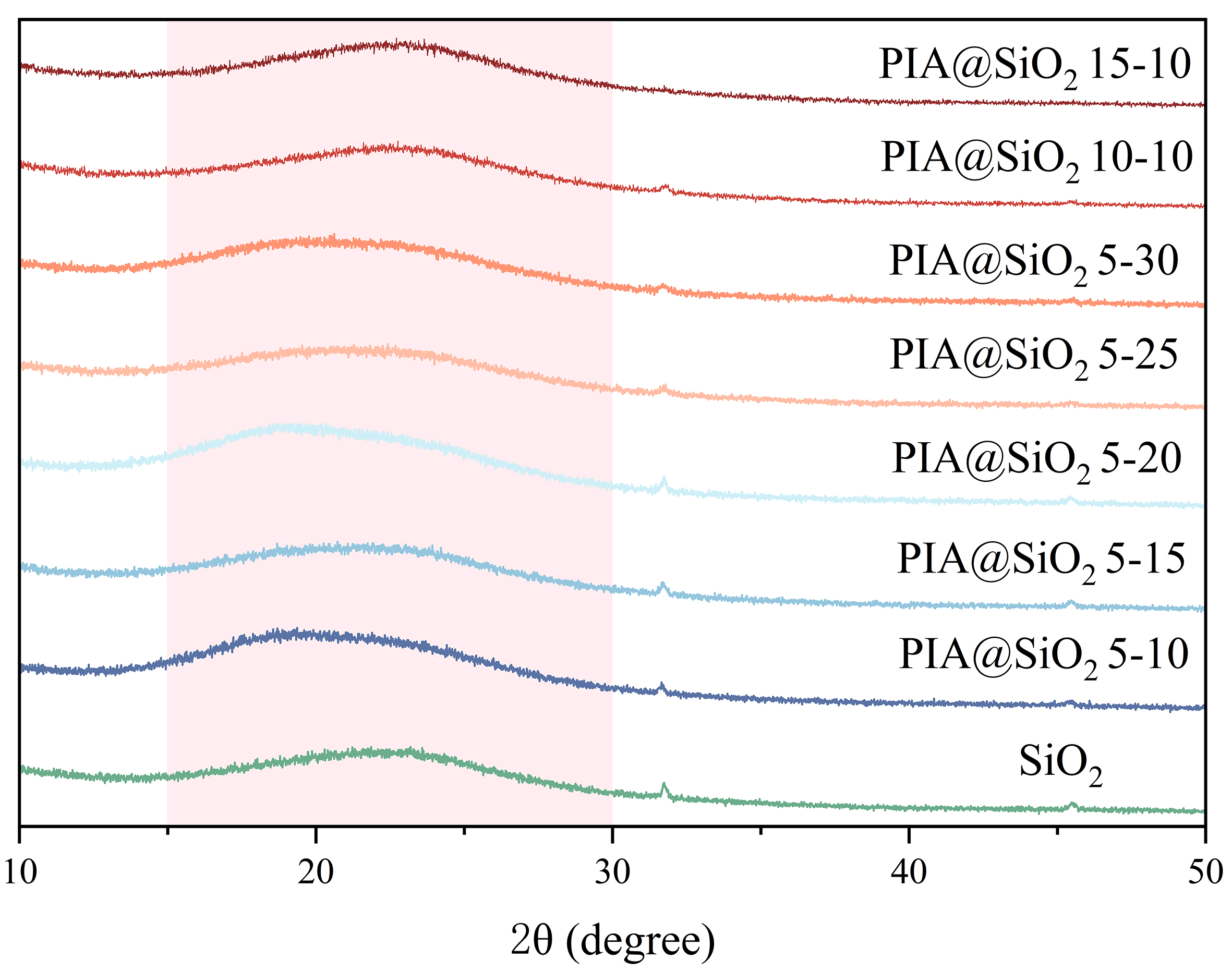
Figure 3. XRD patterns of the SiO2 control group and PIA@SiO2 aerogel microspheres.
SEM analysis
SEM microscopy experiments were conducted on all prepared aerogel microspheres to analyze their microstructure. As shown in Figure 4, all aerogels exhibited good spherical shapes, indicating that the aerogel framework prepared through the reverse emulsion method can support its spherical structure. Observation of SiO2 aerogel microspheres revealed a characteristic dense SiO2 network structure on their surfaces. When comparing PIA@SiO2 aerogel microspheres, it was found that the particle sizes of both were primarily between 10 and 15 μm, indicating that the crosslinking of PI has no significant effect on the size of the microspheres. The size of the aerogel microspheres is primarily determined by factors such as the rate of water-oil phase combination and the water-oil ratio. As shown in Figure 4D-F, as the PA concentration increases, the pore size of the microspheres gradually increases, interconnected pores become more numerous, and a complex tortuous network forms, increasing the viscous resistance of the gas and inhibiting convective heat transfer within the gas. Meanwhile, heat can be more effectively transferred within the pores rather than on the microsphere framework, thereby reducing solid-state heat transfer in PIA@SiO2 aerogel microspheres, lowering their thermal conductivity, and enhancing their thermal insulation capabilities. Furthermore, as shown in Figure 4G-I, as the PI concentration increases, the pores on the microsphere surface gradually decrease in size. This indicates that the crosslinked network between PI and SiO2 becomes denser at high PI concentrations. When the temperature increases, most of the thermal motion of air molecules occurs on the microsphere surface skeleton, causing the solid-state thermal conductivity of the aerogel microspheres to increase rapidly and thereby reducing the insulation capability of the aerogel. Thus, the optimal ratio for PIA@SiO2 aerogel microspheres is achieved when the PI concentration and PA concentration are between 10%-15% and 10%-15%, respectively.
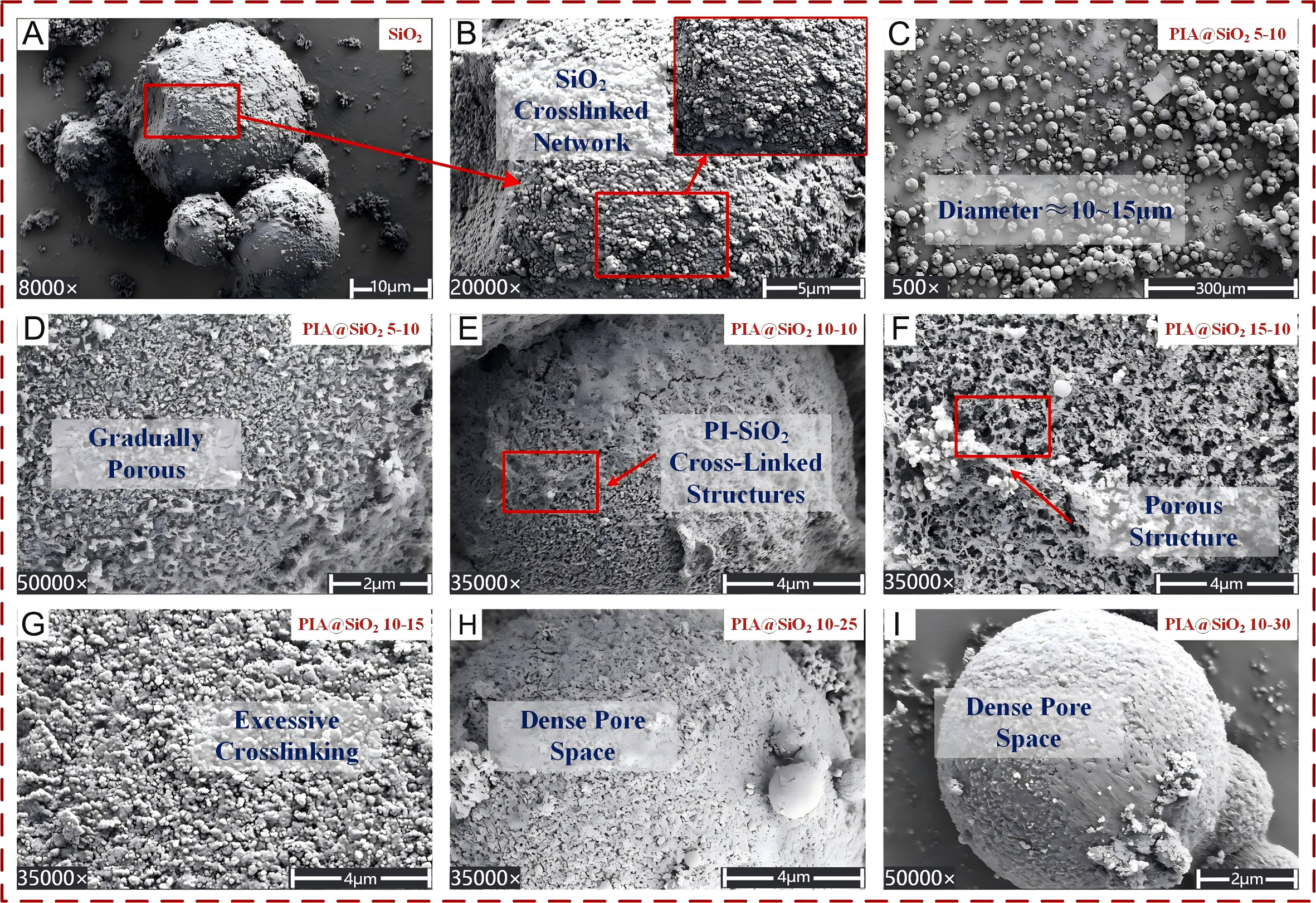
Figure 4. SEM images of SiO2 aerogel microspheres and PIA@SiO2 aerogel microspheres: SiO2 aerogel microspheres (A and B), PIA@SiO2 5-10 (C and D), PIA@SiO2 10-10 (E), PIA@SiO2 15-10 (F), PIA@SiO2 10-15 (G), PIA@SiO2 10-25 (H) and PIA@SiO2 10-30 (I).
BET
BET measurements were performed on all aerogel microspheres to better investigate the pore structure of the aerogel microspheres. Results of the BET tests are presented in Figure 5. At the mesoporous scale, the pore size is comparable to or even smaller than the mean free path of gas molecules. This causes gas molecules to collide with the pore walls more frequently during gaseous heat transfer; the efficiency of this heat transfer is far lower than that of intermolecular collisions, thereby effectively reducing the thermal conductivity of the aerogel. In comparison, the mesopore fraction of the SiO2 aerogel microspheres was 62.3%, while that of PIA@SiO2 10-10 was as high as 74.6%, with the macroporous fraction being only 25.4%; the proportion of mesopores significantly increased. As observed in Figure 5A, all aerogel microspheres exhibit a mesoporous porosity of > 50%, which has a positive effect on their thermal properties. Crosslinking at an appropriate PA concentration enables the aerogel microspheres to maintain a mesoporous porosity of > 70%. This is because the bonding of PA to the PI side chains reduces the crosslinking density of the PI main chain, thereby limiting the fusion of pore channels at high temperatures and inhibiting the formation of macropores. Consequently, this increases the number of mesopores in the aerogel microspheres, enhances the collision efficiency between the gas and the pore walls during gaseous heat transfer, and improves the thermal insulation performance of the aerogel microspheres. The macropore porosity of the microspheres gradually increases with the PA concentration, indicating that doping with high concentrations of PA results in excessive crosslinking with PI. In the event of excessive crosslinking, a high-density, rigid network forms with PI, causing a sharp increase in intermolecular forces and generating intense curing shrinkage stress; when this shrinkage stress is released in locally weakened areas, it triggers microcracks, thereby creating macropore defects. However, when the PA concentration is 5%, the mesopore porosity increases with increasing PI concentrations. Experiments revealed [Figure 5B] that the SSA of the SiO2 aerogel microspheres was 316 m2/g, while that of PIA@SiO2 10-10 was 287 m2/g. Although this represents a slight decrease, it remained at a relatively high level, further confirming that a 3D crosslinked PI-SiO2 network was formed within the aerogel microspheres; as the microsphere matrix content increased, the SSA decreased correspondingly. However, when the PI concentration reaches 20%, the SSA decreased significantly: taking the 10% PA series as an example, when the PI concentration was increased from 10% to 20%, the SSA dropped sharply from 287 to 195 m2/g, a decrease of as much as 32.1%; When the PI concentration is further increased to 25%, the SSA remains almost unchanged at approximately 200 m2/g. When the PI exceeds 20%, the microspheres show a clear trend of densification. However, as shown in Figure 5B, the SSA of aerogel microspheres with a PI concentration reaches 20% decreases rapidly. This is because crosslinking between high-concentration PI and SiO2 results in excessive anchoring of PI segments on the SiO2 surface, forming a dense interfacial layer, which, in turn, reduces the SSA of the microspheres. This dense interfacial layer causes most of the heat to be conducted to the solid skeleton during heat transfer, significantly increasing the solid-phase heat transfer in the aerogel, which may consequently reduce its thermal insulation capacity. The BJH adsorption-desorption curves [Figure 5C] show that all samples exhibit typical Type IV isotherms, indicating the presence of a mesoporous structure. In conjunction with the thermal conductivity data, samples with a mesopore fraction of > 70% and a SSA of > 250 m2/g exhibit lower thermal conductivity, while the thermal conductivity of the control group is significantly higher than that of PIA@SiO2 10-10. Therefore, taking into account the evolution of pore morphology observed through SEM, which enables the maximization of mesopore advantages while avoiding macropore defects and densification, samples with a PA concentration of 10% and a PI concentration of 10%-15% were identified as the optimal formulation.
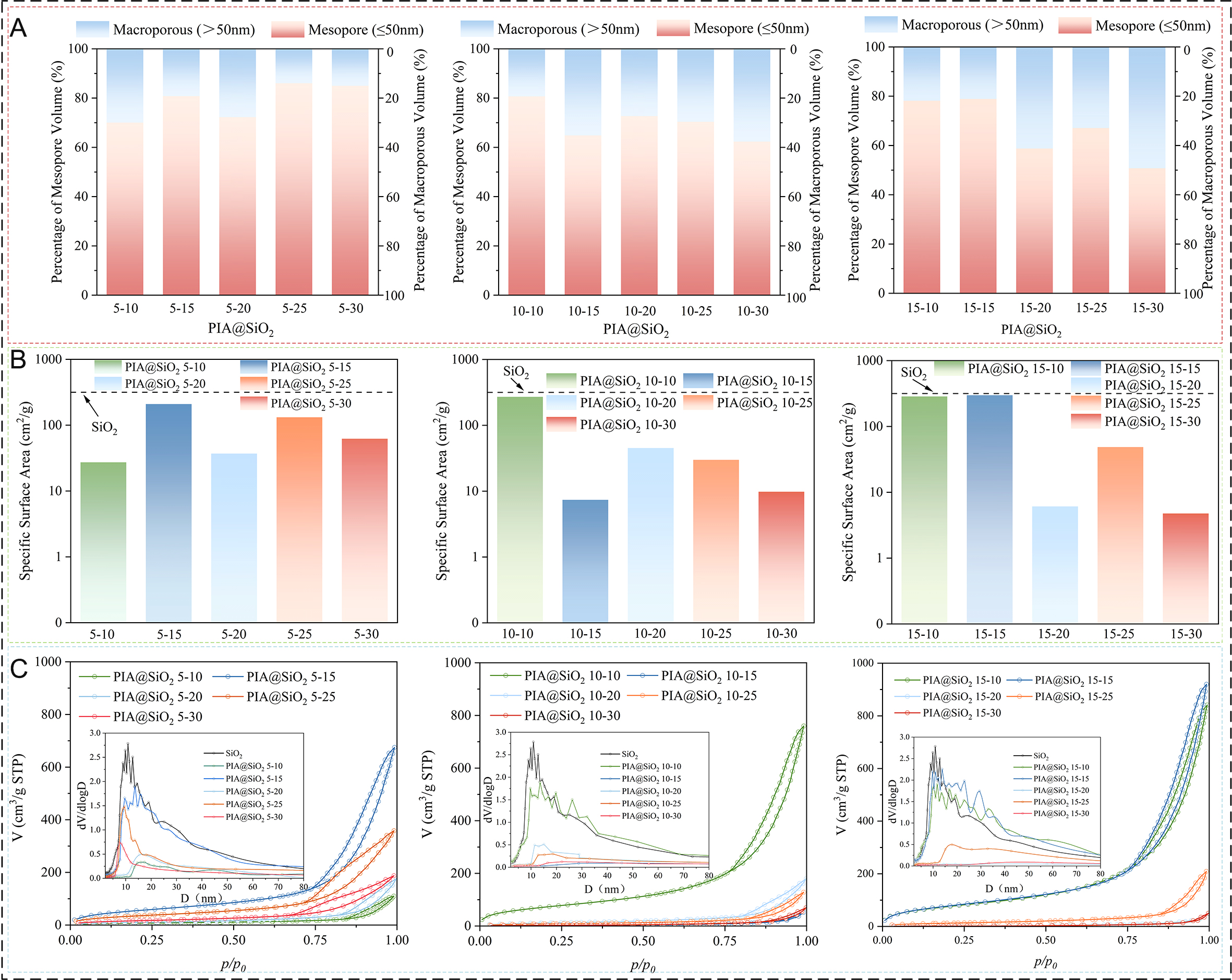
Figure 5. Mesopore/macropore proportion (A) and specific surface area (B) and BJH adsorption-desorption isotherms (C) of SiO2 aerogel microspheres and PIA@SiO2 aerogel microspheres.
TGA
TGA was performed on the prepared aerogel microspheres to investigate the thermal stability of aerogel microspheres. As shown in Figure 6, the temperature at which a 5% weight loss was observed was used to represent the thermal stability of the aerogel microspheres. All aerogel microspheres began to lose weight at 200-250 °C, indicating that the structure of the aerogel microspheres is primarily dominated by a SiO2 crosslinked network. Between 200 and 600 °C, all aerogel microspheres rapidly lost weight primarily due to the thermal decomposition of PA. Since the thermal decomposition temperature of PA is ~300 °C, as the temperature increased, the chemical bonds within the PA molecules began to cleave, resulting in the destruction of the aerogel crosslinked network structure, which led to significant thermal decomposition reactions in the aerogel microspheres. When the PI concentration was < 15%, PI formed a reasonable 3D crosslinked network with SiO2, and the 3D porous network of PIA@SiO2 aerogel microspheres could form efficient thermal channels within the microspheres, promoting uniform thermal diffusion. Simultaneously, the strong organic-inorganic interface interactions suppress molecular chain thermal motion, resulting in a smaller weight loss rate of the aerogel microspheres as temperature increases, thereby enhancing their thermal stability. However, when the PI concentration reaches 20%, the weight loss rate of the aerogel microspheres was generally high within the 200-400 °C range, indicating that excessive PI may contain more incompletely imidized PAA segments, which begin to gradually decompose as the temperature increases. At temperatures between 400 and 600 °C, the microspheres continued to lose weight slowly. At this point, the temperature reached the degradation temperature of the PI framework, causing the PI molecular chains to begin breaking down. The calculated char yield of the PA-free polyimide/SiO2 aerogel microspheres is theoretically about 20% at 1,000 °C. Due to the addition of PA, the carbon layer rapidly formed by PA at high temperatures could protect the microsphere framework from decomposition alongside SiO2, resulting in most PIA@SiO2 aerogel microspheres retaining a residual weight exceeding 55%. This finding provides robust evidence for the PA-catalyzed carbonization mechanism, which effectively preserves the structural integrity of the microsphere framework. By observing the images, it is evident that PIA@SiO2 10-10 exhibited superior thermal stability compared with other aerogel microspheres. Therefore, this study selected PIA@SiO2 10-10 as the optimal formulation owing to its exceptional high-temperature tolerance and long-lasting protective capabilities.
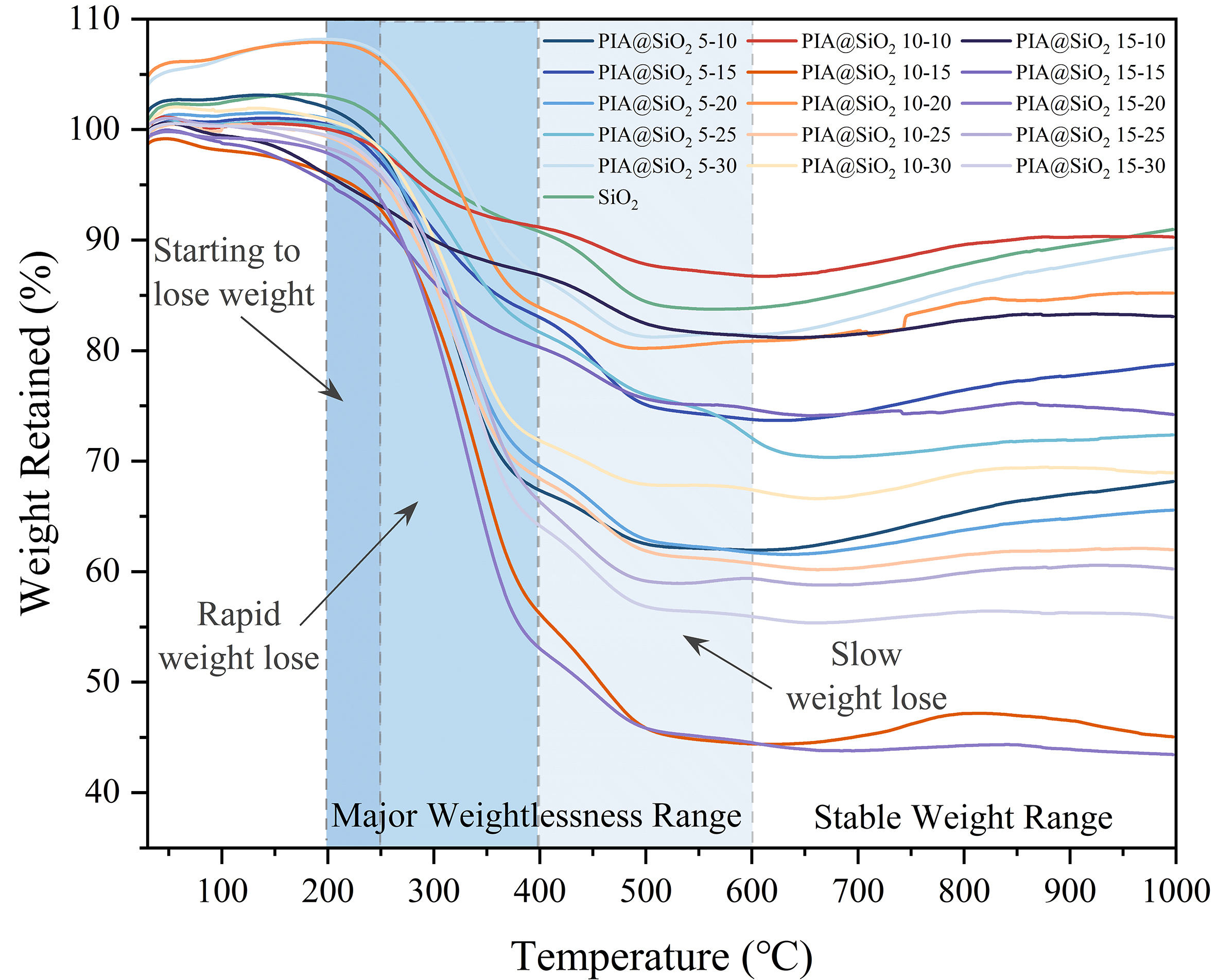
Figure 6. TGA of SiO2 aerogel microspheres and PIA@SiO2 aerogel microspheres.
Thermal insulation experiment
Thermal insulation experiments were conducted on all prepared aerogels to visualize the thermal insulation properties of aerogel microspheres. The samples were laid flat on gypsum boards and placed on a platform heated to 238.9 °C. Infrared thermal imaging technology was used to record changes in the surface temperature at different time intervals, as shown in Figure 7. No combustion or high-temperature carbonization occurred during the experiment, indicating that aerogel microspheres exhibited excellent structural stability at high temperatures.
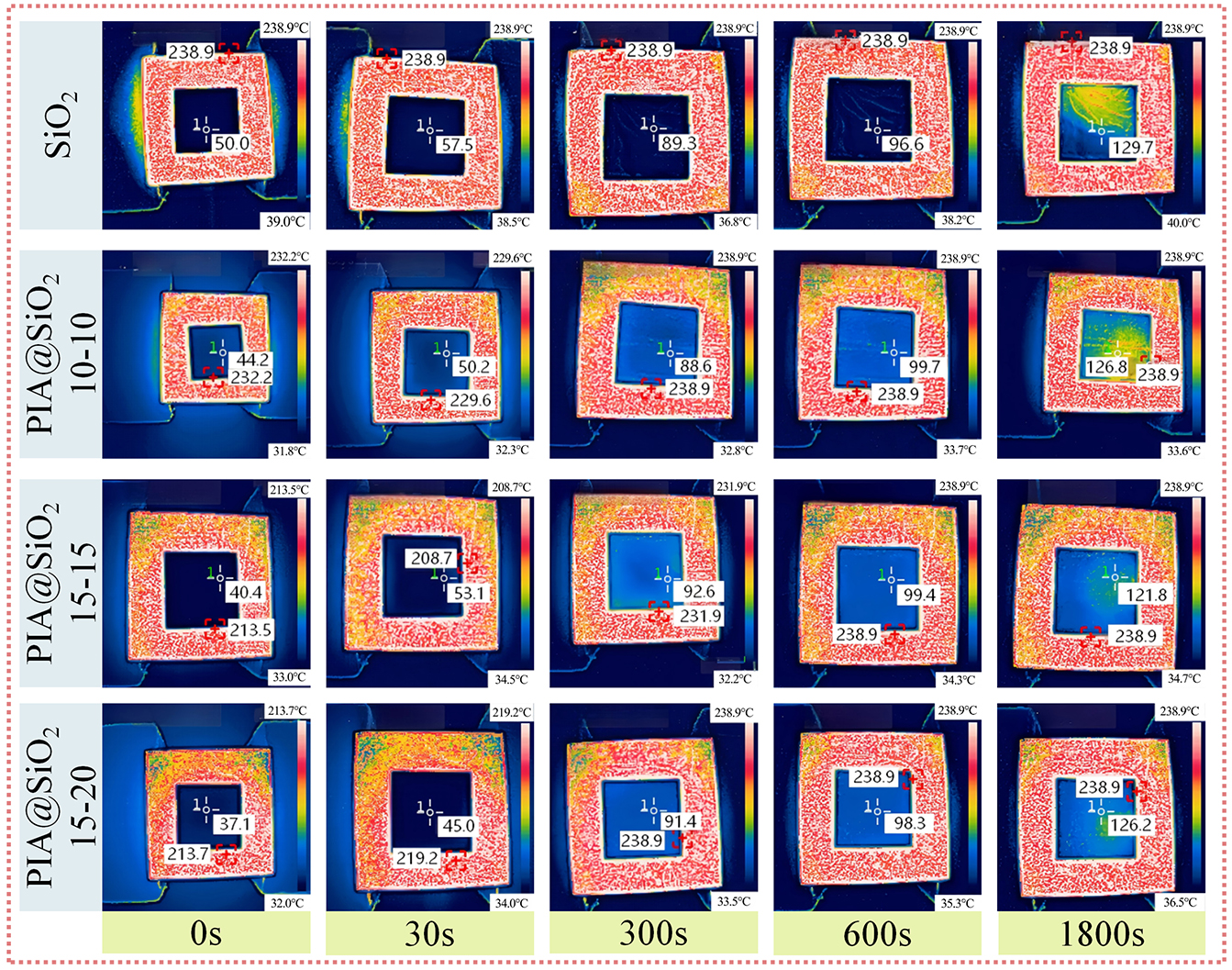
Figure 7. Thermal insulation infrared image of SiO2 aerogel microspheres and PIA@SiO2 aerogel microspheres.
As shown in Figure 8, the temperature difference between the microsphere surface and the iron plate gradually decreases within the first 30 s, indicating that aerogel microspheres exhibit thermal lag when exposed to rapidly increasing ambient temperatures, thereby demonstrating their thermal insulation capabilities. From 30 to 1,200 s, the aerogel microspheres began to heat up uniformly at a rate of ~0.042 °C/s, temperature difference decreased by 50 °C within 1,200 s (Due to the high data density, detailed thermal insulation infrared images are provided in Supplementary Figure 2). This demonstrates that within 1,200 s, the aerogel microspheres did not lose their structural stability due to prolonged exposure to high temperatures, further indicating their excellent thermal insulation capabilities. However, after the 1,200 s, the temperature difference of all aerogels rapidly decreased, the structural stability of the aerogel microspheres was disrupted, and their thermal insulation capability declined. In addition, as shown in Figure 8, the structural stability of PIA@SiO2 aerogel microspheres decreased significantly with increasing PI concentration, further confirming that 10% PI is the optimal loading. PIA@SiO2 10-10 maintained excellent thermal insulation performance in this experiment; during the 1,800 s, the temperature difference achieved was 112.1 °C, with thermal insulation performance at 103% of that of the control group (The thermal insulation temperature difference of the experimental group was 112.1 °C, while that of the control group was 109.2 °C. The ratio between the two is 112.1/109.2 = 1.0266 ≈ 103%). Thus, PIA@SiO2 10-10 was selected as the optimal formulation.
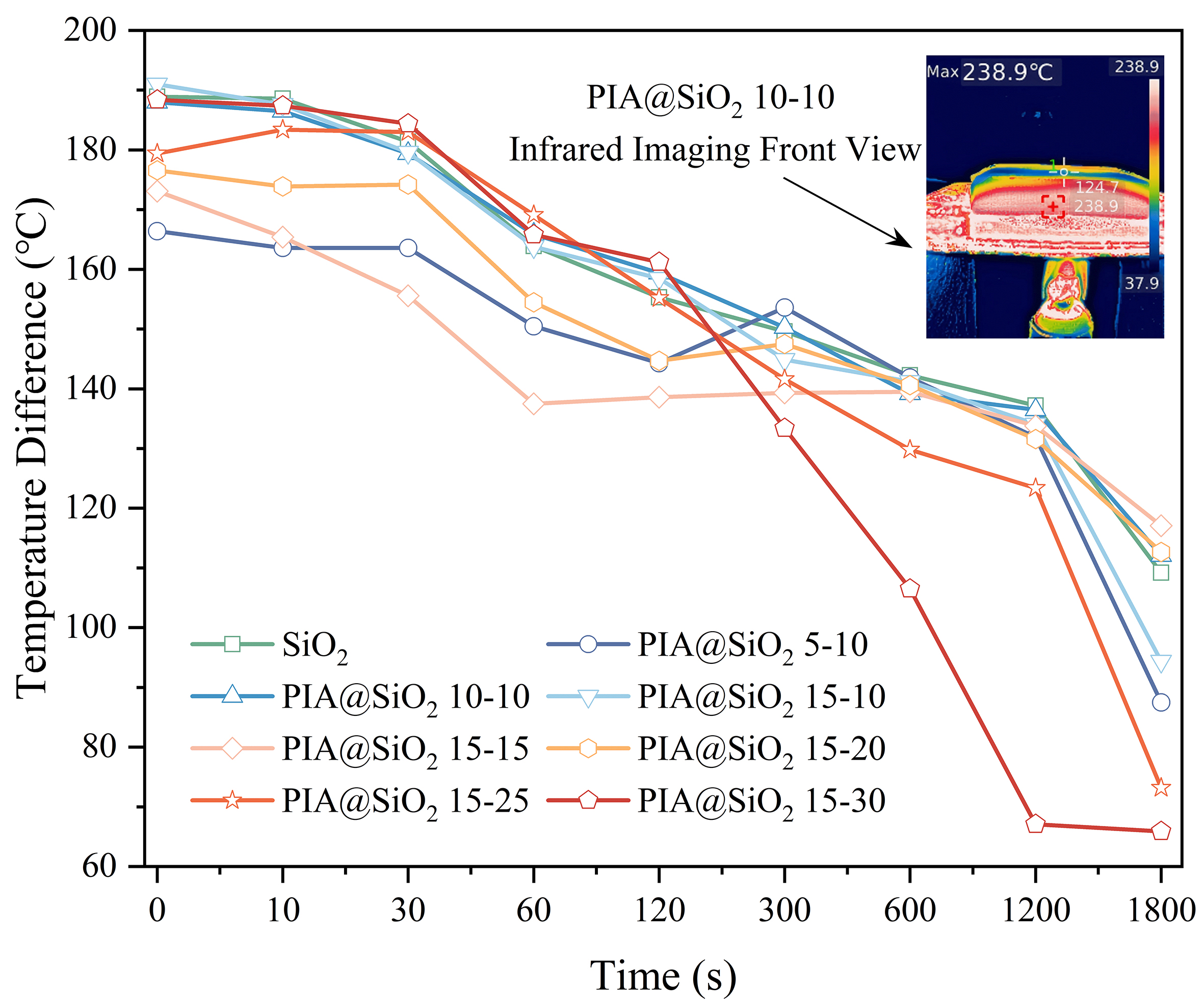
Figure 8. Temperature difference diagram of SiO2 aerogel microspheres and PIA@SiO2 aerogel microspheres.
Microcalorimetric experiment
All prepared aerogel microspheres were subjected to microcalorimetry testing to quantitatively analyze their flame-retardant properties. According to the report in reference[35], there is an empirical correlation between the heat release capacity (HRC) measured by the microcalorimetric method (MCC) and the UL94 vertical burning classification, which can serve as a rapid predictive indicator of flame-retardant performance: when HRC < 200 J/g·K, the material is considered to be non-flammable (corresponding to Class V0); when HRC is between 200 and 400 J/g·K, the material is self-extinguishing (corresponding to the V0/V1 rating). It should be emphasized that this criterion is a preliminary screening method based on thermochemical data and cannot fully replace the standard UL94 vertical burning test. Based on the above empirical criteria, as shown in Table 3, when the PA concentration reaches 15% and the PI concentration reaches 15%, the HRC index of the aerogel microspheres is well below
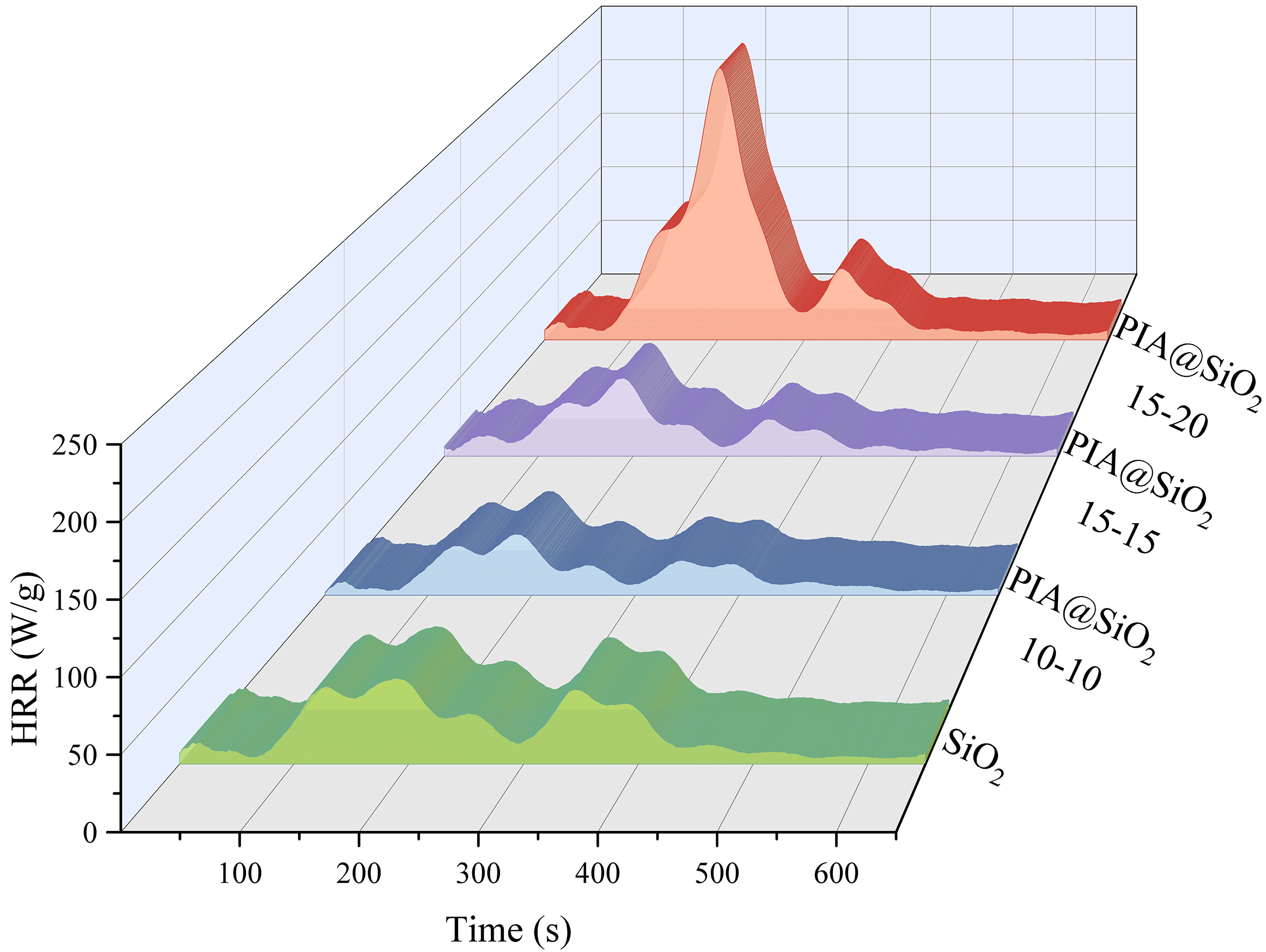
Figure 9. HRR diagram of SiO2 aerogel microspheres and PIA@SiO2 aerogel microspheres.
Microcalorimetric data table for SiO2 aerogel microspheres and PIA@SiO2 aerogel microspheres
| Sample | HR capacity (J/g·K) | Peak HRR (W/g) | Total HR (kJ/g) | Temperature (°C) |
| SiO2 | 49.6 | 50.1 | 9.9 | 302.6 |
| PIA@SiO2 10-10 | 39.4 | 39.8 | 6.1 | 297.3 |
| PIA@SiO2 15-15 | 53.1 | 53.7 | 7.0 | 302.8 |
| PIA@SiO2 15-20 | 229.1 | 231.4 | 25.4 | 315.0 |
Thermal conductivity
Laser thermal conductivity measurements were performed on the aerogel microspheres to quantitatively determine the thermal insulation performance of aerogel microspheres. As shown in Figure 10, the thermal conductivity of all PIA@SiO2 aerogel microspheres was significantly lower than that of SiO2 aerogel microspheres, demonstrating the enhancing effect of PI and PA on the thermal insulation performance of aerogel microspheres. As shown in the figure, the thermal conductivity of the aerogel microspheres at room temperature decreased gradually with increasing PA content, indicating that the crosslinking of PA forms high-density interface bonding points with the aerogel microspheres, while its organic phosphorus heterocycles disrupt the symmetry of the SiO2 network, reducing the average free path of phonons to below that of nitrogen gas, increasing their diffuse reflection on the pore walls, and releasing thermal energy. This lowers the thermal conductivity of the aerogel microspheres and enhances their thermal insulation capabilities. Simultaneously, the rigid crosslinked network formed by PI and SiO2 can suppress phonon excitation at 100 °C, thereby enhancing thermal stability and reducing thermal conductivity. Furthermore, it was observed that the thermal conductivity of the PIA@SiO2 aerogel microspheres remained nearly unchanged at 100 °C, indicating that the aerogel microspheres exhibit excellent stability at this temperature. When comparing the thermal conductivity of various PIA@SiO2 aerogel microspheres, it was found that although PIA@SiO2 15-15 exhibited the lowest thermal conductivity at room temperature, its thermal conductivity increased sharply with increasing temperature, indicating poor thermal stability. Therefore, PIA@SiO2 10-10 and PIA@SiO2 15-20 were identified to possess the optimal PI to PA ratios. Based on the above fire-retardant and thermal insulation experiments, it was found that PIA@SiO2 15-20 possesses certain limitations. Thus, PIA@SiO2 10-10 was selected as the optimal formulation.
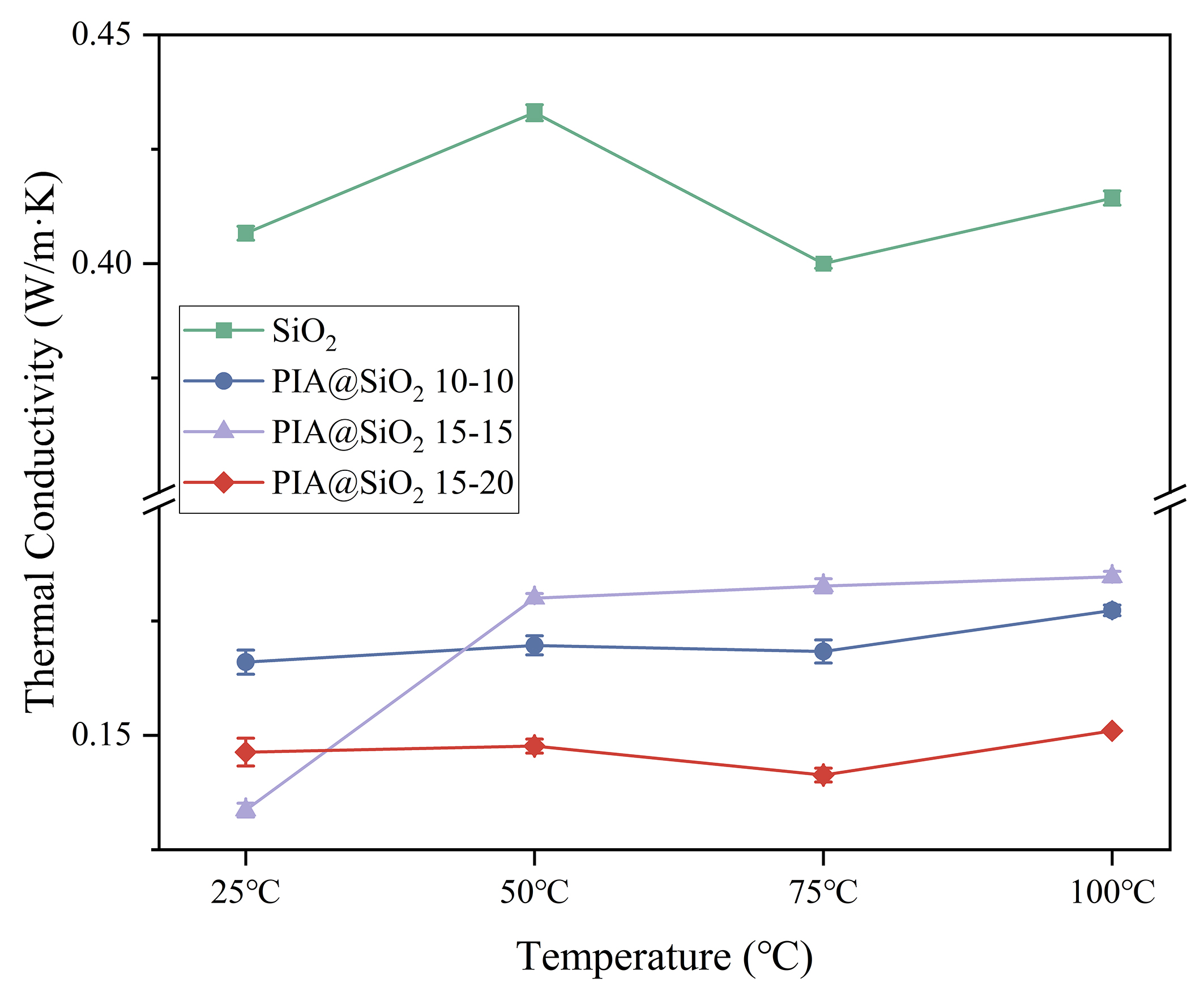
Figure 10. Thermal conductivity of SiO2 aerogel microspheres and PIA@SiO2 aerogel microspheres.
Through the above experiments, the optimal loading levels of PA and PI were determined. The results also demonstrated that PA can optimize the mesoporous structure to suppress vapor-phase heat transfer, while PI and SiO2 can form a crosslinked rigid network to reduce solid-phase heat transfer; furthermore, PA undergoes pyrolysis-catalyzed carbonization to achieve flame retardancy. The microsphere system developed in this study offers superior flame retardancy; although its thermal conductivity is slightly higher, it varies very little with temperature, and its thermal stability is superior to that of many materials whose thermal conductivity increases sharply with temperature; moreover, the microsphere morphology enables use as a filler, in spray applications or in mixed molding processes, making it suitable for complex conditions such as the spraying of aerospace thermal insulation layers, thereby overcoming the limitations of bulk materials in terms of shape adaptability.
Analysis of the mechanism of synergistic enhancement of thermal insulation and flame retardancy
In the PIA@SiO2 composite aerogel microsphere system developed in this study [Figure 11], there is a significant structural and functional synergy between PA and PI, which is manifested in the following three aspects:
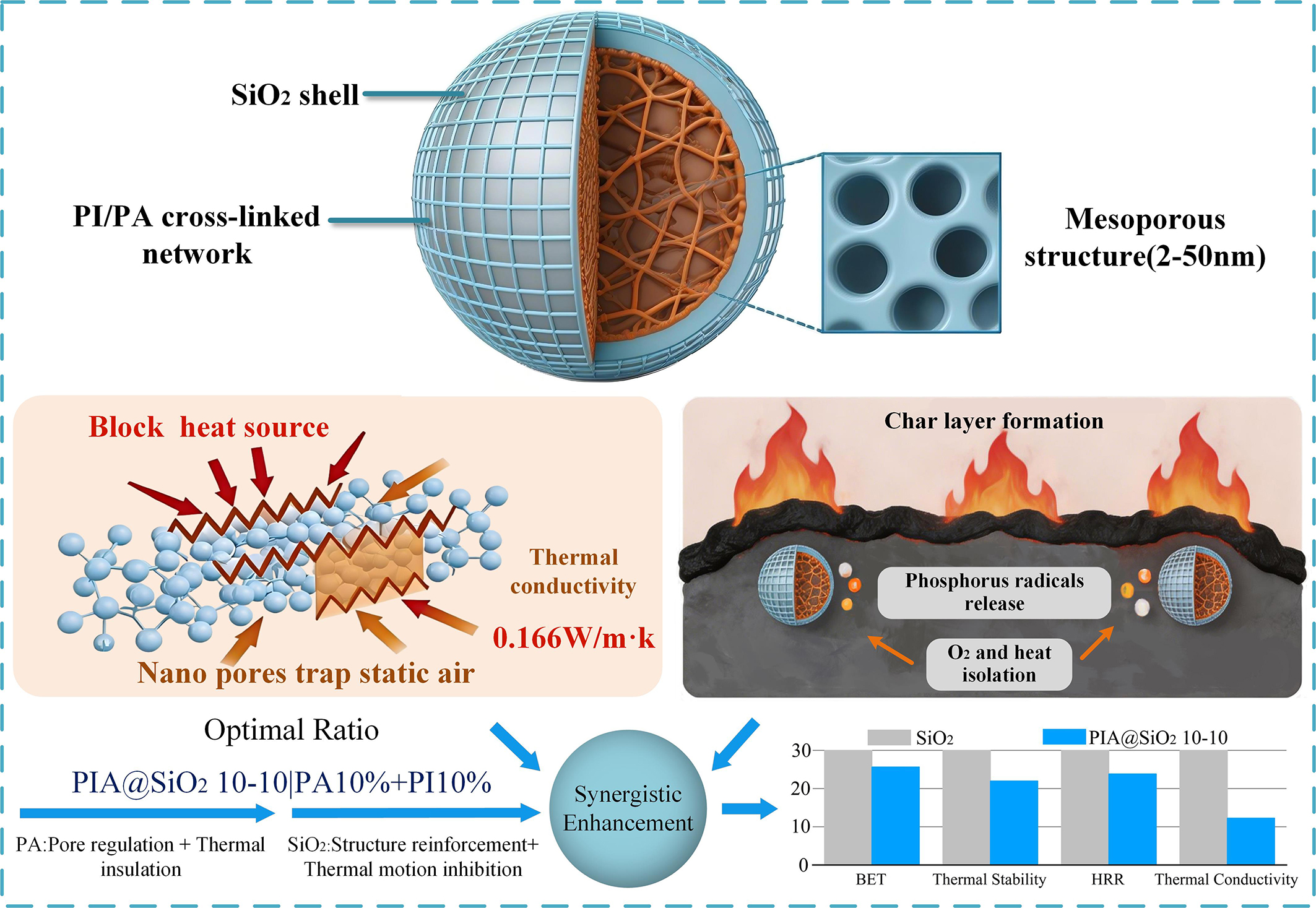
Figure 11. Schematic of the flame-retardant and thermal insulation mechanism of PIA@SiO2 aerogel microspheres.
1. The phosphate groups of PA form hydrogen-bond crosslinks with the PI chains, while the PI chains are bridged to SiO2, thereby constructing a PA-PI-SiO2 ternary network. This network suppresses the thermal motion of the PI chains at high temperatures to enhance thermal stability and reduces the PI crosslinking density, preventing pore collapse and thus retaining a mesoporosity of > 70%.
2. PA moderately reduces the PI crosslinking density, forming abundant mesopores that inhibit vapor-phase heat transfer; simultaneously, the polyphosphate generated by PA pyrolysis is catalyzed to form carbon, with a dense carbon layer filling the mesopore surfaces to block heat transfer and prevent contact with oxygen. Thermal insulation relies on “open pores,” while flame retardancy relies on “closed carbon,” and both are achieved through the mesopore regulation and carbonization functions of PA.
3. The rigid PI-SiO2 network suppresses phonon propagation to reduce solid-phase heat transfer, while the mesoporous structure inhibits gas molecule collisions to reduce gas-phase heat transfer. PA-catalyzed carbonization forms a dense carbon layer, physically isolating oxygen from thermal feedback, while phosphorus-based radicals interrupt the combustion chain reaction. The thermal barrier delays heat penetration, allowing time for the carbon layer to form, and the carbon layer in turn enhances the durability of the thermal barrier, creating a positive feedback loop.
Molecular dynamics simulation
Given the lightweight and porous nature of aerogels, gas-phase heat transfer plays a dominant role in the overall heat transfer process of aerogels. Therefore, a molecular dynamics simulation study was conducted to investigate the heat conduction mechanism of PIA@SiO2 aerogel microspheres and gain a deeper understanding of the gas-phase heat conduction mechanism of PIA@SiO2 aerogel microspheres.
PI-SiO2 macromolecular chains and SiO2 nanoclusters were simulated and constructed using Materials Studio software. The box dimensions were 72 Å × 72 Å × 72 Å; the PI-SiO2 macromolecular chain length was 35; the number of N2 molecules was 5,000; and the boundary conditions were periodic boundary conditions. The Forcite module was employed to optimize the geometric configurations and energy distributions of the PI-SiO2 macromolecular chains and SiO2 nanoclusters. Subsequently, the amorphous cell module was used to construct the amorphous conformation of PIA-SiO2, which was combined with N2 molecular conformation to form the simulated computational system for PIA@SiO2 aerogel microspheres. The simulation workflow is illustrated in Figure 12. Since previous thermal conductivity experiments were conducted in a nitrogen environment, this molecular dynamics simulation used nitrogen as the diffusion gas to ensure consistency between simulation results and experimental data and to validate the accuracy of the simulation.
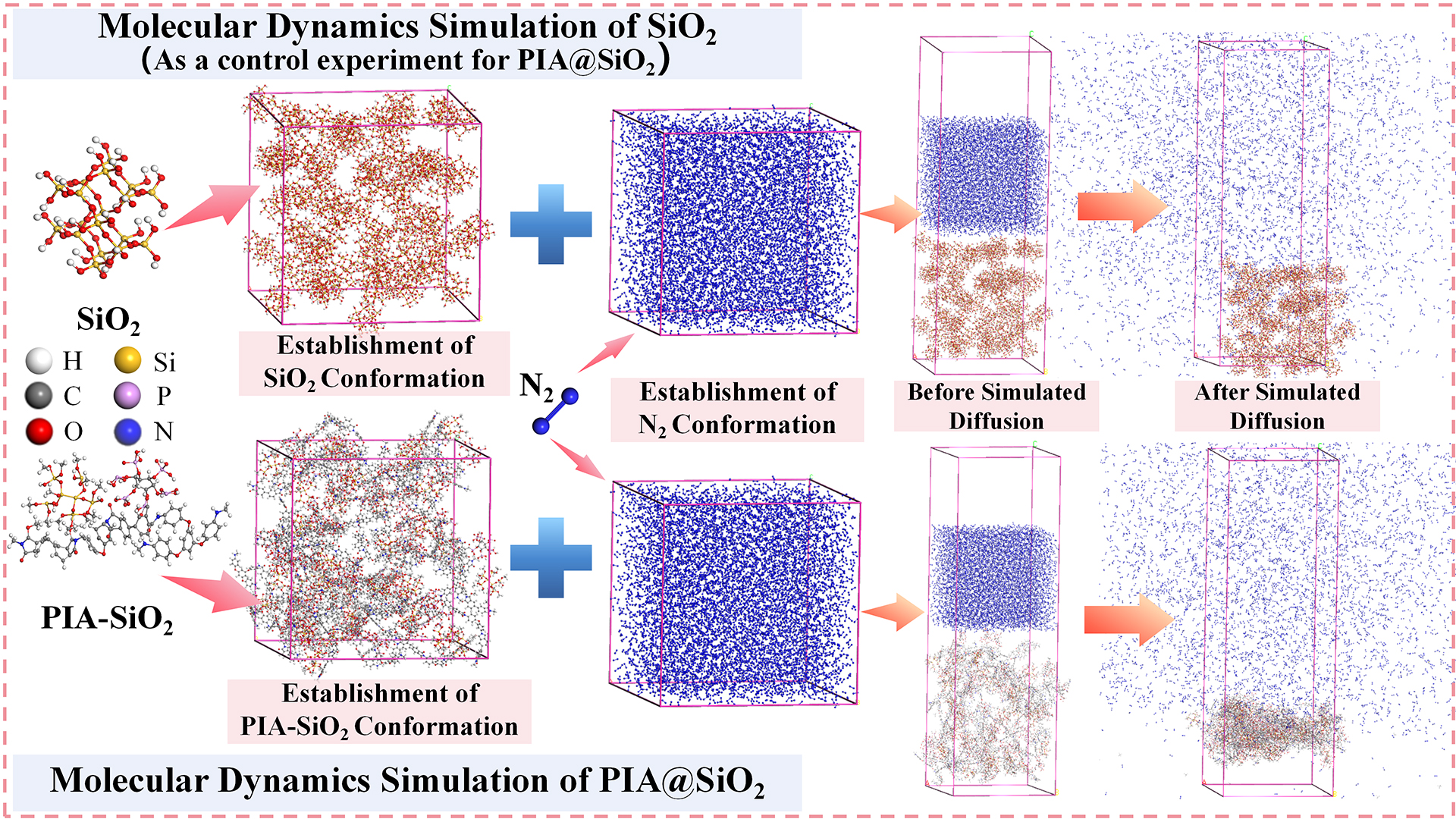
Figure 12. Schematic of molecular dynamics simulation of aerogel microspheres.
Dynamic simulations were conducted using the NVT ensemble, molecular dynamics simulations and studies were then carried out using the Forcite module under the Universal force field, with operating temperatures set at 298, 323, 348, and 373 K. The simulation step size was 500,000 steps, with each step lasting 1.0 fs. During the simulation, all layer molecules were kept in a state of free movement. The mean square displacement (MSD) of nitrogen molecules was analyzed using the Forcite analysis module to derive their diffusion coefficients in the system. This was performed to investigate the thermal insulation mechanism of PIA@SiO2 aerogel microspheres and provide theoretical support for the development of new thermal insulation materials.
A molecular model was constructed in this study to investigate the effect of temperature on nitrogen mobility within PIA@SiO2 aerogel microspheres. The simulated temperatures were progressively increased from 25 to 50, 75, and 100 °C. The expression for the diffusion coefficient D was derived using the MSD, as shown in Equation (1). A smaller diffusion coefficient indicated poorer gaseous heat transfer within the aerogel microspheres, lower thermal conductivity, and superior thermal insulation performance. Figure 13 shows the variation in the MSD of nitrogen molecules with time as simulated.
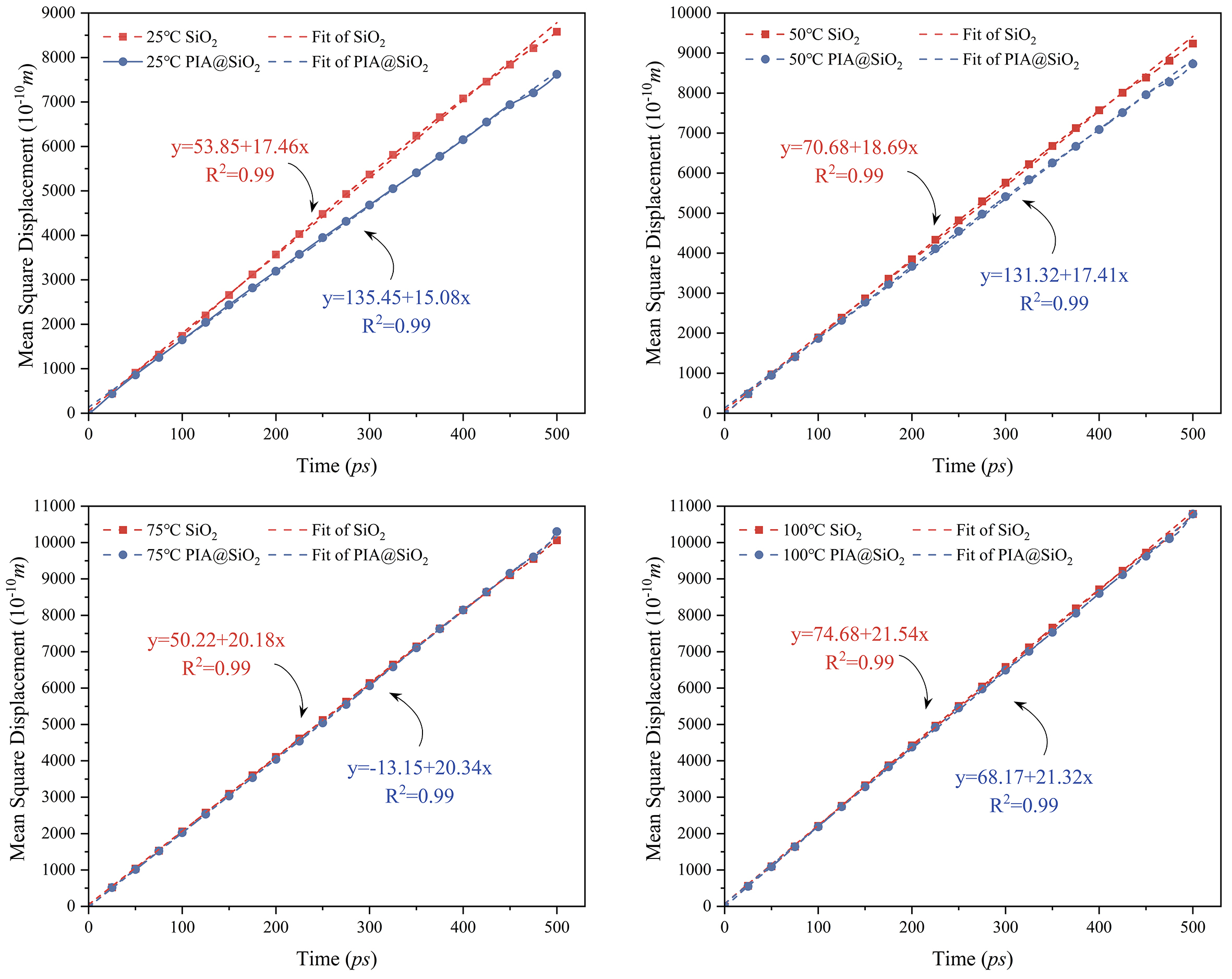
Figure 13. Mean square displacement of N2 within the system.
MSD can be expressed as[36-38]
where n indicates the number of diffusing molecules, ri(t) represents the position vector of molecules at time t, and ri(0) represents the position vector of molecules at time t = 0. According to Einstein’s equation, the following equation for the diffusion coefficient is obtained:
The two equations are combined, and the MSD and diffusion coefficients show the following relationship:
Slope of the KMSD-MSD curve
PIA@SiO2 aerogel microspheres were simulated at 25, 50, 75, and 100 °C, with nitrogen diffusion coefficients of 2.51 × 10⁻⁸, 2.90 × 10⁻⁸, 3.39 × 10⁻⁸, and 3.55 × 10⁻⁸ m2/s, respectively. The diffusion coefficients of nitrogen gas in SiO2 aerogel microspheres at 25, 50, 75, and 100 °C were 2.91 × 10⁻⁸, 3.12 × 10⁻⁸, 3.36 × 10⁻⁸, and 3.59 × 10⁻⁸ m2/s, respectively. At 25 and 50 °C, the diffusion coefficient of nitrogen in PIA@SiO2 aerogel microspheres was significantly lower than that in SiO2 aerogel microspheres. The bonding of PA to the PI side chains reduced the crosslinking density, forming smaller pore sizes than the average free path of nitrogen molecules (~68 nm). Consequently, nitrogen entering the aerogel increased the collision frequency between gas molecules and pore walls. The increased collision frequency further increased diffusion resistance, thereby enhancing the thermal insulation performance of the aerogel. In addition, the dense network formed by hydrogen bonds between PI and SiO2 extended the diffusion path of the gas, ensuring that nitrogen remained within the aerogel for an extended period after entering, thereby prolonging the thermal insulation effect of the aerogel microspheres and enhancing their overall thermal insulation performance. As shown in Figure 13, the diffusion coefficient of nitrogen molecules increases with the temperature. This is because the phosphate groups in PA weaken the interchain interactions between PI chains. Upon heating, the microbead framework deforms, expanding the gas diffusion channels and promoting gas diffusion, thereby reducing the thermal insulation performance of the aerogel microbeads. In addition, the increase in temperature heightened molecular thermal motion, further increasing the diffusion of nitrogen molecules within the aerogel, thereby increasing the thermal conductivity of the aerogel microspheres and reducing their insulation performance.
Through molecular dynamics simulations of PIA@SiO2 aerogel microspheres, we have clarified the structural stability and high-temperature resistance mechanisms under the synergistic reinforcement of PA and PI, and revealed the dynamic characteristics of the thermal conductivity of this composite material as a function of temperature. Molecular dynamics simulations can predict changes in the thermal properties of materials under high-temperature conditions, screen and optimize formulations, and construct dynamic process models through simulation experiments, thereby significantly reducing experimental costs. The correlation between the microscopic mechanisms and macroscopic properties revealed through molecular dynamics simulation provides a solid theoretical basis for optimizing material properties under complex environmental conditions.
CONCLUSIONS
(1) In this study, a composite aerogel microsphere system was developed using PA as the reinforcing phase and SiO2-coated PI, which substantially enhanced thermal insulation, flame retardancy, and thermal stability. The optimal doping levels were 10% PA and 10% PI, It is predicted that the material can reach the V0 rating and long-term thermal insulation performance equivalent to 103% that of pure SiO2 microspheres.
(2) PA doping optimized the pore structure of the aerogel microspheres, inhibiting heat transfer and enhancing thermal insulation performance; PI crosslinking formed a PI-SiO2 organic-inorganic network, promoting heat dissipation and suppressing high-temperature molecular chain motion, thereby enhancing thermal stability.
(3) Molecular dynamics simulations analyzed the isotropic displacement of the system at different temperatures, clarifying the influence of PA and PI addition on the diffusion coefficient and its temperature-dependent behavior, thereby elucidating the internal gas-phase heat transfer mechanism.
Future Prospects
The microsphere system developed in this study notably outperforms most PI/SiO2 composite materials reported in the literature in terms of microcalorimetric parameters and It is predicted that the material can reach the V0 rating, offering greater safety. Although its thermal conductivity (0.166 W/(m·K)) is slightly higher, it varies only slightly with temperature and its thermal stability is superior to that of many materials whose thermal conductivity increases sharply with temperature; furthermore, the microsphere morphology allows for use as a filler, in spray applications or in mixed molding, thereby overcoming the limitations of bulk materials, fibers or foams in terms of shape adaptability. Subsequent work should focus on (a) further optimizing thermal insulation performance by controlling the microsphere particle size and shell thickness; (b) exploring the engineering applicability of this microsphere system under practical conditions, such as thermal protection for lithium-ion batteries and thermal insulation tiles for spacecraft; and (c) introducing other synergistic flame-retardant elements (such as nitrogen and silicon) to further improve the flame-retardant rating.
DECLARATIONS
Authors’ contributions
Conceptualization, methodology, investigation, writing-original draft: He, J.
Data curation, formal analysis, validation: Liu, C.
Supervision, project administration: Zhang, Q.
Investigation, visualization: Ma, H.
Resources, software: Shao, Y.
Conceptualization, writing-review & editing, supervision: Wang, B.
Validation, formal analysis: Hou, H.
Investigation, data curation: Gai, Y.
Resources, methodology: Shen, J.
All authors read and approved the final manuscript.
Availability of data and materials
The data supporting the findings of this study are available within this Article and its Supplementary Materials. Further data are available from the corresponding authors upon request.
AI and AI-assisted technologies statement
During the preparation of this manuscript, the AI tool ChatGPT (version OpenAI, GPT-5.5, released 2026-04-23) was used solely to generate the two illustrative images shown in Figure 11 and Graphical Abstract. The tool did not influence the study design, data collection, analysis, interpretation, or the scientific content of the work. All authors take full responsibility for the accuracy, integrity, and final content of the manuscript.
Financial support and sponsorship
None.
Conflicts of interest
All authors declared that there are no conflicts of interest.
Ethical approval and consent to participate
Not applicable.
Consent for publication
Not applicable.
Copyright
© The Author(s) 2026.
Supplementary Materials
REFERENCES
1. Zhang, Q.; Huang, H.; Lei, C.; Liu, Y.; Li, W. Review of lightweight, high-temperature thermal insulation materials for aerospace. Materials 2025, 18, 2383.
2. Ajabli, H.; Zoubir, A.; Elotmani, R.; Louzazni, M.; Kandoussi, K.; Daya, A. Review on eco-friendly insulation material used for indoor comfort in building. Renew. Sustain. Energy. Rev. 2023, 185, 113609.
3. Zhang, X.; Sun, Q.; Zhen, C.; et al. Recent progress in flame-retardant separators for safe lithium-ion batteries. Energy. Storage. Mater. 2021, 37, 628-47.
4. Meng, S. H.; Wei, L.; Chen, N.; Xu, C. H. High temperature mechanical properties of asbestos/phenolic composites. J. Synth. Cryst. 2009, 38, 259-62.
5. Lemougna, P. N.; Ismailov, A.; Levanen, E.; et al. Upcycling glass wool and spodumene tailings in building ceramics from kaolinitic and illitic clay. J. Build. Eng. 2024, 81, 108122.
6. Merillas, B.; Villafañe, F.; Rodríguez-Pérez, MÁ. Improving the insulating capacity of polyurethane foams through polyurethane aerogel inclusion: from insulation to superinsulation. Nanomaterials 2022, 12, 2232.
7. Niculescu, A.; Tudorache, D.; Bocioagă, M.; Mihaiescu, D. E.; Hadibarata, T.; Grumezescu, A. M. An updated overview of silica aerogel-based nanomaterials. Nanomaterials 2024, 14, 469.
8. Iswar, S.; Galmarini, S.; Bonanomi, L.; et al. Dense and strong, but superinsulating silica aerogel. Acta. Mater. 2021, 213, 116959.
9. Rashid, A. B.; Shishir, S. I.; Mahfuz, M. A.; Hossain, M. T.; Hoque, M. E. Silica aerogel: synthesis, characterization, applications, and recent advancements. Part. Part. Syst. Char. 2023, 40, 2200186.
10. Jadhav, S.; Sarawade, P. Recent advances and prospective of reinforced silica aerogel Nanocomposites and their applications. Eur. Polym. J. 2024, 206, 112766.
11. Zhang, Q.; Liu, C.; Gai, Y.; et al. Preparation of cellulose-based nano-aerogels and kinetic mechanism of heat-insulating and flame-retarding properties. Polym. Degrad. Stab. 2025, 240, 111453.
12. Zhu, C.; Xue, T.; Ma, Z.; Fan, W.; Liu, T. Mechanically strong and thermally insulating polyimide aerogel fibers reinforced by prefabricated long polyimide fibers. ACS. Appl. Mater. Interfaces. 2023, 15, 12443-52.
13. Zhang, S.; Liu, C.; Wang, Z.; Wang, J.; Xu, G.; Shi, H. Ultralow shrinkage polyimide hybrid aerogel composite enhanced with organic fibers for thermal protection. J. Appl. Polym. Sci. 2024, 141, e55759.
14. Zhang, Q.; Wang, B.; Zhang, Y.; et al. Research on the preparation and thermal insulation flame retardant properties of polyimide composite aerogel. Polym. Degrad. Stab. 2025, 240, 111480.
15. Liu, C.; Wang, M.; Wang, J.; Xu, G.; Zhang, S.; Ding, F. Double-phase-networking polyimide hybrid aerogel with exceptional dimensional stability for superior thermal protection system. Small 2024, 20, 2404104.
16. Zhao, X.; Su, M.; Yu, S.; et al. Surface modification of polyimide aerogel by thermoplastic polyurethane for enhanced mechanical strength and thermal insulation performance. ACS. Appl. Mater. Interfaces. 2024, 16, 29282-90.
17. Zou, S.; Zou, M.; Luo, W.; et al. Sodium silicate pore-wall reinforced anisotropic aerogel-stabilized eutectic composite phase change materials for dual-function thermal management in buildings. Chem. Eng. J. 2026, 530, 173768.
18. Hu, J.; Zou, M.; Wang, J.; et al. Multifunctional anisotropic PEG/P-N Co-doped rGO aerogel phase change composites: tuning phonon transport for smart thermal and EMI management. Chem. Eng. J. 2026, 535, 175841.
19. Kantor, Z.; Wu, T.; Zeng, Z.; et al. Heterogeneous silica-polyimide aerogel-in-aerogel nanocomposites. Chem. Eng. J. 2022, 443, 136401.
20. Song, P.; Xue, Z.; Chen, P.; et al. Electrospinning silica aerogel electret doped polyimide membrane to prepare heat-resistant air filters for high-temperature PM capture. Chem. Eng. J. 2025, 505, 158999.
21. Chen, J.; Pan, D. Robust and hydrophobic silica/polyimide aerogel with pomegranate-like structure for thermal insulation and flame retardancy up to 1300 °C. Molecules 2025, 30, 1709.
22. Wang, X.; Zhang, Z.; Wang, Y.; et al. Flexible, high-temperature-resistant silica-polymer aerogel hybrids by templating polymethylsilsesquioxane microstructure with trace polyimide. Adv. Compos. Hybrid. Mater. 2023, 6, 32.
23. Wang, D.; Ni, H.; Wang, Y.; et al. Polyimide reinforced silica composite aerogels with high mechanical properties and low thermal conductivity for thermal insulation. ACS. Appl. Nano. Mater. 2026, 9, 5435-45.
24. Guo, M.; Pan, Y.; Yuan, Y.; et al. Structural engineering of hierarchical aerogel-infused wood for synergistic daytime radiative cooling and fire safety. Chem. Eng. J. 2026, 536, 176170.
25. Tian, J.; Yang, Y.; Xue, T.; Chao, G.; Fan, W.; Liu, T. Highly flexible and compressible polyimide/silica aerogels with integrated double network for thermal insulation and fire-retardancy. J. Mater. Sci. Technol. 2022, 105, 194-202.
26. Xue, T.; Yu, Y.; Fu, Z.; et al. Double-network polyimide/silica aerogel fiber for thermal insulation under extremely hot and humid environment. Compos. Sci. Technol. 2023, 242, 110196.
27. Ni, L.; Luo, Y.; Shen, L.; et al. Lightweight polyimide/silica aerogel composite foams and their derived carbon foams for excellent flame retardancy, thermal insulation and EMI shielding performance. Polymer 2024, 305, 127158.
28. Xi, S.; Wang, Y.; Zhang, X.; et al. Fire-resistant polyimide-silica aerogel composite aerogels with low shrinkage, low density and high hydrophobicity for aerospace applications. Polym. Test. 2023, 129, 108259.
29. Yu, D.; Xue, T.; Ma, Z.; et al. 3D printed polyimide/silica composite aerogels for customizable thermal insulation from -50 °C to 1300 °C. Chin. J. Polym. Sci. 2024, 42, 936-45.
30. Wang, L.; Feng, J.; Zhang, S.; et al. Dual-channel coextrusion printing strategy towards mechanically enhanced, flame retardant, and thermally stable polyimide-silica aerogels for thermal insulation. Addit. Manuf. 2023, 71, 103583.
31. Li, Z.; Hu, M.; Shen, K.; Liu, Q.; Li, M.; Wu, X. Low phosphorus-containing hydrophobic silica aerogels with high thermal stability and outstanding flame retardancy. Polym. Degrad. Stab. 2024, 226, 110830.
32. Cao, J.; Tao, J.; Yang, M.; et al. A novel phosphorus-modified silica aerogel for simultaneously improvement of flame retardancy, mechanical and thermal insulation properties in rigid polyurethane foam. Chem. Eng. J. 2024, 485, 149909.
33. Long, P.; Cheng, J.; Wei, J.; et al. Poly(vinyl alcohol) aerogels based on amino modified boron nitride nanosheets and phosphorus containing PEG for shape-stable phase change composites with enhanced thermal conductivity and flame-retardant properties. Colloid. Surface. A. Physicochem. Eng. Asp. 2025, 707, 135957.
34. Wu, K.; Ye, Z.; Cheng, J.; et al. Excellent thermal insulation and flame retardancy property of konjac glucomannan/sodium alginate aerogel reinforced by phytic acid. Ind. Crop. Prod. 2023, 205, 117495.
35. Wang, Y.; Zhang, J. Correlations between the UL94 test and other three fire tests for polymeric materials. Polym. Mater. Sci. Eng. 2012, 28, 169-71.
36. Xia, Y.; Yang, Z.; Zhang, R.; Xing, Y.; Gui, X. Enhancement of the surface hydrophobicity of low-rank coal by adsorbing DTAB: An experimental and molecular dynamics simulation study. Fuel 2019, 239, 145-52.
37. Xia, Y.; Zhang, R.; Xing, Y.; Gui, X. Improving the adsorption of oily collector on the surface of low-rank coal during flotation using a cationic surfactant: an experimental and molecular dynamics simulation study. Fuel 2019, 235, 687-95.
Cite This Article
 Open Access
How to Cite
Download Citation
Export Citation File:
Type of Import
Tips on Downloading Citation
Citation Manager File Format
Type of Import
Direct Import: When the Direct Import option is selected (the default state), a dialogue box will give you the option to Save or Open the downloaded citation data. Choosing Open will either launch your citation manager or give you a choice of applications with which to use the metadata. The Save option saves the file locally for later use.
Indirect Import: When the Indirect Import option is selected, the metadata is displayed and may be copied and pasted as needed.
About This Article
Copyright

Data & Comments
Data
0










Comments
Comments must be written in English. Spam, offensive content, impersonation, and private information will not be permitted. If any comment is reported and identified as inappropriate content by OAE staff, the comment will be removed without notice. If you have any queries or need any help, please contact us at [email protected].