


Exposure and risk assessment in the nanotechnology industry: health and environmental challenges from nanomaterial properties
 0
0 
Abstract
Nanomaterials (NMs) are increasingly used in medicine, electronics, energy, agriculture, and advanced materials due to their distinctive size- and surface-dependent properties. However, these properties may also pose potential hazards to workers, consumers, and environmental receptors. In this review, we analyze how the physicochemical properties of NMs influence exposure, environmental fate, hazard manifestation, and risk characterization across occupational and environmental settings. We focus primarily on engineered NMs utilized in the nanotechnology industry, while also discussing selected incidental ultrafine particles and related nanoscale materials where they help elucidate shared exposure pathways, analytical challenges, and risk assessment frameworks. We further summarize recent advancements in exposure monitoring, toxicological testing, predictive modeling, and regulatory governance, and explore practical strategies for risk management and safe and sustainable design. This review aims to provide an integrated framework for balancing technological innovation with the protection of human health and the environment.
Keywords
INTRODUCTION
Nanotechnology is widely recognized as one of the most transformative scientific and industrial frontiers of the 21st century. By enabling the manipulation of matter at the nanoscale (typically 1-100 nm), it imparts unique physicochemical and functional properties that distinguish nanomaterials (NMs) from their bulk counterparts. Following decades of fundamental research, nanotechnology has steadily transitioned from laboratory discovery to large-scale commercialization. Today, NMs are integrated into a broad spectrum of industrial, medical, agricultural, environmental, and consumer sectors. With accelerating commercial deployment, issues surrounding the exposure, hazard potential, and risk governance of NMs have become increasingly critical for both occupational safety and environmental protection.
The applications of NMs have expanded far beyond their early uses in coatings, catalysts, and composites to encompass a highly diverse and advanced range of fields. In biomedicine and healthcare, NMs are extensively employed in targeted drug delivery, bioimaging, tumor therapy, antimicrobial coatings, and tissue engineering scaffolds, demonstrating substantial promise for advancing precision medicine[1-3]. In agriculture and food production, the development of nanopesticides, nanofertilizers, nanosensors, and functional packaging materials is intended to improve crop yields, enhance food safety, and reduce environmental pollution, representing key innovations in agricultural modernization[4-6]. In energy and environmental technologies, NMs play a pivotal role in high-efficiency solar cells, high-performance battery electrodes, advanced catalytic systems, and solutions for water treatment and air purification[7,8]. In consumer products, nanotechnology has become seamlessly embedded in daily life, ranging from stain-resistant and antimicrobial smart textiles to cosmetics formulated with nanoscale components[9,10]. Looking forward, the nanotechnology industry will increasingly prioritize functional integration, intelligent design, and sustainable practices. Multifunctional NMs will be combined to construct complex systems, such as self-monitoring composites for structural health monitoring, enabling next-generation multifunctional applications[11]. Moreover, the adoption of “safe and sustainable design” principles, paired with machine learning for accelerated material discovery and optimization, will guide the rational development of low-hazard, high-performance NMs from the earliest design stages[12,13]. Concurrently, nanotechnology applications in clean energy, environmental remediation, and precision agriculture will continue to expand in response to the global imperative of sustainable development[14].
This review centers primarily on engineered nanomaterials (ENMs) utilized or generated within the nanotechnology industry. Selected incidental ultrafine particles (UFPs), welding fumes (WFs), tire-wear particles, and micro-/nanoplastics (MNPs) are also included where they provide insights into shared exposure pathways, environmental transformation processes, analytical limitations, and core risk assessment concepts. These materials are not treated as equivalent categories; rather, they serve as comparative cases to illustrate the generalizability of nanosafety knowledge and the boundaries that require careful interpretation. Consequently, this narrative review is structured around the foundational steps of risk assessment, including problem formulation, hazard identification, exposure assessment, risk characterization, and risk management.
To identify the key literature considered in this narrative review, we searched Google Scholar and the Web of Science Core Collection on December 1, 2025. We prioritized English-language articles published mainly between 2012 and 2026 that addressed one or more themes central to this review, including NM properties and hazard mechanisms, occupational exposure and industrial hygiene, environmental behavior and ecological risk, and risk assessment, regulation, or safety management. The final selection was based on the representativeness of the mechanistic, occupational, environmental, or regulatory insights provided, as well as their direct relevance to the nanotechnology industry and evidential value for the review questions.
CORRELATIONS BETWEEN NANOMATERIAL PROPERTIES AND SAFETY ISSUES
The broad technological value of NMs is inherently tied to their unique physicochemical properties. However, these same size- and surface-dependent characteristics that enable advanced functionality can also contribute to potential hazards. Understanding how specific material properties modulate exposure, biological interactions, environmental behaviors, and overall risk is therefore a critical prerequisite for robust nanosafety assessment and risk management[15].
Physicochemical properties of NMs
The most significant issue concerning NMs is the series of effects arising from their nanoscale dimensions. The size effect refers to the fact that when the size of a material is reduced to the nanoscale, its physicochemical properties such as optics, electricity, magnetism, and mechanics change significantly [Figure 1]. For example, nanoscale metal particles may exhibit different colors and catalytic activities compared with their macroscopic bulk counterparts. Surface effects are also critical. As particle size decreases, the specific surface area of NMs increases exponentially, leading to a dramatic increase in the proportion of surface atoms. These surface atoms have higher energy and reactivity, making NMs exceptionally active in adsorption, catalysis, and interactions with other molecules or biological systems[16]. The high specific surface area enables NMs to adsorb environmental pollutants more efficiently and to interact strongly with proteins and lipids on biological membranes[15]. In addition, quantum size effects and macroscopic quantum tunneling effects are also evident in specific NMs, collectively influencing their distinctive behaviors.
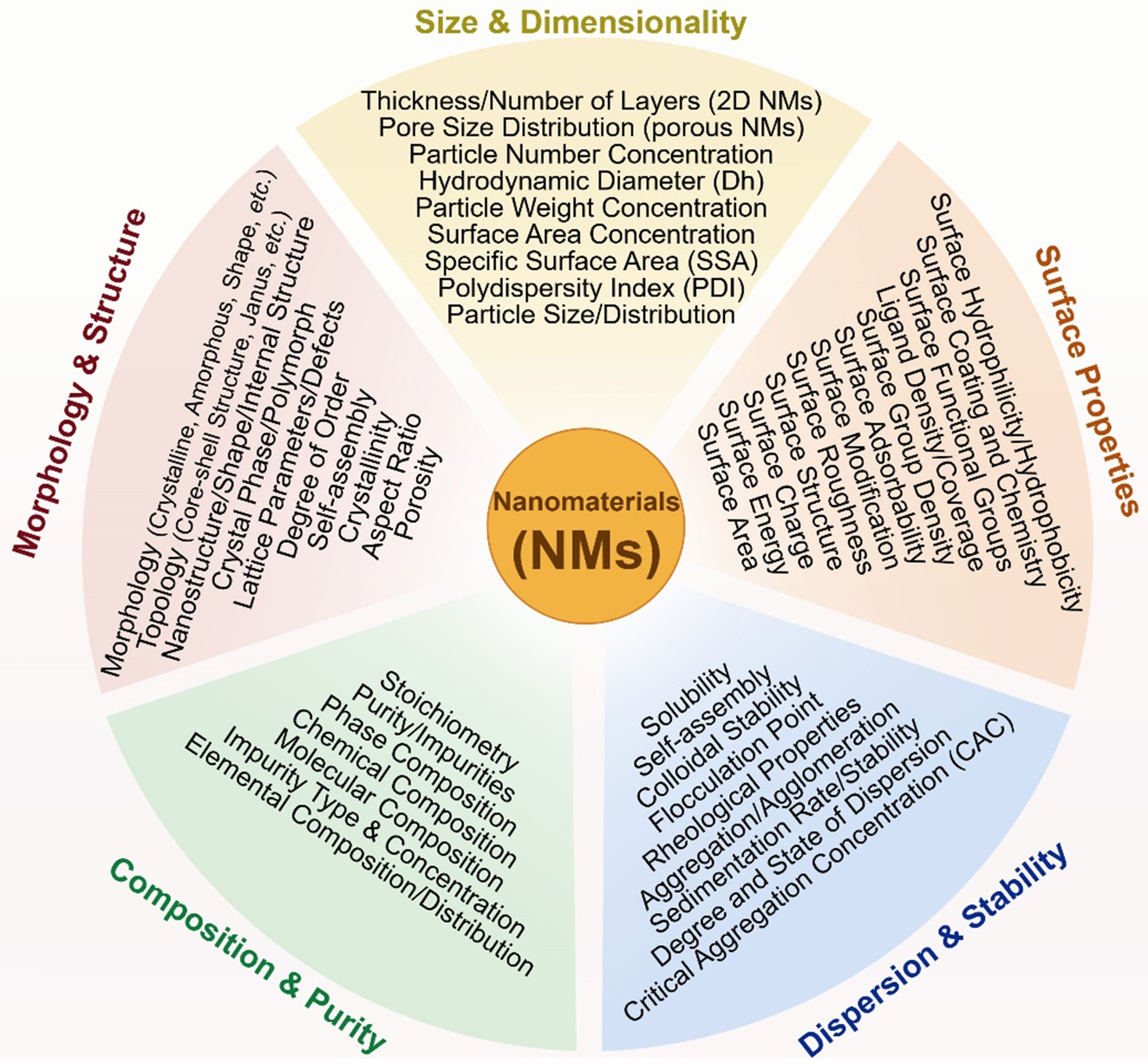
Figure 1. Physicochemical properties of NMs. NMs: Nanomaterials.
Mechanisms linking NM properties to potential risks
The above unique properties directly affect the interactions of NMs with biological and environmental systems and form the physicochemical basis of their potential risks. The huge specific surface area and high surface energy make many NMs, such as metal and metal oxide nanoparticles (NPs), prone to catalyzing or participating in redox reactions that generate reactive oxygen species (ROS)[17]. The overproduction of ROS is one of the key mechanisms by which NMs induce cytotoxicity, inflammatory responses, and genetic damage[16,18]. Their small size also enables them to penetrate conventional biological barriers. For instance, inhaled NPs can penetrate deep into the alveolar region and even enter systemic circulation through the air-blood barrier[19]. Following dermal exposure, they may penetrate through hair follicles or intercellular spaces[20]. In plants, they may cross the cell-wall barrier to migrate in vivo[21,22]. The high surface activity of NMs also enables them to rapidly adsorb proteins and natural organic matter, forming a “biological/environmental corona” upon entering biological fluids or environmental media. This protein corona can completely change the original surface properties, dispersion state, cellular uptake pathways, and subsequent biological effects of NMs, making their behavior highly complex and unpredictable[23,24]. Certain NMs, such as carbon nanotubes and specific metal oxides, exhibit slow degradation rates in the environment, allowing them to persist in water and soil and potentially transfer through the food chain[25]. These NMs may accumulate in specific organs, including the spleen and liver, thereby triggering long-term potential hazards. Additionally, the optical, adsorptive, and catalytic properties of NMs can interfere with detection signals in various in vitro toxicity tests, leading to misjudgments of endpoints such as cell viability and oxidative stress[26,27]. These issues pose significant methodological challenges for accurate hazard identification.
The safety of NMs is a dynamic scientific issue involving the “nano-bio/environmental interface” and is jointly determined by multiple parameters, such as size, morphology, surface chemistry, solubility, and aggregation state. Elucidating these structure-effect relationships is the core task for the development of predictive toxicology and the realization of safe and controllable applications of NMs.
CHALLENGES OF NANOMATERIALS FOR INDUSTRIAL HYGIENE AND OCCUPATIONAL HEALTH
The widespread application of nanotechnology across materials science, biomedicine, energy, electronics, and consumer goods has rendered the large-scale production and utilization of NMs an important part of modern industry. However, despite their role in driving technological innovation, the unique physicochemical properties of NMs present new and complex challenges to occupational health in the workplace. These challenges mainly fall into two main areas: first, technical and methodological obstacles to accurately assessing occupational exposure to NMs; and second, insufficient recognition of potential occupational diseases and long-term health effects associated with NMs, coupled with the lack of targeted health surveillance systems. This section focuses on these fundamental issues in the context of recent research advancements.
Assessment of occupational exposure to NMs
Accurate assessment of occupational exposure to NMs is essential for effective risk management and the design of protective measures. However, airborne NPs and UFPs display dynamic behaviors, such as agglomeration, diffusion, and rapid temporal fluctuations, which means that conventional mass-based monitoring alone often provides an incomplete representation of exposure[28-30]. Therefore, a robust assessment strategy needs to integrate multiple metrics, including mass concentration, number concentration, surface-area-related metrics, and particle size distribution.
Methods for monitoring and analyzing airborne NP concentrations in workplaces
An assessment strategy for NMs is depicted in Figure 2. The initial step involves gathering fundamental information and verifying the potential for NM release during work procedures or within work areas. The subsequent step focuses on field investigations of airborne NP emissions. Finally, an in-depth risk assessment is performed based on multiple airborne NP metrics. To ensure a thorough risk assessment, it is essential to document background conditions, ventilation systems, protective measures, worker activities, and exposure frequency[31].
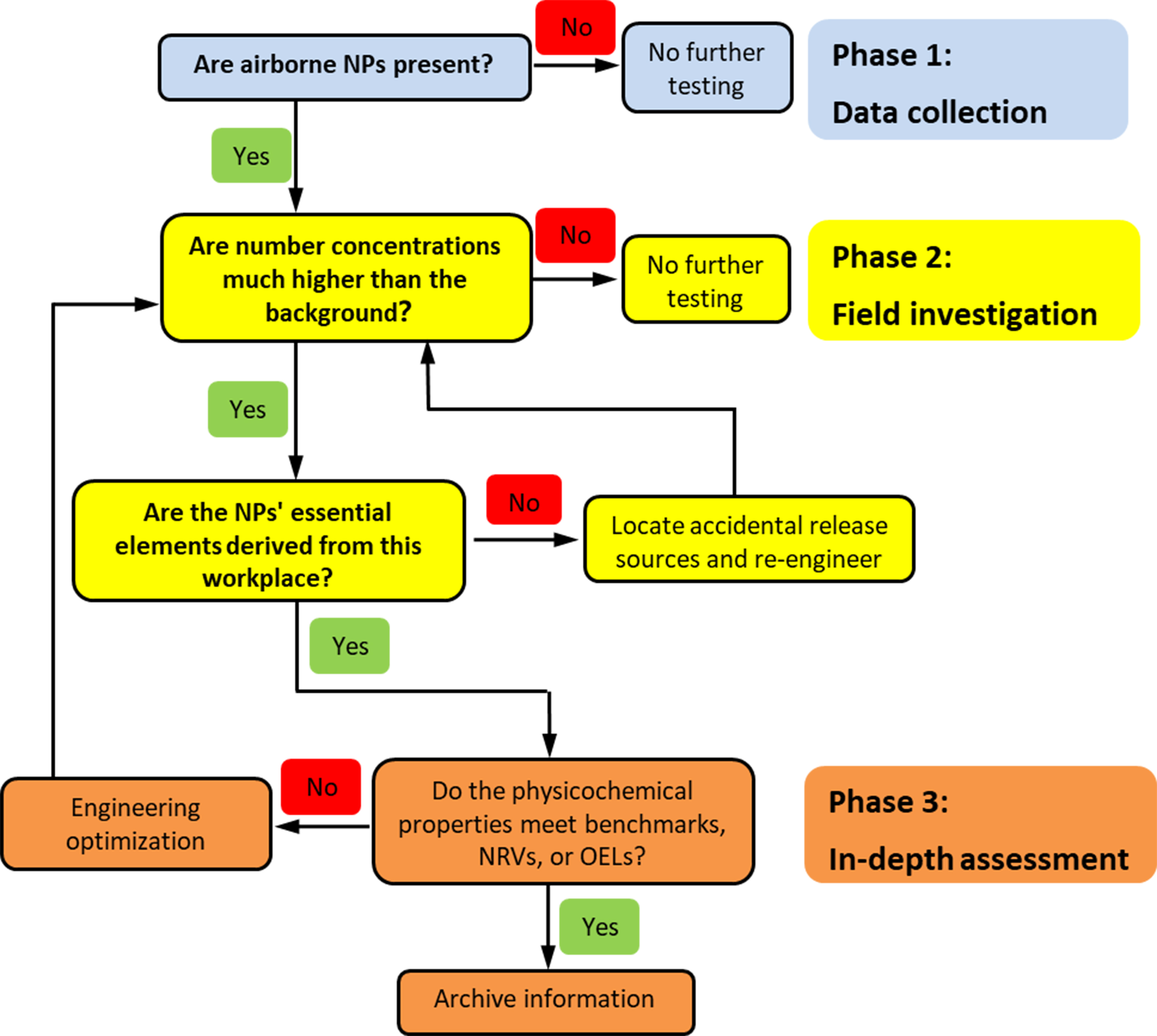
Figure 2. Proposed assessment strategy for airborne NP exposure in workplaces. Adapted with permission from Ref.[31]. Copyright 2020, Elsevier Ltd. NP: Nanoparticle; NRVs: nano reference values; OELs: occupational exposure limits.
Field monitoring of nano-aerosols in the workplace relies on a combination of real-time and off-line techniques. Commonly used real-time instruments include the condensation particle counter (CPC) for measuring total particle number concentrations, the scanning mobility particle sizer (SMPS) for obtaining particle size distribution, and diffusion charging instruments for estimating lung-deposited surface area (LDSA) concentrations [Table 1].
Summary of NM analysis methods
| Analytical method (Acronym) | Analytical method (Full name) | Properties analyzed | Ref. |
| APS | Aerodynamic particle sizer | Aerodynamic particle diameter ranging from 0.5 to 20 μm based on light scattering and settling velocity | [32] |
| BET | Brunauer-Emmett-Teller gas adsorption technique | Specific surface area and porosity | [33] |
| CPC | Condensation particle counter | Particle sizes ranging from nanometers to approximately 1 μm by enlarging particles in a working fluid “cloud” (n-butanol or water) | [34] |
| DLS | Dynamic light scattering | Hydrodynamic particle size and size distribution | [35] |
| DMPS | Differential mobility particle sizer | Particle sizes ranging from nanometers up to approximately 1 μm and corresponding particle concentrations; combines a differential mobility analyzer, which classifies charged particles according to their mobility in an electric field, with a CPC for particle counting | [36] |
| EDXRF | Energy dispersive X-ray fluorescence spectrometry | Elemental composition | [37] |
| EELS | Electron energy loss spectroscopy | Chemical composition and chemical structure | [38] |
| FTIR | Fourier-transform infrared spectroscopy | Chemical structure | [39] |
| IC | Ion chromatography | Inorganic ion composition | [40] |
| ICP-MS | Inductively coupled plasma mass spectrometry | Elemental composition | [37] |
| ICP-OES | Inductively coupled plasma optical emission spectrometry | Elemental composition | [37] |
| NAA | Neutron activation analysis | Elemental composition | [37] |
| NSAM | Nanoparticle surface area monitor | Particle sizes ranging from 10 to 1,000 nm; estimates deposited surface area dose in the tracheobronchial (TB) and alveolar (A) regions of the lung | [41] |
| NTA | Nanoparticle tracking analysis | Particle size distribution and concentration | [42] |
| PIXE | Particle-induced X-ray emission | Chemical composition | [43] |
| SEM/TEM | Scanning electron microscopy/transmission electron microscopy | Particle morphology and size | [38,44] |
| SIMS | Secondary ion mass spectroscopy | Chemical composition and surface chemical structure | [45] |
| SMPS | Scanning mobility particle sizer | Particle sizes ranging from nanometers to approximately 1 μm and full particle size distributions; similar to DMPS, but uses a scanning electric field voltage | [44] |
| TEOM | Tapered element oscillating microbalance | Particle mass concentrations over a wide particle size range from nanoscale to micrometer scale based on gravimetric principles | [46] |
| UV | Ultraviolet spectroscopy | Chemical structure | [47] |
| XAS | X-ray absorption spectroscopy | Chemical structure analysis, typically requiring synchrotron facilities | [48] |
| XPS | X-ray photoelectron spectroscopy | Surface elemental composition | [45] |
| XRD | X-ray diffraction | Crystalline phase identification | [48] |
| XRF | X-ray fluorescence | Chemical composition analysis, typically requiring synchrotron facilities | [43] |
| Zeta-potential | - | Surface charge in colloidal solutions | [35] |
Based on the fundamental geometric and physical properties of spherical NPs, the relationships among mass concentration (Cm), number concentration (Cm), and surface area concentration (Cs) can be defined by the density (ρ) and diameter (d) of the particles, as follows.
Mass as a function of particle number (Cm vs. Cn):
Surface area as a function of particle number (Cs vs. Cn):
Surface area as a function of particle mass (Cs vs. Cm):
Surface area concentration is more effective than mass or number concentrations for toxicity assessment. This suggests that simultaneous quantification of all three metrics is crucial, given their differing dependencies on particle density and diameter.
Viitanen et al. (2017) noted that occupational exposure assessment data for UFPs are still limited and reported inconsistently, emphasizing the need for standardization of measurement strategies[30]. Geiss et al. (2016) used handheld LDSA monitors across various occupational and non-occupational environments, including cafeteria kitchens and welding shops[49]. They found that LDSA concentrations varied significantly among different microenvironments, thereby validating the suitability of the instrument for on-site monitoring and personal exposure assessment. Balendra et al. (2024) investigated the physical limits of CPC miniaturization and provided a theoretical framework for the development of more portable, low-cost, and high-performance UFP monitoring devices[50]. Taken together, these studies suggest that particle counting technology is mature for screening and comparative monitoring, whereas harmonized interpretation across workplaces remains a developing challenge. In addition to real-time monitoring, filter-based sampling combined with off-line analysis is critical for determining the chemical composition, morphology, and crystal structure of particles. For example, Shepard and Brenner (2014) employed a combination of real-time measurements with CPCs, SMPSs, and optical particle counters (OPCs), along with filter film sampling and transmission electron microscopy/energy dispersive X-ray spectrometry (TEM/EDX) analyses[29]. This approach enabled the assessment of exposure to ENMs, specifically alumina, silica, and cerium oxide, in semiconductor fabrication environments. Their findings confirmed that the workplace aerosols were predominantly composed of alumina and silica agglomerates within the 100-1,000 nm size range, rather than primary NPs. Stabile et al. (2014) evaluated the performance of a portable particle size spectrometer (Nanoscan SMPS) for measuring diesel particulate matter and atomized particles[51]. By comparing the Nanoscan SMPS with a laboratory-grade SMPS, they observed that the portable instrument might overestimate total number concentrations when measuring freshly generated aerosols. Consequently, they recommended using the instrument in conjunction with a CPC for data calibration. Marcias et al. (2018) used an electrical low pressure impactor (ELPI+) to collect size-segregated particulate samples and subsequently analyzed the particle-size distribution characteristics of metallic elements using inductively coupled plasma mass spectrometry (ICP-MS) in a steel mill investigation[52]. For carbon-based NMs, such as carbon nanotubes and graphene, organic carbon/elemental carbon (OC/EC) thermoluminescence analysis has proven effective for quantification. Storsjo et al. (2024) demonstrated that thermoluminescence analysis not only quantifies exposure levels of graphene, graphene oxide (GO), and reduced GO but also distinguishes among these materials to some extent[53]. In our prior investigations of an electrical discharge machining (EDM) workshop, we detected a significant quantity of metallic particulate matter through real-time measurements using CPC, OPC, and SMPS, in conjunction with filter film TEM/EDX analyses[44]. Our findings revealed that metals with lower densities tend to generate a greater number of particles; specifically, aluminum can produce total particulate matter concentrations that are ten times higher than those generated by copper and iron[44]. Overall, the available evidence supports the recommended practice of pairing real-time screening with targeted off-line confirmation, because real-time instruments are strong for process identification, whereas material-specific attribution usually still requires microscopy or chemical analysis.
Identification of major exposure processes and exposed groups
The risk of exposure to NMs persists throughout their life cycle; however, specific processes and positions carry a higher risk of exposure[54]. Operations such as synthesis, dispensing, and collection during the production phase are particularly associated with high exposure. Poikkimaki et al. (2025) evaluated exposure to graphene-related materials (GRMs) in seven real-world and three simulated scenarios[55]. Their findings indicate that, while the overall exposure levels remain low, the handling of GRMs in dry powder form or in large quantities may increase emissions and exposure risks, necessitating careful attention to process controls during scale-up or process modifications. In the semiconductor industry, a study identified significant variations in particle number concentrations across tasks in wafer fabrication, sub-wafer fabrication, and wastewater treatment areas associated with chemical mechanical polishing processes[29]. Notably, the most pronounced fluctuations in particle number concentrations occurred during filter replacement in wastewater treatment systems. Exposure risks also exist during the use and processing phases. For instance, in the field of additive manufacturing [three-dimensional (3D) printing], an assessment of nine 3D printing workplaces in Taiwan showed that various printing technologies, such as fused deposition molding and light curing, release UFPs and volatile organic compounds (VOCs) at different rates and concentrations depending on the materials and process conditions[28]. This situation poses a respiratory exposure risk to nearby workers.
Welding operations generate WFs that contain metallic NPs, representing a typical source of NP exposure in traditional industries. Fine articles and UFPs in WFs can reach the distal airways, triggering inflammation, oxidative stress, and DNA damage[56]. Fleck et al. (2022), in the context of welding and construction activities, compared the oxidizing potential of particles and found that welding particles exhibited significantly higher oxidizing activity than construction dust, suggesting greater biotoxicity[57]. Additionally, the use of 3D printers in makerspaces at non-industrial sites, such as schools, may expose students and teachers to printer emissions, highlighting the widening range of exposed groups[58]. Ancillary processes, including maintenance, cleaning, and waste disposal, may also lead to unintended exposure[31]. Damilos et al. (2025) conducted an occupational risk assessment of using functionalized carbon nanotubes and few-layer graphene in carbon fiber sizing treatments[59]. Their findings indicated that, although field measurements showed no significant impact of NM addition on total exposure potential, process hazard analyses revealed risks associated with human error and utility failures under various scenarios. Key exposure groups comprise developers and producers of NMs, workers involved in composite processing, welders, construction workers, workers engaged in nano-coating processes, 3D printing operators, and technicians responsible for the maintenance and handling of related equipment.
To date, there is no consensus on occupational exposure limits (OELs) for NMs. As an alternative, benchmark levels or nano reference values (NRVs) of particle number concentrations may be utilized for monitoring NP release [Table 2]. NMs are categorized into four groups according to their size, form, biopersistence, and density. The number concentrations associated with these NRVs were established relative to a mass concentration of 0.1 mg/m3 for NMs assumed to be spherical and less than 100 nm in diameter.
NRVs for NMs[60]
| Description | Density | NRVs (8-hour TWA) | Examples | |
| 1 | Rigid, biopersistent nanofibers for which = asbestos-like effects cannot be excluded | - | 0.01 fibers/cm3 | SWCNTs, MWCNTs, or metal oxide fibers for which asbestos-like effects cannot be excluded |
| 2 | Biopersistent granular NMs ranging from 1 to 100 nm | > 6,000 kg/m3 | 20,000 particles/cm3 | Ag, Au, CeO2, CoO, Fe, FexOy, La, Pb, Sb2O5, SnO2 |
| 3 | Biopersistent granular and fibrous NMs ranging from 1 to 100 nm | < 6,000 kg/m3 | 40,000 particles/cm3 | Al2O3, SiO2, TiN, TiO2, ZnO, nanoclay, carbon black, C60, dendrimers, polystyrene; nanofibers without asbestos-like effects |
| 4 | Non-biopersistent NMs ranging from 1 to 100 nm | - | Applicable OEL | Fats, NaCl |
Major occupational diseases and health surveillance in the nanotechnology industry
NMs can enter the human body through inhalation, dermal contact, or incidental ingestion and may produce adverse health effects across multiple organ systems. Although epidemiological evidence remains limited for many material classes, numerous in vitro and in vivo toxicological studies have identified a broad spectrum of potential health hazards. The most consistently discussed outcomes involve the respiratory system, the skin, and possible long-term effects on the cardiovascular and nervous systems.
Diseases of the respiratory system
Inhalation represents the most important occupational exposure route for NMs, with the respiratory system identified as the primary target organ. A multitude of ex vivo and in vivo studies have shown that NMs can induce lung inflammation, oxidative stress, epithelial barrier damage, fibrosis, and even carcinogenesis. Inhalation of multi-walled carbon nanotubes (MWCNTs) can elevate alveolar surface tension by disrupting the homeostasis of lung surface-active substances, thereby mediating lung fibrosis and revealing a novel molecular mechanism underlying MWCNT-induced pulmonary fibrosis[61]. Exposure to WFs may result in inflammation, suppression of lung defense mechanisms, oxidative stress, and DNA damage, constituting significant risk factors for the development of occupational asthma, chronic obstructive pulmonary disease (COPD), and lung cancer among welders[56]. Stierum et al. (2025) employed a data-driven approach and identified a significant overlap in gene ontology biological processes associated with UFPs and reduced lung function, suggesting a potential underlying molecular mechanism[62]. Similarly, Miller et al. (2025) summarized evidence from preclinical studies on metal NPs, highlighting that the respiratory system is the primary target and that toxicity is predominantly mediated by ROS generation and inflammatory cascade responses, ultimately disrupting the respiratory epithelial barrier[63]. Occupational epidemiological studies further support this association. A study on workers in the nanocomposites industry disclosed that cumulative exposure to NMs correlated with poorer lung function indices, including forced expiratory volume in the first second (FEV1) and forced expiratory flow (FEF 25%-75%)[64]. This correlation may be mediated by inflammatory factors in exhaled breath condensate (EBC), such as interleukin (IL)-10 and tumor necrosis factor (TNF)-α[64]. These findings suggest that prolonged low-dose exposure to NMs could have adverse effects on the respiratory health of workers. Furthermore, respiratory risk remains the most extensively studied and evidence-based occupational health concern in the current nanosafety literature.
Skin diseases and allergic reactions
NMs can come into contact with the skin through direct exposure or deposition on contaminated surfaces. Due to their small size, they may penetrate damaged skin barriers or enter via hair follicles or sweat gland openings, potentially triggering localized or systemic effects. The safety of NMs employed in personal protective equipment and functional textiles has raised significant concerns. Nasirzadeh et al. (2024) investigated the application of zinc oxide (ZnO) NMs to enhance the ultraviolet spectroscopy (UV)-protective properties of cotton textiles[65]. Although these applications improved UV protection, further assessment of safety, especially regarding percutaneous absorption and potential toxicity, is necessary. For some chemicals with sensitizing potential, nano-sensitization may alter exposure pathways and biological effects. Specific NMs, such as nickel-based NMs and certain metal oxides, can induce skin irritation, contact dermatitis, or allergic reactions. Nickel-based NMs have been reported to cause oxidative stress and inflammation; while current studies mainly focus on inhalation exposure, the potential risks of dermal exposure also warrant attention[18]. Some NMs may function as adjuvants, enhancing the body’s immune responses to other substances, or act as sensitizers themselves. A comprehensive study provided a framework for understanding the sensitizing potential of NMs by correlating respiratory sensitizers with the molecular initiating and critical events associated with allergic asthma[62]. Existing evidence suggests that dermal risk is plausible and material-specific; however, compared with other exposure routes, the evidence base remains less mature and requires more human exposure-related data.
Long-term health effects
NPs inhaled through the lungs may translocate into systemic circulation, potentially resulting in long-term effects on distant organs, particularly the cardiovascular and nervous systems. Research has indicated that the inhalation of specific NPs can induce acute phase responses, such as elevated serum amyloid A (SAA) and C-reactive protein (CRP) levels, which are associated with an increased risk of cardiovascular disease. It has been proposed that NP-induced acute phase responses represent an important mechanism linking NP inhalation to cardiovascular disease[66]. Williams et al. (2024) also illustrated that wildfire smoke contains large quantities of UFPs and systematically outlined the pathophysiological processes contributing to cardiovascular damage, including oxidative stress, inflammation, and endothelial dysfunction[67].
UFPs and certain NMs can directly penetrate the brain via the olfactory nerve or enter the central nervous system by disrupting the blood-brain barrier, thereby triggering neuroinflammation and oxidative damage. PM2.5 containing NPs can affect the central nervous system through various pathways, induce neurotoxicity, and is associated with neurodevelopmental abnormalities in children, cognitive decline in adults, and an increased risk of neurodegenerative diseases[68]. Metal NPs can translocate to the nervous system, causing mitochondrial damage and protein aggregation[63]. Furthermore, prolonged low-dose exposure may influence gene expression through epigenetic modifications. One study demonstrated that titanium dioxide (TiO2) and ZnO NPs reduced overall DNA methylation levels and inhibited methyltransferase activity in lung fibroblasts[69]. Yu et al. (2020) conducted a cross-sectional study of workers involved in iron oxide NP production, which revealed changes in 5-hydroxymethylcytosine levels associated with years of exposure[70]. Accordingly, the International Agency for Research on Cancer (IARC) has classified certain NMs, such as TiO2 (Group 2B) and MWCNTs (Group 2B), as possibly carcinogenic to humans.
ENVIRONMENTAL IMPACTS AND ECOLOGICAL RISKS OF NANOMATERIALS
Due to their unique size effects, high specific surface area, and distinctive physicochemical properties, NMs exhibit migration and transformation characteristics, as well as biological effects, that differ from those of traditional pollutants. Therefore, a systematic assessment of their environmental impacts and ecological risks is crucial for promoting the sustainable development of nanotechnology.
Environmental behaviors of NMs
Release pathways during production, usage, and disposal
NMs can be released into the environment through multiple pathways across their life cycle. During production, NPs may enter air, water, and soil through exhaust streams, wastewater, spills, or solid wastes[71]. In agriculture, nanopesticides and nanofertilizers are important examples because both active ingredients and carrier materials may enter environmental media. The current development strategy for nanopesticides, which relies on non-therapeutic nanocarriers, may result in the uncontrolled introduction of carrier materials, thereby posing new environmental risks[72]. The “carrier minimization” design concept for nanopesticides seeks to reduce the release of inactive NMs at the source. Additionally, NMs, such as TiO2 and AgNPs, found in personal care products and textiles, can enter sewage systems during washing[73].
Tire wear represents another significantly underestimated source of nanoscale particle emissions. Tire wear particles constitute an important class of organic particulate pollutants in aquatic environments[74]. Estimates indicate that their annual production in the European Union (EU), the United States (US), and Germany reaches 1,327,000, 1,120,000, and 133,000 tons, respectively, which is equivalent to four times the amount of pesticides used in Germany[74]. During waste disposal, products containing NMs, such as food additive NMs, may be released through landfilling or incineration. Furthermore, more than 90% of ingested food additive NMs are excreted and can enter sewage systems, potentially contaminating soil through reclaimed water reuse or sludge application in agriculture[75]. The removal efficiency of NMs and MNPs in wastewater treatment plants is limited. Typical removal efficiencies are approximately 20%-50%, 30%-70%, and > 90% during the primary, secondary, and tertiary stages of treatment, respectively[76]. However, complete removal remains challenging, resulting in eventual release into surface water and soil environments. Overall, NMs can be released at multiple stages of their life cycle; however, the magnitude and form of the released nano-entities remain highly uncertain.
Transformation in environmental media
Upon entering the environment, the migration and transformation of NMs are influenced by their intrinsic properties, such as size, surface modification, and aggregation state, as well as environmental conditions, including pH, ionic strength, and natural organic matter. Furthermore, these materials often interact with other pollutants. In aqueous environments, NMs are prone to agglomeration, sedimentation, or colloidal stabilization. Li et al. (2024) investigated the heterogeneous aggregation behavior of nanoplastics (amino-modified polystyrene, bare polystyrene) and nanoactivated carbon in water[77]. They found that factors such as particle charge, concentration, pH, humic acid (HA), sodium alginate (SA), and Ca2+ ions (through calcium bridging effects) all influence aggregation rate and stability. Additionally, hydrodynamic conditions, including waves and turbulence, can lead to disaggregation or reaggregation of aggregates, significantly altering their migration distances, which can extend from hundreds of meters to kilometers in near-shore environments. NMs also undergo transformations during environmental treatments. For instance, molybdenum disulfide (MoS2) nanosheets exhibited structural disorder and compositional alterations (oxidation, chlorine doping, and ion release) when subjected to chlorination (NaClO) and UV/NaClO treatments[78]. These transformations significantly reduced their colloidal stability and hydrophilicity while increasing algal toxicity.
In soil, the mobility and bioefficacy of NMs are limited, yet they undergo complex aging and transformation processes. For instance, iron oxide NPs can immobilize heavy metals and organic pollutants in soil through adsorption and redox reactions[79]. However, their aggregation, aging, and chemical and biological transformations are influenced by soil solution chemistry, dissolved organic matter, and microbial activities, which subsequently alter their environmental behavior and associated risks. Zhang et al. (2025) investigated the long-term transformation and heavy metal release behavior of nanoscale zero-valent iron (nZVI), sulfurized nZVI (S-nZVI), and carboxymethyl cellulose-modified nZVI during remediation processes, using Pb and Zn as representative pollutants in simulated groundwater[80]. They found that material type, aging time, and ambient pH collectively determine heavy metal stability, with modified materials, particularly S-nZVI, exhibiting greater tolerance to acidic conditions.
Atmospheric particulate matter exhibits a complex composition. Shiraiwa et al. (2017) illustrated that NPs, such as those derived from diesel exhaust and metal oxides, can exert multilayered health effects ranging from molecular to global scales[81]. These effects occur through mechanisms involving oxidative stress induction and protein nitration. Furthermore, NMs can interact with other pollutants, altering their environmental fate. In the atmosphere, MNPs have emerged as global pollutants. Luo et al. (2024) reviewed the diverse sources of atmospheric MNPs and highlighted that atmospheric transport is a significant pathway for their global dispersion[82]. Ingestion, inhalation, or dermal exposure to MNPs may lead to oxidative stress, inflammatory damage, and enhanced uptake and translocation in all biological systems[83]. However, research on atmospheric nanoplastics remains limited due to challenges in sampling and identification methods, resulting in substantial spatial variability in measured concentrations and complicating the assessment of human inhalation exposure risk.
Ecotoxic effects of NMs
Impacts on aquatic organisms
NMs can induce various levels of toxicity in aquatic organisms, with mechanisms closely related to material properties, exposure concentration, and biological species. Research on the model organism zebrafish has revealed developmental toxicity mechanisms of specific NMs. Zhang et al. (2025) found that small-sized black phosphorus (S-BP) nanosheets (~154.4 nm) could attach to the chorioallantoic membranes of zebrafish embryos at low concentrations (0.025-0.2 mg/L)[84]. This exposure led to unfilled swim bladders, decreased heart rate, and specific impairments in vascular development, particularly affecting the main vein. These disruptions hindered erythropoiesis and blood flow, while transcriptomic analysis showed altered expression of genes related to angiogenesis, hematopoiesis, and ribosomal function. Zou et al. (2024) investigated the cardiotoxicity of MoS2 nanosheets in zebrafish and disclosed that small-sized MoS2 (187.2 nm) at low doses (0.5-100 μg/L) significantly reduced cardiotoxicity[85]. This reduction was attributed to iron overload, characterized by increased ferritin autophagy and inhibition of iron transport proteins, as well as downregulation of glutathione peroxidase 4. Additionally, the activation of polyunsaturated fatty acid esterification induced iron-dependent cell death in cardiomyocytes, resulting in abnormal cardiac morphology and decreased cardiac output. In contrast, cysteine-modified or large-sized MoS2 (1.638 μm) exhibited significantly reduced cardiotoxicity, highlighting the critical roles of particle size and surface modification[85].
NMs also impact aquatic plants. A meta-analysis by Xiao et al. (2025) demonstrated that MNPs induced significant oxidative stress in aquatic plants, leading to a 52.9% increase in H2O2 levels[12]. This oxidative stress resulted in a 7.2% reduction in total biomass and a 17.8% decrease in chlorophyll content, with toxicity varying by MNP type; for instance, polyethylene exhibited a strong inhibitory effect on biomass compared to polyvinyl chloride. Furthermore, NMs may facilitate the horizontal transfer of antibiotic resistance genes (ARGs) in aquatic environments. At 0.1 mg/L, AgNPs could enhance the translocation of phage-encoded ARGs in planktonic Escherichia coli and microplastic-adherent biofilms[85]. This effect occurs through AgNP aggregation on bacterial surfaces, which induces oxidative stress and membrane destabilization; additionally, microplastic surface roughness influences this process. These findings are important and also illustrate a broader point: ecotoxic effects can extend beyond classical survival or growth endpoints to include microbial processes that may have wider environmental and health implications.
Effects on soil organisms and plants
NMs introduced into soil have a “double-edged sword” effect on terrestrial plants and soil fauna. While low doses may confer beneficial effects, high doses can be toxic, particularly when in combination with co-existing pollutants. NMs have been actively exploited to enhance plant stress tolerance and growth. Metal/metal oxide NPs and carbon-based materials can improve plant tolerance to drought, salinity, heavy metals, and temperature fluctuations by modulating ROS levels, enhancing antioxidant defenses, and influencing gene expression and hormone homeostasis[86]. Sodhi et al. (2025) illustrated the potential of NMs as biostimulants and delivery vehicles for mitigating both biotic and abiotic stresses while promoting plant-microbe interactions[87]. In contrast, the presence of NMs, particularly in conjunction with microplastics, may yield adverse effects. Azeem et al. (2024) investigated the combined effects of polystyrene microplastics (PS-MPx) and nickel oxide NMs (NiO-NMs) on soybean growth and nitrogen fixation[88]. They found that PS-MPx alone (500 mg/kg) reduced photosynthetic pigments, phytohormones, root nodule biomass, and nitrogen fixation-related enzyme activities, thereby impairing nitrogen fixation potential. In contrast, NiO-NMs (50 mg/kg) alone enhanced nodulation and nitrogen fixation[88]. However, co-exposure to both materials at higher concentrations (100 mg/kg) altered root nodule morphology and reduced the relative abundance of soil microbial communities associated with nitrogen fixation, such as Ascomycota and Actinobacteria[88]. The practical implication is that the benefit-risk balance in soil systems is highly context-dependent and should not be inferred from single-material studies alone.
Impacts on microbial communities and ecosystem functions
NMs significantly impact microbial community structure, diversity, and function in soil and water environments, potentially disrupting crucial ecosystem processes. Through extensive data analysis, Chen et al. (2024) demonstrated that NMs notably reduced soil microbial diversity (-0.96%), biomass (-14.01%), activity (-3.39%), and function (-14.44%)[89]. Metal NMs, particularly AgNMs, exhibited pronounced negative effects compared to carbon NMs, with the nanoscale effect playing a key role. The toxicity mechanisms of NMs toward microorganisms are related to the inhibition of vital metabolic processes. When introduced into wastewater treatment plants, metal NPs such as ZnO, Cu, and AgNPs can enhance the oxidation of the greenhouse gas nitrous oxide (N2O)[90]. This occurs through the inhibition of denitrifying enzyme activity and gene expression, disruption of electron transport processes, and alteration of microbial communities involved in nitrification and denitrification. Notably, these NPs increase the abundance of N2O-producing bacteria, which subsequently stimulate N2O emissions. This adversely affects both the denitrification performance and carbon emissions of wastewater treatment facilities. Furthermore, NMs can significantly contribute to the evolution and dissemination of ARGs[90]. Feng et al. (2021) illustrated how emerging pollutants, including microplastics, ENMs, and disinfection byproducts, contribute to ARG enrichment by regulating horizontal gene transfer mechanisms, such as conjugation, transformation, and transduction[91]. They also noted that these pollutants increase mutation rates and alter microbial community structure and dispersal dynamics. Wu et al. (2025) further investigated the molecular mechanisms through which non-antibiotic pollutants, such as NMs, disinfectants, and microplastics, drive ARG dissemination[92]. The pollutants induce bacterial oxidative stress, redistribute metabolic energy, and upregulate plasmid-related gene expression. At the ecosystem level, NMs may interrupt energy flow and material cycling. An indoor test illustrated that exposure to polyethylene NPs and GO, both individually and in combination, influenced apoplastic decomposition and associated microbial communities in a karstic stream system[93]. The combined NP and GO treatment significantly increased the relative abundance of Enterobacteriaceae spp., enhanced the activities of leucine aminopeptidase and cellobiose hydrolase, and exhibited time-dependent effects, initially inhibiting and subsequently promoting decomposition. Structural equation modeling suggested that these pollutants promote apoplastic carbon loss through direct fragmentation and indirect alterations in bacterial diversity and the activity of carbon cycle-related enzymes.
RISK MANAGEMENT AND THE POLICY AND REGULATORY FRAMEWORK
The rapid development of nanotechnology poses distinct challenges for risk management and regulation. Conventional chemical risk assessment frameworks often assume stable composition, relatively simple exposure metrics, and limited transformation after release. However, these assumptions are frequently inadequate for NMs, whose behavior depends strongly on size, surface properties, aggregation state, and environmental context. Effective governance therefore requires systematic consideration across hazard identification, exposure assessment, risk characterization, and risk management.
Methodological advances in risk assessment of NMs
Risk assessment of NMs relies on precise characterization of both hazards and exposure. However, current methods exhibit considerable limitations, prompting the ongoing development of novel methodologies.
Applicability and limitations of existing toxicological testing methods
Traditional toxicological testing methods, including various Organisation for Economic Co-operation and Development (OECD) guideline studies, were largely developed for soluble chemicals rather than particles with dynamic physicochemical properties. When directly applied to NMs, these methods may compromise data comparability, reproducibility, and ecological relevance. Three recurring limitations are particularly notable: instability of exposure conditions, assay interference, and insufficient biological or environmental realism.
Particle behavior, testing system interference, and exposure realism. In standard Toxicity tests, NMs are prone to aggregation, sedimentation, and dissolution in aqueous media, resulting in significant deviations between actual bioavailable concentrations and nominal concentrations. For example, an acute fish toxicity study (OECD Testing Guideline 203) involving nine different NMs disclosed that most materials- except bentonite clay - underwent significant sedimentation within 24 h[94]. It was reported that LC50 (lethal concentration, 50%) values calculated using nominal concentrations could result in errors of up to 85.6%. The study emphasized that pre-experiments to monitor material stability and dose-response assessments using actual concentrations are essential for obtaining reliable data. Similarly, in the development of a human health risk assessment framework for nanopesticides, the importance of considering the persistence and transformation of various entities, such as nanocarrier-active ingredient complexes, empty carriers, and released active ingredients, was highlighted. This perspective extends beyond traditional pesticide risk assessment frameworks[95]. In phytotoxicity studies, the biological effects of ZnO NPs are highly dependent on their environmental transformations (e.g., dissolution, agglomeration) and plant physiological characteristics[21]. These findings indicate that traditional static exposure tests with a single nominal concentration may not capture the dynamic processes occurring in real environments.
Specific interferences of NMs in in vitro assays. The large specific surface area and high reactivity of NMs often lead to non-specific interactions, such as dye adsorption, catalytic reactions, and fluorescence quenching, with in vitro toxicity assay reagents and signal readings, producing false-positive or false-negative results. Thus, a decision tree incorporating strategies for interference control and mitigation was proposed, although this issue was generally overlooked in earlier studies[26]. For instance, Ruijter et al. (2024) specifically optimized the dichloro-dihydro-fluorescein (DCFH) assay for detecting intracellular ROS and found that conventional plate readouts could not accurately differentiate the location of ROS production due to the leakage of fluorescent products[27]. In contrast, sensitivity and accuracy were significantly improved by using flow cytometry with optimized probe loading and gating strategies. It was further noted that the physical disruption of cell membranes and the direct effects on key organelles (e.g., mitochondria), caused by NPs of varying sizes, morphologies, and surface modifications (e.g., AgNPs), complicate the interpretation of assays based on cellular metabolic activity [e.g., the 3-(4,5-dimethylthiazol-2-yl)-2,5-diphenyltetrazolium bromide (MTT) assay][96].
Insufficient complexity and ecological relevance of in vivo assays. Conventional in vivo animal experiments are often lengthy, costly, and limited in their ability to reveal molecular mechanisms. A review of the toxicity mechanisms associated with nickel-based NMs highlighted the limitations of conventional acute toxicity tests in capturing chronic inflammation, immunotoxicity, and potential carcinogenic risks related to prolonged exposure[18]. Similarly, Wang et al. (2024) in their examination of the ecotoxicity of ENMs in soil, showed that laboratory single-species tests fail to accurately model multi-species interactions, such as microbial-plant-animal trophic cascade effects, as well as long-term cumulative effects on complex soil environments[25]. This limitation reduces the reliability of extrapolating laboratory findings to real ecosystems.
Standardized in vitro and in vivo toxicological test methods currently used to evaluate NMs require substantial modification and validation to account for their unique particle properties. This includes rigorous monitoring of material behavior and morphological transformations within exposure media, identification and elimination of interferences in in vitro tests, and the design of exposure scenarios with greater ecological relevance.
Development and applications of alternative methods
To address the limitations of traditional approaches and meet the demand for high-throughput testing of diverse NMs, optimized advanced in vitro models and computational toxicology (in silico) methods are rapidly developing into the foundation of a new paradigm for next-generation nano-risk assessment.
Optimization and standardization of in vitro testing models. Researchers are developing sophisticated in vitro models that more closely mimic physiological or environmental interfaces. Xie et al. (2024) highlighted the key molecular events associated with the biodynamics of NMs in skin exposure scenarios, thereby establishing the foundation for the development of corresponding in vitro and computational models[20]. Conversely, El-Kalliny et al. (2023) underscored the necessity of understanding the interactions between NMs and biofilms, as well as protein corona interactions, and emphasized the importance of quantifying these processes using advanced techniques such as surface plasmon resonance and high-content imaging[24]. To support the concept of “safe and sustainable design”, there is a pressing need for reliable and rapid prospective hazard screening tools. In this context, the importance of assessing the full life cycle safety of carbon nanotubes has also been emphasized, together with the establishment of a tiered testing strategy based on material properties (e.g., metal impurities, dispersion state) that combines simple in vitro screening with more complex mechanistic studies[26].
Computational toxicology and the rise of predictive modeling. Computational models serve as powerful tools for high-throughput risk screening and mechanistic understanding. Significant advances have been achieved in exposure and fate modeling for predicting the environmental concentrations of NMs, including release estimation based on material flow analysis, multimedia modeling for simulating their migration, transformation, and fate across environmental compartments such as water, soil, and air, and the development of increasingly refined watershed modeling[97]. Zhang et al. (2025) provided insights into the algorithms and parameters of various environmental fate models from a mathematical modeling perspective[98]. They proposed an optimized modeling process that integrates uncertainty analysis, aiming to enhance the accuracy of predictions regarding the environmental behaviors of NMs and to provide critical predicted environmental concentration data for ecological risk assessment. In the context of toxicokinetic and dose-response modeling, Chen et al.(2022) extensively examined the significance of toxicokinetics in investigating the in vivo absorption, distribution, metabolism, and excretion of NMs, highlighting the utility of physiologically based pharmacokinetic modeling for cross-species extrapolation and dose-response assessment[23]. In a specific investigation of skin exposure, Xie et al.(2024) illustrated the applications of molecular dynamics simulations, molecular docking, and (quantitative) nanostructure-activity relationship modeling in predicting the mechanisms underlying the skin permeability and toxicity of NMs[20]. This work offers a computational perspective for elucidating interactions at the nano-skin interface. Xiao et al. (2024) compared the advantages and disadvantages of traditional methods and machine learning approaches in evaluating the toxicity and sustainability of metallic NMs, highlighting the strengths of machine learning in dealing with multidimensional complex data and nonlinear relationships[99]. In the area of data-driven safety design and optimization, a well-designed research demonstrated an innovative integration of interpretable machine learning with multi-objective optimization[13]. Taking seed nano-initiation treatment as an example, the authors simultaneously optimized the two objectives of “benefit”, defined as enhancing crop salt tolerance, and “risk”, characterized by minimizing the accumulation of NMs in plants. The model not only identified the optimal treatment solution but also revealed the synergistic effects of key NM properties, such as zeta potential, specific surface area, and concentration, on the benefit-risk balance. This approach offers an intelligent and quantitative decision-support tool for “safe and sustainable design”.
Alternative approaches that focus on mechanistic and standardized advanced in vitro models, together with artificial intelligence-enabled computational simulations, are establishing a new paradigm for multilayered predictive risk assessment. These methods facilitate high-throughput hazard screening and the prediction of environmental and biological fate, while also providing insights into the mechanisms underlying toxic effects and supporting the safe design of products. In the future, establishing an open and shared NM safety database through multimodal data fusion integrating “histology-imaging-computation”, along with the development of a scientific framework for risk-based regulation, will be crucial for promoting the safe and sustainable advancement of nanotechnology.
International nanotechnology safety regulatory systems
With the increasing commercialization of nanoproducts, there is broad international recognition that human health and environmental protection require more explicit consideration of nanoforms. At the same time, regulatory requirements remain fragmented across jurisdictions. Major countries and regions have generally adapted pre-existing frameworks for chemicals, products, and occupational safety rather than establishing a fully harmonized nano-specific regime.
Regulatory frameworks for nanoproducts in major countries/regions
In practice, the EU and the US illustrate two influential but distinct regulatory approaches. The EU has moved toward more explicit recognition of nanoforms within chemical and product legislation, including REACH (Registration, Evaluation, Authorization, and Restriction of Chemicals) and sector-specific requirements for cosmetics and biocides. By contrast, the US system remains more decentralized and product-specific, with oversight distributed across agencies such as the Environmental Protection Agency (EPA) and the Food and Drug Administration (FDA) under existing statutes[16,100]. These examples show that regulations cannot be generalized across jurisdictions without qualification, as legal triggers, data requirements, and implementation pathways remain context-dependent.
At the sectoral level, product-specific regulations, such as the Cosmetics Regulation (EC No 1223/2009) and the Biocides Regulation (EU No 528/2012), mandate notification, prior safety assessment, special labeling requirements, and even market authorization for nano-ingredients. The EU’s 2019 update of the “Guidelines for the Safety Assessment of NMs in Cosmetics” provides detailed technical guidance on toxicological testing strategies, characterization requirements, and risk assessment of NMs, reflecting the scientific and forward-looking nature of EU regulation of consumer product safety[9]. This approach, which integrates NMs into the existing mature regulatory system, ensures both regulatory comprehensiveness and enforceability.
In contrast, the US regulatory model presents a typical decentralized, “risk-based” feature. The US lacks unified federal legislation governing NMs; instead, regulation is implemented through multiple agencies operating under existing statutes[16,100]. For instance, the EPA mainly relies on the Toxic Substances Control Act (TSCA) to oversee pre-manufacture review and management of new chemical NMs. The FDA regulates products involving nanotechnology according to product categories, such as pharmaceuticals, medical devices, and food additives, employing a “product-oriented” rather than “technology-oriented” strategy[16,100]. Additionally, the Occupational Safety and Health Administration (OSHA) is responsible for workplace safety, while the National Institute for Occupational Safety and Health (NIOSH) has issued a series of recommended guidelines for assessing and controlling occupational exposure to NMs. Although this regulatory model offers greater flexibility, it may also result in regulatory gaps or inconsistent requirements due to insufficient interagency coordination.
In response to the emerging and increasingly important field of nanopesticides, Kah et al. (2021) proposed a landmark assessment framework in conjunction with multinational regulatory scientists[95]. The framework clearly distinguishes among different categories of nanopesticides, including drug-carrying NPs, airborne nanocarriers, and released free active ingredients. It also establishes tiered testing and data requirements, thereby providing a crucial scientific consensus and methodological basis for global pesticide regulators to assess these complex products. Furthermore, Chavez-Hernandez et al. (2024) adopted a broader perspective, noting that, despite increasing global regulatory efforts, regulatory frameworks in many countries, particularly developing countries, remain inadequate[101]. These frameworks also encounter implementation challenges related to technical capacity, testing methodologies, and the establishment of clear regulatory standards.
Classification, labeling, and safety data sheet requirements
Effective risk management relies on the accurate and transparent communication of risk information along the supply chain. The Globally Harmonized System of Classification and Labeling of Chemicals (GHS) is progressively incorporating consideration related to nanoforms. Harish et al. (2022) emphasized that complete and accurate safety data sheets (SDSs) and clear product labeling are fundamental tools for ensuring that NMs are safely managed throughout the entire life cycle, including manufacture, transportation, use, and disposal[1]. SDSs should contain NM-specific information, such as particle size distribution, agglomeration/aggregation status, specific surface area, surface chemistry, and other key physicochemical parameters, as well as toxicological and ecotoxicological data obtained based on the relevant nanoforms. However, existing classification, labeling, and SDS systems, which are primarily designed for single, well-defined chemical substances, face significant challenges when addressing NMs, particularly complex nanoproducts.
After investigating antimicrobial nano-coatings for medical use, Butler et al. (2023) highlighted significant shortcomings in the current regulatory framework regarding safety[100]. They emphasized that unresolved issues remain in risk analysis and OELs, which fail to adequately differentiate between immobilized “coating” applications and their potential release behavior. Consequently, hazard classifications and exposure control recommendations derived from powdered NMs may not be applicable to products made from the same materials in coated forms. Further insights into this challenge indicate that solid materials, polymers, composites, and textiles can release complex mixtures throughout their life cycles due to mechanical abrasion, environmental aging, or thermal degradation[102]. These mixtures may contain the original ENMs, composite fragments, MNPs, and dissolved ions or organics. Such released entities are heterogeneous and dynamically changing. Current GHS classification and SDS systems, which are primarily intended for well-defined single substances or simple mixtures, hinder the accurate characterization and communication of the identity, hazards, and exposure risks associated with these complex and variable mixtures. Consequently, downstream users, including consumers and waste handlers, are unable to take effective protective measures based on existing labels and SDSs, constituting a major gap in the current regulatory system.
Therefore, future regulatory development urgently requires innovative messaging tools, such as = “digital passports” or extended SDS formats. These tools should address the release potential of materials at different stages of the life cycle, provide information on release characteristics, and offer corresponding risk management recommendations. Such an approach aims to achieve precise risk communication and management of NMs and NM-containing products throughout the entire supply chain.
Future directions for nanotechnology safety research
Despite major progress in nanosafety research, rapid technological innovation continues to expose important knowledge gaps and governance challenges. Future work should prioritize realistic exposure scenarios, transformation processes, data quality, and the translation of mechanistic knowledge into practical risk management tools.
Key research gaps and priority areas
Several research frontiers require more systematic investment before nanosafety assessment can become reliably predictive and broadly transferable.
Complex exposure scenarios with long-term, low-dose effects. Most existing toxicological data originate from experiments involving single NMs, high doses, and acute exposures, which are far from the real-world scenarios characterized by long-term, low-dose, and combined exposures where multiple NMs coexist with conventional pollutants. For instance, AgNPs accumulated and underwent morphological transformations, exhibiting markedly different toxic effects in crops following foliar vs. root exposure, thereby underscoring the complexity of exposure pathways[103]. Wang et al. (2024) further revealed the trophic transfer of NMs in the “tomato-insect” food chain, demonstrating that the cascading ecological effects of NMs arise from alterations in the interactions between foliar and insect gut microbiomes[104]. Future research must prioritize the bioaccumulation, co-toxicity, and potential associations with chronic diseases (e.g., cardiovascular and neurodegenerative diseases) under such complex exposure conditions to support more realistic risk assessments.
Environmental transformation and the toxicity of “aged” NMs. NMs do not remain in their original state after entering the environment; instead, they undergo a series of physicochemical “aging” processes. For instance, Gao et al. (2024) investigated TiO2 NPs in a natural lake and found that their interactions with inorganic salts and dissolved organic matter, prevalent in the aquatic environment, led to significant changes in particle size, crystallinity, and surface properties[105]. Similarly, it was confirmed that the aggregation, deposition, and dissolution behaviors of pesticide NPs in soil solution are highly influenced by soil pH and organic matter content[106]. These “aging” processes can fundamentally alter the bioavailability, mobility, and toxicity of NMs. However, most of the current ecotoxicological data are derived from raw materials. Future research should therefore prioritize the systematic assessment of the long-term environmental behavior and ecological risks of transformed NMs.
Crisis of standardization, data quality, and reproducibility. The reliability and comparability of research results are cornerstones of scientific decision making. Studies by Pulido-Reyes et al. (2024) and El Yamani et al. (2024) have consistently highlighted that the lack of standardized methods for material characterization, exposure protocols, and interference control measures significantly contributes to conflicting data in the literature[26,94]. This lack of standardization also complicates meta-analyses and the development of reliable computational models[27]. Therefore, it is essential to promote the international harmonization, validation, and standardization of key testing methods. Additionally, mandating the provision of complete metadata on material characterization and experimental methods in study reports is imperative for bridging data gaps and enhancing scientific credibility[107].
Risk perception of new and advanced NMs lags behind. The perception of environmental and health risks associated with advanced materials such as nanoplastics, two-dimensional materials, active nanomedicines, and complex nanocomposites remains underdeveloped. Kim et al. (2024) highlighted the necessity of precise risk assessment based on specific physicochemical properties, such as length, degree of functionalization, and metallic impurities, to avoid “one-size-fits-all” miscalculation of entire material classes[108]. Additionally, Romanowski et al. (2023) reported emerging occupational exposure risks associated with emissions from 3D printing, including the release of NPs and VOCs, which may be intrinsic to advanced manufacturing processes[109]. Given the “innovation gap”, where technological advancement outpaces safety research, it is crucial to establish rapid screening and predictive assessment capabilities for novel materials.
Interdisciplinary cooperation and global governance needs
A single discipline is no longer sufficient to address these complex challenges. Future progress requires the deep integration of materials science, chemistry, toxicology, ecology, computer science, social science, and regulatory science to form a complete innovation chain encompassing “molecular design, safety prediction, testing and evaluation, and risk management”. The concept of the “nano-paradox” is a call for interdisciplinary collaboration to systematically address the potential environmental impacts of nanotechnology while advancing sustainable development goals[14].
The urgency of global governance is also becoming increasingly apparent. Zhang et al. (2025), Keller et al. (2024), and Chavez-Hernandez et al. (2024) emphasized the urgent need to establish internationally shared databases on NM safety to consolidate dispersed research data and promote harmonized testing guidelines[97,98,101]. Wohlleben et al. (2024) insightfully pointed out that NMs and MNPs share strong scientific commonalities in terms of release assessment, detection methods, and attribution modeling[102]. Consequently, research communities in both fields should enhance their cooperation to promote the development of relevant methodological standards and regulatory policies. Effective management of the flow and risks associated with NMs throughout the global industrial chain and ecosystem can only be achieved through robust international cooperation and governance. Such efforts will not only maximize the technological benefits of NMs but also establish firm defenses for human health and ecological safety, ultimately guiding nanotechnology toward a responsible and sustainable future.
CONCLUSION
This review examines how the physicochemical properties of NMs shape exposure, environmental behavior, hazard expression, and risk management in the nanotechnology industry. Taken together, the literature supports several conclusions, but the strength of evidence is not uniform across nanoforms, exposure routes, or endpoints.
First, physicochemical properties such as particle size, surface area, morphology, surface chemistry, solubility, and aggregation state are often important determinants of exposure behavior, measurement performance, and biological or environmental interactions. However, these relationships are strongly context-dependent. Similar materials may behave differently after formulation, aging, corona formation, or incorporation into products. Therefore, hazard and risk should not be inferred from material identity alone.
Second, the strongest evidence relates to methodological challenges in exposure and hazard assessment. Agglomeration, sedimentation, dissolution, and assay interference can substantially alter delivered dose and endpoint interpretation, making nano-specific adaptation of monitoring and testing methods necessary. Multi-metric workplace assessment and the combination of real-time screening with targeted off-line confirmation appear to be the most defensible current practice, although incomplete harmonization in dosimetry, reporting, and reference values still limits comparison across studies and sectors.
Third, among health endpoints, occupational evidence is most consistent for inhalation-related respiratory effects. Inhalation is a common workplace exposure route, and pulmonary deposition, inflammation, and related adverse responses have been more extensively studied than most other outcomes. By contrast, evidence for dermal effects, cardiovascular and neurotoxic outcomes, epigenetic changes, and carcinogenicity is more uneven and, in many cases, still relies mainly on animal, cellular, or indirect evidence rather than exposure-linked human data. These endpoints remain important, but findings should not be generalized across all nanoforms.
Fourth, environmental evidence indicates that releases can occur at multiple life cycle stages and that transformation in air, water, soil, wastewater, and product matrices can alter mobility, persistence, bioavailability, and ecotoxicity. At the same time, the environmental significance of released and transformed nano-entities is not equally well resolved for all materials or product systems. Many ecotoxicity data still derive from pristine materials, simplified media, or single-species tests, which limits extrapolation to aged materials and complex ecosystems.
Fifth, risk governance for NMs is advancing but remains uneven. Existing regulatory systems increasingly recognize nanoforms, yet classification, labeling, exposure assessment, and data requirements are still not fully aligned with the complexity of nano-enabled products and life cycle releases. The most defensible near-term direction is therefore life cycle-oriented and evidence-weighted risk management, supported by transparent material characterization, exposure control, improved testing and reporting standards, and regulatory approaches that can distinguish among nanoforms, uses, and release contexts.
Overall, nanosafety assessment is most robust when it is context-specific, explicit about uncertainty, and linked to realistic exposure scenarios. Safer innovation is likely to depend on integrating material design, exposure science, toxicology, and risk management from the outset. Further progress will require not only additional data, but also improved study comparability and clearer translation of mechanistic findings into decision-relevant endpoints.
DECLARATIONS
Authors’ contributions
Writing - original draft preparation: Xu, M.; Wang, Y.
Data collection and analysis: Zuo, T.; Xie, H.; Zhang, S.
Writing - review and editing: Zhang, Y.
Conceptualization, visualization, and writing - review and editing: Chen, R.
All authors have read and approved the published version of the manuscript.
Availability of data and materials
Not applicable.
AI and AI-assisted tools statement
During the preparation of this manuscript, the AI tool Dreamina (version Seedream 5.0 Lite, released 2026-02-12) was used solely for the graphical abstract. The tool did not influence the study design, data collection, analysis, interpretation, or the scientific content of the work. All authors take full responsibility for the accuracy, integrity, and final content of the manuscript.
Financial support and sponsorship
This work was supported by the Beijing Natural Science Foundation (Grant No. 7254467), the National Natural Science Foundation of China (Grant Nos. U2468225 and 82574123), and the Financial Program of the Beijing Academy of Science and Technology (BJAST) (Grant Nos. 0420239352KF001-11, 1220242472KF003-02).
Conflicts of interest
All authors declared that there are no conflicts of interest.
Ethical approval and consent to participate
Not applicable.
Consent for publication
Not applicable.
Copyright
© The Author(s) 2026.
REFERENCES
1. Harish, V.; Tewari, D.; Gaur, M.; et al. Review on nanoparticles and nanostructured materials: bioimaging, biosensing, drug delivery, tissue engineering, antimicrobial, and agro-food applications. Nanomaterials 2022, 12, 457.
2. Huang, P.; Tang, Q.; Li, M.; et al. Manganese-derived biomaterials for tumor diagnosis and therapy. J. Nanobiotechnology. 2024, 22, 335.
3. Xiao, Y.; Li, Z.; Bianco, A.; Ma, B. Recent advances in calcium‐based anticancer nanomaterials exploiting calcium overload to trigger cell apoptosis. Adv. Funct. Mater. 2023, 33, 2209291.
4. Alam, M. W.; Junaid, P. M.; Gulzar, Y.; Abebe, B.; Awad, M.; Quazi, S. A. Advancing agriculture with functional NM: “pathways to sustainable and smart farming technologies”. Discov. Nano. 2024, 19, 197.
5. Ding, Y.; Wang, Q.; Zhu, G.; Zhang, P.; Rui, Y. Application and perspectives of nanopesticides in agriculture. J. Nanopart. Res. 2023, 25, 5811.
6. Shelar, A.; Nile, S. H.; Singh, A. V.; et al. Recent advances in nano-enabled seed treatment strategies for sustainable agriculture: challenges, risk assessment, and future perspectives. Nanomicro. Lett. 2023, 15, 54.
7. Singh, P.; Arpita; Kumar, S.; et al. Assessment of biomass-derived carbon dots as highly sensitive and selective templates for the sensing of hazardous ions. Nanoscale 2023, 15, 16241-67.
8. Tian, E.; Xia, F.; Wu, J.; et al. Electrostatic air filtration by multifunctional dielectric heterocaking filters with ultralow pressure drop. ACS. Appl. Mater. Interfaces. 2020, 12, 29383-92.
9. Fytianos, G.; Rahdar, A.; Kyzas, G. Z. Nanomaterials in cosmetics: recent updates. Nanomaterials 2020, 10, 979.
10. Yetisen, A. K.; Qu, H.; Manbachi, A.; et al. Nanotechnology in textiles. ACS. Nano. 2016, 10, 3042-68.
11. Tao, Y.; Zhang, R.; Hu, X.; et al. A comprehensive review on fiber-based self-sensing polymer composites for in situ structural health monitoring. Adv. Compos. Hybrid. Mater. 2025, 8, 1413.
12. Xiao, Z.; Wu, J.; Li, X.; et al. Bioavailability and phytotoxicity of micro/nanoplastics to aquatic plants: trends, environmental drivers and mechanisms. Chem. Eng. J. 2025, 512, 162557.
13. Yu, H.; Tang, S.; Hamed, E. M.; Li, S. F. Y.; Jin, Y.; Cheng, F. Optimizing the benefit–risk trade-off in nano-agrochemicals through explainable machine learning: beyond concentration. Environ. Sci. Nano. 2024, 11, 3374-89.
14. Rajpal, V. R.; Nongthongbam, B.; Bhatia, M.; et al. The nano-paradox: addressing nanotoxicity for sustainable agriculture, circular economy and SDGs. J. Nanobiotechnology. 2025, 23, 314.
15. Chen, R.; Chen, C. Environment, health and safety issues in nanotechnology. In Springer Handbook of nanotechnology. Bhushan, B., Editor. Springer Nature, 2017; pp 1559-86.
16. Jeevanandam, J.; Barhoum, A.; Chan, Y. S.; Dufresne, A.; Danquah, M. K. Review on nanoparticles and nanostructured materials: history, sources, toxicity and regulations. Beilstein. J. Nanotechnol. 2018, 9, 1050-74.
17. Chen, R.; Huo, L.; Shi, X.; et al. Endoplasmic reticulum stress induced by zinc oxide nanoparticles is an earlier biomarker for nanotoxicological evaluation. ACS. Nano. 2014, 8, 2562-74.
18. Zhou, X.; Liao, J.; Lei, Z.; et al. Nickel-based nanomaterials: a comprehensive analysis of risk assessment, toxicity mechanisms, and future strategies for health risk prevention. J. Nanobiotechnology. 2025, 23, 211.
19. Qi, Y.; Wei, S.; Xin, T.; et al. Passage of exogeneous fine particles from the lung into the brain in humans and animals. Proc. Natl. Acad. Sci. U. S. A. 2022, 119, e2117083119.
20. Xie, W.; Xiong, Z.; Wang, H.; et al. The nanosafety assessment of ENMs under a dermal exposure scenario: from key molecular events to in silico modeling tools. Environ. Sci. Nano. 2024, 11, 708-38.
21. Kang, M.; Liu, Y.; Weng, Y.; Wang, H.; Bai, X. A critical review on the toxicity regulation and ecological risks of zinc oxide nanoparticles to plants. Environ. Sci. Nano. 2024, 11, 14-35.
22. Schwab, F.; Zhai, G.; Kern, M.; Turner, A.; Schnoor, J. L.; Wiesner, M. R. Barriers, pathways and processes for uptake, translocation and accumulation of nanomaterials in plants - critical review. Nanotoxicology 2016, 10, 257-78.
23. Chen, Q.; Riviere, J. E.; Lin, Z. Toxicokinetics, dose-response, and risk assessment of nanomaterials: methodology, challenges, and future perspectives. Wiley. Interdiscip. Rev. Nanomed. Nanobiotechnol. 2022, 14, e1808.
24. El-Kalliny, A. S.; Abdel-Wahed, M. S.; El-Zahhar, A. A.; Hamza, I. A.; Gad-Allah, T. A. Nanomaterials: a review of emerging contaminants with potential health or environmental impact. Discov. Nano. 2023, 18, 68.
25. Wang, C.; Chen, L.; Xu, J.; et al. Environmental behaviors and toxic mechanisms of engineered nanomaterials in soil. Environ. Res. 2024, 242, 117820.
26. El Yamani, N.; Rundén-Pran, E.; Varet, J.; et al. Hazard assessment of nanomaterials using in vitro toxicity assays: guidance on potential assay interferences and mitigating actions to avoid biased results. Nano. Today. 2024, 55, 102215.
27. Ruijter, N.; van der Zee, M.; Katsumiti, A.; Boyles, M.; Cassee, F. R.; Braakhuis, H. Improving the dichloro-dihydro-fluorescein (DCFH) assay for the assessment of intracellular reactive oxygen species formation by nanomaterials. NanoImpact 2024, 35, 100521.
28. Chuang, Y. S.; Berekute, A. K.; Hsu, H. Y.; et al. Assessment of emissions and exposure in 3D printing workplaces in Taiwan. J. Occup. Environ. Hyg. 2024, 21, 270-86.
29. Shepard, M. N.; Brenner, S. An occupational exposure assessment for engineered nanoparticles used in semiconductor fabrication. Ann. Occup. Hyg. 2014, 58, 251-65.
30. Viitanen, A. K.; Uuksulainen, S.; Koivisto, A. J.; Hämeri, K.; Kauppinen, T. Workplace measurements of ultrafine particles - a literature review. Ann. Work. Expo. Health. 2017, 61, 749-58.
31. Chen, R.; Yin, H.; Cole, I. S.; et al. Exposure, assessment and health hazards of particulate matter in metal additive manufacturing: a review. Chemosphere 2020, 259, 127452.
32. Peters, T. M.; Ott, D.; O’Shaughnessy, P. T. Comparison of the Grimm 1.108 and 1.109 portable aerosol spectrometer to the TSI 3321 aerodynamic particle sizer for dry particles. Ann. Occup. Hyg. 2006, 50, 843-50.
33. Mastalerz, M.; He, L.; Melnichenko, Y. B.; Rupp, J. A. Porosity of coal and shale: insights from gas adsorption and SANS/USANS techniques. Energy. Fuels. 2012, 26, 5109-20.
34. Wiedensohlet, A.; Orsini, D.; Covert, D. S.; et al. Intercomparison study of the size-dependent counting efficiency of 26 condensation particle counters. Aerosol. Sci. Technol. 1997, 27, 224-42.
35. Bhattacharjee, S. DLS and zeta potential - what they are and what they are not? J. Control. Release. 2016, 235, 337-51.
36. Seifert, M.; Tiede, R.; Schnaiter, M.; et al. Operation and performance of a differential mobility particle sizer and a TSI 3010 condensation particle counter at stratospheric temperatures and pressures. J. Aerosol. Sci. 2004, 35, 981-93.
37. Tsolakidou, A.; Kilikoglou, V. Comparative analysis of ancient ceramics by neutron activation analysis, inductively coupled plasma-optical-emission spectrometry, inductively coupled plasma-mass spectrometry, and X-ray fluorescence. Anal. Bioanal. Chem. 2002, 374, 566-72.
39. Arrondo, J. L.; Muga, A.; Castresana, J.; Goñi, F. M. Quantitative studies of the structure of proteins in solution by Fourier-transform infrared spectroscopy. Prog. Biophys. Mol. Biol. 1993, 59, 23-56.
40. Fabre, N.; Rustan, I.; de Hoffmann, E.; Quetin-Leclercq, J. Determination of flavone, flavonol, and flavanone aglycones by negative ion liquid chromatography electrospray ion trap mass spectrometry. J. Am. Soc. Mass. Spectrom. 2001, 12, 707-15.
41. Asbach, C.; Fissan, H.; Stahlmecke, B.; Kuhlbusch, T. A. J.; Pui, D. Y. H. Conceptual limitations and extensions of lung-deposited Nanoparticle Surface Area Monitor (NSAM). J. Nanopart. Res. 2009, 11, 101-9.
42. Filipe, V.; Hawe, A.; Jiskoot, W. Critical evaluation of nanoparticle tracking analysis (NTA) by NanoSight for the measurement of nanoparticles and protein aggregates. Pharm. Res. 2010, 27, 796-810.
43. Lazic, V.; Vadrucci, M.; Fantoni, R.; Chiari, M.; Mazzinghi, A.; Gorghinian, A. Applications of laser-induced breakdown spectroscopy for cultural heritage: a comparison with X-ray fluorescence and particle induced X-ray emission techniques. Spectrochim. Acta. Part. B. At. Spectrosc. 2018, 149, 1-14.
44. Chen, R.; Shi, X.; Bai, R.; et al. Airborne nanoparticle pollution in a wire electrical discharge machining workshop and potential health risks. Aerosol. Air. Qual. Res. 2015, 15, 284-94.
45. Wagner, M. S.; McArthur, S. L.; Shen, M.; Horbett, T. A.; Castner, D. G. Limits of detection for time of flight secondary ion mass spectrometry (ToF-SIMS) and X-ray photoelectron spectroscopy (XPS): detection of low amounts of adsorbed protein. J. Biomater. Sci. Polym. Ed. 2002, 13, 407-28.
46. Patashnick, H.; Rupprecht, E. G. Continuous PM-10 measurements using the tapered element oscillating microbalance. J. Air. Waste. Manag. Assoc. 1991, 41, 1079-83.
47. Tomaszewska, E.; Soliwoda, K.; Kadziola, K.; et al. Detection limits of DLS and UV‐vis spectroscopy in characterization of polydisperse nanoparticles colloids. J. Nanomater. 2013, 2013, 313081.
48. Palomino, G. T.; Bordiga, S.; Zecchina, A.; Marra, G. L.; Lamberti, C. XRD, XAS, and IR characterization of copper-exchanged Y zeolite. J. Phys. Chem. B. 2000, 104, 8641-51.
49. Geiss, O.; Bianchi, I.; Barrero-Moreno, J. Lung-deposited surface area concentration measurements in selected occupational and non-occupational environments. J. Aerosol. Sci. 2016, 96, 24-37.
50. Balendra, S.; Kale, A.; Pongetti, J.; et al. Condensation particle counters: exploring the limits of miniaturisation. J. Aerosol. Sci. 2024, 175, 106266.
51. Stabile, L.; Cauda, E.; Marini, S.; Buonanno, G. Metrological assessment of a portable analyzer for monitoring the particle size distribution of ultrafine particles. Ann. Occup. Hyg. 2014, 58, 860-76.
52. Marcias, G.; Fostinelli, J.; Catalani, S.; et al. Composition of metallic elements and size distribution of fine and ultrafine particles in a steelmaking factory. Int. J. Environ. Res. Public. Health. 2018, 15, 1192.
53. Storsjö, T.; Tinnerberg, H.; Sun, J.; Ruiqi, C.; Farbrot, A. Elemental carbon - an efficient method to measure occupational exposure from materials in the graphene family. NanoImpact 2024, 33, 100499.
54. Ding, Y.; Kuhlbusch, T. A. J.; Van Tongeren, M.; et al. Airborne engineered nanomaterials in the workplace-a review of release and worker exposure during nanomaterial production and handling processes. J. Hazard. Mater. 2017, 322, 17-28.
55. Poikkimäki, M.; Lyyränen, J.; Ilyas, A.; et al. Occupational exposure to graphene-related materials: from workplace emissions to health risk assessment. Nanoscale 2025, 17, 25589-604.
56. Riccelli, M. G.; Goldoni, M.; Poli, D.; Mozzoni, P.; Cavallo, D.; Corradi, M. Welding fumes, a risk factor for lung diseases. Int. J. Environ. Res. Public. Health. 2020, 17, 2552.
57. Fleck, A. D. S.; Debia, M.; Ryan, P. E.; et al. Assessment of the oxidative potential and oxidative burden from occupational exposures to particulate matter. Ann. Work. Expo. Health. 2022, 66, 379-91.
58. Li, J. F.; Glassford, E. K. Three-dimensional (3D) printing in non-industrial spaces: a summary of emissions evaluations in 11 school settings. J. Sch. Health. 2025, 95, 307-16.
59. Damilos, S.; Semitekolos, D.; Saliakas, S.; Kostapanou, A.; Charitidis, C.; Koumoulos, E. P. Occupational risk assessment during carbon fibre sizing using engineered nanomaterials. Safety 2025, 11, 11.
60. van Broekhuizen, P.; van Broekhuizen, F.; Cornelissen, R.; Reijnders, L. Workplace exposure to nanoparticles and the application of provisional nanoreference values in times of uncertain risks. J. Nanopart. Res. 2012, 14, 770.
61. Li, X.; Zhang, J.; Wang, M.; et al. Pulmonary surfactant homeostasis dysfunction mediates multiwalled carbon nanotubes induced lung fibrosis via elevating surface tension. ACS. Nano. 2024, 18, 2828-40.
62. Stierum, R.; Ghosh, M.; Meijerink, M.; et al. Occupational exposure and its mechanistic link to allergic asthma and lung function decline; a data-driven approach coupled to mining of adverse outcome pathway signatures. Front. Toxicol. 2025, 7, 1589380.
63. Miller, R. S.; Goodnough, R.; Durrani, T. S. The potential adverse human health effects of metal-containing nanoparticles: a scoping review. J. Occup. Med. Toxicol. 2025, 20, 39.
64. Squillacioti, G.; Charreau, T.; Wild, P.; et al. Worse pulmonary function in association with cumulative exposure to nanomaterials. Hints of a mediation effect via pulmonary inflammation. Part. Fibre. Toxicol. 2024, 21, 28.
65. Nasirzadeh, N.; Monazam Esmaeelpour, M.; Naseri, N.; Omari Shekaftik, S. Improving ultraviolet protection properties of cotton textiles using zinc oxide (ZnO) nanomaterials: an approach for controlling occupational and environmental exposures. Int. J. Environ. Health. Res. 2024, 34, 2067-87.
66. Hadrup, N.; Zhernovkov, V.; Jacobsen, N. R.; et al. Acute phase response as a biological mechanism-of-action of (nano)particle-induced cardiovascular disease. Small 2020, 16, e1907476.
67. Williams, V. A.; Perreault, L. R.; Yazbeck, C. T.; Micovic, N. A.; Oakes, J. M.; Bellini, C. Impact of wildfires on cardiovascular health. Circ. Res. 2024, 134, 1061-82.
68. Ye, M.; Yang, J.; Li, J.; et al. Progress in mechanisms, pathways and cohort studies about the effects of PM2.5 exposure on the central nervous system. Reviews. Env. Contamination. 2023, 261, 7.
69. Patil, N. A.; Gade, W. N.; Deobagkar, D. D. Epigenetic modulation upon exposure of lung fibroblasts to TiO2 and ZnO nanoparticles: alterations in DNA methylation. Int. J. Nanomedicine. 2016, 11, 4509-19.
70. Yu, M.; Zhou, X.; Ju, L.; et al. Characteristics of iron status, oxidation response, and DNA methylation profile in response to occupational iron oxide nanoparticles exposure. Toxicol. Ind. Health. 2020, 36, 170-80.
71. Jiang, C.; Liu, S.; Zhang, T.; Liu, Q.; Alvarez, P. J. J.; Chen, W. Current methods and prospects for analysis and characterization of nanomaterials in the environment. Environ. Sci. Technol. 2022, 56, 7426-47.
72. Shangguan, W.; Huang, Q.; Chen, H.; et al. Making the complicated simple: a minimizing carrier strategy on innovative nanopesticides. Nanomicro. Lett. 2024, 16, 193.
73. Tijani, J. O.; Fatoba, O. O.; Babajide, O. O.; Petrik, L. F. Pharmaceuticals, endocrine disruptors, personal care products, nanomaterials and perfluorinated pollutants: a review. Environ. Chem. Lett. 2016, 14, 27-49.
74. Wagner, S.; Hüffer, T.; Klöckner, P.; Wehrhahn, M.; Hofmann, T.; Reemtsma, T. Tire wear particles in the aquatic environment - a review on generation, analysis, occurrence, fate and effects. Water. Res. 2018, 139, 83-100.
75. Bolan, S.; Sharma, S.; Mukherjee, S.; et al. The distribution, fate, and environmental impacts of food additive nanomaterials in soil and aquatic ecosystems. Sci. Total. Environ. 2024, 916, 170013.
76. Rout, P. R.; Zhang, T. C.; Bhunia, P.; Surampalli, R. Y. Treatment technologies for emerging contaminants in wastewater treatment plants: a review. Sci. Total. Environ. 2021, 753, 141990.
77. Li, L.; Luo, D.; Luo, S.; et al. Heteroaggregation, disaggregation, and migration of nanoplastics with nanosized activated carbon in aquatic environments: effects of particle property, water chemistry, and hydrodynamic condition. Water. Res. 2024, 266, 122399.
78. Wang, Q.; Li, R.; Zhang, X.; et al. Chlorination treatment actuated structural reconstitution and aggravated toxicity of molybdenum disulfide nanosheets to freshwater algae. J. Hazard. Mater. 2025, 491, 137919.
79. Tao, Z.; Zhou, Q.; Zheng, T.; Mo, F.; Ouyang, S. Iron oxide nanoparticles in the soil environment: adsorption, transformation, and environmental risk. J. Hazard. Mater. 2023, 459, 132107.
80. Zhang, C.; Dong, H.; Dong, J.; Li, L.; Li, X.; Zhang, H. Fate of lead-zinc reaction products with different types of nZVI during aging in simulated groundwater and heavy metal release under dynamic environmental conditions. J. Hazard. Mater. 2025, 495, 138922.
81. Shiraiwa, M.; Ueda, K.; Pozzer, A.; et al. Aerosol health effects from molecular to global scales. Environ. Sci. Technol. 2017, 51, 13545-67.
82. Luo, D.; Chu, X.; Wu, Y.; et al. Micro- and nano-plastics in the atmosphere: A review of occurrence, properties and human health risks. J. Hazard. Mater. 2024, 465, 133412.
83. Prata, J. C.; da Costa, J. P.; Lopes, I.; Duarte, A. C.; Rocha-Santos, T. Environmental exposure to microplastics: an overview on possible human health effects. Sci. Total. Environ. 2020, 702, 134455.
84. Zhang, Z.; Chang, H.; Hao, Y.; et al. Small black phosphorus disrupts vascular development and hematopoiesis in zebrafish larvae. Environ. Sci. Technol. 2025, 59, 12495-506.
85. Zou, W.; Chang, Y.; Zhang, X.; et al. MoS2 nanosheets at low doses induced cardiotoxicity in developing zebrafish via ferroptosis: influence of lateral size and surface modification. Environ. Sci. Technol. 2024, 58, 22539-52.
86. Zaman, W.; Ayaz, A.; Park, S. Nanomaterials in agriculture: a pathway to enhanced plant growth and abiotic stress resistance. Plants 2025, 14, 716.
87. Sodhi, G. K.; Wijesekara, T.; Kumawat, K. C.; et al. Nanomaterials-plants-microbes interaction: plant growth promotion and stress mitigation. Front. Microbiol. 2024, 15, 1516794.
88. Azeem, I.; Wang, Q.; Adeel, M.; et al. Assessing the combined impacts of microplastics and nickel oxide nanomaterials on soybean growth and nitrogen fixation potential. J. Hazard. Mater. 2024, 480, 136062.
89. Chen, S.; Teng, Y.; Luo, Y.; Kuramae, E.; Ren, W. Threats to the soil microbiome from nanomaterials: a global meta and machine-learning analysis. Soil. Biol. Biochem. 2024, 188, 109248.
90. Yang, X.; He, Y.; Liu, Y.; et al. Mechanisms and mitigation strategies of N2O emission in response to metal nanoparticles in wastewater treatment: a review. J. Clean. Prod. 2025, 520, 146190.
91. Feng, G.; Huang, H.; Chen, Y. Effects of emerging pollutants on the occurrence and transfer of antibiotic resistance genes: a review. J. Hazard. Mater. 2021, 420, 126602.
92. Wu, G.; Guo, W.; Fan, N.; Jin, R. A critical review of antibiotic resistance genes transmission driven by non-antibiotic pollutants: roles and molecular mechanisms. Front. Environ. Sci. Eng. 2025, 19, 2043.
93. Wang, Y.; Wang, K.; Yang, J.; et al. Synergistic effects of nanoplastics and graphene oxides on microbe-driven litter decomposition in streams. J. Hazard. Mater. 2025, 494, 138613.
94. Pulido-Reyes, G.; Moreno-Martín, G.; Gómez-Gómez, B.; Navas, J. M.; Madrid, Y.; Fernández-Cruz, M. L. Fish acute toxicity of nine nanomaterials: need of pre-tests to ensure comparability and reuse of data. Environ. Res. 2024, 245, 118072.
95. Kah, M.; Johnston, L. J.; Kookana, R. S.; et al. Comprehensive framework for human health risk assessment of nanopesticides. Nat. Nanotechnol. 2021, 16, 955-64.
96. Tripathy, D. B.; Pradhan, S. Nanoparticles induced health hazards through environmental exposure and direct contact. Proc. Inst. Mech. Eng. Part. N. J. Nanoeng. Nanosyst. 2025.
97. Keller, A. A.; Zheng, Y.; Praetorius, A.; Quik, J. T. K.; Nowack, B. Predicting environmental concentrations of nanomaterials for exposure assessment - a review. NanoImpact 2024, 33, 100496.
98. Zhang, R.; Zheng, X.; Fan, W.; et al. Fate models of nanoparticles in the environment: a critical review and prospects. Environ. Sci. Nano. 2025, 12, 3394-412.
99. Xiao, N.; Li, Y.; Sun, P.; et al. A comparative review: biological safety and sustainability of metal nanomaterials without and with machine learning assistance. Micromachines 2024, 16, 15.
100. Butler, J.; Handy, R. D.; Upton, M.; Besinis, A. Review of antimicrobial nanocoatings in medicine and dentistry: mechanisms of action, biocompatibility performance, safety, and benefits compared to antibiotics. ACS. Nano. 2023, 17, 7064-92.
101. Chávez-Hernández, J. A.; Velarde-Salcedo, A. J.; Navarro-Tovar, G.; Gonzalez, C. Safe nanomaterials: from their use, application, and disposal to regulations. Nanoscale. Adv. 2024, 6, 1583-610.
102. Wohlleben, W.; Bossa, N.; Mitrano, D. M.; Scott, K. Everything falls apart: how solids degrade and release nanomaterials, composite fragments, and microplastics. NanoImpact 2024, 34, 100510.
103. Li, C. C.; Dang, F.; Li, M.; et al. Effects of exposure pathways on the accumulation and phytotoxicity of silver nanoparticles in soybean and rice. Nanotoxicology 2017, 11, 699-709.
104. Wang, Z.; Fan, N.; Li, X.; et al. Trophic transfer of metal oxide nanoparticles in the tomato-Helicoverpa armigera food chain: effects on phyllosphere microbiota, insect oxidative stress, and gut microbiome. ACS. Nano. 2024, 18, 26631-42.
105. Gao, J.; Yu, F.; Zhang, P.; Wu, Z.; Liu, H.; Li, W. Distribution characteristics of TiO2 NPs in Daihai lake and their stability regulated by abiotic factors. Environ. Res. 2024, 263, 120203.
106. Xu, Z.; Tang, Q.; Hong, A.; Li, L. Aggregation, sedimentation and dissolution of Cu(OH)2-nanorods-based nanopesticide in soil solutions. Nanomaterials 2022, 12, 3844.
107. Lammers, T.; Storm, G. Setting standards to promote progress in bio-nano science. Nat. Nanotechnol. 2019, 14, 626.
108. Kim, M.; Goerzen, D.; Jena, P. V.; et al. Human and environmental safety of carbon nanotubes across their life cycle. Nat. Rev. Mater. 2024, 9, 63-81.
Cite This Article
 Open Access
How to Cite
Download Citation
Export Citation File:
Type of Import
Tips on Downloading Citation
Citation Manager File Format
Type of Import
Direct Import: When the Direct Import option is selected (the default state), a dialogue box will give you the option to Save or Open the downloaded citation data. Choosing Open will either launch your citation manager or give you a choice of applications with which to use the metadata. The Save option saves the file locally for later use.
Indirect Import: When the Indirect Import option is selected, the metadata is displayed and may be copied and pasted as needed.
About This Article
Copyright

Data & Comments
Data
0










Comments
Comments must be written in English. Spam, offensive content, impersonation, and private information will not be permitted. If any comment is reported and identified as inappropriate content by OAE staff, the comment will be removed without notice. If you have any queries or need any help, please contact us at [email protected].