

fig1
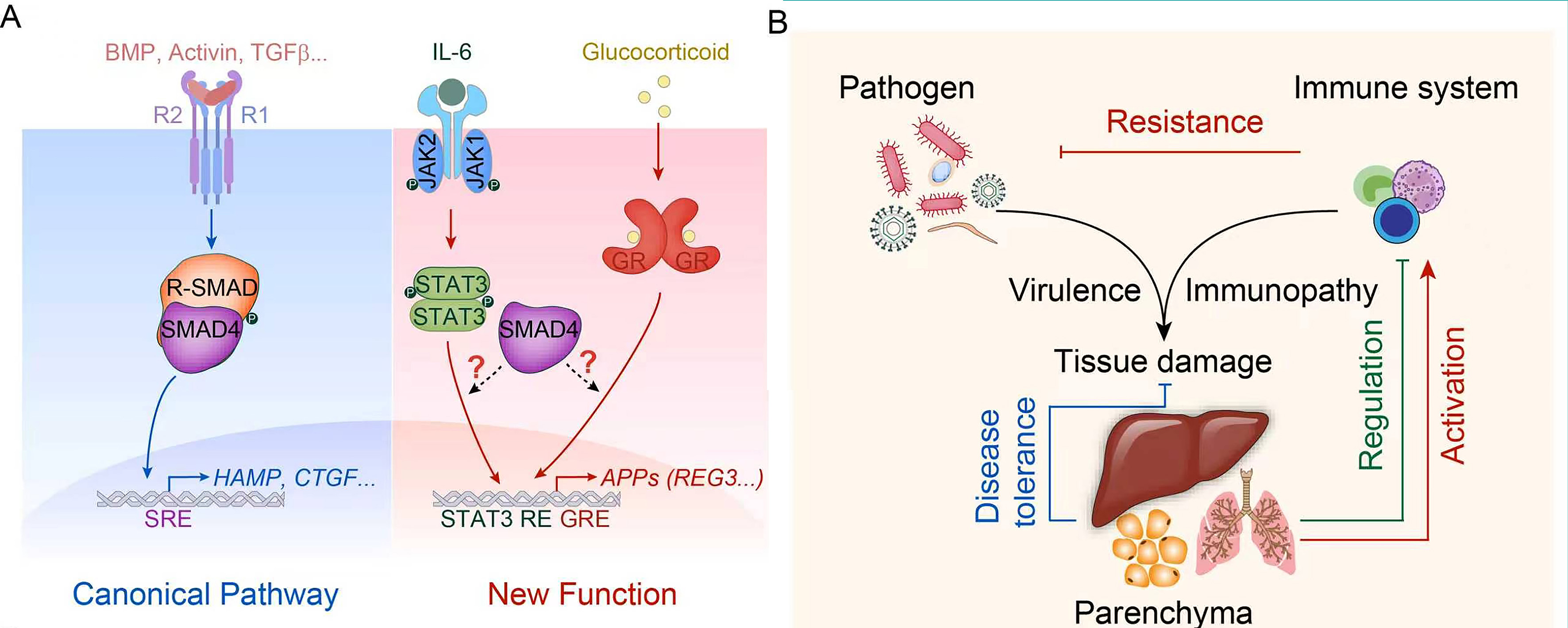
Figure 1. Canonical and non-canonical SMAD4 signaling in host defense against bacterial infection.
(A) Scheme of SMAD4 pathway. The left panel illustrates the central role of SMAD4 in the canonical TGF-β signaling pathway, in which TGF-β superfamily ligands (BMP, Activin, and TGF-β) activate the SMAD complex and drive transcriptional programs for tissue repair and iron homeostasis. The right panel depicts one new function of SMAD4, whereby SMAD4 orchestrates inflammation-elicited STAT3 and GR signaling to enable transcription of APPs such as REG3 proteins; (B) Schematic overview depicting functional relationships among pathogens, immune-cell responses, and parenchymal-tissue outputs during bacterial infection. BMP: Bone morphogenetic protein; TGF-β: transforming growth factor beta; HAMP: hepcidin antimicrobial peptide; CTGF: connective tissue growth factor; SRE: Smad-responsive element; R-SMAD: receptor-regulated Sma and Mad-related protein; IL-6: interleukin-6; STAT3: signal transducer and activator of transcription 3; JAK1: Janus kinase 1; GR: glucocorticoid receptor; APPs: acute-phase proteins; REG3: regenerating islet-derived 3; GRE: glucocorticoid-responsive element.

