

fig1
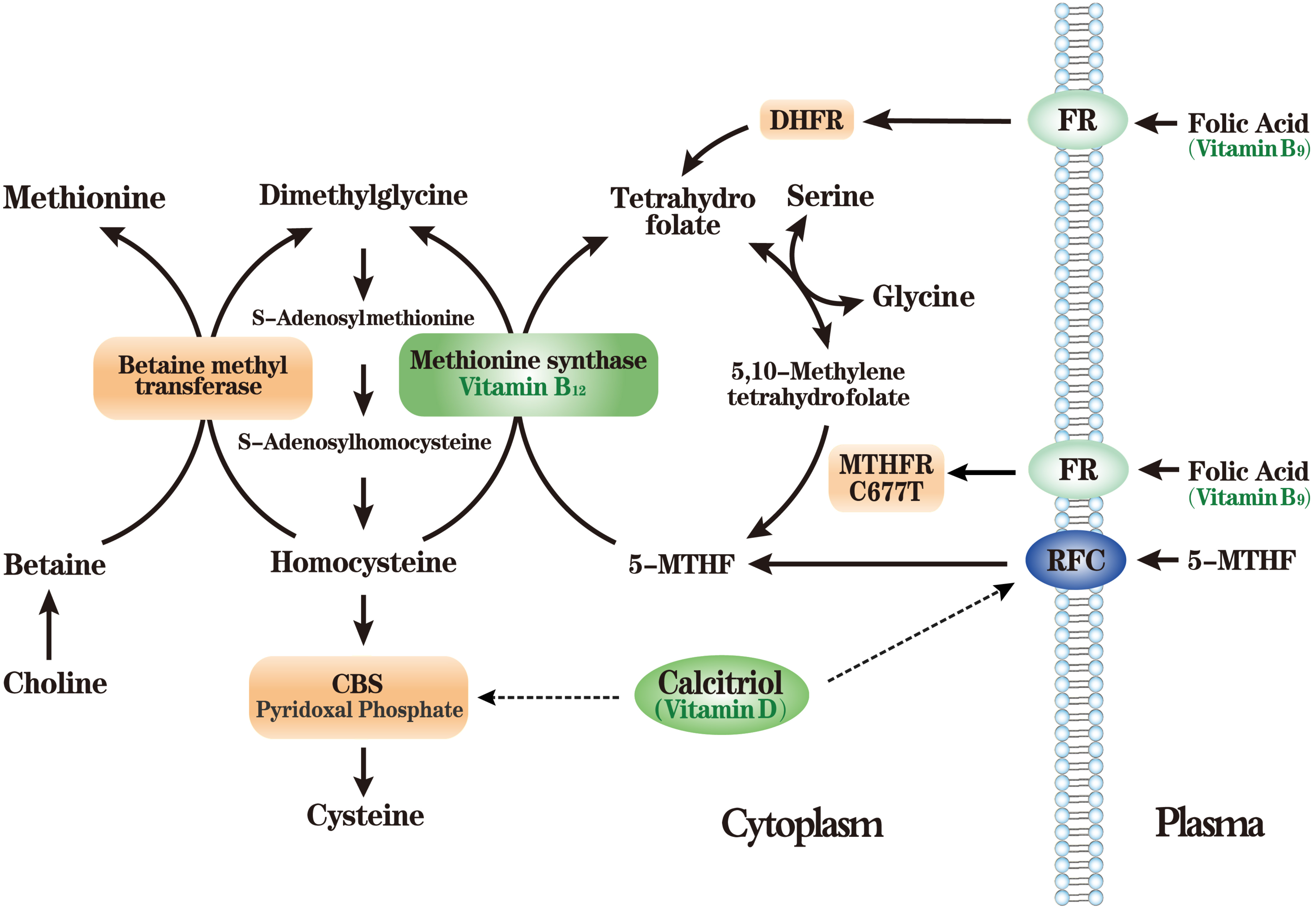
Figure 1. Overview of one-carbon metabolism and the folate cycle.
One-carbon metabolism primarily comprises the folate and homocysteine cycles. Plasma folate enters cells via the folate receptor and is converted to tetrahydrofolate by dihydrofolate reductase. Tetrahydrofolate is then transformed into 5,10-methylenetetrahydrofolate, which is subsequently converted by methylenetetrahydrofolate reductase into 5-methyltetrahydrofolate. 5-MTHF provides a methyl group for the methionine synthase-catalyzed remethylation of homocysteine to methionine, a reaction requiring vitamin B12 as a cofactor. 5-MTHF enters cells via the reduced folate carrier. Betaine, the end product of choline oxidation, serves as an alternative methyl donor for homocysteine remethylation catalyzed by betaine-homocysteine methyltransferase. In the transsulfuration pathway, cystathionine β-synthase, with vitamin B6 as a coenzyme, catalyzes the production of cysteine. Annotations: (1) Folate as an inhibitor of MTHFR; (2) Calcitriol as an enhancer of RFC activity; (3) Calcitriol as an activator of CBS. 5-MTHF: 5-methyltetrahydrofolate; BHMT: betaine-homocysteine methyltransferase; CBS: cystathionine β-synthase; DHFR: dihydrofolate reductase; FR: folate receptor; MTHFR: methylenetetrahydrofolate reductase; MTR: methionine synthase; RFC: reduced folate carrier.