

A precision nutrition framework for chronic disease prevention in China
Abstract
The escalating burden of chronic non-communicable diseases, including stroke, hypertension, diabetes, and chronic kidney disease, represents a critical public health challenge in China. Traditional dietary guidelines, based on population averages, fail to account for the substantial heterogeneity in genetics, metabolism, and lifestyle that influences individual responses to nutrients. This review synthesizes evidence from large-scale Chinese cohorts and complementary international studies to advocate for a paradigm shift toward precision nutrition. We first examine relationships between dietary patterns and specific foods and chronic disease risk, then deconstruct these associations to the level of individual nutrients. A key finding is the widespread presence of non-linear (U-shaped or J-shaped) dose-response curves, which define individualized optimal intake ranges rather than universal targets for nutrients such as zinc, copper, phosphorus, and various vitamins. Central to this discussion is the one-carbon metabolism network, which integrates nutrients including folate, vitamin B12, and vitamin D with risks of stroke, hypertension, diabetes, and chronic kidney disease - illustrating the critical role of nutrient-gene interactions. To translate these insights into practice, we propose a technology-driven framework combining multi-omics phenotyping, artificial intelligence for dynamic risk stratification, and integrated data platforms. We contextualize this framework within global advances, including insights from the 2025 U.S. Dietary Guidelines, and delineate core molecular mechanisms underlying nutrient-disease relationships. Ultimately, this review provides a scientifically rigorous blueprint for advancing chronic disease prevention in China from generalized dietary recommendations to personalized, evidence-based precision nutrition.
Keywords: Precision nutrition, chronic disease prevention, multi-omics, artificial intelligence, one-carbon metabolism
Highlights
• Systematic evidence reveals widespread U-shaped/J-shaped relationships between nutrient intake and chronic disease risk in China, shifting the paradigm from universal targets to personalized optimal ranges.
• A translational framework is proposed that integrates multi-omics phenotyping, artificial intelligence, and digital health technologies to enable dynamic and individualized nutrition management.
• The review bridges epidemiological findings with molecular mechanisms, including one-carbon metabolism and nutrient-gene interactions, to explain the scientific basis of precision nutrition.
• Insights from the 2025 U.S. Dietary Guidelines on life-stage and individualized nutrition are contextualized for adaptation within Chinese public health and clinical practice.
INTRODUCTION: THE IMPERATIVE FOR PRECISION NUTRITION IN CHINA’S EVOLVING HEALTH LANDSCAPE
Chronic diseases, including stroke, hypertension, type 2 diabetes mellitus (T2DM), and chronic kidney disease (CKD), constitute the foremost cause of mortality and disability-adjusted life years in China, presenting a formidable challenge to its healthcare system and socio-economic development[1]. While concerted efforts have achieved progress in controlling conventional risk factors such as hypertension and hyperglycemia, a significant proportion of individuals continue to face substantial “residual risk” following standard management. This persistent risk underscores the existence of complex, individualized pathogenic pathways that extend beyond traditional therapeutic targets. Nutrition, as a fundamental and modifiable environmental determinant, plays a pivotal role that transcends the simplistic paradigm of merely correcting deficiencies.
The landmark China Stroke Primary Prevention Trial (CSPPT) - a large-scale, randomized, double-blind, controlled trial - provided the highest level of causal evidence for nutrient-based intervention, demonstrating that folic acid supplementation conferred an additional 21% reduction in first stroke risk among adults with hypertension[2]. Crucially, post-hoc analyses revealed profound heterogeneity in this benefit; the protective effect was markedly amplified in the subgroup of participants with the MTHFR 677 TT genotype and low baseline folate levels[2,3]. This finding offers a quintessential illustration of the intricate “gene-nutrient-disease” triad and exposes the inherent limitations of universal, non-stratified supplementation strategies. Concurrently, evidence from large-scale prospective cohorts is reshaping our understanding of nutrient physiology. For many essential elements, such as zinc, copper, and phosphorus, dietary intake exhibits U-shaped or J-shaped associations with the risk of hypertension and diabetes, indicating the presence of a personalized “optimal physiological window” where both insufficiency and excess can elevate disease risk[2-5]. These ubiquitous non-linear relationships fundamentally challenge the conventional binary classification of nutrients as categorically “beneficial” or “harmful.”
Collectively, these insights herald a necessary paradigm shift in chronic disease prevention: a move from population-oriented, homogeneous strategies to individual-centered, precision approaches. Precision Nutrition emerges as the cornerstone of this new paradigm. Its core premise is the systematic integration of multi-dimensional personal data, spanning genomics, metabolomics, gut microbiome, clinical phenotypes, and detailed lifestyle exposures, to construct a dynamic and holistic health profile. This integrated profile enables the formulation of tailored, evidence-based, and dynamically adaptable nutritional interventions designed to maximize preventive efficacy for the individual. This review synthesizes the evolving evidence landscape from primary Chinese studies and complementary international data, constructs a mechanistic model of nutrient-disease interactions, and proposes a scalable, technology-driven precision nutrition framework specifically designed to address the unique public health challenges and opportunities in China.
The review proceeds as follows: Section 2 presents the hierarchical evidence from dietary patterns to micronutrients; Section 3 elucidates the core molecular mechanisms underlying these observations; Section 4 contextualizes the framework within the 2025 U.S. Dietary Guidelines; Section 5 outlines a five-dimensional technological implementation framework; and Sections 6-7 discuss public health implications, challenges, and future directions.
THE HIERARCHICAL EVIDENCE LANDSCAPE: FROM DIETARY PATTERNS TO MICRONUTRIENTS
Dietary patterns and specific foods: the foundational layer of chronic disease risk modulation
The overall health impact of diet is best understood at the level of comprehensive dietary patterns and specific food groups, which constitute the complex matrix within which nutrients interact and exert their effects.
Overall dietary quality: patterns as primary predictors
Adherence to a high-quality dietary pattern consistently demonstrates a stronger association with long-term health outcomes than any isolated nutrient. A higher PURE Healthy Diet Score, characterized by abundant intake of fruits, vegetables, nuts, legumes, fish, and whole-fat dairy, is significantly associated with a lower risk of incident CKD. Notably, Genetic risk of CKD, DASH, aMed, AHEI-2010, and hPDI did not significantly modify the association between PURE score and incident CKD[6]. Conversely, pro-inflammatory and pro-oxidant diets synergistically increase CKD risk, particularly in the early Cardiovascular-Kidney-Metabolic (CKM) stages, while anti-inflammatory/antioxidant diets confer protection via multi-omics pathways linked to lipid metabolism and the extracellular matrix[7]. These findings advocate for CKM stage-specific dietary interventions and integration of multi-omics biomarkers into CKD prevention.
Beverage consumption, sweeteners, and disease risk: the critical role of preparation
The health impact of widely consumed beverages such as coffee and tea is highly nuanced and depends critically on the presence or absence of added sweeteners.
For coffee, regardless of preparation type (instant or ground) or the addition of milk, moderate consumption of unsweetened coffee (1-4 drinks per day) is associated with a lower risk of new-onset hypertension. Conversely, the same protective association is not observed for sweetened coffee[8]. Likewise, moderate intake (2-3 drinks per day) of unsweetened coffee, with or without milk, is linked to a reduced risk of new-onset acute kidney injury (AKI), an effect that persists across different coffee types and is not significantly modified by genetic variation in caffeine metabolism[9].
A similar pattern emerges for tea: consumption of unsweetened tea, whether plain or with milk, is associated with a lower risk of venous thromboembolism (VTE). However, tea with added sweeteners shows no significant protective association, and genetic differences in caffeine metabolism do not substantially alter these relationships[10].
These findings underscore a key public health insight: the health effects of coffee and tea appear to be strongly modulated by the addition of sugar or artificial sweeteners, independent of genetic background or specific beverage subtype.
Other key food groups
• Fish oil and marine omega-3 fatty acids: Habitual fish oil supplementation is associated with a lower risk of new-onset CKD and kidney stones. For kidney stones, this protective association appears most pronounced in individuals with a low or intermediate genetic predisposition, suggesting a targeted benefit[11,12]. These findings are corroborated by consistent inverse relationships between higher fish consumption, higher circulating omega-3 polyunsaturated fatty acid (PUFA) concentrations, and reduced CKD risk[12].
• Fruit intake: Both the quantity and diversity of fruit consumption confer benefits for kidney health. Higher intake of total fruits, citrus fruits, and berries is significantly associated with a reduced risk of incident CKD. Metabolomic studies have identified specific plasma metabolite profiles - including levels of 3-hydroxybutyrate, fatty acid desaturation indices, and omega-3 fatty acid percentages - as significant mediators of these protective associations, linking dietary intake to downstream metabolic changes[13]. Regarding kidney stones, higher intake of citrus fruits, pome fruits (e.g., apples), and tropical fruits, as well as greater diversity across these three categories, are associated with a lower risk of new-onset kidney stones[14].
• Ultra-processed foods and added salt: High intake of ultra-processed foods (UPFs) is linked to an increased risk of CKD, with a more pronounced detrimental effect observed in individuals with diabetes[15]. Separately, the seemingly simple behavior of adding salt to food at the table exhibits a direct, dose-dependent association with the long-term risk of microvascular, cerebrovascular, and cardiovascular diseases, reinforcing the importance of discretionary sodium reduction[16].
• Food group diversity: Extending beyond the effects of any single food or beverage, a broader principle emerges: greater dietary diversity across food groups itself serves as an independent protective factor. Epidemiological evidence consistently demonstrates that a higher variety within overall food intake is independently associated with a reduced risk of new-onset hypertension and type 2 diabetes[17,18]. This suggests that the synergistic interactions among a wide array of nutrients and bioactive compounds, inherent in a varied diet, contribute to metabolic resilience beyond what can be achieved by focusing on isolated dietary components.
Macronutrients: source, quality, and diversity become the new focus
Protein
The research focus has shifted from merely total intake to source and quality. Recent evidence indicates that consuming a greater variety of protein sources is associated with a lower risk of new-onset hypertension[19] and new-onset diabetes[20]. Specific circulating amino acid profiles have also been found to be closely associated with the presence and progression of CKD[21].
Dietary fiber
Particularly insoluble dietary fiber, both the variety and total amount of its intake have been shown to be independent protective factors against new-onset hypertension[22] and new-onset diabetes[23].
Carbohydrates
The association of carbohydrates with chronic diseases exhibits a clear dual regulatory characteristic involving both “quantity” and “quality.” The percentage of energy from total carbohydrate intake shows significant U-shaped associations with the risk of new-onset diabetes[24] and new-onset hypertension[25], with the lowest risk observed at 49%-56% and 50%-55% of energy from carbohydrates, respectively. Simultaneously, the quality of carbohydrates profoundly influences their health effects. Intake of low-quality carbohydrates is not only associated with an increased risk of the aforementioned metabolic diseases but also shows a significant positive correlation with accelerated cognitive decline in the elderly. In contrast, increasing the intake of high-quality carbohydrates demonstrates a protective effect[26]. These findings collectively establish a core principle: based on maintaining total carbohydrate intake within an appropriate range (approximately 50%-55% of energy), prioritizing high-quality sources and limiting low-quality carbohydrates is a key dietary strategy for preventing metabolic diseases and maintaining cognitive health.
Vitamins: from deficiency correction to homeostatic optimization
One-carbon metabolism-related nutrients: a network system requiring coordinated regulation
As the core cofactor of one-carbon metabolism, folate’s role extends beyond simply lowering homocysteine (Hcy). Research indicates that natural food folate and synthetic folic acid may have differential long-term health outcomes; for example, their intake shows different relationships with all-cause mortality in individuals with CKD[27]. This suggests that the “form” of a nutrient is also important. More crucially, folate’s metabolic efficacy does not exist in isolation but is tightly regulated by both genetic and nutritional synergy. Vitamin B12 is not only a cofactor for methionine synthase; its deficiency can lead to a “methyl folate trap,” rendering folate supplementation ineffective unless B12 is also addressed[28]. The role of vitamin D is even more profound. Studies have found that it can directly enhance intestinal folate absorption and folate transport across the blood-brain barrier by upregulating the expression of the proton-coupled folate transporter (PCFT) and the reduced folate carrier (RFC)[29]. An animal study further demonstrated that combined supplementation of vitamin D, folate, and B12 could synergistically reverse learning and memory impairment induced by vitamin D deficiency by modulating 27-hydroxycholesterol and S-adenosylmethionine levels[30]. Collectively, this evidence indicates that one-carbon metabolism is a networked system requiring precise coordination and dynamic balance among multiple nutrients, where a deficiency in any component can impact overall health outcomes.
Vitamins and health outcomes: from deficiency correction to homeostatic balance
The role of vitamins extends far beyond the prevention of classical deficiency diseases, with modern epidemiology revealing complex, non-linear, and condition-specific associations with chronic disease risk.
Vitamin E and tocopherol isoforms: divergent associations by form and context
The relationship between vitamin E and health is highly nuanced, varying by its chemical form (tocopherol isoform), outcome, and population context.
• Blood pressure and kidney disease: In the general Chinese population, dietary vitamin E intake exhibits a reverse J-shaped association with new-onset hypertension[31]. In patients with hypertension, higher plasma vitamin E levels are significantly associated with a lower risk of developing proteinuria[32]. Regarding CKD, an L-shaped association is observed between total dietary vitamin E intake and CKD progression, indicating a threshold of benefit[33]. However, different tocopherol isoforms show distinct patterns: beta-tocopherol shows an L-shaped association, gamma-tocopherol a reverse J-shaped association, delta-tocopherol a U-shaped association, and alpha-tocopherol no significant association with CKD progression[33,34].
• Stroke and cancer: The association appears sex-specific for stroke, with a positive association between plasma vitamin E and first stroke risk observed in hypertensive men but not women[35]. For cancer, a critical interaction with selenium status is evident: high vitamin E levels decrease the risk of gastrointestinal cancer in individuals with high selenium levels but may increase the risk of non-gastrointestinal cancer in those with low selenium levels[36].
Vitamin A/retinol: a tale of two forms and non-linear risks
The health effects of vitamin A differ markedly between dietary intake and circulating retinol levels, often following non-linear patterns.
• Diet vs. circulating levels: Higher dietary vitamin A intake shows an L-shaped (inverse) association with new-onset hypertension[37]. In contrast, circulating plasma retinol levels exhibit a U-shaped association with all-cause mortality in hypertensive patients, indicating risks at both low and high extremes[38].
• Disease-specific associations: For cancer, the relationship is organ-system dependent. A significant inverse dose-response association exists between plasma retinol and digestive system cancers, while a U-shaped association is observed for non-digestive cancers[39]. Furthermore, higher plasma retinol is inversely associated with the risk of first stroke in hypertensive adults[40].
B vitamins: non-linearities challenge “more is better” assumptions
• Vitamin B1 (Thiamine): Exhibits a U-shaped association with new-onset hypertension, where both insufficient and excessive intake are linked to higher risk[41]. A similar U-shaped relationship exists between thiamine intake and cognitive decline in the elderly, defining an optimal intake window for neurological health[42].
• Vitamin B2 (Riboflavin): Shows a significant inverse linear association with new-onset hypertension, suggesting a protective role in redox and methylation pathways involved in blood pressure regulation[43].
• Vitamin B3 (Niacin): Demonstrates a J-shaped association with hypertension risk, where moderate intake is associated with the lowest risk, but very high intake may be detrimental[44]. This underscores that even water-soluble vitamins do not follow a simplistic “more is better” rule.
Vitamin D: a pleiotropic hormone at the nexus of chronic disease networks
Vitamin D’s role extends far beyond mineral homeostasis, with its status influencing a wide array of chronic conditions in a manner modified by genetics and comorbidities.
• Broad disease associations: Lower serum 25-hydroxyvitamin D [25(OH)D] levels are associated with increased risk of new-onset CKD[45], abdominal aortic aneurysm[46], severe liver disease[47], dementia[48], and obstructive sleep apnea (particularly in individuals with obesity)[49]. Lower plasma 25(OH)D is also linked to higher total cancer risk in hypertensive adults[50].
• Gene-nutrient interactions: Genetic polymorphisms in the vitamin D receptor (VDR) and vitamin D-binding protein (GC) genes significantly modify the strength of association between 25(OH)D levels and disease risk, such as for dementia[48] and venous thromboembolism[51].
• Context and synergy: Vitamin D status, along with sun exposure and dietary intake, also influences the risk of acute kidney injury[52] and new-onset proteinuria in hypertension[53]. This extensive evidence positions vitamin D as a central pleiotropic regulator. Consequently, its supplementation strategy must be personalized, integrating individual serum levels, clinical context (e.g., diabetes status), and genetic susceptibility to achieve precise benefit.
Metal elements: redefining the “safe and optimal” range through non-linear dynamics
Breakthrough research consistently demonstrates that the relationship between trace element exposure and health outcomes is predominantly non-linear, characterized by U-shaped, J-shaped, or L-shaped dose-response curves. These findings fundamentally redefine the concept of a “safe range” to that of a personalized “optimal physiological window.”
Zinc (Zn): complex dose-response relationships shaped by outcome and matrix
Zinc demonstrates complex, non-linear relationships with health outcomes that vary by both the specific endpoint and the exposure matrix (diet vs. plasma).
• J-shaped association with incident cardiometabolic diseases: Nationwide cohort studies consistently report J-shaped associations between dietary zinc intake and the risk of new-onset hypertension[4] and type 2 diabetes[5], indicating an optimal range where both deficiency and excess confer risk.
• Inverse association with disease progression and complications: In contrast, among individuals with established hypertension, higher plasma zinc concentration is associated with better outcomes, showing an inverse linear association with the development of proteinuria (a marker of renal damage)[54] and the risk of first hemorrhagic stroke[55]. This suggests that once disease is present, adequate zinc status may be protective against progression and severe complications.
• Potential linear benefit for neurological health: For cognitive aging, higher dietary zinc intake is associated with a lower risk of cognitive decline in older adults[56], pointing to a potential linear, beneficial role in maintaining neurological function.
Copper (Cu): widespread non-linear associations across outcomes
Copper intake demonstrates some of the most consistent non-linear patterns across diverse endpoints:
• Kidney and metabolic health: Dietary copper shows a U-shaped association with new-onset CKD[57] and new-onset hypertension[58].
• Mortality and cognitive function: The relationship with all-cause mortality follows a J-shaped curve[59], while its association with cognitive decline in the elderly is non-linear and inverse, with an inflection point around 1.3 mg/day[60].
• Stroke risk: In hypertensive patients, higher plasma copper concentration is positively associated with the risk of first stroke, particularly among individuals with higher BMI[61].
Phosphorus: a U-shaped relationship with metabolic disorders
Dietary phosphorus intake exhibits typical U-shaped associations with the risk of new-onset hypertension[2] and type 2 diabetes[3], establishing an optimal intake range. Furthermore, higher serum phosphate is an independent risk factor for new-onset hyperuricemia[62], suggesting a pathophysiological link between phosphorus metabolism and purine metabolism disorders.
Selenium (Se): dual roles as antioxidant and metabolic modulator
As a key antioxidant component of glutathione peroxidases, higher plasma selenium levels are consistently associated with a lower risk of first ischemic stroke[63,64]. Paradoxically, in the context of diabetes, higher plasma selenium has been associated with an increased risk of new-onset diabetes among hypertensive patients[65], highlighting a potential dual role that may depend on metabolic status.
Manganese (Mn): divergent effects mediated by metabolic context
The health associations of manganese are highly context-dependent, often mediated by obesity and inflammatory status:
• Hypertension: In the general population, higher dietary manganese intake is positively associated with new-onset hypertension[66].
• CKD and thrombosis in diabetes: Among individuals with poorly controlled diabetes, higher manganese intake is associated with a lower risk of new-onset CKD, an effect largely mediated by reduced obesity[67]. Similarly, higher manganese intake is inversely associated with incident venous thromboembolism (VTE), primarily mediated through lower obesity and inflammatory biomarkers[68].
Magnesium (Mg): a potential U-shaped curve for cancer risk
Magnesium demonstrates a U-shaped association with cancer risk, where both low and high plasma concentrations are linked to an increased incident risk[69]. Conversely, higher plasma magnesium is associated with a decreased risk of new-onset hyperuricemia in hypertensive adults[70].
Iron (Fe): intake form dictates the shape of association with hypertension
The association between iron intake and hypertension varies by its dietary form. Total and non-heme iron intake exhibit a U-shaped relationship, whereas heme iron (primarily from meat) shows an L-shaped (inverse) association with new-onset hypertension[71]. This underscores the importance of distinguishing between iron sources in nutritional epidemiology.
Methodological note on evidence interpretation
The observational cohort studies cited throughout this section - including those demonstrating U-shaped, J-shaped, or L-shaped dose-response relationships - are subject to inherent limitations, including residual confounding, reverse causality, and potential assembly bias. Accordingly, we do not claim that observational data alone establish causality. Rather, we present these consistent non-linear patterns as hypothesis-generating epidemiological signals that, when integrated with: (1) evidence from randomized controlled trials (e.g., the CSPPT for folate); (2) mechanistic insights from molecular pathways (Section 3); and (3) consistency across multiple independent cohorts and diverse nutrients, collectively build a compelling case for revisiting the “one-size-fits-all” paradigm. Definitive validation of precision nutrition strategies will require large-scale, long-term RCTs with hard clinical endpoints, a limitation explicitly acknowledged in Section 6.
Clarification on dose-response patterns
The studies cited in this section include both non-linear (U-shaped, J-shaped, L-shaped) and linear (inverse or positive) associations. While non-linear patterns most directly illustrate the concept of a “personalized optimal physiological window,” linear associations are not contradictory to precision nutrition. In either case, the health effect of a nutrient depends on an individual’s baseline status, genetic background, or metabolic context - reinforcing the need for individualized rather than universal recommendations.
INTEGRATING THE EVIDENCE: CORE MOLECULAR MECHANISMS OF NUTRIENT ACTION
The intricate, non-linear associations between nutrients and chronic disease risk, as detailed in Section 2, are not mere statistical observations. They are the emergent phenotypes of complex, dynamic biological systems. To translate these epidemiological findings into actionable precision interventions, we must understand the underlying molecular logic. A systems biology perspective reveals that nutrients exert their effects through interconnected core pathways governing cellular homeostasis. The disruption of these pathways provides the mechanistic basis for disease, while their targeted nutritional support forms the rationale for precision prevention.
The one-carbon metabolism hub: the epigenetic interface of gene-nutrient interaction
The one-carbon metabolism network serves as the archetypal model for precision nutrition, directly explaining the critical gene-nutrient interactions observed for folate and vitamin B12. This biochemical hub integrates dietary folate, vitamins B12, B2, choline, and betaine to drive three fundamental processes[72]: (1) Nucleotide Synthesis for DNA replication and repair; (2) Methylation Reactions via S-adenosylmethionine (SAM), the universal methyl donor for epigenetic regulation; and (3) Redox Balance through glutathione regeneration.
The efficiency of this system is exquisitely sensitive to genetic variation, most notably the MTHFR C677T polymorphism. The TT genotype encodes a thermolabile enzyme with markedly reduced activity, creating a metabolic bottleneck that limits the production of 5-methyltetrahydrofolate (5-MTHF). This leads to elevated homocysteine and a diminished SAM:SAH ratio, a biochemical state termed “methylation stress.” This mechanism directly explains the stratified benefits seen in major trials such as the CSPPT, where folic acid supplementation’s protective effect against stroke was concentrated almost exclusively in MTHFR 677TT individuals with low baseline folate levels. It validates the precision strategy of using the end-product 5-MTHF (L-methylfolate) to bypass this genetic defect. Furthermore, the network demonstrates absolute interdependence; vitamin B12 deficiency triggers a “methyl-folate trap,” rendering isolated folate supplementation metabolically ineffective. This underscores that true precision requires viewing and therapeutically supporting this pathway as an integrated biochemical system, not a collection of isolated nutrients. See Figure 1.
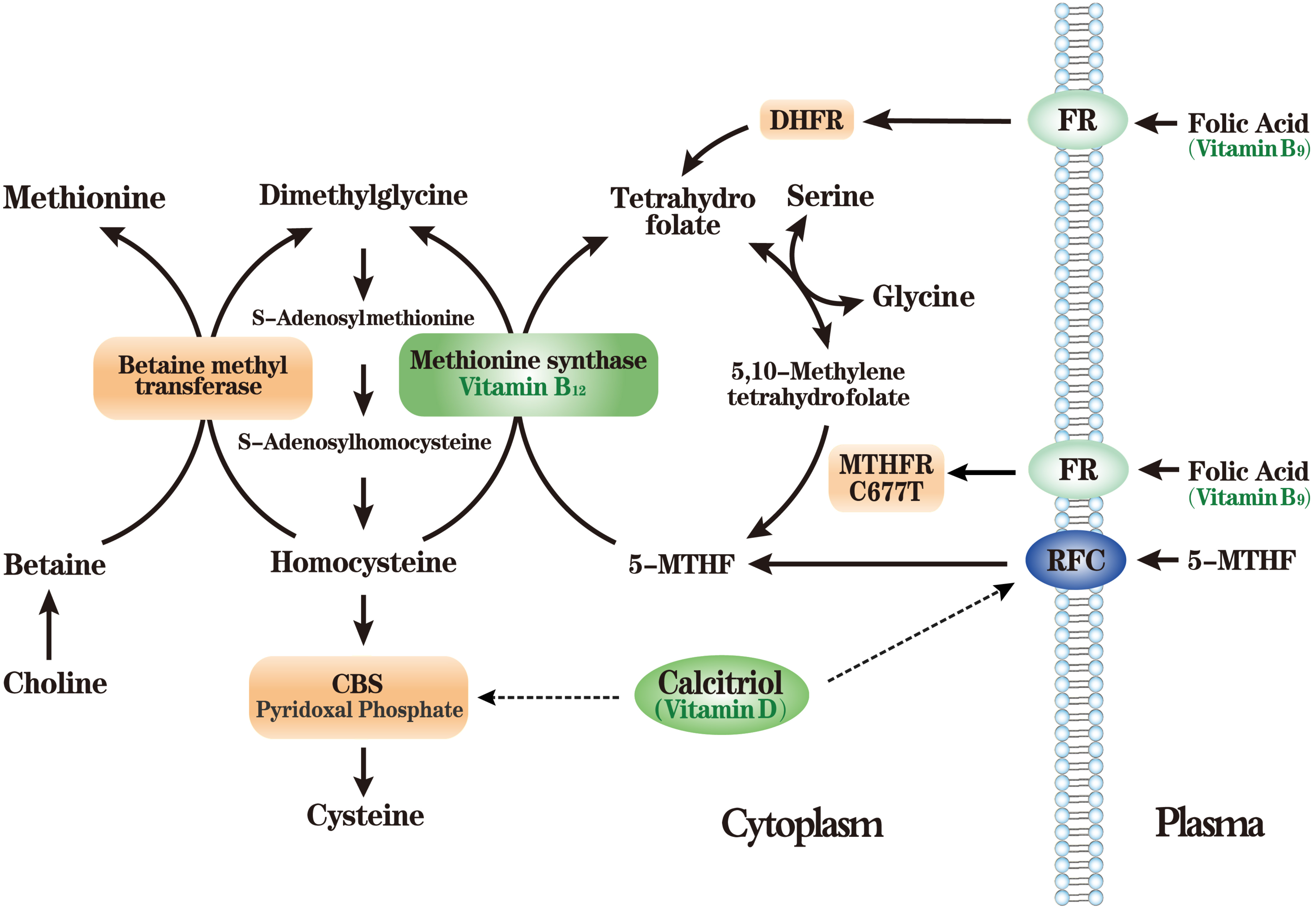
Figure 1. Overview of one-carbon metabolism and the folate cycle.
One-carbon metabolism primarily comprises the folate and homocysteine cycles. Plasma folate enters cells via the folate receptor and is converted to tetrahydrofolate by dihydrofolate reductase. Tetrahydrofolate is then transformed into 5,10-methylenetetrahydrofolate, which is subsequently converted by methylenetetrahydrofolate reductase into 5-methyltetrahydrofolate. 5-MTHF provides a methyl group for the methionine synthase-catalyzed remethylation of homocysteine to methionine, a reaction requiring vitamin B12 as a cofactor. 5-MTHF enters cells via the reduced folate carrier. Betaine, the end product of choline oxidation, serves as an alternative methyl donor for homocysteine remethylation catalyzed by betaine-homocysteine methyltransferase. In the transsulfuration pathway, cystathionine β-synthase, with vitamin B6 as a coenzyme, catalyzes the production of cysteine. Annotations: (1) Folate as an inhibitor of MTHFR; (2) Calcitriol as an enhancer of RFC activity; (3) Calcitriol as an activator of CBS. 5-MTHF: 5-methyltetrahydrofolate; BHMT: betaine-homocysteine methyltransferase; CBS: cystathionine β-synthase; DHFR: dihydrofolate reductase; FR: folate receptor; MTHFR: methylenetetrahydrofolate reductase; MTR: methionine synthase; RFC: reduced folate carrier.
The redox homeostasis network: deciphering the u-shaped curves of metal elements
The widespread U-shaped and J-shaped associations for trace elements like zinc, selenium, and copper find their mechanistic root in the fundamental biology of redox homeostasis. Cellular defense against oxidative stress is orchestrated by the Nrf2-Keap1 signaling axis. Under oxidative challenge, Nrf2 translocates to the nucleus and activates the transcription of a comprehensive suite of cytoprotective genes encoding antioxidant and phase II detoxification enzymes.
The functionality of this defense apparatus is fundamentally dependent on specific micronutrient cofactors. Selenium is an integral component of the active site of glutathione peroxidases (GPx), while zinc serves as both a structural and catalytic component of superoxide dismutase (SOD). Beyond its enzymatic role, zinc also functions as a direct signaling molecule that can stabilize Nrf2 by modifying its inhibitor, Keap1.
This coherent framework provides a powerful explanation for the non-linear dose-response relationships observed in population studies:
• Deficiency state: Inadequate intake impairs the synthesis, stability, or catalytic activity of these critical antioxidant enzymes. For example, low selenium leads to reduced GPx activity, crippling the cell’s capacity to neutralize lipid hydroperoxides and hydrogen peroxide. This leaves cellular components vulnerable to oxidative damage, a key initiating factor in the pathogenesis of chronic diseases.
• Excess state: Supra-nutritional intakes disrupt the delicate physiological balance. Excessive zinc supplementation can induce a functional copper deficiency by upregulating the synthesis of metallothionein, a protein that sequesters copper with high affinity. This, in turn, impairs vital copper-dependent enzymes involved in mitochondrial respiration (cytochrome c oxidase) and neurotransmitter synthesis. Similarly, very high selenium intake may lead to the misincorporation of selenocysteine into non-specific proteins or promote the generation of reactive selenide intermediates with pro-oxidant potential.
Consequently, the empirically defined “optimal window” for these trace elements represents the specific concentration range that maximally supports the endogenous, Nrf2-mediated antioxidant response without triggering counterproductive pro-oxidant side effects or disrupting the homeostasis of other essential metals. This principle extends logically to iron metabolism, where its characteristic U-shaped risk curve is governed by the hepcidin-ferroportin regulatory axis. This system balances the risks of iron-deficiency anemia against those of iron overload, where excess catalytic iron fuels the Fenton reaction, generating highly destructive hydroxyl radicals.
Nutrient-gene interactions in metabolic regulation
Beyond redox balance, nutrients interface with metabolic regulation through specific molecular pathways. The role of vitamin D exemplifies this principle. Vitamin D, via its nuclear receptor (VDR), functions as a pleiotropic transcription factor regulating hundreds of genes involved in calcium-phosphorus homeostasis, immune modulation, and cell proliferation. Polymorphisms in the VDR gene significantly alter the receptor’s affinity for its ligand or its transcriptional activity, thereby modifying an individual’s biological response to a given serum 25-hydroxyvitamin D level. This gene-nutrient interaction mechanistically explains why the association between vitamin D status and disease outcomes (e.g., dementia, venous thromboembolism) varies across genetic subgroups. Similarly, the interaction between folate and the MTHFR genotype in the one-carbon metabolism pathway dictates individual requirements for folate form and dosage to effectively lower homocysteine and support methylation. These examples highlight that the metabolic efficacy of a nutrient is not determined solely by its intake or blood concentration, but by the functional state of its molecular targets, which are genetically encoded.
Conclusion of mechanisms section
The core pathways of one-carbon metabolism, redox regulation, and nutrient-sensitive gene regulation are deeply interconnected. The non-linear, context-dependent associations consistently observed in nutritional epidemiology are the direct phenotypic readouts of the biological thresholds, feedback loops, and gene-nutrient interactions inherent to these networks. Therefore, the implementation of effective precision nutrition rests on two pillars: first, the use of advanced diagnostic tools (e.g., genomics, targeted metabolomics) to identify an individual’s specific metabolic “blockage” or genetic predisposition; and second, the application of interventions guided by the principles of biochemical stoichiometry and pathway-aware supplementation. This represents a decisive transition from the outdated, reductionist paradigm of isolated nutrient repletion towards a sophisticated, systems-based approach to nutritional health.
INSIGHTS FROM THE 2025 U.S. DIETARY GUIDELINES: PRECISION INNOVATION AND IMPLICATIONS FOR HEALTHY AGING
The molecular principles of nutrient-gene interactions and pathway-specific requirements, established in Section 3, find their policy-level counterpart in the latest U.S. Dietary Guidelines. The 2025-2030 Dietary Guidelines for Americans (DGA) represents a significant evolution from a “one-size-fits-all” public health nutrition approach toward a more personalized, life-stage-oriented, and stratified practical framework[73]. Its core philosophy strongly aligns with and complements the precision nutrition framework proposed in this review, which is grounded in evidence from Chinese populations. Together, they outline a future vision for chronic disease prevention and nutrition management in healthy aging.
Conceptual synergy: from acknowledging heterogeneity to building a stratified framework
The foundation of the new DGA is its explicit recognition and response to individual and life-stage heterogeneity. It begins by emphasizing that “calorie needs depend on your age, sex, height, weight, and level of physical activity.” This perfectly echoes the core scientific reality revealed in Sections 2 of this review: ubiquitous non-linear (U- or J-shaped) relationships between nutrient intake and health outcomes, whose effects are profoundly modified by genotype (e.g., MTHFR, VDR polymorphisms) and metabolic context (e.g., obesity, diabetes status). Placing “Eat the Right Amount for You” at the forefront represents a policy-level rejection of the universality of single-nutrient recommended intakes, fully consistent with the concept of a “personalized optimal physiological window” argued in this review.
The Guidelines systematically detail nutritional priorities from infancy to older adulthood, notably including a dedicated section on “Older Adults.” It highlights that while calorie needs may decrease with age, requirements for key nutrients such as protein, vitamin B12, vitamin D, and calcium remain the same or even increase. This aligns precisely with the complex nutrient dynamics described in Sections 2.3 and 2.4 regarding aging populations, such as the roles of vitamin D in dementia risk, and zinc in cognitive function, creating a direct link between “policy needs” and “scientific mechanisms.” The DGA’s specific considerations for “Individuals with Chronic Disease” and “Vegetarians & Vegans” further reinforce the necessity, proposed in this review, for “precision interventions based on risk stratification and physiological status.”
Mutual validation in practice: deepening consensus from food matrix to nutrient quality
In specific dietary recommendations, the DGA 2025-2030 shows remarkable consistency with epidemiological evidence from Chinese cohorts, jointly shifting the focus of nutritional guidance from simple food categories to deeper aspects of food quality and dietary patterns.
Stringent limits on ultra-processed foods, advocacy for “real food”
The Guidelines elevate “dramatic reduction in highly processed foods” to the level of national health strategy and detail types of additives to avoid. This directly supports findings in Section 2.1.3: high intake of ultra-processed foods (UPFs) is associated with increased risk of CKD, with a more pronounced effect in individuals with diabetes[15]. Together, they indicate that reducing exposure to industrial refined ingredients and additives is a foundational public health measure for chronic disease prevention.
Emphasis on protein source diversity and quality
The DGA recommends prioritizing a variety of high-quality protein foods and paying attention to cooking methods. This provides a direct and actionable translation for the findings in Section 2.2: “greater variety of protein sources is associated with lower risk of new-onset hypertension and diabetes” and “specific circulating amino acid profiles are closely associated with CKD.” Precision nutrition must not only determine total protein intake but also optimize its source composition.
Focus on fat type and full-fat dairy
The Guidelines recommend choosing oils rich in essential fatty acids (e.g., olive oil) and acknowledge the value of full-fat dairy (without added sugars) for specific groups (e.g., children). This aligns with evolving scientific understanding that fat quality is more critical than simple classification, and resonates with trends in Chinese research re-evaluating the role of full-fat dairy.
Explicit added sugar limits and the “unsweetened” health effect
The DGA sets strict limits on added sugars (e.g., ≤ 10 grams per meal) and extensively lists their alternative names. This provides strong policy support and public education tools for the key finding in Section 2.1.2: “unsweetened coffee/tea is associated with protective effects against hypertension, AKI, and VTE, which disappear when sweeteners are added.” Health effects are highly dependent on the final consumed form of food.
Joint implications for healthy aging and the precision pathway
The DGA 2025-2030 and the framework presented in this review jointly illuminate a direction for precision nutrition management to address the global challenge of population aging.
Focus on “nutrient density” to combat “hidden hunger”
The Guidelines explicitly state that older adults should prioritize nutrient-dense foods to address the paradox of declining calorie needs but stable or increased nutrient requirements. This is precisely the core issue addressed by the extensive U/J-shaped curve research in this review: how to precisely determine the optimal intake ranges for various trace elements (e.g., Zn, Se, Cu) and vitamins (e.g., vitamin D, B12) in older adults, avoiding the dual risks of “deficiency” and “excess.” For example, the DGA’s emphasis on protein, vitamin D, and calcium for older adults, combined with this review’s elucidation of vitamin D’s role in dementia and CKD and its gene interactions, as well as the association between protein intake and health outcomes in aging, forms a complete evidence chain from policy recommendation to molecular mechanism.
Support for technology-enabled dynamic management
While the Guidelines do not directly mention advanced technologies, their deep stratification based on individual differences, life stages, and disease status inherently demands more sophisticated and dynamic assessment and intervention tools. This creates an urgent application scenario and policy interface for the core mechanisms proposed in Chapter 3 (e.g., one-carbon metabolism, redox stress network) and the technological framework envisioned in this review [multi-omics phenotyping, artificial intelligence (AI)-driven dynamic optimization]. For instance, combining rapid, accessible metabolomic or trace element testing to assess levels of vitamin D active metabolites, zinc/selenium status, and MTHFR genotype in older adults can inform personalized supplementation strategies to prevent cognitive decline, sarcopenia, and osteoporosis, achieving the leap from “population advice” to “individual prescription.”
Sino-U.S. complementarity: building a new paradigm of “universal foundation + precision upgrade”
The innovations in the 2025 U.S. Dietary Guidelines and the precision nutrition framework proposed for China represent two critical, complementary dimensions in the global evolution of nutrition policy and practice:
The U.S. guidelines
Provide a clear, authoritative, life-stage-stratified, and actionable dietary practice framework for the public and all healthcare providers. They focus on establishing a healthy dietary pattern as a universal foundation through policy guidance and food system reform, emphasizing the inclusive principle of “eating real food.”
The Chinese framework
Based on evidence from one of the world’s largest population cohorts, it provides a deep explanation of scientific principles (e.g., the one-carbon metabolism network, the Nrf2 pathway in oxidative stress, non-linear nutrient dynamics) and a forward-looking technological pathway for personalization (multi-omics + AI + IoT closed-loop systems). It reveals why personalization is needed and how it can be achieved through technology.
The integration of these two approaches outlines a clear future pathway: using the stratified, high-quality dietary patterns exemplified by the U.S. Guidelines as a universal, public health foundation for entire populations. Building upon this foundation, the precision assessment and intervention technologies developed within the Chinese framework can be applied to deliver “targeted intensification” and “dynamic adjustment” for high-risk individuals (e.g., those with specific genotypes, metabolic abnormalities) and special physiological groups (e.g., older adults, chronic disease patients, pregnant women). This marks the official transition of chronic disease nutrition intervention from the era of “universal recommendations” to a new era of “universal foundation + precision upgrade.”
In the context of China’s accelerating population aging and growing chronic disease burden, actively learning from the advanced concepts of precision and life-course orientation in the U.S. Dietary Guidelines - a universal foundation that, to achieve true precision, requires the technological enablement we detail in Section 5 - while fully leveraging China’s unique advantages in large-scale cohorts, multi-omics research, and digital technology application, is imperative to accelerate the construction and implementation of a precision nutrition system tailored to the Chinese population. This is not only an inevitable trend in scientific development but also an urgent need to improve national health and achieve the strategic goal of “healthy aging.” It will transform nutrition from a public health discipline based on population averages into a core technology for dynamic, precise health management based on individual biological characteristics and life course.
FIVE CORE TECHNOLOGICAL DIMENSIONS FOR CONSTRUCTING A PRECISION NUTRITION MANAGEMENT SYSTEM
Faced with the intricate network of nutrient-disease associations characterized by individual heterogeneity, widespread nonlinearity, and interactions, traditional epidemiological studies and single clinical assays are insufficient to meet the demands of precision intervention. It is imperative to construct a precision nutrition management system supported by a synergy of multi-dimensional cutting-edge technologies [Figure 2].
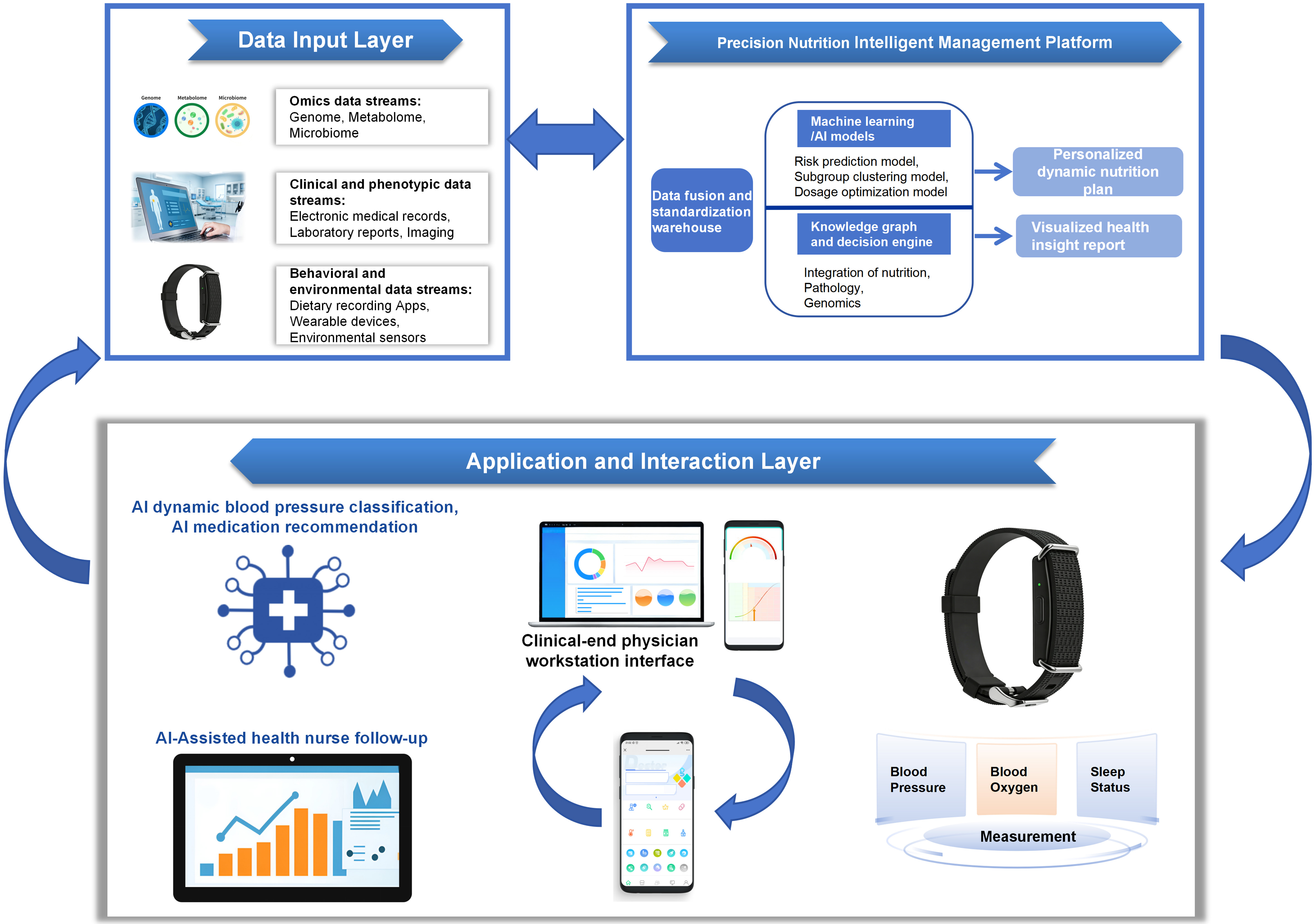
Figure 2. Precision nutrition intelligent management system architecture: data input, platform core and application interaction layers.
Dimension one: individualized metabolic phenotype profiling based on multi-targeted metabolomics
The starting point of precision nutrition is precise diagnosis. The traditional model of relying on a single biomarker (e.g., plasma total Hcy) is often too crude, akin to diagnosing an infectious pathogen based solely on body temperature. The revolutionary advancement of multi-targeted metabolomics technologies (e.g., Ultra-Performance Liquid Chromatography-Tandem Mass Spectrometry, UPLC-MS/MS) enables a “panoramic scan” of key pathways like one-carbon metabolism, allowing for the simultaneous and accurate quantification of dozens of relevant metabolites, including various folate forms (e.g., 5-MTHF), vitamin B12, S-adenosylmethionine (SAM), S-adenosylhomocysteine (SAH), betaine, choline, and multiple amino acids[74]. Systemic analysis of these metabolite profiles allows for the precise localization of “blockages” or “breakpoints” within an individual’s metabolic network, much like a traffic control center: Is low 5-MTHF indicative of reduced MTHFR enzyme activity? Is vitamin B12 deficiency causing a stall in the methylation cycle? Or do low betaine levels suggest limited capacity of the alternative remethylation pathway? This pathway-based, functional metabolic phenotyping forms the foundational cornerstone for transitioning from “empirical supplementation” to “targeted metabolic repair.”
Dimension two: integrating multi-omics data to map high-resolution population risk profiles
To achieve “precision for all,” we must first be able to depict “the face of each individual.” This requires moving beyond the population “average face” of disease to draw unique “multi-omics risk profiles” for each individual or subgroup. This necessitates the integration of:
Genomic information
For instance, the MTHFR C677T genotype is a classic genetic marker determining folate metabolism efficiency[75-77]. Vitamin D receptor (VDR) gene polymorphisms have been shown to modify the association between serum 25-hydroxyvitamin D levels and the risk of diseases such as dementia and venous thromboembolism[48,51].
Metabolomic data
Provides real-time, dynamic feedback on metabolic functional status.
Clinical phenotype and exposure data
Includes comorbidity patterns (e.g., H-type hypertension, diabetic nephropathy), key organ function (e.g., estimated glomerular filtration rate, eGFR), detailed dietary records, geographical characteristics, and behavioral habits.
Leveraging unsupervised machine learning algorithms (e.g., clustering analysis) to integrate and analyze these vast, multi-dimensional datasets enables the automatic identification of population subgroups with similar metabolic characteristics and risk patterns. Examples include “the H-type hypertension subgroup with the MTHFR 677TT genotype, low folate, and mildly decreased renal function” or “the prediabetes subgroup characterized by vitamin D deficiency, insulin resistance, and specific gut microbiota features.” Such fine stratification is a prerequisite for the precise allocation of public health resources and the development of targeted group intervention strategies.
Dimension three: evidence-based “precision for all” nutritional products and dynamic intervention plans
Based on precise assessment, nutritional intervention plans must evolve from “standardized products” to “personalized prescriptions.”
Selection of active nutrient forms
For individuals carrying the MTHFR 677TT genotype, direct supplementation with its metabolic end-product, 5-methyltetrahydrofolate (5-MTHF), can bypass the metabolic bottleneck caused by reduced enzyme activity, leading to higher bioavailability. Research confirms that 5-MTHF itself also possesses independent antioxidant properties and improves endothelium-dependent vasodilation[78-80].
Design of synergistic formulations targeting metabolic pathways
For the one-carbon metabolism network, developing scientifically formulated complexes containing folate, vitamin B12, and vitamin D can synergistically support the smooth operation of the entire methyl donor cycle. For elements with established U-shaped relationships, such as zinc and copper, supplementation plans must be strictly based on baseline nutritional status testing, aiming to precisely adjust their levels to the individual’s “optimal physiological window,” rather than simply “supplementing if deficient.”
Dynamic individualization of dosage
Even within the same genetic subgroup, the optimal supplementation dose may vary. Research suggests that for individuals with the MTHFR TT genotype, 0.8 mg/day of folic acid reduces tHcy, but 1.2 mg/day may offer additional benefit[75]. In the future, AI systems based on pharmacokinetic/pharmacodynamic models will be able to integrate multiple individual parameters, such as genotype, baseline concentration, body weight, and hepatic/renal function, to predict and recommend the optimal starting dose and adjustment strategies.
Dimension four: building a comprehensive, accessible, and standardized dynamic monitoring ecosystem
Precision management relies on a continuous, reliable stream of data. Therefore, a multi-tiered detection and monitoring system must be constructed:
Comprehensiveness of detection
Covering the complete chain of biomarkers from genetic susceptibility (genotyping), functional metabolites (multi-targeted metabolomics), and key nutritional status (vitamin D, B12, trace elements) to end-organ damage markers (e.g., urine albumin-to-creatinine ratio).
Accessibility of detection methods
Vigorously promoting the research, development, and popularization of Point-of-Care Testing (POCT) technologies suitable for primary care and home use. This enables convenient and rapid monitoring of core metabolic indicators such as blood glucose, lipids, and Hcy, forming a continuous, real-world individual health data stream.
Standardization of detection quality
Establishing and promoting standardized protocols and quality control systems for multi-omics detection technologies. This ensures consistency and comparability of data across different laboratories and platforms, which is fundamental for large-scale data aggregation and AI analysis.
Dimension five: an intelligent closed-loop management system empowered by AI and big data platforms
This is the core engine that transforms the concept of precision nutrition into large-scale practice, constituting the “intelligent brain” of management.
Individualized risk quantification and prediction models
Applying machine learning (e.g., XGBoost, Random Forest) and deep learning algorithms to mine data from million-scale population cohorts integrated with genomic, metabolomic, electronic health record, and long-term follow-up outcome data. This trains high-precision, individualized chronic disease risk prediction models. For example, a model could integrate an individual’s MTHFR genotype, current Hcy and vitamin D levels, ambulatory blood pressure, eGFR, and dietary records to precisely calculate their absolute risk of ischemic stroke over the next five years, parse the contribution of each risk factor, and thereby identify the highest-priority intervention targets.
Intelligent intervention plan generation and decision support
Based on predicted risk and identified core issues, the AI system automatically generates structured, personalized nutritional advice (including type, dose, timing, and dietary adjustments). Integrating Generative Artificial Intelligence (e.g., Large Language Models) can transform complex medical nutritional recommendations into personalized, easy-to-understand health education materials and follow-up reminders with behavioral guidance, significantly enhancing patient comprehension and long-term adherence.
IoT-based dynamic monitoring and self-adaptive optimization closed loop
Utilizing 5G and Internet of Things (IoT) technologies, physiological and biochemical data collected from wearable devices (continuously monitoring blood pressure, heart rate, activity) and home-based smart POCT devices can be transmitted in real-time and securely to a cloud-based health management platform. AI models deployed on the cloud analyze this continuous data stream in real-time. If biomarkers deviate from the expected optimization trajectory (e.g., a sharp increase in urinary zinc excretion after zinc supplementation suggesting potential overdose risk), the system can immediately alert both the patient and the physician and automatically recommend adjustment plans. This enables a fully automated, intelligent management closed loop of “assessment-intervention-monitoring-feedback-re-optimization.”
Blockchain-based data security and value exchange network
Utilizing blockchain technology to build a decentralized, tamper-proof infrastructure for secure health data storage and sharing. Under the full protection of personal privacy and data sovereignty, this enables the secure and trusted flow of medical and health data across institutions and regions with patient authorization. This provides a high-quality data source for training more powerful national-level AI models and supporting public health decision-making, while also protecting data providers’ rights through smart contracts.
PUBLIC HEALTH SIGNIFICANCE, CHALLENGES, AND THE ROAD AHEAD
Implementing precision nutrition at scale offers transformative potential but faces significant hurdles.
Significance
Improved cost-effectiveness
By targeting interventions to genetically or metabolically defined high-risk subgroups, public health resources are used more efficiently. An economic evaluation in China suggested that an MTHFR genotype-guided folate supplementation strategy for stroke prevention is cost-effective[81]. This avoids wasting resources on blanket supplementation for those who derive little or no benefit.
Empowering primary care
AI-assisted decision support systems integrated into primary care electronic health records can empower general practitioners and community health workers to deliver sophisticated, evidence-based nutritional guidance, bridging the gap between specialized clinics and population-wide care.
Promoting equity
By identifying and addressing the specific nutritional vulnerabilities of individuals based on objective data, precision nutrition can, paradoxically, promote greater health equity than generic advice, which may fail subpopulations with unique needs.
Challenges
Cost and accessibility
The upfront cost of multi-omics testing, while decreasing, remains a barrier to widespread adoption. A staged approach, starting with targeted genotyping and basic metabolomic panels for high-risk individuals, may be necessary.
Evidence from long-term RCTs
Most precision nutrition strategies are supported by epidemiological evidence and short-term biomarker studies. Large-scale, long-term randomized controlled trials with “hard” clinical endpoints (e.g., stroke, myocardial infarction, mortality) are urgently needed to definitively prove that this approach improves outcomes.
Data privacy, ethics, and regulation
The collection and use of genomic and deep phenotypic data raise profound ethical questions. Clear regulations, informed consent processes, and robust cybersecurity measures are non-negotiable. Who owns the data? How is it used? How are algorithmic biases prevented? These questions must be answered through interdisciplinary dialogue involving ethicists, lawyers, scientists, and patient advocates.
Interdisciplinary integration
Success requires breaking down silos between nutritionists, physicians, bioinformaticians, data scientists, software engineers, and behavioral psychologists. New training programs and collaborative platforms are needed.
CONCLUSION
We stand at a historic inflection point in the battle against chronic diseases. The convergence of deep epidemiological insights, particularly from Chinese cohorts revealing the complex, non-linear nature of nutrient-disease relationships, with revolutionary advances in multi-omics, artificial intelligence, and digital health technologies, has furnished us with an unprecedented toolkit. This review has charted a course from the level of whole foods down to molecular pathways, and back up to a scalable, technology-enabled implementation framework.
The vision of precision nutrition is not a futuristic fantasy but an actionable strategy being incrementally realized. It represents the maturation of nutritional science from a population-based public health discipline to a personalized, predictive, and participatory pillar of modern medicine. For China, with its vast population, rich cohort resources, and rapid technological adoption, the opportunity to lead in this field is immense. We recognize that the evidentiary foundation for this paradigm shift currently rests on a triangulation of RCT-derived causal evidence (e.g., CSPPT), consistent observational signals (U-shaped/J-shaped patterns), and mechanistic molecular insights; definitive validation will require next-generation RCTs designed to test genotype-guided or phenotypically-stratified interventions against standard care.
The path forward is clear: prioritize the standardization and cost-reduction of key technologies; design and execute definitive long-term trials; establish robust ethical and data governance frameworks; and foster the interdisciplinary ecosystems necessary for innovation. By systematically investing in and deploying this precision nutrition framework, we can fundamentally reorient our health systems from a reactive model focused on treating advanced disease to a proactive model dedicated to intelligently preserving health and preventing disease at its roots. The ultimate goal is a future where dietary advice is not a generic pamphlet but a dynamic, personalized plan, a key component in a longer, healthier life for every individual.
| Term | Definition |
| Artificial Intelligence (AI) | Computational systems capable of pattern recognition, prediction, and automated decision support using large-scale datasets. |
| Cardiovascular-Kidney-Metabolic (CKM) Syndrome | An interconnected clinical framework linking obesity, diabetes, cardiovascular disease, and chronic kidney disease through shared metabolic mechanisms. |
| Chronic Kidney Disease (CKD) | A chronic condition characterized by persistent abnormalities in kidney structure or function with implications for long-term health. |
| Digital Health | The use of digital technologies, including mobile applications, wearable devices, and cloud-based systems, to support healthcare delivery and health management. |
| Dynamic Risk Stratification | Continuous assessment and updating of disease risk using longitudinal biological, behavioral, and clinical data. |
| Homocysteine (Hcy) | A sulfur-containing amino acid generated during methionine metabolism; elevated levels are associated with cardiovascular, cerebrovascular, and renal diseases. |
| Multi-Omics | Integrated analysis of multiple biological data layers, including genomics, transcriptomics, proteomics, metabolomics, and microbiomics. |
| Metabolomics | High-throughput profiling of small-molecule metabolites reflecting real-time metabolic and physiological states. |
| 5-Methyltetrahydrofolate (5-MTHF) | The biologically active form of folate that directly participates in homocysteine remethylation and methylation reactions. |
| MTHFR C677T Polymorphism | A common genetic variant affecting methylenetetrahydrofolate reductase activity, thereby influencing folate metabolism and homocysteine levels. |
| Nutrient-Gene Interaction | The phenomenon whereby genetic variation modifies an individual’s biological response to nutrient intake or nutritional status. |
| Nrf2-Keap1 Pathway | A major cellular antioxidant signaling pathway regulating transcription of detoxification and antioxidant enzymes under oxidative stress. |
| Nutrient Density | The concentration of essential nutrients relative to the energy content of a food or dietary pattern. |
| One-Carbon Metabolism | An interconnected biochemical network involving folate, vitamin B12, vitamin D that regulates methylation, nucleotide synthesis, and homocysteine metabolism. |
| Personalized Optimal Physiological Window | An individualized range of nutrient exposure or biomarker concentration associated with maximal physiological benefit and minimal disease risk. |
| Point-of-Care Testing (POCT) | Rapid diagnostic testing performed near the patient or community setting to facilitate real-time monitoring and intervention. |
| Precision Nutrition | An individualized nutritional approach integrating genetics, metabolomics, microbiome composition, lifestyle, and clinical characteristics to optimize health outcomes and disease prevention. |
| Redox Homeostasis | The dynamic balance between oxidative stress and antioxidant defense systems that maintains cellular stability and function. |
BOX 1
Why precision nutrition matters for chronic disease prevention in China
China is experiencing a rapid epidemiological transition characterized by population aging, urbanization, dietary westernization, and escalating burdens of hypertension, stroke, diabetes, chronic kidney disease, and multimorbidity[1]. Conventional dietary recommendations, largely based on population averages, have substantially improved nutritional adequacy at the population level; however, they are insufficient to address the marked inter-individual heterogeneity in nutrient metabolism, genetic susceptibility, environmental exposure, and disease trajectories. Emerging evidence from large-scale Chinese cohorts and randomized trials suggests that the health effects of nutrients are frequently context-dependent and non-linear, with both deficiency and excess potentially increasing disease risk[2-5,41,42,58,59].
The China Stroke Primary Prevention Trial (CSPPT) provided landmark evidence that folic acid supplementation reduced first stroke risk among adults with hypertension, but the magnitude of benefit differed substantially according to MTHFR genotype and baseline folate status[82]. Similar heterogeneity has subsequently been reported for zinc, phosphorus, copper, selenium, vitamin D, and other micronutrients, where U-shaped or J-shaped associations with cardiometabolic outcomes are consistently observed[2,4,5,31,36,45]. These findings collectively challenge the traditional “one-size-fits-all” paradigm and support a transition toward individualized nutritional optimization.
Precision nutrition integrates genomics, metabolomics, microbiome profiling, clinical phenotyping, lifestyle data, and digital health technologies to generate tailored nutritional recommendations. In parallel, advances in artificial intelligence, wearable devices, and multi-omics platforms now make dynamic and scalable nutritional management increasingly feasible. For China, which possesses extensive cohort resources and rapidly developing digital-health infrastructure, precision nutrition offers a realistic pathway to shift chronic disease prevention from generalized recommendations toward predictive, preventive, and individualized health management.
DECLARATIONS
Authors’ contributions
Conceptualization, writing - original draft, visualization: Qin, X.
Conceptualization, writing - review and editing, funding acquisition, supervision: Xu, X.
Availability of data and materials
Not applicable.
AI and AI-assisted tools statement
The authors used AI-assisted tools to generate conceptual visualizations for the graphical abstract. The AI tool employed is Doubao-Seed-2.0, with no separate externally released version number. The authors take full responsibility for the scientific accuracy and integrity of the figure. All Figures are original and created by the authors themselves, using Adobe Illustrator 25.3.1(64-bit) as the drawing software.
Financial support and sponsorship
This study was supported by the Development and Reform Commission of Shenzhen Municipality (Grant No. XMHT20220104055).
Conflicts of interest
The authors have declared that there are no conflicts of interest.
Ethical approval and consent to participate
Not applicable.
Consent for publication
Not applicable.
Copyright
© The Author(s) 2026.
REFERENCES
1. Liu, H.; Yin, P.; Qi, J.; Zhou, M. Burden of non-communicable diseases in China and its provinces, 1990-2021: results from the Global Burden of Disease Study 2021. Chin. Med. J. 137, 2325-33 (2024).
2. Wu, Q. et al. A U-shaped association between dietary phosphorus intake and new-onset hypertension: a nationwide cohort study in China. Am. Heart J. 259, 21-9 (2023).
3. Wu, Q. et al. A U-shaped association between dietary phosphorus intake and new-onset diabetes: a nationwide cohort study in China. Nutr. Metab. Cardiovasc. Dis. 33, 1932-40 (2023).
4. He, P. et al. J-shaped association between dietary zinc intake and new-onset hypertension: a nationwide cohort study in China. Front. Med. 17, 156-64 (2022).
5. He, P. U-shaped association between dietary zinc intake and new-onset diabetes: a nationwide cohort study in China. J. Clin. Endocrinol. Metab. 107, e815-24 (2022).
6. Yang, S. et al. PURE healthy diet score, genetic susceptibility, and incident chronic kidney disease. Food Funct. 16, 8827-35 (2025).
7. Zhang, Y. et al. Pro-inflammatory and pro-oxidant diets and CKD risk across cardiovascular-kidney-metabolic syndrome stages: a multi-omics mediation analysis. Food Funct. 17, 449-60 (2026).
8. Liu, M. et al. Evaluation of the association between coffee consumption, including type (instant, ground), and addition of milk or sweeteners and new-onset hypertension and potential modifiers. J. Acad. Nutr. Diet. 125, 641-653.e10 (2025).
9. Ye, Z. et al. Coffee consumption with different additives and types, genetic variation in caffeine metabolism and new-onset acute kidney injury. Br. J. Nutr. 132, 1645-53 (2024).
10. Xiang, H. et al. Tea consumption, milk or sweeteners addition, genetic variation in caffeine metabolism, and incident venous thromboembolism. Thromb. Haemost. 124, 1143-51 (2024).
11. Gan, X. et al. Habitual fish oil supplementation, genetic susceptibility of kidney stones and the risk of new-onset kidney stones. J. Clin. Lipidol. 18, e116-24 (2024).
12. Liu, M. et al. Habitual fish oil supplementation and incident chronic kidney disease in the UK biobank. Nutrients 15, 22 (2022).
13. Yang, S. et al. Plasma metabolites mediate the association of total and specific fruit intake with incident chronic kidney disease risk. Food Funct. 16, 6612-21 (2025).
14. Gan, X. et al. Association of quantity and diversity of different types of fruit intake with new-onset kidney stones. Mol. Nutr. Food Res. 68, 2400373 (2024).
15. Liu, M. et al. Relationship of ultra-processed food consumption and new-onset chronic kidney diseases among participants with or without diabetes. Diabetes Metab. 49, 101456 (2023).
16. Liu, M. et al. Adding salt to foods and hazards of microvascular, cerebrovascular and cardiovascular diseases. Eur. J. Clin. Nutr. 78, 141-8 (2023).
17. Wei, Y. et al. Quantity and variety of food groups consumption and the risk of hypertension in adults: a prospective cohort study. Hypertens. Res. 48, 971-82 (2024).
18. Liu, M. et al. Quantity and variety of food groups consumption and the risk of diabetes in adults: a prospective cohort study. Clin. Nutr. 40, 5710-7 (2021).
19. Zhou, C. et al. Inverse association between variety of proteins with appropriate quantity from different food sources and new-onset hypertension. Hypertension 79, 1017-27 (2022).
20. Zhou, C. et al. Variety and quantity of dietary protein intake from different sources and risk of new-onset diabetes: a Nationwide Cohort Study in China. BMC Med. 20, 6 (2022).
21. Zhou, C. et al. Relationship of different sourced protein intake, quantity of plasma amino acid with chronic kidney disease. J. Nutr. 155, 1165-72 (2025).
22. Ye, Z. et al. Variety and quantity of dietary insoluble fiber intake from different sources and risk of new-onset hypertension. BMC Med. 21, 61 (2023).
23. Yang, S. et al. Variety and quantity of dietary-insoluble fiber intake from different sources and risk of new-onset diabetes. J. Clin. Endocrinol. Metab. 108, 175-83 (2023).
24. Zhou, C. et al. Dietary carbohydrate intake and new-onset diabetes: a nationwide cohort study in China. Metabolism 123, 154865 (2021).
25. Li, Q. et al. Dietary carbohydrate intake and new-onset hypertension: a nationwide cohort study in China. Hypertension 78, 422-30 (2021).
26. Liu, C. et al. Dietary low- and high-quality carbohydrate intake and cognitive decline: a prospective cohort study in older adults. Clin. Nutr. 42, 1322-9 (2023).
27. Liu, M. et al. Relationship of dietary intake of food folate and synthetic folic acid intake from fortified foods with all-cause mortality in individuals with chronic kidney disease. Food Funct. 15, 559-68 (2024).
28. Li, Y.; Spence, J. D.; Wang, X.; Huo, Y.; Xu, X.; Qin, X. Effect of vitamin B12 levels on the association between folic acid treatment and CKD progression: a post hoc analysis of a folic acid interventional trial. Am. J. Kidney Dis. 75, 325-32 (2020).
29. Alam, C.; Hoque, M. T.; Finnell, R. H.; Goldman, I. D.; Bendayan, R. Regulation of reduced folate carrier (RFC) by vitamin D receptor at the blood-brain barrier. Mol. Pharm. 14, 3848-58 (2017).
30. Wang, L. et al. Vitamin D, folic acid and vitamin B12 can reverse vitamin D deficiency-induced learning and memory impairment by altering 27-hydroxycholesterol and S-adenosylmethionine. Nutrients 15, 132 (2022).
31. Zhang, Y. et al. Dietary vitamin E intake and new-onset hypertension. Hypertens. Res. 46, 1267-75 (2023).
32. He, P. et al. Evaluation of plasma vitamin E and development of proteinuria in hypertensive patients. J. Transl. Int. Med. 12, 78-85 (2024).
33. Zhang, Y. et al. Dietary vitamin E and tocopherol isoforms and incident chronic kidney disease: a 30-y follow-up study from young adulthood to midlife. Free Radic. Biol. Med. 190, 284-91 (2022).
34. Zhang, Y. et al. Dietary vitamin E and tocopherol isoform intake and the progression of chronic kidney disease. Nephrol. Dial. Transplant. 40, 1854-64 (2025).
35. Song, Y. et al. Plasma vitamin E and the risk of first stroke in hypertensive patients: a nested case-control study. Front. Nutr. 8, 734580 (2021).
36. >Wang, J. et al. A Nested case-control study on plasma vitamin E and risk of cancer: evidence of effect modification by selenium. J. Acad. Nutr. Diet. 119, 769-81 (2019).
37. Zhang, Y. et al. Inverse association between dietary vitamin A intake and new-onset hypertension. Clin. Nutr. 40, 2868-75 (2021).
38. Li, H. et al. Association between plasma retinol levels and the risk of all-cause mortality in general hypertensive patients: a nested case-control study. J. Clin. Hypertens. 22, 906-13 (2020).
39. Xie, L. et al. Association of plasma retinol levels with incident cancer risk in Chinese hypertensive adults: a nested case-control study. Br. J. Nutr. 122, 293-300 (2019).
40. Yu, Y. et al. Plasma retinol and the risk of first stroke in hypertensive adults: a nested case-control study. Am. J. Clin. Nutr. 109, 449-56 (2019).
41. Zhang, Y. et al. U-shaped relation of dietary thiamine intake and new-onset hypertension. Nutrients 14, 3251 (2022).
42. Liu, C. et al. J-shaped association between dietary thiamine intake and the risk of cognitive decline in cognitively healthy, older Chinese individuals. Gen. Psychiatr. 37, e101311 (2024).
43. Liu, M. et al. Inverse association between riboflavin intake and new-onset hypertension: a nationwide cohort study in China. Hypertension 76, 1709-16 (2020).
44. Zhang, Z. et al. Evaluation of dietary niacin and new-onset hypertension among Chinese adults. JAMA Netw. Open 4, e2031669 (2021).
45. Zhou, C. et al. Relationships of serum 25-hydroxyvitamin D concentrations, diabetes, genetic susceptibility, and new-onset chronic kidney disease. Diabetes Car 45, 2518-25 (2022).
46. Zhang, Y. et al. Serum 25-hydroxyvitamin D, genetic susceptibility, and abdominal aortic aneurysm risk. J. Clin. Endocrinol. Metab. 110, 1989-96 (2025).
47. Zhou, C. et al. Relationship among serum 25-hydroxyvitamin D, fibrosis stage, genetic susceptibility, and risk of severe liver disease. Nutrition 119, 112320 (2024).
48. Zhou, C. et al. Serum 25-hydroxyvitamin D, vitamin D receptor, and vitamin-D-binding protein gene polymorphisms and risk of dementia among older adults with prediabetes. J. Gerontol. A Biol. Sci. Med. Sci. 79, glae015 (2024).
49. Zhang, Y. et al. Relationship of serum 25-hydroxyvitamin D, obesity with new-onset obstructive sleep apnea. Int. J. Obes. 48, 218-23 (2024).
50. Lin, T. et al. Plasma 25-hydroxyvitamin D concentrations and risk of incident cancer in adults with hypertension: a nested case-control study. Clin. Nutr. 38, 2381-8 (2019).
51. Xiang, H. et al. Relationship of serum 25-hydroxyvitamin D concentrations, diabetes, vitamin D receptor gene polymorphisms and incident venous thromboembolism. Diabetes Metab. Res. Rev. 41, e70014 (2024).
52. Zhou, C. et al. Associations between serum 25-hydroxyvitamin D, sun exposure time, dietary vitamin D intake, and new-onset acute kidney injury among 413,169 UK adults. J. Nutr. 153, 713-22 (2023).
53. Zhou, H. et al. Plasma 25-hydroxyvitamin D3 concentrations and risk of new-onset proteinuria in patients with hypertension. J. Ren. Nutr. 31, 620-7 (2021).
54. He, P. et al. Prospective association between baseline plasma zinc concentration and development of proteinuria in Chinese hypertensive patients. J. Trace Elem. Med. Biol. 66, 126755 (2021).
55. Zhang, J. et al. Baseline plasma zinc and risk of first stroke in hypertensive patients: a nested case-control study. Stroke 50, 3255-8 (2019).
56. Meng, Q. et al. L-shaped association between dietary zinc intake and cognitive decline in Chinese older people. Age Ageing 53, afae008 (2024).
57. Zhang, Y. et al. U-shaped association between dietary copper intake and new-onset chronic kidney disease: a 30-year follow-up study from young adulthood to midlife. Mol. Nutr. Food Res. 69, e202400761 (2025).
58. He, P. et al. U-shaped association between dietary copper intake and new-onset hypertension. Clin. Nutr. 41, 536-42 (2022).
59. Gan, X. et al. J-shaped association between dietary copper intake and all-cause mortality: a prospective cohort study in Chinese adults. Br. J. Nutr. 129, 1841-7 (2022).
60. Meng, Q. et al. Association between dietary copper intake and cognitive decline: a perspective cohort study in Chinese elderly. Am. J. Geriatr. Psychiatry 31, 753-63 (2023).
61. Zhang, J. et al. Plasma copper and the risk of first stroke in hypertensive patients: a nested case-control study. Am. J. Clin. Nutr. 110, 212-20 (2019).
62. Cao, J. et al. Serum phosphate and the risk of new-onset hyperuricemia in hypertensive patients. Hypertension 74, 102-10 (2019).
63. Wang, Z. et al. Plasma selenium and the risk of first stroke in adults with hypertension: a secondary analysis of the China Stroke Primary Prevention Trial. Am. J. Clin. Nutr. 115, 222-31 (2022).
64. Wang, Z. et al. Association between plasma selenium and risk of ischemic stroke: a community-based, nested, and case-control study. Front. Nutr. 9, 1001922 (2022).
65. Zhang, Y. et al. Plasma selenium levels and risk of new-onset diabetes in hypertensive adults. J. Trace Elem. Med. Biol. 56, 6-12 (2019).
66. Zhang, Y. et al. Positive association between dietary manganese intake and new-onset hypertension: a nationwide cohort study in China. Nutr. Metab. Cardiovasc. Dis. 34, 699-705 (2024).
67. Huang, Y. et al. Association of dietary manganese intake with new-onset chronic kidney disease in participants with diabetes. Diabetes Metab. Syndr. 18, 103138 (2024).
68. Huang, Y. et al. Association and pathways between dietary manganese intake and incident venous thromboembolism. Thromb. Haemostasis 124, 546-54 (2024).
69. Lin, T. et al. Plasma magnesium concentrations and risk of incident cancer in adults with hypertension: a nested case-control study. Ann. Nutr. Metab. 76, 304-12 (2020).
70. Cao, J. et al. Plasma magnesium and the risk of new-onset hyperuricaemia in hypertensive patients. Br. J. Nutr. 124, 156-63 (2020).
71. Zhang, Z. et al. Dietary iron intake and new-onset hypertension: a nationwide cohort study from China. J. Nutr. Health Aging 26, 1016-24 (2022).
72. He, Q.; Li, J. The evolution of folate supplementation - from one size for all to personalized, precision, poly-paths. J. Transl. Int. Med. 11, 128-37 (2023).
73. U.S. Department of Health and Human Services, U.S. Department of Agriculture. Dietary Guidelines for Americans, 2025-2030. https://cdn.realfood.gov/DGA.pdf (accessed 2026-05-27).
74. Chen, P. et al. A sensitive UPLC-MS/MS method for simultaneous quantification of one-carbon metabolites & co-factors in human plasma. J. Pharm. Biomed. Anal. 219, 114944 (2022).
75. Huang, X. et al.; Precision Folic Acid Trial to lower homocysteine (PFAT-Hcy) Trial Investigators. Optimal folic acid dosage in lowering homocysteine: Precision Folic Acid Trial to lower homocysteine (PFAT-Hcy). Eur. J. Nutr. 63, 1513-28 (2024).
76. Huang, L. W.; Li, L. L.; Li, J.; Chen, X. R.; Yu, M. Association of the methylenetetrahydrofolate reductase (MTHFR) gene variant C677T with serum homocysteine levels and the severity of ischaemic stroke: a case-control study in the southwest of China. J. Int. Med. Res. 50, 03000605221081632 (2022).
77. Qin, X. et al. MTHFR C677T and MTR A2756G polymorphisms and the homocysteine lowering efficacy of different doses of folic acid in hypertensive Chinese adults. Nutr. J. 11, 2 (2012).
78. Wijerathne, C. U. B.; Au-Yeung, K. K. W.; Siow, Y. L.; O, K. 5-methyltetrahydrofolate attenuates oxidative stress and improves kidney function in acute kidney injury through activation of Nrf2 and antioxidant defense. Antioxidants 11, 1046 (2022).
79. Rezk, B. M.; Haenen, G. R.; van der Vijgh, W. J.; Bast, A. Tetrahydrofolate and 5-methyltetrahydrofolate are folates with high antioxidant activity. Identification of the antioxidant pharmacophore. FEBS Lett. 555, 601-5 (2003).
80. Buccianti, G. et al. 5-methyltetrahydrofolate restores endothelial function in uraemic patients on convective haemodialysis. Nephrol. Dial. Transplant. 17, 857-64 (2002).
81. Zhang, T. et al. Cost-effectiveness of folic acid therapy for primary prevention of stroke in patients with hypertension. BMC Med. 20, 407 (2022).
Cite This Article
 Open Access
How to Cite
Download Citation
Export Citation File:
Type of Import
Tips on Downloading Citation
Citation Manager File Format
Type of Import
Direct Import: When the Direct Import option is selected (the default state), a dialogue box will give you the option to Save or Open the downloaded citation data. Choosing Open will either launch your citation manager or give you a choice of applications with which to use the metadata. The Save option saves the file locally for later use.
Indirect Import: When the Indirect Import option is selected, the metadata is displayed and may be copied and pasted as needed.
Article Notes
About This Article
Copyright



He previously held academic positions at Harvard T.H. Chan School of Public Health and Harvard Medical School as Associate Professor, and at the University of Illinois at Urbana-Champaign as Professor in the School of Public Health. During his time at Harvard University, he served as Principal Investigator on more than ten research grants supported by the U.S. National Institutes of Health (NIH).
Professor Xu has published over 400 SCI-indexed papers in leading international journals, including The New England Journal of Medicine and The Lancet, with an H-index of 72. He was ranked No. 1 in the medical field on Elsevier’s Highly Cited Chinese Researchers list for two consecutive years (2015–2016).
His translational medicine work has appeared in the Journal of the American Medical Association (JAMA) and has been incorporated into major international and national guidelines for stroke and hypertension prevention and treatment. He has also been recognized by the International “Thousand Medical Experts Network.” In 2016, he received the Second Prize of the National Science and Technology Progress Award. His contributions include the development of two Class I innovative drugs (Class 1.5 regulatory pathway approvals), as well as related diagnostic genetic testing kits, including MTHFR-based assays.
Data & Comments
Data
 0
0





Comments
Comments must be written in English. Spam, offensive content, impersonation, and private information will not be permitted. If any comment is reported and identified as inappropriate content by OAE staff, the comment will be removed without notice. If you have any queries or need any help, please contact us at [email protected].