



Life cycle assessment of low carbon concrete using recycled concrete aggregate and rice husk ash
 0
0 
Abstract
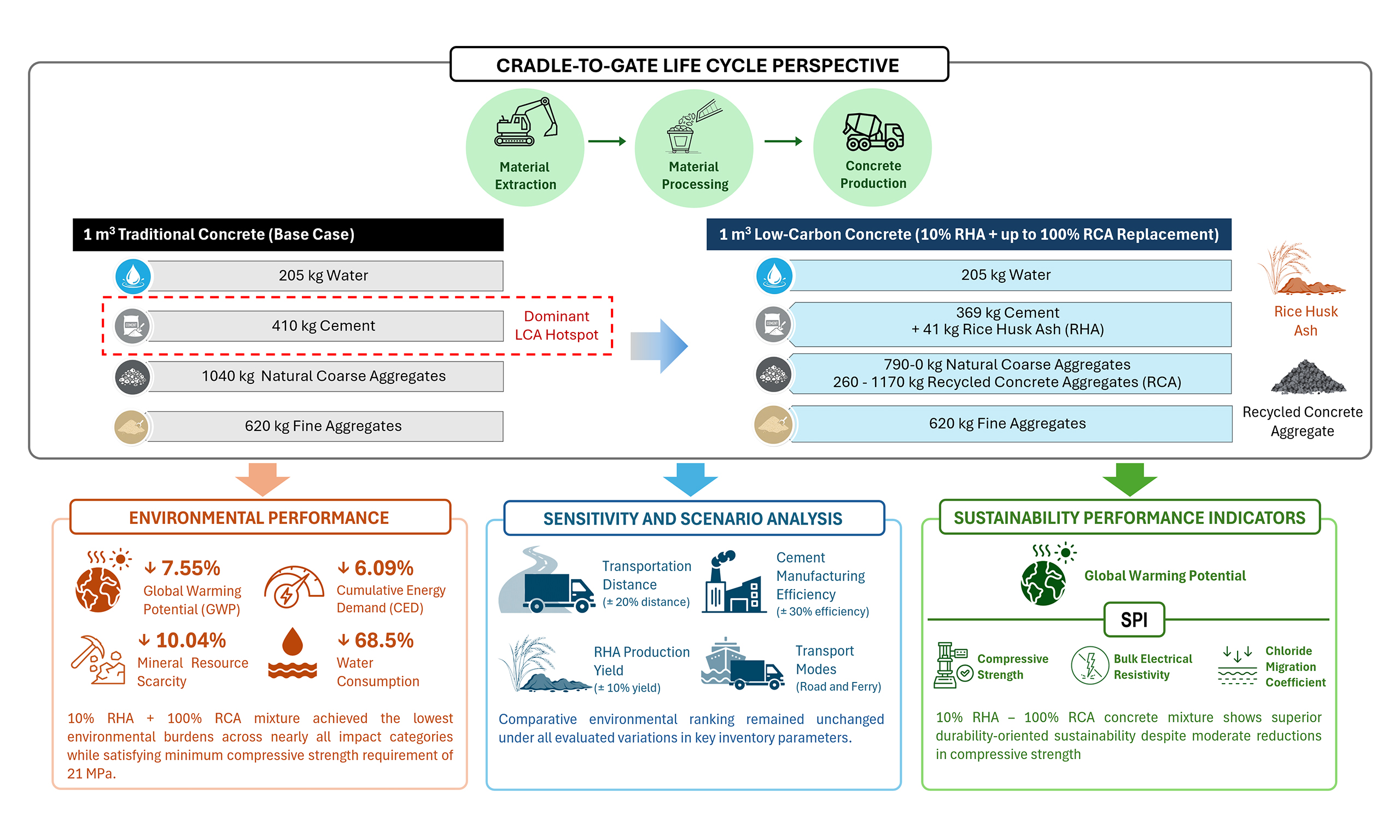
Reducing embodied carbon in concrete production requires a systems-level evaluation of alternative material pathways across the entire production lifecycle. This study presents a cradle-to-gate life cycle assessment of low-carbon concrete incorporating recycled concrete aggregate (RCA) and rice husk ash (RHA) as partial aggregate and cement replacements, respectively. Secondary data on ten concrete scenarios with varying replacement levels of RCA (0%, 25%, 50%, 75%, and 100%) and RHA (0% and 10%) were adopted and assessed across multiple environmental impact categories, including global warming potential (GWP), mineral resource scarcity (MRS), terrestrial acidification, freshwater ecotoxicity, water consumption (WC), human carcinogenic toxicity, and cumulative energy demand (CED). Transportation and preprocessing stages were incorporated to capture environmental tradeoffs associated with circular material integration. Cement replacement with 10% RHA reduced GWP by 6.45%, while full replacement of natural coarse aggregates with RCA reduced GWP by 1.12%. Among all mixtures, the 10% RHA-100% RCA mixture exhibited the lowest environmental burdens, achieving 7.55% GWP reduction, 6.09% CED reduction, 10% reduction in MRS, and 68.5% reduction in WC relative to conventional concrete while satisfying the required compressive strength (> 21 MPa). Sensitivity and scenario analyses confirmed that comparative environmental ranking remained unchanged under variations in transportation, RHA production yield, cement manufacturing efficiency, and transportation modes. Sustainability performance indicators further showed superior durability-oriented sustainability of RCA-RHA concrete mixtures despite moderate reductions in compressive strength. Overall, the findings demonstrate that lifecycle-informed circular material substitution strategies support embodied-carbon reduction, resource conservation, and durability enhancement in concrete production without compromising structural feasibility.
Keywords
INTRODUCTION
The construction sector remains one of the largest contributors to global greenhouse gas emissions due to the extensive consumption of energy-intensive materials such as cement and aggregates. Cement production alone accounted for approximately 1.6 billion metric tons of carbon dioxide emissions in 2022, representing nearly 8% of global anthropogenic carbon dioxide emissions[1]. As one of the fastest-growing industrial sectors, global cement production has increased by approximately 2.6 billion tons over the past three decades[2], thereby increasing the environmental burden of conventional concrete production. Rapid urbanization and infrastructure development have therefore shifted the focus of the construction industry toward developing infrastructure that is not only structurally durable, but also environmentally sustainable and resource efficient.
Concrete production involves the extraction and processing of raw materials, transportation, cement clinker production, aggregate preparation, and concrete mixing[3-5]. Among these processes, clinker production is widely recognized as the primary environmental hotspot due to fuel combustion and limestone calcination[6], which together account for 76% to 80% of the total embodied energy, and emissions of about
The utilization of these alternative materials has therefore become increasingly attractive in rapidly urbanizing developing countries, where infrastructure demand, construction waste generation, and agricultural residue accumulation continue to intensify simultaneously. In the Philippines, approximately 2.8 million tons of rice husk are generated annually[20]. Given the abundance of rice husks in the country, their utilization as SCM offers an attractive alternative to open burning or disposal while simultaneously reducing environmental impacts[21]. Recycling concrete, on the other hand, has been a common practice since early Roman times, as this reduces construction waste and benefits the industry economically[22]. Integrating RHA and RCA into concrete production, therefore, presents opportunities for circular economy implementation, waste valorization, and carbon footprint reduction.
With the increasing utilization of RHA and RCA in sustainable concrete production, systematic tools such as life cycle assessment (LCA) have become important for further promoting the technology, especially in a sustainability context. Such tools provide a systems engineering framework for quantifying environmental impacts throughout a product’s lifecycle and identifying intervention points for carbon reduction. Through hotspot identification and scenario-based analysis, LCA supports lifecycle-informed decision-making for sustainable infrastructure systems[23]. Previous cradle-to-gate studies on conventional concrete production have consistently identified cement manufacturing as the primary environmental hotspot due to clinker calcination and fuel combustion emissions[24]. Although it constitutes only a small fraction of concrete by mass, cement dominates most environmental impact categories, including global warming potential (GWP), due to its energy-intensive production process. In contrast, quarrying and ready-mix operations contribute significantly to particulate matter emissions and related environmental burdens.
Recent studies have also explored the incorporation of RCA and RHA as low-carbon alternatives in concrete production. Ding et al.[25] reported that RCA integration slightly increased GWP and cumulative energy demand (CED) due to additional processing and transportation requirements but substantially reduced primary mineral resource consumption. Similarly, Silgado et al.[26] demonstrated that replacing ordinary Portland cement with RHA significantly reduced environmental impacts across multiple categories, including GWP, mineral resource scarcity (MRS), and water consumption (WC), primarily due to reduced cement demand and the valorization of agricultural waste. Preliminary work further showed that the simultaneous incorporation of RCA and RHA reduced overall GWP relative to conventional concrete[27]. More recently, Nian et al.[28] extended the environmental assessment of recycled aggregate concrete beyond the production stage by introducing a whole-life carbon balance framework that incorporates carbon sequestration during the use phase through concrete carbonation. The study identified raw material production and transportation as the principal contributors to lifecycle carbon emissions, while also emphasizing that transportation distance is among the most influential parameters affecting the overall carbon footprint of recycled aggregate concrete. In parallel, performance-based environmental indicators have also been proposed to relate embodied carbon to compressive strength through an eco-strength index (ESI)[29], thereby extending environmental assessment beyond conventional volumetric comparisons. Such indexing facilitates comparison of concrete mixtures based on environmental burden and structural functionality.
However, while several studies have evaluated these materials in terms of technical characteristics and performance, comprehensive assessment of their environmental impacts, particularly under localized conditions, remains limited. Existing studies have largely investigated RCA and RHA independently, while few have simultaneously evaluated both recycled materials in concrete. Current assessments also frequently emphasize GWP as the primary environmental indicator while seldom considering broader midpoint and endpoint impacts, transportation-related effects, or durability-oriented sustainability performance. Furthermore, geographical differentiation remains an important consideration in life cycle studies as transportation distances, electricity mixes, waste management practices, agricultural residue availability, and construction supply chains vary significantly across regions and countries. Consequently, in developing economies such as the Philippines, where rice husk generation and construction activities continue to increase simultaneously, localized environmental assessment is necessary to accurately evaluate the applicability and sustainability of RCA- and RHA-integrated concrete systems.
This study, therefore, conducted a cradle-to-gate LCA of low-carbon concrete incorporating RCA and RHA as partial replacements for natural aggregates and cement. In contrast with recent whole-life carbon balance assessments that incorporate the operational stage and carbon uptake during service life, the present study focuses on cradle-to-gate environmental performance to evaluate the production-stage benefits of simultaneously utilizing RCA and RHA under Philippine-specific conditions. This system boundary enables the identification of environmental hotspots associated with material production, transportation, and waste valorization while integrating structural durability performance into sustainability evaluation. Specifically, the study utilizes mechanical and durability data reported by Verbo et al.[30] for various RCA-RHA concrete mixtures. While the previous study primarily focused on evaluating the structural and durability characteristics of these mixtures, the broader environmental implications of RCA and RHA utilization remain unexplored. By building upon these engineering data, this study aims to broaden the assessment toward systems-level analysis by evaluating cradle-to-gate impacts across multiple categories, identifying lifecycle hotspots, examining transportation-related effects, quantifying endpoint damages, and assessing sustainability performance through the integration of environmental, structural, and durability-related indicators. Overall, this study provides a more holistic framework for evaluating low-carbon concrete systems under Philippine-specific conditions by linking engineering performance with environmental sustainability, thereby enabling more informed decision-making and practical pathways towards sustainable infrastructure development.
METHODS
This study followed the general standards of LCA methodology described in ISO 14040 and 14044, encompassing (1) goal and scope definition, (2) inventory analysis, (3) impact assessment, and (4) interpretation of results[31,32].
Goal and scope definition
The objective of this study is to conduct a LCA of the production of conventional concrete and various concrete mixtures with both RCA and RHA as aggregate and cement replacements, respectively. This is to test whether the addition of RCA and RHA is more sustainable than conventional concrete alone across various environmental impact indicators. In terms of lifespan, the simultaneous addition of RCA and RHA can increase the predicted service life of concrete due to reduced porosity and improved resistance to chloride penetration, indicating that the alternatives used do not compromise concrete quality[33]. The assessment was based on a functional unit of 1 m3 of concrete, which was also extended to study its implications for constructing a standard two-storey school building in the Philippines. Seven environmental impact categories were also included in the assessment—GWP, MRS, terrestrial acidification (TA), freshwater ecotoxicity (FE), WC, human carcinogenic toxicity (HCT), and CED—using SimaPro version 10.2.0.2. The first six impact categories were evaluated using the ReCiPe 2016 Midpoint (Hierarchist) assessment method.
Ten concrete mixtures, previously studied by Verbo et al.,[30] were evaluated as different RCA and RHA replacement scenarios against conventional concrete (Base Case), as shown in Table 1. These were selected based on compliance with the 28-day compressive strength requirement (> 21 MPa) of the Department of Public Works and Highways (DPWH)[34], and acceptable durability-related service-life performance in terms of electrical resistivity (ER) and chloride migration. As shown, all concrete mixtures satisfy the minimum compressive strength with measurements ranging from 25.70 to 46.74 MPa, despite varying RCA and RHA replacement levels. Post-conditioning bulk resistivities ranged from 7.52 to 18.75 kΩ cm, while chloride migration resistances ranged from 0.0398 × 10¹² to 0.1527 × 10¹² s/m2. Concrete mixtures incorporating 10% RHA generally exhibit higher electrical resistivity and chloride migration resistances relative to mixtures without RHA, indicating improved durability performance and greater resistance against chloride ingress and ion transport. The mechanical and durability performance data served as the engineering performance basis for the present study. In particular we extended the analysis through an LCA framework to integrate environmental impacts, and sustainability performance indicators (SPI) that provide a better understanding of the tradeoffs between environmental burdens and structural and durability-related functionality associated with low-carbon concrete production in the Philippines.
Compositions and characteristics of concrete mixtures at various RCA and RHA replacement levels[30]
| Concrete type | Replacement level | Material composition (kg/m3 concrete) | Properties | ||||||||
| % RHA | % RCA | Cement | Gravel | Sand | Water | RHA | RCA | Compressive Strengtha (MPa) | Post-conditioning bulk electrical resistivity (kΩ cm) | Chloride migration resistance, 1/Dnssm (1012 s/m2) | |
| Base case | 0 | 0 | 410 | 958.79 | 662.56 | 205 | 0 | 0.00 | 46.74 | 11.89 | 0.0580 |
| RHA-0:RCA-25 | 0 | 25 | 410 | 661.61 | 704.95 | 205 | 0 | 220.54 | 33.5 | 10.56 | 0.0398 |
| RHA-0:RCA-50 | 0 | 50 | 410 | 409.99 | 737.48 | 205 | 0 | 409.99 | 38.32 | 9.87 | 0.0513 |
| RHA-0:RCA-75 | 0 | 75 | 410 | 192.14 | 762.71 | 205 | 0 | 576.41 | 39.75 | 9.40 | 0.0663 |
| RHA-0:RCA-100 | 0 | 100 | 410 | 0.00 | 782.37 | 205 | 0 | 725.27 | 25.7 | 7.52 | 0.0709 |
| RHA-10:RCA-0 | 10 | 0 | 369 | 958.79 | 644.27 | 205 | 41 | 0.00 | 38.66 | 18.75 | 0.1110 |
| RHA-10:RCA-25 | 10 | 25 | 369 | 661.61 | 686.66 | 205 | 41 | 220.54 | 33.09 | 18.60 | 0.1147 |
| RHA-10:RCA-50 | 10 | 50 | 369 | 409.99 | 719.19 | 205 | 41 | 409.99 | 36.2 | 17.68 | 0.0726 |
| RHA-10:RCA-75 | 10 | 75 | 369 | 192.14 | 744.42 | 205 | 41 | 576.41 | 27.28 | 15.44 | 0.0814 |
| RHA-10:RCA-100 | 10 | 100 | 369 | 0.00 | 764.08 | 205 | 41 | 725.27 | 31.54 | 13.32 | 0.1527 |
System boundary analysis
Figure 1 shows the process flows for the production of conventional concrete and low-carbon concrete with RCA and RHA replacements. A cradle-to-gate approach was considered for the evaluation of system boundaries, which included processes from raw material extraction until the final production step before leaving the plant.
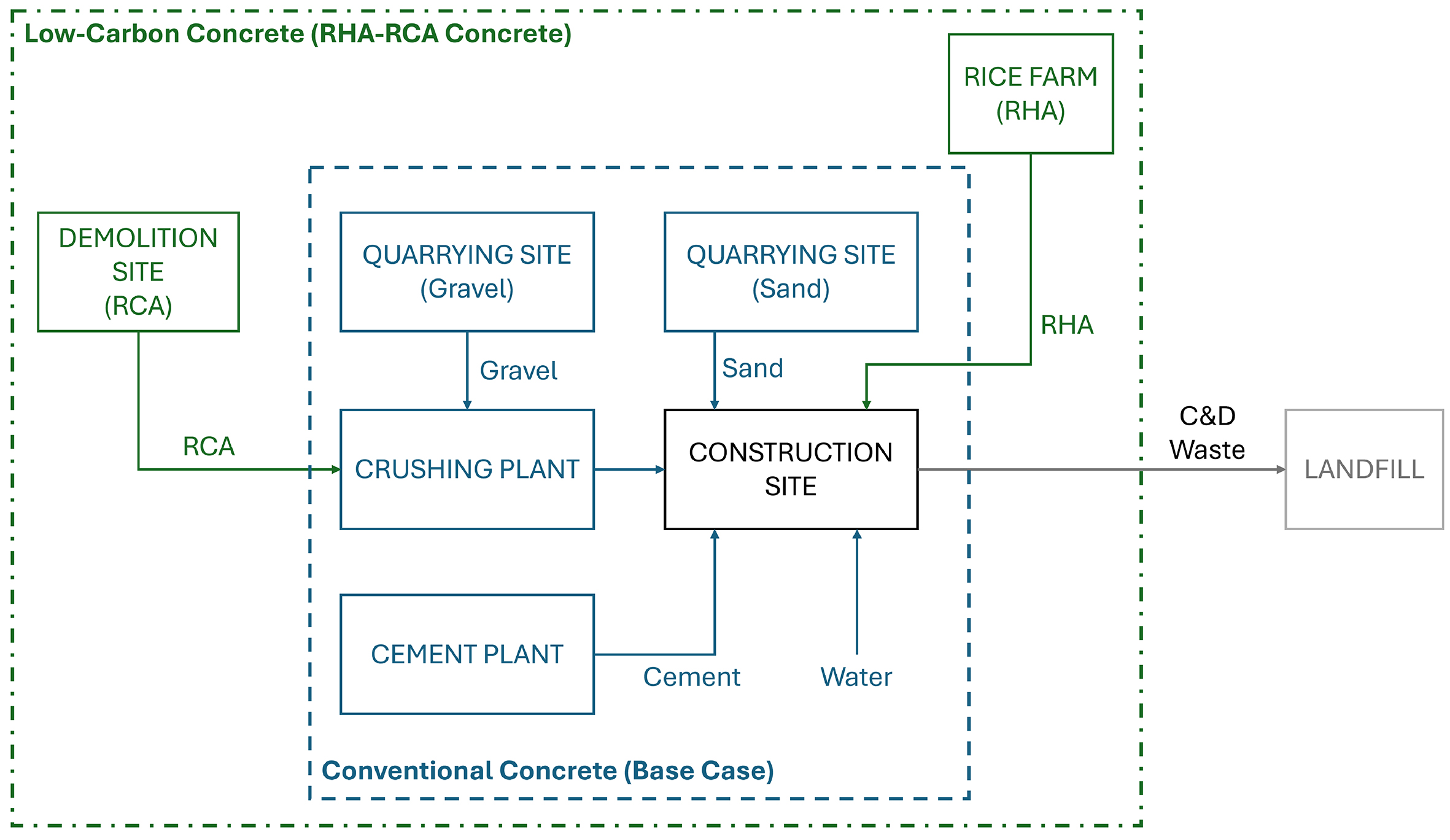
Figure 1. Cradle-to-gate system boundaries of process flows for conventional and low-carbon concrete production using recycled concrete aggregates and rice husk ash.
Concrete production
Conventional concrete production considered cement manufacturing, quarrying and processing of sand and gravel, water utilization, and material transport. For low-carbon concrete production, additional processes associated with RCA and RHA utilization were incorporated into the model. Since RCA and RHA are construction and demolition waste and agricultural waste, respectively, these inputs were treated as raw materials; hence, zero burden was assigned to their upstream processes. Under this consideration, only impacts associated with waste recovery, pre-processing, transportation, crushing, combustion, and reuse were considered in the inventory analysis. This approach is widely adopted in LCA studies involving recycled aggregates and waste-derived SCMs when the environmental burdens of primary production are assigned to the original product system rather than the subsequent recovery pathway through cut-off[35-37]. This consequently allows us to independently evaluate the environmental credits of waste recovery and reuse from the impacts incurred during waste generation.
Aggregate production
Natural aggregate production included quarrying, crushing, washing, and grading operations for sand and gravel extraction. On the other hand, RCA comes from demolished concrete and is transported to the crushing plant, where it will be crushed and reused as aggregates. The associated processes include demolition waste recovery, transportation to the crushing facility, and crushing operations prior to reuse as coarse aggregate.
Rice husk ash production
RHA is derived from rice husks, an agricultural by-product from rice fields. The processes associated with RHA production include rice husk collection and controlled combustion prior to its use as a SCM. It is important to note that the considered RHA production is from raw rice husk burning, as opposed to ash derived from the byproduct of industrial processes due to quality differences that may affect the resulting concrete strength. Amorphous silica content in RHA varies depending on the industrial production source, such as from economizers, air pre-heaters, and electrostatic precipitators, with values ranging from 81.32% to 94.83%[38]. This inconsistency may affect concrete properties; hence, the method where rice husks are burnt into ash using a drum-type combustor at a controlled temperature of 600 to 800 °C was employed[29]. This study resulted in 92.32% silicon dioxide content from rice husk ash burnt solely for the purpose of replacing Portland cement. This is a concentration in which, together with ferric oxide and aluminum oxide, it exceeds the minimum chemical requirement of ASTM C618: Standard Specification for Coal Fly Ash and Raw or Calcined Natural Pozzolan for Use in Concrete to be considered a Class N natural pozzolan[39]. The assurance of RHA performing as a high-quality SCM, therefore, presents a tradeoff due to the untreated burning of rice husk, adding to the environmental emissions for concrete production with RHA. This marks a limitation in the study as rice husk burning has yet to be performed in a more mature technology in the Philippines, aside from a drum-type combustor.
Transportation of raw materials
Transportation processes were incorporated into the life cycle model to account for emissions associated with the movement of raw materials throughout the supply chain. The location of the modeled two-storey school building, where raw materials will be transported, was assumed to be in Los Baños, Laguna, Philippines. Raw material sourcing locations were selected to represent the typical supply chains in the country, particularly within Luzon Island. Transportation distances were estimated using the shortest one-way road routes obtained from Google Maps, while vehicle types were selected according to the transported materials and their bulk quantities. The sourcing locations of rice husk, coconut husk, and demolition concrete were likewise based on the regional availability of agricultural residues and construction waste streams. The estimated transportation routes, distances, and vehicle specifications are summarized in
Transportation routes and assumptions for the life cycle inventory
| Material | Route | Distancea (km) | Transport type | |
| Source location | Destination | |||
| Cement | Lemery, Batangas | Los Baños, Lagunab | 84 | Heavy-duty truck |
| Gravel | Taysan, Batangas | Crushing Plant in Taysan, Batangas | 1 | Heavy-duty truck |
| Crushing Plant in Taysan, Batangas | Los Baños, Laguna | 74 | Heavy-duty truck | |
| Sand | Montalban, Rizal | Los Baños, Laguna | 106 | Heavy-duty truck |
| Demolished concrete | Residential area in Taysan, Batangas | Crushing Plant in Taysan, Batangas | 2.3 | Heavy-duty truck |
| RCA | Crushing Plant in Taysan, Batangas | Los Baños, Laguna | 74 | Heavy-duty truck |
| Rice husk | Sto. Domingo, Nueva Ecija | Los Baños, Laguna | 168 | Medium-duty truck |
| Coconut husk | Catanauan, Quezon | Los Baños, Laguna | 130 | Medium-duty truck |
Life cycle inventory analysis
A life cycle inventory (LCI) analysis was performed following the steps outlined in ISO 14040[31] and ISO 14044[32] for all relevant energy and mass flow inputs and outputs, as well as data on environmental emissions. Foreground inventory data, including concrete mix proportions, transportation distances, RCA recovery, and RHA production, were based on Philippine-specific conditions. In contrast, background processes including cement production, electricity generation, fuel production, and material processing were represented using Ecoinvent Rest-of-World datasets where Philippine-specific inventories were unavailable. Although using non-local proxy datasets for cement manufacturing may introduce minor geographical bias, reflecting regional variations in kiln thermal efficiency and fuel usage, several methodologies were developed to maintain the robustness of the results. Transport logistics and electricity inputs are estimated based on the Philippine context, representing accurate data in terms of raw material supply and electricity mix for concrete crushing. While the database used for the burning of rice husk in a drum-type combustor is geographically specific to India, it exhibits a similar small-scale and less mature technology used in the agricultural regions in the Philippines. Moreover, because cement production largely dominates the environmental hotspot in concrete manufacturing, minor changes in secondary processes may statistically be insufficient to alter the results. Overall, the inventory provides adequate data quality for comparative LCA, with reasonable temporal representativeness for mature processes such as cement, sand, and gravel production. Table 3 presents the inventory analysis of materials and transport considered in the study.
Life cycle inventory data for material production and transportation processes used in the cradle-to-gate assessment
| Category | Material (1 kg basis) | Transportation (1 tkm basis) | ||||||
| Cement | Sand | Gravel | Water | RHAa,b | RCAa | Medium-duty truck | Heavy-duty truck | |
| Energy (MJ) | ||||||||
| Electricity | 2.193 | 0.006 | 0.126 | 0.026 | 0.059 | 0.064 | 0.114 | 0.091 |
| Diesel | 0.109 | 0.100 | 0.030 | 0.000 | 0.015 | 0.000 | 0.023 | 0.018 |
| Coalc | 0.079 | 0.000 | 0.001 | 0.000 | 0.000 | 0.000 | 0.002 | 0.001 |
| Othersd | 0.306 | 0.004 | 0.009 | 0.001 | 0.105 | 0.016 | 0.231 | 0.124 |
| Emissions (g) | ||||||||
| Air | 864.350 | 4.517 | 7.336 | 0.911 | 8,014.800 | 3.913 | 187.400 | 147.200 |
| CO2, fossil | 845.820 | 4.405 | 7.025 | 0.880 | 14.867 | 3.779 | 185.100 | 145.300 |
| CO, fossil | 0.640 | 0.014 | 0.027 | 0.000 | 0.018 | 0.001 | 0.252 | 0.210 |
| NOx | 1.802 | 0.053 | 0.027 | 0.002 | 3.098 | 0.007 | 0.739 | 0.620 |
| SO2 | 0.658 | 0.004 | 0.022 | 0.003 | 3.248 | 0.016 | 0.145 | 0.115 |
| CH4, fossil | 0.793 | 0.014 | 0.013 | 0.002 | 0.371 | 0.004 | 0.594 | 0.470 |
| NMVOC | 0.260 | 0.013 | 0.006 | 0.000 | 0.836 | 0.001 | 0.265 | 0.210 |
| Particulates | 0.888 | 0.006 | 0.060 | 0.003 | 51.892 | 0.029 | 0.124 | 0.111 |
| Water | 18.871 | 0.061 | 1.409 | 1.156 | 0.861 | 1.132 | 5.052 | 3.997 |
| VOCs | 0.000 | 0.000 | 0.000 | 0.000 | 0.000 | 0.000 | 0.000 | 0.000 |
| BOD5 | 0.311 | 0.002 | 0.006 | 0.003 | 0.029 | 0.000 | 0.150 | 0.119 |
| COD | 2.862 | 0.006 | 0.051 | 0.026 | 0.057 | 0.002 | 1.098 | 0.869 |
| Magnesium | 0.718 | 0.001 | 0.080 | 0.042 | 0.016 | 0.070 | 0.140 | 0.111 |
| Phosphate | 0.213 | 0.000 | 0.026 | 0.001 | 0.002 | 0.023 | 0.035 | 0.027 |
| Soil | 0.053 | 0.000 | 0.001 | 0.000 | 0.002 | 0.000 | 0.007 | 0.006 |
Impact assessment
The impact assessment methods used in this research are ReCiPe 2016 Midpoint (Hierarchist) and CED. The impact categories evaluated under the ReCiPe method were GWP, TA, FE, MRS, HCT, and WC. GWP describes the effects of a product or service on climate change relative to the impact of carbon dioxide with the same quantity and time duration. CED measures the total energy inputs throughout a product’s life cycle, such as in the forms of electricity, oil, natural gas, and coal, among many others. MRS is associated with the product’s contribution to the resource consumption of nonrenewable resources, such as limestone and aggregates. TA describes the changes in soil chemical properties linked with the deposition of nutrients, primarily ammonia, sulfur oxides, and nitrogen oxides. Chemical emissions harming freshwater ecosystems are quantified using the impact category, FE. This is measured using kilograms of 1,4-dichlorobenzene (DCB) equivalent. Lastly, the effects of a product’s life cycle on water scarcity are measured through quantifying surface and groundwater consumption.
To complement environmental performance with structural and durability-related functionality, SPI were evaluated by relating GWP with concrete performance metrics. In contrast with the ESI that relates embodied carbon to compressive strength[29], the proposed SPI framework expands the analysis to both structural capacity and durability characteristics, thereby providing a broader assessment of production-stage sustainability. GWP was selected because climate change mitigation remains the primary objective of low-carbon concrete systems, and embodied carbon is the most widely reported indicator in concrete LCA studies, facilitating comparison with previous work. Compressive strength was selected to represent structural performance, whereas post-conditioning bulk ER, and chloride migration coefficient (Dnssm) were selected to represent durability because these properties are widely recognized indicators of reinforcement corrosion resistance and long-term service-life performance under chloride exposure conditions. This approach enables systematic assessment of the tradeoffs between embodied carbon, structural performance, and long-term durability.
The structural sustainability performance indicator (SPIS) is defined as:
where fc represents the 28-day compressive strength. Similarly, durability-oriented sustainability indicators were evaluated using bulk electrical resistivity (SPIER) and chloride resistance (SPICl) and were similarly defined as:
The reciprocal of the chloride migration coefficient was adopted so that lower chloride diffusivity, corresponding to greater resistance against chloride ingress, results in a lower SPICl value. Lower SPI values indicate lower embodied carbon required to achieve a given level of structural or durability performance. This formulation enables a systems-level comparison of environmental burden and functional concrete performance beyond conventional embodied-carbon assessments alone.
Sensitivity and scenario analysis
To ensure the reliability and stability of results generated from the LCA, sensitivity analyses were performed. GWP was selected as the response variable because it represents the primary environmental indicator associated with low-carbon concrete production and serves as the basis for comparing the carbon reduction potential of the evaluated mixtures. Sensitivity was quantified as the percentage change in GWP relative to the base case scenario. Given the inherent uncertainties associated with geographical logistics and RHA combustion, transportation distances and RHA yield per combustion batch were varied. The method involves systematically varying one independent parameter at a time while keeping all other inventory data constant, thereby isolating the specific environmental impact of the targeted variable across the various concrete groups.
The first parameter subjected to sensitivity analysis was the transportation distance, as raw material sourcing locations, transportation routes, and regional supply chain conditions vary substantially across different construction projects within the Philippines, thereby contributing to geographical uncertainty. A variance of ±30% was applied to the baseline distance to rigorously capture the changing material supply chain network and the varying logistical environment of the Philippines. Second, to address the archipelagic geography within the country, a scenario-based sensitivity analysis on transportation mode was conducted. This evaluated the environmental impact of transitioning from the baseline road transport to a multimodal transportation logistics incorporating ferry transport.
Third, technological uncertainty associated with biomass combustion and ash recovery was evaluated by varying the RHA yield by ±10% per combustion batch to simulate variations in rice husk quality and efficiency fluctuation. This analysis was performed for all RHA-containing mixtures. Finally, technological and background dataset uncertainties in cement production were addressed by varying its manufacturing efficiency by ±30% relative to the baseline emission. This parameter captures operational variations in kiln thermal efficiency, fuel usage, and potential discrepancies introduced by relying on global background database.
RESULTS AND DISCUSSION
Comparative environmental performance of concrete mixes across impact categories
The environmental performance of conventional concrete and low-carbon concrete mixtures incorporating RCA and RHA was evaluated using midpoint impact assessment methods under a cradle-to-gate system boundary. However, it should be noted that although foreground processes, including transportation distances, RHA production, and RCA recovery, were modeled using Philippine-specific conditions, portions of the background LCI were represented using Ecoinvent RoW datasets because equivalent Philippine inventories are currently unavailable. Consequently, the reported environmental impacts may be influenced by the differences between Philippine production systems and the generic technologies represented in the database. Variations in electricity generation mixes, cement manufacturing technologies, fuel sources, transportation efficiencies, and industrial process characteristics may affect the absolute magnitude of the calculated environmental impacts. For example, electricity-related emissions may differ because the Philippine electricity grid remains more dependent on fossil fuels than several regions represented in the RoW datasets, while cement manufacturing technologies may vary with respect to kiln efficiency, clinker substitution practices, and fuel utilization. Nevertheless, because all concrete mixtures were evaluated using the same background inventory framework and Philippine-specific foreground data, the results remain appropriate for comparative assessment, with consideration of the geographical limitations. The comparative assessment across different impact categories is shown in Figures 2-8.
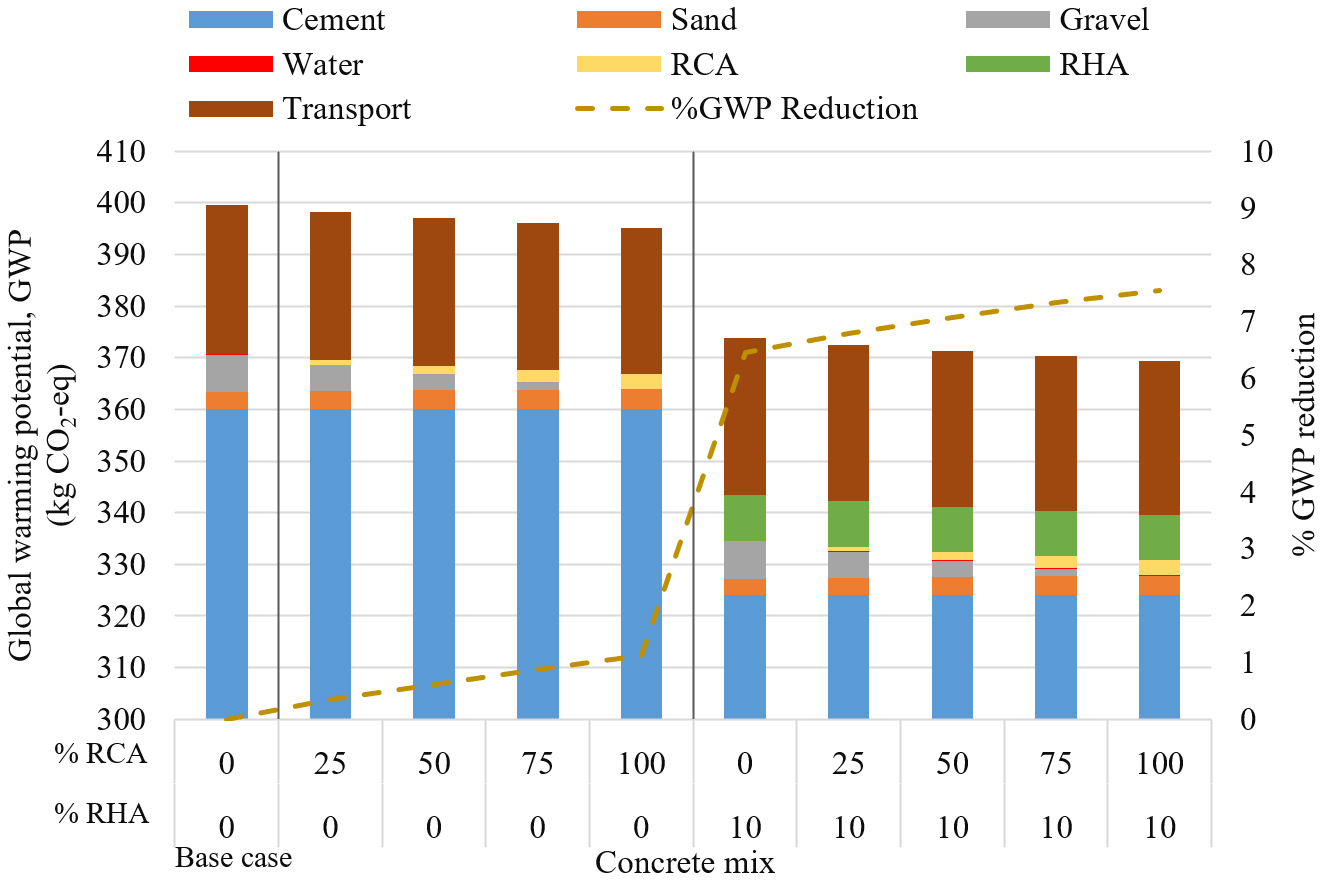
Figure 2. Global warming potential and %GWP reduction of varying concrete mixes. Note: The vertical axis is intentionally truncated to improve visualization of the relative contributions of the life cycle inventory components.
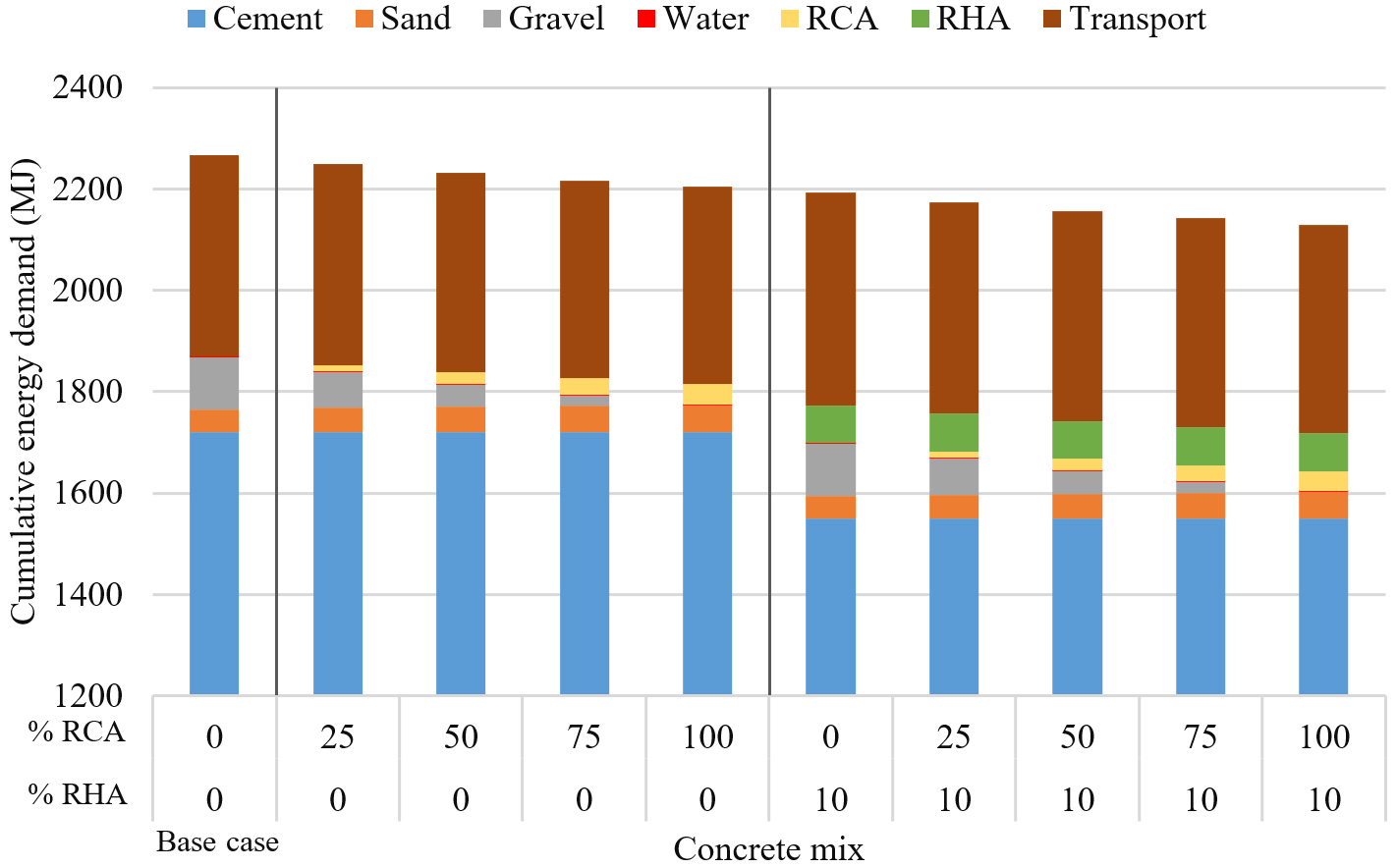
Figure 3. Cumulative energy demand of various concrete mixes per cubic meter of concrete. Note: The vertical axis is intentionally truncated to improve visualization of the relative contributions of the life cycle inventory components.
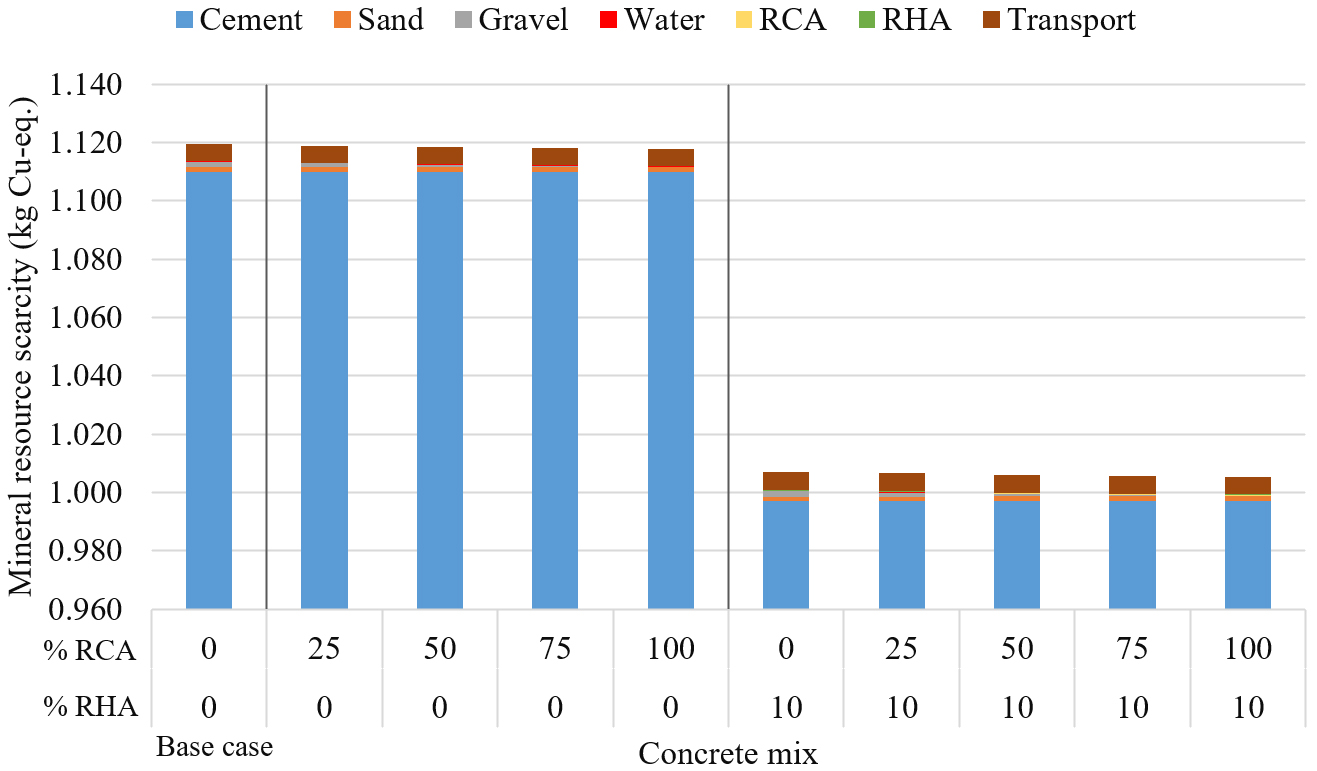
Figure 4. Mineral resource scarcity of various concrete mixes per cubic meter of concrete. Note: The vertical axis is intentionally truncated to improve visualization of the relative contributions.
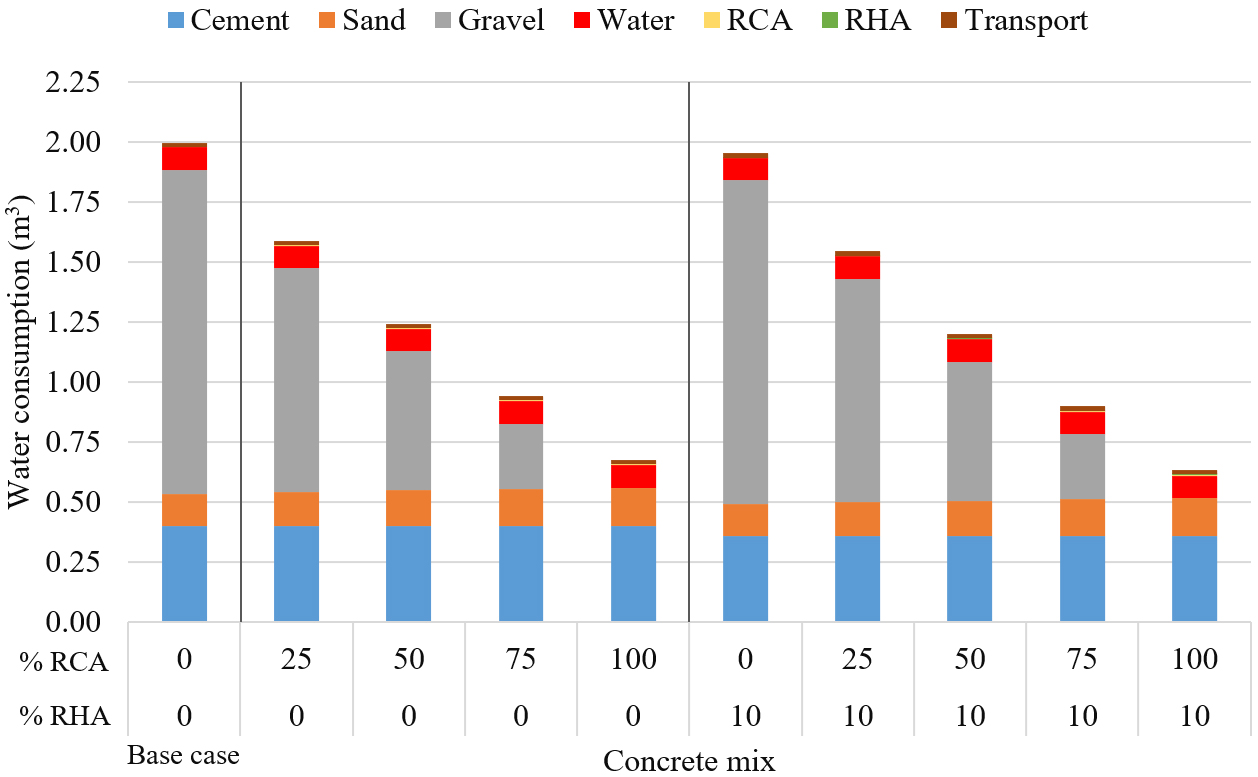
Figure 5. Water consumption of various concrete mixes per cubic meter of concrete.
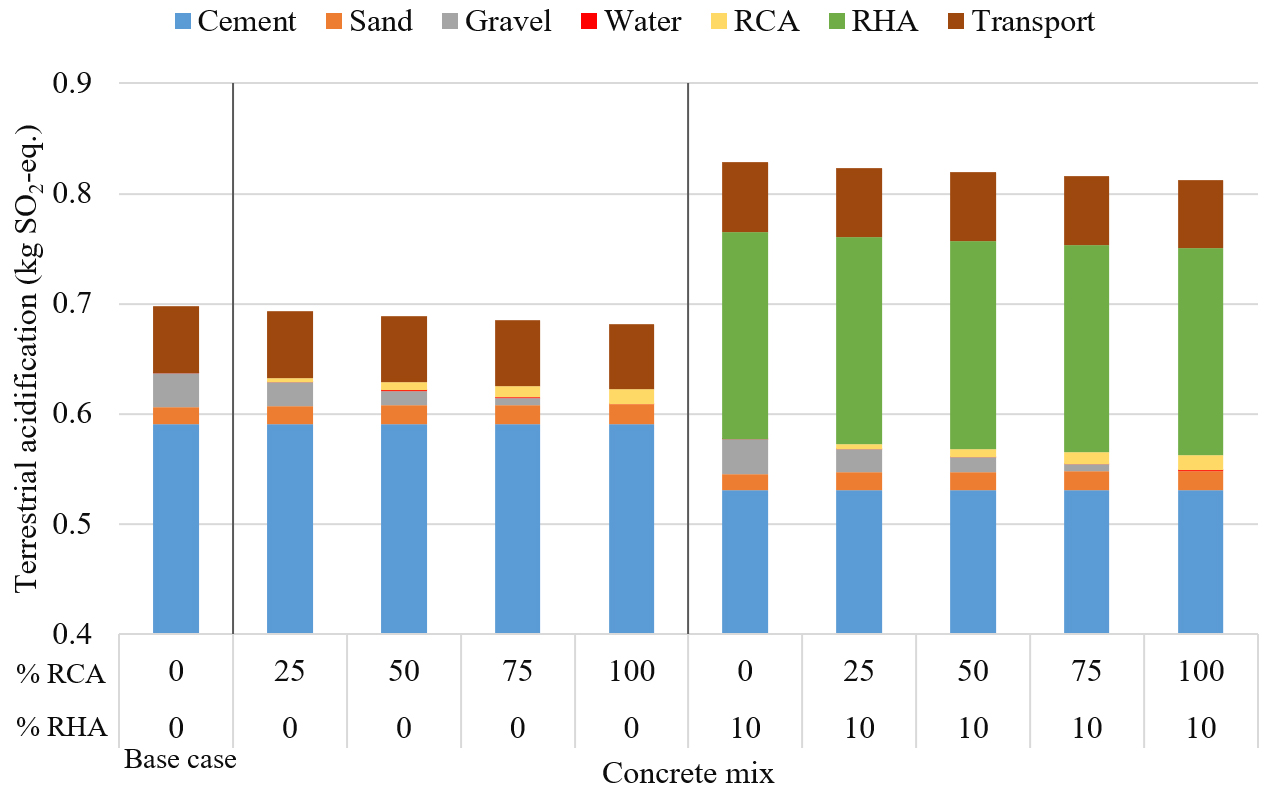
Figure 6. Terrestrial acidification of various concrete mixes per cubic meter of concrete. Note: The vertical axis is intentionally truncated to improve visualization of the relative contributions of the life cycle inventory components.
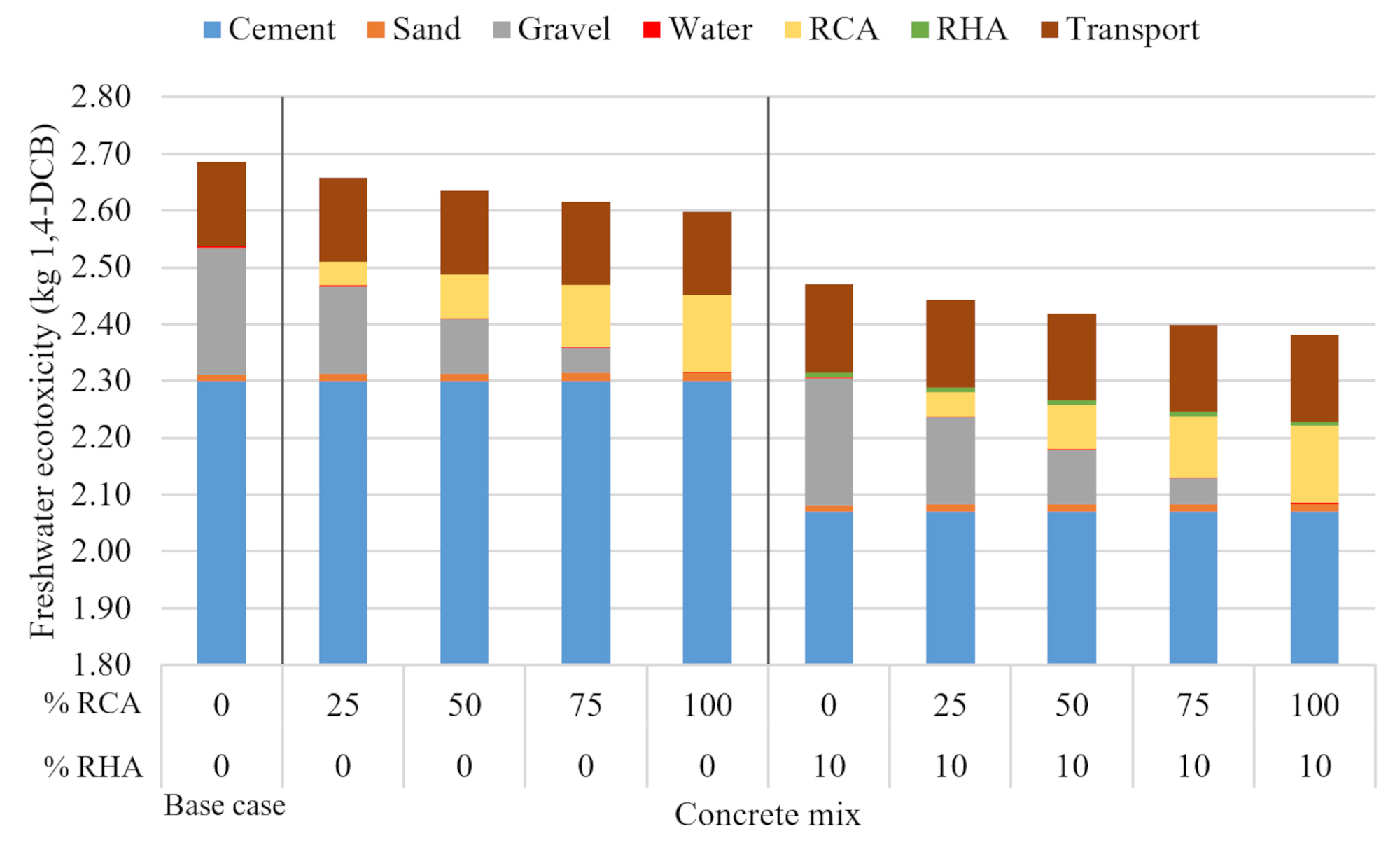
Figure 7. Freshwater ecotoxicity of various concrete mixes per cubic meter of concrete. Note: The vertical axis is intentionally truncated to improve visualization of the relative contributions of the life cycle inventory components.
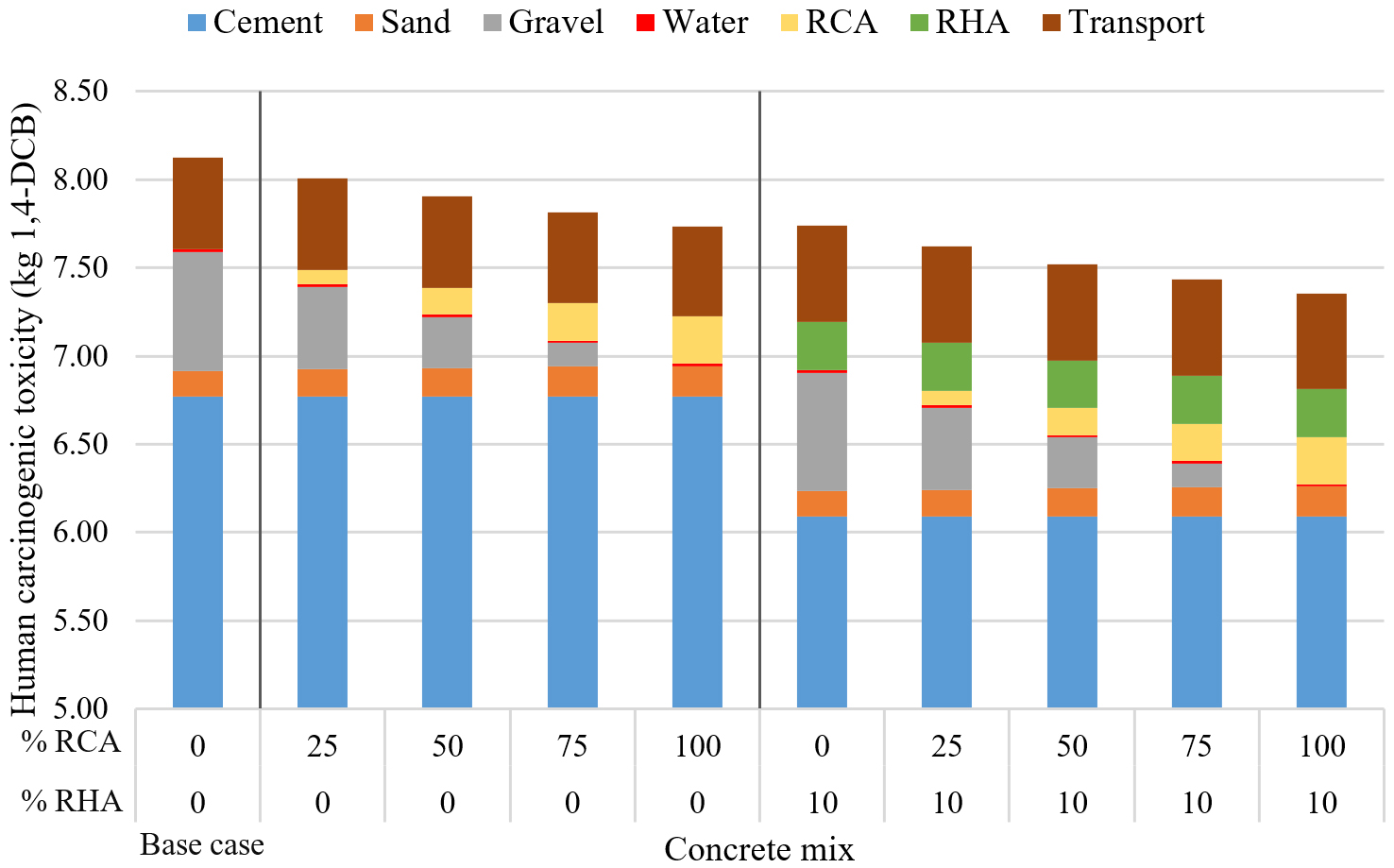
Figure 8. Human carcinogenic toxicity of various concrete mixes per cubic meter of concrete. Note: The vertical axis is intentionally truncated to improve visualization of the relative contributions of the life cycle inventory components.
Results showed that the incorporation of RHA and RCA generally reduced the environmental burdens associated with concrete production, although varying tradeoffs were observed depending on the impact category considered. Across nearly all impact categories, cement production remained the dominant contributor because of clinker calcination, fuel combustion, and energy-intensive processing requirements. Transportation, on the other hand, was identified as a secondary contributor, particularly for RHA and RCA due to additional recovery and distribution processes. Consistent with the findings of Nian et al.,[28] these remained the dominant contributors to the environmental profile of recycled aggregate concrete systems. Moreover, while cradle-to-grave assessment can additionally account for carbon uptake during the use phase, the present cradle-to-gate study identifies material production and transportation as the principal intervention points for reducing embodied carbon during the production stage. This agreement indicates that reducing clinker demand and optimizing material logistics are robust carbon mitigation strategies across different lifecycle assessment boundaries. Consequently, environmental improvements were more strongly influenced by cement replacement through RHA incorporation than by RCA substitution alone, highlighting the critical role of cement decarbonization in reducing the life cycle impacts of concrete production.
These environmental benefits are partially influenced by the adoption of a zero-burden allocation approach, wherein the upstream impacts associated with the generation of construction-demolition waste and rice husks are assigned to their original product systems. This approach was selected to evaluate the environmental implications of recovering and utilizing waste materials after they have entered the waste management system. This is consistent with the allocation hierarchy described in ISO 14044 and widely adopted in open-loop recycling and circular economy assessments. Nonetheless, while the zero-burden assumption is consistent in circular economy and waste valorization studies, alternative allocation approaches such as mass allocation, economic allocation, and system expansion may attribute portions of the upstream environmental burdens to RCA and RHA. Under a mass allocation approach, portions of the upstream environmental burdens associated with concrete production or rice cultivation would redistribute upstream environmental burdens among the products and coproducts of the multifunctional production system according to their respective mass fractions. Similarly, economic allocation would assign burdens based on the market value of recycled products, whereas system expansion would account for the environmental credits associated with avoided virgin aggregate extraction and cement production. Consequently, mass and economic allocation would increase the absolute environmental impacts associated with RCA and RHA compared with the cut-off approach, whereas system expansion may instead offset part of these burdens through avoided virgin aggregate extraction and cement production. However, the contribution analysis shown in Figures 2-8 demonstrated that cement production consistently accounted for the largest proportion of GWP, CED, MRS, and several other midpoint categories, whereas RCA recovery, RHA processing, and transportation collectively represented comparatively smaller contributions. Thus, although the absolute environmental benefits associated with RCA and RHA may decrease under allocation-based approaches, the relative ranking of the evaluated mixtures is expected to remain unchanged due to the substantial contribution of cement. In addition, because RCA and RHA generally possess substantially lower economic value than virgin aggregates and Portland cement, only a relatively small fraction of the upstream burdens would be assigned under economic allocation. Hence, while alternative allocation-based approaches would influence the magnitude of the reported environmental benefits, these are unlikely to alter the principal conclusions of this study.
Climate and energy-related impacts
The dominance of cement production was most evident in GWP. Conventional concrete generated approximately 399.5 kg CO2-eq per cubic meter of concrete, of which 360 kg CO2-eq originated from cement production alone. Increasing RCA replacement from 0% to 100% produced only marginal reductions in GWP, reaching slightly above 1% reduction at full aggregate substitution. This limited influence may be attributed to the relatively lower environmental burden of gravel production compared with clinker manufacturing. Despite this marginal reduction, when evaluated at the scale of the modeled two-story school building, full aggregate substitution by RCA can reduce emissions by approximately 1,342.88 kg CO2-eq relative to the base case, demonstrating the cumulative environmental benefit of RCA utilization in large-scale applications. In contrast, replacing 10% of cement with RHA produced a substantially larger reduction in GWP due to decreased clinker demand. RHA-10:RCA-0 reduced emissions to approximately
The trends observed in CED and electricity consumption closely paralleled those of GWP, further reflecting the strong dependence of environmental burdens on clinker production. Conventional concrete exhibited a total CED of approximately 2,267.36 MJ per cubic meter of concrete, of which 1,720 MJ originated from cement production and approximately 398 MJ from transportation activities. Increasing RCA replacement progressively reduced CED from approximately 2,267.36 MJ in the base case to about 2,204.06 MJ at full RCA substitution, considering that recycled aggregates bypassed several energy-intensive quarrying and processing operations associated with virgin gravel extraction. However, this reduction remained relatively modest because RCA processing still required transportation and crushing operations. On the other hand, the incorporation of RHA produced a more pronounced reduction in energy demand. At 10% replacement, the incorporation of RHA lowered the total CED from 2,267.36 to 2,192.56 MJ, corresponding to a 3.30% reduction. Similarly, RHA-10:RCA-100 mixture achieved the lowest CED at approximately 2,129.26 MJ, representing around 6.09% CED reduction.
Resource consumption impacts
The strong dependence of environmental impacts on cement production was also reflected in MRS. Although sand and gravel constituted the majority of the concrete mass, their contribution to MRS remained minimal relative to cement. In the base case scenario, sand and gravel collectively contributed only approximately 0.00337 kg Cu-eq out of the total 1.119 kg Cu-eq environmental burden. Consequently, replacing natural gravel with RCA resulted in only approximately 0.144% reduction in MRS even at full aggregate substitution. Conversely, introducing RHA substantially reduced MRS because rice husk is an agricultural by-product rather than a mined mineral resource. At 10% replacement, RHA reduced MRS from 1.119 kg Cu-eq to approximately 1.007 kg Cu-eq, corresponding to a 10.04% reduction in impact. These results demonstrate that the environmental advantages of RHA integration extend beyond carbon reduction and energy savings to include resource conservation.
Unlike GWP, CED, and MRS, WC was more strongly governed by aggregate extraction and processing activities rather than cement production. Gravel and sand processing contributed approximately 1.35 and 0.134 m3 of water per cubic meter of concrete, respectively, largely because of washing operations during aggregate preparation. Since RCA was treated under a zero-burden allocation approach and only crushing-related processes were included in the inventory analysis, replacing natural gravel with RCA reduced WC by approximately 68.5%, highlighting the significant water conservation potential of RCA. RHA incorporation further contributed to secondary reductions in WC by decreasing upstream water requirements associated with clinker manufacturing processes such as slurry preparation and equipment cooling. RHA-10:RCA-100 mixture exhibited the lowest total WC at approximately 0.63 m3 per cubic meter of concrete. These results demonstrate the synergistic environmental benefits achieved when agricultural by-products and construction waste are simultaneously integrated into concrete production systems.
Emission-related environmental impacts
In contrast to the generally declining trends observed across most impact categories, TA increased with RHA incorporation. At 10% replacement, RHA contributed approximately 0.188 kg SO2-eq, exceeding the approximately 0.06 kg SO2-eq reduction achieved through lower cement consumption. Mixtures incorporating RHA exhibited higher TA impacts than mixtures without RHA, attributable to sulfur oxide and nitrogen oxide emissions generated during rice husk combustion using drum-type combustors, reflecting current technological limitations associated with on-site RHA production. RCA, on the other hand, reduced acidification impacts associated with aggregate production, lowering the contribution of gravel-related acidification from approximately 0.031 kg SO2-eq to only approximately 0.0134 kg SO2-eq at full replacement. The contrasting trends between RHA and RCA, therefore, highlight the importance of evaluating multiple environmental indicators simultaneously, as strategies that reduce carbon footprint and resource depletion may also introduce tradeoffs associated with combustion-related emissions.
FE and HCT exhibited environmental trends similar to those observed for GWP and CED, wherein reductions were primarily associated with lower cement production and reduced quarrying activities. FE steadily decreased as natural gravel was replaced with RCA, with the combined contribution of gravel and sand decreasing from approximately 0.2348 kg 1,4-DCB in the base case to approximately 0.149 kg 1,4-DCB at full RCA substitution. Meanwhile, although RHA itself contributed only minor FE impacts, its role as a cement substitute reduced the burden associated with cement production from approximately 2.3 kg 1,4-DCB in conventional concrete to approximately 2.07 kg 1,4-DCB in the RHA-10:RCA-100 mixture. HCT decreased from approximately 8.126 kg 1,4-DCB in the base case to approximately 7.742 kg 1,4-DCB upon introducing 10% RHA replacement due to lower heavy metal emissions. Increasing RCA replacement levels further reduced carcinogenic toxicity because recycled aggregates avoided portions of quarrying-related fossil fuel combustion and heavy machinery operations.
Endpoint damage assessment
The endpoint damage assessments provide a macro-level evaluation of the overall environmental consequences of concrete production by translating midpoint impacts into three principal endpoint categories - human health, ecosystem quality, and resource depletion. In contrast to midpoint indicators that evaluate isolated environmental mechanisms, these criteria evaluate impacts at the end of the cause-effect chain to provide a broader systems-level interpretation of environmental damage[40]. The comparative analysis between conventional concrete and the RHA-10:RCA-100 mixture, shown in Figure 9, reveals distinct trade-offs, with the vertical axis representing the relative percentage contribution scaled relative to the maximum damaging mixture within each damage category.
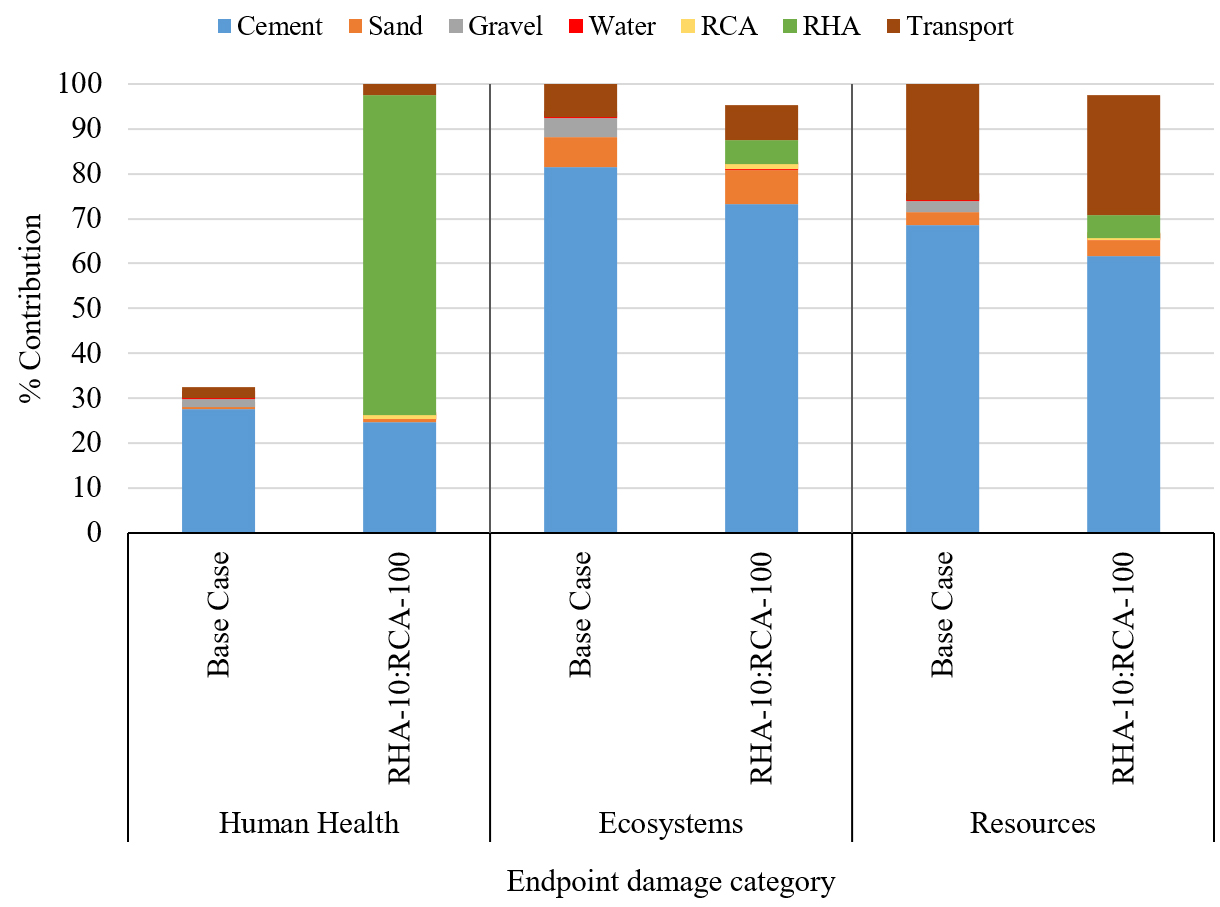
Figure 9. Comparative endpoint damage contributions of base case scenario with RHA-10:RCA-100 concrete mix.
In the human health damage category, a major environmental trade-off is observed; the low-carbon concrete mixture acts as the maximum impact contributor at 100%, whereas the conventional concrete with no RCA and RHA replacements accounts for only approximately 32.4% of this total baseline damage. This significant difference is driven largely by RHA, which single-handedly accounts for roughly 71.2% of this mixture’s entire human health impact. While lowering cement content yields a slight reduction in cement-associated toxicity emissions, the emissions linked to localized agricultural biomass combustion during RHA processing introduce substantial damage within the human health endpoint domain.
On the contrary, the trend completely reverses within the ecosystems damage category, where the conventional mixture establishes the maximum damage threshold at 100%, while the LCC mixture accounts for about 95% of its impact. This 5% decrease is associated with both the addition of RHA and RCA, with the former resulting in the reduction of cement’s impact, while the latter eliminated the impact of gravel. The combined environmental burdens introduced by adding RHA and RCA were outweighed by removing the intensive upstream processes of cement and gravel processing.
Finally, the resources damage category indicates a relatively minor net environmental benefit when transitioning from the conventional to the low-carbon concrete mixture. The base case marks the maximum resource damage at 100%, while the RHA-10:RCA-100 mixture reduces this primary resource depletion indicator to roughly 97.5%. Across both concrete formulations, cement remains as the primary driver of resource scarcity, dictating more than 60% of the respective impacts due to the high mineral and fossil energy requirements of industrial manufacturing. Notably, transportation became a critical secondary resource hotspot, accounting for about 26% to 27% of the total resource damage in both concrete groups. This demonstrates that while substituting natural gravel with 100% RCA successfully eliminates the direct geological depletion of virgin aggregates, the fossil energy and diesel fuel required to transport raw materials create a significant environmental burden.
Infrastructure-scale avoided burden analysis
Although the environmental contribution of RCA appeared relatively minor across several midpoint impact categories on a per-functional-unit basis, its cumulative benefits become more apparent when extrapolated to larger concrete volumes. To illustrate this, the calculated cradle-to-gate GWP values were linearly extrapolated to a modeled two-storey building, as reported in Figure 10. Based on the Department of Public Works and Highways standard design, the modeled building contains approximately 201.23 m3 of concrete[41]. This corresponds to approximately 133.33 metric tons of sand and 192.94 metric tons of gravel, comprising a total of approximately 326.26 metric tons of natural aggregates for the conventional concrete mixture. As RCA replacement increased from 0% to 100%, the quantity of natural aggregates decreased to 157.44 metric tons, primarily through the displacement of gravel extraction and processing, while the sand content increased to compensate for the lower density and higher porosity of RCA and to satisfy the target workability and compressive strength requirements. Correspondingly, the extrapolated net avoided GWP increased with increasing RCA replacement, ranging from approximately 410.99 kg CO2-eq for the RHA-0:RCA-25 mixture, to 1,342.88 kg CO2-eq for the RHA-0:RCA-100 mixture. These findings demonstrate that although environmental benefits of RCA appear modest on a per-functional-unit basis, their cumulative impact becomes increasingly significant when implemented in large-scale infrastructure applications.
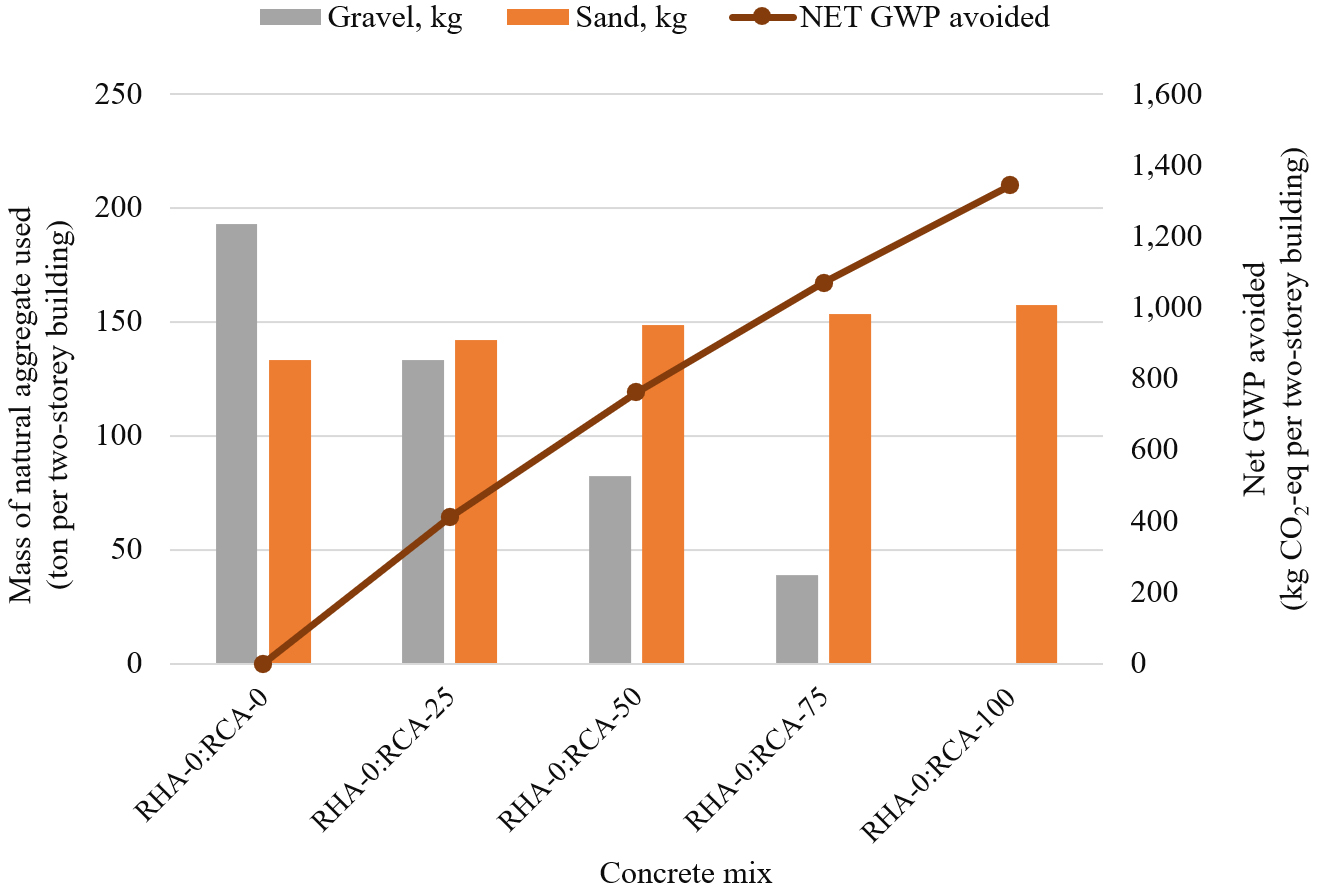
Figure 10. Net avoided GWP of concrete mixes with varying replacement levels of RCA for a two-storey building-scale scenario.
Sensitivity of GWP to alternative inventory assumptions and transport scenarios
To evaluate the robustness of results, a comprehensive sensitivity analysis was conducted on two critical parameters: transportation distances varying by ±30% and RHA yield varied by ±10%. The analyses shown in Figures 11 and 12 specifically tracked fluctuations in GWP from the baseline across various concrete mixes. When evaluating the influence of transportation logistics, the GWP of all concrete mixtures demonstrated a low-to-moderate sensitivity.
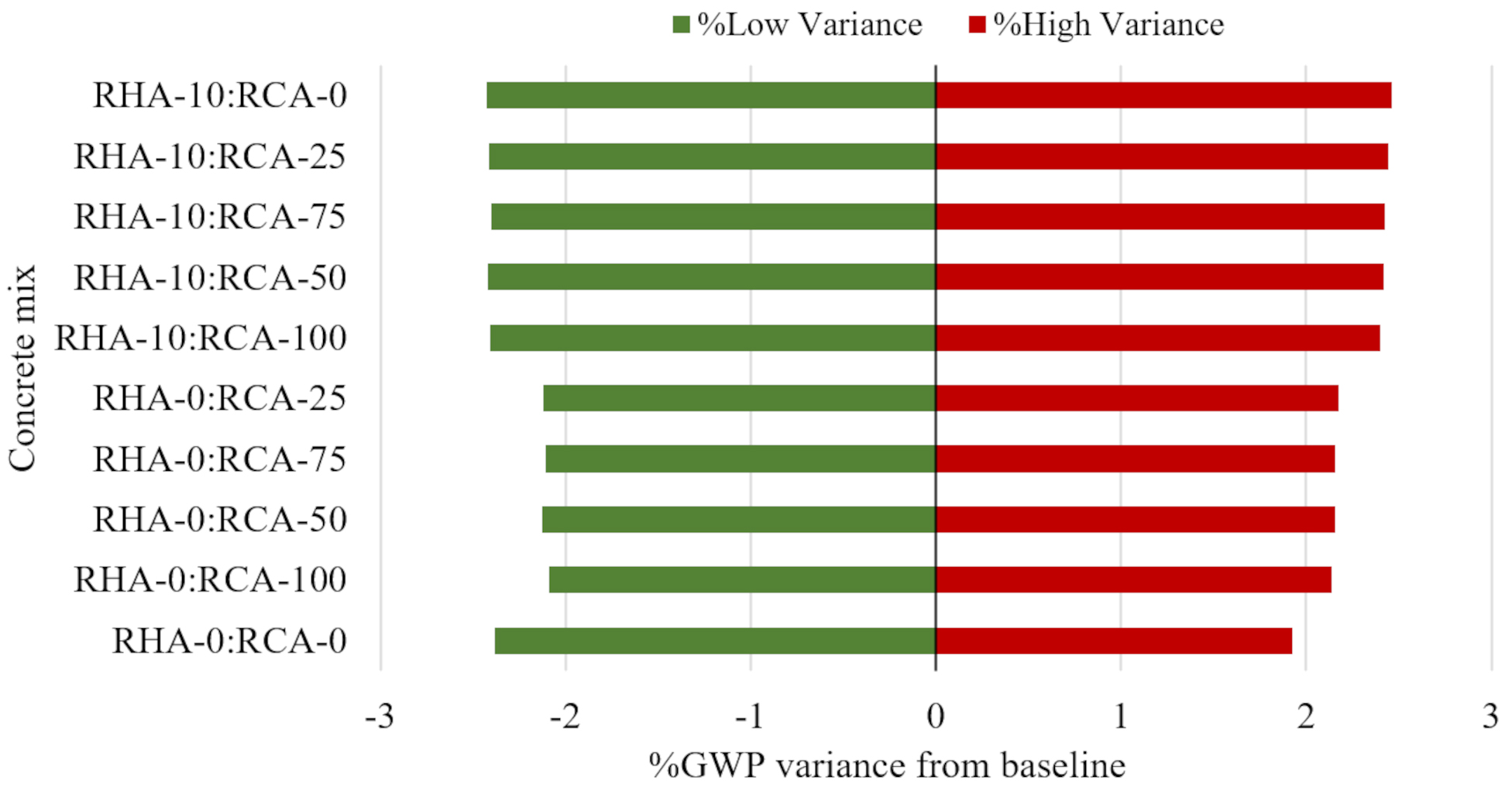
Figure 11. Sensitivity of GWP to transportation distances varied at ±30% for different concrete mixtures.
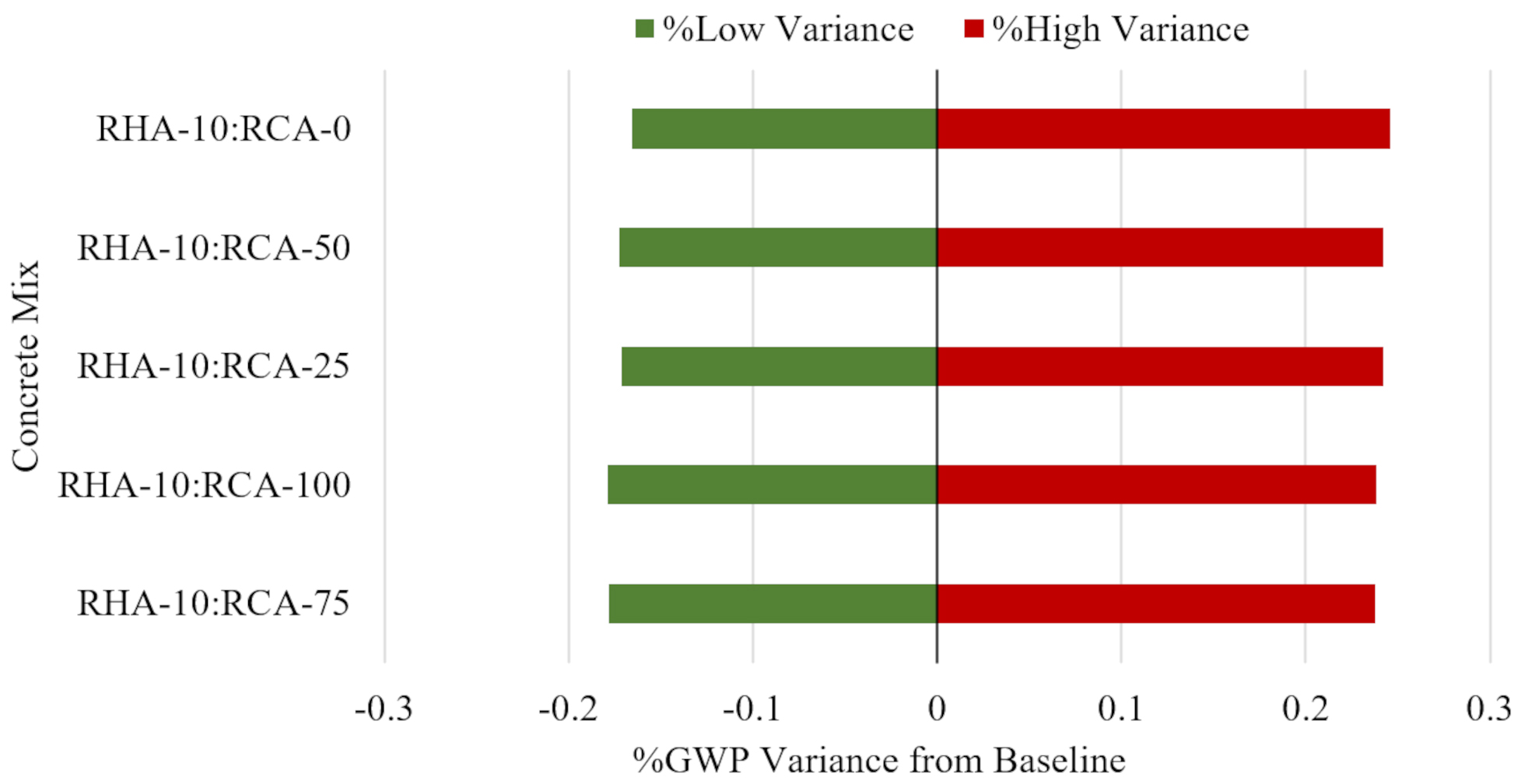
Figure 12. Sensitivity of GWP to RHA yield varied at ±10% for different concrete mixtures.
In Figure 11, low-to-moderate sensitivity on the GWP of all concrete mixtures to transportation-distance perturbations was observed. A 30% reduction in transport distances reduced the GWP by 2.09% to 2.42%, translating to approximately 8.26 to 9.06 kg CO2-eq. Conversely, extending transport distances by 30% increased the total GWP by 1.92% to 2.46%. The RHA-containing concrete mixtures exhibited the highest sensitivity to both transport distance reduction and extensions, indicating a slightly higher reliance on localized sourcing and shorter supply chains for RHA than for aggregates. Despite these variations, the relative environmental ranking of the evaluated concrete mixtures remained unchanged. Concrete mixtures with RCA and RHA consistently maintained lower GWP values than the conventional concrete baseline under both low-variance and high-variance scenarios. Notably, even under the worst-case transportation scenario of +30% distance, the GWP of the RHA-10:RCA-100 mixture remained lower than the best-case transport scenario (-30% distance) of the conventional concrete mixture. This demonstrates that the environmental advantages of the low-carbon mixtures are not solely dependent on favorable logistical conditions. This further supports that the environmental performance of the concrete mixtures is governed primarily by material production rather than transportation activities. This finding is consistent with the hotspot analysis, which identified cement manufacturing as the dominant contributor across most environmental impact categories.
In contrast, the overall GWP profile of the various RHA-containing concrete mixes proved to be highly insensitive to fluctuations in RHA yield during combustion, as shown in Figure 12. A 10% increase in efficiency resulted in a lower GWP, with an average of approximately 0.17% reduction from baseline. Meanwhile, a 10% reduction in efficiency showed approximately 0.24% increase in GWP. The limited sensitivity is consistent with the contribution analysis, which showed that RHA production contributed only 8.78 kg CO2-eq compared with 324 kg CO2-eq from cement production, corresponding to approximately 2.71% of the cement-related emissions. Consequently, a ±10% variance in RHA yield which induces a change of 0.17% up to 0.24% translates to a minor 0.25% change in total GWP. These confirm that moderate fluctuations in RHA production efficiency are insufficient to significantly alter the environmental performance or comparative ranking of the evaluated concrete mixtures.
The sensitivity analysis of cement manufacturing efficiency, shown in Figure 13, reveals that GWP across all concrete mixtures is highly responsive to variations, with roughly ±27% variance in GWP from the baseline. This relationship highlights the dominant role of cement production in the overall carbon footprint of concrete. Notably, mixtures incorporating 10% RHA exhibit slightly lower sensitivity compared to mixtures without RHA, demonstrating more resiliency to upstream cement production variability. In contrast to the high sensitivity observed for cement manufacturing efficiency, varying the recycling efficiency of RCA produces only a minor shift in GWP across all concrete mixtures. This limited sensitivity can be attributed to the relatively small contribution of RCA production to the overall carbon footprint compared to the more emission-intensive processes such as cement production.
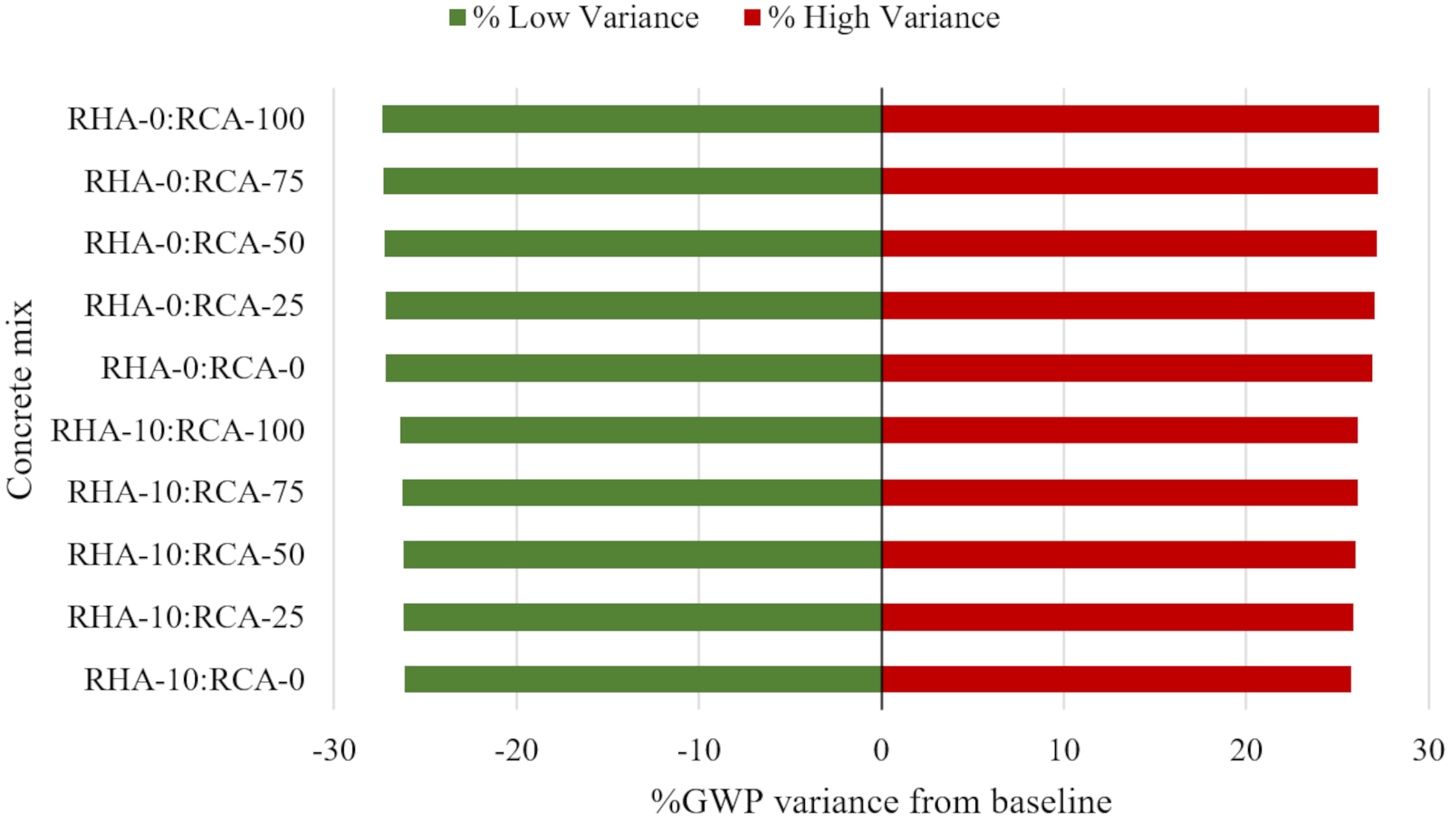
Figure 13. Sensitivity of GWP to cement manufacturing efficiency varied at ±30% for different concrete mixtures.
Finally, Figure 14 evidently shows how the road-and-ferry transportation substantially increases the GWP of all concrete mixtures, reflecting the additional fuel consumption and emissions associated with ferry operations. Across both transportation scenarios, GWP consistently declines as RCA content increases and as RHA replaces a portion of cement, reflecting the reduced usage of natural aggregate and cement. The relative benefit of RHA and RCA incorporation appears more evident under the multimodal transportation, where the gap between RHA-0:RCA-0 and RHA-10:RCA-100 widens compared to the road-only case. This implies that the environmental advantages of using alternative materials become even more significant in transport-intensive regions.
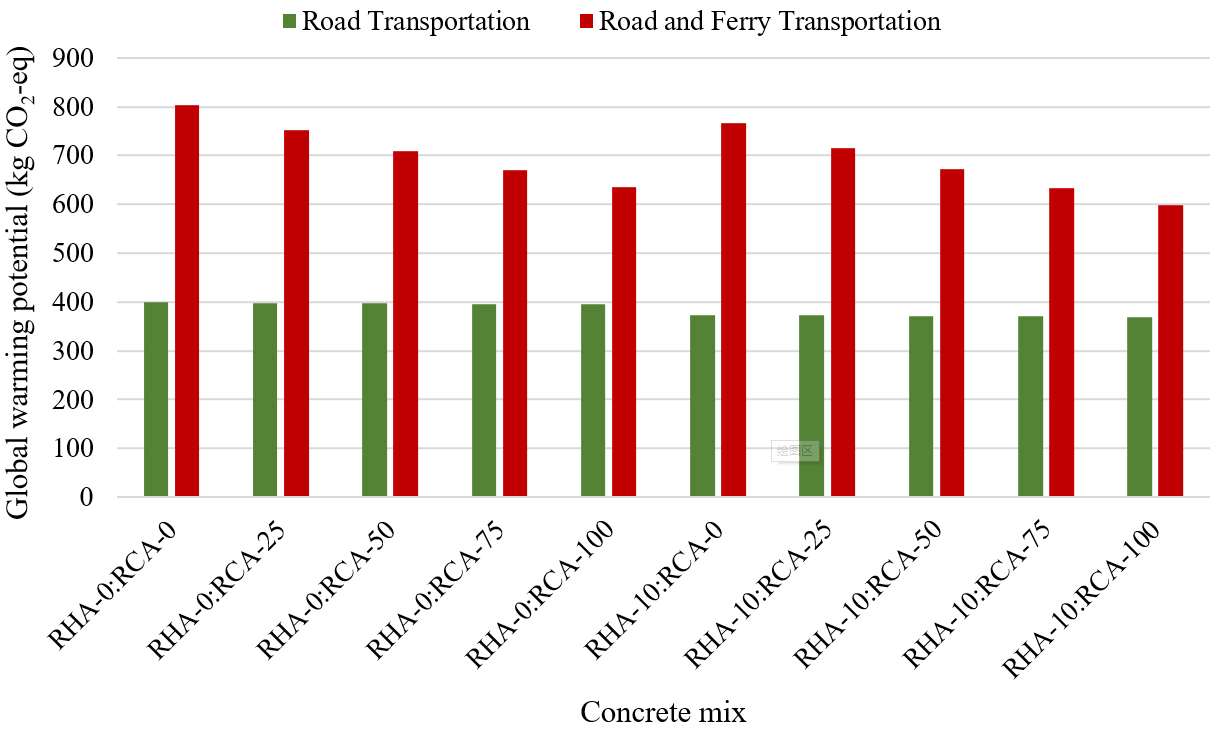
Figure 14. Sensitivity of GWP to varying transportation modes for different concrete mixtures.
Integrated sustainability performance assessment
The calculated SPIs for various concrete performance metrics are shown in Figures 15-17.
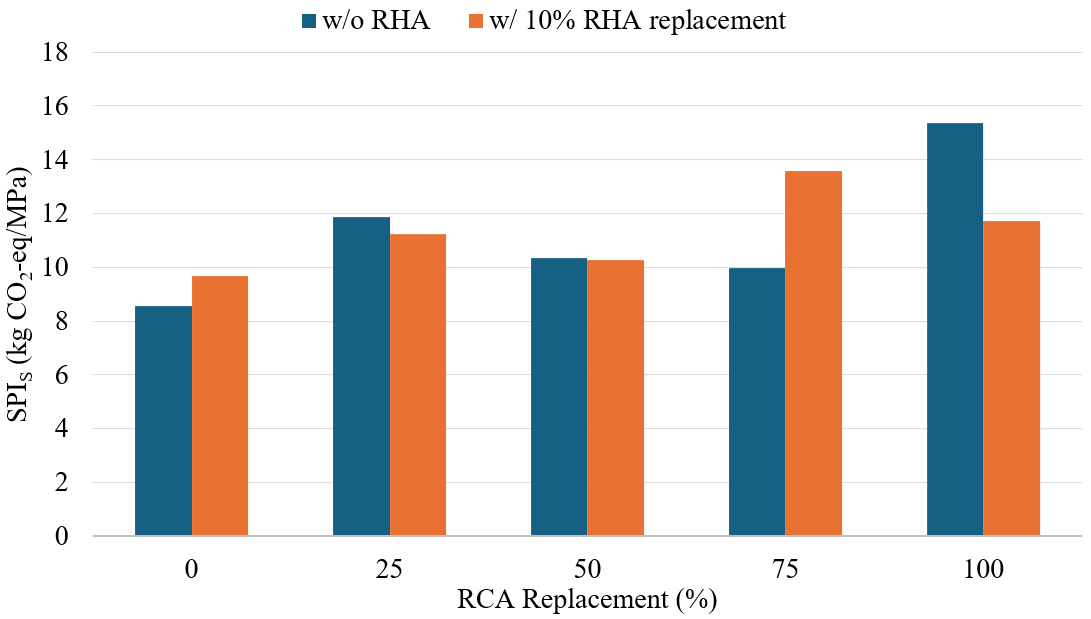
Figure 15. Structural sustainability performance indicator (SPIS) of concrete mixture at various RCA and RHA replacement levels.
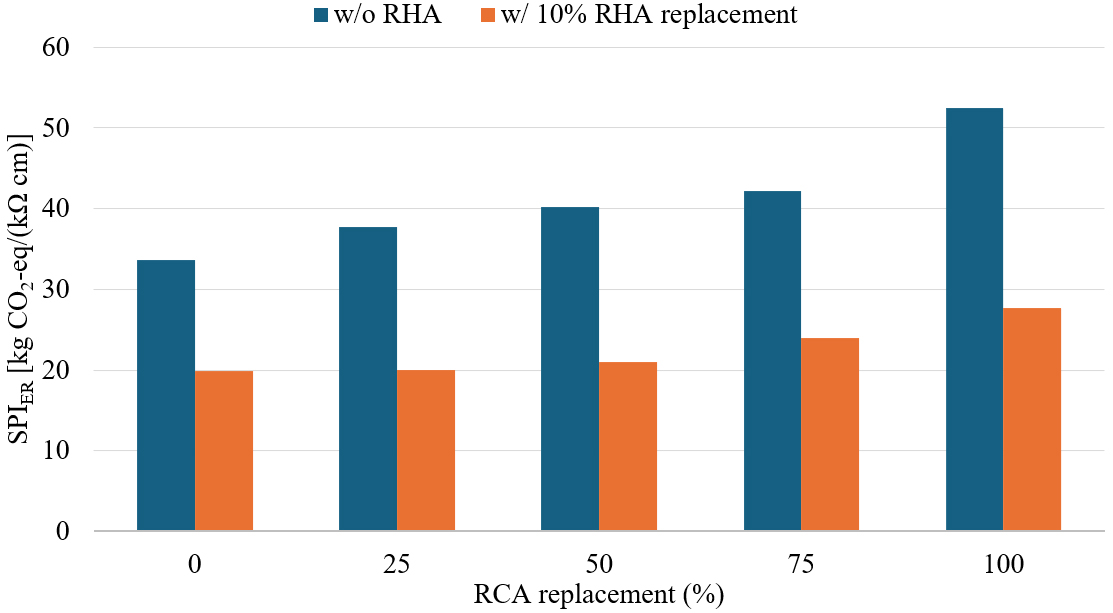
Figure 16. Bulk electrical resistance sustainability performance indicator (SPIER) of concrete mixtures at various RCA and RHA replacement levels.
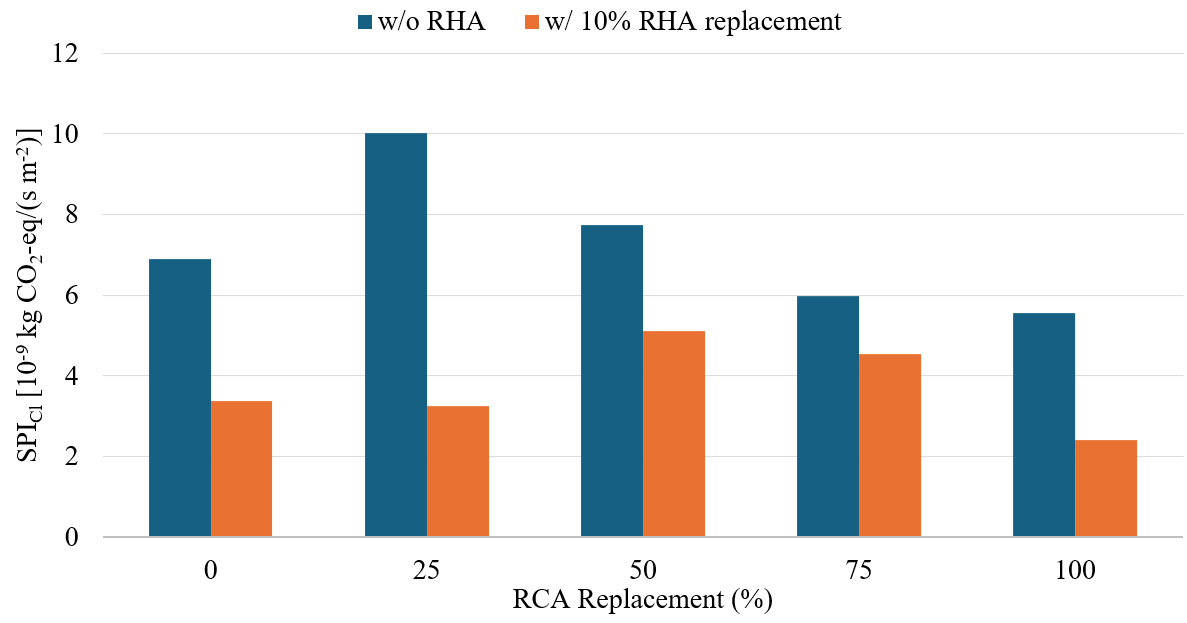
Figure 17. Chloride resistance sustainability performance indicator (SPICl) of concrete mixtures at various RCA and RHA replacement levels.
In Figure 15 for compressive strength, the conventional concrete mixture exhibited the lowest structural carbon intensity at approximately 8.548 kg CO2-eq/MPa, primarily due to its relatively high compressive strength of 46.74 MPa despite possessing the highest embodied carbon among all mixtures. Increasing RCA replacement generally increased SPIS because the reduction in compressive strength exceeded the corresponding reduction in GWP. At full RCA replacement (RCA-100), the mixture exhibited the highest structural carbon intensity at approximately 15.3716 kg CO2-eq/MPa due to the combined effects of lower compressive strength and only modest carbon reduction. Among the RHA-containing mixtures, the RHA-10 concrete mixture showed the lowest SPIS at approximately 9.669 kg CO2-eq/MPa, while the RHA-10:RCA-100 mixture achieved approximately 11.712 kg CO2-eq/MPa. These results indicate that although conventional concrete remained favorable when evaluated solely on compressive strength per unit carbon emission, partial cement replacement through RHA improved the strength-carbon balance of several RCA-containing mixtures through pozzolanic strengthening and matrix densification mechanisms.
A contrasting trend was observed for durability-oriented sustainability indicators. From Figure 16, the SPIER demonstrated substantial improvements with RHA incorporation across all RCA replacement levels. Conventional concrete exhibited an SPIER of approximately 33.604 kg CO2-eq/(kΩ cm), whereas RHA-containing mixtures ranged from 19.936 to 27.732 kg CO2-eq/(kΩ cm). The lowest values were observed in the RHA-10 and RHA-10:RCA-25 concrete mixtures at 19.936 and 20.023 kg CO2-eq/(kΩ cm), respectively. In contrast, the RCA-100 mixture exhibited the highest SPIER at approximately 52.533 kg CO2-eq/(kΩ cm), while incorporating RHA at 10% replacement reduces this intensity to approximately
The SPI results demonstrate that the preferred concrete mixture depends strongly on the selected functional performance criterion. Conventional concrete remained the most favorable mixture when studied strictly in terms of compressive strength per unit GWP because of its relatively established high mechanical strength. However, when durability-related service-life indicators were considered, the RHA-RCA mixtures exhibited substantially superior sustainability performance. In particular, the RHA-10:RCA-100 mixture simultaneously achieved the lowest GWP and the best chloride migration resistance SPI among all evaluated mixtures. These findings suggest that evaluating low-carbon concrete solely based on compressive strength may underestimate the sustainability benefits associated with enhanced durability, longer service life, reduced maintenance requirements, and circular material utilization.
Lastly, the observed differences between strength-based and durability-based SPIs also highlight an important consideration regarding the interpretation of environmental performance under the adopted functional unit. Considering that the assessment adopted a volumetric functional unit (1 m3 of concrete), this study enables a consistent comparison of production-stage environmental impacts among the evaluated mixtures. However, the improved bulk ER and reduced chloride migration observed for the RHA-containing mixtures indicate enhanced durability and the potential for extended service life. Consequently, if a performance-based functional unit, such as one year of service life or equivalent structural functionality, were adopted, the environmental advantages of the RHA-containing mixtures would likely become more pronounced because the production-stage impacts would be distributed over a longer service period. Further, although the proposed SPI provides a practical means of integrating production-stage environmental impacts with structural and durability performance, its interpretation is only limited as comparative production-stage sustainability metrics. It does not explicitly account for deterioration, maintenance, repair, and end-of-life processes. Because the SPIs are directly related to the measured engineering properties, their reliability also depends on the quality of the compressive strength, bulk ER, and chloride migration measurements. Therefore, reliable engineering measurements obtained using standardized testing procedures are essential for meaningful application of the SPIs. Future cradle-to-grave assessments should incorporate service-life prediction and performance-based functional units to provide a more comprehensive evaluation of the life cycle sustainability of RCA-RHA concrete systems.
CONCLUSION
This study evaluated the cradle-to-gate environmental performance of low-carbon concrete mixtures incorporating RCA and RHA under Philippine-specific production and transportation conditions using ReCiPe 2016 Midpoint (Hierarchist) and CED assessment methods. Across nearly all impact categories, cement production remained the dominant environmental hotspot due to clinker calcination, fossil fuel combustion, and energy-intensive manufacturing processes. Consequently, partial cement replacement by RHA reduced the environmental impacts, while the environmental benefits from RCA incorporation largely emphasized the reduced natural aggregate extraction through construction waste valorization. The incorporation of 10% RHA reduced GWP, CED, and MRS due to reduced clinker demand and the use of agricultural waste materials as SCM. RCA replacement substantially reduced WC from quarrying and aggregate washing operations. Among all evaluated mixtures, the 10% RHA and 100% RCA concrete mixture resulted in the lowest environmental burdens across most impact categories, achieving approximately 7.55% GWP reduction, 6.09% CED reduction, 10% reduction in MRS, and 68.5% reduction in WC relative to conventional concrete. However, incorporating RHA increased TA and human health-related endpoint impacts due to emissions generated during localized rice husk combustion via drum-type combustors. Transportation also emerged as a significant secondary environmental hotspot. Sensitivity analyses for transportation distances, RHA yield, and scenarios for transportation modes further demonstrated the robustness of the environmental assessment. Although variation in cement manufacturing efficiency produced the largest changes in GWP, the comparative environmental ranking of the evaluated concrete mixtures remained unchanged under all evaluated conditions. The proposed SPI further demonstrated the tradeoff between embodied carbon and engineering performance. While RCA incorporation generally reduced compressive strength of concrete, RHA-containing mixtures substantially improved bulk ER and chloride migration resistance, resulting in superior durability-oriented sustainability performance despite moderate reductions in compressive strength. In particular, the 10% RHA and 100% RCA concrete mixture exhibited the highest chloride-resistance sustainability performance among all evaluated mixtures, highlighting its potential for enhanced durability and longer infrastructure service life. However, since the present study adopted a cradle-to-gate boundary, carbon sequestration during the use phase and the sustainability benefits associated with extended service life were not considered. Future research should therefore be extended to cradle-to-grave assessments, incorporating carbon sequestration, service-life prediction, and performance-based functional units, maintenance and rehabilitation activities, and end-of-life scenarios to provide a more comprehensive evaluation of the lifecycle environmental performance of RCA-RHA concrete systems. In addition, given the limitations in sensitivity and scenario analyses conducted, it is also recommended to incorporate broader uncertainty analysis to further strengthen the evaluation of low-carbon concrete systems. Despite these limitations, this study demonstrated that integrating RCA and RHA into concrete production can support embodied carbon reduction, circular economy implementation, construction and agricultural waste diversion, and resource conservation while maintaining structural feasibility. Overall, the study highlights the importance of systems-level LCA frameworks that integrate environmental impacts, transportation effects, and structural- and durability-related performance, providing a more comprehensive basis for evaluating sustainable construction materials.
DECLARATIONS
Acknowledgments
The authors would like to acknowledge Marian Apple Verbo and Isabela Gwynette Dela Peña for allowing the use of secondary experimental data adopted in this study. The authors further thank the UPLB Interdisciplinary Life Cycle Assessment Laboratory (ILCAL) for providing life cycle assessment training, and technical consultation.
Authors’ contributions
Conceptualization, methodology, investigation, formal analysis, visualization, writing - original draft: Castillo, N. I. S.
Conceptualization, methodology, resources, funding acquisition, writing - review and editing: Aragoncillo, A. M. M.
Conceptualization, methodology, resources, writing - review and editing: Magadia, B. T.
Conceptualization, methodology, writing - review and editing: Migo-Sumagang, M. V.
Conceptualization, methodology, resources, visualization, supervision, writing - review and editing: Laurio, M. V. O.
Availability of data and materials
The data supporting the findings of this study are available from the corresponding author upon reasonable request.
AI and AI-assisted tools statement
Not applicable.
Financial support and sponsorship
This study was supported by DOST-PCIEERD (Project No. 1212913).
Conflicts of interest
Migo-Sumagang, M. V. is the Guest Editor of the Special Topic "Systems Engineering Approaches for Carbon Footprint Reduction" in Carbon Footprints. He had no involvement in the review or editorial process of this manuscript, including but not limited to reviewer selection, evaluation, or the final decision, while the other authors have declared that they have no conflicts of interest.
Ethical approval and consent to participate
Not applicable.
Consent for publication
Not applicable.
Copyright
© The Author(s) 2026.
REFERENCES
1. World Economic Forum. Cement is a big problem for the environment. Here’s how to make it more sustainable. Available from: https://www.weforum.org/stories/2024/09/cement-production-sustainable-concrete-co2-emissions/ [Last accessed on 13 Aug 2026].
2. Jaganmohan, M. Cement production global 2019. Statista. Available from: https://www.statista.com/statistics/1087115/global-cement-production-volume/ [Last accessed on 13 Aug 2026].
3. Lea, F. M.; Mason, T. O. Extraction and processing. Britannica. Available from: https://www.britannica.com/technology/cement-building-material/Extraction-and-processing [Last accessed on 13 Aug 2026].
4. Standard Materials Group. A guide to how concrete is made. Available from: https://standardmaterials.com/insights/a-guide-to-how-concrete-is-made/ [Last accessed on 13 Aug 2026].
5. Riyaz, A. Concrete manufacturing process. Available from: https://cforcivil.com/concrete-manufacturing-process/ [Last accessed on 13 Aug 2026].
6. US Department of Energy. Cement and concrete manufacturing. Available from: https://www.energy.gov/cmei/ito/cement-and-concrete-manufacturing [Last accessed on 13 Aug 2026].
7. McGrath, T. E.; Nanukuttan, S.; Basheer, P. A. M.; Long, A. E.; Long, K.; Long, W. Embodied energy and carbon footprinting of concrete production and use. In Proceedings of the 3rd International Conference on the Durability of Concrete Structures, ICDCS 2012. Available from: https://pure.qub.ac.uk/en/publications/embodied-energy-and-carbon-footprinting-of-concrete-production-an/ [Last accessed on 17 Aug 2026].
8. Thomas, B. S. Green concrete partially comprised of rice husk ash as a supplementary cementitious material - A comprehensive review. Renew. Sustain. Energy. Rev. 2018, 82, 3913-23.
9. Barra, J. K. Y.; Estrada, Y. K. N.; Ngo, K. S. F.; Beltran, A. B. Systematic mapping on utilization of rice hull ash as cement additive. 2022. Available from: https://animorepository.dlsu.edu.ph/cgi/viewcontent.cgi?article=1091&context=conf_shsrescon [Last accessed on 13 Aug 2026].
10. Verian, K. P.; Ashraf, W.; Cao, Y. Properties of recycled concrete aggregate and their influence in new concrete production. Resour. Conserv. Recy. 2018, 133, 30-49.
11. Hossain, M. U.; Poon, C. S.; Lo, I. M.; Cheng, J. C. Comparative environmental evaluation of aggregate production from recycled waste materials and virgin sources by LCA. Resour. Conserv. Recy. 2016, 109, 67-77.
12. National Ready Mixed Concrete Association (NRMCA). The top 10 ways to reduce concrete’s carbon footprint. National Ready Mixed Concrete Association; 2022. Available from: https://www.nrmca.org/wp-content/uploads/2022/07/Top10WaysReduceConcreteCarbonFootprint.pdf [Last accessed on 13 Aug 2026].
13. Althoey, F.; Ansari, W. S.; Sufian, M.; Deifalla, A. F. Advancements in low-carbon concrete as a construction material for the sustainable built environment. Dev. Built. Environ. 2023, 16, 100284.
14. Akhnoukh, A. K. Impact of micro-sized supplementary cementitious materials on concrete properties. In: Akhnoukh A, Kaloush K, Souliman MI, Chang C, editors. A pathway to safe, smart, and resilient road and mobility networks. Cham: Springer Nature Switzerland; 2024. pp. 97-102.
15. Endale, S. A.; Taffese, W. Z.; Vo, D.; Yehualaw, M. D. Rice husk ash in concrete. Sustainability. 2022, 15, 137.
16. Etxeberria, M.; Vázquez, E.; Marí, A.; Barra, M. Influence of amount of recycled coarse aggregates and production process on properties of recycled aggregate concrete. Cement. Concrete. Res. 2007, 37, 735-42.
17. Koushkbaghi, M.; Kazemi, M. J.; Mosavi, H.; Mohseni, E. Acid resistance and durability properties of steel fiber-reinforced concrete incorporating rice husk ash and recycled aggregate. Constr. Build. Mater. 2019, 202, 266-75.
18. Rattanachu, P.; Toolkasikorn, P.; Tangchirapat, W.; Chindaprasirt, P.; Jaturapitakkul, C. Performance of recycled aggregate concrete with rice husk ash as cement binder. Cement. Concrete. Res. 2020, 108, 103533.
19. Ali, T.; Saand, A.; Bangwar, D. K.; Buller, A. S.; Ahmed, Z. Mechanical and durability properties of aerated concrete incorporating rice husk ash (RHA) as partial replacement of cement. Crystals 2021, 11, 604.
20. Jamora, J. B.; Go, A. W.; Gudia, S. E. L.; Giduquio, M. B.; Loretero, M. E. Evaluating the use of rice residue ash in cement-based industries in the Philippines - Greenhouse gas reduction, transportation, and cost assessment. J. Clean. Prod. 2023, 398, 136623.
21. Rice Knowledge Bank. Rice husk. Available from: http://www.knowledgebank.irri.org/step-by-step-production/postharvest/rice-by-products/rice-husk [Last accessed on 13 Aug 2026].
22. World Business Council for Sustainable Development. Recycling concrete. The Cement Sustainability Initiative; 2009. Available from: https://docs.wbcsd.org/2009/07/CSI-RecyclingConcrete-FullReport.pdf [Last accessed on 13 Aug 2026].
23. U.S. General Services Administration. Life cycle assessment and buildings. Available from: https://www.gsa.gov/governmentwide-initiatives/federal-highperformance-buildings/highperformance-building-clearinghouse/integrative-design-strategies/life-cycle-perspective/life-cycle-assessment-and-buildings [Last accessed on 13 Aug 2026].
24. Hottle, T.; Hawkins, T. R.; Chiquelin, C.; et al. Environmental life-cycle assessment of concrete produced in the United States. J. Clean. Prod. 2022, 363, 131834.
25. Ding, T.; Xiao, J.; Tam, V. W. A closed-loop life cycle assessment of recycled aggregate concrete utilization in China. Waste. Manag. 2016, 56, 367-75.
26. Silgado, S. S. S.; Calderón Valdiviezo, L.; Betancourt Quiroga, C. Life cycle analysis and economic evaluation of cement and concrete mixes with rice husk ash: application to the Colombian context. Mater. Constr. 2024, 74, e335.
27. Liu, C.; Zhang, W.; Liu, H.; et al. Recycled aggregate concrete with the incorporation of rice husk ash: mechanical properties and microstructure. Constr. Build. Mater. 2022, 351, 128934.
28. Nian, T.; Li, Y.; Jin, X.; Wang, Z.; Wang, M.; Wang, Y. Toward carbon balance in life cycle: the carbon emission assessment for the recycled coarse aggregate concrete. Adv. Civil. Eng. 2025, 2025, 9184976.
29. Karam, H. A.; Bahraq, A.; Al-Osta, M. A.; Ahmad, S. Evaluating the sustainability of ultra-high-performance concrete mixes: a multi-criteria life cycle assessment incorporating embodied carbon and energy. J. Undergrad. Res. Int. 2025, 1, 24-38.
30. Verbo, M. A.; Dela Peña, I. G.; Madlangbayan, M.; Mendoza, J. A.; Maunahan, H.; Aragoncillo, A. M. Electrical resistivity and chloride penetrability of concrete with recycled concrete aggregate and rice husk ash. Discov. Concr. Cem. 2026, 2, 14.
31. International Organization for Standardization. Environmental management: life cycle assessment; Principles and Framework (ISO 14040:2006); 2006. Available from: https://www.iso.org/standard/37456.html [Last accessed on 17 Aug 2026].
32. International Organization for Standardization. Environmental management: life cycle assessment; Requirements and Guidelines (ISO 14044:2006); 2006. Available from: https://www.iso.org/standard/38498.html [Last accessed on 17 Aug 2026].
33. Montazeri, P.; Bamshad, O.; Aghililotf, M.; Singh, P. Mechanical and durability-based life cycle assessment of rice husk ash containing concrete. Case. Stud. Constr. Mater. 2025, 23, e05241.
34. Department of Public Works and Highways (DPWH). DPWH standard specification for item 405 (1) - Structural Concrete, Class A. Available from: https://www.dpwh.gov.ph/DPWH/sites/default/files/issuances/do_221_s2024.pdf [Last accessed on 17 Aug 2026].
35. Wernet, G.; Bauer, C.; Steubing, B.; Reinhard, J.; Moreno-Ruiz, E.; Weidema, B. The ecoinvent database version 3 (part I): overview and methodology. Int. J. Life. Cycle. Assess. 2016, 21, 1218-30.
36. Marinković, S.; Radonjanin, V.; Malešev, M.; Ignjatović, I. Comparative environmental assessment of natural and recycled aggregate concrete. Waste. Manag. 2010, 30, 2255-64.
37. Knoeri, C.; Sanyé-Mengual, E.; Althaus, H. Comparative LCA of recycled and conventional concrete for structural applications. Int. J. Life. Cycle. Assess. 2013, 18, 909-18.
38. Singh, A.; Singh, B. Characterization of rice husk ash obtained from an industrial source. J. Sustain. Cem. Based. Mater. 2020, 10, 193-212.
39. ASTM International. ASTM C618-25a. Standard specification for coal ash and raw or calcined natural pozzolan for use in concrete. 2025.
40. Simapro. Making LCA results count. Available from: https://simapro.com/insights/making-lca-results-count/ [Last accessed on 13 Aug 2026].
41. Department of Public Works and Highways (DPWH). Various DPWH proposed projects (detailed engineering design and/or special studies): updated standard two-storey school building (2, 4, & 6 - Classrooms). Project Management Office - Bureau of Design. 2017. Available from: https://www.dpwh.gov.ph/dpwh/references/standard_design/school_buildings [Last accessed on 17 Aug 2026].
Cite This Article
 Open Access
How to Cite
Download Citation
Export Citation File:
Type of Import
Tips on Downloading Citation
Citation Manager File Format
Type of Import
Direct Import: When the Direct Import option is selected (the default state), a dialogue box will give you the option to Save or Open the downloaded citation data. Choosing Open will either launch your citation manager or give you a choice of applications with which to use the metadata. The Save option saves the file locally for later use.
Indirect Import: When the Indirect Import option is selected, the metadata is displayed and may be copied and pasted as needed.
About This Article
Special Topic
Copyright

Data & Comments
Data
0










Comments
Comments must be written in English. Spam, offensive content, impersonation, and private information will not be permitted. If any comment is reported and identified as inappropriate content by OAE staff, the comment will be removed without notice. If you have any queries or need any help, please contact us at [email protected].