



Life cycle assessment of hazardous waste disposal in cement kilns using a Chinese localized impact assessment model
 0
0 Abstract
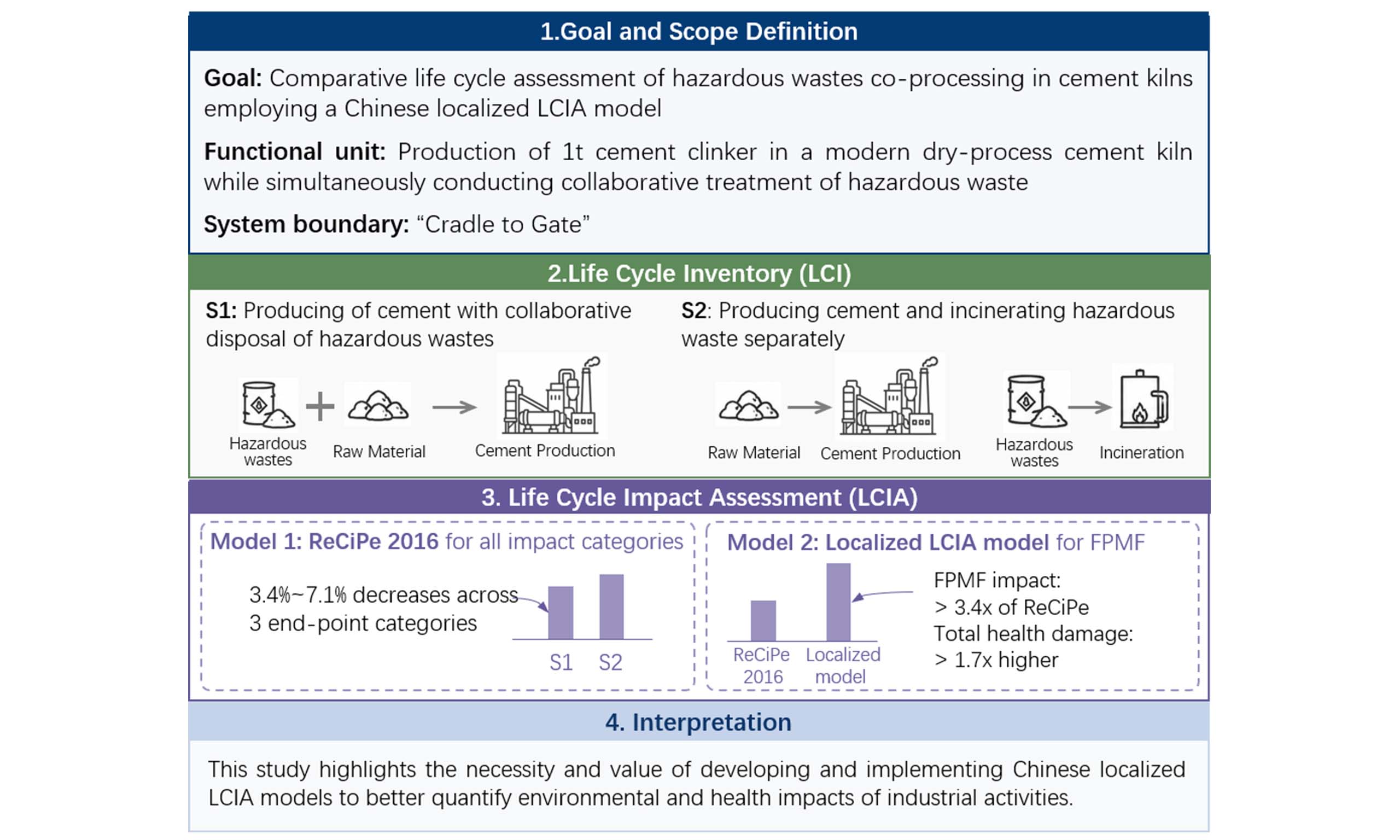
The high temperatures, long residence times, and alkaline environment of cement kilns enable effective degradation of organic pollutants and stabilization of heavy metals, making them a highly promising solution for industrial hazardous waste disposal. This study investigates a typical co-processing cement kiln plant in China as a case study [Scenario 1 (S1)]. Applying the system expansion method, it evaluates the environmental impacts and benefits of S1 relative to those of conventional cement production combined with independent hazardous waste incineration [Scenario 2 (S2)]. This study innovatively applies a Chinese localized life cycle impact assessment (LCIA) model, based on the Goddard Earth Observing System-Chem atmospheric chemistry transport model and the global exposure mortality model exposure-response model, to analyze the health impacts of fine particulate matter formation (FPMF). The results are then compared with those obtained using the ReCiPe 2016 model. The ReCiPe model shows that S1 outperforms S2, reducing impacts by 3.4%-7.1% across the categories of human health, ecosystem quality, and fossil resource scarcity. Applying the localized LCIA model, yielded an FPMF environmental impact over 3.4 times that calculated by the ReCiPe model, and a total environmental impact over 1.7 times that. This study underscores the need for localized LCIA models with high spatiotemporal resolution to better capture domestic heterogeneity. Such models can enable more precise industrial decision-making and inform policies on seasonal operation strategies, region-specific environmental access mechanisms, and coordinated regional approaches within the hazardous waste co-processing industry.
Keywords
INTRODUCTION
Unlike municipal solid waste, the composition of hazardous waste exhibits a complex and multifaceted nature, encompassing characteristics such as corrosivity, toxicity, ignitability, reactivity, infectivity, and other hazardous traits. Hazardous waste environmental pollution is often latent and delayed, with a propensity to trigger secondary pollution, thereby posing significant challenges in the realm of environmental protection. Traditional methods of hazardous waste disposal include landfill and incineration. Specifically, the landfill technique may lead to contamination of soil and groundwater, whereas incineration may produce additional detrimental substances that further pollute the environment[1].
Cement kiln co-processing is an essential technology for achieving harmless disposal of hazardous waste by substituting them for traditional raw materials and fuels[2]. As a large-scale industrial kiln, the cement kiln operates at extremely high temperatures, and the prolonged residence time of raw materials within the rotary kiln ensures the effective decomposition of harmful substances. Moreover, alkaline cement clinker can absorb and neutralize acidic gases, thereby reducing pollutant emissions. Leveraging the existing cement production infrastructure for waste treatment purposes facilitates effective control of secondary pollution while promoting the recovery and reuse of waste materials. Furthermore, utilizing an existing production system for disposal purposes minimizes investment costs while meeting large-scale disposal demands, offering substantial economic advantages. Cement kiln co-processing technology has now been widely deployed across China.
The rapid advancement of cement kiln co-processing technology has spurred extensive research into its environmental benefits from a range of perspectives[3-5]. As a comprehensive approach for evaluating the potential environmental impacts of products and services across their entire life cycle, life cycle assessment (LCA) is the primary method used to assess the environmental performance of cement kiln co-processing technology[6]. International research in this field began early, with studies primarily focusing on comparing cement kiln co-processing technology with alternative waste treatment methods to assess its environmental and economic impacts[7-11]. Similar research has been conducted in China. Mulin et al.[12] applied the LCA method to evaluate the environmental benefits of co-treatment of expired pesticides in cement kilns, revealing that this approach is more environmentally beneficial than ordinary incineration. Liu et al.[13] conducted a comparative analysis of calcium carbide sludge (CCS) cement clinker and Portland cement clinker, assessing the greenhouse gas emission reduction potential through an LCA methodology. Their results suggest that CCS cement clinker exhibits a lower global warming potential, albeit with potential additional environmental impacts from CCS pretreatment. Hou et al.[14] employed LCA to analyze the environmental impact of co-treatment of industrial waste in cement kilns, concluding that co-treatment offers superior environmental performance compared to traditional production. The aforementioned studies provide crucial insights for the improvement and promotion of cement kiln co-processing technology.
Despite extensive research, existing LCA studies have largely relied on conventional life cycle impact assessment (LCIA) models, such as ReCiPe, which depend on characterization factors derived from global rather than local frameworks. These global models are based on emission inventories and exposure-response functions developed in the early 2000s, which do not adequately capture the substantial environmental changes occurring in China today. More importantly, they treat China as a spatially homogeneous system, overlooking profound geographic heterogeneity and complex atmospheric chemistry profiles across China's diverse regions. This introduces substantial uncertainty when evaluating short-lived atmospheric pollutants from facilities such as cement kilns and dedicated incinerators. Furthermore, due to methodological limitations, no existing studies have provided region-specific and seasonal LCIA results across China to guide regional environmental management, such as optimizing cross-regional hazardous waste allocation, establishing regional facility entry standards, or adjusting seasonal operational strategy.
Consequently, this study conducts a comprehensive LCA of a typical cement kiln line co-processing hazardous wastes in China, systematically integrating a spatiotemporally refined, localized Chinese LCIA model for the fine particulate matter formation (FPMF) category. This work demonstrates the necessity of employing localized LCIA models by quantifying the discrepancies and contribution shifts compared with global models such as ReCiPe. Through a systematic evaluation across distinct regions and seasonal variations, this study captures the spatiotemporal heterogeneity of industrial impacts within China. Moreover, it offers data-driven guidance for cement enterprises and regulators to optimize staggered production and tailor regional environmental access permits based on regional ecosystem capacities and systemic human health benefits.
METHOD
Life cycle assessment method
LCA is a methodical procedure that evaluates the environmental footprint of a product, production process, or activity over its entire lifecycle, encompassing all stages from raw material extraction and processing through to packaging, distribution, use, recovery, recycling, and ultimate disposal. This comprehensive approach entails the identification and quantification of energy and material consumption, as well as the subsequent environmental emissions. The primary objective of LCA is to assess the impact of energy and material usage, along with waste emissions, on the environment, while identifying potential avenues for mitigating environmental burdens and strategies for their implementation. As an instrument of environmental management, LCA enables both quantitative analysis of contemporary environmental challenges and critical examination of environmental impacts across the full product lifecycle, from creation to disposal. Consequently, it emerges as a pivotal supportive tool in "product-oriented environmental management". The structural framework of LCA comprises four integral components: defining the objectives and scope, conducting an inventory analysis, assessing environmental impacts, and interpreting the results.
System boundary
The hazardous waste co-processing system of the case company in this study was built upon an existing cement production line to meet the requirements of hazardous waste collaborative management, featuring a disposal scale of 50,000 t/a. According to our survey of public the Environmental Impact Assessment (EIA) reports for multiple co-processing lines in China, large modern dry-process cement kilns with a scale of 4,000 to 5,000 t/d typically maintain an authorized hazardous waste disposal capacity between 50,000 and 60,000 t/a. Therefore, the case enterprise selected in this study is highly representative of China’s cement co-processing sector.
Hazardous waste intended for collaborative disposal is transported via vehicles and subsequently sampled and analyzed. Once the waste meets the accepted standards, it is transported to a facility for segregated storage. Based on the characteristics and requirements of the incoming waste, the hazardous waste undergoes pretreatment processes including crushing, screening, sorting, neutralization, precipitation, drying, compatibility adjustment, mixing, stirring, and homogenization. These pretreatments ensure compatibility with the transportation and dosing mechanisms of the existing facilities in the collaborative disposal cement kiln production line, thereby ensuring stable operation of the cement kiln. The pretreated waste is then blended with raw cement and fed into the kiln for incineration. With the kiln's temperatures reaching
This study adopts a functional unit of 1 ton of cement clinker produced in a modern dry-process cement kiln (4,000 tons daily capacity), operating under co-processing conditions with hazardous waste. In the case factory, for every 1 ton of cement clinker produced, approximately 21.88 kg of hazardous waste is incinerated, replacing about 7.63% of the hard coal. To quantify the environmental impacts or potential benefits of cement production with hazardous waste co-processing, this study adopts a system expansion approach. The studied system [Scenario 1 (S1)] boundary is defined as "from cradle to gate", as shown in Figure 1.
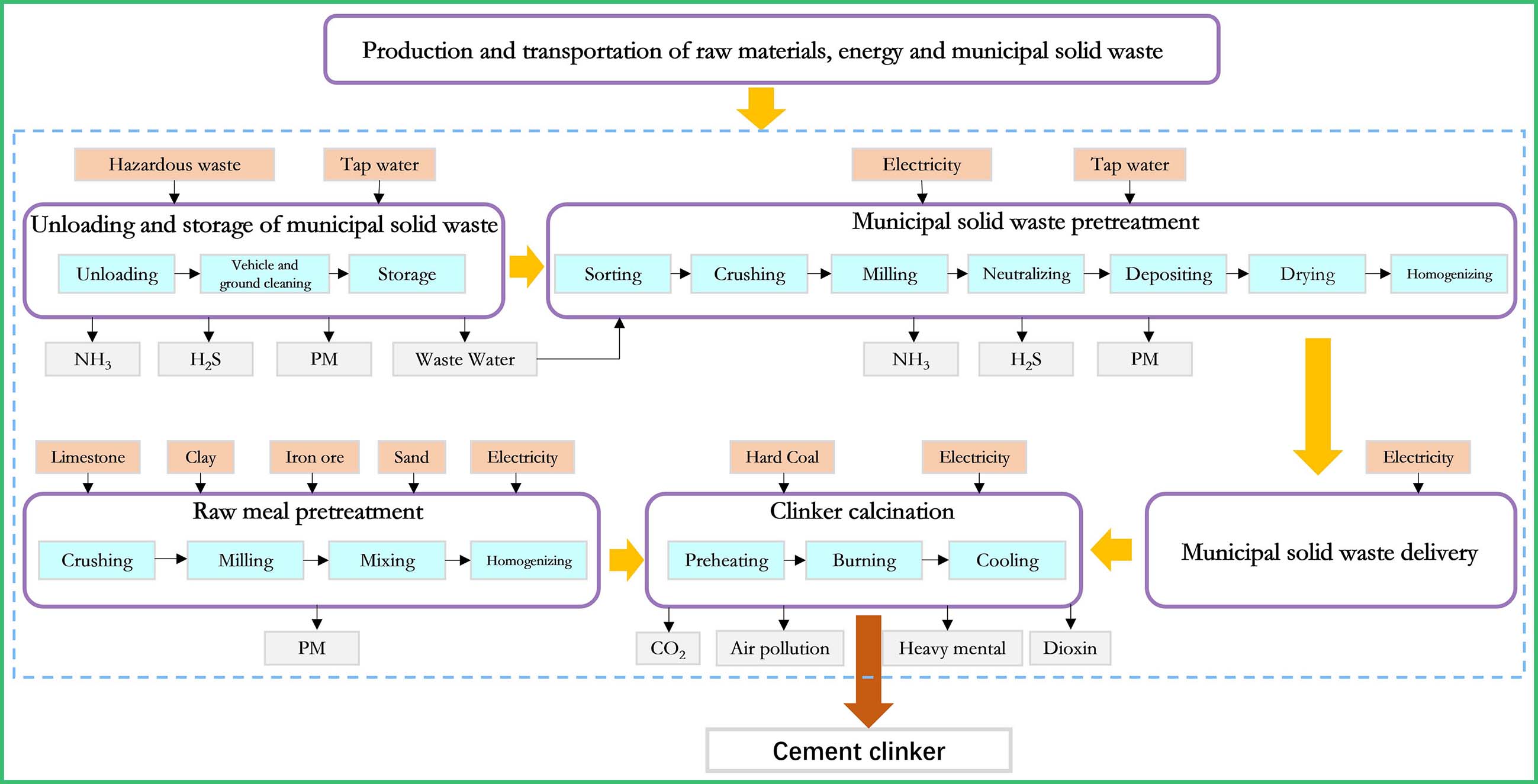
Figure 1. Cement clinker production system boundary.
S1 is then compared with a conventional scenario where cement production occurs without co-processing, and hazardous waste is treated separately by incineration [Scenario 2 (S2)]. Incineration is primarily selected because it represents a dominant pathway for future hazardous waste disposal in China. Currently, hazardous waste management in China encompasses four primary approaches. First, material recycling and utilization is widely used. However, because the technologies involved are highly diverse, selective, and waste-specific, this approach cannot serve as a representative comparator. Second, the Chinese government strictly limits the volume of landfill disposal. National policies mandate that the proportion of hazardous waste sent to landfills be restricted to within 10% by 2030. Consequently, landfilling was not selected for comparison. This leaves dedicated incineration and cement kiln co-processing as the two remaining options, which were designated as S2 and S1, respectively. To ensure consistency in system boundaries between the two scenarios, processes including hazardous waste transportation and pretreatment were incorporated in S2.
Inventory
With production of 1 ton of cement clinker as the functional unit, resource consumption and emitted substances was quantified at each stage of cement production for the technical routes with and without hazardous wastes co-processing. These are presented in Table 1 and Table 2, respectively.
LCI for producing 1 ton of cement clinker using hazardous waste co-processing technology (Scenario S1)
| Process | Input/Output | Material | Unit | Amount |
| Raw materials and coal transportation | Input | Railway transportation | tkm | 23.68 |
| Input | Road transportation | tkm | 82.11 | |
| Raw material pretreatment | Input | Limestone | kg | 1,201.74 |
| Input | Clay | kg | 149.46 | |
| Input | Iron ore | kg | 45.84 | |
| Input | Sand | kg | 126.78 | |
| Input | Electricity | kWh | 20 | |
| Output | PM | g | 60 | |
| Hazardous waste transportation | Input | Road transportation | tkm | 1.09 |
| Hazardous waste discharge and storage | Input | Hazardous waste | kg | 21.88 |
| Input | Water | kg | 0.65 | |
| Output | NH3 | mg | 24.19 | |
| Output | H2S | mg | 2.419 | |
| Output | PM | mg | 8.06 | |
| Hazardous waste pretreatment | Input | Water | kg | 0.12 |
| Input | Electricity | kWh | 0.26 | |
| Output | NH3 | mg | 74.19 | |
| Output | H2S | mg | 4.84 | |
| Output | PM | mg | 32.26 | |
| Hazardous dosing | Input | Electricity | kWh | 0.16 |
| Clinker calcination | Input | Hard coal | kg | 118.40 |
| Input | Electricity | kWh | 40 | |
| Output | CO2 (Hard coal) | kg | 328.27 | |
| Output | CO2 (Limestone) | kg | 449.45 | |
| Output | CO2 (Hazardous waste) | kg | 48.125 | |
| Output | PM | g | 116.36 | |
| Output | SO2 | g | 54.27 | |
| Output | NOx | g | 609.42 | |
| Output | NH3 | g | 11.38 | |
| Output | HF | g | 0.08 | |
| Output | HCl | g | 0.83 | |
| Output | Cu | mg | 2.66 | |
| Output | Zn | mg | 6.04 | |
| Output | Cd | mg | 7.19 | |
| Output | Pb | mg | 13.76 | |
| Output | Cr | mg | 0.77 | |
| Output | Ni | mg | 14.65 | |
| Output | Mn | mg | 1.03 | |
| Output | As | mg | 5.41 | |
| Output | Hg | mg | 0.12 | |
| Output | H2S | mg | 7.26 | |
| Output | Dioxin | ug | 0.44 |
LCI for producing 1 ton of cement clinker with corresponding amount of hazardous waste is incinerated separately (Scenario S2)
| Process | Input/Output | Material | Unit | Amount |
| Raw materials and coal transportation | Input | Railway transportation | tkm | 25.64 |
| Input | Road transportation | tkm | 82.72 | |
| Raw material pretreatment | Input | Limestone | kg | 1203.63 |
| Input | Clay | kg | 149.70 | |
| Input | Iron ore | kg | 45.91 | |
| Input | Sand | kg | 126.98 | |
| Input | Electricity | kWh | 24 | |
| Output | PM | g | 67 | |
| Clinker calcination | Input | Hard Coal | kg | 128.18 |
| Input | Electricity | kWh | 42 | |
| Output | CO2 (Hard Coal) | kg | 355.38 | |
| Output | CO2 (Limestone) | kg | 450.16 | |
| Output | PM | g | 114.66 | |
| Output | SO2 | g | 45.93 | |
| Output | NOx | g | 592.74 | |
| Output | NH3 | g | 10.61 | |
| Hazardous Waste Incineration | Input | Electricity | kWh | 5.65 |
| Input | Land occupation | m2 | 0.01 | |
| Input | Clay | kg | 0.60 | |
| Input | Cobblestone | kg | 0.46 | |
| Input | Cement | kg | 1.07 | |
| Input | Lime | kg | 1.07 | |
| Input | Sodium hydroxide | kg | 0.58 | |
| Input | Fresh water | kg | 52.28 | |
| Input | Waste water | kg | 22.09 | |
| Input | Ash | kg | 0.28 | |
| Input | Diesel | kg | 0.64 | |
| Input | Natural Gas | g | 17.21 | |
| Input | Active carbon | g | 89.69 | |
| Input | HDPE | g | 4.16 | |
| Input | Non-woven fabric | g | 0.37 | |
| Input | Metal-chelate | mg | 5.03 | |
| Input | Sodium sulfide | mg | 12.91 | |
| Input | Sodium thiosulfate | mg | 4.59 | |
| Output (to air) | Carbon dioxide | kg | 27.56 | |
| Output (to air) | Particulates | g | 3.94 | |
| Output (to air) | Sulfur dioxide | g | 14.22 | |
| Output (to air) | Nitrogen oxides | g | 55.13 | |
| Output (to air) | Carbon monoxide | g | 5.69 | |
| Output (to air) | Hydrogen chloride | g | 0.94 | |
| Output (to air) | Hydrogen fluoride | mg | 35 | |
| Output (to air) | Mercury | mg | 3.28 | |
| Output (to air) | Arsenic | mg | 50.76 | |
| Output (to air) | Nickel | mg | 7 | |
| Output (to air) | Lead | mg | 28.88 | |
| Output (to air) | Chromium | mg | 3.72 | |
| Output (to air) | Tin | mg | 3.28 | |
| Output (to air) | Antimony | mg | 0.10 | |
| Output (to air) | Copper | mg | 1.27 | |
| Output (to air) | Manganese | mg | 3.28 | |
| Output (to air) | Dioxins | ug | 0.06 | |
| Output (to soil) | Fluorine | g | 0.20 | |
| Output (to soil) | Mercury | mg | 0.16 | |
| Output (to soil) | Chromium | ug | 13.34 | |
| Output (to soil) | Lead | ug | 33.69 | |
| Output (to soil) | Cadmium | ug | 2.63 | |
| Output (to soil) | Copper | ug | 7.44 | |
| Output (to soil) | Zinc | ug | 47.25 | |
| Output (to soil) | Barium | ug | 80.28 | |
| Output (to soil) | Nickel | ug | 78.53 | |
| Output (to soil) | Arsenic | ug | 2.41 |
The majority of the life cycle inventory (LCI) data in this study, including raw material pretreatment, hazardous waste discharge and storage, hazardous waste pretreatment, hazardous dosing, and clinker calcination, were accounted for based on on-site investigations and official environmental impact assessment report, representing the annual average level for 2022. The process of this plant represents a typical technology route currently used for the co-processing of industrial hazardous waste in cement kilns in China. However, given the complexity of the technology, uncertainties may still stem from inherent variability in operational parameters.
Several assumptions and estimations were made during the calculation of the LCI. It is assumed that coal is transported 200 km via railway and then 50 km by truck, while hazardous waste is transported 50 km by truck. According to the public registries of hazardous waste operation licenses maintained by local Departments of Ecology and Environment, modern incineration facilities and cement kiln co-processing capacity have been established across most major Chinese cities. Therefore, we assume that hazardous waste is currently disposed of at local facilities. Considering the spatial scale of the city, a transportation distance of 50 km is designated.
The direct PM2.5 (particulate matter with aerodynamic diameters equal to or less than 2.5 micrometers) emissions are obtained by multiplying a factor of 0.58 by direct PM emissions. This coefficient represents the proportion of PM2.5 to PM10 emitted by the cement sector, derived from the MEIC (Multi-resolution emission inventory for China, http://meicmodel.org.cn)[15,16]. For indirect emissions, we also utilized the PM2.5 emissions and omitted PM with aerodynamic diameters greater than 2.5 μm. This assumption is consistent with the current ReCiPe model, as it is widely recognized that PM larger than 2.5 μm has a negligible impact on long-term human health compared to finer particles.
The CO2 emissions from coal burning in clinker calcination were calculated using the emission factor method recommended by IPCC[17,18]; CO2 emission from limestone was calculated based on the mass conservation method, assuming that all CO2 in the limestone and hazardous wastes is released during the calcination process.
Other data were obtained from literature and databases. For scenario S2, the inventory for incinerating the equivalent quantity of hazardous waste as in S1 was calculated using data from Ma et al.[19]. The background data used in the calculation come from Ecoinvent3[20]. Thus, uncertainties may arise from temporal gaps and geographical mismatches between the foreground data and the data from literature and background databases.
According to the data quality scoring criteria of the European Union (EU) production environmental footprint (PEF), the data quality rating (DQR) scoring method was used to label the data quality in Supplementary Tables 1 and 2. The DQR values were assigned based on data source classification and process-specific characteristics. Data obtained directly from the environmental impact assessment report of the case plant were considered to have high technological and geographical representativeness. Estimated data, such as railway transportation, road transportation and CO2 emissions, were associated with higher uncertainty due to simplifications in the underlying assumptions. Literature data were assigned relatively lower representativeness due to potential differences in technology and regional conditions. Final DQR values were determined by combining these factors according to the PEF framework.
The water and wastewater flow within the system boundary is shown in Supplementary Figure 1. During the collaborative disposal process, the test water from the hazardous waste storage workshop flows to the pre-treatment workshop. This water, together with cleaning water from the pre-treatment workshop, is collected and mixed with hazardous waste to adjust viscosity. The resulting mixture is incinerated in the cement kiln, and the water is released to the atmosphere as vapor.
LCIA models
In this study, two LCIA models were applied to perform quantitative analysis of the environmental impacts of the full life cycle inventory data: the built-in ReCiPe2016 model within the SimaPro 9.6.0 software, and a Chinese localized model developed in our previous work[21]. The background data for each unit during the processing procedure are sourced from the Ecoinvent3 database.
SimaPro is a professional LCA software developed by PRe Sustainability. The software has built-in databases such as Agri-footprint, Ecoinvent, USLCI, and Industry data 2.0. It contains six methods, namely European, Global, North American, Single issue, Water footprint, and Superseded, each containing numerous analysis models. ReCiPe2016 model within the Global method is an updated and expanded version of ReCiPe2008, comprising two categories of midpoint and endpoint, as well as three perspectives of individualism, hierarchy, and egalitarianism. Based on a hierarchical perspective, this study analyzes the LCI data of the research case. It examines both the midpoint level (covering 18 impact categories) and the endpoint level (covering three end categories). This two-level approach allows for a comprehensive quantification and evaluation of the environmental impacts of the two technical routes, cement kiln co-processing and ordinary cement production.
The built-in characterization factors in the ReCiPe2016 model for fine particle formation originate from a global characterization model, which treat entire China as a region of internal uniformity. Therefore, the application of this model across China introduces significant uncertainty into the local LCIA results. To address this issue, the present study uses a Chinese localized LCIA model whose characterization factors were derived from a China-adapted model in our previous study, utilizing research methods and data that reflect the country’s regional characteristics specificities.
The localized LCIA model leverages the advantages of the Goddard Earth Observing System-Chem atmospheric chemical transport model, integrates the global exposure mortality model (GEMM) exposure-response model (which incorporates Chinese cohort studies), and utilizes the most recent local data. This model uses the 2019 Chinese emission inventory, which is input into the GEOS-Chem atmospheric chemical transport model at a spatial resolution of 0.5° × 0.625°, to estimate ambient PM2.5 concentrations. Population health impacts are subsequently calculated using the GEMM exposure-response model, accounting for non-communicable diseases and lower respiratory tract infections. The model framework incorporates four typical precursors of PM2.5, namely NH3, SO2, NOx and primary PM2.5, and features monthly characterization factors for PM formation at both national and provincial levels. Further details are provided in our previous work[21].
Regarding the rationale for model selection, the full LCIA was conducted using ReCiPe2016, covering all impact categories. To apply the localized LCIA model, the direct and indirect emissions of the four aforementioned fine particle precursors were integrated [Supplementary Tables 3 and 4]. Then, the localized LCIA model was applied to these pollutants to calculate the impact in the PM2.5 formation category. To ensure national representativeness, we initially employed localized characterization factors (CFs) for China as a whole to calculate the lifecycle impacts for FPMF and Human Health, followed by a comparative analysis with ReCiPe 2016 results. Subsequently, we utilized province- and month-specific CFs from the localized LCIA model to capture the domestic spatio-temporal patterns of lifecycle FPMF impacts for cement kiln hazardous waste co-processing across different provinces and seasons. This provides a scientific basis for implementing off-peak production and region-specific market access policies. This approach enabled the quantification of environmental impacts pertaining to PM2.5 formation derived from the localized model. The PM2.5-related results from the localized model were then compared with those obtained from ReCiPe2016, and differences at the human health endpoint category level were also analyzed. The comparison results reveal how using a localized characterization framework affects the ranking and magnitude of PM2.5-related impacts while maintaining consistency across other life-cycle impact categories.
RESULTS AND DISCUSSION
Assessment results from ReCiPe2016
Characterization results
Table 3 presents the characterization results for the two cement production routes obtained using the LCIA model ReCiPe2016. These results reflect the impacts of the two technological pathways across various categories in the areas of Human Health, Ecosystem Quality, and Resource Scarcity, as well as their overall influence. Overall, the two production routes exhibit similar impact patterns across all categories. Within the Human Health endpoint, the impacts of global warming (i.e., Global Warming, Human Health) and FPMF are notably prominent. Within the Ecosystem Quality endpoint, the impact of global warming on terrestrial ecosystems (i.e., Global Warming, Terrestrial Ecosystems) is the most significant, with a value approximately six times higher than that of water consumption on aquatic ecosystems (i.e., Water consumption, Aquatic ecosystems); the latter exhibiting the lowest impact among all categories. In the Resource Scarcity area, which comprises only two categories, the environmental impact associated with Fossil Resource Scarcity is more pronounced, approximately 17.1 times greater than that of Mineral Resource Scarcity. This disparity can be attributed to the large-scale consumption of fossil fuels and feedstocks during the cement production process.
Characterization results of two cement production routes using ReCiPe2016
| Impact category | Unit | S1 | S2 |
| Global warming, Human health | DALY | 9.28E-04 | 9.52E-04 |
| Stratospheric ozone depletion | DALY | 2.96E-08 | 3.17E-08 |
| Ionizing radiation | DALY | 7.47E-08 | 8.57E-08 |
| Ozone formation, Human health | DALY | 1.36E-06 | 1.46E-06 |
| Fine particulate matter formation | DALY | 4.16E-04 | 4.56E-04 |
| Human carcinogenic toxicity | DALY | 8.00E-08 | 8.74E-08 |
| Human non-carcinogenic toxicity | DALY | 3.67E-07 | 4.07E-07 |
| Water consumption, Human health | DALY | 9.77E-07 | 1.17E-06 |
| Human health | DALY | 1.35E-03 | 1.41E-03 |
| Global warming, Terrestrial ecosystems | species.yr | 2.80E-06 | 2.87E-06 |
| Global warming, Freshwater ecosystems | species.yr | 7.65E-11 | 7.84E-11 |
| Ozone formation, Terrestrial ecosystems | species.yr | 5.90E-08 | 6.46E-08 |
| Terrestrial acidification | species.yr | 2.09E-07 | 2.28E-07 |
| Freshwater eutrophication | species.yr | 5.07E-08 | 5.69E-08 |
| Marine eutrophication | species.yr | 8.12E-12 | 9.13E-12 |
| Terrestrial ecotoxicity | species.yr | 2.17E-10 | 2.36E-10 |
| Freshwater ecotoxicity | species.yr | 2.50E-10 | 2.79E-10 |
| Marine ecotoxicity | species.yr | 5.50E-11 | 6.12E-11 |
| Land use | species.yr | 9.27E-08 | 1.03E-07 |
| Water consumption, Terrestrial ecosystem | species.yr | 6.36E-09 | 7.81E-09 |
| Water consumption, Aquatic ecosystems | species.yr | 1.78E-12 | 2.20E-12 |
| Ecosystem quality | species.yr | 3.22E-06 | 3.33E-06 |
| Mineral resource scarcity | USD2013 | 8.59E-01 | 8.70E-01 |
| Fossil resource scarcity | USD2013 | 1.47E+01 | 1.58E+01 |
| Resource scarcity | USD2013 | 1.55E+01 | 1.67E+01 |
The introduction of hazardous waste for co-processing in cement clinker production units mitigates their environmental impact to varying degrees, consistent with the findings of previous studies. Within the Human Health area, the most notable reduction was observed in "Water consumption, Human Health", which declined by 16.4% after the implementation of collaborative disposal. In the Ecosystem Quality area, the category "Water Consumption, Aquatic Ecosystems" exhibited the most pronounced reduction, decreasing by 19.3% upon the introduction of hazardous waste. Additionally, both categories in the area of Resource Scarcity noted varying degrees of decline after the incorporation of hazardous waste, with Fossil Resource Scarcity experiencing a 7.4% decline. This decrease is primarily due to the substitution of hazardous waste for a portion of fossil fuel inputs. However, the magnitude of these declines was relatively modest, due to the low proportion of fossil fuels replaced by hazardous waste.
Normalized results
Table 4 presents the results of normalized analysis comparing two cement production routes. The data reveal that the primary environmental impacts of both technological routes are global warming impacts on human health (i.e., Global Warming, Human Health), FPMF, and global warming impacts on terrestrial ecosystems (i.e., Global Warming, Terrestrial Ecosystems). At the endpoint level, the impact is primarily on Human Health.
Normalized result of two cement production routes using ReCiPe2016
| Impact category | S1 | S2 |
| Global warming, Human health | 1.55E+01 | 1.59E+01 |
| Stratospheric ozone depletion | 4.94E-04 | 5.28E-04 |
| Ionizing radiation | 1.25E-03 | 1.43E-03 |
| Ozone formation, Human health | 2.27E-02 | 2.43E-02 |
| Fine particulate matter formation | 6.94E+00 | 7.60E+00 |
| Human carcinogenic toxicity | 1.33E-03 | 1.46E-03 |
| Human non-carcinogenic toxicity | 6.13E-03 | 6.79E-03 |
| Water consumption, Human health | 1.63E-02 | 1.95E-02 |
| Human health | 2.25E+01 | 2.35E+01 |
| Global warming, Terrestrial ecosystems | 7.57E-01 | 7.77E-01 |
| Global warming, Freshwater ecosystems | 2.07E-05 | 2.12E-05 |
| Ozone formation, Terrestrial ecosystems | 1.59E-02 | 1.75E-02 |
| Terrestrial acidification | 5.66E-02 | 6.18E-02 |
| Freshwater eutrophication | 1.37E-02 | 1.54E-02 |
| Marine eutrophication | 2.20E-06 | 2.47E-06 |
| Terrestrial ecotoxicity | 5.86E-05 | 6.38E-05 |
| Freshwater ecotoxicity | 6.77E-05 | 7.55E-05 |
| Marine ecotoxicity | 1.49E-05 | 1.66E-05 |
| Land use | 2.51E-02 | 2.80E-02 |
| Water consumption, Terrestrial ecosystem | 1.72E-03 | 2.11E-03 |
| Water consumption, Aquatic ecosystems | 4.81E-07 | 5.96E-07 |
| Ecosystem quality | 8.70E-01 | 9.01E-01 |
| Mineral resource scarcity | 6.13E-03 | 6.21E-03 |
| Fossil resource scarcity | 1.05E-01 | 1.13E-01 |
| Resource scarcity | 1.11E-01 | 1.19E-01 |
Key process analysis
Figure 2 illustrates the environmental impacts associated with each process in S1. In the majority of environmental impact categories, clinker calcination emerges as the primary contributor. However, in the categories of Stratospheric Ozone Depletion and Terrestrial Ecotoxicity, raw material and coal transportation are identified as the main contributors. Additionally, raw material pretreatment is the most significant contributor to Mineral Resource Scarcity, due to the substantial quantity of ore utilized as cement raw material that is processed during this stage.
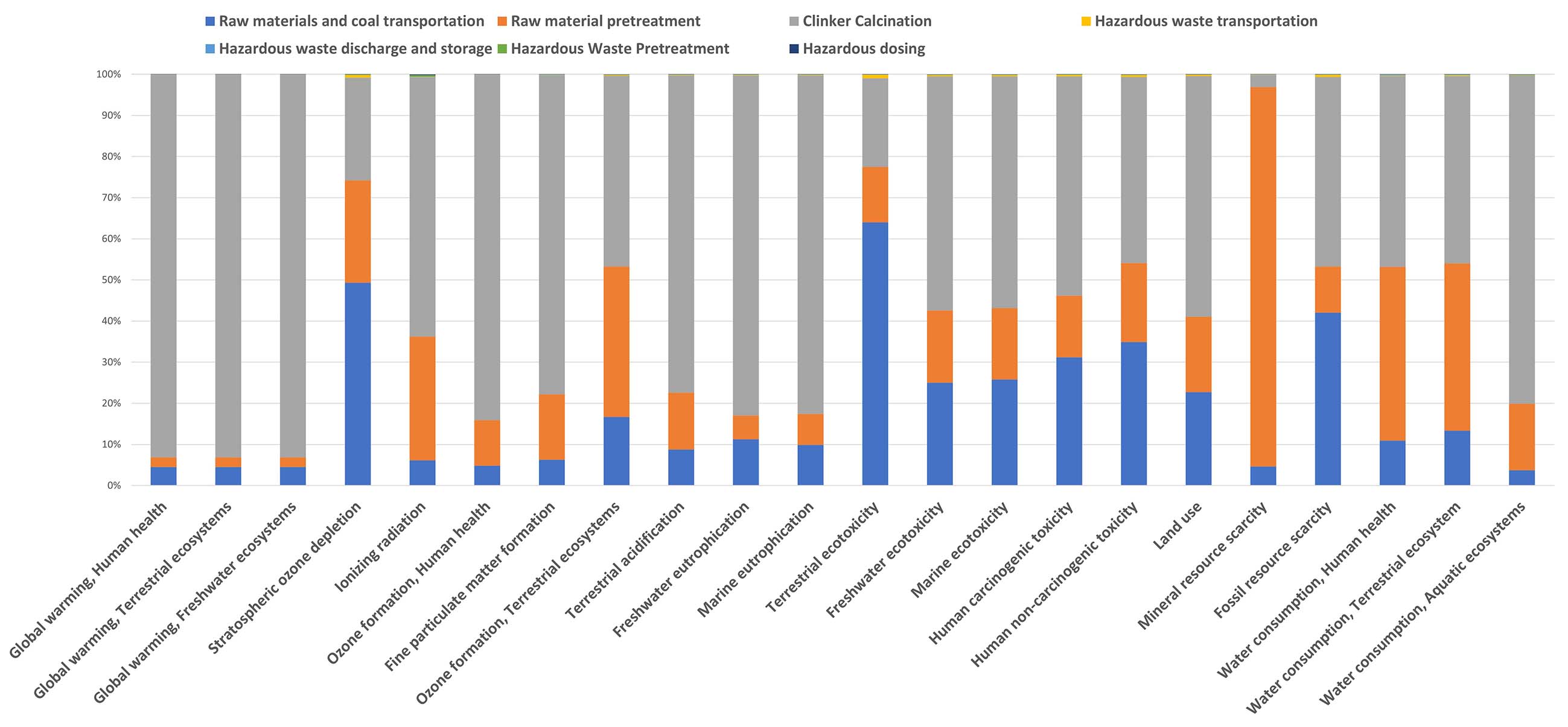
Figure 2. The contribution of each process of S1 in each impact category.
Additional processes introduced by hazardous waste co-processing exhibit minimal environmental impacts. The cumulative environmental impact contributions from four key processes involving hazardous waste, i.e., transportation, discharge and storage, pretreatment, and dosing, are exceptionally small. Among these processes, the proportion of hazardous waste transportation in the overall environmental impact is below 1.0% across all impact categories. Notably, however, in specific categories, such as Stratospheric Ozone Depletion, Terrestrial Ecotoxicity, Freshwater Ecotoxicity, Marine Ecotoxicity, Human Carcinogenic Toxicity, Human Non-carcinogenic Toxicity, Land Use, and Fossil Resource Scarcity, the proportions of hazardous waste transportation range from 0.3% to 0.9%. Regarding hazardous waste discharge and storage, its environmental impact contribution is 0.2%, 0.1% and 0.02% for the mid-point category “Water Consumption, Human Health”, “Water Consumption, Terrestrial Ecosystems”, and “Water Consumption, Aquatic Ecosystems”. Contributions to all other environmental impacts fall below 0.01%, as this process primarily involves only the consumption of cleaning water. The environmental footprint of hazardous waste pretreatment is largely confined to Ionizing Radiation and “Water Consumption, Aquatic Ecosystems”, with respective contributions of 0.4% and 0.1% to the total environmental impact within each category. Its contributions to all other impact categories are minimal, each below 0.1%. Hazardous waste dosing contributes 0.2% of the total environmental impact to the Ionizing Radiation category, while all its other associated impacts remain below 0.1%.
Key factor analysis
The environmental impact contributions of various factors in S1 are presented in Figure 3. In this section, we examine the contribution of the primary inputs in each impact category. Direct emissions are identified as the main contributor for the (i) impacts of global warming on human health, terrestrial ecosystems, and freshwater ecosystems (i.e., Global Warming, Human Health; Global Warming, Terrestrial Ecosystems; Global Warming, Freshwater Ecosystems); the (ii) impacts of ozone formation on human health and terrestrial ecosystems (i.e., Ozone Formation, Human Health; Ozone Formation, Terrestrial Ecosystems); and (iii) Terrestrial Acidification. The environmental impacts of Stratospheric Ozone Depletion and Terrestrial Ecotoxicity are predominantly attributed to road transportation. Electricity is responsible for the majority of the Ionizing Radiation impact, while the consumption of iron ore and clay accounts for the majority of Mineral Resource Scarcity. For the remaining environmental impact categories, coal consumption is the primary contributor. Therefore, it coal is the most significant key factor.
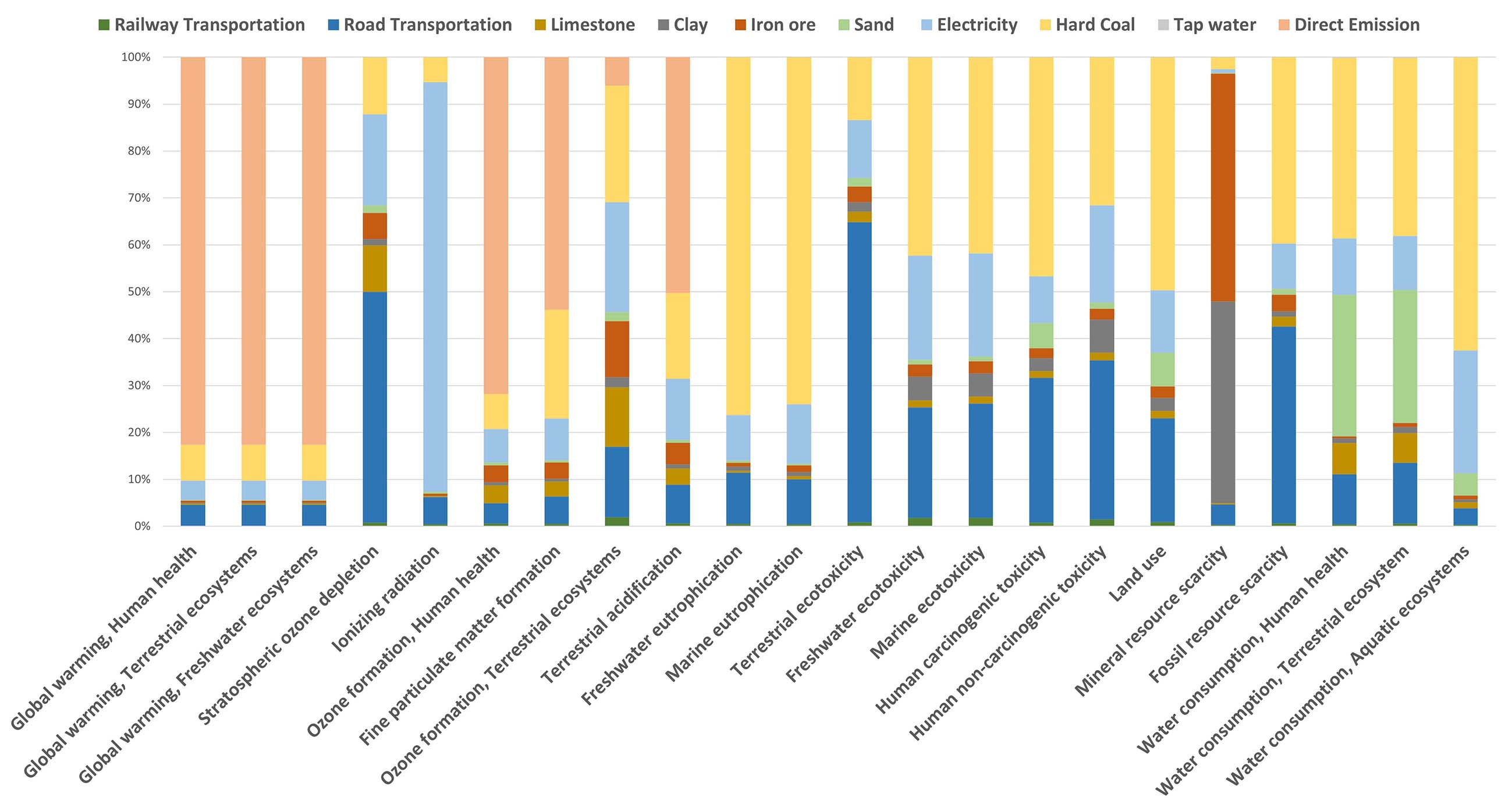
Figure 3. The contribution proportion of each factor of S1 in each impact category.
While co-processing hazardous waste in cement kilns entails increased resource inputs (namely, road transportation, electricity consumption, and cleaning water),the associated environmental impacts remain comparatively low. The increments in road transportation and electricity inputs induce minimal alterations in their respective contributions to the environmental impacts across various categories, ranging from 1.75% to 2.00% and 0.21% to 1.51%, respectively. The maximum contribution of the additional cleaning water input in the co-processing route contributes at most 0.18% across all impact categories. Consequently, the additional environmental impact introduced by co-treating hazardous wastes in cement kilns is negligible, which corroborates the findings presented in Section "Key process analysis".
Assessment results by localized LCIA model
Among the human health damage results from the LCA, PM2.5 formation represents one of the most significant impact categories. Accordingly, both the localized LCIA model and ReCiPe2016 were used to perform a comparative analysis of PM2.5 formation at the intermediate impact category level and human health damage at the endpoint level.
Characterization and normalized results
Table 5 presents a comparative analysis of the assessment outcomes derived from ReCiPe2016 and the localized LCIA model, focusing specifically on the FPMF and Human Health impact categories. The data revealed that the environmental impacts associated with FPMF computed using the localized LCIA model are substantially higher than those obtained via ReCiPe2016l. Regarding characterization results, the impact in the FPMF category computed with the localized LCIA model exceeds that dervided from ReCiPe2016 by a factor of more than 3.4. The endpoint Human Health impact and the total environmental impact, as calculated using the localized LCIA model, are more than 1.7 times the corresponding values derived from the ReCiPe2016 model.
Environmental impacts based on ReCiPe2016 and local LCIA model
| Category | Unit | S1 | S2 |
| Fine particulate matter formation (ReCiPe2016) | DALY | 4.16E-04 | 4.56E-04 |
| Fine particulate matter formation (Local LCIA) | DALY | 1.41E-03 | 1.59E-03 |
| Ratio of results (Local LCIA/ReCiPe2016) | 3.4 | 3.5 | |
| Human health (ReCiPe2016) | DALY | 1.35E-03 | 1.41E-03 |
| Human health (Local LCIA) | DALY | 2.34E-03 | 2.54E-03 |
| Ratio of results (Local LCIA/ReCiPe2016) | 1.7 | 1.8 | |
| Total impact (ReCiPe2016) | / | 2.35E+01 | 2.46E+01 |
| Total impact (Local LCIA) | / | 4.01E+01 | 4.34E+01 |
| Ratio of results (Local LCIA/ReCiPe2016) | 1.7 | 1.8 |
The discrepancy between the two models stems directly from the divergence in their respective characterization factors. Supplementary Table 5 presents the characterization factors employed in the quantitative assessment of impacts in the FPMF category using ReCiPe2016 and the localized LCIA model. As shown, the characterization factors for all four precursor substances, NOx, SO2, NH3, and Primary PM2.5, are higher in the localized LCIA model than in ReCiPe2016. Notably, as shown in Supplementary Table 5, the PM2.5 characterization factor is approximately 6 times the value in ReCiPe2016, which contributes substantially to the observed divergence between the two models in the FPMF category.
The divergence in characterization factors originates from differences between the underlying characterization frameworks. The characterization process of PM2.5 can be divided into three consecutive stages: the atmospheric transformation of precursor emissions, the impact of the resulting PM2.5 concentration on human exposure, and the quantification of health damage through the exposure-response relationship. The localized LCIA model adopted pollutant emissions and meteorological parameters reflecting the contemporary atmospheric chemical conditions in China. Compared with the global characterization framework on which ReCiPe2016 is based, the atmosphere in China has stronger oxidizing capacity and higher background concentrations of ammonia and other reactive substances, which leads to a higher conversion efficiency of gaseous precursors (especially nitrogen oxides and sulfur dioxide) into secondary inorganic aerosols. This explains why considerably higher values were observed in the characterization factors of NOx and SO2. Moreover, the health damage assessment is based on the GEMM with Chinese population data. GEMM, containing Chinese cohort studies, is better suited to represent the nonlinear health risks associated with the elevated ambient PM2.5 concentrations commonly observed in China, whereas characterization in ReCiPe2016 relies on generalized global epidemiological assumptions. The latter may yield comparatively lower estimates of health responses under region-specific exposure conditions. In addition, higher breath rates and the growth of population in China used in characterization model of local LCIA model also contributes to the disparity.
Key process and key factor analysis
Figure 4 presents a comparison of the key process analysis results for FPMF and Human Health, using ReCiPe2016 and the localized LCIA model in S1. In both FPMF and Human Health the clinker calcination process stands out as the most significant contributor to environmental impact, consistently recognized by both LCIA models due to its substantial environmental impact. While both LCIA models identify raw material pretreatment as the second-largest contributor to environmental impact, the localized LCIA model reveals a substantially greater contribution from this process. This increase arises from the application of a localized LCIA model specifically for the FPMF category, which elevated the absolute environmental impacts across all life cycle stages. However, the magnitude of this increase varied among processes, leading to a notable shift in their respective contribution shares. Specifically, during key process identification, the inclusion of substantial indirect PM emissions associated with the raw material pretreatment stage resulted in a disproportionate increase in its impact when the localized model was applied.
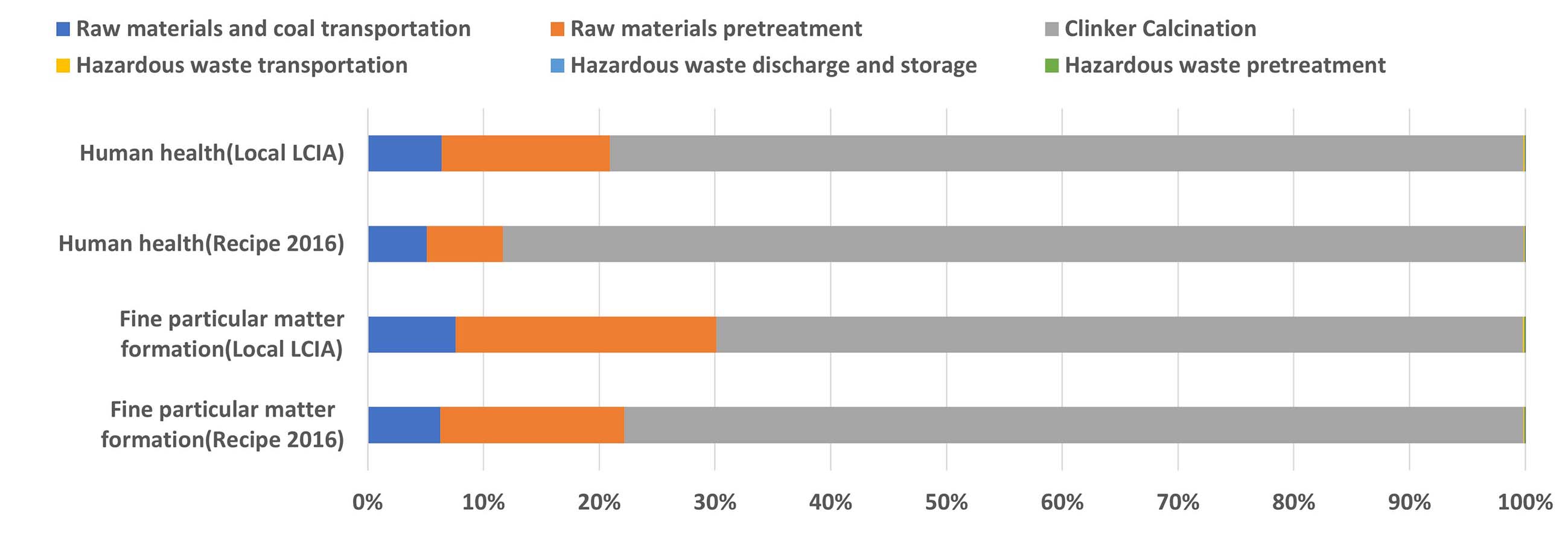
Figure 4. Comparison of key process identification in FPMF and Human Health category based on ReCiPe2016 and localized LCIA model.
Figure 5 illustrates the disparities between ReCiPe2016 and the localized LCIA model in key factor identification in FPMF and Human Health categories in S1. The application of the localized LCIA model may alter the contribution proportions of the primary factors as well as their ranking. Specifically, for both FPMF and Human Health categories, the two models identify an identical sequence for the top four contributing factors. However, relative to the ReCiPe 2016 model, the localized model yields a substantially lower contribution from direct emissions, while elevating the contribution of factors associated with substantial indirect emissions of PM2.5 precursors. Furthermore, the ranking of limestone and iron ore (occupying fifth and sixth place, respectively) is inverted between the two models. These findings suggest that when an LCI contains high levels of indirect atmospheric pollutants, the adoption of localized LCIA models may exert a substantial influence on the identification and prioritization of key environmental factors.
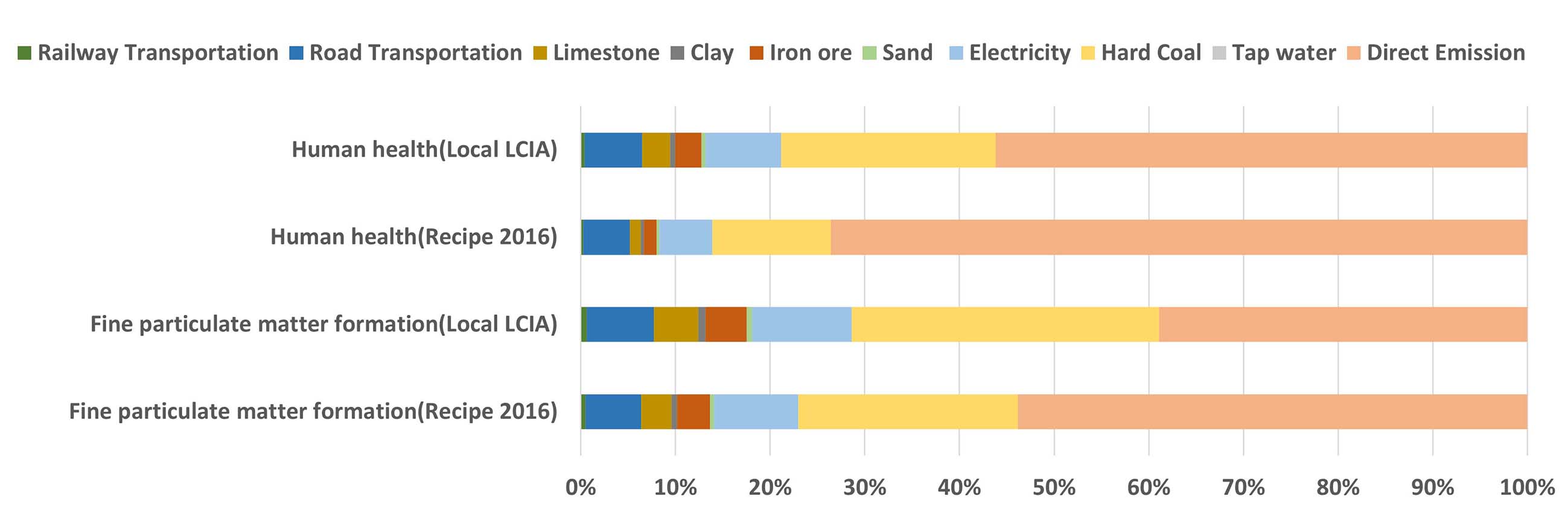
Figure 5. Comparison of key factor identification in FPMF category based on ReCiPe2016 and localized LCIA model.
Provincial and monthly changes in human health damage through fine particulate matter formation
The localized LCIA model was used to calculate the human health damage from FPMF across the full life cycle of the two cement production routes, including provincial and monthly variations, as shown in
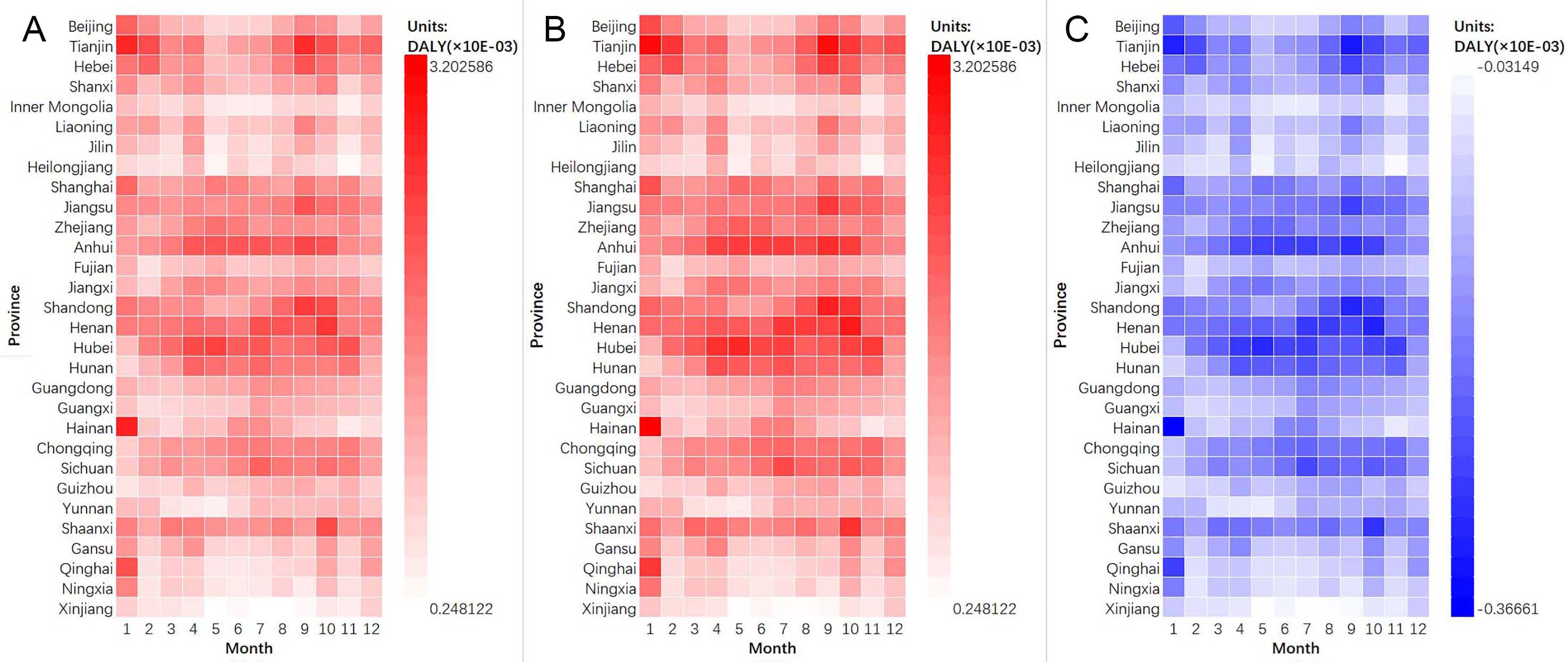
Figure 6. Monthly health damage through FPMF in different regions in China. (A) S1, (B) S2, (C) S1-S2.
As observed in Figure 6, there are two distinct clusters with disparate seasonal profiles. The first cluster is the Beijing-Tianjin-Hebei (BTH) region, which exhibits substantially elevated FPMF-related health damage during autumn and winter. In these regions, the stagnant winter meteorological conditions severely restrict the dispersion of primary pollutants. Consequently, the characterization factors of primary PM2.5 play a dominant role in driving the health damage peaks observed in this cluster during the cold season. The second cluster encompasses central and southern-central regions, such as Anhui, Henan, Hubei, Chongqing, and Sichuan. Distinct from the northern provinces, this cluster demonstrates high health damage through FPMF, spanning from April to November. This can be explained by the higher ambient temperatures during spring, summer, and autumn in these lower-latitude regions, which accelerate the rapid chemical transformation of gaseous precursors into PM2.5. As a result, the CFs of gaseous precursors, specifically SO2 and NOx, exert a dominant control over the life-cycle FPMF impacts in these provinces during the non-winter months.
Therefore, because the seasons associated with elevated health damage vary by location, there is strong need for region-specific and seasonally differentiated regulations. In BTH region, for example, hazardous wastes should preferentially be disposed of during spring and summer rather than autumn and winter. Lower-latitude provinces such as Anhui, by contrast, should reduce hazardous waste processing during warm seasons. Furthermore, as demonstrated in Figure 6C, the net environmental health benefits of substituting conventional independent incineration with cement kiln co-processing are most pronounced in regions and seasons characterized by the greatest health losses. Thus, local environmental regulatory agencies should direct highly reactive hazardous wastes to co-processing cement kilns during periods with high health losses, thereby maximizing the overall human health benefits. Moreover, for co-processing projects located within high-damage areas, regional policies should mandate the synchronization of waste disposal qualifications with stringent, high-standard ultra-low emission retrofits.
From the perspective of regional synergy, although hazardous waste disposal infrastructure and local treatment capacities are generally established across the country, our findings reveal that relying solely on conventional local disposal is not the optimal pathway to achieve maximum environmental and health benefits. In the background of accelerating regional integration and the maturation of white-list mechanisms for hazardous waste inter-provincial transfer and utilization, cross-regional collaborative disposal is not only administratively feasible but also scientifically imperative. This study provides an assessment and decision-support tool for inter-provincial hazardous waste transfers from the perspective of population health benefits and ecological compensation. Through optimized cross-regional disposal, whereby specific hazardous wastes are redirected from highly sensitive regions to modern cement kilns located in surrounding areas with higher environmental carrying capacities and co-processing efficiencies, aggregate health benefits can be realized. This offers a novel, forward-looking perspective for the joint planning of clusters of Zero-Waste Cities in the future.
Uncertainty discussion
LCI data. A sensitivity analysis was performed to evaluate the influence of key input parameters on the environmental impact assessment results. As summarized in Table 6, each parameter was varied individually within a range of ±5% of its baseline value. The corresponding sensitivity coefficients, defined as the ratio of the percentage change in an impact category to the percentage change in the parameter, were calculated.
The sensitivity of the input parameters in S1
| Category | Sensitivity of input parameters (%) | |||
| PM2.5 precursors in direct emission | Hard coal | Limestone | Road transportation | |
| Global warming, Human health | - | 7.69 | 0.26 | 4.48 |
| Stratospheric ozone depletion | - | 12.15 | 9.89 | 49.21 |
| Ionizing radiation | - | 5.28 | 0.16 | 5.83 |
| Ozone formation, Human health | 71.78 | 7.50 | 3.82 | 4.33 |
| Fine particulate matter formation (ReCiPe2016) | 53.82 | 23.23 | 3.19 | 5.89 |
| Fine particulate matter formation (local LCIA) | 38.90 | 32.50 | 4.67 | 7.12 |
| Human carcinogenic toxicity | - | 46.70 | 1.44 | 30.86 |
| Human non-carcinogenic toxicity | - | 31.57 | 1.63 | 33.91 |
| Water consumption, Human health | - | 38.47 | 6.63 | 10.63 |
| Human health (ReCiPe2016) | 16.70 | 12.53 | 1.17 | 4.93 |
| Human health (local LCIA) | 23.49 | 22.66 | 2.92 | 6.08 |
| Global warming, Terrestrial ecosystems | - | 7.71 | 0.26 | 4.48 |
| Global warming, Freshwater ecosystems | - | 7.69 | 0.26 | 4.48 |
| Ozone formation, Terrestrial ecosystems | 6.08 | 24.79 | 12.72 | 15.00 |
| Terrestrial acidification | 50.20 | 18.34 | 3.47 | 8.25 |
| Freshwater eutrophication | - | 76.32 | 0.41 | 10.90 |
| Marine eutrophication | - | 74.00 | 0.71 | 9.54 |
| Terrestrial ecotoxicity | - | 13.40 | 2.22 | 63.98 |
| Freshwater ecotoxicity | - | 42.28 | 1.49 | 23.55 |
| Marine ecotoxicity | - | 41.83 | 1.49 | 24.37 |
| Land use | - | 49.69 | 1.57 | 22.09 |
| Water consumption, Terrestrial ecosystem | - | 37.91 | 6.32 | 12.96 |
| Water consumption, Aquatic ecosystems | - | 62.49 | 1.32 | 3.52 |
| Ecosystem quality | 3.38 | 11.06 | 0.75 | 5.55 |
| Mineral resource scarcity | - | 2.56 | 0.25 | 4.34 |
| Fossil resource scarcity | - | 39.72 | 2.12 | 41.94 |
| Resource scarcity | - | 37.67 | 2.01 | 39.86 |
The analysis reveals that all input parameters exhibit a positive correlation with the assessed environmental impact categories, with relative influence varying substantially across categories. It is noteworthy that for the FPMF category the sensitivity to PM2.5 precursors in direct emissions is higher in ReCiPe 2016 than in the localized model. Conversely, for all other factors—including hard coal, limestone, and road transportation—the sensitivities yielded by the localized model consistently surpass those of ReCiPe 2016. This observation further corroborates the aforementioned analysis that the localized model enhances the contribution of indirect life-cycle emissions from factors such as coal and limestone to the overall environmental impacts.
Furthermore, because ReCiPe 2016 exhibits a higher sensitivity to direct emissions of PM2.5 precursors than the localized model, an increase in direct emissions will inherently narrow the gap between the two models within the FPMF category. In contrast, for the remaining factors, an increase in their volumes or emissions will expand the discrepancy between the models. Regarding the Human Health endpoint category, the localized LCIA model exhibits higher sensitivity across all four parameters presented in the table relative to the ReCiPe 2016 model. Consequently, when the inputs or emissions associated with these factors increase, the difference between the outcomes of the two models will become even more pronounced.
In addition to the foreground data in LCI, uncertainties also exist in the upstream LCI data (e.g., transportation and limestone mining). This issue is partially mitigated through comparative analysis. Cement kiln co-processing and conventional production routes share similar supply chain structures in certain stages, such as raw material acquisition and specific transportation paths. Hence, parameter deviations in these background processes generate a cancellation effect during comparison. As such, while absolute environmental impact values may fluctuate with the upstream data, the relative ranking and spatio-temporal patterns of the two technical routes remain reliable.
Waste composition. In addition to inputs in LCI, waste composition primarily affects the emissions of PM2.5 precursors in two ways, and consequently impacts the FPMF results. First, co-processing hazardous waste may affect the total volume of direct air pollutant emissions. Field measurements during our investigation revealed that hazardous waste has a minimal impact on the average concentrations of air pollutants in the flue gas, mainly because the blending ratio is low, at approximately 2.4% of the total material input. After co-processing, the total flue gas volume increased by only about 2.5%, which slightly affected the total pollutant emissions and the required inputs of associated materials such as electricity. This 2.5% variation remains negligible compared to the discrepancy between the models. Second, the heating value of hazardous waste determines the substitution amounts of coal and limestone, thereby altering the indirect air pollutant emissions associated with their supply chains. Sensitivity analysis for coal and limestone shows that in the FPMF category, the sensitivity coefficients in the local LCIA model are higher than those in ReCiPe 2016. That is, when the consumption of limestone and coal increases, the discrepancy between the two models expands, whereas a reduction in their usage leads to a narrowed difference. Beyond the FPMF category, the composition of hazardous waste may also influence the input of heavy metals. However, the majority of heavy metals are ultimately immobilized within the cement clinker, and heavy metal emissions primarily affect toxicity-related categories, which account for an extremely minor proportion of the total environmental impact in this study. Thus, the variations in heavy metal content within the hazardous wastes are expected to have a negligible effect on the overall outcomes.
Ultra-low emission (ULE) retrofits. To investigate whether the relative environmental advantages demonstrated by co-processing would diminish when hazardous waste incineration facilities in certain regions conduct ultra-low emission retrofitting in the future, we estimated the future emissions for the two scenarios based on the stringency levels of the emission standards.
Supplementary Table 6 lists the corresponding regulatory emission standards and ultra-low emission benchmarks implemented for both the cement production and the dedicated hazardous waste incineration facility in this study. Specifically, the emission standards applied for the cement production line were gathered from local emission regulations and policy directives. For the dedicated incinerator, given that the LCI input data were retrieved from literature, the relevant standards of the case facility were verified based on the operation timeline documented in the original sources. The future ultra-low emission targets for hazardous waste incineration were established with reference to policy documents governing municipal solid waste incineration retrofits.
To quantify the post-retrofit pollutant emissions under both scenarios, we assumed that the mitigation of direct atmospheric emissions from cement manufacturing in S1 and S2 is proportional to the tightening of the emission standards. Similarly, assuming that atmospheric pollutants emitted from incinerating facilities in S2 are entirely direct emissions, the post-retrofit emission reductions of incinerating facilities are proportional to the stringency of the revised standards. Consequently, under the ultra-low emission scenario, the direct emission of PM, SO2, and NOx was calculated at 58.2, 19.0, and 152.4 mg/m3 for S1, and 57.8, 17.5, and 153.7 mg/m3 for S2, respectively. Therefore, stack emissions are highly comparable in the two scenarios after ULE retrofits. Nevertheless, cement kiln co-processing yields significant benefits by substitution of fossil fuels, raw materials, and the additional energy required to sustain dedicated incineration. This avoidance of indirect emissions is massive, as shown in Supplementary Tables 3 and 4. Because the primary consumption of coal and limestone in S1 remains lower than that in S2, the resulting avoidance of indirect emissions constitutes inherent environmental benefits that cannot be offset by end-of-pipe retrofits. Therefore, the environmental superiority of cement kiln co-processing remains robust even with ULE retrofits in the future.
Characterization factors. Even when considering the uncertainty intervals of the localized CFs, the results of the localized model remain considerably higher than those of the ReCiPe model. As shown in
CONCLUSION
This study systematically evaluated the life cycle environmental performance of co-processing hazardous waste in a cement kiln in China, incorporating a spatiotemporally refined, locally adapted Chinese LCIA model specifically for the FPMF category. The results revealed that when the localized LCIA model is used, the calculated FPMF impact is approximately 3.4 times that estimated by the ReCiPe 2016 model. This discrepancy consequently drives the endpoint Human Health impact and the total environmental impact to values more than 1.7 times higher. Moreover, the application of the localized model alters the relative contribution shares and priorities of key factors by elevating the contribution of indirect emissions to the overall environmental impacts.
The pronounced spatiotemporal heterogeneity captured by the localized framework provides a scientific rationale for environmental regulations of co-processing hazardous wastes in cement kilns. Environmental regulatory agencies should leverage these findings to optimize cross-regional hazardous waste allocation through inter-provincial white-list mechanisms, while also implementing differentiated regional access policies and seasonal strategies, thereby maximizing aggregate human health benefits.
In both ReCiPe 2016 and the localized model, it is important to acknowledge the inherent structural uncertainty within LCIA models, where the transformation of atmospheric pollutants into secondary particles is treated as a linear characterization process. In reality, the formation of secondary particulate matter often exhibits pronounced non-linear characteristics, strongly influenced by background pollutant concentrations and oxidation levels. In regions where background concentrations approach critical thresholds, this linear simplification may lead to biased estimations of environmental impacts, which is a common challenge in LCIA.
DECLARATIONS
Acknowledgement
We acknowledge the Beijing Super Cloud Computing Center (BSCC, http://www.blsc.cn/) for providing computational resources that have contributed to this work.
Authors’ contributions
Writing - original draft, visualization, data collection: Sun, Y.; Yuan, R.
Methodology: Sun, Y.; Yuan, R; Liu, M.
Conceptualization, supervision, writing - review and editing: Ma, Q.
Writing - review and editing: Ning, J.; Yuan, X.; Wang, Q.
Availability of data and materials
The data supporting the findings of this study are presented in this manuscript and Supplementary Materials.
AI and AI-assisted tools statement
During the preparation of this manuscript, the AI tool ChatGPT (version GPT-5.2) was used for improving its readability and language in the manuscript. ChatGPT is also used to generate the icons in the graphic abstract depicting the cement plant, incinerator, raw materials and hazardous waste. The tool did not influence the study design, data collection, analysis, interpretation, or the scientific content of the work. All authors take full responsibility for the accuracy, integrity, and final content of the manuscript.
Financial support and sponsorship
This work was supported by Key R&D Program of Shandong Province, China (2024SFGC0302), Shandong Provincial Natural Science Foundation (ZR2024QD051), and Young Elite Scientists Sponsorship Program by CAST (2022QNRC001).
Conflicts of interest
All authors declared that there are no conflicts of interest.
Ethical approval and consent to participate
Not applicable.
Consent for publication
Not applicable.
Copyright
© The Author(s) 2026.
Supplementary Materials
REFERENCES
1. Li, W.; Huang, Q.; Lu, S.; Wu, H.; Li, X.; Yan, J. Life cycle assessment of the environmental impacts of typical industrial hazardous waste incineration in Eastern China. Aerosol. Air. Qual. Res. 2015, 15, 242-51.
2. Li, X.; Zhang, H.; Liu, M.; et al. Emission characteristics of dioxin during solid waste co-processing in the Chinese cement industry. J. Hazard. Mater. 2023, 446, 130680.
3. Zhou, H.; Wei, L.; Wang, D.; Zhang, W. Environmental impacts and optimizing strategies of municipal sludge treatment and disposal routes in China based on life cycle analysis. Environ. Int. 2022, 166, 107378.
4. Liu, G.; Zhan, J.; Zhao, Y.; et al. Distributions, profiles and formation mechanisms of polychlorinated naphthalenes in Cement Kilns co-processing municipal waste incinerator fly ash. Chemosphere 2016, 155, 348-57.
5. Ye, W.; Cai, P.; Zhan, M.; et al. Dioxin emission and distribution from Cement Kiln co-processing of hazardous solid waste. Environ. Sci. Pollut. Res. 2022, 29, 53755-67.
6. Ya, G. Review of key issues on product life cycle assessment. Comput. Integr. Manuf. Syst. 2014, 20, 1141-8. Available from: http://en.cnki.com.cn/Article_en/CJFDTOTAL-JSJJ201405018.htm [Last accessed on 23 Jun 2026].
7. Anasstasia, T. T.; Lestianingrum, E.; Cahyono, R. B.; Azis, M. M. Life cycle assessment of refuse derived fuel (RDF) for municipal solid waste (MSW) management: case study area around cement industry, Cirebon, Indonesia. IOP. Conf. Ser. Mater. Sci. Eng. 2020, 778, 012146.
8. Reza, B.; Soltani, A.; Ruparathna, R.; Sadiq, R.; Hewage, K. Environmental and economic aspects of production and utilization of RDF as alternative fuel in cement plants: a case study of Metro Vancouver Waste Management. Resour. Conserv. Recycl. 2013, 81, 105-14.
9. Karpan, B.; Raman, A. A. A.; Rahim, R.; Aroua, K. T.; Buthiyappan, A. Carbon footprint evaluation of hazardous waste based solid fuel: application in a Cement Kiln. Res. Square. 2021.
10. Kosajan, V.; Wen, Z.; Fei, F.; Doh Dinga, C.; Wang, Z.; Zhan, J. The feasibility analysis of Cement Kiln as an MSW treatment infrastructure: From a life cycle environmental impact perspective. J. Clean. Prod. 2020, 267, 122113.
11. Ige, O. E.; Olanrewaju, O. A. Comparative life cycle assessment of different portland cement types in South Africa. Clean. Technol. 2023, 5, 901-20.
12. Mulin, C. Life cycle assessment of co-processing of obsolete pesticides in a Cement Kiln using EI 99 method. Acta. Sci. Circumst. 2010. Available from: https://en.cnki.com.cn/Article_en/CJFDTOTAL-HJXX201007027.htm [Last accessed on 23 Jun 2026].
13. Liu, Y.; Zheng, Y.; Wang, Y.; et al. Life cycle assessment of beneficial use of calcium carbide sludge in cement clinker production: a case study in China. J. Clean. Prod. 2023, 418, 138003.
14. Hou, X.; Zhang, Y.; Qi, Y.; Jiang, H.; Zhang, L.; Qu, D. Life cycle assessment of co-processing industrial waste in Cement Kiln. J. Environ. Sci. 2015, 12, 4112-9.
15. Li, M.; Liu, H.; Geng, G.; et al. Anthropogenic emission inventories in China: a review. Natl. Sci. Rev. 2017, 4, 834-66.
16. Liu, J.; Tong, D.; Zheng, Y.; et al. Carbon and air pollutant emissions from China’s cement industry 1990-2015: trends, evolution of technologies and drivers. Atmos. Chem. Phys. Discuss. 2020, 1-39.
17. IPCC. 2006 IPCC guidelines for national greenhouse gas inventories. 2006. Available from: https://www.ipcc.ch/report/2006-ipcc-guidelines-for-national-greenhouse-gas-inventories/ [Last accessed on 26 Jun 2026].
18. IPCC. 2019 refinement to the 2006 IPCC guidelines for national greenhouse gas inventories. 2019. Available from: https://www.ipcc.ch/report/2019-refinement-to-the-2006-ipcc-guidelines-for-national-greenhouse-gas-inventories/ [Last accessed on 26 Jun 2026].
19. Hong, J.; Han, X.; Chen, Y.; et al. Life cycle environmental assessment of industrial hazardous waste incineration and landfilling in China. Int. J. Life. Cycle. Assess. 2016, 22, 1054-64.
20. Wernet, G.; Bauer, C.; Steubing, B.; Reinhard, J.; Moreno-Ruiz, E.; Weidema, B. The ecoinvent database version 3 (part I): overview and methodology. Int. J. Life. Cycle. Assess. 2016, 21, 1218-30.
Cite This Article
 Open Access
How to Cite
Download Citation
Export Citation File:
Type of Import
Tips on Downloading Citation
Citation Manager File Format
Type of Import
Direct Import: When the Direct Import option is selected (the default state), a dialogue box will give you the option to Save or Open the downloaded citation data. Choosing Open will either launch your citation manager or give you a choice of applications with which to use the metadata. The Save option saves the file locally for later use.
Indirect Import: When the Indirect Import option is selected, the metadata is displayed and may be copied and pasted as needed.
About This Article
Copyright

Data & Comments
Data
0










Comments
Comments must be written in English. Spam, offensive content, impersonation, and private information will not be permitted. If any comment is reported and identified as inappropriate content by OAE staff, the comment will be removed without notice. If you have any queries or need any help, please contact us at [email protected].