



From design to decarbonisation: a BIM-based comparative analysis of embodied carbon in buildings
 0
0 
Abstract
The construction industry is a significant contributor to global carbon emissions, with embodied carbon accounting for a growing proportion of building life-cycle emissions. Comparative analyses that assess various structural systems within a single, controlled building design remain limited, despite increasing interest in building information modelling- life cycle assessment (BIM-LCA) integration. This study addresses this gap by providing a BIM-based assessment framework that quantifies and compares the embodied carbon of three structural systems (steel, reinforced concrete, and timber) applied to an identical conceptual two-storey residential structure in the UK. Material quantities were extracted from a parametric Revit model and integrated with emission factors within a cradle-to-gate (A1-A3) system boundary. The results indicate that total embodied carbon amounts to 104,165.16 kgCO2eq for a traditional steel house, 84,640.06 kgCO2eq for a traditional reinforced concrete house, and 51,255.87 kgCO2eq for a traditional timber house. By employing low-carbon material alternatives, embodied carbon is reduced by 40.4% in the steel house, 32.2% in the concrete house, and 19.7% in the timber house, respectively. Thus, encouraging early-stage sustainable design decisions can make a substantial contribution to the decarbonisation of the built environment.
Keywords
INTRODUCTION
Buildings are responsible for one-sixth of the world’s freshwater withdrawals, one-fourth of the timber harvested[1,2] and two-fifths of its materials, according to statistics and earlier research, highlighting their significant resource consumption[3-5]. The sector also generates vast quantities of waste that contaminate land and water, significantly contributing to greenhouse gas emissions and air pollution, and progressively driving ecological degradation. One of the most significant risks associated with buildings is the generation of emissions that threaten both human well-being and natural ecosystems. These emissions are primarily caused by the manufacturing and processing of building materials and by the energy required for building operations[6]. Buildings are also currently responsible for 39% of global energy-related carbon emissions: 28% from operational emissions (from the energy used for heating and electricity) and the remaining 11% from the manufacture of products and building materials including glass, steel, and cement[7]. These carbon emissions (representing approximately 11% of global emissions) are released before a building or infrastructure asset enters service and are commonly referred to as upfront carbon. They are projected to account for half of the total carbon footprint of new construction between now and 2050, threatening to consume a significant share of the remaining global carbon budget[7].
Building emissions, which arise from both embodied carbon in construction materials and the carbon produced during building operations, represent a significant global environmental threat. To address the operational carbon emissions from buildings, strategies and policies including net-zero targets and green building standards have been proposed, which means that the quantity of renewable energy generated on-site equals the building’s annual energy consumption[8]. However, these strategies may not fully address the embodied carbon and total carbon footprint associated with buildings. In addition, operational carbon emissions may be further reduced by emerging technologies and energy efficient design techniques, including the integration of renewable energy sources, thereby reducing these emissions further[7]. Therefore, emissions associated with construction materials are expected to constitute the largest portion of a building’s lifetime carbon footprint in the coming years. The carbon footprint, commonly expressed as carbon dioxide equivalents (CO2eq), represents the total amount of greenhouse gases (GHGs), primarily carbon dioxide (CO2), released directly or indirectly by human activity[9]. Embodied carbon refers to the greenhouse gas emissions associated with building materials across their life cycle, including manufacturing, transportation to site, installation, maintenance, refurbishment, and end-of-life demolition[10]. The Inventory of Carbon and Energy (ICE) is an open-access, cradle-to-gate database specifically designed for calculating the embodied carbon associated with various construction materials, and was developed by the University of Bath[11].
Materials specification and design optimisation are important strategies for decreasing the embodied carbon of building materials[12]. By incorporating early-stage life cycle assessment (LCA) or whole-building LCA into the conceptual and schematic design stages, designers can identify high carbon points and reduce material quantities or reconsider structural systems[13]. Prefabrication and modular construction can help to reduce the embodied carbon of buildings. There are several advantages to using prefabrication in building construction, such as increased process efficiency, reduced material waste, and a lower environmental impact over the building life cycle, all of which contribute to an overall reduction in carbon emissions[14]. Another common method for reducing a building’s embodied carbon is material substitution, which involves replacing traditional materials with low-carbon or carbon-storing alternatives[15]. Adopting recycled, reused, and upcycled materials is an additional strategy to reduce emission levels and demand for raw materials[16]. Furthermore, energy-efficient manufacturing techniques in production facilities can significantly lower the carbon footprint associated with material production[17]. Finally, there is growing interest in new concepts such as carbon-storing building materials, which are designed to sequester CO2 during or after manufacturing[18]. In the construction industry, building information modelling (BIM) is a broad field of projects that integrates relevant regulations, procedures, and technologies to manage key building design and project data in digital format over the course of the building’s life cycle[19]. BIM provides a comprehensive platform for planning, analysis, and visualisation, which is beneficial for low-embodied-carbon design and construction. This detailed digital rendering enables architects and engineers to simulate the building’s carbon performance at the early design stage.
Environmental hotspots can be identified and mitigated during the design stage through the integration of LCA with BIM, an established approach for quantifying environmental impacts in buildings[20]. Although the scope of research on embodied carbon assessment in buildings is growing, many available studies focus on minimising embodied carbon within a single structural system through the optimisation of material decisions. Few studies clearly compare the embodied carbon performance of alternative structural systems within an identical building specification using a standardised BIM-based quantity take-off methodology. Furthermore, few studies integrate BIM-based quantity take-off with ICE emission factors within a transparent, step-by-step workflow that practitioners can readily reproduce. This study addresses these gaps by contrasting the embodied carbon performance of three different structural systems (steel, reinforced concrete, and timber) applied to the same residential building design. The research enables a direct assessment of the outcomes of structural system decisions on the total embodied carbon footprint by maintaining consistent building geometry, functional requirements, and design scale. The study applies established BIM-based quantity take-off techniques in combination with ICE emission factors to provide a transparent assessment workflow rather than proposing a new BIM-LCA methodology. The research also investigates how the selection of lower-carbon material alternatives within each structural system can contribute to embodied carbon reduction. This allows for a direct comparison of baseline embodied carbon values and the reduction achievable by material substitution.
The research aims to inform early-stage design decisions by illustrating the carbon implications of different structural system options in a consistent and reliable manner, using the assessment of a real-world residential case study. By applying this approach to a conceptual housing project in the UK, the study demonstrates how digital tools can transform traditional decision-making, enabling informed choices about materials, structures, and systems that significantly reduce carbon emissions. Lowering the carbon footprint of buildings offers profound benefits for both humanity and the natural environment. The adoption of low-carbon materials not only minimises greenhouse gas emissions but also advances circular economy practices by encouraging recycling and reuse, thereby mitigating waste generation and the depletion of finite natural resources.
THEORY AND METHODOLOGY
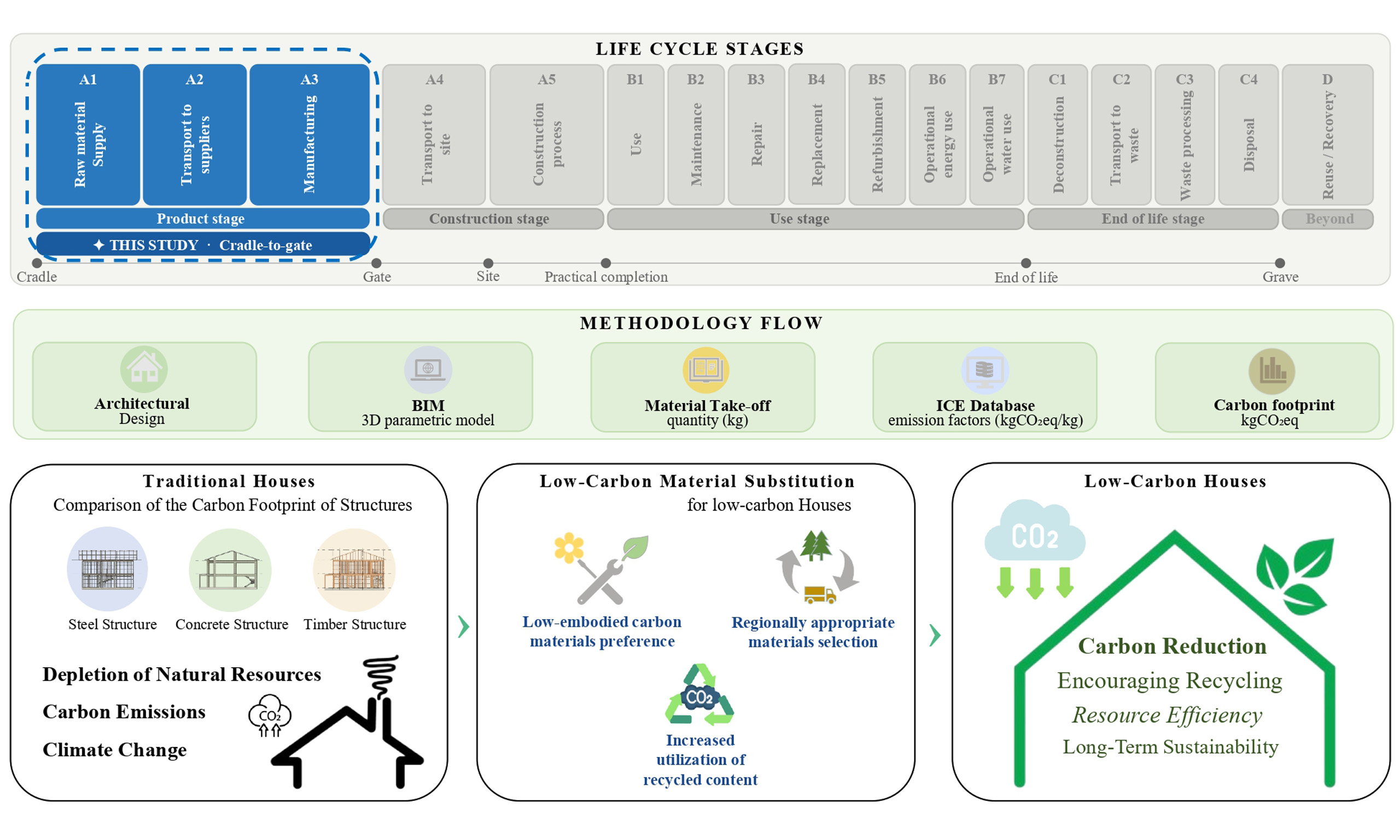
The embodied carbon of three structural systems (steel, reinforced concrete, and timber) applied to an identical residential building design is assessed and compared in this study using a BIM-based quantitative assessment framework, and the carbon reduction potential of low-carbon material substitution within each system is quantified. This study focuses on emissions from life cycle stages A1-A3, representing a cradle-to-gate system boundary, including raw material extraction and processing (A1), transportation to the manufacturing site (A2), and manufacturing and production processes (A3)[21], to emphasise the importance of early-stage design in reducing the carbon footprints of buildings.
The functional unit is selected to be a conceptual two-storey detached residential building with a total floor area of 180 m2 and a construction area of 270 m2 in the UK. Autodesk Revit 2024 was employed to model each of the three structural variations separately, and the integrated Material Take-off Schedule was used to extract material quantities. To quantify the achieved decrease, low-carbon material substitutes were subsequently added to each model, and embodied carbon was recalculated. To ensure comparability between scenarios, assessment results are normalised per total construction area (kgCO2eq/m2). As is standard in residential LCA studies, a reference service life of 50 years was adopted. All three scenarios have identical architectural design, spatial arrangement, building envelope specification, and functional performance criteria in order to ensure that observed differences in embodied carbon are solely due to structural system and material selection. All scenarios maintained the same foundation systems, window and door specifications, roof construction, and building services in accordance with applicable UK building regulations.
Carbon footprint for building materials
This research incorporates life-cycle modules A1-A3, utilising emission factors derived from the ICE Database (Version 4.1, 2025). Embodied carbon was calculated using the following equation[22]:
(1)
Where CFtotal is the total carbon footprint of the building (kg CO2eq), Qi is the quantity of material i (kg), EFi is the emission factor of material i (kgCO2eq/kg), and n is the total number of materials. Building carbon footprint calculations are crucial for encouraging the construction of low-carbon structures, which emit substantially less CO2 than traditional structures[23].
Case study
For this research, a two-storey detached house in the UK was designed as a case study. The total floor area is 180 m2 and the total construction area of the house is 270 m2, including 98 m2 on the ground floor, 82 m2 on the first floor, and 90 m2 in the roof. It features four bedrooms, three bathrooms, a kitchen, a living room, a winter garden, a storage area, and a roof space. Detached and semi-detached houses continue to constitute a substantial proportion of the UK housing stock. According to the most recent English Housing Survey (EHS), owner-occupied dwellings in 2024 were most commonly semi-detached (30%) or detached houses (26%)[24]. Historical EHS data further indicate that detached dwellings have consistently exhibited larger average floor areas than other dwelling types. Between 1945 and 2002, the average floor area of newly built detached houses ranged from approximately 131 m2 to 149 m2[25]. More recent survey data report an average floor area of approximately 152 m2 for detached homes, confirming their position as the largest dwelling typology within the English housing stock[25]. Although the average detached dwelling in England remains smaller than the 180 m2 model adopted in this study, the selected floor area reflects the upward trend in detached family home sizes observed in recent years. The choice of this scale therefore allows the study to capture current design trends in larger detached dwellings while maintaining relevance to typical UK residential construction practice.
The study applies the flowchart in Figure 1, which illustrates a BIM-based process for selecting and evaluating the optimal low-carbon building design among alternative structural systems. Beginning with the design phase, an architectural project is developed in accordance with demands and requirements of the client, considering professional expertise, architectural knowledge, and relevant building regulations.
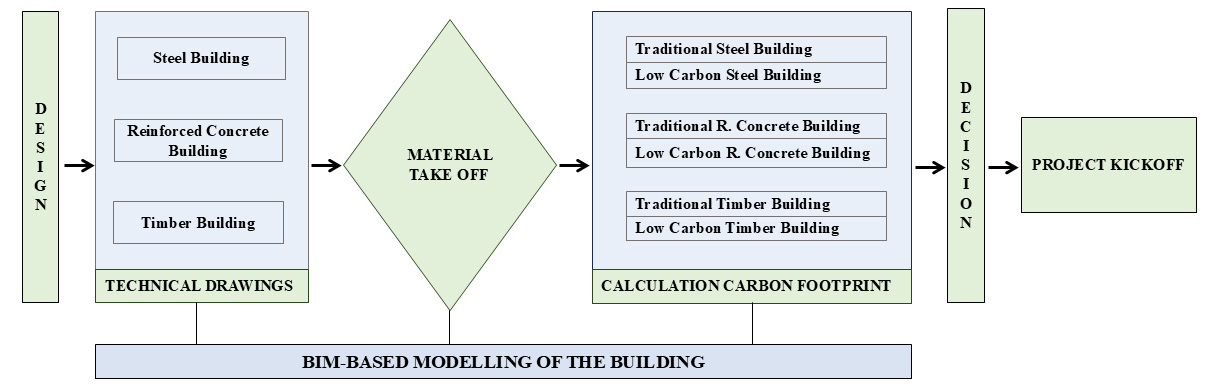
Figure 1. Flowchart of the study’s methodology.
The building systems’ structural and architectural visualisations are shown in Figure 2, which additionally demonstrates how low-carbon materials were incorporated into the design. The following low-carbon modifications were implemented for each scenario: the low-carbon steel scenario includes recycled-content structural steel, recycled aluminium, low-carbon concrete mix, and polyisocyanurate (PIR) insulation; the low-carbon reinforced concrete scenario includes low-carbon concrete mix with supplementary cementitious materials (SCMs) partial cement replacement, recycled steel rebar, sandstone brick cladding, low-carbon mortar, and PIR insulation; and the low-carbon timber scenario incorporates laminated veneer lumber (LVL) structural members, recycled steel rebar, low-carbon mortar, and PIR insulation. For each of the three structural systems, full building drawings and application projects were generated in Autodesk Revit 2024, ensuring that the embodied carbon calculations are based on geometrically accurate, regulation-compliant building models rather than approximations or schematic representations.
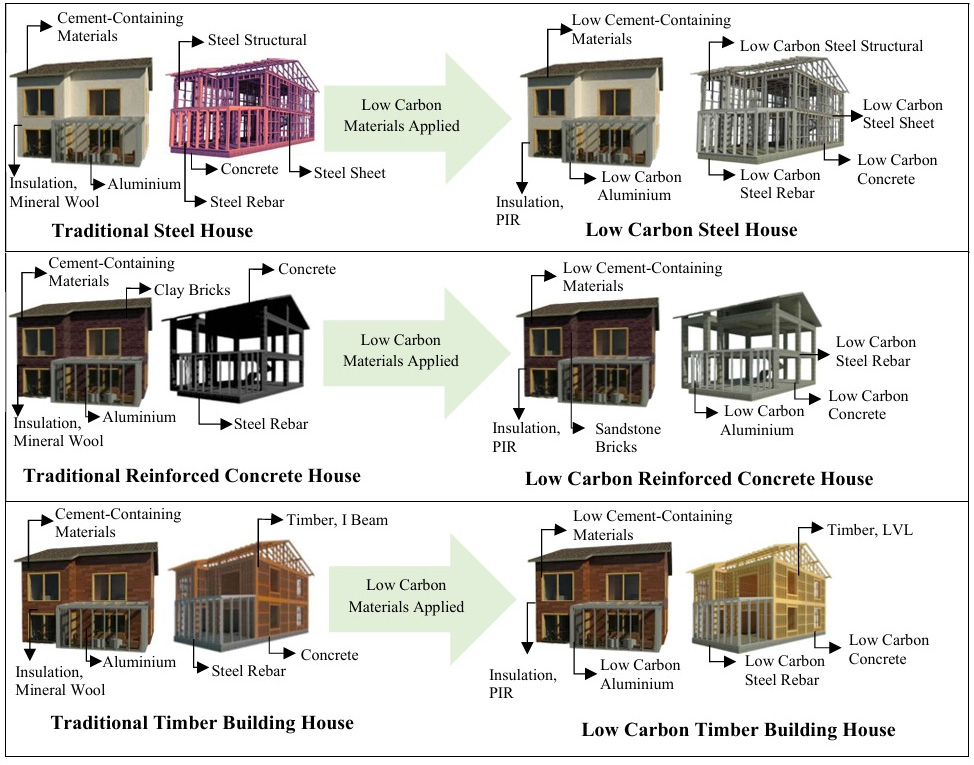
Figure 2. Schematic and artistic visualisation of the six building scenarios examined in this study: traditional and low-carbon variants of the structural systems. PIR: Polyisocyanurate; LVL: laminated veneer lumber.
Non-structural elements were modelled consistently across all three scenarios with identical material properties. Material quantities were extracted directly from the Revit 2024 model using the built-in Material Take-off Schedule functionality, which automatically aggregates the volume and mass of each assigned material across all model elements. Volumes reported by Revit were converted to masses using material-specific density values consistent with those adopted in the ICE database, ensuring dimensional compatibility between the quantity take-off output and the emission factor inputs. All quantities are reported in kilograms to enable direct application of mass-based ICE emission factors in accordance with Equation 1. The ICE database was selected as the emission factor source for four reasons: first, it is the most widely used open-access embodied carbon database in UK construction research and practice[11]; second, its emission factors are consistently reported on a cradle-to-gate basis, which corresponds directly with the system boundary of this study[26]; third, its application enables direct comparability with a significant body of published UK embodied carbon assessments; and fourth, it is the most recent version of the database, having been updated in 2025 to reflect current standard carbon emission values as well as advances in low-carbon manufacturing processes and material production technologies[27]. Emissions related to the building process stage (A4-A5), the usage stage (B1-B7), and the end-of-life stage (C1-C4)[21] are not included in the system boundary of this study.
Reduction of embodied carbon in building materials
Reducing the embodied carbon of building materials is critical to promoting a transition to a low-carbon built environment[28], and various strategies have been explored to achieve this goal. The emission factors implemented in this study are derived from life-cycle assessment findings provided in previous research and represent information achievable under current market conditions through commonly applied practices including the selection of regionally appropriate materials, the use of recycled content, improved production technologies, and more efficient transportation.
Concrete is currently the most widely consumed material after water. Concrete is used in construction at approximately twice the volume of all other building materials combined[29]. It is possible to significantly reduce the amount of carbon dioxide generated by replacing traditional clinkers with alternative ones[30,31], because this process is a major contributor to carbon emissions[32,33]. Fly ash, slag, clay, and other alternative waste products with high calcium oxide content can serve as substitutes for traditional clinker[34-37]. In addition, as a sustainable solution to the problems of natural resource depletion and the disposal of construction and demolition (C&D) waste, recycled coarse aggregates (RCA) have gained growing acceptance. Concrete emissions can be reduced by using RCA recovered from both stationary and mobile plants in place of natural aggregates[38]. Steel is the second most widely used building material after concrete and is a significant contributor to carbon emissions[39]. Steel sector decarbonisation necessitates a transition from coal-based metallurgy to one based on hydrogen and electricity[40]. Electric melting furnaces and direct reduction facilities provide a pathway for reducing greenhouse gas emissions[40]. Recycling of scrap steel greatly reduces the embodied carbon of steel. Currently, secondary metallurgy utilising scrap can only supply one-third of the world’s steel demand. However, by 2050, scrap availability will approach two-thirds of overall demand, resulting in significant growth in this sector during the coming decades[41].
A wide range of products use aluminium because of its excellent formability, high corrosion resistance, and high strength-to-weight ratio[42]. Because of these beneficial characteristics, aluminium alloys have been used in increasing quantities in the building industry over the past several decades[43]. The energy used in the manufacture of recycled aluminium, including transportation, pre-treating, and remelting of scrap, is less than 5% of that of primary aluminium, and its environmental impact is lower than that of primary aluminium[44]. The potential of timber structures and engineered wood products (EWPs) to reduce greenhouse gas emissions by storing biogenic carbon and substituting carbon-intensive materials is becoming more widely recognised[45]. A mitigation matrix identified a range of reduction potentials: 20% through transportation optimisation, 24%-28% through the use of low-density timber, 76% from renewable energy adoption, 11% through sawmill efficiency improvements, 75% through air drying, and up to 92% through the use of recovered timber[45]. The low-carbon structural timber in this research is LVL. The UK has experienced an increase in the use of timber in construction. The Forestry Commission reports that approximately half of the wood-based panels and one-third of the sawn timber consumed in the UK in 2015 originated from UK forests, highlighting the regional value of timber as a material choice for lowering embodied carbon in UK construction[46,47].
Brick is one of the earliest known man-made materials; however, the sustained demand for this durable, tactile, and attractive product remains highly energy-intensive and contributes to the release of hazardous pollutants, including greenhouse gases, into the atmosphere[48]. The building’s total embodied carbon could be substantially reduced through the use of sandstone brick, which has an embodied carbon factor of
Selection criteria, substitution ratios, and performance equivalence for low-carbon materials
The following criteria were used to guide the selection of low-carbon material alternatives: (i) functional equivalence - meaning that substitute materials are specified to fulfil the same structural or thermal performance function as the traditional material they replace, based on manufacturer data and established design standards; (ii) current market availability, indicating that all substituted materials represent products or production pathways commercially available in the UK at the time of this research; (iii) documented emission factors, such that peer-reviewed LCA values or the ICE database (Version 4.1) are available for all substitute materials; and (iv) compliance with applicable UK building regulations and structural design standards. It should be noted that structural and functional equivalency between traditional and low-carbon materials is assumed based on standard engineering design practice, material specifications, and compliance with building regulations; independent structural analysis or performance testing is beyond the scope of this study.
For each material category, functional equivalency and substitution ratios were presented separately. The low-carbon alternatives for structural steel and steel rebar employ the same section sizes and load-bearing capacity as the traditional design, with the exception of the manufacturing process, which uses Electric Arc Furnace (EAF) steelmaking with a high recycled scrap content at a 1:1 substitution ratio by mass. By replacing portions of the cement in concrete with SCMs, specifically fly ash and Ground Granulated Blast-Furnace Slag (GGBS), at a 1:1 substitution ratio by mass, the same compressive strength class is maintained. Recycled aluminium is used as an alternative to aluminium at a mass ratio of 1:1. At a 1:1 mass substitution ratio, based on standard engineering practice and material specifications, it is assumed that LVL provides comparable load-bearing capacity and structural member sizing to traditional timber. Sandstone brick is specified to the same dimensions and coursing pattern as traditional clay brick for brick cladding, ensuring identical wall thickness and structural adequacy at a 1:1 substitution ratio by mass. The mass substitution ratio between mineral wool and PIR insulation is approximately 4.6:1 in favour of PIR.
RESULTS AND DISCUSSION
The results of the research provide a comparison of the embodied carbon associated with three structural systems (steel, reinforced concrete, and timber) applied to the UK conceptual housing project. For each building scenario, embodied carbon data were calculated based on material quantities using the proposed BIM-integrated framework. Significant differences in the structural systems’ carbon performance were identified by the analysis. These results demonstrate the utility of the BIM-based assessment approach for measuring and evaluating environmental impacts during the preliminary design stage and highlight the significant impact of material selection on a building’s total embodied carbon. The complete material schedules, material quantities and emission factor inputs for all six scenarios (three conventional and three low-carbon) are provided in the Supplementary Materials [Supplementary Tables 1-6].
Comparison of embodied carbon of traditional houses’ materials
The embodied carbon emissions (kgCO2eq) of the materials in three traditional housing structures (steel, reinforced concrete, and timber) are compared in Figure 3. There are significant differences in structural materials between the systems: the traditional steel house uses structural steel and accounts for
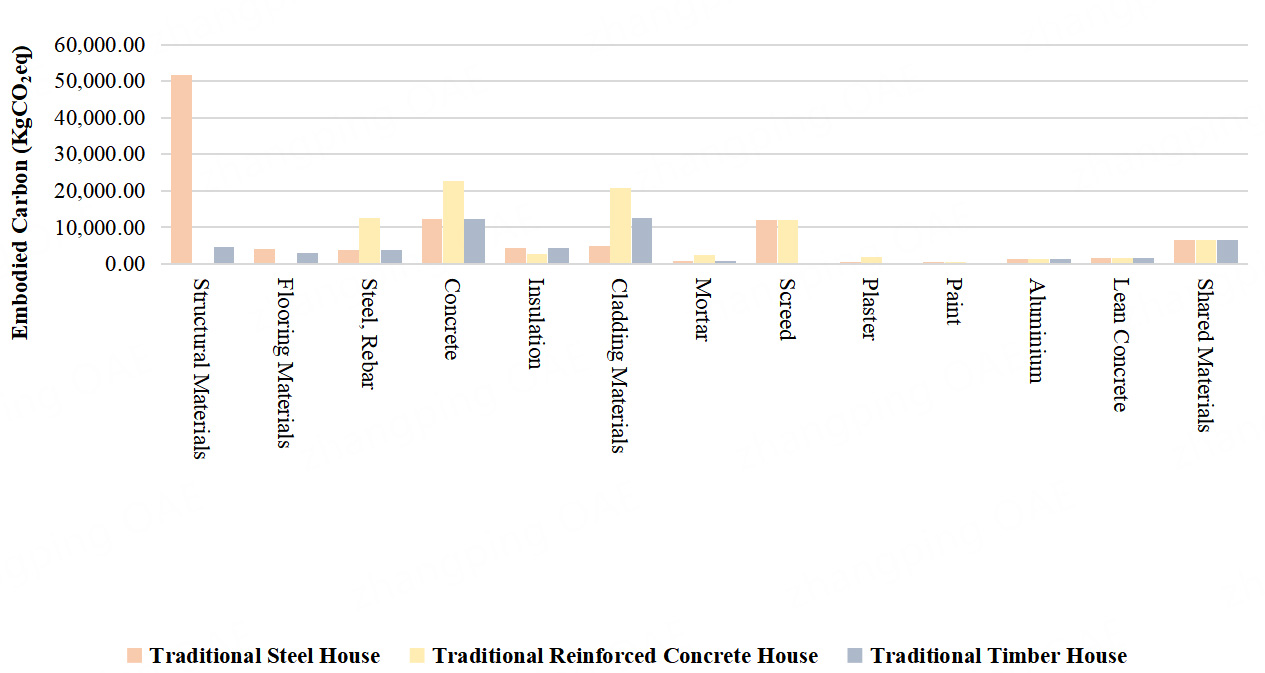
Figure 3. Comparison of total embodied carbon of materials in traditional houses.
The traditional timber house employs timber and records
Cladding materials differ across the three systems: the steel house uses fibre board, glass fibre plasterboard, and plasterboard (4,861.97 kgCO2eq); the reinforced concrete house uses brick
The carbon content of materials in traditional houses
The embodied carbon content of the materials used in three traditional structural systems (steel, reinforced concrete, and timber) is displayed in the pie charts in Figure 4, demonstrating the different contributions of each material category to total emissions. The carbon footprint of the materials used to build the traditional steel house is shown in Figure 4A in kilograms of CO2 equivalent (kgCO2eq). Structural steel is responsible for almost 49.5% of the overall emissions, which makes it the dominant component, reflecting the carbon-intensive nature of steel production. The next highest contributors are concrete and cement containing components (mortar, screed, and lean concrete), which release 12,349.44 kgCO2eq (11.9%) and 14,398.32 kgCO2eq (13.8%), respectively.
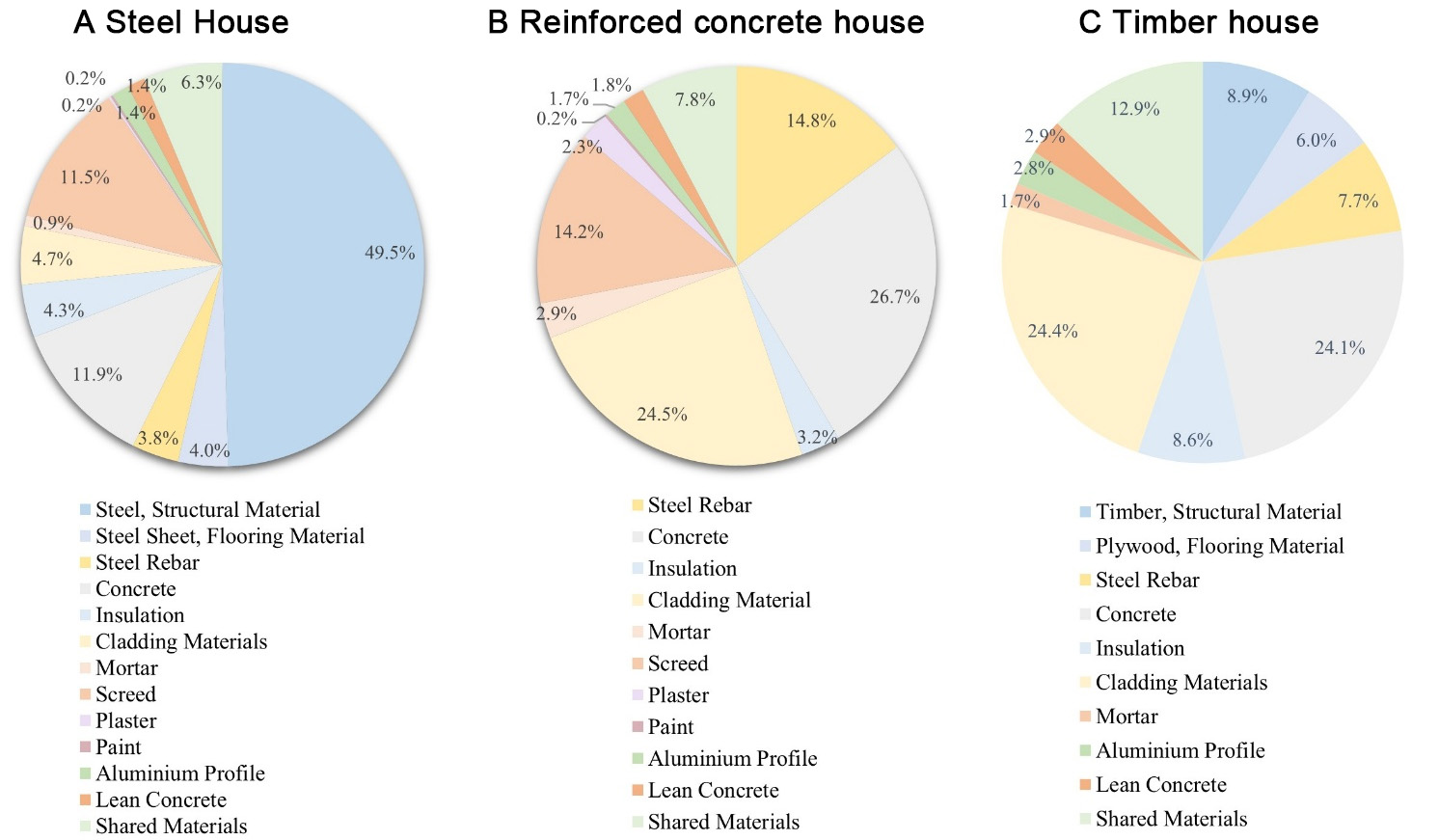
Figure 4. The embodied carbon content of traditional house materials, showing the percentage contribution of each material category to total emissions: (A) the traditional steel house; (B) the traditional reinforced concrete house; (C) the traditional timber house.
Figure 4B illustrates the carbon footprint, measured in kilograms of CO2 equivalent (kgCO2eq), of the materials required to build a traditional reinforced concrete house. Concrete is the dominant contributor, accounting for 26.7% of the total emissions. At 20,701.63 kgCO2eq (24.5%), cladding material (brick) is the second largest contributor, followed by materials containing cement (mortar, screed, and lean concrete) at 15,931.62 kgCO2eq (18.9%). Due to the carbon-intensive nature of steelmaking, steel rebar also represents a significant contribution (12,555.22 kgCO2eq, 14.8%).
Figure 4C presents the carbon footprint of the materials used in the traditional timber house, expressed in kilograms of CO2 equivalent (kgCO2eq). The material with the highest contribution of all the materials is cladding materials (hardboard, wood-plastic board, and MDF), which accounts for 24.4%
A cross-system comparison of the pie charts highlights a structural pattern: the reinforced concrete house shows a more dispersed emission profile spread across concrete, brick, and rebar, while the steel and timber houses show a single material category dominating total emissions (structural steel at 49.5% and cladding at 24.4%, respectively). This distinction has practical implications: dispersed emission profiles require a broader range of interventions to achieve comparable reductions, whereas buildings with a single dominant emission source offer more targeted opportunities for carbon reduction through material substitution.
Comparison of embodied carbon in traditional and low-carbon houses
In this section, the embodied carbon of materials used in traditional houses is compared with that of the corresponding low-carbon variants for each structural system.
Steel houses materials
The embodied carbon of the materials used in the traditional steel house and the low-carbon steel house are contrasted in the chart shown in Figure 5. In the low-carbon design, the use of recycled-content structural steel reduces CO2 emissions by approximately 55.5% (from 51,600.5 kgCO2eq to 22,972.85 kgCO2eq), resulting in a much smaller footprint compared to the high emission baseline. Furthermore, reductions of 73.8% (from 4,164.45 kgCO2eq to 1,091.62 kgCO2eq) and 57.6% (from 3,923.75 kgCO2eq to
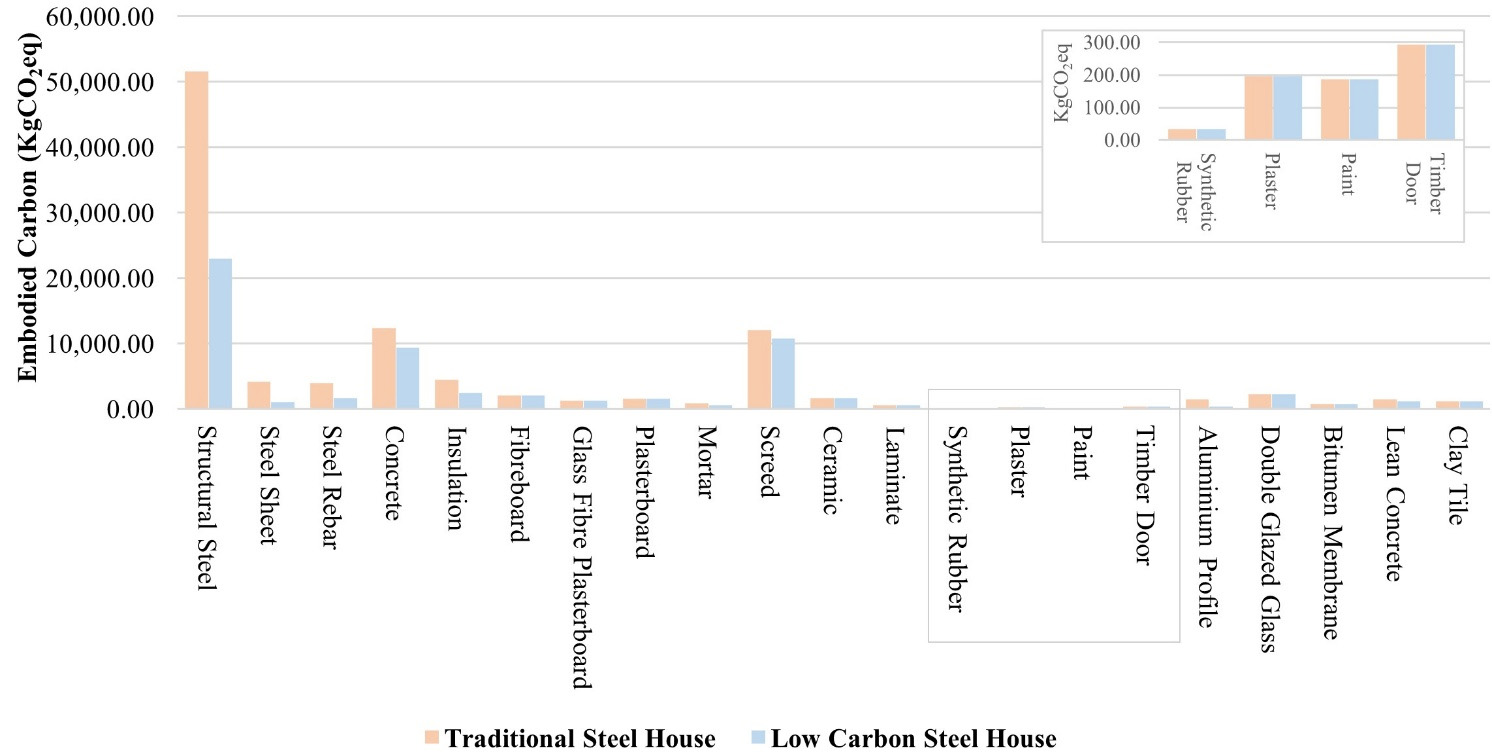
Figure 5. Comparison of materials embodied carbon in steel houses.
Additionally, concrete’s embodied carbon decreases by around 24.6% (from 12,349.44 kgCO2eq to
Reinforced concrete houses materials
The embodied carbon of the materials used in the traditional reinforced concrete house and the low-carbon reinforced concrete house are contrasted in the chart shown in Figure 6. Rebar, or reinforcing steel has reduced by 57.6% (from 12,555.22 kgCO2eq to 5,328.63 kgCO2eq), which is the largest reduction. Concrete shows a 24.6% reduction (from 22,582.75 to 17,021.33 kgCO2eq), and bricks show a 45.8% decrease (from 20,701.63 kgCO2eq to 11,213.38 kgCO2eq).
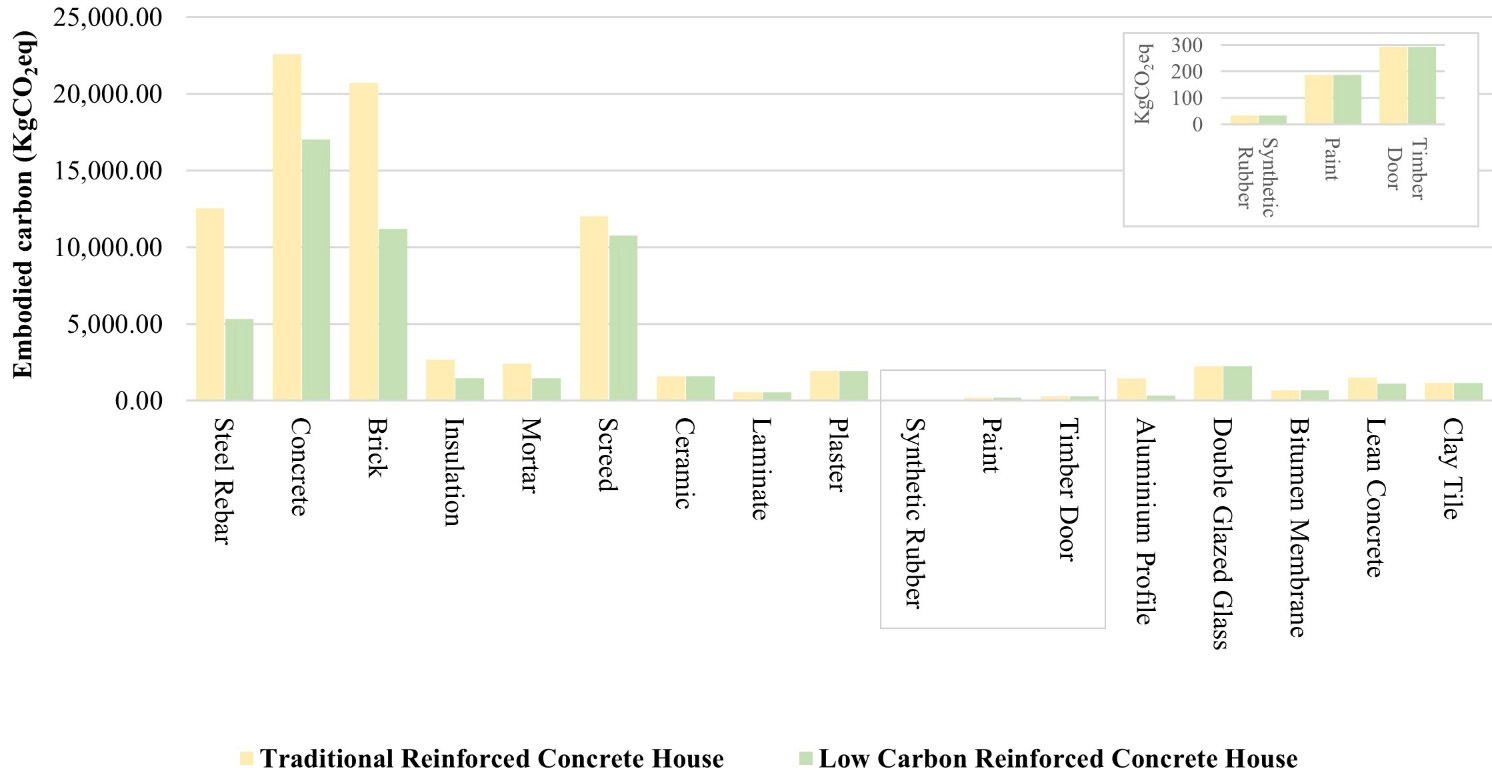
Figure 6. Comparison of materials embodied carbon in reinforced concrete houses.
Mortar decreases by 39.7% (from 2,421.56 kgCO2eq to 1,459.57 kgCO2eq) and insulation decreases by 45.9% (from 2,679.03 kgCO2eq to 1,447.97 kgCO2eq). Aluminium shows a particularly notable reduction, with embodied carbon declining by almost 76.6% (from 1,458.05 kgCO2eq to 340.74 kgCO2eq), primarily as a result of a larger percentage of recycled material. The embodied carbon of the remaining materials is broadly consistent across both scenarios. This suggests that, provided substitute materials are designed and specified in accordance with applicable structural standards, sustainable design approaches can effectively minimise the use of high-carbon materials without compromising the intended structural and functional performance as defined by the design specifications.
Timber houses materials
The embodied carbon of the materials used in the traditional timber house and the low-carbon timber house are contrasted in the chart shown in Figure 7. The timber structure’s embodied carbon decreases from 4,560.09 kgCO2eq to 3,682.06 kgCO2eq, a 19.2% decrease. Steel rebar demonstrates a substantially greater reduction of 57.5% (from 3,923.75 kgCO2eq to 1,665.31 kgCO2eq). Concrete’s embodied carbon is reduced by 24.6%, from 12,349.44 kgCO2eq to 9,308.16 kgCO2eq, through the use of supplementary cementitious ingredients and improved mix designs. Insulation demonstrates a reduction of 45.9%, from 4,429.69 kgCO2eq to 2,394.13 kgCO2eq. Mortar shows a significant decrease of 39.7%, from 888.26 kgCO2eq to 535.39 kgCO2eq.
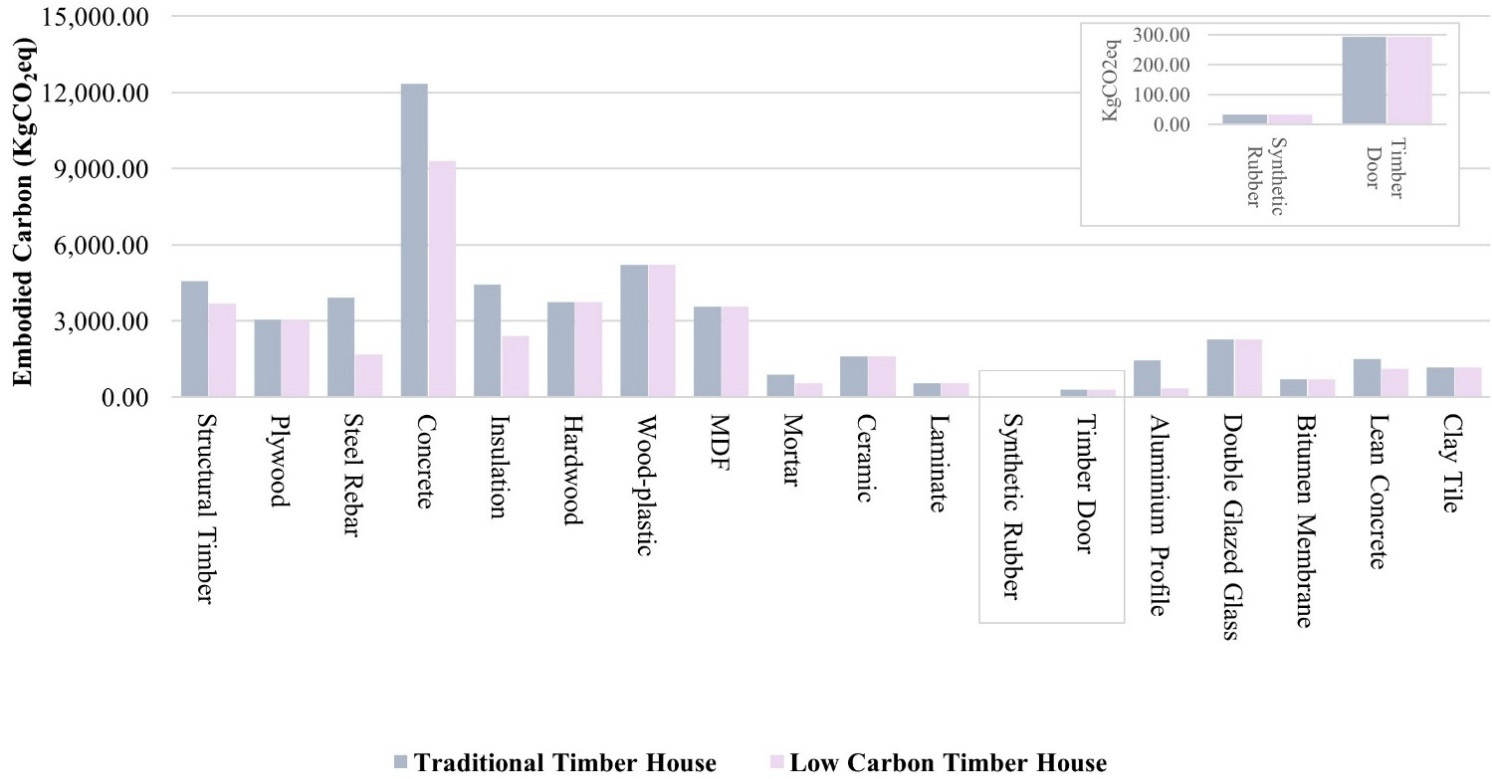
Figure 7. Comparison of materials embodied carbon in timber houses. MDF: Medium-density fibreboard.
Aluminium illustrates a particularly significant reduction, with a 76.6% reduction from 1,458.05 kgCO2eq to 340.74 kgCO2eq. The embodied carbon of the remaining materials is broadly consistent across both scenarios. The steel house, which has the highest baseline, achieves the most significant absolute and relative reduction (40.4%), while the timber house, which is already the lowest-carbon option, exhibits the smallest reduction (19.7%). It is noteworthy that the percentage reductions achieved through material substitution have an opposite relationship to the initial emission intensity of each system. This trend suggests diminishing marginal returns in embodied carbon reduction as baseline emissions decrease.
Comparison of total embodied carbon of houses
A comparison of the total embodied carbon of traditional and low-carbon houses constructed from steel, reinforced concrete, and timber is presented in the bar chart in Figure 8. The embodied carbon of the low-carbon timber house is 19.7% (decreasing from 51,255.87 kgCO2eq to 41,191.54 kgCO2eq) lower than that of the conventional model. Subject to detailed engineering verification, the low-carbon timber design is intended to maintain the same standards of material quality, comfort, and durability, demonstrating that environmentally responsible construction practices can deliver significant environmental benefit without compromising functionality. In comparison to the traditional form, the reinforced concrete house displays an additional notable decrease in embodied carbon, with emissions dropping by around 32.2% (from 84,640.06 kgCO2eq to 57,412.58 kgCO2eq). These findings not only reduce the carbon footprint but also improve the design’s overall resource efficiency, demonstrating how low-carbon design strategies can transform carbon-intensive building types into far more environmentally sustainable alternatives.
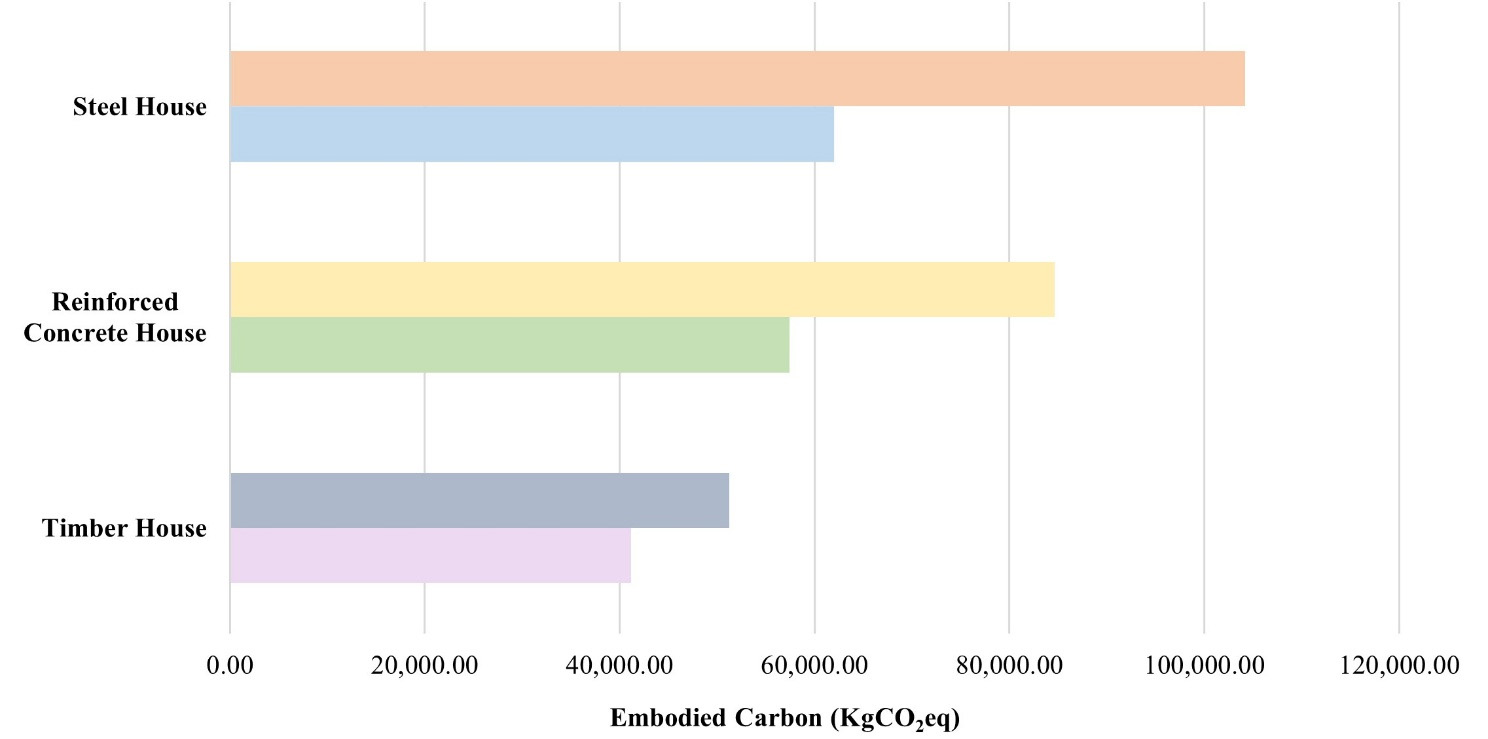
Figure 8. Comparison of total embodied carbon of traditional and low-carbon houses across three structural systems, where for each structural system the upper bar represents the traditional house and the lower bar represents the corresponding low-carbon alternative.
The steel house presents the greatest reduction in embodied carbon, reducing it by 40.4% (from
The embodied carbon value of the traditional timber house is 51,255.87 kgCO2eq, or around
Discussion
The study’s findings are in agreement with values reported in previous studies. The case study’s embodied carbon intensities of 191 kgCO2eq/m2 for traditional timber house, 314 kgCO2eq/m2 for traditional reinforced concrete house, and 386 kgCO2eq/m2 for traditional steel house correspond to results from previous research. According to data from over 200 buildings, for instance, timber frames have the lowest median embodied carbon (≈200 kgCO2eq/m2), whereas steel and concrete systems frequently range between 350 kgCO2eq/m2 and
The broader embodied carbon mitigation potential reported in the literature corresponds to the reductions achieved through material substitution (19.7%-40.4%, as shown in Section 3.4, Comparison of Houses’ Total Embodied Carbon). Early-stage design and material substitution are clearly identified as the primary reduction options in a systematic assessment of 159 high-impact studies on building embodied carbon, which also calls for practical approaches toward embodied carbon management[55], and research studies consistently highlight the role of design and material selection in reducing embodied impacts, with the results showing that upfront embodied carbon reductions of 17%-45% are achievable with ambitious design and material changes[56]. Both the emission factor technique and the comparison findings reached in this study are externally validated by these consistencies.
The source and accuracy of material quantity data are the key difference between the BIM-integrated workflow used in this study and traditional embodied carbon assessment. Quantities tend to be manually determined from drawings in conventional practice, which introduces measurement inaccuracy and relies on approximate take-off factors. By extracting quantities directly and automatically from the parametric Revit model, on the other hand, the BIM-based method applied here ensures that all three structural scenarios are assessed using geometrically consistent and internally verified data. This eliminates a major source of inter-scenario variability that would otherwise confound cross-system comparison. Importantly, the digital model enables rapid scenario testing, which supports early-stage design decision-making in a manner that manual methods cannot effectively replicate. This includes modifying material specifications and recalculating embodied carbon without changing the underlying geometry.
The results have real-world implications for policy and design practice. The research confirms for design practitioners that selecting a structural system is the earliest and most effective decision for reducing upfront embodied carbon in residential building, with timber providing the lowest baseline emissions in every scenario studied. The research further demonstrates that, without changing structural geometry, spatial configuration, or building performance, significant reductions (on the order of 19.7%-40.4%) can be achieved by substituting commercially available low-carbon material alternatives. The findings of this research strengthen the case for embodied carbon assessment in the planning and design approval process. This reinforces the UK Environmental Audit Committee’s recommendation that whole-life carbon assessments be made mandatory for all new buildings, and the view that policymakers have a crucial role in legislating to require the measurement of embodied carbon impacts in buildings[57]. Future research should also focus on circular and modular components to promote sustainability and circularity in the construction industry[58]. The findings also emphasise the need to maintain and update open-access emission factor datasets such as the ICE database, which provide the empirical foundation for the type of transparent, practitioner-oriented embodied carbon assessment.
The robustness of these findings is further confirmed by a one-at-a-time sensitivity analysis presented in the Supplementary Materials (Supplementary Section 4 and Supplementary Table 7), which demonstrates that a ± 20% change in the emission factors of the dominant structural materials results in changes in total embodied carbon of no more than approximately 10%, with minimal influence on the relative carbon ranking of the three structural systems, suggesting that the overall comparative conclusions remain robust across a reasonable range of emission factor uncertainty.
CONCLUSION
This study demonstrates that the embodied carbon of residential buildings can be significantly reduced by integrating low-carbon materials and BIM into the design process. The study compares three widely used structural systems (timber, reinforced concrete, and steel) to demonstrate that various materials have different potentials for carbon reduction. Traditional timber construction has the lowest baseline carbon footprint, whereas steel and reinforced concrete have higher initial carbon footprints. However, there are significant reductions in all low-carbon scenarios relative to the traditional baselines. The advantages of implementing these low-carbon practices extend beyond reducing embodied carbon. Through material reuse and recycling, reduced embodied carbon supports circular economy principles, helps preserve finite natural resources, and contributes to mitigating the effects of climate change. Furthermore, buildings with reduced emissions contribute to healthier environments and support the achievement of global carbon budget goals, thereby improving ecological stability for present and future generations. Policymakers and regulators could take the following actions to amplify the impact of these findings: making life-cycle carbon assessments mandatory for all new building projects; incentivising the use of carbon-storing construction materials, recycled materials, and low-carbon materials.
Nevertheless, it is important to assess the generalisability of the findings within the context of several research limitations. The results may not be directly applicable to other building typologies, scales, or geographical locations, as the analysis is based on a conceptual case study of a detached residential house in the UK. Additionally, the system boundary is limited to Modules A1-A3 (cradle-to-gate); therefore, construction process emissions (A4-A5), operational carbon (B1-B7), and end-of-life phases (C1-C4) are not included in the assessment. Furthermore, in accordance with the established cradle-to-gate principle, biogenic carbon sequestration in timber has not been accounted for. By quantifying the embodied carbon implications of material substitution and structural system selection within a single UK case study, this study contributes to the evidence base for promoting low-carbon residential building in the UK and beyond.
Future research should build on this study, by extending the assessment approach to other building typologies, including multi-storey residential, commercial, or mixed-use structures, and to geographical locations beyond the UK. A more comprehensive assessment of end-of-life and operational carbon interactions across structural systems would be possible through extending the system boundary to include whole-life carbon phases (Modules A1-C4). Finally, the development of advanced BIM-integrated tools that can simultaneously assess various structural systems in real time should be considered a top priority in future work. This will enable direct carbon footprint comparisons and automated low-carbon material recommendations within a single design environment. The transition to a low-carbon built environment would be accelerated by the incorporation of such BIM-LCA capabilities into standard design workflows, providing architects, engineers, and policymakers with a robust basis for decision-making.
DECLARATIONS
Acknowledgements
The authors would like to express their sincere appreciation to all individuals and organisations who provided support and guidance throughout the preparation of this manuscript. Special thanks are extended to former colleagues at ABA Construction Company for their valuable technical assistance, which was instrumental to the technical success of the project.
Authors’ contributions
Writing - original draft; writing - review & editing; visualization; validation; software; methodology, investigation; formal analysis: Ercal, O.
Writing - review and editing; validation; methodology; formal analysis: supervision, conceptualization; administration and funding acquisition: Shafique, M.
Availability of data and materials
Data in this study are available from the corresponding author upon reasonable request.
AI and AI-assisted tools statement
Not applicable.
Financial support and sponsorship
Not applicable.
Conflicts of interest
Shafique, M. is an editorial board member of the journal Carbon Footprints, He had no involvement in the review or editorial process of this manuscript, including but not limited to reviewer selection, evaluation, or the final decision, while the other authors have declared that they have no conflicts of interest.
Ethical approval and consent to participate
Not applicable.
Consent for publication
Not applicable.
Copyright
© The Author(s) 2026.
Supplementary Materials
REFERENCES
1. Sandanayake, M. S. Environmental impacts of construction in building industry-a review of knowledge advances, gaps and future directions. Knowledge 2022, 2, 139-56.
2. Guggemos, A. A.; Horvath, A. Comparison of environmental effects of steel- and concrete-framed buildings. J. Infrastruct. Syst. 2005, 11, 93-101.
3. Chau, C.; Hui, W.; Ng, W.; Powell, G. Assessment of CO2 emissions reduction in high-rise concrete office buildings using different material use options. Resour. Conserv. Recycl. 2012, 61, 22-34.
4. Sartori, I.; Hestnes, A. Energy use in the life cycle of conventional and low-energy buildings: a review article. Energy. Build. 2007, 39, 249-57.
5. Seo, S.; Hwang, Y. Estimation of CO2 emissions in life cycle of residential buildings. J. Constr. Eng. Manage. 2001, 127, 414-8.
6. Ercal, O.; Shafique, M. Rethinking net zero: A new perspective on achieving net zero energy buildings. Sustain. Horiz. 2026, 17, 100163.
7. Global Alliance for Buildings and Construction, International Energy Agency and the United Nations Environment Programme: 2019 Global Status Report for Buildings and Construction: Towards a Zero-Emission, Efficient and Resilient Buildings and Construction Sector. Global Alliance for Buildings and Construction, Nairobi, Kenya, 2019. https://www.iea.org/reports/global-status-report-for-buildings-and-construction-2019 (accessed 2026-6-3).
8. US Department of Energy. A Common Definition for Zero Energy Buildings. US Department of Energy, Washington, DC, 2015. https://www.energy.gov/sites/prod/files/2015/09/f26/A%20Common%20Definition%20for%20Zero%20Energy%20Buildings.pdf (accessed 2026-6-3).
9. Wiedmann, T.; Minx, J. C. A definition of carbon footprint. Ecol. Econ. Res. Trends. 2008, 2, 55-65. https://www.researchgate.net/publication/247152314_A_Definition_of_Carbon_Footprint (accessed 2026-6-3).
10. Dixit, M. K.; Pradeep Kumar, P.; Banerjee, S. Impact of using high strength low alloy steel on reducing the embodied energy, carbon, and water impacts of building structures: a case study. Dev. Built. Environ. 2025, 22, 100671.
11. Hammond, G. P.; Jones, C. I. Embodied energy and carbon in construction materials. Proc. Inst. Civ. Eng. Energy. 2008, 161, 87-98.
12. Wang, G.; Luo, T.; Luo, H.; Liu, R.; Liu, Y.; Liu, Z. A comprehensive review of building lifecycle carbon emissions and reduction approaches. City. Built. Enviro. 2024, 2, 12.
13. Basbagill, J.; Flager, F.; Lepech, M.; Fischer, M. Application of life-cycle assessment to early stage building design for reduced embodied environmental impacts. Build. Environ. 2013, 60, 81-92.
14. Teng, Y.; Li, K.; Pan, W.; Ng, T. Reducing building life cycle carbon emissions through prefabrication: Evidence from and gaps in empirical studies. Build. Environ. 2018, 132, 125-36.
15. Zhang,Y.; Sattar, S.; Cook, D. T.; Johnson, K. J.; Fung, J. F. Systematic review of embodied carbon assessment and mitigation in buildings (NIST SP 1324). National Institute of Standards and Technology, Gaithersburg, MD, 2024.
16. Sizirici, B.; Fseha, Y.; Cho, C.; Yildiz, I.; Byon, Y. A review of carbon footprint reduction in construction industry, from design to operation. Materials 2021, 14, 6094.
17. Giesekam, J.; Barrett, J. R.; Taylor, P. Construction sector views on low carbon building materials. Build. Res. Inf. 2015, 44, 423-44.
18. Van Roijen, E.; Miller, S. A.; Davis, S. J. Building materials could store more than 16 billion tonnes of CO2 annually. Science 2025, 387, 176-82.
19. Succar, B. Building information modelling framework: a research and delivery foundation for industry stakeholders. Autom. Constr. 2009, 18, 357-75.
20. Potrč Obrecht, T.; Röck, M.; Hoxha, E.; Passer, A. BIM and LCA integration: a systematic literature review. Sustainability 2020, 12, 5534.
21. CEN, EN 15978: Sustainability of construction works - assessment of environmental performance of buildings - calculation method. European Committee for Standardization, Brussels, 2011. https://standards.iteh.ai/catalog/standards/cen/62c22cef-5666-4719-91f9-c21cb6aa0ab3/en-15978-2011 (accessed 2026-6-3).
22. Blay-armah, A.; Bahadori-jahromi, A.; Mylona, A.; Barthorpe, M.; Ferri, M. An evaluation of the impact of databases on end-of-life embodied carbon estimation. Sustainability 2022, 14, 2307.
23. Farhan, S. A.; Shafiq, N.; Azizli, K. A.; Umar, U. A.; Gardezi, S. S. S. Embodied carbon of buildings: tools, methods and strategies. Appl. Mech. Mater. 2014, 567, 565-70.
24. MHCLG, English Housing Survey 2024-2025: Chapter 1: profile of households and dwellings. Ministry of Housing, Communities & Local Government, UK, 2025. https://www.gov.uk/government/statistics/chapters-for-english-housing-survey-2024-to-2025-headline-findings-on-demographics-and-household-resilience/chapter-1-profile-of-households-and-dwellings (accessed 2026-6-3).
25. MHCLG. English housing survey, floor space in english homes - main report. Ministry of Housing, Communities & Local Government, UK, 2018. https://assets.publishing.service.gov.uk/government/uploads/system/uploads/attachment_data/file/725085/Floor_Space_in_English_Homes_main_report.pdf (accessed 2026-6-3).
26. Drewniok, M. P.; Azevedo, J. M. C.; Dunant, C. F.; et al. Mapping material use and embodied carbon in UK construction. Resour. Conserv. Recycl. 2023, 197, 107056.
27. ICE Database. Inventory of Carbon & Energy - Version 4.1. Circular Ecology , Bath, 2025. https://circularecology.com/embodied-carbon-footprint-database.html (accessed 2026-6-3).
28. Myint, N. N.; Shafique, M.; Zhou, X.; Zheng, Z. Net zero carbon buildings: a review on recent advances, knowledge gaps and research directions. Case. Stud. Constr. Mater. 2025, 22, e04200.
29. Gagg, C. R. Cement and concrete as an engineering material: an historic appraisal and case study analysis. Eng. Fail. Anal. 2014, 40, 114-40.
30. Barcelo, L.; Kline, J.; Walenta, G.; Gartner, E. Cement and carbon emissions. Mater. Struct. 2013, 47, 1055-65.
31. Damineli, B. L.; John, V. M. Developing low CO2 concretes: is clinker replacement sufficient? The need of cement use efficiency improvement. Key. Eng. Mater. 2012, 517, 342-51.
32. Özkılıç, Y.; Başaran, B.; Aksoylu, C.; Karalar, M.; Martins, C. Mechanical behavior in terms of shear and bending performance of reinforced concrete beam using waste fire clay as replacement of aggregate. Case. Stud. Constr. Mater. 2023, 18, e02104.
33. Qaidi, S.; Al-kamaki, Y.; Hakeem, I.; et al. Investigation of the physical-mechanical properties and durability of high-strength concrete with recycled PET as a partial replacement for fine aggregates. Front. Mater. 2023, 10, 1101146.
34. Althoey, F.; Ansari, W. S.; Sufian, M.; Deifalla, A. F. Advancements in low-carbon concrete as a construction material for the sustainable built environment. Dev. Built Environ. 2023, 16, 100284.
35. Lao, J.; Huang, B.; Xu, L.; Khan, M.; Fang, Y.; Dai, J. Seawater sea-sand engineered geopolymer composites (EGC) with high strength and high ductility. Cem. Concr. Compos. 2023, 138, 104998.
36. Lao, J.; Xu, L.; Huang, B.; Zhu, J.; Khan, M.; Dai, J. Utilization of sodium carbonate activator in strain-hardening ultra-high-performance geopolymer concrete (SH-UHPGC). Front. Mater. 2023, 10, 1142237.
37. Ahmad, M. R.; Das, C. S.; Khan, M.; Dai, J. Development of low-carbon alkali-activated materials solely activated by flue gas residues (FGR) waste from incineration plants. J. Clean. Prod. 2023, 397, 136597.
38. Ma, X.; Hu, H.; Luo, Y.; Yao, W.; Wei, Y.; She, A. A carbon footprint assessment for usage of recycled aggregate and supplementary cementitious materials for sustainable concrete: a life-cycle perspective in China. J. Clean. Prod. 2025, 490, 144772.
39. Chen, Y.; Fang, Y.; Feng, W.; Zhang, Y.; Zhao, G. X. How to minimise the carbon emission of steel building products from a cradle-to-site perspective: a systematic review of recent global research. J. Clean. Prod. 2022, 368, 133156.
40. Suer, J.; Traverso, M.; Jäger, N. Review of life cycle assessments for steel and environmental analysis of future steel production scenarios. Sustainability 2022, 14, 14131.
41. Raabe, D.; Jovičević-klug, M.; Ponge, D.; et al. Circular steel for fast decarbonization: thermodynamics, kinetics, and microstructure behind upcycling scrap into high-performance sheet steel. Annu. Rev. Mater. Res. 2024, 54, 247-97.
42. Soo, V. K.; Peeters, J.; Paraskevas, D.; Compston, P.; Doolan, M.; Duflou, J. R. Sustainable aluminium recycling of end-of-life products: a joining techniques perspective. J. Clean. Prod. 2018, 178, 119-32.
43. Georgantzia, E.; Gkantou, M.; Kamaris, G. S. Aluminium alloys as structural material: a review of research. Eng. Struct. 2021, 227, 111372.
44. Ding, N.; Gao, F.; Wang, Z.; Gong, X.; Nie, Z. Environment impact analysis of primary aluminum and recycled aluminum. Procedia. Eng. 2012, 27, 465-74.
45. Qian, Y.; Gunawardena, T.; Mendis, P.; Aye, L. Carbon footprint variability in engineered wood products for timber buildings: a systematic review of carbon accounting methodologies. Sustainability 2025, 17, 4804.
46. BioComposites Centre. Wood in construction in the UK: an analysis of carbon abatement potential. BioComposites Centre for the UK Committee on Climate Change, Bangor, 2019. https://www.theccc.org.uk/wp-content/uploads/2019/07/Wood-in-Construction-in-the-UK-An-Analysis-of-Carbon-Abatement-Potential-BioComposites-Centre-1.pdf (accessed 2026-6-3).
47. Forestry Commission. Sustainable construction timber: sourcing and specifying local timber. Forestry Commission, Edinburgh, 2016. https://cdn.forestresearch.gov.uk/2016/03/fcrp025.pdf (accessed 2026-6-3).
48. Cousins, S. Low carbon bricks for your project as disruptors tackle climate change. The RIBA Journal, London, 2023. https://www.ribaj.com/intelligence/low-carbon-bricks-tackle-climate-recycled-waste-cement-free-binders? (accessed 2026-6-3).
49. Asdrubali, F.; Grazieschi, G.; Roncone, M.; Thiebat, F.; Carbonaro, C. Sustainability of building materials: embodied energy and embodied carbon of masonry. Energies 2023, 16, 1846.
50. Tingley, D. D.; Hathway, A.; Davison, B. An environmental impact comparison of external wall insulation types. Build. Environ. 2015, 85, 182-9.
51. Giesekam, J.; Moncaster, A.; Pomponi, F.; Wiberg, A. H.; Bean, J.; Allen, S. Written evidence submitted by UK nominated national experts to IEA Annex 89. UK Parliament (Environmental Audit / Built Environment), Bath, 2024. https://committees.parliament.uk/writtenevidence/133120/html/?utm_source (accessed 2026-6-3).
52. Future Homes Hub, Embodied and Whole Life Carbon: 2023-2025 Implementation Plan for the homebuilding industry. Future Homes Hub, London, UK, 2023. https://irp.cdn-website.com/bdbb2d99/files/uploaded/Embodied%20and%20Whole%20Life%20Carbon%20Implementation%20Plan%20-%20final.pdf (accessed 2026-6-3).
53. Debnath, R.; Bardhan, R.; Shah, D. U.; et al. Climate repair through built environment: decarbonising UK’s building sector through energy efficiency and natural materials. Engineering 2021.
54. De Wolf, C.; Yang, F.; Cox, D.; Charlson, A.; Hattan, A. S.; Ochsendorf, J. Material quantities and embodied carbon dioxide in structures. Proc. Inst. Civ. Eng. Eng. Sustain. 2016, 169, 150-61.
55. Shi, Y.; Cao, X.; Yang, X. Assessment and reduction of embodied carbon emissions in buildings: a systematic literature review of recent advances. Energy. Build. 2025, 345, 116058.
56. Craft, W.; Oldfield, P.; Reinmuth, G.; Hadley, D.; Balmforth, S.; Nguyen, A. Towards net-zero embodied carbon: Investigating the potential for ambitious embodied carbon reductions in Australian office buildings. Sustain. Cities. Soc. 2024, 113, 105702.
57. House of Commons Environmental Audit Committee. Building to net zero: costing carbon in construction. House of Commons, London, 2022. https://committees.parliament.uk/publications/22427/documents/165446/default/ (accessed 2026-6-3).
Cite This Article
 Open Access
How to Cite
Download Citation
Export Citation File:
Type of Import
Tips on Downloading Citation
Citation Manager File Format
Type of Import
Direct Import: When the Direct Import option is selected (the default state), a dialogue box will give you the option to Save or Open the downloaded citation data. Choosing Open will either launch your citation manager or give you a choice of applications with which to use the metadata. The Save option saves the file locally for later use.
Indirect Import: When the Indirect Import option is selected, the metadata is displayed and may be copied and pasted as needed.
About This Article
Copyright

Data & Comments
Data
0











Comments
Comments must be written in English. Spam, offensive content, impersonation, and private information will not be permitted. If any comment is reported and identified as inappropriate content by OAE staff, the comment will be removed without notice. If you have any queries or need any help, please contact us at [email protected].