


Applications of artificial intelligence in carbon management and carbon footprint research: a bibliometric review
 0
0 Abstract
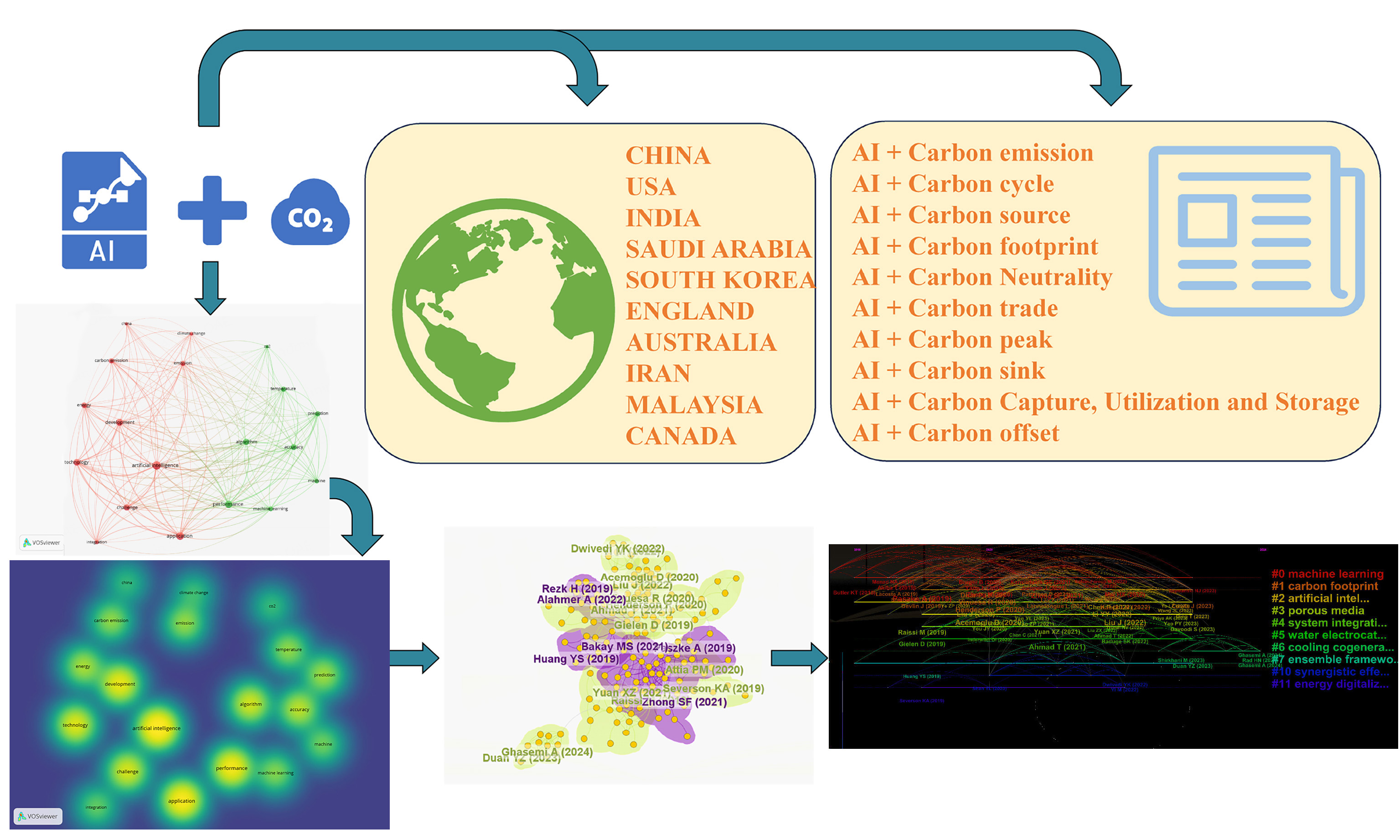
This paper presents a systematic review of the current research landscape in the field of “Artificial Intelligence (AI) + Carbon”. Utilizing bibliometric and visual analysis methods, it identifies and examines key research themes, regional distribution patterns, and evolutionary trajectories within this domain. Findings indicate that a coherent thematic structure centered on carbon emissions has emerged, in which AI technologies play a critical role across various dimensions, including carbon monitoring, simulation, and system optimization. Geographically, research efforts exhibit distinct developmental pathways influenced by divergent national energy strategies and governance frameworks. China leads in applied research and implementation, whereas the United States predominates in foundational theoretical innovations. Other nations engage in context-specific explorations tailored to local priorities. Keyword network analysis reveals a profound coupling between technological capabilities and application scenarios. Temporally, the field has evolved from initial exploratory integrations toward more systematic and holistic approaches, reflecting a growing synergy between technological advances and carbon management imperatives. This review not only offers a structured understanding of the intellectual architecture and emerging hotspots in AI applications for carbon management and footprint research but also provides a foundation for fostering international collaboration and guiding future scholarly and practical endeavors.
Keywords
INTRODUCTION
The environmental threats brought about by global climate change are intensifying at an unprecedented rate, with frequent extreme weather events, glacier melting, and rising sea levels, not only threatening the balance of natural ecosystems but also posing severe challenges to the long-term sustainability of human society[1]. In this context, the goal of “peak carbon emissions and carbon neutrality” has become a common strategic choice for countries worldwide, driving research and technological innovation in carbon reduction and management. It has become the core path for the global response to the climate crisis[2]. From an international perspective, the signing and promotion of the Paris Agreement have encouraged countries to introduce their low-carbon development strategies, accelerating the heat of carbon research in the field. In China, the proposal of the “dual carbon” target has provided strong impetus for the study and application of carbon management technologies[3].
At the same time, artificial intelligence (AI) technology has seen rapid development from theoretical exploration to practical applications. Additionally, technologies such as machine learning (ML), deep learning (DL), and big data analysis have demonstrated powerful capabilities in various fields[4]. In the carbon field, AI technology, with its capabilities in processing complex data, accurately simulating dynamic systems, and efficiently searching for and optimizing solutions[5], contributes to carbon emission monitoring[6], carbon cycle simulation[7], and carbon footprint accounting[8]. This technology has provided new solutions for carbon neutrality path planning. For instance, ML algorithms can analyze a large amount of data in industrial production processes, monitor carbon emission concentrations in real time, and predict emission trends[9]. DL models can more accurately simulate the global carbon cycle process, providing a basis for designing scientific and rigorous emission mitigation policies[10]. It is precisely this high degree of alignment between technology and demand that has gradually made interdisciplinary research in the “AI + carbon” field a focus of attention in both academic and industrial circles[11].
However, current research in the field of “AI + carbon” exhibits significant interdisciplinary characteristics, involving multiple disciplines such as environmental science, computer science, energy engineering, and management[12]. Research topics are scattered across various levels, such as carbon emission monitoring, carbon sink assessment, and carbon market regulation[13]. Furthermore, due to differences in energy structures[14], industrial layouts, and policy orientations across countries and regions, there are also significant variations in research priorities[15]. This fragmented and differentiated research status makes it difficult for the academic and industrial communities to systematically grasp the overall development background, core research directions, and future evolution trends of this field. It is urgent to carry out a comprehensive, in-depth review paper to sort out and analyze existing study results, providing explicit theoretical references and guidance for subsequent research and practice[1].
This paper focuses on the interdisciplinary research field of “AI + carbon”, utilizing a combination of bibliometric analysis and visualization techniques to review relevant studies systematically from home and abroad. Specifically, the review will be conducted across four dimensions: the structure of research topics, clustering analysis of high-frequency keywords, and the identification of core research themes along with their interrelationships in the field. Additionally, the major deployment scenarios of AI technology in the carbon field will be clarified. In terms of regional distribution, statistics on the quantity and quality of research outputs in different countries and regions will be presented, along with an analysis of their research focuses and characteristics. This analysis reveals the regional pattern of global “AI + carbon” field research. In terms of keyword association networks, visual tools are used to present the co-occurrence relationships between keywords and explore the coupling patterns between technical keywords and scene keywords. Regarding the time-evolution trajectory, analyzing changes in research topics across different periods using time-zone evolution diagrams. This approach sorts out the dynamic evolution process of this field from its inception to development and maturity. Through the analysis of these four dimensions, the aim is to comprehensively reveal the core research content, technological application path, and global development pattern of the “AI + carbon” field. It also needs to clearly explain the mechanisms and practical value of AI technology in carbon management.
Compared with existing related review studies, the innovation of this review lies mainly in three aspects. First is the comprehensive research framework. It breaks through the limitations of existing research that analyzes primarily from a single perspective, such as only focusing on technological applications[16] or regional characteristics[17]. By integrating the four dimensions of research themes, regional distribution, keyword networks, and time evolution, a multidimensional, comprehensive research framework of “technical methods, core issues, regional characteristics, evolutionary laws” is constructed. This framework more comprehensively demonstrates the overall situation of “AI + carbon” field research.
The second is the intuitiveness of the analysis topic. Most existing research focuses on specific carbon-related issues, such as carbon neutrality[18]and carbon footprint[19]. This article systematically discusses AI applications in the carbon field. It considers both the increasingly widespread adoption of AI and the gradually emerging social issues.
The third aspect is the practicality of the research conclusions. Current research focuses more on summarizing the current state of the literature[19]. Based on a systematic review of the current state of the art, this paper closely aligns with the actual needs of global carbon governance and the development trends in AI technology. This review summarizes the achievements and shortcomings of existing research but also proposes targeted, operational future research directions. It provides valuable guidance for deepening academic research, international technological cooperation, and practical applications in industry.
The remainder of this article is structured as follows. The Section “DATA SCREENING METHODOLOGY AND LITERATURE ACQUISITION STRATEGY" delineates the methodological framework underpinning this review. It includes a detailed description of data sources, selected literature databases, and the development of systematic retrieval strategies - such as keyword selection and temporal scope delimitation. It also specifies the criteria applied for literature screening, which exclude non-academic publications such as conference announcements and news reports. Furthermore, the analytical tools and specific methodologies employed are elucidated to ensure the scientific rigor, transparency, and reproducibility of the review. Subsequently, the Results and Analysis section presents a multi-dimensional examination of the “AI + Carbon” research landscape through four integrated perspectives: thematic structure, geographical distribution, keyword co-occurrence networks, and temporal evolution. By incorporating quantitative data, visual mappings, and representative case studies, this section illuminates the distinctive features, underlying linkages, and contextual variations across different dimensions of the field. This approach affords readers a comprehensive and nuanced understanding of current scholarly developments. Finally, the Conclusion and Outlook section synthesizes the key findings to summarize the overall progression and salient outcomes within the “AI + Carbon” domain. It also identifies prevailing research gaps and theoretical or practical limitations. In light of ongoing global climate challenges and continuous advancements in AI technology, this section proposes future research trajectories and strategic priorities. These recommendations offer systematic and prospective guidance to foster sustained development in the field.
DATA SCREENING METHODOLOGY AND LITERATURE ACQUISITION STRATEGY
The data screening of this review is based on the Web of Science Core Collection (WoSCC), which covers explicitly two databases: the Science Citation Index Extended Edition (SCI-EXPANDED) and the Social Science Citation Index (SSCI), to ensure the acquisition of interdisciplinary research results in the fields of “AI + carbon” in both natural and social sciences [Table 1]. The search term combines “artificial intelligence” and “carbon” to accurately identify cross-disciplinary literature on AI technology and carbon-related research. It limits the literature type to Article or Review Article to ensure academic rigor and originality. The time range is from January 1, 1991, to December 31, 2024, covering both the early achievements of the research in this field and the latest developments through the end of 2024. A preliminary search yielded 2,503 records, laying a data foundation for subsequent refinement of non-academic literature, such as conference abstracts and news reports, as well as for screening highly relevant literature on the topic, ensuring the comprehensiveness, relevance, and scientificity of the research sample.
Explanation of sample screening methods and processes
| Settings | |
| Database | Web of Science Core Collection (WoSCC) |
| Collections | Science Citation Index Expanded (SCI-EXPANDED) Social Sciences Citation Index (SSCI) |
| Searching words | “Artificial intelligence” and “carbon” |
| Inclusion criteria | All fields |
| Document types | Article or Review Article |
| Publication date | January 1, 1991 - December 31, 2024 |
| Records | 2,503 |
| Operation date | July 16, 2025 |
STATE OF THE ART
In contemporary society, research on the application of AI technology in carbon footprint monitoring has shown a multidimensional and interdisciplinary trend. This work has formed a research pattern centered on carbon emissions, integrating technology scenarios and practical scenarios deeply. From a technical perspective, the key role of AI in carbon monitoring, simulation, and optimization has been widely validated. On the one hand, many empirical studies revealed the significant influence of AI on the industrial carbon intensity and emission reduction efficiency of China[20]. On the other hand, some studies have expanded the micro-mechanisms and synergistic impacts of technology applications. This expansion comes from the perspectives of the global generation of AI carbon-footprint tracking and carbon-capture material design[21]. At the same time, the interpretability and adaptability of AI in carbon emission prediction and green transformation have been significantly enhanced. This is reflected in the proposal of heterogeneous DL frameworks and research on the green management capabilities of enterprises[22]. Additionally, it is worth noting that the intelligent transformation policies for low-carbon practices in enterprises and the driving mechanisms for the latest wave of AI pilot zones have also been further demonstrated[23]. Furthermore, the differential impact of AI on implicit carbon emissions has also been deconstructed from the standpoint of producers and consumers[24].
From the perspective of regional practice and policy coordination, countries have formed unique research paths based on energy strategies and governance positioning. Chinese scholars focus on empirical analysis of AI energy structure transformation and regional innovation efficiency[25]. At the same time, studies on Germany’s carbon neutrality roadmap reveal an institutional coupling between AI and energy innovation[26]. The regulatory role of AI in competitive industry performance and low-carbon energy transformation has also been elucidated through asymmetric relationship models and a global perspective[27]. Furthermore, the cutting-edge exploration of market-oriented mechanism design in developed economies is reflected in the study of corporate carbon costs. This is also evident in the exploration of European green finance and ecological algorithms[28].
The evolution of research shows a trend from technological breakthroughs to deepening system integration. Early research focused on the dynamic nexus between AI and carbon prices under policy uncertainty[29]. Recent research has shifted to the systematic evaluation of Environmental, Social, and Governance (ESG) performance and environmental sustainability in energy transition[30]. The application of AI in emission reduction and green supply chain analysis in the construction industry indicates that it has penetrated the entire lifecycle of the industry[31]. From a methodological perspective, the diversified development of research tools is reflected in the promotion of explainable AI and text mining technologies[32]. In the future, the collaboration between AI and carbon management will place greater emphasis on fairness and systematicity. This is evidenced by the carbon inequality governance framework and the proposed carbon-neutral supply chain pathways[33]. Studies on the full-cycle analysis of batteries and interactive carbon calculators indicate that technology is delving deeper into micro-scenarios and end-users[34]. This evolution process embodies the dual characteristics of technology: demand traction and interdisciplinary integration. It provides a theoretical paradigm and practical coordinates for deepening research in the “AI + Carbon” field.
Thematic distribution and research ecology in AI-enabled carbon management
This dataset is derived from a sample of literature in the field of “AI + Carbon” retrieved from the Web of Science. It enables a quantitative analysis of thematic distribution through article counts and proportional representation [Table 2]. Such an approach offers a structured overview of the research ecology and evolutionary dynamics within AI-enabled carbon management. From the perspective of technology-scenario interrelation, research focusing on “AI + carbon emissions” constitutes an absolute core theme. It accounts for 15.38% of the 385 articles examined. This prominence reflects a dual underlying research logic. On the one hand, carbon emissions represent the fundamental “baseline problem” in carbon management. The integration of AI has fundamentally transformed conventional research paradigms. It has shifted from estimation based on statistical models toward ML-driven dynamic prediction. Additionally, it enables optimization of emission reduction pathways through deep reinforcement learning. This technological evolution has catalyzed increased research density and cumulative intellectual advances. On the other hand, the significant proportion of carbon emission-related studies also mirrors the growing imperative. Under the “dual carbon” goals, there is increased demand for precise emission regulation in domains such as industrial decarbonization and energy transition[35]. This urgency channels AI technological development toward these high-impact scenarios. It accelerates both thematic convergence and methodological penetration. Consequently, a virtuous cycle has emerged. Societal and regulatory demands stimulate technological innovation, which in turn fuels further research and application.
Research subject combinations analysis
| # | AI + Carbon | Number of publications | Percentage |
| 1 | AI + Carbon emission | 385 | 15.38% |
| 2 | AI + Carbon cycle | 191 | 7.63% |
| 3 | AI + Carbon source | 170 | 6.79% |
| 4 | AI + Carbon footprint | 154 | 6.15% |
| 5 | AI + Carbon neutrality | 126 | 5.03% |
| 6 | AI + Carbon trade | 87 | 3.48% |
| 7 | AI + Carbon peak | 87 | 3.48% |
| 8 | AI + Carbon sink | 22 | 0.88% |
| 9 | AI + Carbon capture, utilization and storage | 20 | 0.80% |
| 10 | AI + Carbon offset | 12 | 0.48% |
The second tier consists of the carbon cycle, carbon source, and carbon footprint. There are 191 carbon cycle articles accounting for 7.63%, 170 carbon source articles accounting for 6.79%, and 154 carbon footprint articles accounting for 6.15%. Together, these build a “digital twin” foundation for carbon management. Carbon cycle research focuses on the ability of the AI to simulate complex systems. It couples with satellite remote sensing and DL, to analyze the spatiotemporal dynamics of ecosystem carbon sinks/sources. Essentially, it aims to use technology to break through the cognitive boundaries of natural carbon processes. Carbon source recognition relies on the pattern recognition advantages of AI. It uses convolutional neural networks to screen high-emission industrial sources, solving the problem of “missed and misjudged” in traditional monitoring. It also provides precise targeting for emission-reduction strategies. After introducing AI into carbon footprint accounting, the upgrade from static inventory to dynamic tracking is achieved, and the three work together to build a digital foundation of “monitoring diagnosis traceability”, supporting the transformation of carbon management from empirical decision-making to data-driven.
Driven by policy scenarios, research on “AI + carbon neutrality” and carbon peak/carbon trading has become increasingly popular. There are 126 papers on carbon neutrality, accounting for 5.03%, and 87 papers on carbon peak/carbon trading, accounting for 3.48%, reflecting a research shift toward “technology-responsive policies”. The theme of carbon neutrality covers the entire chain of “emission reduction, removal, and offsetting”, and AI’s role has evolved from a single-point tool to a system-level solution. Carbon Peak focuses on “peak prediction, path simulation, and effect evaluation”, with AI providing quantitative support for policy formulation through multi-scenario simulation. Carbon trading extends to market mechanism innovation, connecting the policy implementation chain of “target disassembly, path design, and market synergy”, reflecting the transition of AI from technology application to governance tools.
However, carbon sinks, Carbon Capture, Utilization, and Storage (CCUS), and other niche areas such as carbon capture, utilization, and storage, as well as carbon offset, remain underexplored. Carbon sinks account for 0.88% with 22 articles, CCUS for 0.80% with 20 articles, and carbon offset for 0.48% with 12 articles. Despite the small number of publications, there is a hidden “second curve” of technological breakthroughs. In carbon sink research, AI integrated with remote sensing and the Internet of Things attempts to address the “wide area, dynamic, and accurate” challenges of natural carbon sink monitoring. In the CCUS scenario, AI intervention in carbon capture process optimization and storage site simulation can fill efficiency gaps in engineering technology. The carbon offset mechanism leverages AI for intelligent project certification and precise quantification of carbon credits. These “technology niche scenarios” may become a key pivot to complete the “dual carbon” closed-loop in the future.
From a holistic perspective, the data reveal a three-layer structure of “dense sedimentation at the foundation layer, accelerated response at the policy layer, and forward-looking layout at the technical layer”, forming a logical loop from “micro diagnosis of carbon source identification” to “macro design of the carbon neutrality system”. This provides empirical support for summarizing the current status of quantitative research and anchoring core themes. Combined with tools such as CiteSpace, it can also reveal theme intersections and the “technology spillover effects” of AI in carbon management, showing how technological achievements from basic research transfer into policy scenarios and niche fields. This promotes the systematic evolution of carbon research and offers a deep analytical perspective for mapping the technology diffusion path and innovation ecology in the “AI + carbon” field.
Major research methods
Currently, various research methods are used in AI applications of carbon. Among these, econometric and policy evaluation methods are one of the core tools[36]. This type of method is primarily used to evaluate the actual impacts of AI-related policies or technological applications on carbon reduction. It focuses particularly on identifying causal relationships[16]. For example, research on the policies of the AI Innovation and Development Pilot Zone (AIPZ) of China widely uses the dual difference method (DID) and the multi-period DID model[17]. Pilot cities are set as treatment groups and non-pilot cities as control groups. The net effect of policies on urban carbon emissions or corporate carbon performance is then quantified[37]. To ensure the robustness of the results, studies also employ parallel trend tests, placebo tests, and propensity score matching (PSM-DID). These methods eliminate the interference of other confounding factors[38]. In addition, instrumental variable methods and the Heckman two-step approach are used to address endogeneity issues, tackling reverse causality and sample selection bias. For example, the AI application level of other companies in the same industry and city can serve as instrumental variables to enhance the reliability of conclusions[39].
ML and data modeling methods play an important role in AI carbon application research. They are especially suitable for prediction, optimization, and small sample scenarios[40]. On the one hand, various ML models are used for predicting carbon-related indicators. These include artificial neural networks (ANN), K-nearest neighbors (KNN), and linear regression (LR). For example, they are used to predict the compression strength of concrete with carbon nanotube additions[41]. The accuracy of the models is evaluated through statistical indicators such as Coefficient of Determination (R2), Mean Absolute Error (MAE), and Root Mean Squared Error (RMSE)[42]. On the other hand, data augmentation techniques are used to solve the problem of insufficient sample size. These include using conditional generative adversarial networks (CGAN), Copula generative adversarial networks and Gaussian Copula. These generative modeling methods synthesize virtual samples that are consistent with the distribution of real data. Combined with semi-supervised learning, they improve the precision and generalization ability of prediction models[43]. Automated ML (AutoML) is also applied to the process of automatically designing data preprocessing, model selection, and hyperparameter tuning, improving modeling efficiency[44].
Multi-objective optimization and decision-making methods are commonly used in AI-driven low-carbon material or process design, with a focus on achieving multiple goals such as carbon reduction and cost reduction while meeting performance requirements. For example, in the research and development of ultra-high-performance concrete (UHPC), researchers integrate multi-objective evolutionary algorithms, such as the Adaptive Grid-based Evolutionary Multi-objective Algorithm (AGE-MOEA), for multi-objective optimization. They optimize indicators including compressive strength, flexural strength, carbon footprint, and cost to generate non-dominated solution sets. Decision-making methods, such as the technique for order preference by similarity to ideal solution (TOPSIS), are then applied to select the optimal low-carbon and efficient material formula from the candidate solutions. This approach balances technical performance with low-carbon goals by quantifying the weights and constraints of each objective and provides actionable optimization solutions for engineering practice.
Mechanism and heterogeneity analysis methods are used to explore in depth the pathways and boundary conditions of AI’s influence on carbon performance, revealing the inherent logic of the “technology-carbon reduction” relationship. For mechanism analysis, this review constructed a mediation effect model to examine the specific ways AI affects corporate carbon performance through channels such as enhancing total factor productivity, optimizing supply-demand matching efficiency, and promoting green technology research and development. At the urban level, the work analyzes the carbon reduction mechanism through mediating variables including government expenditure structure adjustment, consumer behavior transformation, and industrial structure upgrading. Heterogeneity analysis focuses on differences between characteristic subjects, using methods such as group regression or generalized random forest (GRF) to investigate how factors such as enterprise ownership, financing constraints, pollution levels, and urban size or regional location influence AI-driven carbon emission reductions. This analysis clarifies the applicable scenarios and optimization directions for technology applications.
RESULTS
Analyzing the global research ecosystem in AI for carbon management
This dataset presents the global geographical landscape of research in the “AI + Carbon” field. Behind this lies the underlying logic of each country or region regarding energy structure, emission reduction pressure, and technological pathway selection. The top ten records are shown in Table 3. China dominates with 1,291 published articles, accounting for 51.58% of the total. This dominance is driven not only by policy-driven research investment under the “dual carbon” target but also by China’s practical needs as a manufacturing- and energy-intensive country. Research largely focuses on application scenarios such as industrial carbon emission monitoring and AI optimization in the coal-fired power industry, forming a closed loop of “policy guidance → technology implementation → industry adaptation”. This loop begins with policy: China’s “dual carbon” policy clearly defines emission reduction targets for key industries, directly guiding the technical direction for AI in carbon management. AI technology is then oriented toward these policy demands to achieve implementation. The United States ranks second with 297 articles, or 11.87%, with research focusing more on fundamental theories and cutting-edge technologies, including algorithmic innovations in ML for carbon cycle simulation and the cross-integration of AI with carbon capture technologies. This reflects the advantage of technological powerhouses in advancing innovation at the source. China’s leading position in research publications is driven by domestic “dual carbon” policies, actual emission reduction needs, and easier access to local data. This demonstrates that policy guidance can effectively stimulate technology application research. In the future, closer coordination between policy and scientific research can enable AI to better serve carbon accounting practices.
The publications on common footprints from 1991 to 2024
| Countries or regions | Number of publications | Percentage | Publications per million people |
| China | 1,291 | 51.58% | 0.9163 |
| USA | 297 | 11.87% | 7.1933 |
| India | 233 | 9.31% | 0.1606 |
| Saudi Arabia | 211 | 8.43% | 5.9773 |
| South Korea | 203 | 8.11% | 3.9226 |
| England | 142 | 5.67% | 2.0513 |
| Australia | 129 | 5.15% | 4.7418 |
| Iran | 94 | 3.76% | 1.0266 |
| Malaysia | 93 | 3.72% | 2.6155 |
| Canada | 89 | 3.56% | 2.1556 |
India has 233 articles, accounting for 9.31%, and Saudi Arabia has 211 articles, accounting for 8.43%. The research focus in these countries is closely related to their energy structures. As a major coal-consuming country, India emphasizes AI solutions for carbon emission control in the thermal power industry. Saudi Arabia focuses on the low-carbon transformation of the oil and gas sector, exploring AI applications for carbon footprint accounting in oil and gas extraction. This reflects the practical considerations of resource-dependent economies seeking to balance emissions reduction with development.
South Korea has 203 studies, accounting for 8.11%, exhibiting distinct “technology-industry” linkages, particularly in carbon footprint tracing for new energy vehicles and carbon optimization of smart grids. These align with its industrial upgrading and carbon neutrality goals.
England has 142 studies (5.67%) and Australia has 129 studies (5.15%), both emphasizing global climate governance. England excels in integrating AI with carbon market mechanisms, exploring intelligent regulatory technologies for cross-border carbon trading. Australia focuses on monitoring ecological carbon sinks, such as AI-based assessment of forest carbon storage, leveraging its abundant natural carbon sink resources.
Iran has 94 studies, Malaysia 93, and Canada 89. While smaller in proportion, each country shows targeted research: Iran emphasizes AI-based emission reduction in the oil and gas industry, Malaysia focuses on intelligent carbon footprint accounting in the palm oil sector, and Canada explores AI applications in simulating carbon cycles in cold regions. These examples illustrate “local problem-driven research”.
Evaluating research output intensity per capita highlights two factors: concentration of research resources and per-capita research investment. The per-capita output values of the United States (7.19), Saudi Arabia (5.98), and Australia (4.74) are significantly higher than those of China (0.92) and India (0.16). This indicates that although total publications in these countries are lower than China’s, their per-capita research intensity is higher, likely due to denser resource allocation, higher talent density, or more focused research groups. This difference reinforces distinct research patterns: technologically advanced countries tend to promote cutting-edge innovation efficiently and intensively, whereas developing countries rely more on broad policies and industrial drivers to achieve wide coverage.
Overall, this geographical distribution is not simply a difference in quantity. It is a microcosm of the role positioning of various countries in the global carbon governance pattern. China represents the practical path of “reducing emissions in transition” for developing countries. The United States embodies the idea of “innovation driven emission reduction” for technology-leading countries. Resource-based countries explore characteristic solutions in “balancing energy utilization and emission reduction”. These differentiated research directions collectively form the global ecosystem of research in the “AI + carbon” field. They provide multiple perspectives for international technological cooperation and knowledge sharing. They also offer crucial empirical evidence for reviewing and analyzing global research cooperation and differentiated paths.
A network analysis of technical foundations, application scenarios, and regional specializations
The keyword network in the field of “AI + carbon” has established the core framework for research. The deep coupling between technical methods and application scenarios constitutes its main feature [Figures 1 and 2]. AI, with ML as a key subset, relies on underlying algorithms as its computational foundation; together, these form the technological backbone that permeates the entire carbon research process. Among these, the high-frequency use of ML algorithms in carbon data modeling and emission-reduction scenario optimization has become a key link between technological capabilities and practical needs. This technological orientation is particularly prominent in research conducted by technology-leading countries such as the United States, reflecting ongoing investment in basic theoretical innovation.
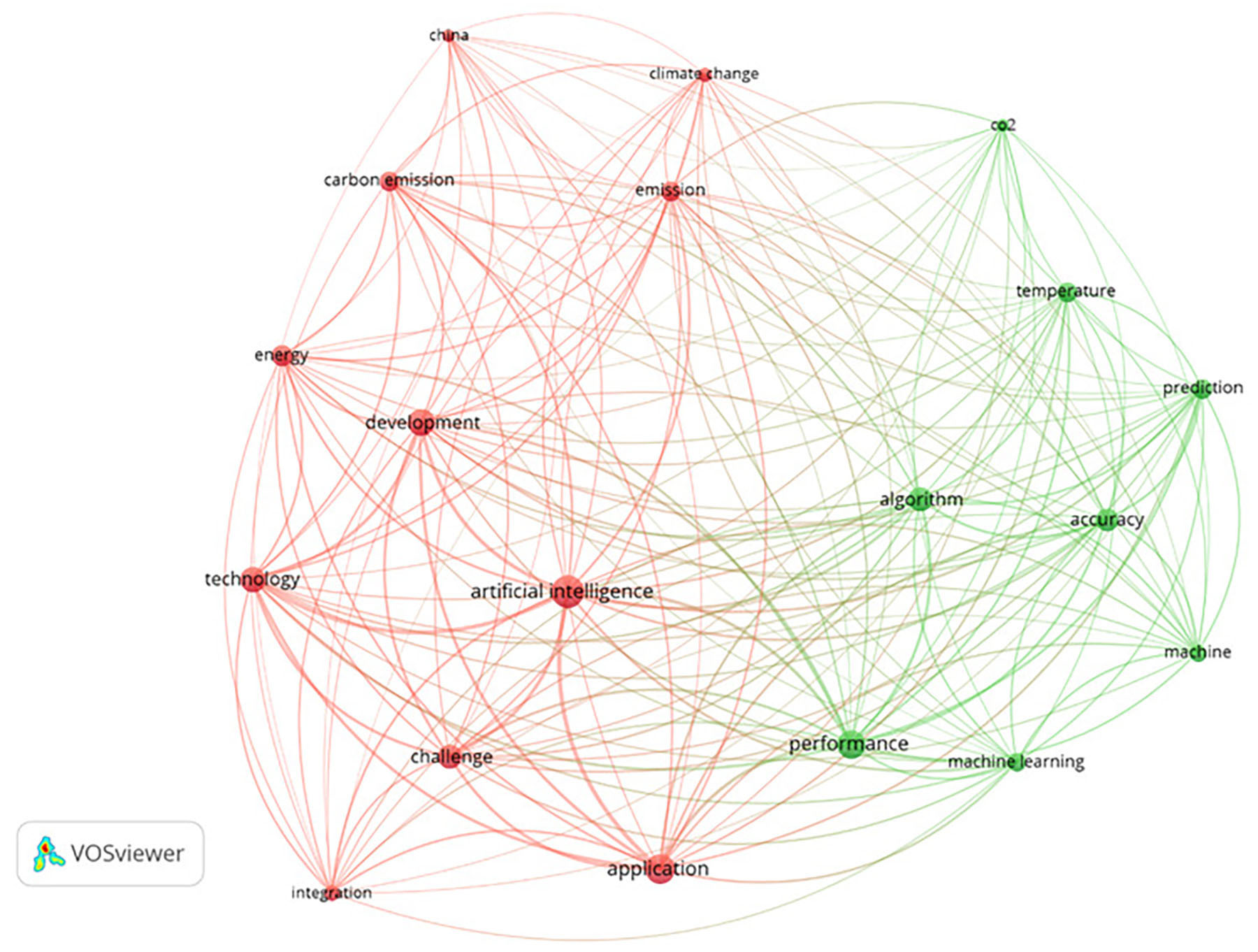
Figure 1. Keyword co-occurrence network analysis.
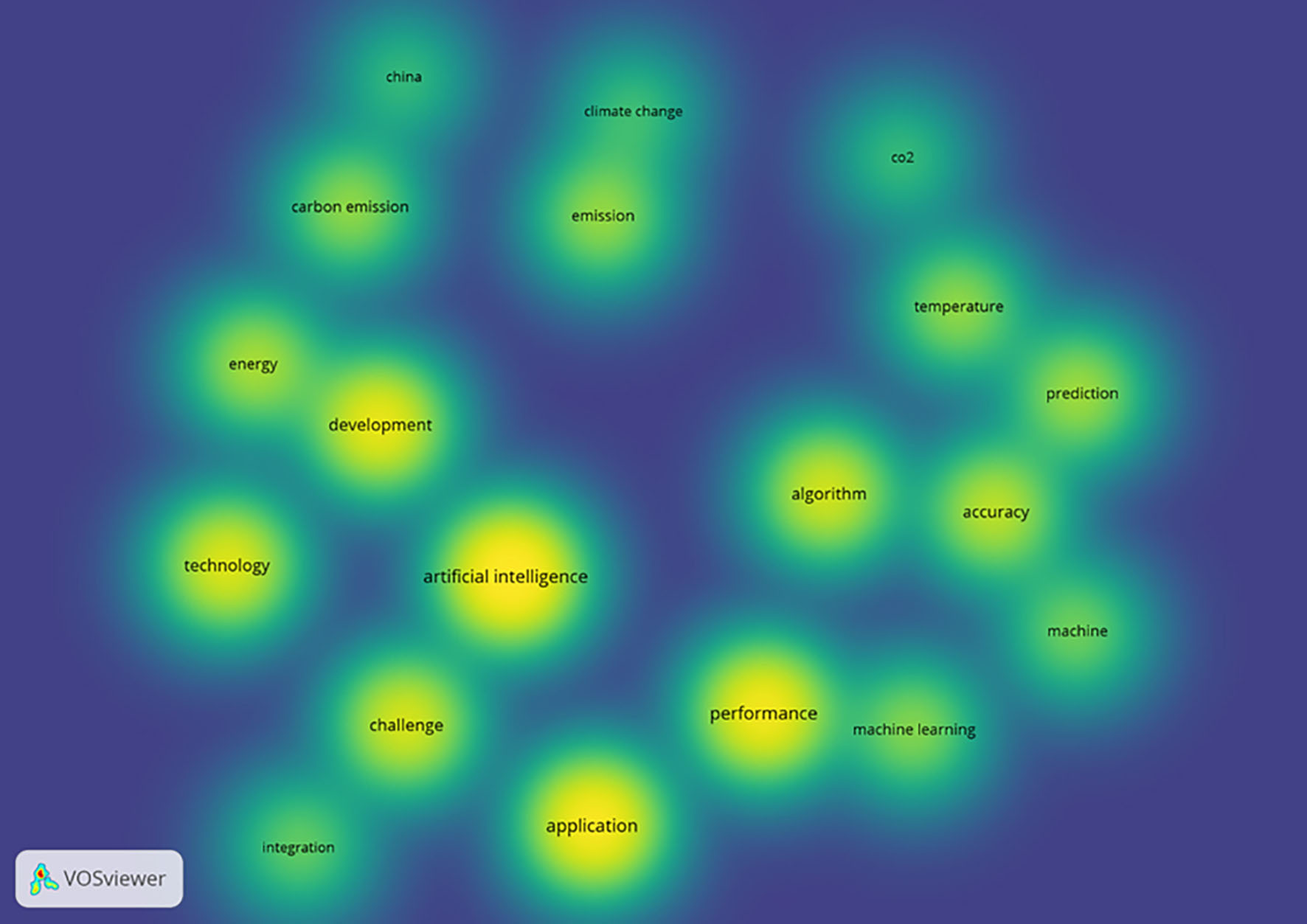
Figure 2. Keyword density analysis.
The core cluster of scenario keywords comprises “carbon emissions”, “carbon neutrality”, “carbon cycle”, and “carbon footprint”. The strong correlation between “carbon emissions” and technology keywords reflects the core value of AI in emission monitoring, prediction, and control. This correlation is particularly significant in Chinese research and directly aligns with the demand for industrial emission reduction driven by the “dual carbon” goal. As a macro target keyword, “carbon neutrality” connects sub-directions such as “emission reduction” and “carbon removal”. Its research popularity reflects both global consensus and the differentiated exploration of different countries in the path of target implementation. For example, resource-based countries pay more attention to AI applications in the low-carbon transformation of the oil and gas industry. On the other side, countries with abundant ecological resources focus on developing carbon sink-related technologies. The close correlation between core technology keywords and carbon-related scenarios essentially means that technological capabilities precisely meet the demand for emission reduction. This indicates that AI has shifted from scattered use to system assistance. This suggests that in the future, AI can be used more in areas that are currently less focused on, such as carbon sinks.
The keywords “energy”, “CO2”, and “climate change” have expanded the boundaries of their association. The high-frequency co-occurrence of “energy” with AI and carbon emissions reveals the central role of low-carbon transformation in energy system research. This direction is prominent in research in countries such as India, where the pressure for energy structure transformation is high. The research on “CO2” and “climate change” is placed in a global ecological context. The application of AI in greenhouse gas monitoring and climate model simulation reflects the research characteristics of countries such as Australia and the United Kingdom. This reflects a global governance perspective.
Functional keywords such as “prediction”, “optimization”, “monitoring”, and “challenge” reflect the complete chain of research from technological application to practical implementation. “Prediction” and “optimization” reflect the technological capabilities of AI in solving complex carbon problems. Meanwhile, “challenge” and “application” point to practical bottlenecks in technology implementation, such as multi-system integration and data barriers. This practical orientation is reflected in research in various countries, but the focus varies depending on the industry foundation and technological maturity.
Overall, the keyword network forms a multi-layered structure encompassing “technical methods, core scenarios, related fields, and practical dimensions”. The research characteristics of countries/regions are indirectly presented through keyword preferences. Technology-leading countries focus on basic algorithm innovation. Transforming major countries focus on industrial emission reduction scenarios, and resource-based countries focus on adapting to characteristic fields. This pattern of differences and commonalities not only reveals the global collaborative trend of field research. It also provides key clues for sorting out the path of technology diffusion and regional cooperation directions.
Tracing knowledge structure from algorithm development to multi-scenario carbon management
Figure 3 shows a literature co-citation network generated by CiteSpace, with clusters in different colors to distinguish research groups. Yellow nodes represent literature. Size reflects citation frequency. Lines reflect co-citation relationships. In Figure 3, central nodes, such as the publications by Dwivedi YK (2022) and Acemoglu D (2020), represent highly influential studies in the field. The literature within different clusters is closely related. This illustrates the core literature inheritance and academic context of research in the "AI + carbon" field. Clusters, such as green and purple, correspond to sub-research directions, while recent studies by authors such as Ghasemi A (2024) continue to advance these areas.
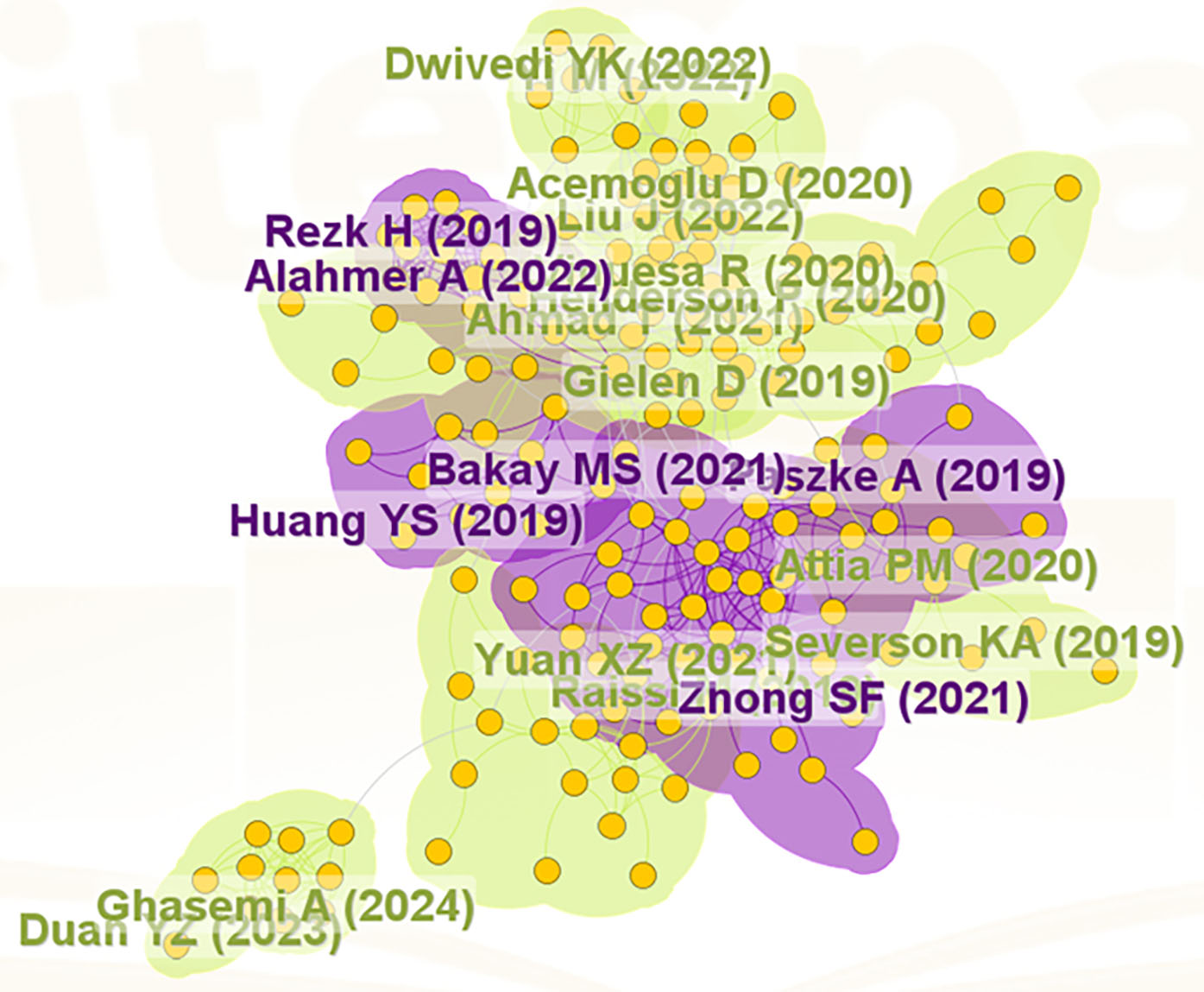
Figure 3. Literature clustering analysis.
Figure 4 is the time-zone evolution diagram of CiteSpace in the “AI + carbon” field. Using time as the axis, colored arcs connect literature nodes or yellow dots, presenting the dynamic evolution of research. From a temporal perspective, early literature focused on the preliminary combination of ML algorithms and carbon footprint accounting. As time progresses, research is expanding in multiple directions. In the mid-term, AI deepens its application, covering characteristic scenarios such as porous media and system integration. Recently, new themes such as synergistic effects and energy digitalization have emerged, reflecting the deep correlation between AI, dual carbon goals, and energy systems. Different colored nodes correspond to time zones, and node sizes reflect citation frequency. Cross-time-zone connections reveal theme inheritance: early carbon emission algorithms laid the foundation for mid-term carbon cycle simulation, while mid-term model optimization supports the construction of recent carbon neutrality systems. This clearly demonstrates the evolution trajectory of the field from technical trials to system applications, from single-point breakthroughs to multi-scenario collaboration, helping to trace the origin of research and identify key development stages and innovation directions. The changes in research from early simple integration to current multi-scenario applications result from the combined effects of global emission reduction demand upgrading and AI technology progress, reflecting the law of “demand-driven technology, technology-supported emission reduction”. In the future, AI needs to pay more attention to cross-domain integration in carbon accounting and provide more comprehensive solutions.
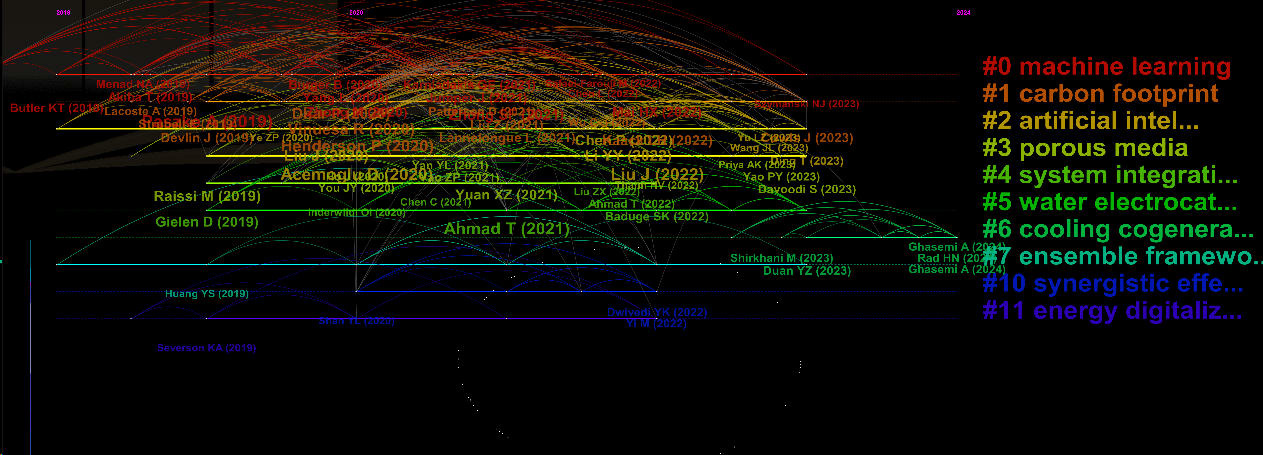
Figure 4. Evolution of time zones in literature.
DISCUSSION
This review systematically analyzes the research on “AI + carbon” field and reveals the research ecology, regional characteristics, and evolutionary trajectory of this field[45]. From the perspective of research topics, a multi-layered structure has been formed with carbon emissions as the core (accounting for 15.38% of published studies), carbon cycle (7.63%), carbon sources (6.79%) and carbon footprint (6.15%) as the support, and policy scenarios such as carbon neutrality (5.03%) and carbon peak (3.48%) as extensions[46], reflecting the evolution of AI from a technological tool to a carbon management system solution[47]. In terms of regional distribution, there are significant differences in research among countries. China dominates with 1,291 published articles (accounting for 51.58% of the total), focusing on practical scenarios such as industrial emissions reduction and energy structure transformation[48]. The United States ranks second with 297 articles (11.87%), emphasizing basic theoretical innovation in fields such as carbon-cycle simulation algorithms[49]. Resource-dependent countries focus on the transforming characteristic areas[50], while small countries deeply address local ecological issues[51], forming a “technical mirror” of global carbon governance[52]. Keyword network analysis shows that technical keywords such as “artificial intelligence” and “machine learning” are deeply coupled with scenario keywords such as “carbon emissions” and “carbon neutrality”[53], forming a correlation system of “technical methods core issues practice orientation”[54]. The clear presentation of the evolution trajectory of time zones in research has evolved from the initial combination of early ML and carbon footprint accounting[55], to the deepening application of AI in porous media simulation, system integration and other multiple scenarios[56], and then to the recent development path of deep integration with dual carbon goals and energy digitization. The overall presentation shows the evolution of logic. This includes progression from technology trial to system application, and from single-point breakthrough to multi-scenario collaboration. In summary, the research on “AI + carbon” field has formed a multidimensional and multi-level global ecology[57]. It is significant to strengthen international collaboration and promote the integration of basic research and applied practice. This will help tackle the global climate crisis in future exploration. For researchers, engineers, and practitioners, applying AI to carbon analysis can prioritize core areas. These include carbon monitoring and carbon cycle simulation. With the help of existing research foundations, ML can be used to model and predict data more accurately[58]. We also need to find suitable technological solutions. These should be based on the characteristics of various industries in different regions. For example, some places focus on solving industrial emission-reduction problems, while others explore basic algorithmic innovation. They can also promote data exchange and interdisciplinary cooperation across different fields.
However, AI is difficult to popularize in carbon footprint analysis, mainly because the application of carbon sequestration technologies, such as carbon sinks, is still limited, and research coverage remains narrow. Carbon data from different regions and industries cannot be well integrated, and data security is not guaranteed. In addition, there is no clear standard for the ethical rules AI should follow in carbon management or for evaluating its effectiveness. Research directions vary across countries, and international cooperation mechanisms are not yet fully developed.
Application of Artificial Intelligence in the Cross-Carbon Accounting Framework. AI can empower precise adaptation across various carbon accounting scenarios. For different emission ranges, it can monitor direct emissions in real time, accurately calculate indirect emissions from purchased energy, and trace upstream and downstream correlations within the supply chain to capture the full process of indirect emissions. At the product and organizational levels, AI can automatically collect production data, comply with universal accounting standards, dynamically calculate emissions, and predict trends, thereby supporting low-carbon design and the setting of emission reduction targets. For report preparation and decision-making, standardized reports can be automatically generated, and optimal emission-reduction plans can be proposed based on factors such as cost and technology. This enables policymakers to identify key emission sources, predict policy effects, and make carbon accounting more efficient, accurate, and aligned with practical application needs.
CONCLUSION AND OUTLOOK
The research conclusion of this article is that the current development of the "AI + carbon" field presents several main characteristics. Firstly, AI and ML are closely integrated with the demand for carbon reduction: technology provides monitoring and prediction capabilities, and actual demand drives AI implementation in specific scenarios. Secondly, research directions differ significantly across countries. China focuses on industrial emissions reduction and energy transformation, aligning with its industrial foundation and dual carbon policy. The United States emphasizes basic algorithms and cutting-edge technological innovation. India, Saudi Arabia, and other countries explore ways to balance emissions reduction and development based on their own resource characteristics. Thirdly, research trends have gradually expanded from the early simple combination of carbon accounting and ML to multi-scenario applications, further integrating with systematic goals such as carbon neutrality and energy digitization. These trends provide guidance for future cross-regional cooperation and technological deepening.
The limitations and potential risks of empowering carbon footprint monitoring with AI cannot be ignored and require critical examination. Firstly, training large-scale DL models and operating data centers demand significant computing power. If the energy supply relies on fossil fuels, the indirect emissions generated may offset some of the emission reduction benefits of carbon management, creating a paradox of "emission reduction and energy consumption”. Secondly, model training data are mostly from developed economies or mainstream industries, which may introduce systematic bias in carbon footprint monitoring for countries in the Global South and smaller industries worldwide. Thirdly, developing countries face challenges such as data loss and technological barriers, making it difficult for AI monitoring solutions to meet local needs and weakening the synergy and fairness of global carbon reduction efforts.
Future research should prioritize a series of testable, targeted research agendas: (1) developing an integrated model of AI and multi-regional input-output (MRIO) to improve traceability and accuracy in carbon footprint accounting; (2) integrating explainable artificial intelligence (XAI) into compliant MRV systems to address the "black box" problem; (3) establishing an AI-driven uncertainty quantification framework for carbon footprint assessment to enhance decision reliability; and (4) exploring deep AI applications in efficiency optimization and risk warning for carbon sequestration processes, including building a unified and secure carbon data-sharing platform based on blockchain-AI fusion technology. These specific and feasible research directions provide a clear roadmap for academic innovation, technology implementation, and international cooperation in the "AI + carbon" field, better supporting global carbon governance and the achievement of dual carbon goals.
DECLARATIONS
Authors" Contributions
Conception and design of the review, performed literature search, data extraction, and analysis: Hua, C.; Zhang, Z.
Provided methodological guidance, administrative support, and critical revisions of the manuscript: Xue, J.; Bi, L.
All authors read and approved the final version of the manuscript.
Availability of data and materials
All data analyzed in this review are derived from publicly available sources. No new experimental data were generated.
Financial support and sponsorship
This work was supported by the National Natural Science Foundation of China (Grant No. 72304124), the Special Project of Gansu Philosophy and Social Science Foundation (2024ZX005), the Youth Project of Gansu Soft Science Foundation (25JRZA018), the Open Fund of Tuojiang River Basin High-Quality Development Research Center (TJGZL2025-43), and the Chizhou University High-Level Talent Research Start-up Fund (CZ2025YJRC43).
Conflicts of interest
All authors declared that there are no conflicts of interest.
Ethical approval and consent to participate
Not applicable.
Consent for publication
Not applicable.
Copyright
© The Author(s) 2026.
REFERENCES
1. Alnafrah, I. The two tales of AI: a global assessment of the environmental impacts of artificial intelligence from a multidimensional policy perspective. J. Environ. Manag. 2025, 392, 126813.
2. Dong, Z.; Zhang, L.; Tan, C.; Luo, Q.; Zhang, L. Does income inequality undermine the carbon abatement benefits of artificial intelligence? J. Clean. Prod. 2024, 472, 143437.
3. Kang, S.; Shang, Y. How artificial intelligence drives industrial digitalization and greening synergies? Evidence from China"s AI innovation and development pilot zones. Technol. Soc. 2025, 83, 103011.
4. Abdessadak, A.; Ghennioui, H.; Thirion-Moreau, N.; Elbhiri, B.; Abraim, M.; Merzouk, S. Digital twin technology and artificial intelligence in energy transition: a comprehensive systematic review of applications. Energy. Rep. 2025, 13, 5196-218.
5. Bakhtyari, A.; Mofarahi, M.; Iulianelli, A. Large-scale fluidized-bed CH4 pyrolysis reactor for simultaneous COx-free H2 and carbon production: multi-objective optimization and artificial intelligence modeling of different process schemes. Energy. Convers. Manag. 2025, 336, 119885.
6. Dong, W.; Huang, Y.; Lehane, B.; Ma, G. An artificial intelligence-based conductivity prediction and feature analysis of carbon fiber reinforced cementitious composite for non-destructive structural health monitoring. Eng. Struct. 2022, 266, 114578.
7. Khan, H.; Abdel-Aty, M.; Almutairi, D.; Gómez-Aguilar, J.; Alzabut, J. Artificial intelligence neural networking for data clustering of carbon dioxide model. Ain. Shams. Eng. J. 2025, 16, 103460.
8. Bardeeniz, S.; Panjapornpon, C.; Hounkim, W.; Dechakupt, T.; Tawai, A. Artificial intelligence-driven control for enhancing carbon dioxide-based wastewater pH regulation in tubular reactor. Comput. Chem. Eng. 2025, 192, 108880.
9. Aliyon, K.; Rajaee, F.; Ritvanen, J. Use of artificial intelligence in reducing energy costs of a post-combustion carbon capture plant. Energy 2023, 278, 127834.
10. Bai, Z.; Gao, P.; Chu, M.; et al. Artificial intelligence of mineral processing process: a review of research progress. J. Environ. Chem. Eng. 2025, 13, 118313.
11. Shao, M.; Wen, L.; Li, S.; Huang, B. Exploring the role of artificial intelligence as a catalyst for energy technology innovation. Energy. Econ. 2025, 147, 108578.
12. Jiang, W.; Hu, Y.; Zhao, X. The impact of artificial intelligence on carbon market in China: evidence from quantile-on-quantile regression approach. Technol. Forecast. Soc. Chang. 2025, 212, 123973.
13. Slimani, S.; Omri, A.; Ben Jabeur, S. When and how does artificial intelligence impact environmental performance? Energy. Econ. 2025, 148, 108643.
14. Zhang, Z.; Wang, J.; Feng, C.; Chen, X. Do pilot zones for green finance reform and innovation promote energy savings? Evidence from China. Energy. Econ. 2023, 124, 106763.
15. Dong, M.; Wang, G.; Han, X. Impacts of artificial intelligence on carbon emissions in China: in terms of artificial intelligence type and regional differences. Sustain. Cities. Soc. 2024, 113, 105682.
16. Dian, J.; Li, S.; Song, T. Achieving the synergy of pollution and carbon emission reductions: can artificial intelligence applications work? China. Econ. Rev. 2025, 91, 102389.
17. Feng, Y.; Yan, Y.; Shi, K.; Zhang, Z. Reducing carbon emission at the corporate level: does artificial intelligence matter? Environ. Impact. Assess. Rev. 2025, 114, 107911.
18. Yang, L.; Hou, H.; Lv, H.; Wu, G.; Xu, B.; Li, Y. Exploring the development path of bioenergy carbon capture and storage for achieving carbon neutrality in China: a systematic review. Renew. Sustain. Energy. Rev. 2025, 216, 115685.
19. Miao, Z.; Huo, D.; Li, Y. A review of multi-factor footprints: a bibliometric perspective. Carbon. Footprints. 2025, 4, 6.
20. Ding, T.; Li, J.; Shi, X.; Li, X.; Chen, Y. Is artificial intelligence associated with carbon emissions reduction? Case of China. Resour. Policy. 2023, 85, 103892.
21. Ding, Z.; Wang, J.; Song, Y.; et al. Tracking the carbon footprint of global generative artificial intelligence. Innovation 2025, 6, 100866.
22. Zhang, F.; Wang, Q.; Li, R. How does clean energy reshape the relationship between artificial intelligence and carbon emissions? Evidence from renewable and nuclear energy. Energy. Econ. 2025, 149, 108785.
23. Wang, J.; Liu, Y.; Wang, W.; Wu, H. Does artificial intelligence improve enterprise carbon emission performance? Evidence from an intelligent transformation policy in China. Technol. Soc. 2024, 79, 102751.
24. Luo, Q.; Wang, J. The impact of artificial intelligence development on embodied carbon emissions: Perspectives from the production and consumption sides. Energy. Policy. 2025, 199, 114535.
25. Tao, W.; Weng, S.; Chen, X.; Alhussan, F. B.; Song, M. Artificial intelligence-driven transformations in low-carbon energy structure: Evidence from China. Energy. Econ. 2024, 136, 107719.
26. Ulug, M.; Caglar, A. E.; Avci, M. A.; Avci, S. B. Germany"s sustainable future: how artificial intelligence and energy innovation shape the carbon neutrality roadmap? Energy 2025, 335, 137949.
27. Rasheed, M. Q.; Yuhuan, Z.; Haseeb, A.; Ahmed, Z.; Saud, S. Asymmetric relationship between competitive industrial performance, renewable energy, industrialization, and carbon footprint: does artificial intelligence matter for environmental sustainability? Appl. Energy. 2024, 367, 123346.
28. Wang, C.; Nazar, R.; Ali, S.; Meo, M. S. Eco-friendly algorithms: artificial intelligence and green finance in European intelligent nations. Technol. Soc. 2025, 83, 102960.
29. Tiwari, A. K.; Abakah, E. J. A.; Le, T.; Leyva-de La Hiz, D. I. Markov-switching dependence between artificial intelligence and carbon price: the role of policy uncertainty in the era of the 4th industrial revolution and the effect of COVID-19 pandemic. Technol. Forecast. Soc. Chang. 2021, 163, 120434.
30. Dou, J.; Chen, D.; Zhang, Y. Towards energy transition: accessing the significance of artificial intelligence in ESG performance. Energy. Econ. 2025, 146, 108515.
31. Kumar, D.; Zhang, C. Carbon emission reduction in construction industry: qualitative insights on procurement, policies and artificial intelligence. Built. Environ. Project. Asset. Manag. 2024, 15, 399-414.
32. Xenitopoulos, T.; Papadopoulos, A. I.; Seferlis, P. Data-driven modeling of CO2 capture in rotating packed beds enhanced by carbonic anhydrase using explainable artificial intelligence methods. Fuel 2025, 402, 135981.
33. Wang, Q.; Li, Y.; Pata, U. K.; Li, R. Artificial intelligence and global carbon inequality: addressing the challenges and opportunities for SDG 10, SDG 12, and SDG 13. Geosci. Front. 2025, 16, 102072.
34. Zhou, Y. Lifecycle battery carbon footprint analysis for battery sustainability with energy digitalization and artificial intelligence. Appl. Energy. 2024, 371, 123665.
35. Zhang, Z.; Wu, H.; Zhang, Y.; Hu, S.; Pan, Y.; Feng, Y. Does digital global value chain participation reduce energy resilience? Evidence from 49 countries worldwide. Technol. Forecast. Soc. Chang. 2024, 208, 123712.
36. Chen, J.; Xie, F.; Inna, S.; Liu, B.; Luo, H. Breaking barriers, boosting green: artificial intelligence and green transformation in cities. Sustain. Cities. Soc. 2025, 130, 106626.
37. Gar Alalm, M.; Nasr, M. Artificial intelligence, regression model, and cost estimation for removal of chlorothalonil pesticide by activated carbon prepared from casuarina charcoal. Sustain. Environ. Res. 2018, 28, 101-10.
38. Hanafy, N. O.; Hanafy, N. O. An extensive examination of uses of machine learning and artificial intelligence in the construction industry’s project life cycle. Energy. Build. 2025, 345, 116094.
39. Hou, W.; Pan, X.; Pu, Y.; Ma, R.; Saleem, A. Harnessing artificial intelligence for energy strategies: advancing global economic policies and hydrogen production in the transition to a low-carbon economy. Energy. Strategy. Rev. 2024, 56, 101568.
40. Ishfaq, K.; Asad, M.; Ashraf, W. M.; et al. Towards artificial intelligence empowered performance enhancement of EDM process using nano-graphene mixed bio-dielectric supporting the carbon neutrality and sustainable development. J. Clean. Prod. 2024, 457, 142482.
41. Nagnure, H. M.; Prasad, T.; Kundu, D. Selective gas adsorption using graphitic carbon nitride: exploring the role of molecular descriptors by artificial intelligence frameworks. J. Environ. Manag. 2025, 376, 124432.
42. Priya, A. K.; Devarajan, B.; Alagumalai, A.; Song, H. Artificial intelligence enabled carbon capture: a review. Sci. Total. Environ. 2023, 886, 163913.
43. Qi, S.; Pang, L.; Li, X.; Huang, L. The dynamic connectedness in the “carbon-energy-green finance” system: the role of climate policy uncertainty and artificial intelligence. Energy. Econ. 2025, 143, 108241.
44. Ramesh, S.; Bathula, C.; Ahmed, A. T. A.; et al. Nanostructurally fabrication of nickel oxide-interfaced carbon nanotubes for supercapacitors and exploration of electrochemical correlation via computer vision techniques and artificial intelligence. J. Energy. Storage. 2024, 82, 110429.
45. Alpan, K.; Tuncal, K.; Ozkan, C.; Sekeroglu, B.; Ever, Y. K. Design and simulation of global model for carbon emission reduction using IoT and artificial intelligence. Proc. Comput. Sci. 2022, 204, 627-34.
46. Al-Sakkari, E. G.; Ragab, A.; Dagdougui, H.; Boffito, D. C.; Amazouz, M. Carbon capture, utilization and sequestration systems design and operation optimization: assessment and perspectives of artificial intelligence opportunities. Sci. Total. Environ. 2024, 917, 170085.
47. Chauhan, S.; Solanki, P.; Putatunda, C.; et al. Recent advancements in biomass to bioenergy management and carbon capture through artificial intelligence integrated technologies to achieve carbon neutrality. Sustain. Energy. Technol. Assess. 2025, 73, 104123.
48. Xu, J.; Chen, Y.; Yang, N.; Shao, S. The impact of artificial intelligence on the energy transition: evidence from Chinese cities. World. Dev. 2025, 195, 107126.
49. Bergougui, B. Institutional adaptability, skill-bias technological shifts, and energy efficiency in global decarbonization pathways: Exploring the role of artificial intelligence patents. Technol. Soc. 2025, 83, 103029.
50. Alsaffar, M. A.; Ayodele, B. V.; Mustapa, S. I. Scavenging carbon deposition on alumina supported cobalt catalyst during renewable hydrogen-rich syngas production by methane dry reforming using artificial intelligence modeling technique. J. Clean. Prod. 2020, 247, 119168.
51. Bhatt, R.; Hossain, A.; Majumder, D.; et al. Prospects of artificial intelligence for the sustainability of sugarcane production in the modern era of climate change: an overview of related global findings. J. Agr. Food. Res. 2024, 18, 101519.
52. Xu, B. Inclusive green finance approach to assess energy resilience: integrating artificial intelligence (AI) utilization in energy strategy perspective. Energy. Strategy. Rev. 2025, 59, 101696.
53. Xu, Y.; Shao, X.; Tanasescu, C. How are artificial intelligence, carbon market, and energy sector connected? A systematic analysis of time-frequency spillovers. Energy. Econ. 2024, 132, 107477.
54. Chen, L.; Li, S.; She, Z. A study on the impact of artificial intelligence applications on corporate green technological innovation: a mechanism analysis from multiple perspectives. Int. Rev. Econ. Financ. 2025, 103, 104490.
55. Behera, B.; Behera, P.; Pata, U. K.; Sethi, L.; Sethi, N. Artificial intelligence-driven green innovation for sustainable development: empirical insights from India"s renewable energy transition. J. Environ. Manag. 2025, 389, 126285.
56. Xi, X.; Zhao, J.; Yu, L.; Wang, C. Exploring the potentials of artificial intelligence towards carbon neutrality: technological convergence forecasting through link prediction and community detection. Comput. Ind. Eng. 2024, 190, 110015.
57. Cao, Q.; Chi, C.; Shan, J. Can artificial intelligence technology reduce carbon emissions? A global perspective. Energy. Econ. 2025, 143, 108285.
Cite This Article
 Open Access
How to Cite
Download Citation
Export Citation File:
Type of Import
Tips on Downloading Citation
Citation Manager File Format
Type of Import
Direct Import: When the Direct Import option is selected (the default state), a dialogue box will give you the option to Save or Open the downloaded citation data. Choosing Open will either launch your citation manager or give you a choice of applications with which to use the metadata. The Save option saves the file locally for later use.
Indirect Import: When the Indirect Import option is selected, the metadata is displayed and may be copied and pasted as needed.
About This Article
Copyright

Data & Comments
Data
0











Comments
Comments must be written in English. Spam, offensive content, impersonation, and private information will not be permitted. If any comment is reported and identified as inappropriate content by OAE staff, the comment will be removed without notice. If you have any queries or need any help, please contact us at [email protected].