



From costs to fairness: how income shapes public support for climate policies
 0
0 Abstract
This study reviews how income inequality shapes public support for climate policies, aiming to reveal the deep-seated impact of social distribution structures on the political feasibility of climate action. Employing a three-dimensional framework of "individual-policy-external environment", the article systematically organizes relevant literature: At the individual level, economic burdens and psychological mechanisms such as climate apathy and perceived control influence public attitudes; at the policy level, fairness and redistributive characteristics are crucial determinants of support; at the external environment level, social discourse, institutional trust, and macro-social conditions often amplify or mitigate divisions among different groups. Further empirical reviews indicate that existing policies may exacerbate or mitigate inequality across nations and contexts. Based on these findings, the paper proposes policy recommendations, including progressive carbon taxes, differentiated subsidies, and green infrastructure investments, in order to enhance the fairness and political feasibility of climate policies. This review not only synthesizes interdisciplinary research but also offers theoretical and practical insights for designing and implementing future climate policies.
Keywords
INTRODUCTION
Climate change poses one of the most profound challenges of our time, threatening ecosystems, economies, and human well-being[1]. In response, governments worldwide have introduced a range of climate policies, from carbon taxes to green energy subsidies. Yet the success of these policies depends not only on their technical design but also on the degree of public support they command[2]. Growing evidence suggests that socioeconomic disparities, particularly income inequality, play a decisive role in shaping public attitudes toward climate action by influencing perceptions of costs and benefits and by reinforcing psychological and social divides among citizens[3,4]. To provide greater clarity, this review organizes existing findings into three levels of analysis: individual, policy, and external environment. These three levels together explain how inequality affects attitudes toward climate policies.
At the individual level, income inequality has both economic and psychological influences on climate policy support. From the perspective of economic mechanisms, an individual's income level directly determines their sensitivity to policy costs. Low-income groups often perceive policies such as carbon taxes or clean heating as additional financial burdens, leading to lower levels of support. In northern China, for instance, the clean heating policy initially gained acceptance among low-income households through fiscal subsidies. However, once subsidies were withdrawn, many residents could not afford the higher costs of clean energy, undermining long-term adoption[5]. By contrast, high-income groups have stronger financial capacity, but their support is not unconditional. When climate measures carry redistributive features that impose greater costs on affluent groups, resistance may increase, and support may decline[6]. Economic inequality thus emerges as the most direct source of divergent attitudes toward climate policies.
Psychological mechanisms add another layer of complexity. Beyond financial constraints, income disparities shape individual risk perceptions and value judgments. Prior research indicates that climate change perceptions are robust predictors of policy support, encompassing climate change beliefs, perceived risks, anthropogenic attributions, and climate-related concerns[4]. Importantly, systematic differences in these perceptions emerge across income groups. In contexts characterized by pronounced income inequality, low-income groups tend to report lower levels of climate change perception. Tian et al.[7] conceptualized this pattern as climate apathy. They argued that low-income groups are more likely to downplay climate risks and prioritize immediate livelihood concerns. Accumulating evidence suggests that psychological disengagement may account for a substantial share of the income-related gap in climate policy support, in some cases exceeding the explanatory role of direct economic burden. Similarly, perceptions of climate risks and involvement in environmental issues are crucial mediators of support for carbon taxes and green energy incentives[5]. Overall, these findings suggest that enhancing public awareness and reducing psychological disengagement are critical to narrowing gaps in support.
At the policy level, design and fairness considerations strongly affect public support for climate policies. Design features strongly influence how different income groups perceive and respond to climate measures. Evidence shows that progressive designs, such as returning carbon tax revenues through subsidies or green investments targeted at lower-income households, significantly enhance public support for climate policies[8]. Conversely, when policies fail to incorporate distributive justice, they may struggle to gain support from low-income groups while also facing opposition from affluent households[3]. Policy fairness, therefore, functions both as a buffer against socioeconomic divides and as a key determinant of overall political feasibility.
The external environment, including public discourse, institutional trust, and justice debates, further shapes the dynamics of support. Research by Konc[9] demonstrates that high-income groups dominate public discourse on social media, and their opposition to certain climate policies can be amplified, creating a bandwagon effect that undermines support among lower-income groups. This highlights that the effectiveness of climate policy depends not only on its technical content but also on how it is communicated and contested within the public sphere.
Drawing these strands together, this review adopts an individual-policy-external environment framework to examine how income inequality shapes public support for climate action. To avoid conceptual overlap across levels, we use consistent terminology for two recurring constructs. At the individual level, economic burden refers to perceived affordability pressure, whereas at the policy level, it refers to design-based cost incidence and salience. Likewise, fairness is treated as fairness perceptions at the individual level, but as fairness-oriented design, including how costs are allocated and how compensation is arranged, at the policy level. At the individual level, it highlights both the economic burdens and the psychological mechanisms, such as climate apathy and perceptions of control, that drive differences in attitudes. At the policy level, it considers how design choices, particularly fairness and redistributive features, shape support across income groups. At the external environment level, it explores how discourse, trust in institutions, and broader social contexts amplify or reduce these divides. By organizing the literature around these three dimensions, the review aims to synthesize existing findings and offer insights into how more equitable and politically feasible climate policies can be designed and implemented. Prior research on climate policy support and income divides has grown rapidly, but three gaps remain. First, the evidence is fragmented across individual, policy, and contextual levels. Second, key constructs such as economic burden and fairness are often used inconsistently and have unclear boundaries. Third, existing reviews often identify relevant correlates without clearly specifying cross-level pathways or boundary conditions. This review addresses these gaps by proposing an explicit individual-policy-external environment framework that clarifies concepts, links mechanisms across levels, and derives testable directions for research on just and politically feasible climate policy.
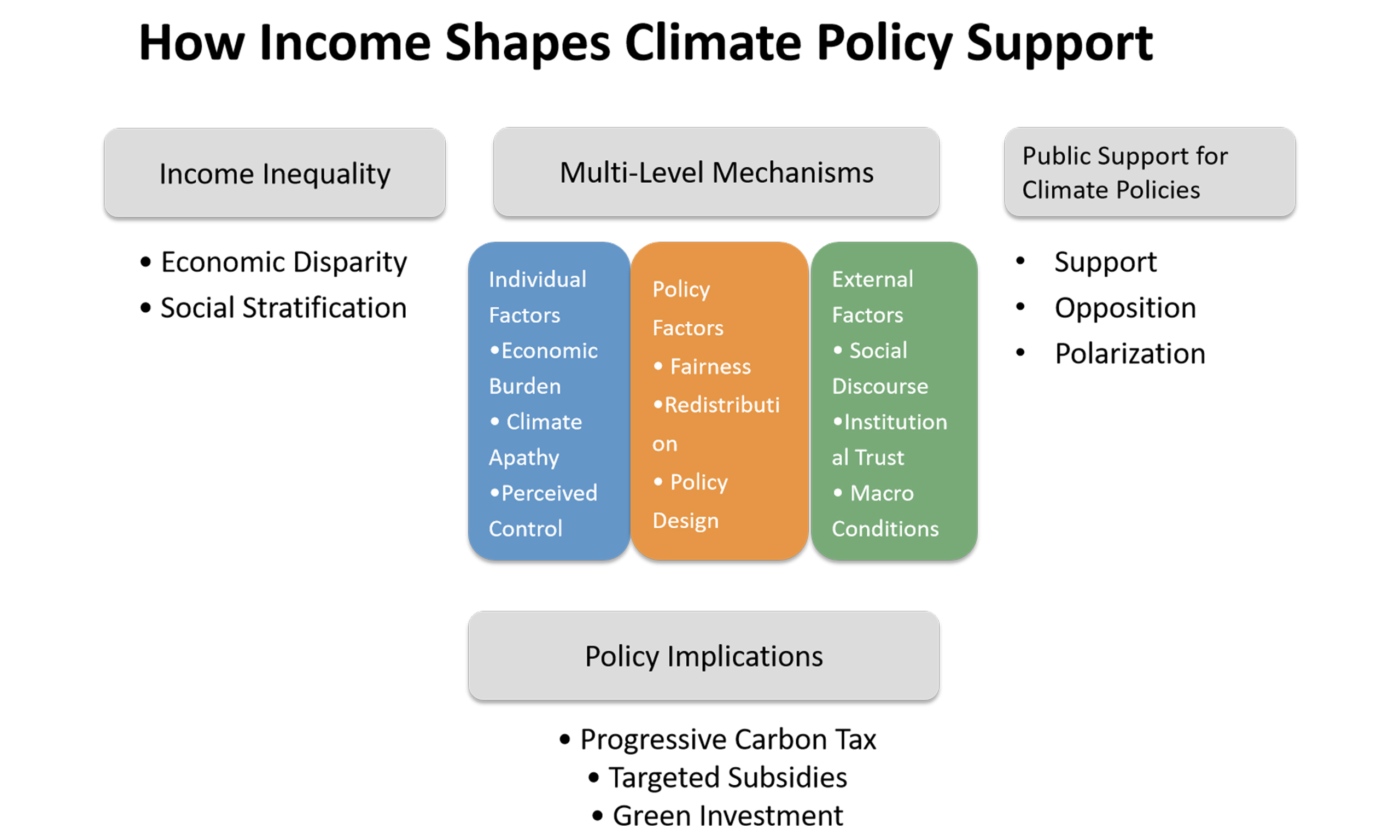
To guide the synthesis, we adopt an individual-policy-external environment framework. Figure 1 provides a visual overview of this structure and maps the Results section onto the corresponding levels and Sub-Sections ("Economic burden and policy costs"-"Public opinion dominance bias"). Throughout the review, this framework is used to organize evidence and to clarify how findings at different levels relate to public support for climate policies.
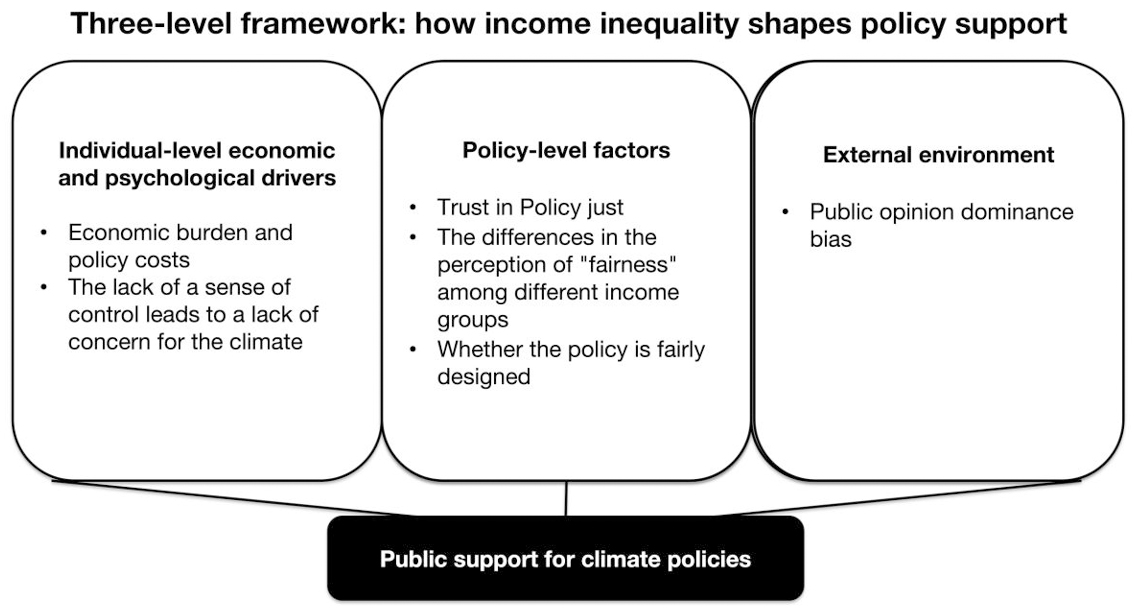
Figure 1. The individual-policy-external environment framework.
METHOD
This study uses a structured search and narrative synthesis approach to examine how income inequality and related socioeconomic differences shape public support for climate policies. Following established review practices, database searches were conducted in Scopus (https://www.scopus.com), Web of Science Core Collection (https://www.webofscience.com), and Google Scholar (https://scholar.google.com), complemented by targeted searches in core journals that frequently publish research on climate policy acceptance and distributional politics, including Climate Policy, Global Environmental Change, Ecological Economics, Nature Climate Change, Nature Energy, Energy Policy, and Journal of Environmental Economics and Management. The search covered studies published from 2015 to 2025, and the final search was completed in July 2025. Keywords were combined across three concept clusters. The first cluster captured the policy domain, including climate policy, carbon tax, carbon pricing, emissions trading, renewable subsidies, and clean energy transition. The second cluster captured attitudinal outcomes, including public support, acceptance, approval, policy preferences, willingness to pay, and political feasibility. The third cluster captured inequality, socioeconomic status, and justice-related mechanisms, including income, inequality, poverty, socioeconomic status, distributional effects, fairness, equity, climate justice, redistribution, revenue recycling, compensation, trust, social norms, and media or information environments. In addition, snowballing was performed by screening the reference lists of key review and agenda-setting studies and conducting forward citation searches to identify newer work building on foundational findings.
Study selection proceeded in two stages [Figure 2]. First, titles and abstracts were screened to remove clearly irrelevant records. Second, full texts were assessed for eligibility. The main inclusion criteria were that a study examined public support or acceptance for one or more climate policy instruments, with particular attention to carbon pricing, redistributive design features, and compensatory measures, and that it contained explicit evidence relevant to income or socioeconomic differences, inequality, or distributional fairness. Eligible studies included those treating these factors as predictors, moderators, or mechanisms linking socioeconomic position to support, as well as those examining policy design elements that shape public support for climate policies across income groups, such as exemptions, rebates, or targeted subsidies. Empirical studies based on surveys, panel data, experiments, and cross-national comparisons were included, along with integrative reviews and major policy reports that directly addressed distributional implications. Studies focusing on environmental attitudes without a clear policy support outcome, or discussing climate policy without linking it to income, socioeconomic status, inequality, or distributive concerns, were excluded. We included peer-reviewed journal articles and high-relevance synthesis/policy reports, which included both English and Chinese articles.
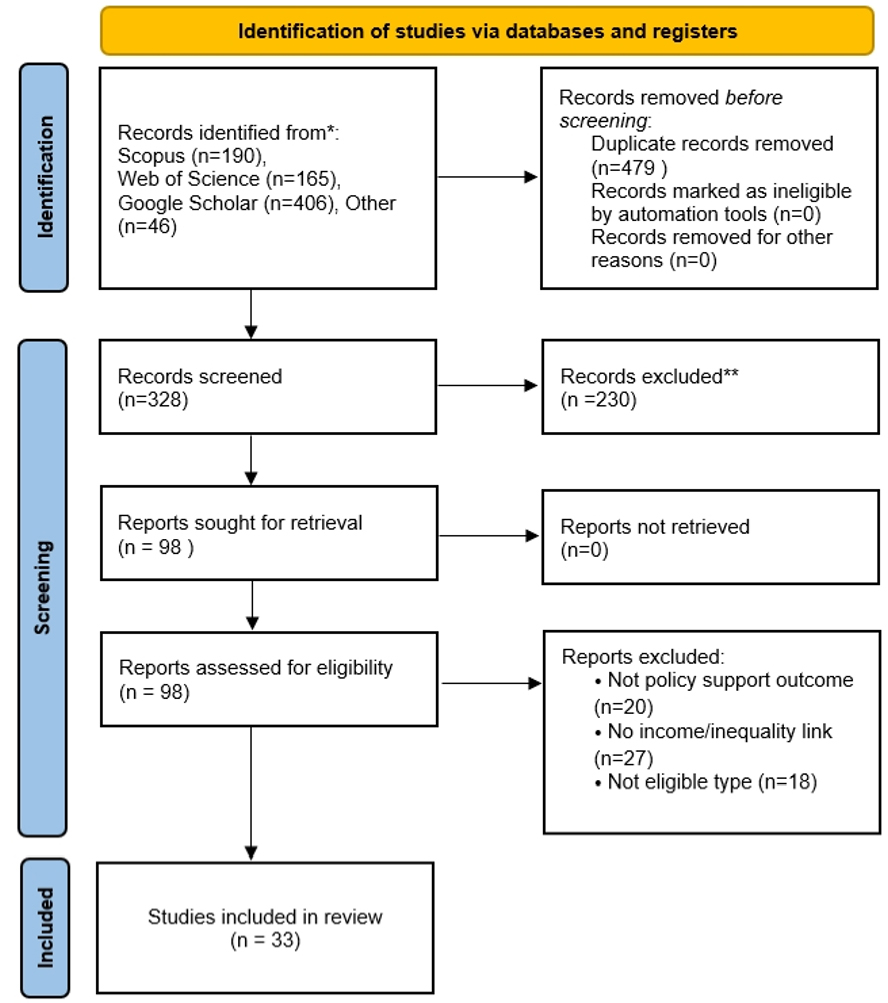
Figure 2. Study selection.
In total, 33 studies were included after full-text screening. The included evidence spans multiple regions and several multi-country settings, covering at least 10 explicitly named countries as well as additional European contexts. It also covers major policy instruments, including carbon taxes, emissions trading, renewable subsidies, and compensatory design features, and draws on diverse empirical approaches, including surveys, experiments, and cross-national comparisons.
For synthesis, key information was extracted from each included source, including country or region, sample context, operationalization of income or socioeconomic status and policy support, policy type and design features such as transparency, revenue use, and rebate or compensation schemes, and proposed psychological and political mechanisms such as perceived burden, fairness perceptions, political trust, social norms, and information environments. Evidence was then organized using the paper's individual, policy, and external environment framework to support thematic narrative integration across disciplines.
Although narrative synthesis is inherently more interpretive than meta-analysis and may introduce greater subjectivity in how evidence is weighted, we prioritized it because the evidence base is too heterogeneous and insufficiently standardized for valid effect-size pooling; a single meta-analytic estimate would risk conflating substantively different outcomes, designs, and policy contexts, whereas narrative synthesis better supports mechanism-focused integration and the identification of boundary conditions.
Given substantial heterogeneity in policy instruments, measurement approaches, and research designs, findings were synthesized qualitatively rather than through meta-analysis[4], with the goal of identifying consistent patterns, boundary conditions, and design implications for equitable and politically feasible climate policy.
Limitations of narrative synthesis were explicitly considered. First, qualitative integration may introduce interpretive subjectivity in how evidence is categorized and weighted. Second, selection bias may arise from database coverage, English and Chinese language restrictions, and publication bias toward statistically significant findings. Third, Google Scholar (https://scholar.google.com) retrieval can be less reproducible due to ranking algorithms and dynamic indexing. We therefore mitigate these concerns by triangulating across multiple databases, supplementing with targeted journal searches and citation chasing, and transparently reporting inclusion criteria and the final study set.
RESULTS
Individual-level economic and psychological drivers
Economic burden and policy costs
A key psychological mechanism through which income differences shape support for climate policies is individuals' sensitivity to economic burden and policy costs. Climate policies such as carbon taxes or fuel regulations, although environmentally effective, often increase the cost of living in the short term. However, different income groups perceive and react to these costs differently. Due to tight budgets, low-income households often regard such measures as a direct threat to their financial stability, and their resistance is driven by survival priorities[7]. Specifically, the economic burden amplifies resistance by fostering a sense of helplessness and disengagement, which leads low-income groups to prioritize immediate economic security over long-term environmental benefits. These patterns of low perceived climate risk are consistent with survival-focused coping strategies among socioeconomically low-income groups, who tend to view climate change as a distant, abstract threat[10].
Low-income groups also have a lower capacity to bear policy costs. Short-term consumption increases caused by climate policies, such as carbon taxes, may directly affect their livelihoods. For example, evidence from carbon pricing studies further shows that socio-economic groups experience unequal burdens from the same policies[11]. Dechezleprêtre et al.[8] report that even when carbon tax revenues are returned through equal per-capita transfers, only 37% of respondents in high-income countries and 59% in middle-income countries support the policy, since such uniform transfers fail to specifically alleviate the burden on low-income households. Moreover, low-income groups are more likely to forgo climate-friendly behaviors, such as purchasing energy-efficient appliances, because of financial constraints. This pattern can further reinforce their resistance to cost-sensitive policies. Many respondents also view climate policies as regressive: in high-income countries or regions, fewer than 25% believe low-income households benefit from such policies, while about 40% think high-income households benefit instead[8].
By contrast, high-income groups generally show greater support when climate policies minimize perceived personal losses and emphasize efficiency. However, their level of support still varies depending on other considerations. For many, a market-oriented or libertarian outlook makes carbon taxes and regulations less acceptable because they heighten tax salience and are interpreted as unwarranted government intrusion into markets and personal choice[12,13]. At the same time, high-income individuals with stronger environmentalist or pro-regulation values are more willing to accept higher private costs when policies are framed as effective and normatively justified, especially when revenue use is transparent and clearly communicated[14].
These influences operate through several mechanisms. Support can weaken when tax-burden sensitivity is high and revenue recycling is interpreted as redistribution "taking from me" rather than as a neutral design feature[8]. It can also be dampened by status quo and system-justifying tendencies that reduce willingness to support changes perceived to challenge existing hierarchies or elite advantage[15]. Finally, identity-motivated reasoning matters: when climate policy signals alignment with a particular political camp, endorsement becomes more contingent on whether the policy feels identity-consistent[13,14]. Consistent with this pattern, high-income respondents are more likely to favor using carbon-tax revenues for green infrastructure investment or general tax cuts (often ~60%), while supporting direct cash transfers at lower rates (~37%), partly because transfers are more easily construed as redistributive[8].
Beyond economic cost sensitivity, several non-economic factors interact with income to shape climate-policy support. Education can shape how income relates to public support for climate policies by strengthening ideological sorting rather than consistently reducing it. In some partisan groups, higher education is associated with greater polarization in climate concern and related policy preferences[16]. Geography also matters because place-based constraints translate policy into everyday disruption: rural residents and people in car-dependent areas often anticipate higher mobility and lifestyle impacts, which can lower support even at comparable income levels[17,18]. In relation to this, rural-urban divides in perceived policy effects are shaped not only by socioeconomic traits but also by locality and centrality, implying that policy acceptance depends on whether measures are seen as compatible with local livelihoods and services[19,20]. Finally, cultural identity and partisan identification shape how policy signals are interpreted; information about compensation and especially party cues can shift support for green taxes, suggesting that income effects may be strengthened or weakened depending on who endorses the policy and how "in-group consistent" it feels[12,21].
In summary, economic burden and policy cost act as crucial psychological factors that shape how income groups evaluate and support climate policies. Low-income households' opposition tends to stem from immediate survival concerns and perceptions of unfair burden, while high-income households' support or resistance is more strongly influenced by policy design choices that balance effectiveness and self-interest.
The lack of perceived control leads to a lack of concern for climate change
The scarcity of social resources limits people's ability to act according to their own will. In such an environment, individuals will feel that their lives and behaviors are out of their control. This reflects a diminished sense of control. Eom et al.[22] argue that individuals with lower socioeconomic status (SES) tend to experience a chronic lack of perceived control over their life outcomes, stemming from long-term exposure to resource scarcity and survival pressures[23]. This diminished sense of control fosters the belief that "individual actions are unlikely to change the environment", thereby undermining motivation for pro-environmental behavior. According to Eom et al.[22], the sense of control, also known as perceived control, is a critical psychological precondition for translating environmental beliefs into actions. Among individuals with high SES, climate change beliefs are strongly and positively correlated with support for environmental protection actions. In contrast, among individuals with low SES, the same beliefs are much less likely to lead to action, precisely because of their insufficient level of perceived control. Eom et al.[22] also provide experimental evidence that enhancing perceived control among low-SES individuals can strengthen their engagement in pro-environmental behavior. Their experiments showed that when individuals from disadvantaged backgrounds were primed to feel greater agency over their lives, the alignment between their climate change awareness and actual environmental behaviors improved significantly. Vlasceanu et al.[24] also discovered in a large-scale experiment that by enhancing individuals' self-efficacy and perceived control, their intentions to engage in pro-environmental behaviors could be significantly improved. These findings highlight the pivotal role of perceived control as a psychological resource, empowering marginalized groups to act on their environmental concerns and breaking the cycle of apathy and inaction.
This lack of control can also change how low-SES individuals make decisions. Instead of acting on personal convictions, they are more likely to rely on descriptive social norms when deciding whether to support environmental initiatives[22]. In practice, this can look like an "I will act only if others have already acted" logic. Similarly, Kotyza et al. 's[25] cross-national study also indicates that perceived behavioral control is one of the key factors in predicting pro-environmental intentions, and its effect even surpasses that of social norms. This dynamic creates a psychological vicious cycle, where feelings of powerlessness suppress motivation, which in turn leads to fewer observable actions among peers. As low-SES individuals see little pro-environmental engagement in their social environment, their reliance on social norms further entrenches their indifference. This cycle of inaction suggests that climate apathy among low-income groups is not merely a product of ignorance or disinterest but is deeply rooted in structural inequalities that erode both individual and collective initiative. Moreover, such apathy exacerbates the material disadvantages already faced by these groups, further widening the gap in climate policy support across income levels.
Recent studies strengthen this view by introducing climate apathy as a critical psychological mediator[7]. Climate apathy refers to an individual's attitude towards climate change. Specifically, climate apathy means that the individual lacks knowledge about climate change, has a low level of understanding of it, and even shows a skeptical attitude towards it[7]. Tian et al.[7] found that climate apathy explains 38.29% of the effect of income poverty on climate policy support, whereas economic burden explains only 8%. Importantly, low-income individuals often perceive climate change as temporally and spatially distant, reducing their sense of urgency and perceived personal relevance. This "distance-induced apathy" leads to weaker engagement, even when financial incentives exist[7]. Complementary evidence comes from survey studies in China. Tian et al.[5] demonstrated that climate change perception and environmental topic involvement are significant predictors of support for consumption-side climate policies, such as carbon taxes and renewable energy promotion. Bröhmer[26]'s research further supports this conclusion, emphasizing that if individuals are unable to perceive their control over future environmental outcomes, climate behavioral intentions will be difficult to arise. Yet, these effects are moderated by income: low-income individuals with weaker climate risk perception and less topic involvement showed systematically lower policy support[5]. Similarly, Al Mamun et al.[27] found that among low-income households in Malaysia, eco-literacy and self-efficacy strongly shape attitudes toward green consumption, and that low perceived behavioral control acts as a barrier to translating pro-environmental attitudes into actual behavior.
POLICY-LEVEL FACTORS
Policy trust and perceived fairness
Policy trust is a key factor shaping public acceptance and support for environmental policies. It is the citizens' belief that the government will design and implement policies with competence and integrity, in pursuit of the broader public interest[28]. Specifically, public trust in the government's capacity to implement policy and the willingness to distribute policy benefits fairly directly affect the degree of support for the policies[29]. This trust is not only based on the current performance of the government's capabilities, but is also deeply influenced by the trust in the social structure, the perception of corruption, and historical experiences of discrimination and unfair treatment. Pearson et al.[29] argue that the extent to which the public regards climate change as a moral and just issue is constantly rising globally. However, whether this sense of justice and willingness to cooperate can be transformed into policy support largely depends on the public's perception of whether the policy implementation process is fair and inclusive of low-income groups. The perception of distributive justice and procedural justice has been proven to be a significant predictor of support for a wide range of policy measures, including carbon pricing policies.
This conclusion echoes the review by Drews and Van Den Bergh[4], who hold that the public's perception of the "fairness" and "effectiveness" of policies is a key factor influencing climate policy support. This perception is deeply influenced by people's level of trust in the fairness of the government. In the horizontal comparison among different countries, the international survey data of Dechezleprêtre et al.[8] also found that the public's acceptance of climate policies such as carbon taxes and green investment is highly correlated with their trust in whether the government can effectively reduce inequality, rationally use income, and promote emission reduction. Similarly, cross-national comparative studies also indicate that trust in government effectiveness plays a mediating role between climate concerns and policy support. People may acknowledge climate risks, but if they doubt the fairness of the country's implementation, it is difficult for them to convert their concerns into support[30]. Experimental studies also show that trust affects the public's response to the policy framework. When people are convinced that climate policies will be implemented in an honest and fair manner, they are more likely to express support[31]. When the public is skeptical about the government's "distributive fairness" and "executive capacity", even if they are aware of the severity of climate change, it is difficult for them to translate this into concrete policy support.
Moreover, an experiment found that when policies clearly state that the interests of low-income groups will be given priority (such as exemptions for low-income families), public support significantly increases[6]. However, when policies seem to only protect the interests of industrial enterprises, their support rate decreases. This indicates that the public not only pays attention to the policy goals themselves, but also assesses whether the government has the ability to fairly distribute the costs and benefits of policies.
In addition, social trust and perceived corruption are also important factors influencing policy trust. Majumdar and Weber[32] argue that from a psychological perspective, the experiences of low-income groups being marginalized or suffering injustice in history will intensify their suspicion of the existing system, thereby reducing their support for new policies. Consistent with this, the latest experimental research indicates that the public's acceptance of carbon taxes is crucially dependent on whether they trust the fairness of the government's distribution[33].
Fairness perceptions across income groups
Public support for climate policies is strongly shaped by perceptions of fairness in policy design, with systematic variations across income groups. Evidence indicates that policy features often more than general climate attitudes are decisive in shaping approval[8]. Low-income groups tend to prioritize inequality reduction and protections for vulnerable populations, while high-income groups focus on policy efficiency and personal cost burdens[6]. For instance, policies exempting low-income households from climate costs garner broader support than those shielding industries. Objective evidence shows that carbon emissions are highly concentrated among high-income groups, which makes distributional responsibility a central fairness consideration in climate policy debates[34]. This concentration is also visible in consumption-based footprints and remains salient when development and poverty-alleviation dynamics are taken into account[35]. Because this objective baseline implies large emission disparities, public beliefs about "who emits how much" become pivotal for whether progressive policy designs are perceived as fair[36]. Cross-national research conducted in Denmark, India, Nigeria, and the United States shows that many respondents significantly underestimate the emissions of high-income groups, especially those of the top 10% and top 1%, leading to the misperception that carbon footprint inequality is limited. This cognitive bias reduces support for class-based carbon taxes, as they are deemed "unfair", a view especially prevalent among high-income groups who rationalize emission inequalities as legitimate[10]. Notably, even when empirical data on emission disparities are disclosed, this bias persists and remains negatively correlated with policy support[10].
However, the income-support relationship is nonlinear. High-income respondents exhibit divergent stances, with some accepting higher costs for environmental gains and others resisting redistributive measures perceived as unfairly penalizing wealthier individuals[8]. This underscores that even amid widespread environmental concern, support ultimately depends on whether policies are viewed as equitably balanced rather than disproportionately targeting specific groups.
When evaluating climate policies, there are fundamental differences in the views of low-income and high-income groups on fairness and priorities, which in turn affect their level of support. For low-income groups, they pay more attention to equality in policy outcomes and tend to support exemption and subsidy policies that can reduce overall inequality and directly ease their financial pressure[6]. In their view, if a policy can clearly reduce their economic burden and is regarded as fair, it will significantly enhance their willingness to support the policy. Even if the policy also offers a certain degree of exemption to other groups, such as the industrial sector, as long as low-income families themselves receive substantial assistance, their support rate will still increase[6]. Overall, the attitudes of low-income groups are largely dominated by economic pressure. They often view direct monetary costs like carbon taxes as a heavy burden, especially since this cost structure usually shows a regressive nature, making the relative proportion borne by low-income individuals higher. Therefore, they are more likely to oppose such policies[8].
By contrast, high-income groups place greater emphasis on procedural fairness and tend to believe that costs should be borne proportionally to an individual's income level or carbon emission level. They usually oppose policies that have a clear tendency towards redistribution and are aimed at prioritizing the assistance of low-income groups, because such designs, in their view, deviate from the principle of "fairness" and may even infringe upon their own interests[6]. This resistance is further reinforced by their systematic underestimation of carbon emission inequality. High-income individuals often perceive current emission distributions as "reasonable", partly because they rationalize their own disproportionate environmental impact[10]. Furthermore, high-income groups often lack an accurate understanding of the degree of inequality in carbon emissions and environmental impact among different income brackets. They generally underestimate the contribution of high-income individuals to carbon emissions and tend to believe that the current income distribution and environmental burden are already "reasonable" or "fair"[10]. This attitude partly stems from their mentality of maintaining the existing social order, that is, to protect their vested interests by rationalizing the status quo. At the same time, it reflects a broader psychological defense of their position in debates over climate responsibility. They place more emphasis on the efficiency and cost control of policies, and are more likely to support policies that use climate taxes to invest in green infrastructure or reduce the overall tax burden[10]. However, they show a strong resistance to redistributive schemes that directly transfer payments to low-income groups. This tendency indicates that high-income groups support climate policies more based on considerations of efficiency and consistency of rules rather than concerns about mitigating social inequality.
However, the attitudes of high-income groups toward climate policies exhibit significant internal divisions. On one hand, some affluent individuals are willing to bear higher costs for environmental protection, as evidenced by their support for progressive carbon taxes with revenue earmarked for green investments or cash transfers to low-income groups[8]. This group prioritizes the perceived effectiveness of policies in reducing emissions and acknowledges the broader societal benefits of climate action. On the other hand, another segment of high-income groups opposes policies perceived as "punishing the wealthy", particularly those involving redistributive mechanisms. For instance, carbon taxes with equal cash transfers or reductions in corporate taxes garner less support among this subgroup, as they are viewed as disproportionately targeting capital owners[8]. Similarly, Han and Xu[37] suggest that market-based environmental regulations can shift compliance costs across groups. In China's 2018 environmental tax reform, they argue that capital owners may pass part of the burden onto workers through lower wages. This pattern is consistent with resistance when policies are perceived to threaten high-income groups' economic interests. This divergence underscores the nuanced interplay between self-interest, perceived fairness, and policy design in shaping high-income individuals' climate policy preferences.
Fairness-oriented design and distributive incidence
As mentioned above, regarding the psychological aspect of high-income and low-income groups, low-income groups prefer compensatory fairness. Low-income groups advocate that carbon tax revenue should be targeted to compensate for their own losses rather than being evenly distributed. High-income groups emphasize formal equality and believe that costs should be shared proportionally. This stance is related to their self-interest motivation. When policy design leans towards redistribution, high-income groups oppose it because they have to bear more costs. Accordingly, perceived fairness in policy design is a key factor shaping climate policy support across income groups.
In the context of climate policy design, Konc et al.[9] identify an inequality paradox, whereby rising income inequality simultaneously strengthens the rationale for progressive, redistributive climate policies while also intensifying resistance from high-income groups. On the one hand, greater inequality means a larger share of the population is economically vulnerable, increasing both the demand for and the legitimacy of policies that compensate low-income groups and impose proportionally higher costs on high emitters. On the other hand, high-income groups who are more influential in shaping public discourse through social networks tend to resist such policies to protect their economic interests. Their opposition can dampen overall public support, especially when their narratives frame progressive policies as unfair or economically harmful. This paradox highlights the challenge of balancing distributive justice and political feasibility in climate policy design.
Empirical findings from Dechezleprêtre et al.[8] and Andor et al.[6] further illustrate how policy fairness design shapes preferences. For example, low-income respondents display stronger support for revenue-recycling schemes that prioritize compensating low-income groups, while high-income respondents prefer equal per-capita rebates or infrastructure investments, which they view as more procedurally fair and economically efficient. In addition, high-income groups tend to underestimate their disproportionate contribution to carbon emissions and environmental burdens, and oppose redistribution policies that are perceived as "penalizing wealth" on the grounds of maintaining the status quo[10].
Furthermore, Nielsen et al.[10] propose that high-income groups often underestimate their contribution to carbon emissions and environmental burdens and tend to believe that current inequality is reasonable. This psychological defense mechanism may form a structural resistance to redistribution policies at higher income levels. Therefore, in policy design, merely achieving "fairness" through economic models is not enough. It is also necessary to guide public opinion and communicate information based on the differences in fairness perception among different groups, reduce the distrust of high-income groups towards policies, and enhance the trust of low-income groups in the fairness of policies.
EXTERNAL ENVIRONMENT
Public opinion dominance bias
Research on public support for climate policies indicates that support for climate policies depends not only on policy design and economic consequences but also on the dynamics of public opinion[9]. Specifically, the dominant position of high-income groups in social networks and public discourse gives them greater influence in shaping public opinion on climate policies, and they may thus dominate or even reverse the direction of policies.
The model proposed by Konc et al.[9] indicates that public support for climate policies is not only determined by individual utility and perception of equity, but is also significantly influenced by the dynamics of opinions within their social networks. High-income individuals are usually more capable of expressing their opinions on social networks and in public places, and their viewpoints are also more likely to be spread and influence others. Therefore, when high-income groups collectively express dissatisfaction with a certain policy, such negative attitudes often spread through social influence mechanisms, leading to a decline in the original support level of low-income groups. This phenomenon is known as "public opinion dominance bias", which reflects the distorting effect of the dominant position of high-income groups in the public opinion field on policy acceptance.
Similar psychological mechanisms are also reflected in the psychological basis of climate justice discussed by Majumdar and Weber[32]. Research indicates that when dominant groups are confronted with policies that are detrimental to their own interests, they often resist changes by strengthening their collective identity and reinforcing the moral boundaries within the group, and utilize their stronger social influence to shape a "fairness" narrative, thereby influencing the policy-making process.
Furthermore, social norms and group identity significantly shape climate policy support among low-income groups[22]. Low-income groups are more inclined to rely on social norms for decision-making, while high-income groups place greater emphasis on personal beliefs and perceived control. When high-income groups form a public opinion atmosphere of unanimous opposition to a certain policy through social networks, such norms can exert pressure on low-income groups, causing their original attitude of supporting the policy based on personal interests to change, thereby weakening overall policy support.
From the perspective of communication media, social media has become an important channel for the formation of public environmental attitudes. Wagdi et al.[38] found through empirical research on emerging countries that social media activities can significantly change consumers' willingness to engage in green consumption, but at the same time, they are also easily dominated by opinion leaders, thereby amplifying the voices of certain groups.
CROSS-LEVEL INTERACTIONS: LINKING POLICY DESIGN, BURDEN, FAIRNESS, AND TRUST
Across the reviewed evidence, the three analytical levels operate as connected processes rather than parallel categories. First, policy design shapes how strongly different income groups experience costs, and this is especially visible in evidence on carbon pricing and revenue use, where insufficiently targeted compensation leaves affordability concerns unresolved and keeps support low among low-income groups[8]. In addition, experimental work shows that public support rises when policies explicitly prioritize protections for low-income households, which implies that perceived burden is partly produced by design choices rather than fixed by income alone[6]. As a result, cost-sensitive measures are more likely to trigger low-income resistance when they are experienced as immediate threats to livelihood security[7].
At the same time, perceived burden often affects support through fairness judgments, because people evaluate not only how much they pay but also whether the distribution of costs and benefits feels justified[8]. Moreover, fairness reasoning depends on beliefs about responsibility and inequality, and systematic underestimation of high-income groups' carbon emissions can weaken the perceived justification for progressive designs and reduce support for class-based instruments[10].
Finally, trust and external environments condition whether compensatory designs are viewed as credible and therefore politically effective. When citizens doubt distributive fairness or implementation integrity, compensation promises become less convincing and are less able to offset burden-based opposition[33]. In broader comparative evidence, low trust in government effectiveness similarly prevents climate concern from translating into concrete policy support[30]. Additionally, discourse dynamics can amplify opposition through social influence when high-income voices dominate public discussion and shape fairness narratives[9]. Related to this, lower-SES individuals rely more on descriptive norms when deciding whether to act, which makes them more responsive to visible social signals around policy support[22]. Experiences and narratives of injustice can further erode institutional credibility and reduce receptivity to policy claims, including compensatory commitments[32].
Overall, the literature suggests that equitable and politically feasible climate policy depends on aligning sensitive distribution design with credible implementation and communication conditions, so that burden reduction and fairness improvements can translate into durable public support[8].
THE IMPACT OF POLICY DESIGN ON DIFFERENT INCOME GROUPS
Policy transparency
Policy transparency is a crucial determinant of whether low-income groups support climate policies. Dechezleprêtre et al.[8] show through cross-national experiments that when policies are accompanied by clear explanations of rebate mechanisms and the distribution of benefits across income groups, support for carbon taxes and green infrastructure investment increases significantly among low-income individuals. By contrast, relying solely on climate crisis narratives has a much weaker effect on support. This suggests that for individuals facing daily economic pressures, abstract climate risk information is less persuasive than policy explanations that highlight tangible benefits. Tian et al.[7] further reveal the psychological mechanism underlying this effect. They find that when low-income individuals are provided with transparent and comprehensible information, their climate apathy decreases substantially, and the resistance caused by a lack of perceived control is mitigated. Carattini et al.[39] also demonstrate that providing clear, salient information about the use of carbon tax revenues, especially when earmarked for environmental purposes or rebates, significantly raises public support for climate policies. Moreover, Klenert et al.[40] emphasize that transparency and communication about redistribution are critical for making carbon pricing politically feasible, particularly to gain support from low-income groups. Thus, transparency not only improves information accessibility but also addresses psychological barriers between income groups, reducing disparities in policy support.
The establishment of the return mechanism
The design of carbon tax rebate schemes directly shapes the level of acceptance across income groups.
Policy type
Beyond transparency and rebate schemes, the types of policies themselves can trigger distinct reactions across income groups. Dechezleprêtre et al.[8], in a 20-country study, show that public support hinges on three criteria: policy effectiveness, distributional fairness, and personal economic impact. Low-income groups generally oppose uncompensated carbon taxes because of their regressive nature, as energy expenditures constitute a larger share of their household budgets[42]. However, when carbon tax revenues are redistributed as cash transfers to low-income households, support increases significantly; an experimental study in Sweden found that compensatory measures improve perceptions of fairness and policy acceptability[43]. Similarly, Jagers et al.[44], in survey experiments conducted in the United States, Canada, and Germany, found that income rebate mechanisms increase public support for carbon taxes by enhancing perceptions of fairness. Furthermore, acceptance is highest when revenues are used for mixed purposes, simultaneously funding environmental projects such as renewable energy and providing compensation to low-income groups[45]. By contrast, carbon taxes without earmarked revenues or heavy agricultural levies are often opposed for being unfair or overly burdensome. Overall, these findings indicate that acceptance depends not only on environmental goals but also on how policy design allocates costs and benefits across social groups.
Public opinion dominance and information asymmetry
In addition to the substantive content of policy design, asymmetries in information dissemination significantly shape disparities in support across income groups. Konc et al.[9] emphasize that high-SES groups dominate public discourse in both mainstream and social media, and their opposition to certain policies is often amplified, creating a "bandwagon effect" that shifts the attitudes of low-SES individuals, who may align with dominant media narratives rather than their own underlying preferences. Since lower-SES groups rely more heavily on social norms when forming policy preferences, they are particularly vulnerable to such shifts in dominant opinion. This dynamic suggests that even when policies are objectively beneficial to low-SES groups, their support may decline if discourse is monopolized by higher-income voices. Scholars debate whether this persistent knowledge gap between high- and low-SES individuals stems from structural biases in media and social systems or from limitations among less-educated groups themselves[46]. However, public affairs knowledge is the foundation of social power, and if media systems systematically favor high-SES groups, marginalized communities risk becoming trapped in a cycle of "knowledge isolation" that further constrains their participation in complex policy debates, including those related to climate change[47].
Cross-context differences in policy acceptance
Finally, the impact of policy design on income groups is highly contingent on institutional and cultural contexts. Drews and Van Den Bergh[4] find that in democratic settings, preferences for climate policy are strongly shaped by values and class structures, with distributional fairness playing a particularly important role. Pearson et al.[29] further show that institutional trust and perceptions of procedural fairness exert a stronger influence on policy acceptance in democracies than in authoritarian regimes. Consistent with this, Kitt et al.[48] demonstrate in a Canadian survey that citizens' acceptance of diverse climate policies is strongly predicted by their trust in government competence, integrity, and value similarity, with competence trust emerging as the most decisive factor across policy types. Meanwhile, Konc et al.[9] note that high-income groups often retain discourse dominance regardless of regime type. Cultural differences also shape policy acceptance. Eom et al.[22] demonstrate that in collectivist cultures, low-SES groups are more likely to rely on social norms when deciding whether to support policies, whereas in individualist cultures, personal beliefs play a stronger role. Similarly, Nielsen et al.[10] show in a four-country experiment that public judgments of carbon responsibility attribution vary significantly across cultural contexts, influencing perceptions of fairness and, in turn, policy support. These findings suggest that the interaction between income differences and policy design cannot be understood in isolation but must be situated within broader institutional and cultural frameworks.
DISCUSSION
Building on the individual-policy-external environment framework, this review synthesized how factors at the individual, policy, and external contextual levels jointly shape public support for climate policies. Specifically, the individual level includes income, perceived control, and climate apathy; the policy level includes fairness, redistributive design, and communication; and the external contextual level includes cultural norms and institutional trust. Integrating these insights, the following policy recommendations are proposed to enhance both the equity and effectiveness of climate governance:
First, policy design must carefully account for economic costs and subsidy mechanisms. Evidence shows that low-income households' acceptance of climate policies is strongly constrained by their direct financial burden[7,9]. Fiscal subsidies, preferential pricing, and phased implementation can partially reduce these costs and enhance acceptance. However, multi-model assessments indicate that in the absence of redistributive mechanisms, carbon taxes significantly increase expenditure pressures on low-income households[49]. Yet, economic incentives alone are insufficient to bridge support disparities; psychological mechanisms and structural inequalities must also be addressed.
Second, climate policies should balance formal equality with substantive fairness. While uniform measures such as carbon taxes or green consumption mandates reflect procedural equality, citizens often underestimate the actual carbon footprints of high-income groups, thereby masking inequalities[10]. This misunderstanding reduces the legitimacy of climate policies among low-income groups. To correct this, differentiated responsibilities and progressive designs should be considered, because distributional protection and revenue-use choices can directly reshape whether policies are interpreted as fair rather than punitive. In practice, this means making "who pays, who is protected, and how revenues are used" explicit, since fairness perceptions are often the channel through which perceived burden translates into opposition.
Third, policies must enhance information dissemination, awareness, and public education, especially among low-SES groups. Research shows that low-SES individuals rely more heavily on social norms and group cues when forming climate policy preferences[22]. Yet, public discourse is often dominated by high-SES groups, shaping opinion climates that can erode low-SES support. Therefore, governments and media should diversify communication channels, strengthen community engagement, and provide accessible education campaigns to improve ecological literacy and self-efficacy. Such measures can empower low-income groups to recognize both the environmental benefits and fairness of policies, thereby increasing their willingness to act[27].
Fourth, trust and institutional transparency are essential for sustained policy effectiveness. Public support depends heavily on whether citizens believe governments have the capacity and willingness to allocate benefits fairly[32]. To this end, policymakers should maintain transparency in implementation, institutionalize citizen participation, and ensure that diverse social groups have a voice in policy deliberations. This can strengthen structural trust and reinforce long-term legitimacy. From a political feasibility perspective, compensatory designs are more likely to increase support when trust is sufficiently high that promised protections are believed, when partisan polarization is not so strong that climate policy becomes identity-coded, and when media environments do not rapidly amplify "unfairness" frames.
Finally, policies must enhance cultural adaptability by linking both design and communication to local norms and social structures. First, implementation should use locally resonant narratives rather than relying on a single standardized message, because what counts as "fair" and "reasonable" can differ across contexts. For instance, in collectivist societies, social norms can be more influential than individual beliefs in motivating pro-environmental behavior among low-income groups[22]. Also, policymakers should communicate distributional protection clearly, so that people understand how lower-income households will be compensated or shielded from disproportionate burdens. Overall, working through trusted local intermediaries such as municipalities, community organizations, or local leaders can make outreach and delivery more credible and inclusive, which supports perceived fairness and acceptance.
CONCLUSION
This review examined how income inequality and related socioeconomic differences shape public support for climate policies using an individual-policy-external environment framework. Across studies, support gaps emerge through both material constraints and psychological pathways: lower-income groups face higher perceived and actual cost burdens and are more vulnerable to climate apathy and low perceived control, while higher-income groups' support depends strongly on whether policy designs are viewed as fair or as redistributive "penalties". At the policy level, design choices, especially transparent revenue use, targeted compensation, and visible return mechanisms, consistently reduce perceived unfairness and strengthen acceptance, but these effects are conditioned by external environments such as institutional trust and discourse dynamics that can amplify or dampen inequality-related divides. Future research should move beyond parallel explanations to test cross-level interactions more directly, clarifying when policy design and information environments can sustainably narrow support disparities under different political and cultural contexts.
DECLARATIONS
Authors' contributions
Writing-original draft, writing-review & editing, visualization, methodology, conceptualization: Wang, Y.
Writing-original draft, writing-review & editing, conceptualization: Tian, J.
Writing-original draft, writing-review & editing, resources, conceptualization, validation, supervision:
Writing-original draft, Writing-review & editing: Yang, B.
Availability of data and materials
Not applicable.
AI and AI-assisted tools statement
The authors declare that artificial intelligence (AI) tools were used solely to assist with language editing, idea organization and reference collection. All substantive content, analysis, and conclusions were developed independently by the authors. The authors take full responsibility for the integrity and accuracy of the manuscript.
Financial support and sponsorship
The present study was supported by the Scientific Foundation of the State Key Laboratory of Cognitive Science and Mental Health (Grant No. E5CX1201GZ).
Conflicts of interest
All authors declared that there are no conflicts of interest.
Ethical Approval and Consent to Participate
Not applicable
Consent for publication
Not applicable
Copyright
© The Author(s) 2026.
REFERENCES
1. United Nations Environment Programme. Emissions gap report 2022: the closing window - climate crisis calls for rapid transformation of societies. 2022.
2. Beiser-Mcgrath, L. F.; Bernauer, T. Could revenue recycling make effective carbon taxation politically feasible? Sci. Adv. 2019, 5, eaax3323.
3. Carley, S.; Konisky, D. M. The justice and equity implications of the clean energy transition. Nat. Energy. 2020, 5, 569-77.
4. Drews, S.; Van Den Bergh, J. C. What explains public support for climate policies? A review of empirical and experimental studies. Clim. Policy. 2015, 16, 855-76.
5. Tian, J.; Sun, M.; Gong, Y.; Chen, X.; Sun, Y. Chinese residents’ attitudes toward consumption-side climate policy: the role of climate change perception and environmental topic involvement. Resour. Conserv. Recycl. 2022, 182, 106294.
6. Andor, M. A.; Lange, A.; Sommer, S. Fairness and the support of redistributive environmental policies. J. Environ. Econ. Manag. 2022, 114, 102682.
7. Tian, J.; Li, Y.; Sun, Y.; Yang, B.; Chen, X. Warming climate apathy to mitigate the disparity in climate policy support across distinct income strata. Energy. Policy. 2024, 192, 114245.
8. Dechezleprêtre, A.; Fabre, A.; Kruse, T.; Planterose, B.; Sanchez Chico, A.; Stantcheva, S. Fighting climate change: international attitudes toward climate policies. Am. Econ. Rev. 2025, 115, 1258-300.
9. Konc, T.; Drews, S.; Savin, I.; Van Den Bergh, J. C. Co-dynamics of climate policy stringency and public support. Global. Environ. Chang. 2022, 74, 102528.
10. Nielsen, K. S.; Bauer, J. M.; Debnath, R.; et al. Underestimation of personal carbon footprint inequality in four diverse countries. Nat. Clim. Chang. 2024, 14, 1136-43.
11. Tamasiga, P.; Onyeaka, H.; Bakwena, M.; Ouassou, E. H. Pricing the future: unveiling the effects of carbon pricing on socio-economic outcomes and energy poverty. Int. J. Sustain. Energy. 2024, 43, 2362334.
12. Bürgisser, R.; Stadelmann-Steffen, I.; Armingeon, K. Can information, compensation and party cues increase mass support for green taxes? J. Eur. Public. Policy. 2024, 33, 821-48.
13. Kahan, D. M.; Braman, D.; Gastil, J.; Slovic, P.; Mertz, C. K. Culture and identity‐protective cognition: explaining the white-male effect in risk perception. J. Empir. Legal. Stud. 2007, 4, 465-505.
14. Mildenberger, M.; Lachapelle, E.; Harrison, K.; Stadelmann-Steffen, I. Limited impacts of carbon tax rebate programmes on public support for carbon pricing. Nat. Clim. Chang. 2022, 12, 141-7.
15. Feygina, I.; Jost, J. T.; Goldsmith, R. E. System justification, the denial of global warming, and the possibility of “system-sanctioned change". Pers. Soc. Psychol. Bull. 2009, 36, 326-38.
16. Hamilton, L. C. Education, politics and opinions about climate change evidence for interaction effects. Clim. Chang. 2010, 104, 231-42.
17. Heiskanen, E.; Matschoss, K.; Rinkinen, J.; Pyrhönen, T. Taking the car out of the countryside: Understanding opposition to climate policy in rural Finland. Energy. Res. Soc. Sci. 2024, 117, 103741.
18. Linder, N.; Sörqvist, P.; Lindvall, D.; Jagers, S.; Barthel, S. It would feel weird to not drive my car! Ambio 2024, 54, 670-9.
19. Mittenzwei, K.; Gustavsen, G. W.; Grimsrud, K.; Lindhjem, H.; Bjørkhaug, H. Perceived effects of climate policy on rural areas and agriculture: a rural-urban- divide. J. Rural. Stud. 2023, 100, 103001.
20. Tallent, T. A green divide? Climate policy support and its rural geography in Europe. West. Eur. Polit. 2025, 1-31.
21. Benegal, S.; Green, J. Cost sensitivity, partisan cues, and support for the Green New Deal. J. Environ. Stud. Sci. 2024, 14, 763-75.
22. Eom, K.; Kim, H. S.; Sherman, D. K. Social class, control, and action: socioeconomic status differences in antecedents of support for pro-environmental action. J. Exp. Soc. Psychol. 2018, 77, 60-75.
23. Kruglanski, A. W.; Jasko, K.; Chernikova, M.; et al. The rocky road from attitudes to behaviors: charting the goal systemic course of actions. Psychol. Rev. 2015, 122, 598-620.
24. Vlasceanu, M.; Doell, K. C.; Bak-Coleman, J. B.; et al. Addressing climate change with behavioral science: a global intervention tournament in 63 countries. Sci. Adv. 2024, 10, eadj5778.
25. Kotyza, P.; Cabelkova, I.; Pierański, B.; et al. The predictive power of environmental concern, perceived behavioral control and social norms in shaping pro-environmental intentions: a multicountry study. Front. Ecol. Evol. 2024, 12, 1289139.
26. Brohmer, H.; Köstenbaumer, D.; Thaller, A. E.; Fleiß, E.; Athenstaedt, U.; Posch, A. Changing behavior while having climate change in mind? An investigation of social-psychological predictors for specific pro-environmental behaviors in the energy domain. Energy. Effic. 2023, 16, 80.
27. Al Mamun, A.; Mohamad, M. R.; Yaacob, M. R. B.; Mohiuddin, M. Intention and behavior towards green consumption among low-income households. J. Environ. Manag. 2018, 227, 73-86.
29. Pearson, A. R.; Tsai, C. G.; Clayton, S. Ethics, morality, and the psychology of climate justice. Curr. Opin. Psychol. 2021, 42, 36-42.
30. Fairbrother, M.; Johansson, Sevä. I.; Kulin, J. Political trust and the relationship between climate change beliefs and support for fossil fuel taxes: Evidence from a survey of 23 European countries. Global. Environ. Chang. 2019, 59, 102003.
31. Carattini, S.; Carvalho, M.; Fankhauser, S. Overcoming public resistance to carbon taxes. WIREs. Clim. Chang. 2018, 9, e531.
32. Majumdar, R.; Weber, E. U. Multilevel intergroup conflict at the core of climate (in)justice: psychological challenges and ways forward. WIREs. Clim. Chang. 2023, 14, e836.
33. Douenne, T.; Fabre, A. French attitudes on climate change, carbon taxation and other climate policies. Ecol. Econ. 2020, 169, 106496.
35. Bruckner, B.; Hubacek, K.; Shan, Y.; Zhong, H.; Feng, K. Impacts of poverty alleviation on national and global carbon emissions. Nat. Sustain. 2022, 5, 311-20.
36. Schöngart, S.; Nicholls, Z.; Hoffmann, R.; Pelz, S.; Schleussner, C. High-income groups disproportionately contribute to climate extremes worldwide. Nat. Clim. Chang. 2025, 15, 627-33.
37. Han, X.; Xu, W. The income distribution effects of market-based environmental regulation: Who bears the cost of environmental governance. Finan. Trade. Econ. 2023, 44, 1-143.
38. Wagdi, O.; Afify, A. S.; Habib, A. F. The impact of social media marketing activities on green consumption intention: evidence from emerging countries. Entrep. Sustain. Issues. 2022, 10, 158-74.
39. Carattini, S.; Kallbekken, S.; Orlov, A. How to win public support for a global carbon tax. Nature 2019, 565, 289-91.
40. Klenert, D.; Mattauch, L.; Combet, E.; et al. Making carbon pricing work for citizens. Nat. Clim. Chang. 2018, 8, 669-77.
41. Baranzini, A.; Van Den Bergh, J. C. J. M.; Carattini, S.; Howarth, R. B.; Padilla, E.; Roca, J. Carbon pricing in climate policy: seven reasons, complementary instruments, and political economy considerations. WIREs. Clim. Chang. 2017, 8, e462.
42. Sörgel, B.; Kriegler, E.; Bertram, C.; et al. Joint implementation of the sustainable development goals, climate change mitigation and biosphere protection: policy options for tackling multiple crises simultaneously. Potsdam: Potsdam Institute for Climate Impact Research (PIK); 2022, 33p.
43. Jagers, S. C.; Martinsson, J.; Matti, S. The impact of compensatory measures on public support for carbon taxation: an experimental study in Sweden. Clim. Policy. 2018, 19, 147-60.
44. Jagers, S. C.; Lachapelle, E.; Martinsson, J.; Matti, S. Bridging the ideological gap? How fairness perceptions mediate the effect of revenue recycling on public support for carbon taxes in the United States, Canada and Germany. Rev. Policy. Res. 2021, 38, 529-54.
45. Maestre-Andrés, S.; Drews, S.; Savin, I.; Van Den Bergh, J. Carbon tax acceptability with information provision and mixed revenue uses. Nat. Commun. 2021, 12, 7017.
46. Grabe, M. E.; Lang, A.; Zhou, S.; Bolls, P. D. Cognitive access to negatively arousing news: an experimental investigation of the knowledge gap. Commun. Res. 2000, 27, 3-26.
47. Shen, F. An economic theory of political communication effects: how the economy conditions political learning. Commun. Theory. 2009, 19, 374-96.
48. Kitt, S.; Axsen, J.; Long, Z.; Rhodes, E. The role of trust in citizen acceptance of climate policy: comparing perceptions of government competence, integrity and value similarity. Ecol. Econ. 2021, 183, 106958.
Cite This Article
 Open Access
How to Cite
Download Citation
Export Citation File:
Type of Import
Tips on Downloading Citation
Citation Manager File Format
Type of Import
Direct Import: When the Direct Import option is selected (the default state), a dialogue box will give you the option to Save or Open the downloaded citation data. Choosing Open will either launch your citation manager or give you a choice of applications with which to use the metadata. The Save option saves the file locally for later use.
Indirect Import: When the Indirect Import option is selected, the metadata is displayed and may be copied and pasted as needed.
About This Article
Copyright

Data & Comments
Data
0










Comments
Comments must be written in English. Spam, offensive content, impersonation, and private information will not be permitted. If any comment is reported and identified as inappropriate content by OAE staff, the comment will be removed without notice. If you have any queries or need any help, please contact us at [email protected].