



GreenPath – a maturity model for digital sustainability in GreenTech projects and carbon footprint credibility
 0
0 
Abstract
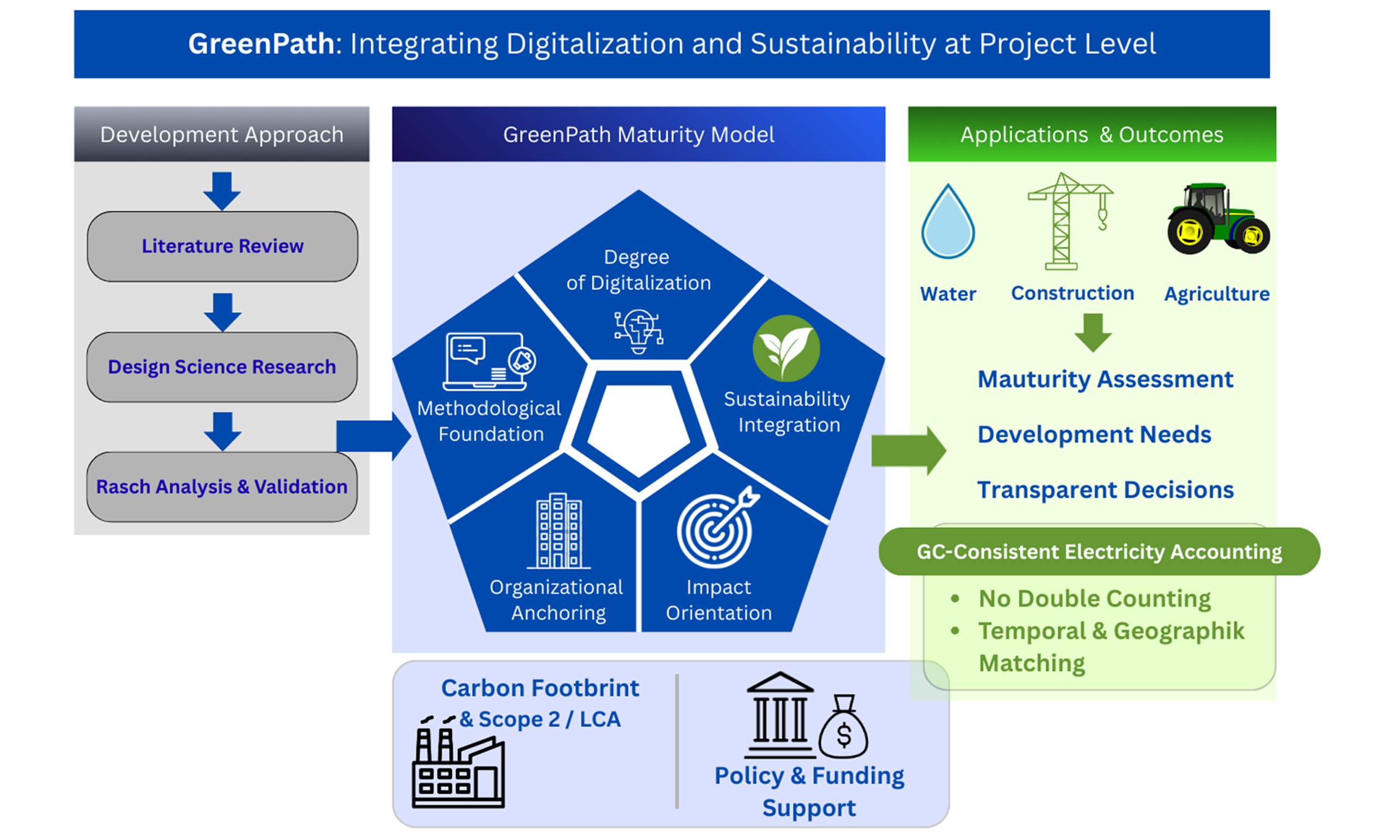
Digital technologies are important enablers of sustainable transformation. However, project-level tools that assess whether digitalization leads to measurable sustainability outcomes and credible carbon-footprint impacts remain scarce. This study introduces GreenPath, a project-level maturity model that conceptualizes digital sustainability as impact readiness. The model was developed using established maturity model design principles and a design science research approach, with the assessment structure designed to support subsequent quantitative validation. A literature review indicates that existing maturity models either emphasize digital capacity or sustainability ambition but fail to evaluate whether projects can produce decision-relevant footprint results. GreenPath addresses this gap through five dimensions: degree of digitalization, sustainability integration, impact orientation, organizational anchoring, and methodological foundation. Green certificate (GC)-based electricity accounting in life cycle assessment serves as an illustrative case highlighting frequent gaps between technological advancement and footprint credibility. Applications in the water, construction, and agricultural sectors illustrate that GreenPath distinguishes technologically advanced projects from those prepared to quantify impacts and support mitigation decisions. For Carbon Footprints research and practice, GreenPath provides a structured way to assess project readiness for credible footprint accounting. This includes the use of GC-based electricity claims, thereby supporting transparent decision-making and evidence-based alignment of digital innovation with sustainability goals.
Keywords
INTRODUCTION
The transformation into a sustainable economy is a key challenge facing business, science, and politics. GreenTech projects are relevant drivers of technological, ecological, and economic innovation, particularly in resource-efficient production, renewable energy supply, and circular value creation[1-3]. Simultaneously, digital technologies are playing an increasingly important role in making processes more efficient, data-driven, and networked[4,5].
However, digitalization is not inherently sustainable. Digital technologies and infrastructures themselves generate environmental burdens through energy, water, material use, and e-waste, and efficiency gains can be partly or fully offset by rebound effects; therefore, a higher degree of digitalization should only be interpreted as a maturity gain when these burdens are made visible and are actively governed within the project logic[6-8]. Higher levels of digitalization do not automatically imply improved environmental performance. Accordingly, GreenPath does not interpret digital intensity per se as a maturity gain. Where projects rely on sensors, edge devices, communication networks, cloud platforms, data centres, or AI models, the direct footprint of this digital layer should also be made visible, including operational electricity demand, cooling-related water use where relevant, embodied emissions from hardware production and replacement, and end-of-life burdens[9-12].
In practice, it can be observed that although sustainability and digitalization are addressed equally as strategic fields of action, they are rarely thought of and implemented in a systematically integrated manner. Several scientific approaches have been proposed to facilitate this integration, including assessment frameworks, readiness indices, and structured evaluation tools. Among these, maturity models have emerged as particularly useful instruments for structuring complex transformation processes and identifying development paths. Existing maturity models in the context of digital sustainability are either too generic or limited to technological maturity. A methodological framework for evaluating and further developing digital sustainability in GreenTech projects is not yet available[13,14].
In parallel, the quantification and reduction of carbon and resource footprints have become central objectives in urban systems, infrastructure projects, and industrial value chains. Urban water management, the built environment, and construction activities are particularly relevant due to their high energy demand, material intensity, and indirect greenhouse gas (GHG) emissions. Digital technologies such as data platforms, sensor networks, and AI-based analytics increasingly support life-cycle-based carbon accounting, resource-efficiency monitoring, and low-carbon decision-making. However, while footprint methodologies such as life cycle assessment (LCA) are well established, project-level instruments that connect digital maturity with carbon-relevant impact orientation remain scarce[15-17].
For the scope of Carbon Footprints, “footprints” are understood more broadly as GHG and air-pollutant emissions (e.g., CO2, CH4, N2O, NOx, SO2, particulate matter), and as decision-relevant signals for low-carbon transitions across urban, industrial, and ecosystem-related systems. This increases the importance of transparent system boundaries, documented data quality, and methodological compatibility with recognized organizational and value-chain GHG accounting practices, product carbon footprint standards, and air-pollutant inventory guidance[18-20].
In addition, electricity-related footprint credibility increasingly depends on how “renewable electricity” claims are represented in LCA and corporate GHG reporting through green certificates (GCs) such as guarantees of origin (GOs) and renewable energy certificates (RECs). Recent Carbon Footprints work highlights persistent methodological challenges, especially double counting, geographic/temporal mismatches, and residual-mix effects and proposes a multi-stage standardization framework for GC integration in LCA[21].
Against this backdrop, this study aims to provide a practical tool for the structured classification, evaluation, and further development of digital sustainability in GreenTech projects using the GreenPath maturity model. The model was designed in line with the procedure for developing maturity models recognized in scientific practice[22] and is based on a systematic literature analysis as well as methodological elements of impact-oriented project management[23,24].
GreenPath is intended to support project managers, researchers, and decision-makers in the strategic evaluation of GreenTech projects. It helps identify development needs and supports evidence-based decision-making In this way, it contributes to operationalizing digital sustainability and helps bridge the methodological gap between technological innovation and sustainable impact. In this study, sustainable impact is not treated as an automatic consequence of digitalization, but as a conditional project capability: the capability to make intended and unintended environmental effects visible, to govern trade-offs, and to assess whether digital interventions plausibly contribute to net reductions rather than merely improving measurement. In this revision, “sustainable impact” is explicitly interpreted as the project capability to credibly quantify and reduce carbon and pollutant footprints and to communicate mitigation pathways beyond a single-case narrative. Accordingly, GreenPath should be read as a framework for assessing project readiness, accounting credibility, and outcome-awareness, rather than as a direct measure of demonstrated environmental performance. This includes the capability to implement standardized, traceable GC integration for electricity in LCA/Scope 2 reporting where relevant, and to document assumptions so that double counting risks are minimized[21,25,26].
Against this background, the following research question is derived:
What gap does GreenPath address in comparison with existing maturity models, and how does it support the operationalization of digital sustainability at the project level?
A particular focus of this study is the extent to which GreenPath can strengthen standardized carbon-footprint accounting, especially through GC-consistent electricity modeling in LCA and Scope 2 reporting.
The remainder of this paper is structured as follows: Section “LITERATURE REVIEW” presents the theoretical framework and the results of the literature analysis. Section “METHODOLOGY” describes the methodology used. Section “RESULTS: THE GREENPATH MODEL” introduces the GreenPath Model. Section “DISCUSSION” discusses its potential, limitations, and possible applications. Section “CONCLUSION” summarizes the key findings and provides an outlook for further research.
This study presents a conceptual maturity model developed using a design science research approach. The model is not empirically validated at this stage but provides a structured foundation for future quantitative testing and application.
LITERATURE REVIEW
Maturity models as a structuring tool
Maturity models serve to structure, evaluate, and develop complex systems. They enable the determination of an initial state, derivation of a target vision, and identification of suitable development paths[14,23]. Particularly in dynamic domains, such as digitalization or sustainable transformation, they are suitable for reducing complex change processes to a common understanding of concepts and structures[27].
Fields of application and typology
Maturity models are used in a wide variety of contexts, from process assessment (e.g., Capability Maturity Model Integration (CMMI), Business Process Maturity Model (BPMM)) to innovation and technology management (e.g., Technology Readiness Level (TRL), Innovation Readiness Level (IRL)) to industry-specific applications, such as in the healthcare and smart grid sectors[28,29].
They differ in terms of structure (dimensional depth), scale level (ordinal vs. metric), area of application (organization, process, project), and objective (diagnosis, control, benchmarking), among others. Classic models, such as CMMI, are strongly process-oriented, while newer models increasingly integrate strategic and transformative aspects.
Limitations of existing maturity models in the context of digital sustainability
In recent years, numerous maturity models have emerged that address different aspects of digitalization, process management, and sustainability. The following section provides an overview of the most relevant models: the Smart Grid Maturity Model (SGMM), various Green Information Technology Maturity Models (IT MM), the Sustainable Manufacturing Maturity Model (SMMM), the Erfolgreich, durchgängig, effizient und nachhaltig (EDEN) model, the generic CMMI, and two more recent approaches such as the Digital Sustainability Maturity Model (DSMM) by Criado-Perez et al.[30] and the Green IT Maturity Framework by Salles et al.[31].
The SGMM was developed by the Software Engineering Institute (SEI) in collaboration with energy suppliers and is used for the strategic positioning of companies in the smart grid context[32]. In addition to technology and process aspects, it integrates a domain covering social and environmental issues. The model is strongly organization- and infrastructure-oriented and has been validated in numerous benchmarking studies.
Green IT maturity models aim to assess the sustainability of IT infrastructures and related practices. A current example is the framework developed by Salles et al.[31], which defines six dimensions: organizational, technological, economic, ecological, social, and marketing. The focus of digitalization is on the use of IT, whereas sustainability is comprehensively integrated.
The Sustainable Manufacturing Maturity Model addresses ecological, economic, and social sustainability in the manufacturing industry[33]. Digitalization plays a subordinate role. The EDEN model was developed by the Business Process Management (BPM) Club, Germany, and focuses on process management maturity[34]. Sustainability is primarily understood in terms of long-term efficiency rather than ecological impact.
CMMI is one of the most established maturity models for software and system development[35]. It is highly project-oriented but does not consider sustainability aspects.
DSMM is a recent research approach that explicitly combines digital transformation and sustainability (“twin transformation”) in a maturity model[30]. The model is strategically oriented, but its empirical validation is still pending. The Green IT Maturity Framework by Salles et al.[31] is a systematically developed variant based on a literature review that comprehensively integrates sustainability into IT governance.
Table 1 provides a comparative overview of existing maturity models, highlighting their digital focus, degree of sustainability integration, project relevance, and validation status. This comparison is also graphically illustrated in Figure 1.
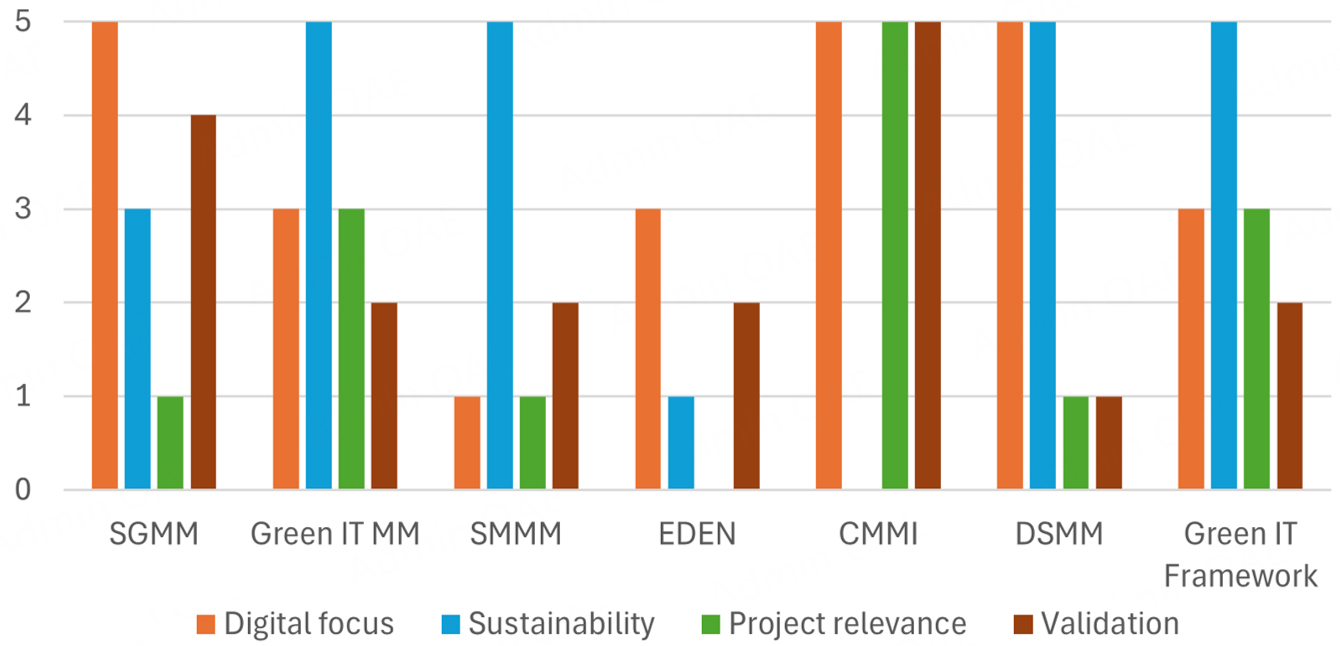
Figure 1. Comparison of existing maturity models in terms of digital focus, sustainability, project relevance and validation.
Comparison of existing maturity models
| Model | Digital focus | Sustainability integration | Project relevance | Validation |
| SGMM | Strong (smart grid, energy IT) | Medium (own domain on environment & society) | Low | Widely applied, SEI validation |
| Green IT MM | Medium (IT use, infrastructure) | High (ecological, social, economic) | Medium | Conceptual, initial case studies |
| SMMM | Low | High (ecological, social, economic sustainability) | Low | Pilot applications, NIST |
| EDEN | Medium (process IT) | Low (sustainability = efficiency) | Very low | Practical applications in the BPM Club |
| CMMI | High (software/system development) | None | High | Global standard validation |
| DSMM | Very high | Very high (twin transformation) | Low | Conceptual, early phase |
| Green IT framework | Medium (IT services) | High (triple bottom line) | Medium | Literature basis, initial use cases |
The results show that existing models are either heavily tailored to specific contexts (e.g., smart grids, manufacturing, IT) or integrate comprehensive sustainability aspects but lack explicit project relevance. Other models, such as CMMI, are project-specific but do not consider sustainability. Only the DSMM addresses digitalization and sustainability equally, but it is still in an early stage of development.
Therefore, there is a lack of a practice-oriented model that integrates digitalization, sustainability, impact measurement, organizational anchoring, and methodological foundations and that can be applied at the level of specific projects. GreenPath was developed to address this gap. At the same time, the literature also suggests that digitalization and sustainability should not be treated as automatically mutually reinforcing. Digital systems may improve traceability, monitoring, and optimization, while simultaneously generating additional electricity demand, hardware-related burdens, and rebound effects that offset expected gains. This ambivalence implies that higher digital maturity cannot be equated with higher sustainability performance per se. Instead, a mature project should be understood as one that is able to identify, quantify, and govern these tensions explicitly. This distinction is analytically important because projects may be highly developed in governance and methodological design while still producing uncertain, negligible, or even adverse net environmental outcomes.
In addition to these established frameworks, recent research has expanded the maturity model landscape towards circular economy and sector-specific applications. Sgambaro et al.[36] propose a maturity model for circular economy implementation in healthcare, while Saari et al.[37] introduce a circular economy matrix guiding manufacturing industries. Farfán Chilicaus et al.[38] provide a systematic review of water-related circular economy strategies, and Kreutzer et al.[39] synthesize existing circular economy maturity models in a comprehensive review. These contributions underline the growing importance of sustainability-focused maturity models but also highlight persistent limitations regarding project-level applicability and empirical validation.
Furthermore, alongside classic maturity models, established maturity scales such as Technology Readiness Levels (TRL)[40] and Innovation Readiness Levels (IRL)[2] are also relevant. Both approaches enable a structured classification of technological and innovation-related development stages. However, they are heavily technology-centric and do not consider sustainability or project-specific organizational contexts. Compared to such generic scales, GreenPath specifically addresses the integration of digitalization and sustainability in projects and expands existing approaches from an impact-oriented methodological perspective.
Carbon- and pollutant-footprint accounting as a “bridge” for project-level maturity
For Carbon Footprints, a recurring limitation of digital sustainability maturity models is that they often assess technology adoption without testing whether the project can (i) quantify GHG and air-pollutant footprints credibly, and (ii) connect results to mitigation decisions. In practice, credible footprint work requires explicit boundary setting (life-cycle stages, organizational and value-chain boundaries), consistent activity data, transparent emission-factor choices, and documentation of uncertainty. These requirements are reflected in widely used standards and guidance for GHG and pollutant inventories and for product carbon footprints[18-20]. GreenPath addresses this gap by clarifying how the dimensions impact orientation and methodological foundation are interpreted and operationalized, while retaining the original five-dimensional structure to ensure usability across sectors.
In particular, electricity accounting has become a frequent source of credibility problems when projects use GCs (e.g., GOs/RECs) to claim renewable electricity. Inconsistent use of market-based and location-based approaches, missing residual-mix logic, and weak temporal or geographic matching can lead to double counting or misleading reductions in product and corporate footprints[21,26]. Recent evidence also shows that annual certificate matching can conceal substantial seasonal and intraday mismatches between renewable supply and consumption; stricter temporal matching (e.g., monthly/quarterly and ultimately hourly) can improve transparency but introduces additional data and governance requirements[41].
METHODOLOGY
Design approach and objectives
This study follows a conceptual design science approach aimed at developing a theoretically grounded maturity model rather than empirically validating it at this stage. The GreenPath maturity model is developed in line with the recognized process model for developing maturity models[22]. The aim is to develop a consistent, comprehensible, and practical tool that is both theory-based and compatible with real-world projects. The methodology follows the design science approach[42,43].
Procedural model for developing maturity models
As illustrated in Figure 2, the methodological approach is based on the process model for developing maturity models[22], which is structured into several iterative phases:
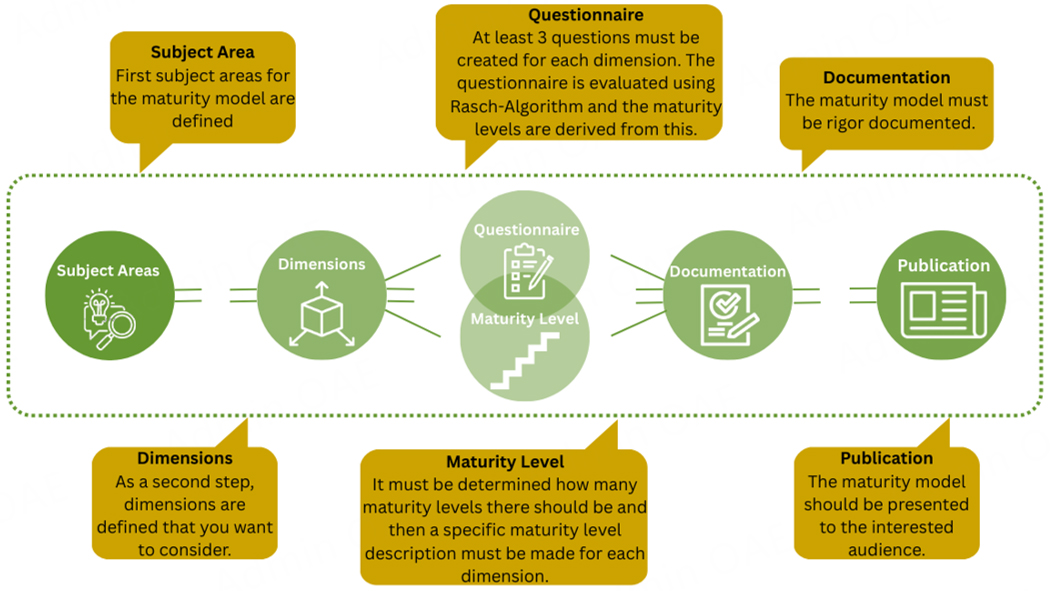
Figure 2. Procedural model for developing maturity models (own illustration based on 22).
1. Problem definition and goal setting
2. Definition of structure and dimensions
3. Formulation of maturity levels
4. Development and operationalization of items
5. Empirical validation (e.g., Rasch analysis, typically conducted in later stages)
6. Practical transfer and application strategy
Each phase was implemented according to defined quality criteria. The dimensions were derived in a theory-driven manner, whereas the items were formulated with practical applicability in mind.
This approach ensures both a solid conceptual foundation and iterative development supported by validation loops.
Derivation of the model structure
The five assessment dimensions were selected based on a systematic literature analysis in conjunction with use cases from GreenTech projects. Existing concepts of digital maturity, sustainability, impact measurement, and organizational transformation were analyzed and compared with project logic. The aim was to define a robust and transferable set of dimensions that can be applied across different domains.
Operationalization and evaluation
At least three diagnostic items were developed for each of the five dimensions. The items were formulated to be both content-specific and linguistically unambiguous. The assessment is conducted ordinally using a four-point scale ranging from “not fulfilled” to “fully fulfilled”.
The Rasch algorithm is intended to be used in future research for standardized scaling and comparability. This enables the calculation of latent maturity levels and increases the objectivity of the assignment to individual maturity stages. In future applications, the evaluation may be software-supported, for example using eRm in R or Winsteps.
Validation and pre-testing
Before practical application, a qualitative pre-test was conducted with three project managers. The objective was to assess the comprehensibility, selectivity, and applicability of the items. Based on the feedback, linguistic clarifications were made, and the individual items were refined. Quantitative validation was planned for a later version of the manuscript.
Integration of impact-oriented evaluation approaches
Impact-oriented assessment approaches were considered to substantiate the content of the “impact orientation” dimension and the methodological depth of the model. In particular, the concepts of LCA and life cycle costing (LCC) offer valuable insights for systematically capturing ecological and economic impacts throughout the entire life cycle of a project. These approaches enable not only the assessment of short-term efficiency but also the analysis of long-term cause-and-effect relationships.
Within GreenPath, LCA is not treated as a standalone accounting tool but as a methodological anchor that enables visibility of project-related environmental impacts, including energy use and carbon-relevant effects across the life cycle[19,43].
This methodological anchor should, where relevant, also be applied to the digital intervention itself rather than only to the monitored target system. In practice, this means screening or quantifying the operational and embodied impacts of the digital layer, such as sensors, gateways, networks, cloud/data-centre services, and AI training or inference, so that digital optimization benefits are not overstated by excluding the footprint of the enabling infrastructure[9-12].
This is supplemented by elements of impact matrices and logic models from international development cooperation, such as Theory of Change and Impact Mapping, which are increasingly used in innovation and project management contexts. The integration of such concepts strengthens GreenPath’s compatibility with higher-level control instruments, for example in the context of ESG reporting, impact controlling, or funding logic.
To ensure compatibility with carbon- and pollutant-footprint practice, the methodological foundation dimension is additionally anchored in recognized standards and guidance for organizational and value-chain GHG accounting, product carbon footprinting, and air-pollutant inventory compilation[18-20]. This strengthens comparability and supports decision-oriented mitigation planning. In the context of carbon footprints, GreenPath can be interpreted as a “readiness-to-impact” instrument: it assesses whether projects possess the digital, organizational, and methodological prerequisites to quantify carbon and pollutant footprints credibly and to translate results into mitigation decisions across life-cycle stages and value chains. For electricity-related footprints, this includes readiness to implement GC-consistent accounting choices transparently (e.g., market-based claims with residual mixes, stated matching rules) so that reported reductions are reproducible and comparable. Importantly, high maturity scores in GreenPath indicate stronger governance quality, methodological robustness, and accounting credibility; they do not, by themselves, demonstrate positive net environmental impact. A project may therefore be mature in readiness terms while the environmental effect of digitalization remains uncertain, contested, or even negative if the project does not explicitly assess the footprint of the digital layer itself, possible burden shifting, and rebound effects.
To align with standardized GC integration in LCA, GreenPath’s methodological foundation further incorporates (as assessable practices) the project’s ability to: (i) document certificate type and quality criteria, (ii) apply residual-mix logic when market-based instruments are used, (iii) ensure geographic and temporal matching rules are explicit, and (iv) retain auditable data lineage from certificate procurement to footprint results[18,21].
RESULTS: THE GREENPATH MODEL
Objectives and basic structure of the model
The GreenPath maturity model was developed to enable the systematic assessment and further development of digital sustainability in GreenTech projects. The aim is to provide project managers, funding bodies, and decision-makers with a tool that analyses the starting point of a project and derives targeted development paths. The model captures technological, strategic, and impact-related aspects of GreenTech projects.
The basic structure follows a stage-based understanding of maturity with five development stages and five assessment dimensions. Each dimension is operationalized by several diagnostic items that translate qualitative assessments into a structured evaluation. In the context of Carbon Footprints, GreenPath can be interpreted as a “readiness-to-impact” instrument: it assesses whether projects possess the digital, organizational, and methodological prerequisites to quantify carbon and pollutant footprints credibly and to translate results into mitigation decisions across life-cycle stages and value chains[44]. For electricity-related footprints, this includes readiness to implement GC-consistent accounting choices transparently (e.g., market-based claims with residual mixes, stated matching rules) so that reported reductions are reproducible and comparable[21,26].
Assessment dimensions
The structure of the GreenPath model is based on five key assessment dimensions, identified through a systematic literature review and validated against project-specific requirements. The aim is to capture digital sustainability in GreenTech projects in a holistic, practical, and transferable way. The five dimensions are as follows:
1. Degree of digitalization
Assesses the technological maturity of the project, particularly regarding the use of digital technologies such as sensor technology, artificial intelligence, data platforms, automation, and integration into digital ecosystems. Higher levels of digitalization do not automatically imply improved environmental performance. An increase in digitalization is therefore only considered a maturity gain if its environmental impacts are transparently assessed and actively managed.
2. Sustainability integration
Measures the extent to which sustainability aspects are embedded in the project in terms of structure, content, and processes, from goal setting to implementation (e.g., resource strategies, environmental indicators, sustainability objectives).
3. Impact orientation
Assesses the strategic focus on environmental and social impact and the capability to systematically record and communicate this impact (e.g., SDG reference, impact chains, LCA/LCC integration, impact assessment). This explicitly includes whether electricity-related impacts and reductions are linked to defensible GC treatment. In GreenPath, impact orientation also includes whether the project explicitly examines potential rebound effects, burden shifting, and the environmental burden of the digital intervention itself. These aspects are not treated as peripheral caveats, but as necessary conditions for interpreting footprint improvements as environmentally meaningful. Research shows that digital optimizations can lead to increased consumption or activity, which may diminish or negate sustainability benefits[7,8]. This distinction is important, as improved measurement and reporting do not necessarily imply actual reductions in environmental impact. Therefore, higher impact maturity requires evidence that the project has at least assessed whether the benefits of digital optimization are offset, diluted, or contradicted by induced additional burdens.
4. Organizational anchoring
Examines the extent to which the project is institutionally embedded, for example through governance structures, stakeholder participation, or long-term organizational safeguards.
5. Methodological foundation
Assesses the use of appropriate methods for planning, control, and evaluation, ranging from scenario techniques and life cycle analyses to digital dashboards and maturity-based approaches. This dimension also includes the use of recognized footprint standards/guidance and documentation practices (boundary setting, emission-factor selection, data lineage, uncertainty notes) needed for comparable organizational, value-chain, and product-level GHG/pollutant accounting[18-20].
GreenPath does not reward digitalization merely for its own sake. Instead, digital maturity should be achieved only when the environmental burdens of the digital layer, such as energy use, hardware impacts, and potential rebound effects, are transparently assessed and actively managed. Projects should not be rated highly based solely on added digital technologies if they fail to demonstrate that their expected sustainability benefits outweigh these additional burdens[7,8,12]. A higher score therefore reflects stronger capacity to account for, govern, and document environmental implications, rather than stronger environmental performance. Where digital burdens, rebound effects, or burden shifting are not explicitly assessed, GreenPath should be understood as indicating assessment maturity rather than demonstrated sustainability performance.
In future applications, AI-supported processes may further enhance the dimensions of impact orientation and methodological foundation. These include automated evaluation of sustainability indicators, natural language processing (NLP) of unstructured reports, and AI-based scenario analyses. At advanced maturity levels, such instruments mark the transition from manual data evaluation to systematic, AI-supported sustainability reporting. For carbon and pollutant footprints, such enhancements should remain MRV-aware, meaning that they should preserve traceability, auditability, and boundary transparency in order to maintain comparability.
These five dimensions form the basis of the systematic maturity assessment. They were selected to be applicable to both technology- and impact-oriented GreenTech projects and across different project formats.
At higher maturity levels, advanced approaches become increasingly relevant. Ferreira et al.[45] illustrate how responsible AI maturity models can guide the ethical integration of artificial intelligence, while
Table 2 illustrates the overall GreenPath model structure, combining five dimensions with five maturity stages to form a matrix framework.
Visualization of the dimensions in a 5 × 5 maturity matrix diagram
| Dimension | Level 1: Not considered | Level 2: Addressed to some extent | Level 3: Structurally integrated | Level 4: Strategically anchored | Level 5: Transformative effect |
| Degree of digitalization | No digital elements | Individual digital tools | Systematic digital collection | Fully integrated systems | Digital core of the project |
| Integration of sustainability | No sustainability goals | General mention of sustainability | Specific goals formulated | Measures implemented | Sustainability-driven logic |
| Impact orientation | No impact measurement | Implicit impact expectations | Simple indicators documented | Standardized methods (e.g., LCA; recognized GHG/pollutant inventory) | Comprehensive footprint-based impact chain including electricity GC treatment (matching rules, residual mix) & mitigation communication |
| Organizational anchoring | Not organizationally anchored | Implemented on an ad hoc basis | Internal coordination established | Embedded in structure and strategy | Institutionally and comprehensively anchored |
| Methodological foundation | No methods used | Individual elements present | Use of standards/tools | Systematic use of methods | Model- and data-based control including data-quality, boundary governance, and certificate traceability governance |
Maturity levels
Each dimension is assessed along five maturity levels:
• Not considered
• Addressed to some extent
• Structurally integrated
• Strategically anchored
• Transformative effect
The wording of the maturity stages is intentionally scalable to ensure applicability to both technological and organizational-strategic contexts. However, progression across maturity levels should not be read as a linear proxy for net sustainability improvement. Advancement to higher levels primarily indicates increased capability to produce transparent, decision-relevant, and methodologically credible footprint assessments. Claims of advanced sustainability maturity additionally require that three outcome-related checks are addressed: (1) the footprint of the digital infrastructure itself, (2) plausible rebound or burden-shifting effects, and (3) empirical or otherwise well-substantiated indications that the project contributes to net reductions rather than merely improved accounting. Where these checks are absent, the maturity level should be interpreted cautiously as readiness or accounting maturity rather than verified environmental performance.
Questionnaire structure and evaluation system
For practical application, a standardized questionnaire comprising three to five items per dimension was developed. Responses are recorded on a four-point scale ranging from “not fulfilled” to “fully fulfilled”. The item structure considers both subjective assessments and documentable indicators.
The evaluation concept is designed to be based on a Rasch algorithm, which can convert item responses into a standardized maturity profile. This approach provides a methodological basis for visual classification and for deriving action-oriented recommendations, to be implemented in future empirical applications.
As an interpretive coding rule, projects that do not explicitly assess rebound effects, burden shifting, and the footprint of the digital layer may still score positively on digitalization or methodological foundation, but they should not be interpreted as demonstrating advanced sustainability performance. Examples of diagnostic items include:
• Degree of digitalization: Are digital technologies used specifically for data collection? Are the direct environmental impacts of the digital layer itself (e.g., sensors, gateways, cloud/data-centre services, AI workloads, and hardware replacement cycles) screened or quantified and considered in project decisions?
• Sustainability integration: Are ecological targets documented in the project assignment?
• Impact orientation: LCA used to assess environmental impact? Are GHG footprints quantified using clearly defined system boundaries, and are the results used to prioritize mitigation measures?
• Organizational anchoring: Are sustainability roles or responsibilities clearly defined within the project team?
• Methodological foundation: Are AI-enabled processes (e.g., sustainability reporting tools) used to support assessment? Are recognized footprint standards/guidance applied and are data quality/uncertainty documented to support footprint-based decision-making? Are electricity certificates (e.g., GOs/RECs) treated according to a documented, standardized approach (certificate type/quality, allocation, residual-mix handling, and stated temporal/geographic matching), so that double counting risks are addressed? Are transparent assumptions documented for the digital layer (e.g., electricity source, cooling context, hardware lifetime, replacement rates, and end-of-life handling) so that the footprint of the digital infrastructure can be interpreted alongside project benefits?
Example projects and application
The three illustrative cases were selected to demonstrate GreenPath across different footprint-relevant contexts: (i) construction, where embodied and life-cycle emissions are central; (ii) water-related building management, where carbon impacts are often indirect and electricity-mediated (e.g., pumping/treatment); and (iii) agriculture as a transfer scenario to demonstrate applicability beyond industrial and infrastructure domains. However, these three cases do not represent three symmetrical case analyses. Rather, the construction project serves as the primary illustrative case and is assessed in full detail, whereas the water-related example is included as a supporting application and the agricultural example as a transfer scenario to demonstrate contextual applicability and transferability. Accordingly, only the primary case was subjected to a formal GreenPath rating at the full level of analytical granularity. Its function is to show how GreenPath can identify strengths in governance, digital integration, and accounting design while simultaneously revealing unresolved questions concerning net environmental outcome, rebound risks, and the burden of the digital layer itself. This design is appropriate for theory-oriented model development, but it also means that the discriminating power of the model across contrasting cases remains to be demonstrated in future comparative applications.
Primary illustrative case: construction project (material tracking platform)
The following application serves as an illustrative example to demonstrate how GreenPath can be used to structure project-level readiness for credible carbon-footprint assessment. It does not represent a comprehensive empirical validation but is intended to show the practical logic and differentiating capability of the model in a footprint-relevant context. The primary illustrative application focuses on a construction-related GreenTech project, as this context is particularly relevant for carbon-footprint assessment across life-cycle stages. A medium-sized construction company is developing a digital platform to track building materials throughout the building life cycle, with the aim of recovering secondary raw materials such as metals, wood, and insulation materials and managing digital material passports. The platform uses AI-supported image recognition, QR codes on construction sites, and a linked dashboard for documentation and analysis.
This case was selected because construction projects frequently require footprint assessment across multiple life-cycle stages (e.g., materials, use, and end-of-life), making them suitable for demonstrating how GreenPath links digitalization to footprint credibility and decision support. As the primary illustrative case, this application was assessed using a full five-dimensional GreenPath rating and is therefore presented in greater analytical depth than the other two examples discussed below.
GreenPath rating of the construction project:
• Degree of digitalization: 4 (IoT, AI, and data platform in use)
• Sustainability integration: 4 (deconstruction concepts and secondary use centrally anchored)
• Impact orientation: 3 (initial LCA data integrated, but no complete impact chain)
• Organizational anchoring: 3 (integrated into corporate strategy, with limited external anchoring)
• Methodological foundation: 4 (use of material flow analyses, standardized indicators, and impact logics)
The resulting maturity profile indicates a strategically well-developed solution with further potential for enhanced impact measurement and stakeholder scaling.
The rating shows high maturity in digitalization, sustainability integration, and methodological foundation, while impact orientation and organizational anchoring remain at medium maturity. This differentiates a technologically and methodologically advanced project from a fully impact-scaled project with a complete, operationalized impact chain.
The impact chain can be further specified by explicitly documenting the footprint boundaries and by formalizing how footprint results inform mitigation-oriented design and operational choices. Where the platform supports embodied-carbon reporting that includes purchased electricity (e.g., for processing/recycling), GC integration rules should be explicitly stated to prevent double counting in product declarations and LCA models.
Figure 3 presents the maturity profile of a sample project and illustrates how the five dimensions can be assessed and visualized in practice. The water-related example and the agricultural transfer scenario are discussed comparatively in the text to illustrate contextual applicability and transferability, but they were not developed as fully rated comparative cases at the same level of analytical granularity.
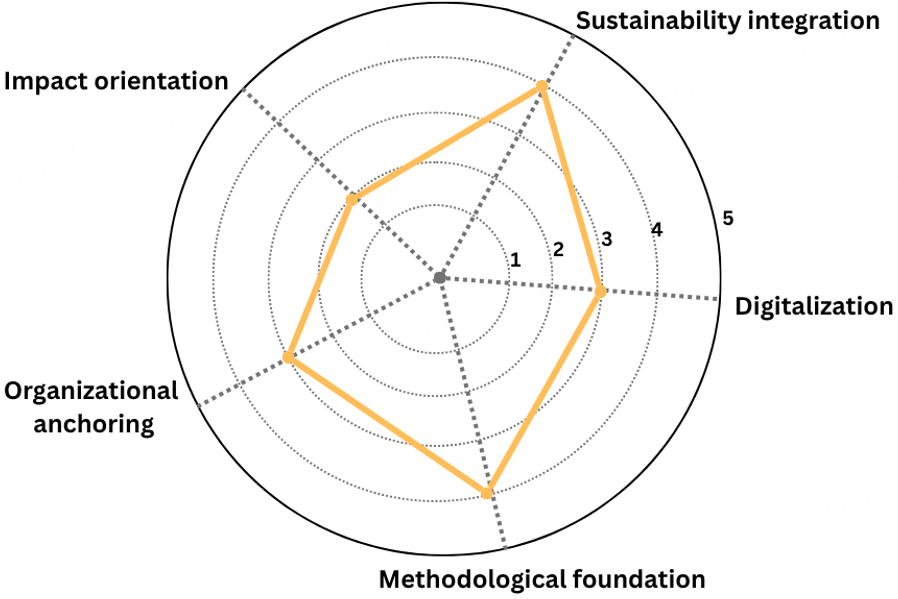
Figure 3. Maturity profile of the primary illustrative construction case.
Supporting example: water-related project (AI-supported building management)
As a supporting example, a water-related project involving AI-supported building management systems was assessed using GreenPath. The project showed medium maturity in digitalization and sustainability integration, but lower maturity in impact orientation and organizational anchoring. This brief assessment illustrates that GreenPath can also be applied in infrastructure-related contexts where carbon impacts are indirect (e.g., through electricity demand for water treatment and pumping), without requiring a full case-study analysis.
This case was included to demonstrate applicability in an infrastructure-related setting where carbon impacts are often indirect and mediated through operational electricity use, rather than dominated by direct process emissions. The assessment indicates that digital and sustainability elements are present, but that the project is less mature in translating monitoring/optimization into a clearly specified impact logic and in embedding responsibilities and stakeholder involvement beyond the immediate project context. This case demonstrates that GreenPath can be used as a lightweight screening instrument to identify whether a project’s digital capabilities are complemented by sufficient impact logic and organizational anchoring to support credible footprint interpretation and mitigation-oriented decisions, even when a full case-study analysis is not feasible. Unlike the primary construction case, however, this example is not presented as a fully elaborated comparative case analysis with a complete formalized rating profile across all five dimensions. Its purpose is illustrative and supportive rather than directly comparative.
Transfer scenario: agricultural sector (fictional example)
To further illustrate transferability of the GreenPath model, a fictional scenario from the agricultural sector is briefly outlined. Like many other sectors, agriculture faces increasing demands related to climate protection, resource efficiency, and digital traceability[47,48]. The scenario considers a medium-sized farm introducing digital technologies such as IoT soil sensors, networked weather stations, and farm management software to optimize water and nutrient use. The example indicates that GreenPath can also be applied beyond industrial and infrastructure-related contexts, without requiring sector-specific indicators or cross-level detail.
This transfer scenario was selected to demonstrate that GreenPath can be applied in a distributed, data-heterogeneous context, where digital solutions and sustainability goals are relevant but project structures and data availability may differ from industrial settings. As a transfer scenario, the example demonstrates the feasibility of mapping the situation onto the five GreenPath dimensions without requiring sector-specific indicators or extensive cross-level detail. This scenario shows that GreenPath can structure early-stage readiness discussions in sectors where projects are smaller, more distributed, and less standardized, supporting identification of what needs to be established (e.g., boundary documentation, impact logic, and organizational routines) before credible footprint assessment and mitigation decision support are possible.
Impact perspective and further development
GreenPath is embedded in an impact-oriented management framework, guiding projects from goal definition through the implementation of measures, maturity development, and scaling of impacts. The model not only supports evaluation but also facilitates strategic project development along clear impact pathways.
Future development of GreenPath will focus on deeper integration of AI-based sustainability reporting systems. Such systems can automatically collect project data, generate sustainability reports, and simulate alternative impact scenarios. This enhances transparency, comparability, and alignment with regulatory requirements such as the EU Taxonomy and the Corporate Sustainability Reporting Directive (CSRD).
For Carbon Footprints, this development should explicitly include measurement, reporting, and verification-relevant features to strengthen credibility and comparability of carbon and pollutant footprints across projects and sectors. For electricity-related footprints, this also implies machine-readable certificate traceability (issuance IDs, cancellation evidence, timestamps), and rule-based checks for temporal matching and residual-mix consistency[21,41].
DISCUSSION
The application of GreenPath to illustrative GreenTech projects shows that the model can evaluate complex project structures in a differentiated way and make development potential visible. The water-consumption-reduction project exhibited moderate maturity, particularly in the areas of digitalization and sustainability integration. However, further development was needed in organizational anchoring and impact orientation. Higher levels of digitalization do not automatically imply improved environmental performance. Digitalization may even increase environmental burdens if rebound effects or infrastructure impacts are not properly managed.
The second example from the construction industry—a digital platform for tracking building materials—showed higher maturity levels across almost all dimensions. The analysis revealed that methodological foundations and digital integration were already strategically anchored. At the same time, the evaluation identified improvement potential in impact orientation, particularly regarding the systematic application of LCA and strategic impact communication. While GreenPath supports the credibility and transparency of footprint accounting, it does not in itself guarantee actual environmental improvement.
Overall, the discussion of results indicates that GreenPath is suitable both as a diagnostic tool during project initiation and as a framework for the structured further development of ongoing projects. It can serve as a basis for benchmarking, funding decisions, and strategic reviews. The combined focus on digitalization, sustainability, and impact directly addresses current requirements from politics, business, and science. At the same time, the revised analysis suggests that GreenPath is more precisely understood as a framework for assessing whether organizations can produce credible, reflexive, and decision-useful environmental footprint evaluations in digitally enabled contexts. This distinction matters because methodological sophistication may coexist with uncertain environmental benefits. Projects can be technologically advanced and methodologically rigorous, yet still produce ambiguous or adverse net outcomes if digital expansion, rebound effects, or burden shifting are not examined. GreenPath therefore supports a stronger interpretation of footprint credibility and governance quality, but it does not by itself verify that digitalization has generated net reductions. Demonstrating that a stronger claim requires outcome evidence beyond readiness, measurement quality, and transparent accounting.
At the same time, challenges remain. The assessment requires a certain level of data availability and methodological maturity among project stakeholders. While the potential use of the Rasch model may enhance scalability and comparability, it also places higher demands on data collection and evaluation processes.
A key contribution for Carbon Footprints research is that GreenPath differentiates “digitalization for efficiency” from “digitalization for footprint credibility and mitigation”. Projects can be technologically advanced yet immature in boundary transparency, data-quality governance, and decision coupling from footprint results to mitigation measures. This supports contributions with relevance beyond individual case narratives by emphasizing comparability and mitigation pathways across sectors. The model therefore distinguishes more clearly between accounting credibility and environmental outcome: the former can be assessed within the maturity framework itself, whereas the latter requires either observed results or sufficiently substantiated evidence that the assessed project yields net environmental improvements after considering digital burdens and rebound risks.
While GreenPath emphasizes the credibility of footprint accounting, further work is needed to operationalize the link between accounting credibility and verified environmental outcomes. Projects can achieve high methodological rigor but still lead to increased emissions or resource use due to digital expansion or rebound effects[4,8]. Future revisions should clarify this distinction, integrating impact outcomes alongside accounting credibility, to ensure that digital sustainability improvements lead to tangible environmental benefits.
A further contribution of GreenPath is that it makes “certificate-consistent electricity accounting readiness” assessable at the project level: projects can be advanced in sensors/AI and still be immature in certificate traceability, documented matching assumptions, and consistent market-based vs. location-based logic, gaps that are central drivers of double counting and credibility issues in GC-based renewable electricity claims[18,21,26]. Furthermore, if projects aspire to granular (e.g., monthly or hourly) matching, maturity must reflect the availability of time-resolved activity data, certificate timestamps, and governance to interpret mismatches transparently[41].
Transferability and application potential
The two project examples illustrate how GreenPath can be applied in different contexts. Beyond these cases, the model is transferable to other sectors and project types, including energy supply, smart farming, circular production, and sustainable mobility. A prerequisite is the existence of a minimum level of digital infrastructure, impact potential, and methodological approach.
Under these conditions, GreenPath can be used as a strategic reflection tool, a funding requirement, or as part of ESG-focused project portfolios.
Critical reflection and limitations
Despite its intended practical relevance and modular design, the current version of the GreenPath model has several limitations. The assessment relies primarily on self-evaluation, which introduces the risk of subjectivity and bias. Although the Rasch model can mitigate scaling issues, its application requires valid input data and a basic level of statistical understanding.
Furthermore, the number of items was deliberately kept compact to ensure usability, which may result in a loss of informational depth. The model has so far been piloted qualitatively; comprehensive quantitative validation is still pending. Its applicability to smaller organizations or highly regulated sectors has not yet been conclusively assessed. Finally, the effectiveness of the instrument depends strongly on user competence and institutional embedding—an aspect that requires further investigation through implementation studies.
These findings align with broader trends in the maturity model literature. Recent frameworks increasingly address topics such as the circular economy[29,30,32], water sustainability[38], and AI-enabled sustainability reporting[45,48]. At the same time, they confirm that robust project-level validation and cross-sector comparability remain unresolved challenges.
A limitation of GreenPath is that, as a maturity instrument, it does not itself prescribe the full technical ruleset for GC integration in LCA. Instead, it assesses whether a project is capable of implementing such rulesets in a traceable, auditable, and decision-relevant way (e.g., documented allocation logic, matching rules, residual-mix consistency, and evidence against double counting)[18,21].
A further limitation of GreenPath, in its current form, is that it remains stronger as a maturity model for footprint credibility, governance quality, and project readiness than as a full sustainability outcome model. Although the revised framework now treats rebound effects, burden shifting, and the digital layer’s own footprint as necessary interpretive conditions, these elements are not yet translated into a fully outcome-based scoring regime. As a result, a project can achieve relatively high maturity while its net environmental performance remains empirically underdetermined. Future work should therefore test how maturity assessment can be linked more systematically to verified environmental outcomes across contrasting cases.
Cross-sector applicability and limitations
The example scenario from agriculture illustrates that GreenPath is not limited to traditional industrial or infrastructure sectors but also holds potential in agricultural contexts. This underscores the cross-sector applicability of the model, which can provide guidance across GreenTech domains ranging from energy and water to production and agriculture. In this way, GreenPath contributes to the discussion on the “twin transformation”, understood as the simultaneous advancement of digitalization and sustainability[30,47].
Nevertheless, critical reflection is required. First, data availability remains a limiting factor. Without reliable metrics for sustainability impacts, there is a risk that higher maturity levels may be formally achieved while actual effects remain unclear. Second, industrial heterogeneity presents a challenge. While digital technologies can often be operationalized clearly in agriculture or manufacturing, service industries and public organizations may require different standards and evaluation logics. Third, empirical validation of the model has not yet been conducted. While initial application scenarios illustrate the conceptual connectivity of GreenPath, systematic case studies and quantitative evaluations—such as those based on the Rasch algorithm—are required to ensure robustness.
This identifies a central avenue for future research: the continuous validation and further development of GreenPath in real-world projects across different industries. Only through such efforts can the model remain both theoretically consistent and practically applicable.
In footprint-method terms, GreenPath does not replace technical carbon or pollutant accounting (e.g., full LCA or emission inventory compilation). Instead, it structures whether projects have the prerequisites for credible accounting and for using results in mitigation decisions. Analogously, it does not replace GC-integration standards but assesses whether a project can implement them consistently and transparently[21].
CONCLUSION
GreenPath represents one of the first maturity models to integrate digitalization, sustainability, impact orientation, organizational anchoring, and methodological foundations within a single framework. It therefore offers a practical and scientifically grounded approach for the systematic evaluation and targeted development of projects. By combining five assessment dimensions with five maturity levels, GreenPath enables both the diagnosis of current states and the derivation of concrete development paths.
The illustrative applications demonstrate that GreenPath can be applied across various GreenTech domains, including water management, construction, and agriculture. In doing so, the model contributes to the operationalization of the twin transformation and provides organizations with a structured tool for integrating digitalization and sustainability. At the same time, the model explicitly acknowledges that digitalization does not inherently lead to sustainability gains, but requires the transparent assessment and active management of its environmental impacts.
At the same time, limitations must be acknowledged. Challenges related to data availability, cross-industry heterogeneity, and the current lack of comprehensive empirical validation remain. Future research should therefore focus on the systematic application of the model in real-world projects, supported by quantitative evaluations, for example using Rasch-based approaches, to further enhance robustness and practical relevance.
Furthermore, the GreenPath concept offers potential for the development of migration paths, as already established in other maturity models. Such paths could support organizations in planning and implementing concrete steps for the further development of their projects. In the long term, this opens the possibility of establishing GreenPath not only as an assessment instrument but also as a strategic guide for sustainable digitalization processes.
Overall, the revisions strengthen alignment with Carbon Footprints by explicitly framing project maturity in terms of GHG and air-pollutant footprint quantification, methodological comparability, and mitigation pathway decision support across urban, industrial, and ecosystem-relevant applications. Specifically, the revision strengthens project-level maturity assessment for GC-consistent electricity accounting by emphasizing traceability, matching rules, residual-mix logic, and the avoidance of double counting. This improves the credibility and reproducibility of electricity-related footprint claims in LCA and corporate GHG reporting. At the same time, the present study makes a more delimited contribution than a full sustainability outcome model. GreenPath is best understood as a maturity framework for evaluating the credibility, governance quality, and critical reflexivity of digitally enabled footprint projects, while introducing explicit safeguards related to digital burden, rebound effects, and burden shifting. The model therefore distinguishes between the credibility of footprint accounting and actual environmental performance, which may diverge in practice. GreenPath is not intended to replace LCA, carbon-footprint methodologies, or GC integration standards. Rather, it complements these approaches by assessing whether projects have the digital, organizational, and methodological readiness required to apply them consistently and credibly and to translate results into mitigation-oriented decisions. Future research should strengthen this contribution through comparative case applications and by developing more explicit procedures for linking maturity assessments to verified net environmental outcomes.
DECLARATIONS
Authors' contributions
Made substantial contributions to conception and design of the study, as well as data analysis and interpretation: Flore, A.; Chen, Y.
Performed data acquisition, and provided technical and material support: Flore, A.; Chen, Y.; Müller, A. K.
Provided administrative support: Flore, A.
Availability of data and materials
The original contributions presented in this study are included in the article/Supplementary Materials. Further inquiries can be directed to the corresponding author.
AI and AI-assisted tools statement
Not applicable.
Financial support and sponsorship
None.
Conflicts of interest
All authors declared that there are no conflicts of interest.
Ethical approval and consent to participate
Not applicable.
Consent for publication
Not applicable.
Copyright
© The Author(s) 2026.
Supplementary Materials
REFERENCES
1. Rennings, K. Redefining innovation - eco-innovation research and the contribution from ecological economics. Ecol. Econ. 2000, 32, 319-32.
2. Kemp, R.; Pearson, P. Final report MEI project about measuring eco-innovation. Available from: https://lab.unu-merit.nl/wp-content/uploads/2021/05/Final-report-MEI-project-about-measuring-eco-innovation-1.pdf [Last accessed on 14 May 2026].
3. Indiran, L.; Fu, C.; Fahim, N. A.; Ishak, M. K.; Aslan, M. Eco-innovation methodologies: a literature review. Discov. Sustain. 2025, 6, 1143.
4. Shabur, M. A. A comprehensive review on the impact of Industry 4.0 on the development of a sustainable environment. Discov. Sustain. 2024, 5, 97.
5. Santos, A. D. M.; Sant’anna, ÂMO. Industry 4.0 technologies for sustainability within small and medium enterprises: A systematic literature review and future directions. J. Clean. Prod. 2024, 467, 143023.
6. UNEP releases guidelines to curb the environmental impact of data centres. Available from: https://www.unep.org/technical-highlight/unep-releases-guidelines-curb-environmental-impact-data-centres [Last accessed on 8 May 2026].
7. Mouthaan, M.; Frenken, K.; Piscicelli, L.; Vaskelainen, T. Systemic sustainability effects of contemporary digitalization: a scoping review and research agenda. Futures 2023, 149, 103142.
8. Widdicks, K.; Lucivero, F.; Samuel, G.; et al. Systems thinking and efficiency under emissions constraints: addressing rebound effects in digital innovation and policy. Patterns 2023, 4, 100679.
9. United Nations Conference on Trade and Development. 2024 Digital economy report. Available from: https://lab.unu-merit.nl/wp-content/uploads/2021/05/Final-report-MEI-project-about-measuring-eco-innovation-1.pdf [Last accessed on 14 May 2026].
10. Herrera, M.; Xie, X.; Menapace, A.; Zanfei, A.; Brentan, B. M. Sustainable AI infrastructure: a scenario-based forecast of water footprint under uncertainty. J. Clean. Prod. 2025, 526, 146528.
11. De Vries-Gao, A. The carbon and water footprints of data centers and what this could mean for artificial intelligence. Patterns 2026, 7, 101430.
12. Lövehagen, N.; Malmodin, J.; Bergmark, P.; Matinfar, S. Assessing embodied carbon emissions of communication user devices by combining approaches. Renew. Sustain. Energy. Rev. 2023, 183, 113422.
13. De Carolis, A.; Macchi, M.; Negri, E.; Terzi, S. A maturity model for assessing the digital readiness of manufacturing companies. In: Lödding H, Riedel R, Thoben K, Von Cieminski G, Kiritsis D, editors. Advances in Production Management Systems. The Path to Intelligent, Collaborative and Sustainable Manufacturing. Cham: Springer International Publishing; 2017. pp. 13-20.
14. Mick, M. M. A. P.; Kovaleski, J. L.; Chiroli, D. M. D. G. Sustainable digital transformation roadmaps for SMEs: a systematic literature review. Sustainability 2024, 16, 8551.
15. Xu, J.; Macaskill, K. Carbon data and its requirements in infrastructure-related GHG standards. Environ. Sci. Policy. 2024, 162, 103935.
16. Creutzig, F.; Roy, J.; Lamb, W. F.; et al. Towards demand-side solutions for mitigating climate change. Nature. Clim. Chang. 2018, 8, 260-3.
17. Pichler, P.; Zwickel, T.; Chavez, A.; Kretschmer, T.; Seddon, J.; Weisz, H. Reducing urban greenhouse gas footprints. Sci. Rep. 2017, 7, 14659.
18. Ranganathan, J.; Corbier, L.; Schmitz, S.; et al. WBCSD/WRI, 2004. Greenhouse gas protocol: a corporate accounting and reporting standard, 2004.
19. International Organization for Standardization. ISO 14067:2018: greenhouse gases - Carbon footprint of products - Requirements and guidelines for quantification. Geneva: International Organization for Standardization, 2018. Available from: https://www.iso.org/standard/71206.html [Last accessed on 14 May 2026].
20. European Environment Agency. EMEP/EEA air pollutant emission inventory guidebook 2023: technical guidance to prepare national emission inventories. LU: Publications Office, 2023.
21. Meng, X.; Wu, J.; Zhang, Y.; Ren, J.; Yue, D.; Manzardo, A. Critical review: a standardized blueprint for green certificate integration in life cycle assessment. Carbon. Footprints. 2025, 4, 29.
22. Flore, A. Reifegradmodell für Smart grids: bewertung der migrationspfade anhand von zwei fallstudien. Oldenburg: Universität Oldenburg; 2020. Available from: https://www.shaker.de/de/site/content/shop/index.asp?ID=8&ISBN=978-3-8440-7749-0 [Last accessed on 14 May 2026].
23. Becker, J.; Knackstedt, R.; Pöppelbuß, J. Developing maturity models for IT management: a procedure model and its application. Bus. Inf. Syst. Eng. 2009, 1, 213-22.
24. Lahrmann, G.; Marx, F.; Mettler, T.; Winter, R.; Wortmann, F. Inductive design of maturity models: applying the rasch algorithm for design science research. In: Jain H, Sinha AP, Vitharana P, editors. Service-Oriented Perspectives in Design Science Research. Berlin, Heidelberg: Springer; 2011. pp. 176-91.
25. World Resources Institute; World Business Council for Sustainable Development. GHG Protocol scope 2 guidance: an amendment to the GHG protocol corporate standard. Washington, DC: World Resources Institute; 2015. Available from: https://ghgprotocol.org/sites/default/files/ghgp/standards/Scope%202%20Guidance_Final_0.pdf [Last accessed on 14 May 2026].
26. Holzapfel, P.; Bach, V.; Finkbeiner, M. Electricity accounting in life cycle assessment: the challenge of double counting. Int. J. Life. Cycle. Assess. 2023, 28, 771-87.
27. Fortier, J.; Gamache, S.; Fonrouge, C. Integrating sustainable performance into the digital maturity models for SMEs in manufacturing. Appl. Sci. 2025, 15, 4041.
29. Schumacher, A.; Erol, S.; Sihn, W. A maturity model for assessing Industry 4.0 readiness and maturity of manufacturing enterprises. Proc. CIRP. 2016, 52, 161-6.
30. Criado-Perez, C.; Collins, C.; Shinkle, G. A.; Höllerer, M. A.; Pan, S.; Roberts, M. The convergence of two imperatives: a maturity model for digital sustainability. SSRN 2025. Available from: https://papers.ssrn.com/sol3/papers.cfm?abstract_id=5218075 [Last accessed on 14 May 2026].
31. Salles, A. C.; Lunardi, G. L.; Thompson, F. A framework proposal to assess the maturity of green IT in organizations. Sustainability 2022, 14, 12348.
32. Software Engineering Institute. Smart grid maturity model, version 1.1: model definition. Pittsburgh, PA: Carnegie Mellon University; 2010.
33. Mani, M. Developing a sustainability manufacturing maturity model. Manufacturing Strategy. Available from: https://www.nist.gov/publications/developing-sustainability-manufacturing-maturity-model [Last accessed on 14 May 2026].
34. EDEN e.V. EDEN reifegradmodell - Übersicht. Nürnberg: BPM Club Deutschland; 2009. Available from: https://www.yumpu.com/de/document/view/15729417/white-paper-eden/4 [Last accessed on 14 May 2026].
35. Chrissis, M. B. CMMI for development: guidelines for process integration and product improvement, 3rd ed. Upper Saddle River, NJ: Addison-Wesley; 2011. 1p. Available from: https://www.sei.cmu.edu/library/cmmi-for-development-guidelines-for-process-integration-and-product-improvement-third-edition/ [Last accessed on 14 May 2026].
36. Sgambaro, L.; Raji, Y.; Chiaroni, D.; Lettieri, E. Towards a novel circular maturity model to foster circular economy in the healthcare industry. Sustain. Prod. Consump. 2025, 55, 434-43.
37. Saari, L.; Valkokari, K.; Martins, J. T.; Acerbi, F. Circular economy matrix guiding manufacturing industry companies towards circularity - a multiple case study perspective. Circ. Econ. Sustain. 2024, 4, 2505-30.
38. Farfán Chilicaus, G. C.; Cruz Salinas, L. E.; Silva León, P. M.; et al. Circular economy and water sustainability: systematic review of water management technologies and strategies (2018-2024). Sustainability 2025, 17, 6544.
39. Kreutzer, D.; Müller-Abdelrazeq, S. L.; Isenhardt, I. Circular economy maturity models: a systematic literature review. Int. J. Econ. Manag. Eng. 2023, 17, 666-78. Available from: https://publications.rwth-aachen.de/record/981209 [Last accessed on 14 May 2026].
40. Mankins, J. Technology readiness level - a white paper. 1995. Available from: https://spacese.spacegrant.org/SEModules/Technology%20Mods/Mankins_trl.pdf [Last accessed on 14 May 2026].
41. Scholta, H. F.; Blaschke, M. J. Temporal matching as an accounting principle for green electricity claims. Nat. Commun. 2025, 16, 9280.
42. Hevner, A. R. A.; March, S. T.; Park, J.; Ram, S. Design science in information systems research. Manag. Inf. Syst. Q. 2004, 28, 75.
43. Peffers, K.; Tuunanen, T.; Rothenberger, M. A.; Chatterjee, S. A design science research methodology for information systems research. J. Manag. Inf. Syst. 2014, 24, 45-77.
44. Intergovernmental Panel on Climate Change (IPCC). Climate change 2022: mitigation of climate change. Cambridge University Press; 2023.
45. Ferreira, R. M. F. D.; Grilo, A.; Maia, M. Piloting a maturity model for responsible artificial intelligence: a portuguese case study. J. Responsib. Technol. 2025, 22, 100117.
46. Elhady, A. M.; Shohieb, S. AI-driven sustainable finance: computational tools, ESG metrics, and global implementation. Futur. Bus. J. 2025, 11, 209.
47. Martínez-Peláez, R.; Escobar, M. A.; Félix, V. G.; et al. Sustainable digital transformation for SMEs: a comprehensive framework for informed decision-making. Sustainability 2024, 16, 4447.
Cite This Article
 Open Access
How to Cite
Download Citation
Export Citation File:
Type of Import
Tips on Downloading Citation
Citation Manager File Format
Type of Import
Direct Import: When the Direct Import option is selected (the default state), a dialogue box will give you the option to Save or Open the downloaded citation data. Choosing Open will either launch your citation manager or give you a choice of applications with which to use the metadata. The Save option saves the file locally for later use.
Indirect Import: When the Indirect Import option is selected, the metadata is displayed and may be copied and pasted as needed.
About This Article
Copyright

Data & Comments
Data
0











Comments
Comments must be written in English. Spam, offensive content, impersonation, and private information will not be permitted. If any comment is reported and identified as inappropriate content by OAE staff, the comment will be removed without notice. If you have any queries or need any help, please contact us at [email protected].